Bartolomeu Dias rounds the Cape of Good Hope
“In 1488 Bartolomeu Dias's two Portuguese caravels were the first European ships to sail round the southern tip of Africa, proving that the Atlantic and Indian Oceans meet and opening the sea road to India.”
In August 1487 two small caravels and a store ship sailed out of the Tagus below Lisbon under the command of Bartolomeu Dias, a squire of the household of King João II of Portugal. For half a century Portuguese captains had been working their way down the west coast of Africa, and only two years earlier Diogo Cão had reached what is now Namibia without finding its end. Dias was told to find the southern limit of the continent and, if he could, news of Prester John, the Christian king the Portuguese hoped to find somewhere beyond it. He carried stone pillars, padrões, to mark the king's claim, and African men and women brought from earlier voyages who were to be landed along the coast to speak for the king.
Dias passed Cão's last pillar early in December and reached Walvis Bay on 8 December. In January 1488, beyond the coast of Namibia, the ships lost sight of land: storms, or perhaps a deliberate search for better winds, carried them far to the south into the cold open ocean. When they turned east and then north again, they met the coast on 3 February 1488 at a bay with herds of cattle, today's Mossel Bay, and saw that it ran east. Without ever seeing it, they had passed the end of Africa. The local Khoikhoi herders drove them from their watering place with stones, and Dias killed one of them with a crossbow. The ships followed the coast east to Algoa Bay, and on 12 March, at Kwaaihoek, Dias set up the pillar of São Gregório. A few days later, at a river named after João Infante, captain of the second caravel, the exhausted crews made him turn back.
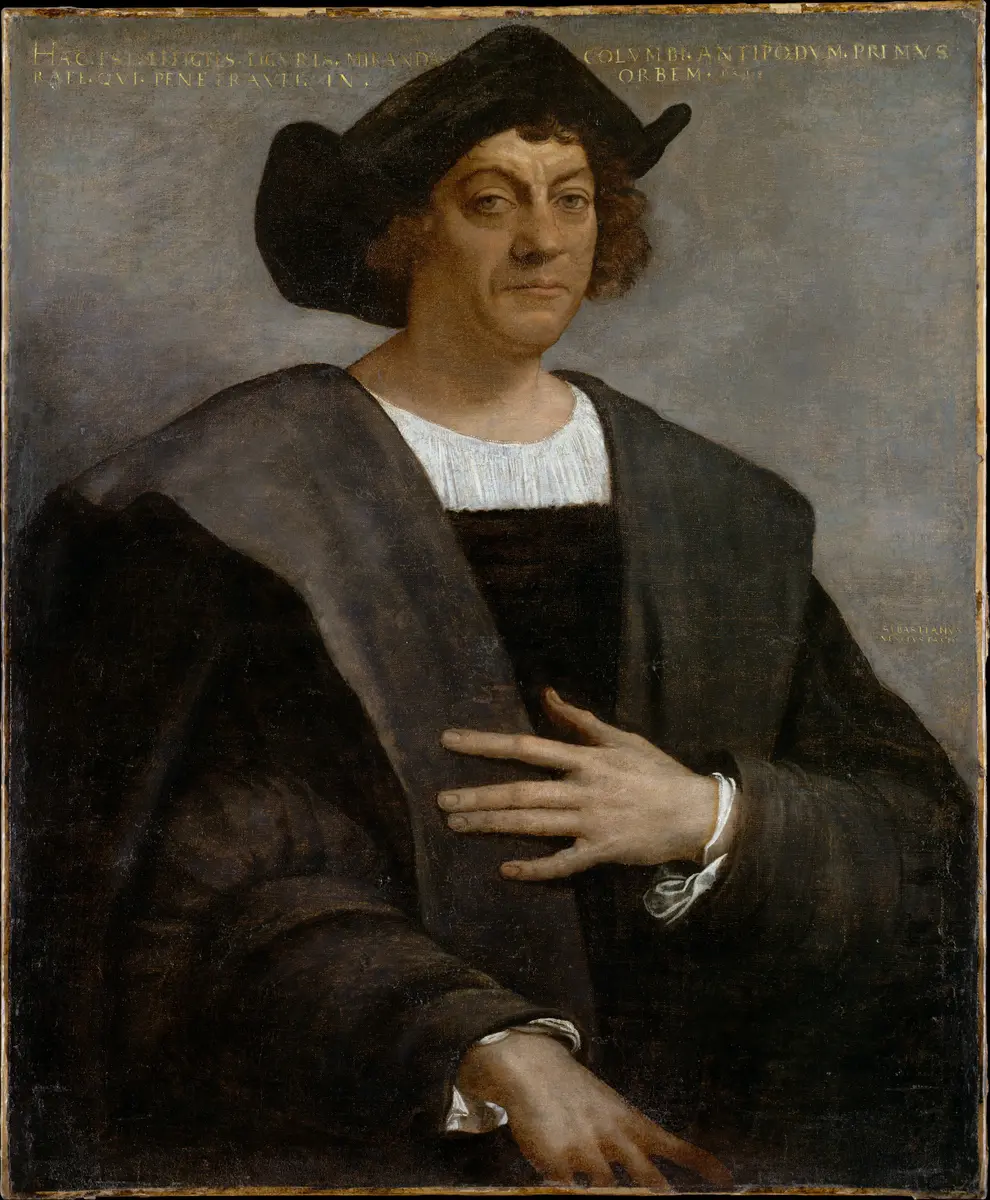
On the way home Dias saw for the first time the high cape at the end of the Cape Peninsula and set up a pillar there. The chronicler João de Barros, writing sixty years later, says he called it the Cape of Storms and that the king renamed it the Cape of Good Hope; but two men who knew Dias, the navigator Duarte Pacheco Pereira and Christopher Columbus, say that Dias himself gave it the hopeful name, because the coast there turned towards India. In July he found his store ship again after nine months: six of its nine men had been killed, and one of the three survivors died, it was said, of joy. Calling at the island of Príncipe and at the gold-trading castle of São Jorge da Mina, Dias entered the Tagus in December 1488, sixteen months and seventeen days after he had left. Columbus, who was in Lisbon hoping for the king's support for his own plan to reach Asia by sailing west, noted that he was present when Dias showed the king the chart of his voyage.
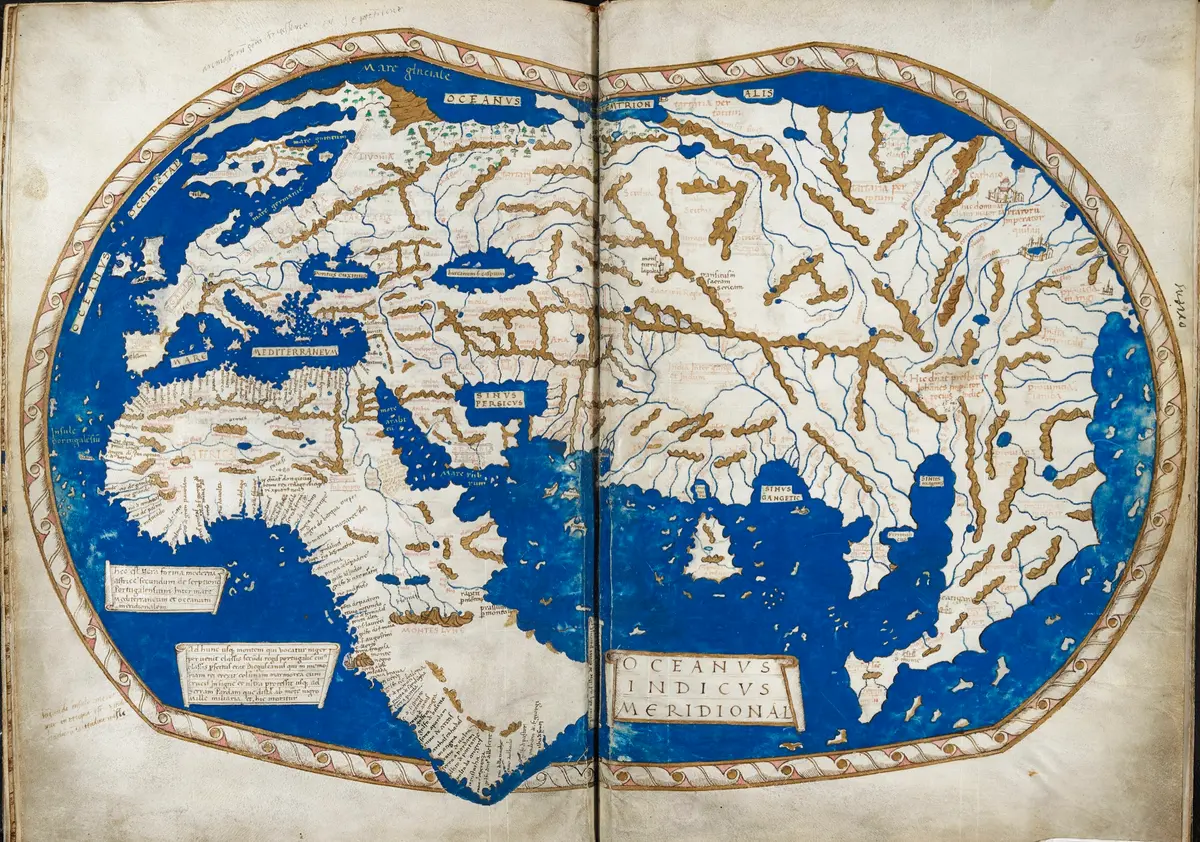
The voyage proved that the Atlantic and Indian Oceans meet and that Asia could be reached by sea around Africa, against the old belief, from Ptolemy, that land closed the Indian Ocean in. It also showed the way to do it: not along the coast, but by a wide sweep through the open South Atlantic. Within a year or two Henricus Martellus in Florence drew a world map with the new southern end of Africa. Herodotus tells of a Phoenician crew sent round Africa by an Egyptian pharaoh about 600 BCE, and Arab, Swahili and Indian sailors knew the east coast far to the south, but Dias's ships are the first known to have sailed from the Atlantic into the Indian Ocean around the Cape.
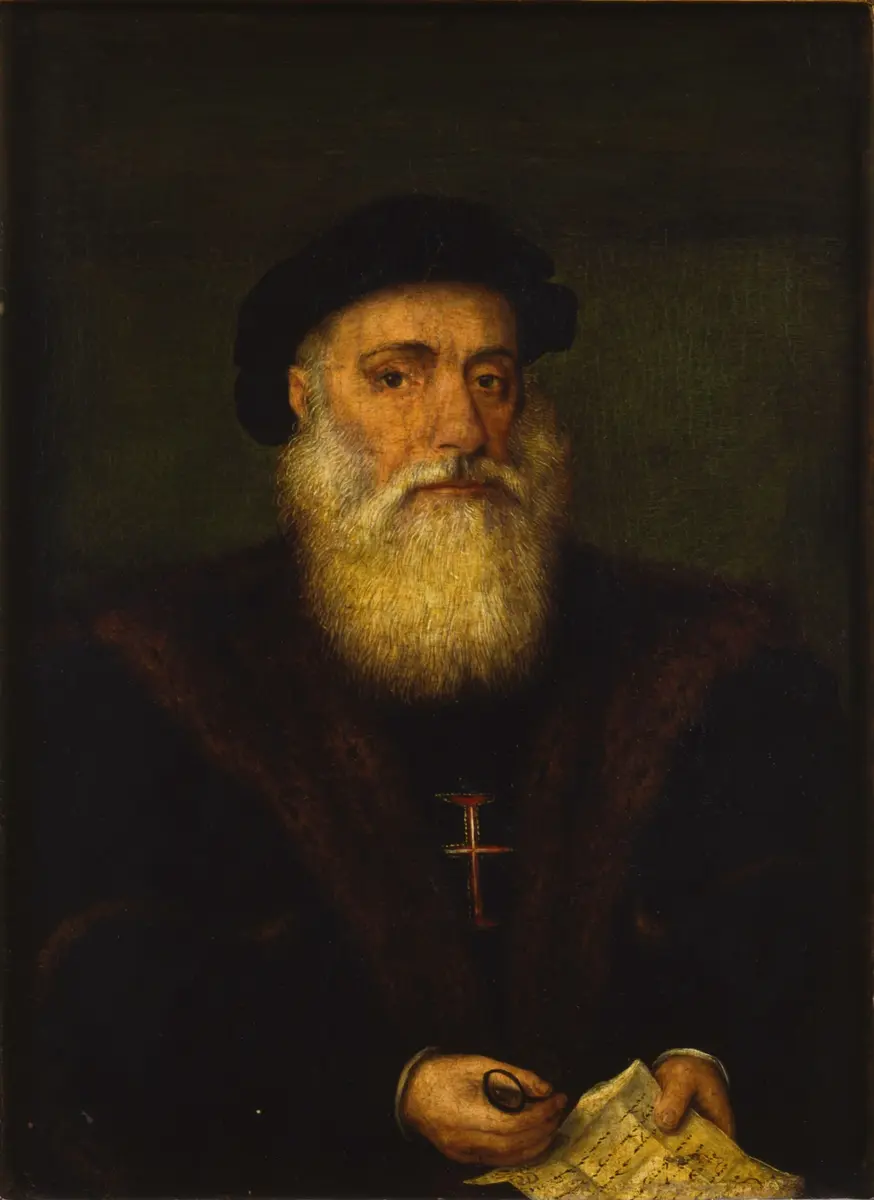
Dias was given little reward. Portugal waited nine years before following up his discovery; Dias supervised the building of Vasco da Gama's ships and sailed with him in 1497 only as far as the Cape Verde Islands, while da Gama took his route past the last of Dias's pillars to India. In 1500 Dias commanded a ship in Pedro Álvares Cabral's fleet, which touched Brazil, and he was drowned when a storm sank four of its ships near the Cape in May 1500. No official report of his voyage survives, and most of what is known comes from Barros; but fragments of two of his pillars have been found, at Dias Point in Namibia and at Kwaaihoek, where the historian Eric Axelson dug up the pillar of São Gregório in 1938.
What happened
- 1487
Two caravels, Dias's São Cristóvão and the São Pantaleão under João Infante, with a store ship under his brother Pêro Dias, leave Lisbon to find the southern end of Africa. The pilots include Pêro de Alenquer and João de Santiago, and Africans brought from earlier voyages sail with them to be landed along the coast.
Lisbon: the fleet sailed from the Tagus in August 1487 and came back in December 1488Past the last pillar Diogo Cão had set up at Cape Cross, the ships enter unknown waters; Dias names the land to the south after St Barbara, whose day it is.
Dias enters Walvis Bay and names it the Golfo de Santa Maria da Conceição, for the feast of the day.
Walvis Bay, the Golfo de Santa Maria da Conceição, reached on 8 December 1487Sailing south along the desert coast of Namibia, the ships reach the bay Dias calls the Golfo de Santo Estêvão, today's Elizabeth Bay.
Elizabeth Bay, Namibia, the Golfo de Santo Estêvão, named on 26 December 1487- 1488
Dias sights the mountains he names the Serra dos Reis, for the day of the Three Kings. Soon afterwards the ships lose sight of land: storms, or a search for better winds, carry them far south into the cold open ocean, by Barros's account for thirteen days.
Turning east and then north, the ships see high mountains and anchor in a bay with herds of cattle, today's Mossel Bay: the coast runs east, so they have passed the end of Africa without seeing it. When Dias goes ashore for water the Khoikhoi herders throw stones, and he kills one of them with a crossbow.
Mossel Bay, the Bay of Cowherds or of São Brás: the first landfall beyond the Cape, 3 February 1488After passing Algoa Bay, Dias sets up the pillar of São Gregório on the headland of Kwaaihoek, a little west of the Bushmans River; its fragments will be dug up in 1938. By now the crews, short of food and afraid, want to go home: Dias calls his officers ashore and they sign a document in favour of turning back. He wins two or three more days and reaches a river named after João Infante, the Rio do Infante, most likely the Great Fish River, where he turns back.
Kwaaihoek, where Dias set up the pillar of São Gregório on 12 March 1488On the way west the caravels anchor in Struisbaai, which Dias calls the Aguada de São Jorge, to take on water.
Dias passes Cape Agulhas, the true southern tip of Africa, probably naming it after St Brendan, whose day it is.
Cape Agulhas, the southern tip of Africa, passed on the way home in May 1488Coming from the east, Dias sees for the first time the high cape at the end of the Cape Peninsula (in May, says Britannica) and on St Philip's day sets up the pillar of São Filipe there. Barros says he called it the Cape of Storms; Pacheco and Columbus say he named it the Cape of Good Hope.
The Cape of Good Hope, first seen on the way home and named by DiasAfter nine months the caravels find the store ship again: six of its nine men have been killed in a quarrel with the local people, and the clerk Fernão Colaço, one of the three survivors, dies, it was said, of joy. The worm-eaten ship is emptied and burnt.
On St James's day Dias sets up his last pillar, of São Tiago, on the point south of Angra Pequena, today's Dias Point near Lüderitz, as the historian Eric Axelson read the evidence.
Dias Point near Lüderitz, where the pillar of São Tiago stoodSixteen months and seventeen days after leaving, Dias enters the Tagus. On the way he has called at Príncipe, where he took on board Duarte Pacheco Pereira and his sick men, at the Rio do Resgate in today's Liberia, and at São Jorge da Mina, whose governor sent gold home in his ship.
Lisbon: the fleet sailed from the Tagus in August 1487 and came back in December 1488Dias reports to King João II with a chart of his voyage drawn league by league. Christopher Columbus notes in the margin of his Imago mundi that he was present.
Lisbon: the fleet sailed from the Tagus in August 1487 and came back in December 1488