Vasco da Gama reaches India by sea
“In 1497–99 Vasco da Gama sailed from Lisbon round the Cape of Good Hope to Calicut and back: the first sea route from Europe to India and its spices.”
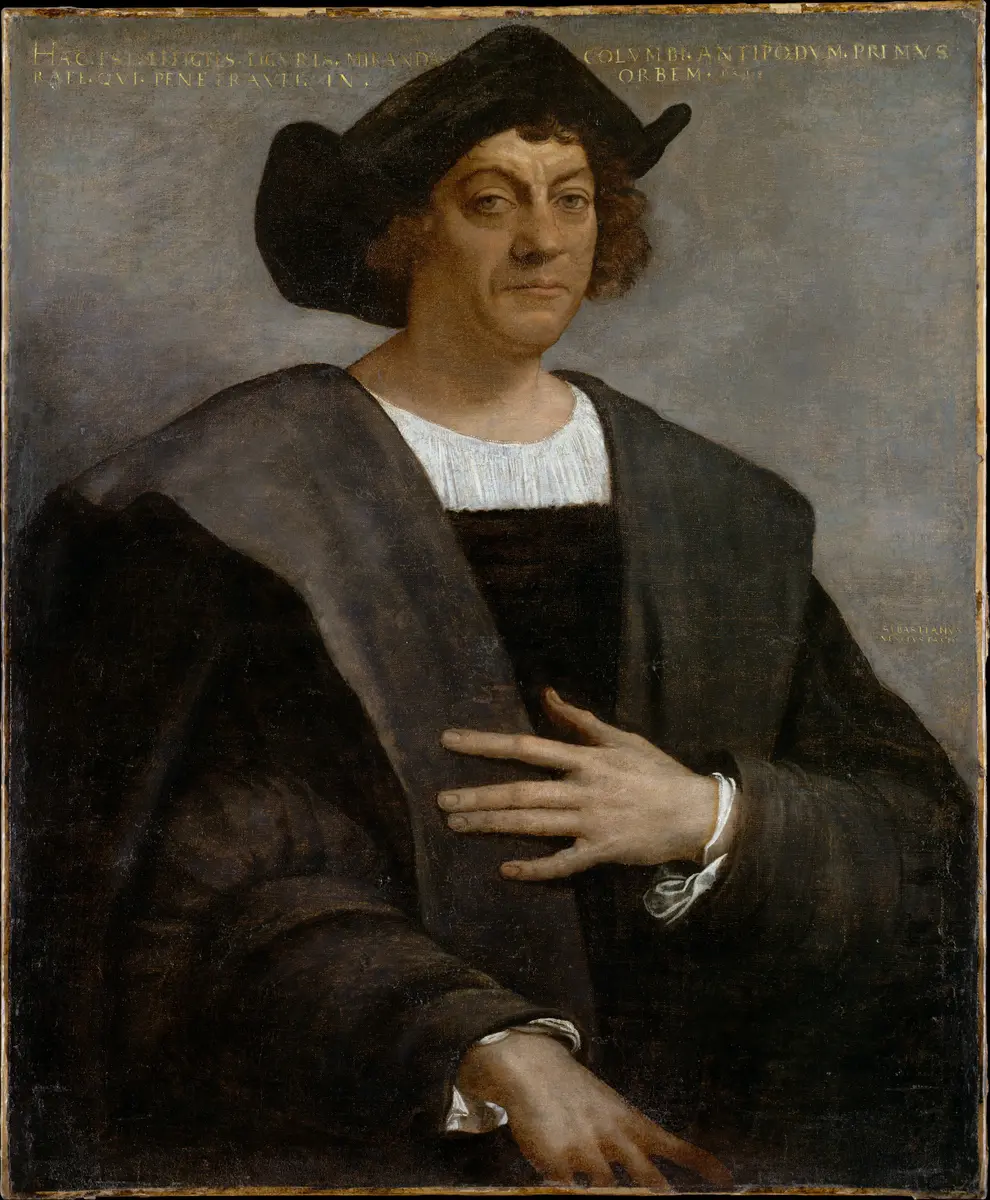
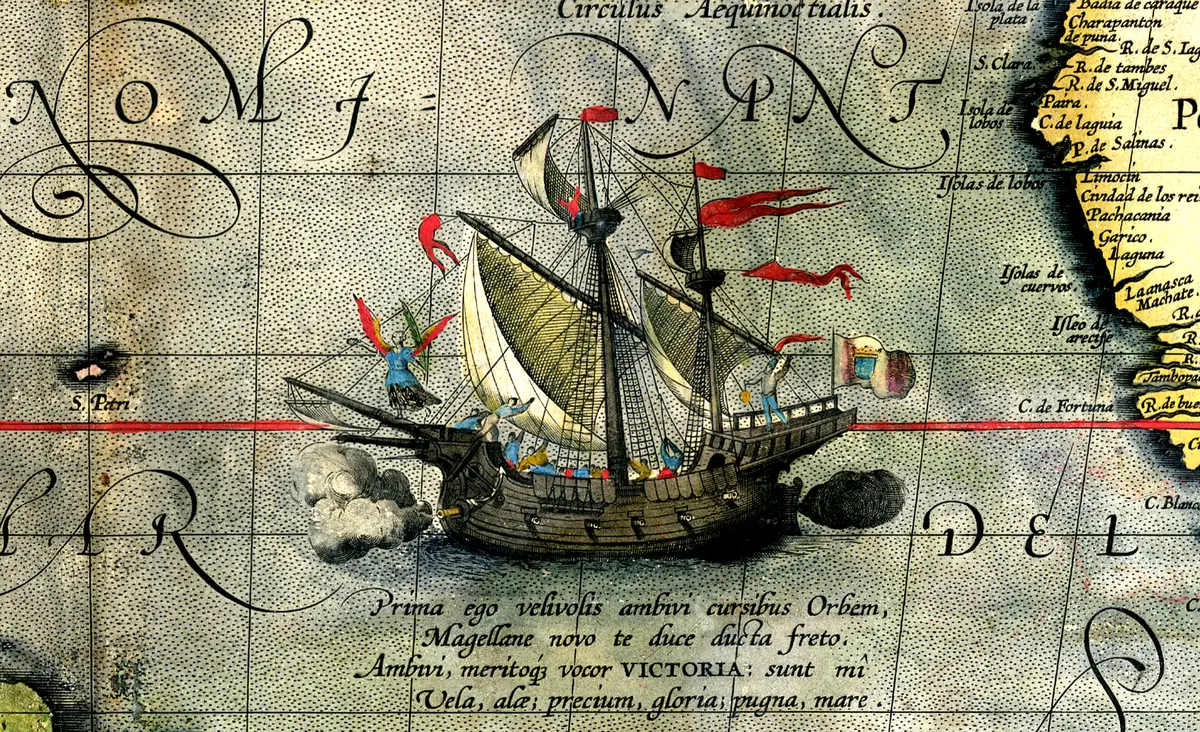
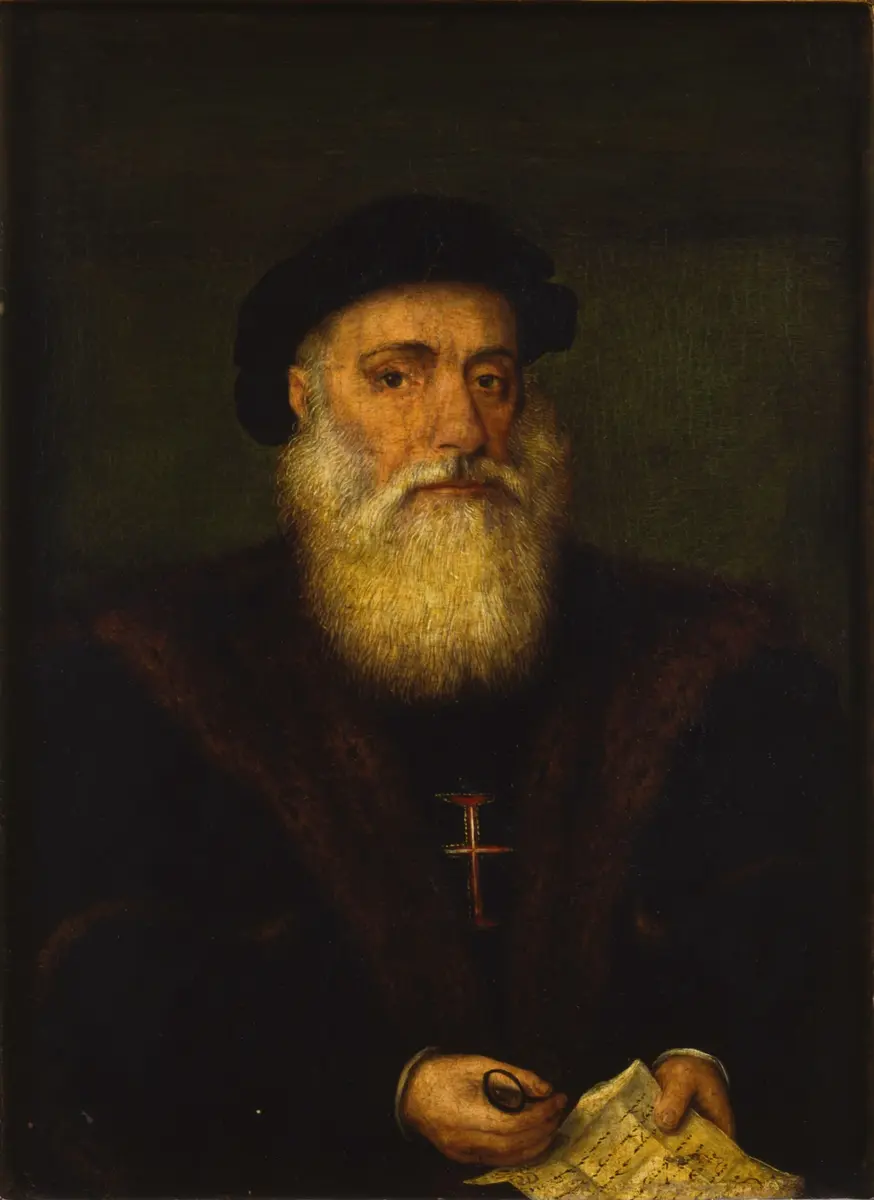
On 8 July 1497 four ships left the beach of Restelo, just below Lisbon, under the command of Vasco da Gama, the son of a minor nobleman from Sines, whom King Manuel I had chosen to finish what Portuguese captains had been working towards, stage by stage down the coast of Africa, for most of the century: a sea route to India and its spices. There were two three-masted ships, the São Gabriel and the São Rafael, the second under his brother Paulo; a small caravel, the Berrio, under Nicolau Coelho; and a store ship. The crews numbered perhaps 170 men (the old accounts give anything from 118 to 260), several of them veterans of Bartolomeu Dias's voyage of 1487–88, the first to round the Cape of Good Hope. After the Cape Verde Islands da Gama did not follow the African coast. He swung far out into the South Atlantic and saw no land for three months, until early November: nearly three times as long as Columbus had needed to cross the Atlantic in 1492.
The fleet rounded the Cape on 22 November, broke up the store ship in Mossel Bay, and in mid-December passed the last stone pillar that Dias had set up: from there on, no European ship had sailed before. Up the east coast of Africa the Portuguese entered a rich world they knew only from rumour, the Swahili trading towns of Mozambique, Mombasa and Malindi, where Muslim merchants dealt in gold, silver, cloves, pepper, ginger, pearls and rubies with ships from Arabia and India. Mozambique and Mombasa turned hostile once the newcomers were known to be Christians, but the king of Malindi made friends with them and gave them a pilot from Gujarat who knew the way. With the monsoon wind behind them they crossed the Arabian Sea in 23 days, and on 20 May 1498 they anchored off Kappad, a few miles north of Calicut, then the most important trading city of southern India.
Calicut was ruled by a Hindu king, the Zamorin, and much of its sea trade was in the hands of Muslim merchants from Mecca and elsewhere, who saw at once what the Portuguese would mean for them. Da Gama, who believed that India's Hindus were Christians and prayed in a temple he took for a church, was received by the Zamorin on 28 May. But the presents he had brought, striped cloth, hats, coral, wash basins, sugar, oil and honey, were laughed at by the king's officials: the poorest merchant from Mecca, they said, gave more. The European goods sold badly too; a shirt worth 300 reis in Portugal fetched 30, while the sailors bought cloves, cinnamon and precious stones. After three months of growing suspicion, with men held on both sides, da Gama sailed on 29 August, taking hostages with him and a letter in which the Zamorin asked the King of Portugal for gold, silver, coral and scarlet cloth in return for his cinnamon, cloves, ginger and pepper.
He had chosen the worst time of year to leave. Against the monsoon the crossing back to Africa took nearly three months, and scurvy killed thirty men, until each ship had only seven or eight men fit to sail her; the São Rafael had to be burnt for lack of hands. The Berrio reached Portugal on 10 July 1499. Da Gama stopped in the Azores, where his brother Paulo died, and came home to Lisbon at the end of August or in September (the chroniclers disagree); of some 170 men, about 55 returned. They brought only samples, but King Manuel at once wrote to Ferdinand and Isabella of Spain that the spice trade that enriched the Moors would now pass to Portuguese ships, had a new silver coin, the índio, struck for the India trade, and sent a far larger fleet under Pedro Álvares Cabral in 1500, which touched Brazil on the way and brought home the first cargo of spices in 1501. Da Gama himself went back in 1502 with twenty ships and orders to attack Muslim shipping.
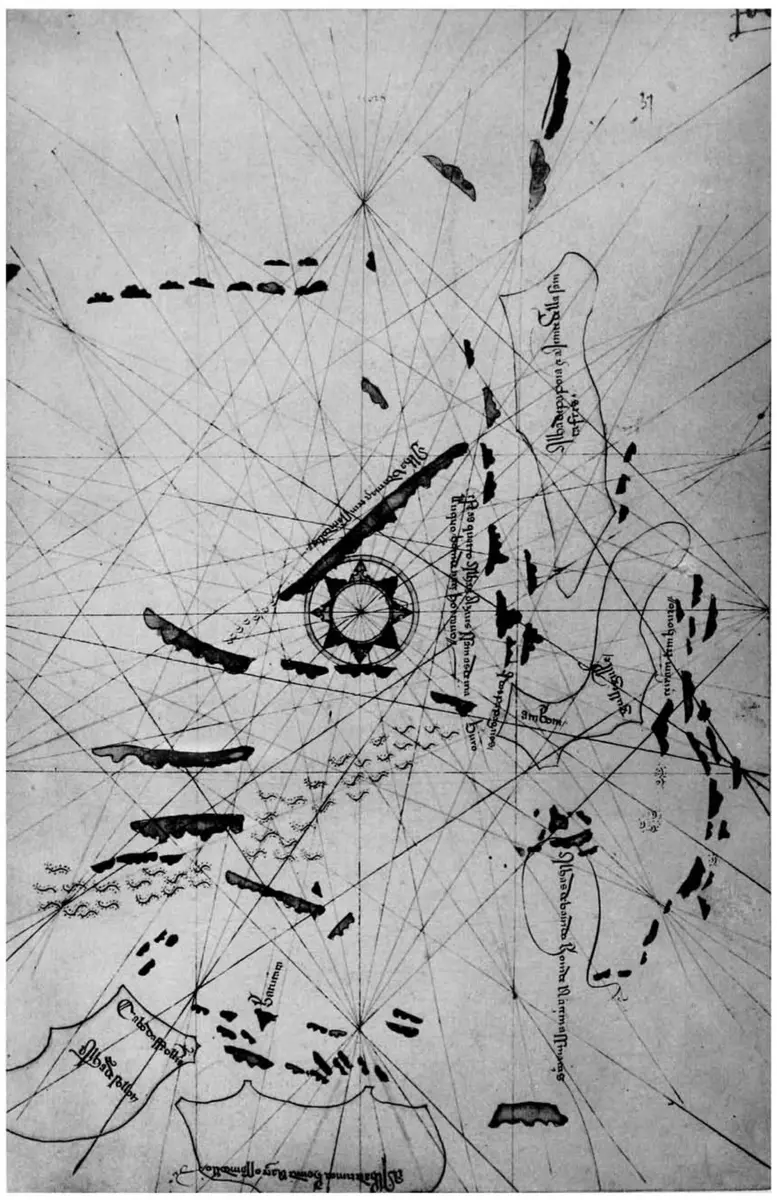
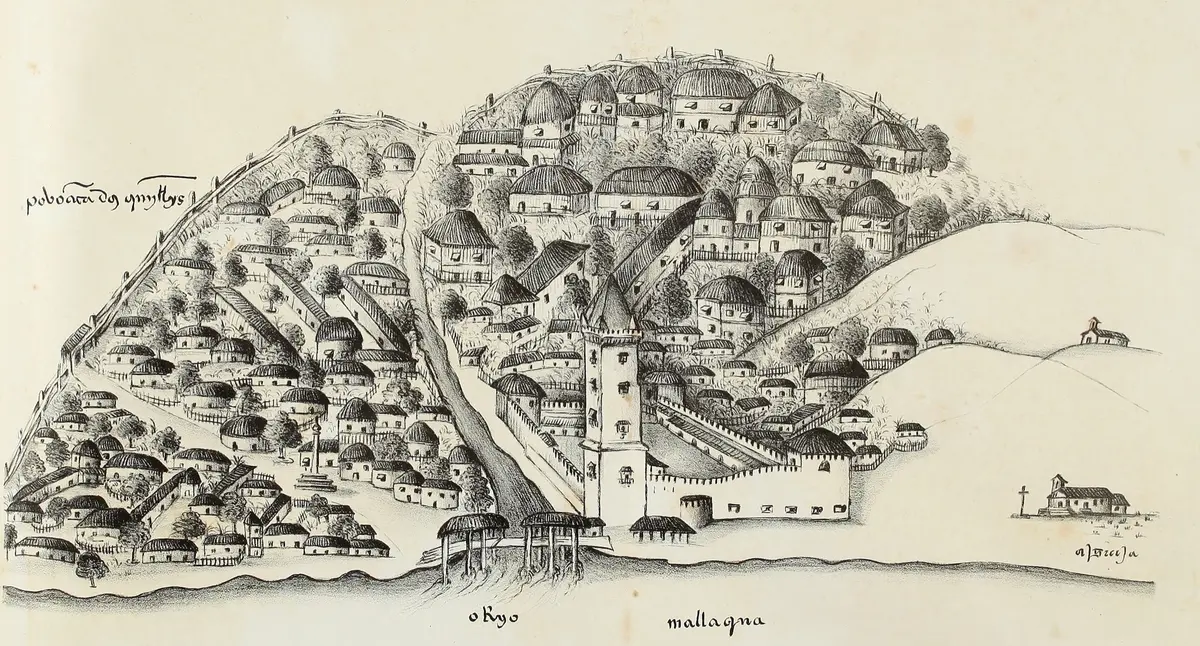
The voyage changed the map of world trade. For centuries the spices of Asia had reached Europe through a chain of middlemen, by the Red Sea and Egypt or through Syria, to Venice; now they could be bought where they grew and carried to Lisbon by sea, and for a time Lisbon became Europe's great spice market while Venice lost its monopoly. Within a few years the Portuguese pushed on to Malacca and the Spice Islands of Maluku, and a century later the Dutch and English East India companies followed the same road round the Cape, which stayed the main route from Europe to Asia until the Suez Canal opened. It was also the beginning of a trade backed by guns: from the second voyage on, the Portuguese held their place in the Indian Ocean by force. The only eyewitness account of the first voyage, an anonymous journal known as the Roteiro, survives in a single copy in Porto.
What happened
- 1497
Four ships leave Restelo, below Lisbon: Vasco da Gama's São Gabriel, the São Rafael under his brother Paulo, Nicolau Coelho's caravel Berrio and a store ship.
The Jerónimos Monastery at Belém, Lisbon, founded by King Manuel after the voyage on the site of the seamen's chapel at Restelo, where the crews spent their last night ashoreAfter a week of taking on meat, water and wood at Santiago in the Cape Verde Islands, the fleet sails on and makes a long swing through the open South Atlantic, far from the African coast.
Santiago, Cape Verde Islands: the fleet watered in the bay of Santa Maria, today's Praia, until 3 August 1497After three months without sight of land the fleet finds a broad bay north of the Cape, St Helena Bay, and stays eight days; in a quarrel with the people of the coast da Gama is wounded by a spear.
St Helena Bay: the first landfall after three months out of sight of land, 7 to 16 November 1497- 12:00 p.m.
At noon, with the wind astern at last, the fleet rounds the Cape of Good Hope after four days of trying.
The Cape of Good Hope, rounded on 22 November 1497 and again on 20 March 1499 In the bay of São Brás, Mossel Bay, the fleet stays thirteen days: the store ship is broken up and her stores shared out, the men trade bracelets for an ox with the Khoikhoi herders, and a cross and a stone pillar are set up, which the herders pull down.
Mossel Bay, the Angra de São Brás, where the store ship was broken upThe fleet passes the last stone pillar set up by Bartolomeu Dias in 1488; from that night on it sails where no European ship has been.
- 1498
The ships enter the river of Quelimane, which they name the River of Good Signs after hearing of big ships like theirs; they stay a month repairing, while scurvy swells the men's gums and limbs.
Quelimane, on the river the Portuguese named Rio dos Bons Sinais, the River of Good SignsAt the Island of Mozambique the Portuguese meet Muslim merchants whose ships carry gold, silver, cloves, pepper and ginger; the sultan grants them two pilots, but friendship turns to fighting when they are found to be Christians.
The Island of Mozambique, the first Swahili trading town, reached on 2 March 1498Off Mombasa armed men come out at night and try to board the ships; after a week of distrust the fleet leaves on 13 April.
Mombasa, where the fleet anchored from 7 to 13 April 1498At Malindi the king makes peace, and on 22 April he sends a pilot, a man from Gujarat, who knows the way to Calicut.
The Vasco da Gama Pillar at Malindi, where the king gave the fleet its pilot to IndiaThe fleet leaves Malindi with the pilot and crosses the Arabian Sea before the monsoon wind; on 18 May, after 23 days without land, the men see the mountains of India.
The ships anchor off Kappad, a few miles north of Calicut. The next day a man sent ashore meets two Moors from Tunis who speak Castilian and Genoese, and asks for Christians and spices.
Kappad (Kappakadavu), where the fleet anchored on 20 May 1498, a few miles north of CalicutDa Gama goes to Calicut with thirteen men, prays in a Hindu temple he takes for a church, and late in the day is received by the Zamorin, to whom he says he is the ambassador of the King of Portugal.
Calicut (Kozhikode), the city of the ZamorinThe king's officials laugh at the presents, cloth, hats, coral, basins, sugar, oil and honey, and will not take them to the king; at a second audience the next day the Zamorin asks why a man from so rich a kingdom has brought nothing.
Calicut (Kozhikode), the city of the ZamorinThe Portuguese goods are carried to Calicut, where they sell badly, a shirt worth 300 reis in Portugal fetching 30, while the Muslim merchants spit and call out 'Portugal, Portugal'; the sailors buy cloves, cinnamon and precious stones.
Calicut (Kozhikode), the city of the ZamorinAsked for 600 xerafins in customs before he may leave, da Gama learns that his messenger Diogo Dias and the men ashore with the goods are held; on 19 August he seizes eighteen visitors on board as hostages.
Calicut (Kozhikode), the city of the ZamorinThe captains decide to sail for Portugal, keeping some of the hostages; they carry a palm-leaf letter in which the Zamorin offers cinnamon, cloves, ginger, pepper and precious stones for gold, silver, coral and scarlet cloth.
Calicut (Kozhikode), the city of the ZamorinThe fleet leaves the Anjediva islands, near Goa, for Africa; against the monsoon the crossing takes nearly three months, and scurvy kills thirty men.
- 1499
Back at Malindi the king sends oranges for the sick and has a pillar set up as a sign of friendship; many of the sick die there all the same.
The Vasco da Gama Pillar at Malindi, where the king gave the fleet its pilot to IndiaWith too few men left to sail three ships, the São Rafael is unloaded and burnt at the shoals called the Baixos de São Rafael.
The São Gabriel and the Berrio round the Cape of Good Hope homeward together.
The Cape of Good Hope, rounded on 22 November 1497 and again on 20 March 1499Nicolau Coelho's Berrio reaches the Tagus first; King Manuel writes to Ferdinand and Isabella that the spice trade will now pass to Portuguese ships, and a silver coin for the India trade, the índio, is struck that year.
Vasco da Gama, who has stopped on Terceira in the Azores, where his brother Paulo died, is back in Lisbon; about 55 men have come home of some 170, and the king rewards him with the title of dom and a pension of 1,000 cruzados.
The Jerónimos Monastery at Belém, Lisbon, founded by King Manuel after the voyage on the site of the seamen's chapel at Restelo, where the crews spent their last night ashore