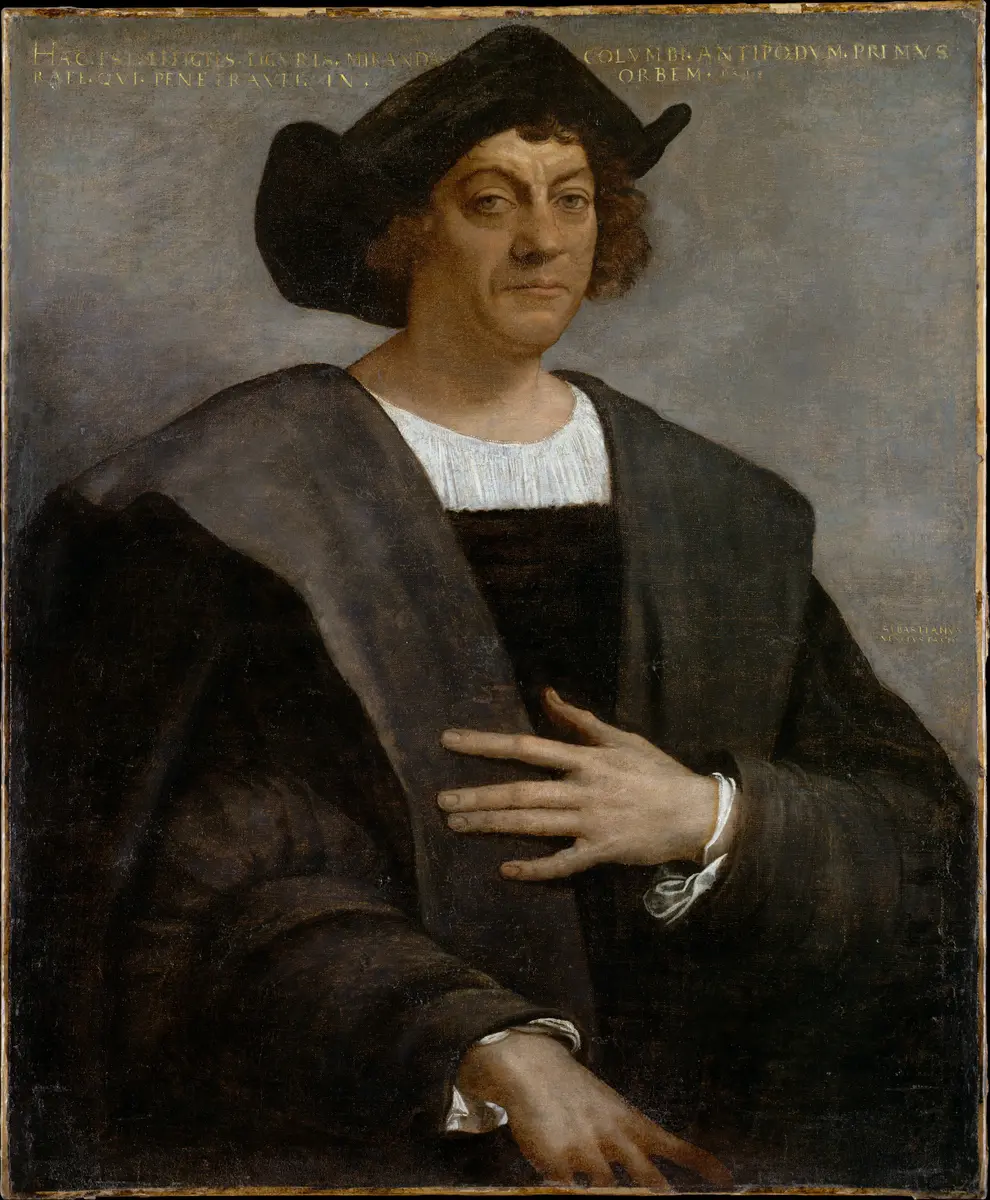
Columbus
“The Genoese sailor who crossed the Atlantic for Spain in 1492, reaching the Caribbean while looking for Asia, and opened the Americas to European conquest.”
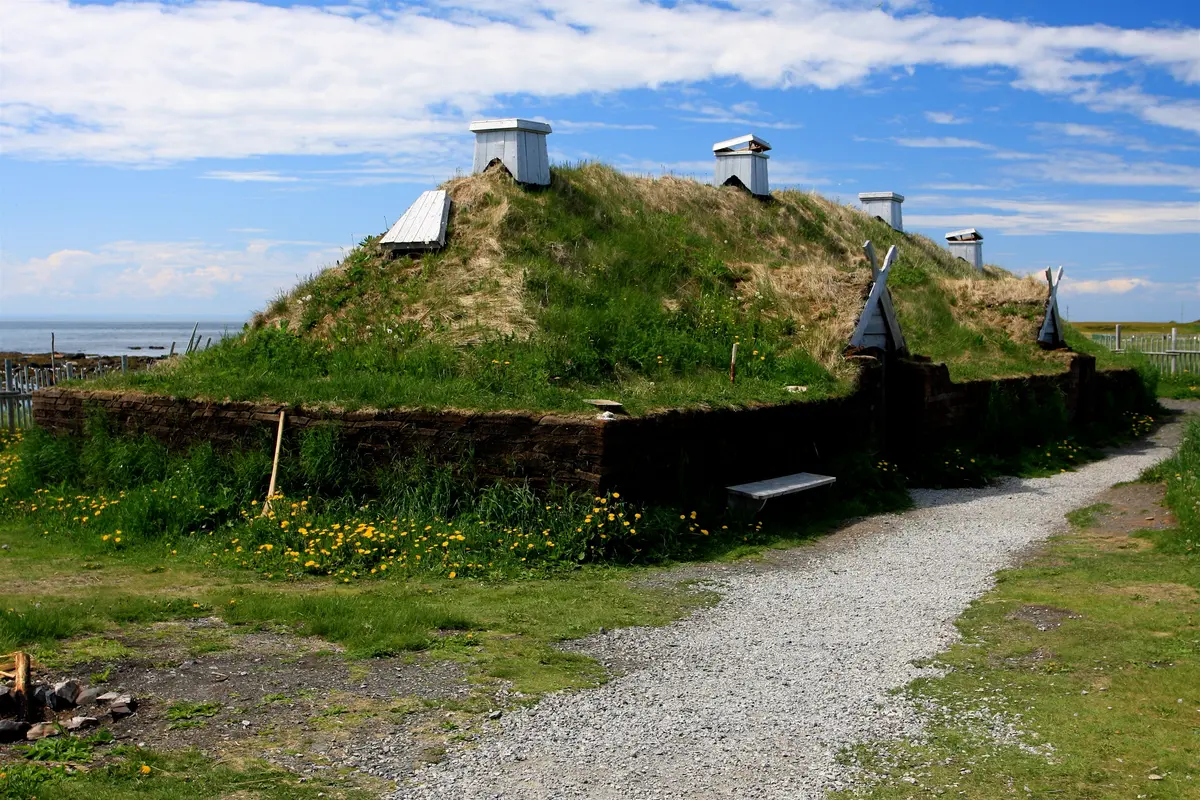
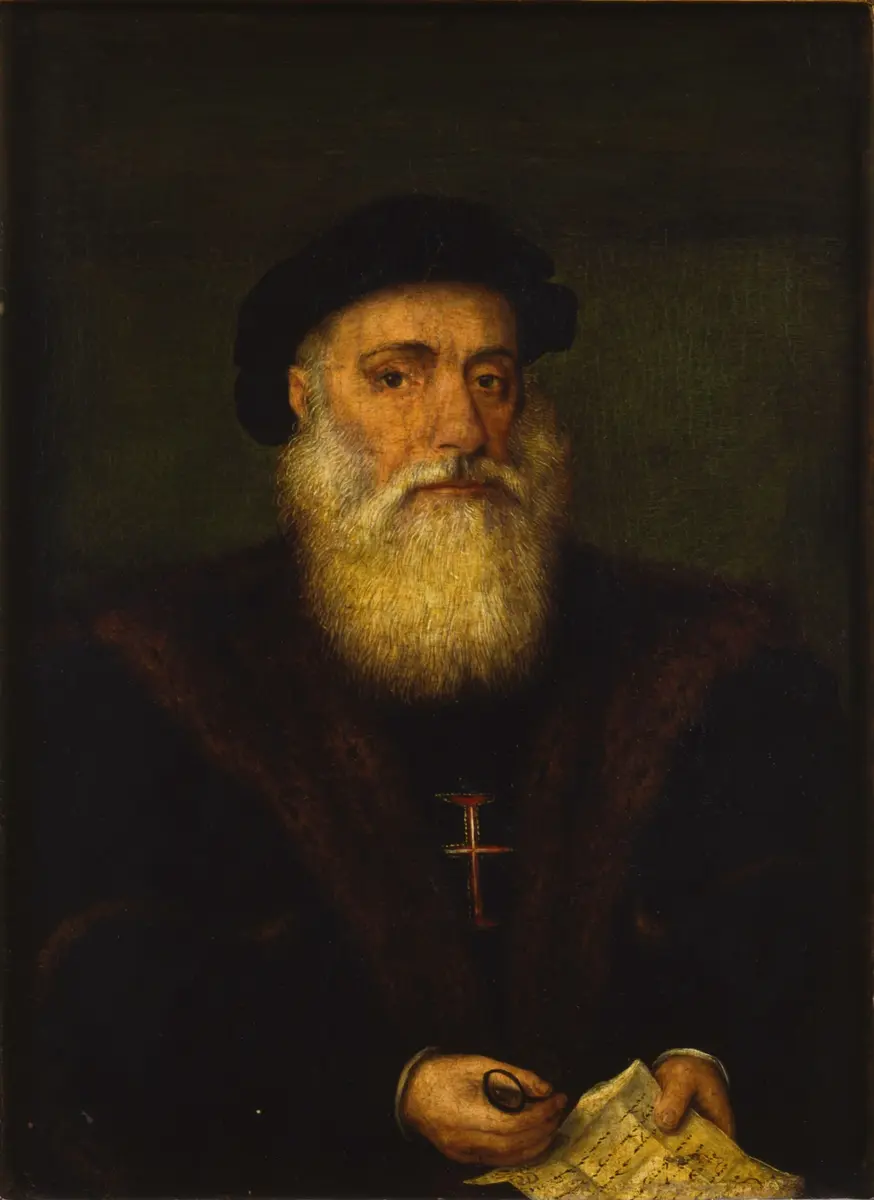
Christopher Columbus, Cristoforo Colombo in his native Genoa and Cristóbal Colón in Spain, was the sailor who in 1492, looking for a western sea route to Asia, crossed the Atlantic for the crown of Castile and reached the islands of the Caribbean. He made four voyages, in 1492–93, 1493–96, 1498–1500 and 1502–04, and to the end of his life believed he had reached the edge of Asia. He was not the first European in the Americas, since Norse sailors had reached North America five centuries earlier, and millions of people already lived there; but his voyages opened the two continents to European exploration, conquest and settlement, and changed the history of both sides of the ocean.
He was born in Genoa in 1451, the eldest son of a wool weaver, and went to sea young. In 1476 he was shipwrecked off the coast of Portugal and settled in Lisbon, the centre of Atlantic exploration, where he married into a family of the Madeira islands and sailed Portuguese routes as far as the Gold Coast of Africa. From his reading he concluded, wrongly, that Asia lay only a few thousand kilometres west of Europe. King John II of Portugal turned him down in 1484; by 1486 he was in Spain, and after years of rejections Ferdinand and Isabella agreed to back him in 1492, the year they took Granada, the last Muslim kingdom in Spain.
He sailed from Palos on 3 August 1492 with three ships, the Santa María, the Pinta and the Niña, and about ninety men. In the early hours of 12 October they sighted an island in the Bahamas that its people, the Lucayan Taíno, called Guanahani; Columbus named it San Salvador. He went on to Cuba and Hispaniola, where the Santa María was wrecked on Christmas Day, and came home in March 1493 to a hero's welcome. His printed letter spread the news across Europe, and in 1494 Spain and Portugal divided the newly found lands between them by the Treaty of Tordesillas.
The later voyages went badly. On the second, with seventeen ships and some 1,500 men, he founded the settlement of La Isabela on Hispaniola, forced the Taíno to bring gold and in 1495 rounded up about 1,500 of them as slaves, sending 500 to Spain. On the third he reached the mainland of South America; as governor of Hispaniola he ruled so harshly that the crown sent Francisco de Bobadilla to replace him, and in 1500 Columbus was shipped home in chains. He was released, made a fourth voyage along the coast of Central America and spent a year marooned on Jamaica, and died at Valladolid on 20 May 1506, rich but embittered, still claiming his rights as Admiral of the Ocean Sea. His remains were moved several times and now lie, by most accounts, in Seville Cathedral.
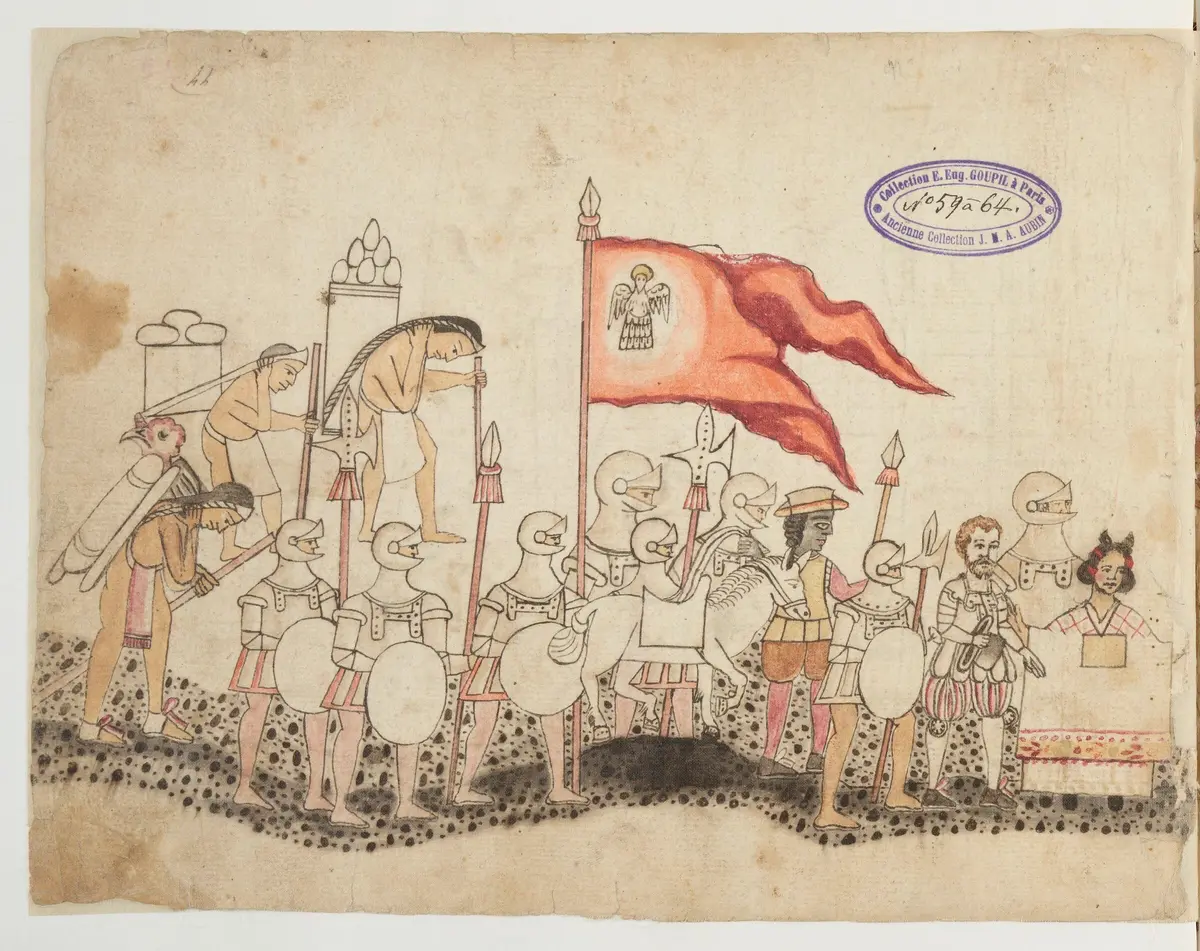
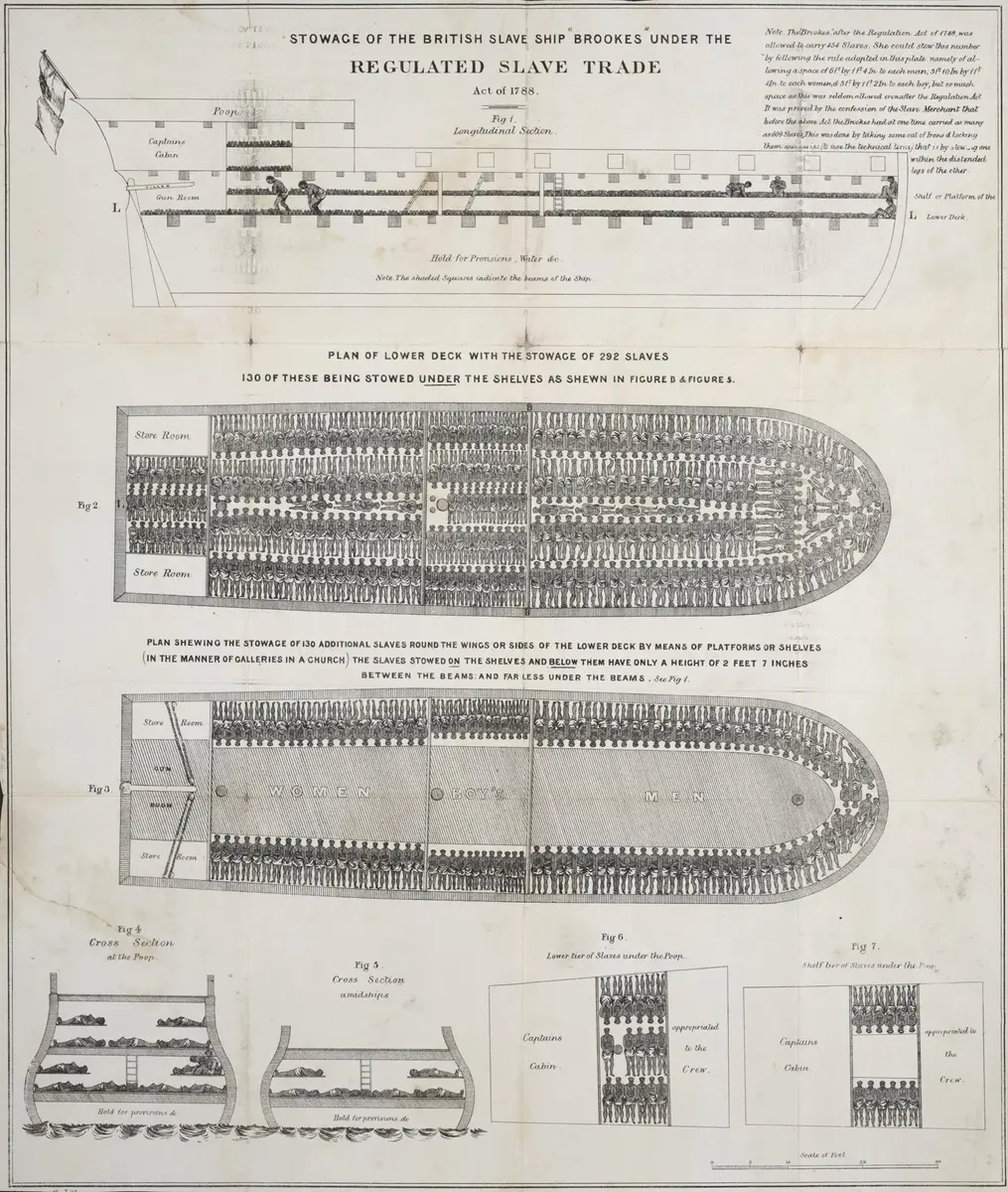
His voyages began the exchange of plants, animals and diseases between the hemispheres, the Spanish conquest of the Americas and the Atlantic slave trade. The Taíno of the Caribbean were nearly destroyed within a few decades by disease, violence and forced labour. The new continents were named not after him but after Amerigo Vespucci, on Martin Waldseemüller's map of 1507. Celebrated as a hero at the four-hundredth anniversary in 1892, he had become by the five-hundredth in 1992 the symbol of conquest and its victims, and his statues are still argued over.
What happened
- 1451
Born in Genoa, sometime between late August and the end of October, the eldest son of the wool weaver Domenico Colombo.
Genoa: his birthplace, with the small house shown as his family's home - 1476
His ship, part of a Genoese convoy, is sunk in a sea fight off Lagos in Portugal; he gets ashore and settles in Lisbon.
- 1479
He marries Filipa Moniz Perestrelo, of a family of the Madeira islands; in the next years he sails Portuguese routes as far as Elmina on the Gold Coast.
- 1484
King John II of Portugal turns down his plan to reach Asia by sailing west.
- 1486
In Spain, he puts his plan to Ferdinand and Isabella, who are busy with the war against Granada and refuse him more than once.
- 1492
In their camp at Santa Fe, outside newly conquered Granada, the Catholic Monarchs sign the contract that will make him admiral, viceroy and governor of whatever lands he finds, with a tenth of their riches.
- 8:00 a.m.
He sails from the bar of Saltes off Palos with the Santa María, the Pinta and the Niña, and about ninety men.
La Rábida, by Palos: the Franciscan friary whose friars helped him find ships and men, beside the port he sailed from on 3 August 1492 - 2:00 a.m.
Land is sighted at two in the morning. At daylight they go ashore on an island its people call Guanahani, which Columbus names San Salvador and claims for Castile.
San Salvador, Bahamas: the island most historians take for Guanahani, his landfall of 12 October 1492 Off Hispaniola the Santa María runs aground and is lost; he leaves part of the crew in a fort built from her timbers, La Navidad.
- 1493
After a storm forces him into Lisbon, he reaches Palos to a hero's welcome; his printed letter carries the news across Europe.
He sails from Cádiz on his second voyage with seventeen ships and some 1,500 settlers, soldiers and priests; he finds La Navidad destroyed and its men dead.
- 1494
He founds La Isabela on the north coast of Hispaniola, the first Spanish town in the Americas; within a year disease and hunger kill two thirds of its settlers.
La Isabela, Hispaniola: the town he founded on his second voyage, the first Spanish settlement of the Americas, soon abandonedBy the Treaty of Tordesillas, Spain and Portugal divide the newly found lands along a line through the Atlantic.
- 1495
He rounds up about 1,500 Taíno; 500 are shipped to Spain as slaves and some 200 die on the way.
- 1498
He sails on his third voyage, and in August reaches the coast of South America, the mainland of a continent he takes for part of Asia.
- 1500
Francisco de Bobadilla, sent by the crown to investigate his harsh rule of Hispaniola, puts him and his brother in chains and ships them to Spain; the monarchs free him six weeks later.
- 1502
His fourth voyage follows the coast of Central America; with his ships rotting he is marooned on Jamaica for a year before rescue.
- 1506
He dies at Valladolid, still claiming his titles and his tenth. His remains are moved several times, to Seville, Santo Domingo and Havana, and back to Seville Cathedral.
Seville Cathedral: where his remains lie, by most accounts, after several moves