The Portuguese reach Maluku
“In 1512 a Portuguese fleet sent from Malacca loaded nutmeg and cloves at Banda; Francisco Serrão, wrecked on the way back, was taken in by the Sultan of Ternate, the first Portuguese in the clove islands.”
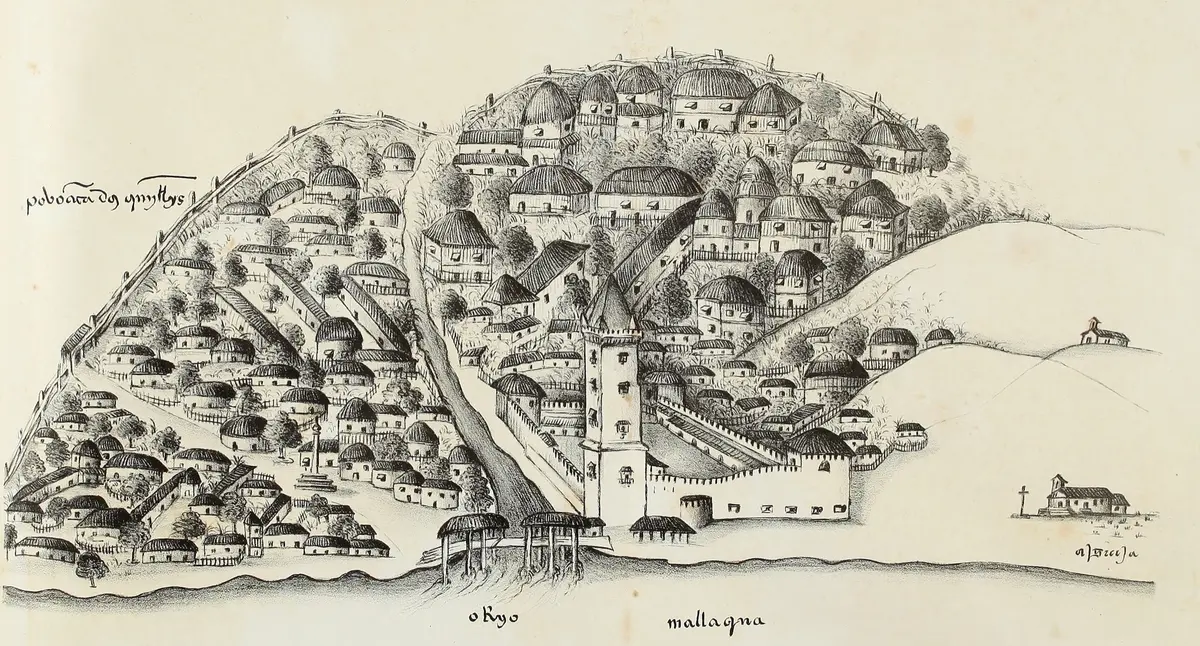
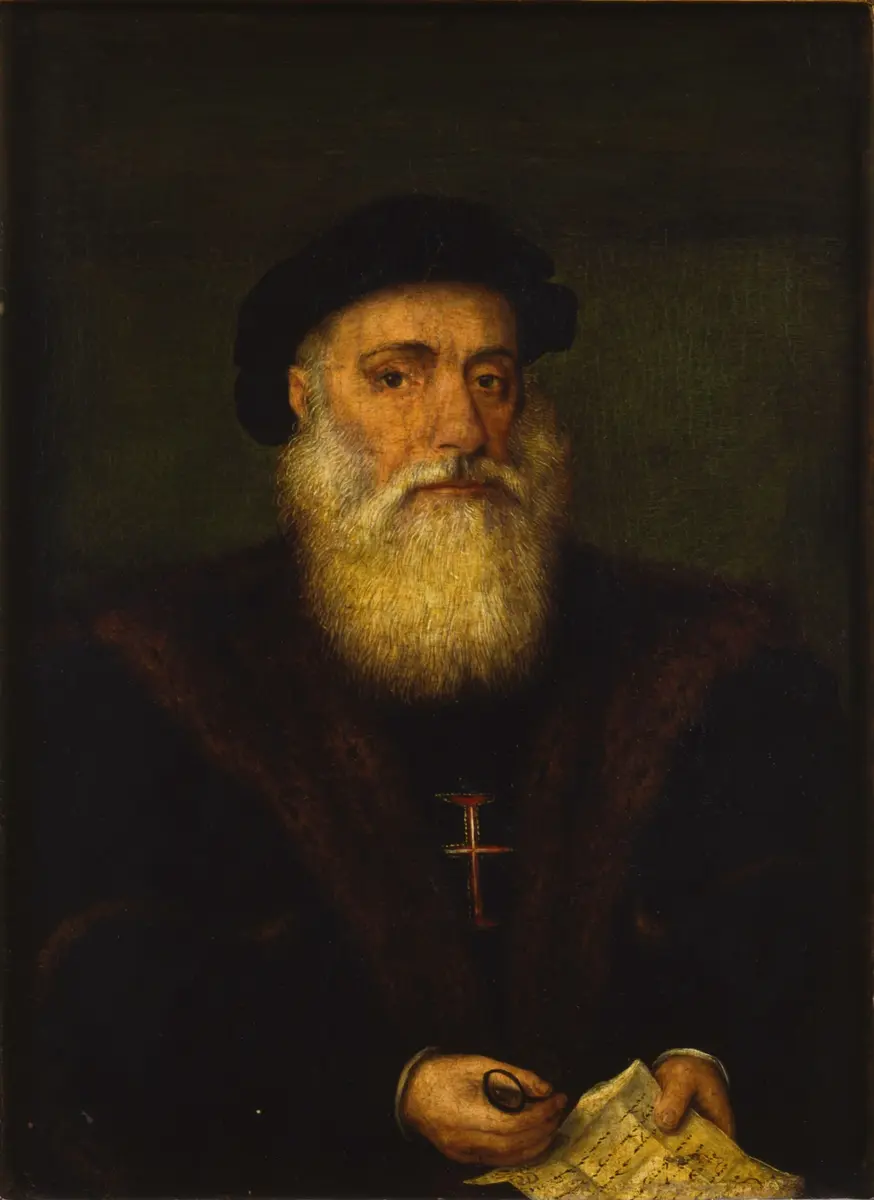
In August 1511 the Portuguese under Afonso de Albuquerque took Malacca, the port on the Malay Peninsula where the spices of eastern Indonesia were gathered and sold on. A few months later, in November 1511 by Albuquerque's own account, he sent three ships east to find the islands they came from: António de Abreu in command, Francisco Serrão as captain of the second ship, and on the third a young pilot, Francisco Rodrigues, who could draw maps. They carried about 120 Portuguese, 60 slaves to work the pumps, and Malay and Javanese pilots who knew the way. The fleet called at Gresik in Java, lost Serrão's ship, waited three months for the weather at Guli-Guli on Seram, and in 1512 reached the Banda Islands, where it bought a junk for Serrão and loaded nutmeg, mace and cloves.
On the way back a storm wrecked Serrão's junk on the shoals of the Lucipara islets. He and a handful of men reached Ambon, and when the Sultan of Ternate, Abu Lais, heard of them, he sent his brother to bring them to his island. So it was Serrão, not his commander, who became the first Portuguese in the clove islands. Abreu sailed home along the chain of islands from Alor to Java, Rodrigues drawing the coasts as they passed, and was back in Malacca in December 1512: of the 120 Portuguese who had set out, 80 returned, 10 had stayed in the islands and 30 had died.
The prize was a spice that grew nowhere else. The clove tree was native only to five small volcanic islands off the west coast of Halmahera, Ternate, Tidore, Moti, Makian and Bacan, and nutmeg, with mace, its red covering, only to the Banda Islands further south. Malay merchants told Tomé Pires, a Portuguese apothecary who wrote his account of the East in Malacca between 1512 and 1515, that God had made Banda for mace and the Moluccas for cloves. Cloves reached Europe through many hands, Javanese and Malay traders, the market of Malacca, Gujarati merchants and the Red Sea route through Egypt, and every step added to the price. Pires's own figures show the first step: goods worth 500 reis in Malacca bought a bahar of cloves in Maluku, and in Malacca the same bahar sold for nine to twelve cruzados, with the cruzado worth close to 400 reis. Buying at the source was the point of the voyage.
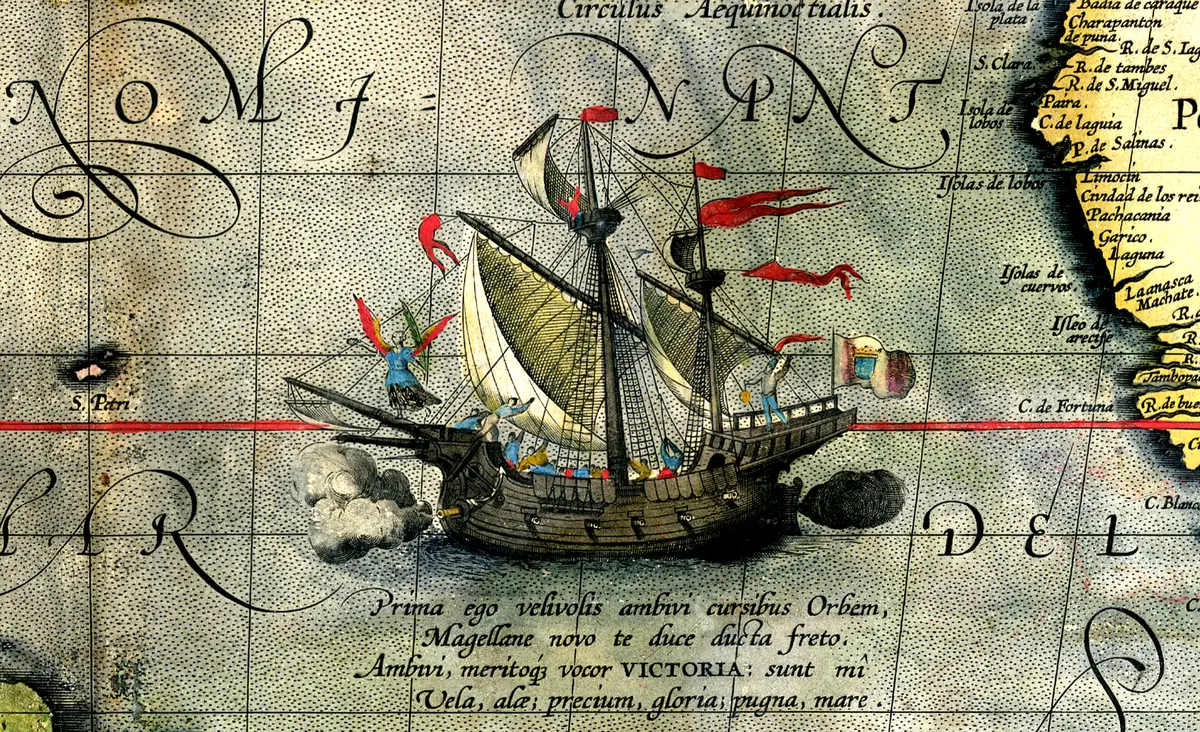
Ternate's welcome was politics. Its sultan was at war with his father-in-law, the ruler of neighbouring Tidore, and Abu Lais took Serrão's arrival as the fulfilment of his own prophecy that men of iron would come from far away. He offered his cloves to the King of Portugal and asked him to build a fortress on Ternate and nowhere else. Serrão stayed for the rest of his life as the sultan's war captain, and wrote several times to his friend and kinsman Ferdinand Magellan, letters that helped draw Magellan, by then serving Spain, into his plan to reach the Spice Islands by sailing west. Serrão and Abu Lais both died in 1521; on 8 November that year Magellan's last two ships anchored at Tidore, whose sultan welcomed the Spaniards as Ternate had welcomed the Portuguese. Portugal answered with a fort on Ternate: its first stone was laid on St John the Baptist's day in 1522, and on 15 February 1523 it was finished and named São João Baptista.
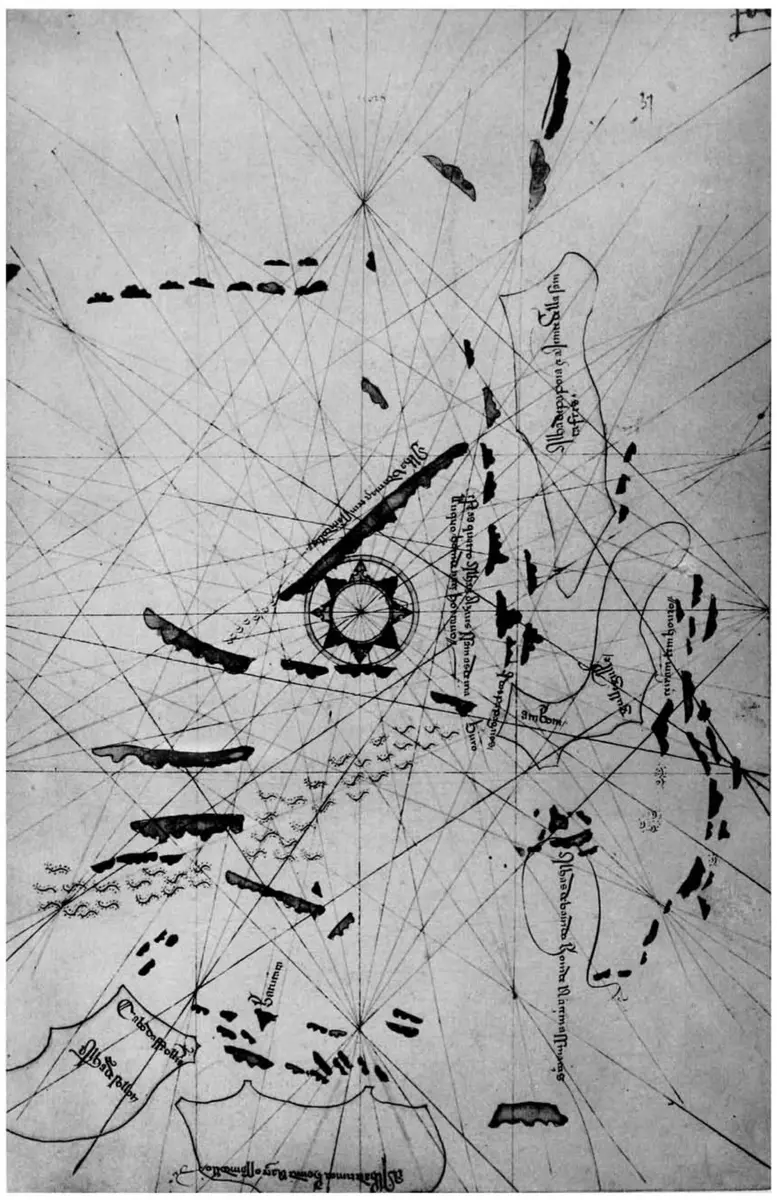
The fort turned guests into masters. Fifty years of quarrels over cloves, power and religion came to a head in 1570, when Sultan Hairun was murdered on the orders of the Portuguese captain; his son Babullah besieged the fort until it surrendered on 26 December 1575, and most of the Portuguese left for Ambon and Malacca. The Dutch, whose ships reached Ternate in 1599, later took the spice trade by force, conquering Banda in 1621. The voyage of 1511–12 left two lasting documents: the first European map of the Spice Islands, drawn by Rodrigues partly from what he saw, and Pires's Suma Oriental, the first proper European description of them. The ruins of the fort, Benteng Kastela, still stand on Ternate's south-west coast.
What happened
- 1511
Three ships leave Malacca to look for the Spice Islands: António de Abreu in command, Francisco Serrão captain of the Sabaia, the young Francisco Rodrigues pilot of the caravel. On board are some 120 Portuguese, 60 slaves to work the pumps, and Malay and Javanese pilots.
Malacca, taken by the Portuguese in August 1511, where the voyage began and ended- 1512
After a first landfall at Gresik in Java, the loss of Serrão's ship and three months of bad weather at Guli-Guli on Seram, the two remaining ships reach the Banda Islands. There they buy a junk for Serrão and load nutmeg, mace and cloves.
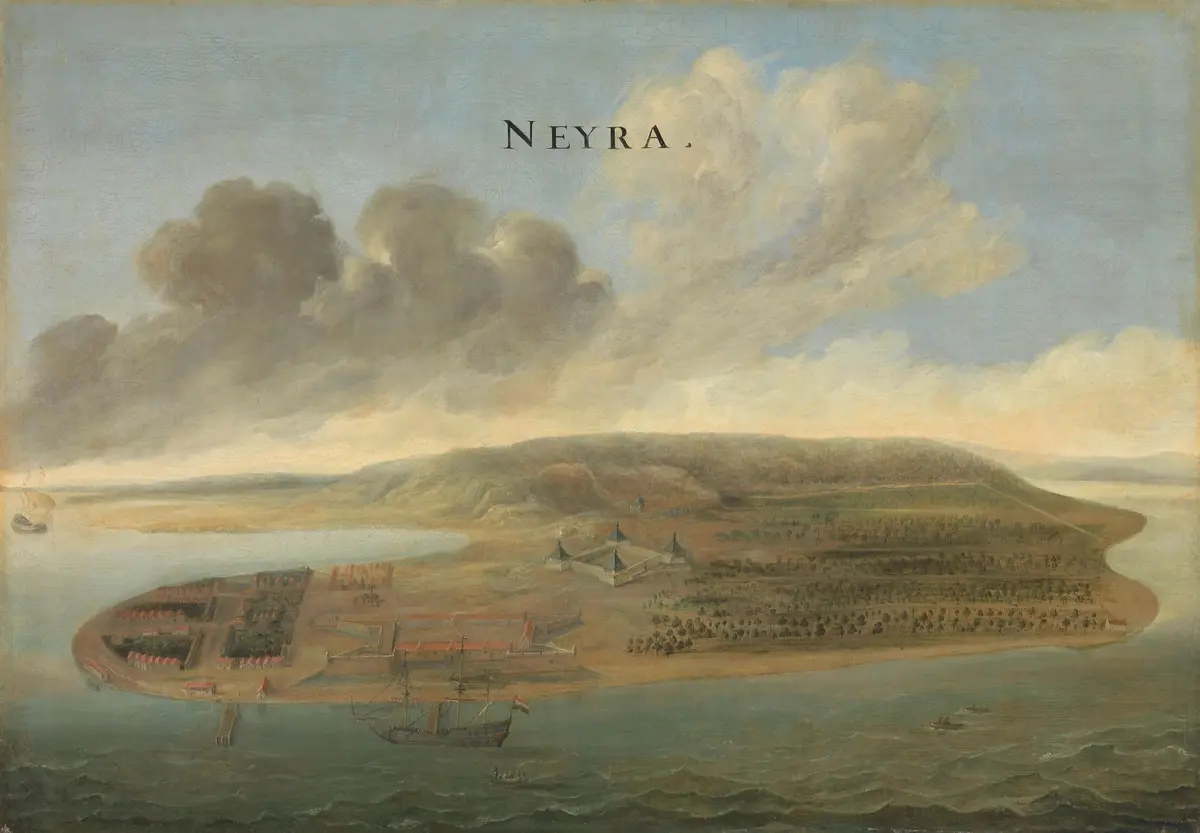
The Banda Islands, where the fleet loaded nutmeg, mace and cloves; the point is Banda Neira, the port where the Javanese traders anchoredSailing back, the fleet runs into a storm, and Serrão's junk is wrecked on the shoals of the Lucipara islets. He and a few survivors reach Ambon.
The Lucipara islets and shoals, where Serrão's junk was wreckedSultan Abu Lais of Ternate hears of the castaways and sends his brother, Kaicili Vaidua, to fetch them. Serrão comes to Ternate in a local junk, the first Portuguese in the clove islands, and the sultan offers his cloves to the King of Portugal.
Ternate, the clove island whose sultan took Serrão inAbreu's ship and the caravel sail west along the chain of islands from Alor to Java, and Rodrigues draws the coasts as they pass, starting with Alor, the first land they saw on the way from Banda.
Abreu is back in Malacca, a year after setting out. Of the 120 Portuguese, 80 return, 10 have stayed in the islands and 30 have died; Rodrigues brings the material for the first European map of the Spice Islands.
Malacca, taken by the Portuguese in August 1511, where the voyage began and ended