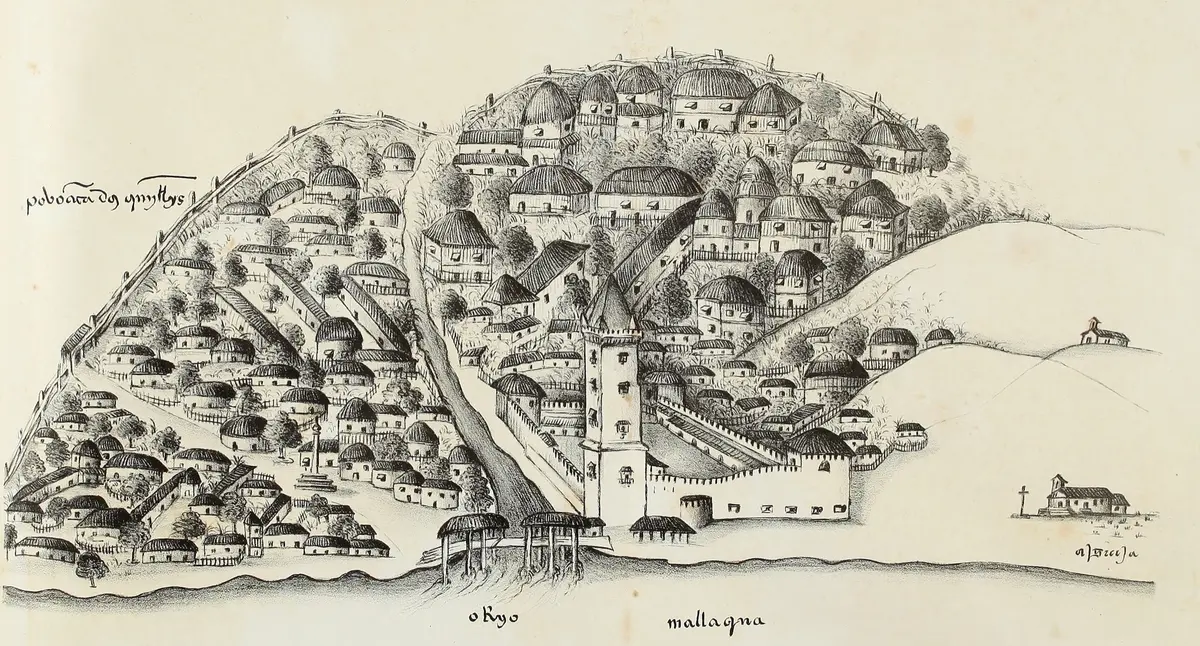
Portugal captures Malacca
“In 1511 Afonso de Albuquerque took Malacca, the great trading port on the strait between India and China, and built the fortress A Famosa there: Europe's first foothold in Southeast Asia.”
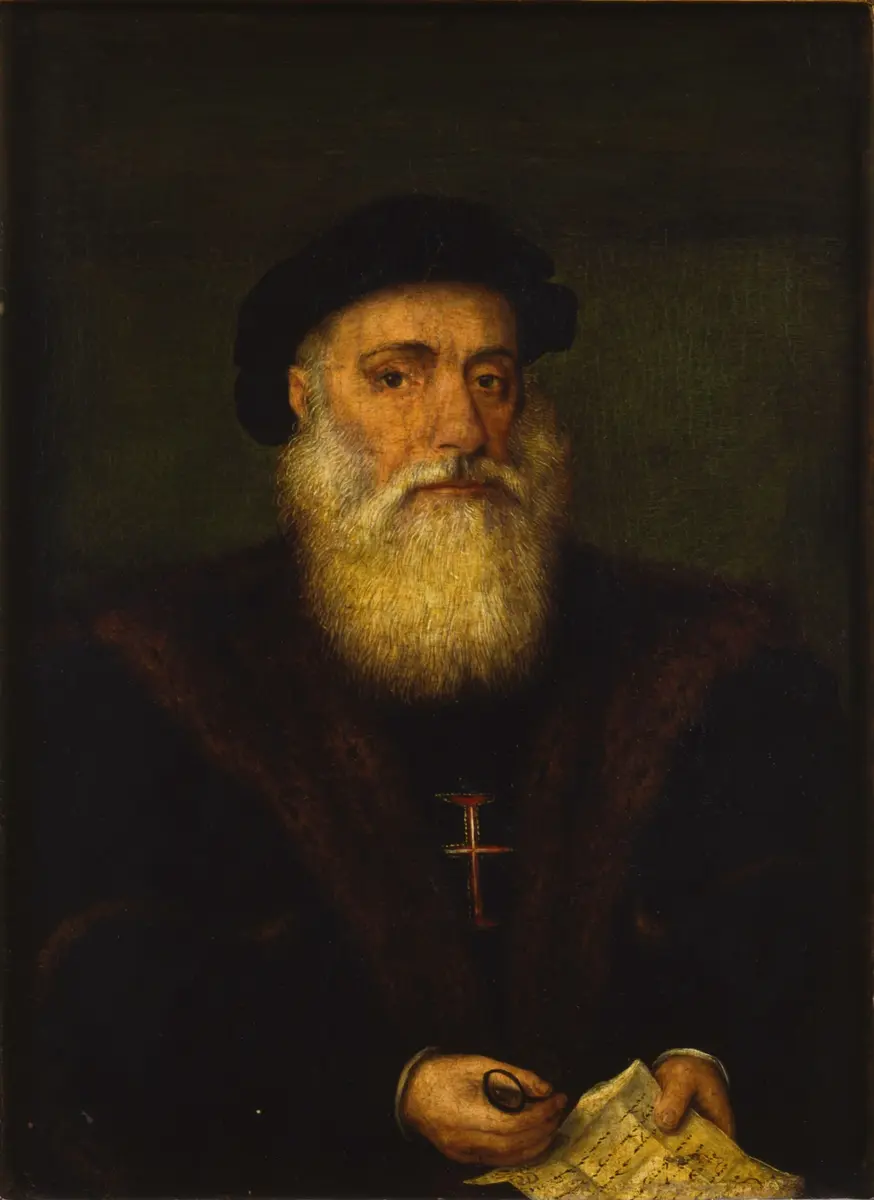
On 1 July 1511 Afonso de Albuquerque, the Portuguese governor of India, anchored off Malacca with eighteen ships and some 1,400 Portuguese and Indian soldiers. Two years earlier a Portuguese trading fleet under Diogo Lopes de Sequeira had been attacked there, and about twenty of its men, among them the factor Rui de Araújo, were still prisoners of Sultan Mahmud Shah. Albuquerque demanded them back, burned ships and houses along the shore until they were handed over, and then attacked. On St James's Day, 25 July, his men took the bridge over the Malacca River that joined the two halves of the city, but went back to their ships at nightfall. On 10 August they returned behind a tall armed junk floated up to the bridge on the spring tide, took it again and held it, and after days of bombardment the city gave up; on 24 August the Portuguese marched through it in close ranks and the sultan fled inland.
Malacca was the market where the cloves and nutmeg of eastern Indonesia, the pepper of Sumatra, the silk and porcelain of China and the cloth of India changed hands. It had been founded about 1400 by Parameswara, a prince of Palembang who had rebelled against the king of Java and fled by way of Singapore, and under his Muslim successors it had become the richest port in Southeast Asia, with merchants from Gujarat, Java, China, Pegu and many other lands; Tomé Pires, the Portuguese apothecary who lived there soon after, was told that eighty-four languages could be heard in its harbour. Albuquerque told his captains that taking it would ruin the Muslim spice trade through the Red Sea to Cairo, Mecca and Venice, and Pires put it more sharply: whoever held Malacca had Venice by the throat. So Albuquerque made his captains promise to hold the city with a fortress, not just plunder it and sail away.
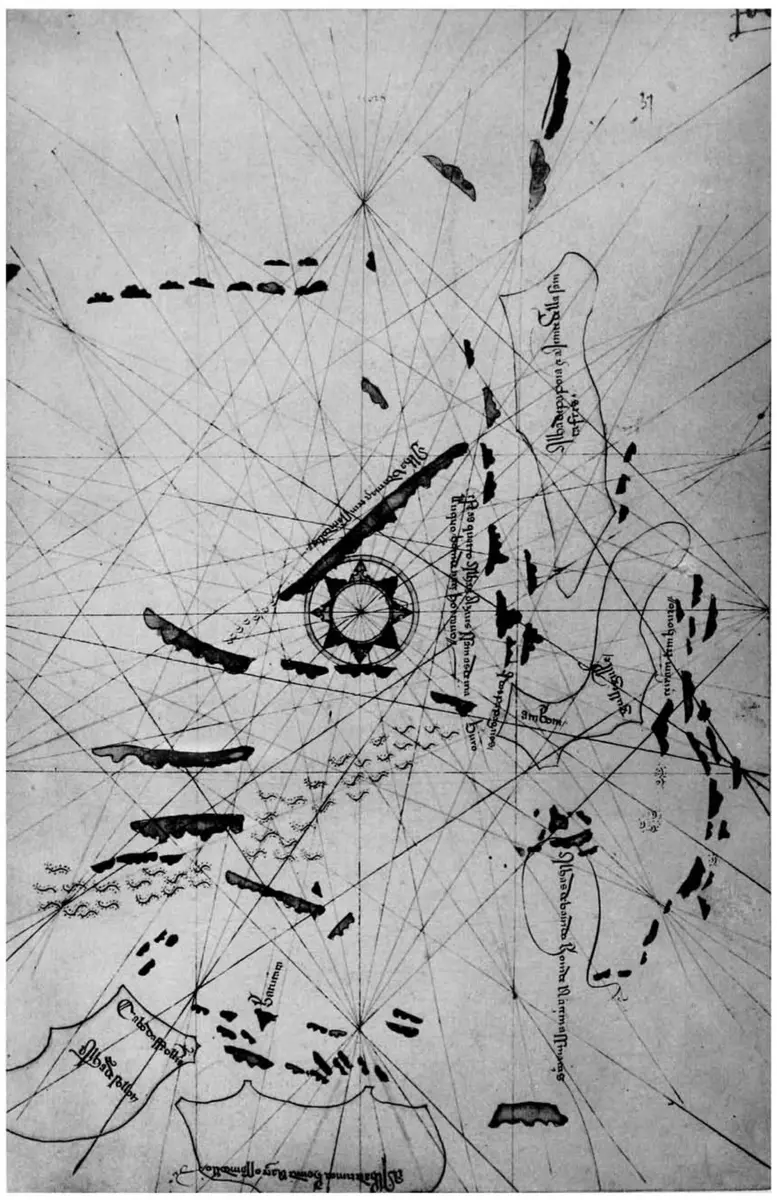
The Portuguese stayed. They built a stone fortress where the sultan's palace and the great mosque had stood, at the foot of the hill by the river mouth, using stone from the mosques and from the tombs of earlier kings, with a tall keep the soldiers called A Famosa, 'the Famous'; a church of Our Lady of the Annunciation was put up on the hill. Albuquerque ruled through the city's own merchant communities, each under its own headman, struck new coins, and beheaded the rich Javanese leader Utimuti Raja when he was found plotting with the fallen sultan. He sent envoys to Siam and Pegu and three ships under António de Abreu to find the Spice Islands, and at the end of the year sailed back to India; his old flagship, the Flor de la Mar, broke up on the shoals off Sumatra with most of the plunder.
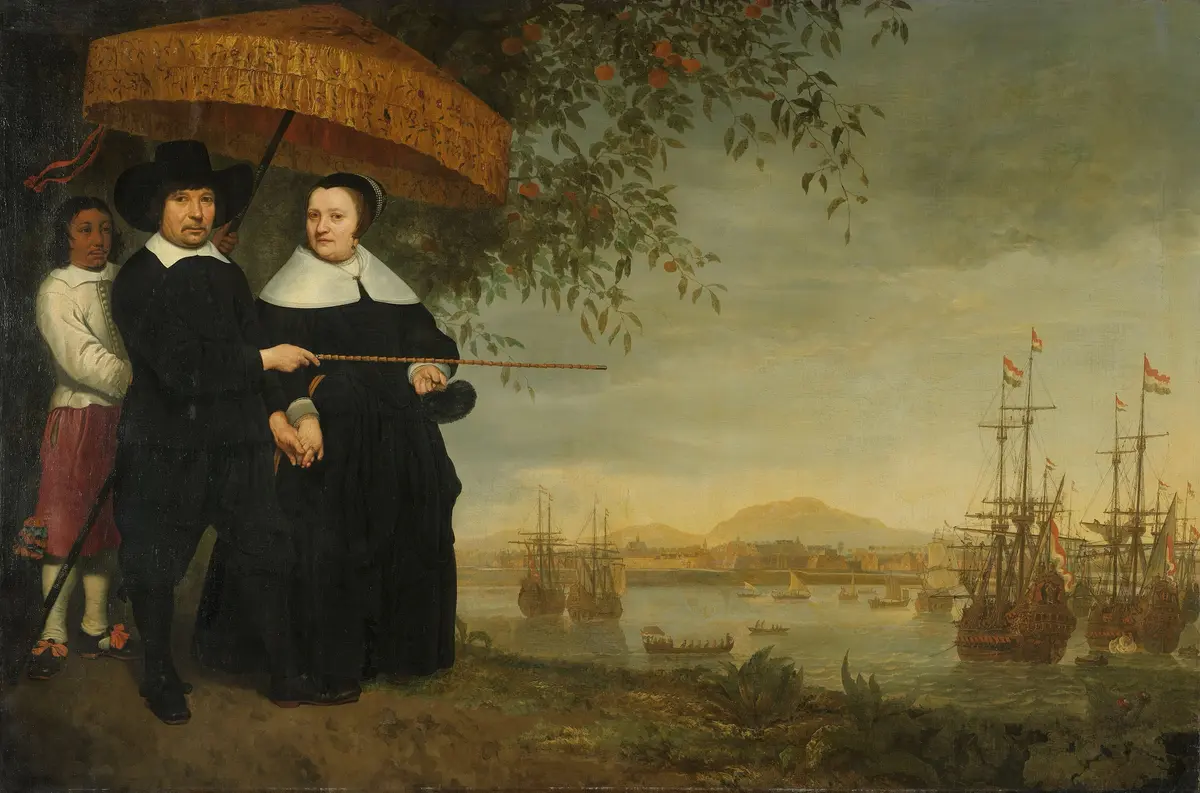
Sultan Mahmud fled by way of the Muar River to Pahang and then to the island of Bintan, from where he attacked Malacca and its shipping until the Portuguese burned his capital there in 1526; he died in exile in Sumatra two years later, and one of his sons became the first sultan of Johor. Malacca remained Portugal's base in Southeast Asia for 130 years, the gateway through which it reached the Moluccas and China, but it was besieged again and again by Johor, Aceh and their allies. The Dutch East India Company took it after a long siege in January 1641, and the British, who held the town during the Napoleonic wars, blew up the fortress in the early 1800s. Only a gate of it, the Porta de Santiago, survives, with the ruined church on the hill above, in the old centre of Melaka, a UNESCO World Heritage site since 2008.
What happened
- 1511
Albuquerque's fleet of eighteen ships, with some 1,400 Portuguese and Indian soldiers, sails into the roads of Malacca in the evening, flags flying and trumpets sounding, and fires a salute with all its guns. Sultan Mahmud Shah sends to ask whether he comes for peace or war; Albuquerque demands the Portuguese held since 1509 and payment for the goods taken from them.
The Malacca River near its old mouth, where the bridge joining the two halves of the city was fought overMessages go back and forth while the sultan builds stockades. Rui de Araújo, the captured factor, smuggles out word that the attack should come quickly. Albuquerque burns houses on the shore and the ships in the port, sparing the Chinese junks, and the sultan hands over the prisoners but still will not pay or make terms.
The Malacca River near its old mouth, where the bridge joining the two halves of the city was fought overOn St James's Day the Portuguese land on both sides of the river and fight for the bridge that joins the two halves of the city. The sultan's son Ahmad charges on a war elephant and is wounded in the hand; the bridge and the mosque are taken, but at sunset Albuquerque, his men exhausted by heat and hunger, takes them back to the ships, leaving part of the town in flames.
The Malacca River near its old mouth, where the bridge joining the two halves of the city was fought overWhile an armed junk waits for a spring tide to reach the bridge, Albuquerque holds a council. He argues that taking Malacca will ruin the Muslim spice trade to Cairo, Mecca and Venice, and makes his captains agree to build a fortress and hold the city, not just plunder it.
Two hours before dawn the junk, under António de Abreu, is brought up to the bridge on the high tide; Abreu is shot in the jaw but the bridge is cleared. Albuquerque lands his whole force, takes the mosque and the stockades, fortifies the bridge with barrels of earth and spends the night on it while the boats' guns fire on the city.
The Malacca River near its old mouth, where the bridge joining the two halves of the city was fought overAfter days of bombardment, with the Pegu, Hindu and other merchant communities coming over to him one by one, Albuquerque marches his men through the city six abreast to the sound of trumpets. Sultan Mahmud gathers his family and flees up the river. Malacca is sacked, but the houses of those under Portuguese protection, marked with flags, are spared.
St Paul's Hill: the ruined church at its top, the Portuguese church of Our Lady of the AnnunciationThe sultan waits near the city for help that never comes. His son Ahmad builds a stockade at Bentayan on the Muar River and bars the river with timber; Portuguese, Javanese and Pegu troops break it and take his gilded palanquins and seven elephants, and the royal family crosses the peninsula on elephants to Pahang. The sultan later moves to the island of Bintan, from where he harasses Malacca for years.
Muar, at the mouth of the Muar River, where the sultan's son made his stand after the fallWith the city quiet and the fortress rising, Albuquerque sends three ships under António de Abreu to find the islands where cloves and nutmeg grow; their voyage is the story of the next entry.
The Malacca River near its old mouth, where the bridge joining the two halves of the city was fought overAs he prepares to leave, Albuquerque sends António de Miranda de Azevedo to the king of Siam with the Siamese ambassador who had come back with Duarte Fernandes, the envoy he had sent with the Chinese junks during the siege. Siam, long an enemy of Malacca's sultans, offers friendship and trade; an envoy goes to Pegu as well.
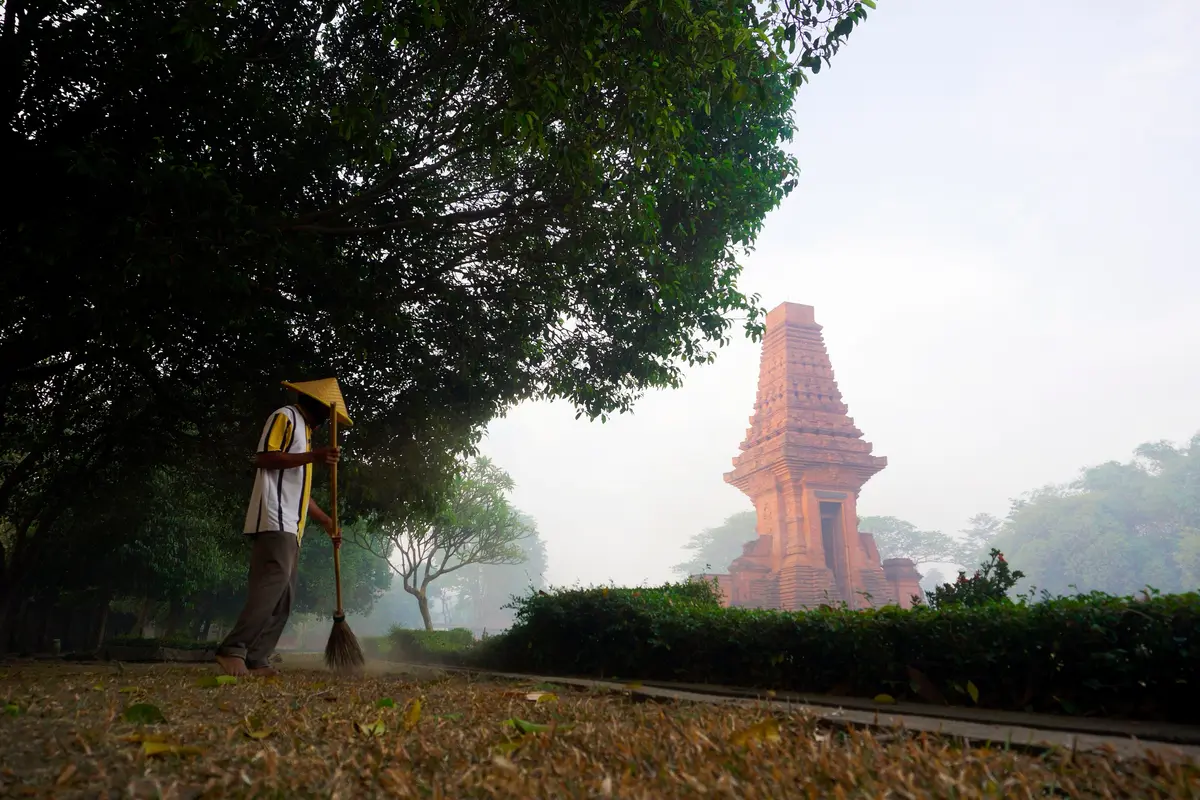
Ayutthaya, capital of Siam, where Albuquerque sent his envoysAlbuquerque sails for India, leaving the fortress and its keep, A Famosa, under Rui de Brito Patalim, Rui de Araújo as factor and each community under its own headman. Off Sumatra his old flagship, the Flor de la Mar, runs onto shoals and breaks up with most of the plunder of Malacca; he reaches Cochin in January 1512.
The Porta de Santiago, the surviving gate of the Portuguese fortress