The oil crisis
“In October 1973, during the Yom Kippur War, Arab producers cut oil supplies and embargoed the US; by January 1974 oil cost nearly four times as much, a blow to importers and a windfall for exporters like Indonesia.”
The oil crisis of 1973–74 was the moment the world learned how much it depended on oil from the Middle East. On 6 October 1973 Egypt and Syria attacked Israel on Yom Kippur, the holiest day of the Jewish year. When the United States began to fly weapons to Israel, the Arab oil producers answered with what they called the oil weapon. On 16 October the Gulf producers, Iran among them, raised the posted price of their crude by 70 percent, from about $3 to just over $5 a barrel, without asking the oil companies. The next day the Arab members of the producers' group OAPEC agreed to cut their output by 5 percent every month until Israel left the lands it had taken in 1967.
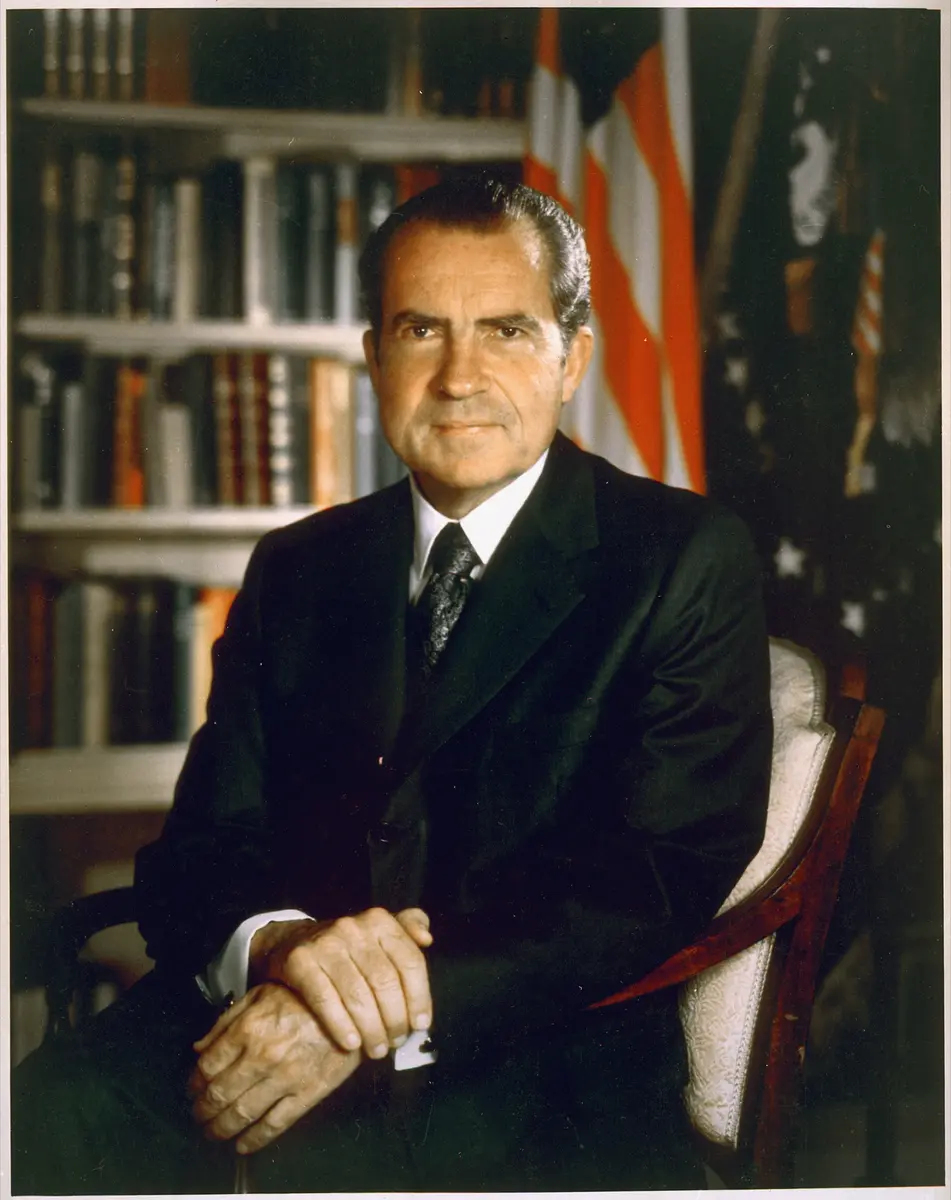
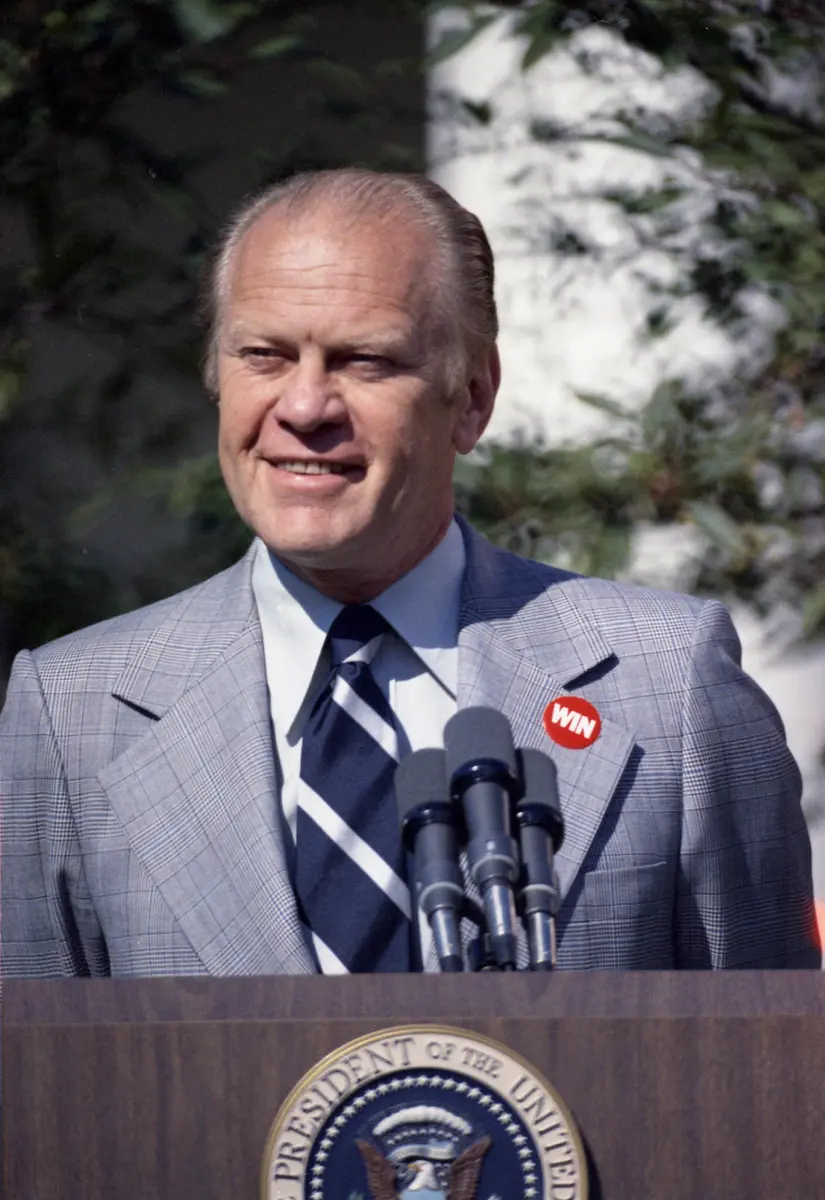
Within days Libya and then Saudi Arabia stopped all oil sales to the United States, after President Nixon asked Congress for $2.2 billion of emergency aid for Israel. The embargo was soon extended to the Netherlands, whose port of Rotterdam supplied much of Western Europe, and to Portugal and South Africa. By November Arab output was a quarter below its September level. Then, meeting in Tehran on 22 and 23 December, the Gulf members of OPEC set a new price of $11.65 a barrel from 1 January 1974: nearly four times the price before the war. The embargo on the United States was lifted in Vienna on 18 March 1974, after Henry Kissinger had arranged a first disengagement of Egyptian and Israeli forces. The high price stayed.
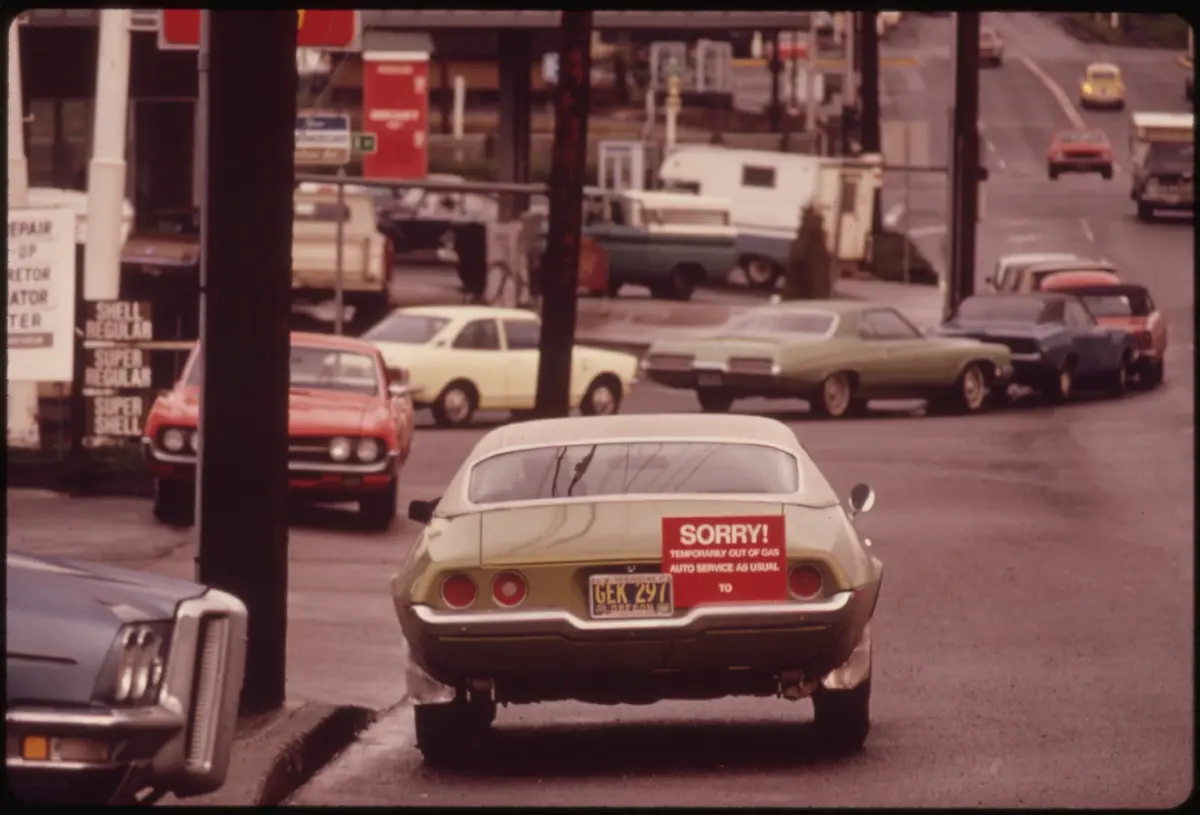
In the rich countries the crisis changed daily life. The Dutch and the West Germans banned driving on Sundays, and people walked, cycled and even picnicked on the empty motorways. Americans waited in long lines at petrol stations, some states sold fuel only on odd or even days by number plate, ration coupons were printed, and a national speed limit of 55 miles per hour became law. Nixon promised 'Project Independence', energy self-sufficiency. The oil shock came on top of inflation that was already high, and it pushed the West into a deep recession with rising prices, which became known as stagflation. The consuming countries also learned to work together: in November 1974 they founded the International Energy Agency in Paris to share oil in an emergency.
For oil exporters the crisis was a windfall, and Indonesia, a member of OPEC, was one of them. The government raised its export price in stages from $3.70 a barrel in April 1973 to $12.60 in July 1974, and its oil exports rose from about $1.3 billion in 1973 to about $4.7 billion in 1974, two thirds of everything the country sold abroad. Suharto's New Order used the money to subsidise rice and fertiliser and to invest in public works. But much of the gain was eaten by the higher prices of imports, and inflation in Indonesia reached nearly 50 percent in early 1974. The state oil company Pertamina, led by General Ibnu Sutowo, had borrowed heavily and short-term for ventures far beyond oil; in late 1974 it began to hold back taxes it owed the state, and in March 1975 the government had to rescue it from debts officially put at over $10 billion.
The oil crisis ended the age of cheap energy that had powered the post-war boom. It moved wealth and power towards the oil-producing states, from Saudi Arabia to Iran, and it led to strategic oil reserves, fuel-economy rules and the search for other sources of energy, from North Sea oil to nuclear power. A second shock followed in 1979 with the Iranian Revolution. Ever since, any war in the Middle East is watched for what it might do to the price of oil.
What happened
- 1973
- 9:00 a.m.
Egypt and Syria attack Israel on Yom Kippur. In Washington the crisis group (WSAG) meets at 9 a.m.; asked about an Arab oil embargo, the State Department's Alfred Atherton calls the chance 'very high', and Kenneth Rush warns the United States has no plans for one.
Suez Canal: Egyptian forces cross into Sinai on 6 October 1973 and the war begins Kissinger writes to King Faisal that the United States 'had no alternative' but to fly supplies to Israel after the Soviet airlift to the Arab states; the American airlift is announced publicly the next day.
Lod (Ben Gurion) airport near Tel Aviv: the end of the American airlift to Israel from 14 OctoberIn Kuwait City the Gulf producers, Iran among them, raise the posted price of their crude by 70 percent, from about $3 to just over $5 a barrel, on their own, without the oil companies. The same day King Faisal writes to Nixon that he is 'pained' by the American decision.
Kuwait City: the Gulf producers raise the posted price by 70 percent on 16 October; the Arab oil ministers decide their cuts on 17 October and meet again in November and on 25 DecemberIn Kuwait the Arab oil ministers (OAPEC, without Iraq) agree to cut production by at least 5 percent a month until Israel withdraws from the occupied territories and Palestinian rights are restored, with a total embargo for any country that helps Israel with its forces.
Kuwait City: the Gulf producers raise the posted price by 70 percent on 16 October; the Arab oil ministers decide their cuts on 17 October and meet again in November and on 25 DecemberNixon asks Congress for $2.2 billion of emergency aid for Israel. Libya announces that it will cut off all crude oil and oil products to the United States.
Saudi Arabia announces that it will stop all oil exports to the United States: the embargo now has the world's largest exporter behind it.
Riyadh: the Saudi capital: King Faisal's government stops all oil exports to the United States on 20 OctoberThe Arab embargo is extended to the Netherlands for its support of Israel. Rotterdam is the oil port for much of Western Europe, so the cut reaches West Germany and Belgium too; Portugal and South Africa are later embargoed as well.
Rotterdam: Europe's great oil port; the Netherlands is embargoed from 23 October 1973 to 11 July 1974Meeting again in Kuwait early in November, the Arab oil ministers deepen the cut to 25 percent below the September level, with more to come each month for countries not counted as friends.
Kuwait City: the Gulf producers raise the posted price by 70 percent on 16 October; the Arab oil ministers decide their cuts on 17 October and meet again in November and on 25 DecemberThe Netherlands holds its first car-free Sunday. With almost no cars about, people walk, cycle, skate and picnic on the empty motorways.
Nixon speaks to the nation from the Oval Office and announces Project Independence, comparing it to the Manhattan Project: more coal and nuclear power, less heating oil and jet fuel, lower thermostats and lower speed limits, with the aim of energy self-sufficiency.
The White House, Washington: Nixon's energy addresses of 7 and 25 November, Project Independence, the 55 mph law and the energy conference of February 1974Kissinger flies to Saudi Arabia to see King Faisal, the start of the diplomacy that links an end to the embargo with Israeli withdrawals.
Riyadh: the Saudi capital: King Faisal's government stops all oil exports to the United States on 20 OctoberNixon signs the Trans-Alaska Pipeline Authorization Act, passed in the Senate only on Vice President Ford's tie-breaking vote, to bring Alaska's oil south.
The White House, Washington: Nixon's energy addresses of 7 and 25 November, Project Independence, the 55 mph law and the energy conference of February 1974West Germany holds its first nationwide Sunday driving ban; in Kiel police stop cars to check for permits. That evening Nixon announces that American petrol stations will close from 9 p.m. on Saturday to midnight on Sunday.
Kiel: police check drivers on West Germany's first car-free Sunday, 25 November 1973Nixon creates the Federal Energy Office under William Simon, the 'energy czar', to manage the country's fuel supplies.
The White House, Washington: Nixon's energy addresses of 7 and 25 November, Project Independence, the 55 mph law and the energy conference of February 1974Indonesia's aid donors, the IGGI, meet in the Amstel Hotel in Amsterdam, in a country under the Arab embargo, as Indonesia's own oil income starts to soar.
Amstel Hotel, Amsterdam: Indonesia's aid donors (IGGI) meet here in December 1973 and May 1974In a speech to the Pilgrims Society in London, Kissinger proposes an Energy Action Group of the consuming countries: the seed of the International Energy Agency.
At the end of a two-day meeting in Tehran, the Gulf members of OPEC set the posted price of Arabian Light at $11.65 a barrel from 1 January 1974, more than double the October price and nearly four times the price before the war. The Shah defends it at a press conference.
Tehran: the Gulf members of OPEC set the price of $11.65 a barrel, 22–23 December 1973Meeting in Kuwait, the Arab oil ministers raise their production by 10 percent for Japan and Europe but keep the embargo on the United States.
Kuwait City: the Gulf producers raise the posted price by 70 percent on 16 October; the Arab oil ministers decide their cuts on 17 October and meet again in November and on 25 December- 1974
Oregon, the first state to do so, rations petrol by the odd and even last digits of number plates; 'no gas' signs hang over the pumps.
Portland, Oregon: petrol lines, 'sorry' signs and the odd-even plan, winter 1973–74Nixon signs the Emergency Highway Energy Conservation Act: states that want federal highway money must set a speed limit of 55 miles per hour.
The White House, Washington: Nixon's energy addresses of 7 and 25 November, Project Independence, the 55 mph law and the energy conference of February 1974Egypt and Israel sign their first disengagement agreement, pulling Israeli forces back from the Suez Canal. It opens the way for the Arab producers to end the embargo.
Suez Canal: Egyptian forces cross into Sinai on 6 October 1973 and the war beginsRation stamps for petrol are printed at the Bureau of Engraving and Printing in Washington, ready in case the shortage worsens.
The Washington Energy Conference of the main consuming countries opens, called by Nixon to agree a common answer to the producers.
The White House, Washington: Nixon's energy addresses of 7 and 25 November, Project Independence, the 55 mph law and the energy conference of February 1974Meeting in Vienna, the Arab oil ministers lift the embargo on the United States, to be reviewed on 1 June; Algeria calls the step provisional, and Syria and Libya do not join the announcement.
Vienna: the Arab oil ministers lift the embargo on the United States, 18 March 1974Widjojo Nitisastro, who leads Suharto's economic planners, meets Indonesia's donors in Amsterdam in the boom year.
Amstel Hotel, Amsterdam: Indonesia's aid donors (IGGI) meet here in December 1973 and May 1974Indonesia's export price for its oil reaches $12.60 a barrel, against $3.70 in April 1973; in 1974 oil brings in about $4.7 billion, two thirds of all Indonesia's export earnings.
Jakarta: seat of the government and of Pertamina, the state oil company that the windfall made and nearly brokeThe Arab embargo on the Netherlands ends.
Rotterdam: Europe's great oil port; the Netherlands is embargoed from 23 October 1973 to 11 July 1974The first signs appear that Pertamina, Ibnu Sutowo's state oil company, has overreached: it starts to keep the oil taxes it collects for the government to pay its short-term foreign debts.
Jakarta: seat of the government and of Pertamina, the state oil company that the windfall made and nearly brokeThe Agreement establishing the International Energy Agency is signed in Paris at the OECD: the consuming countries will hold oil stocks and share supplies in an emergency.
Château de la Muette, Paris, the OECD's headquarters: the International Energy Agency is founded in November 1974