Coco Chanel
“French couturière who put women in jersey, tweed suits and the little black dress and launched Chanel No. 5; closed her house in 1939, with a disputed war record, and came back in 1954.”
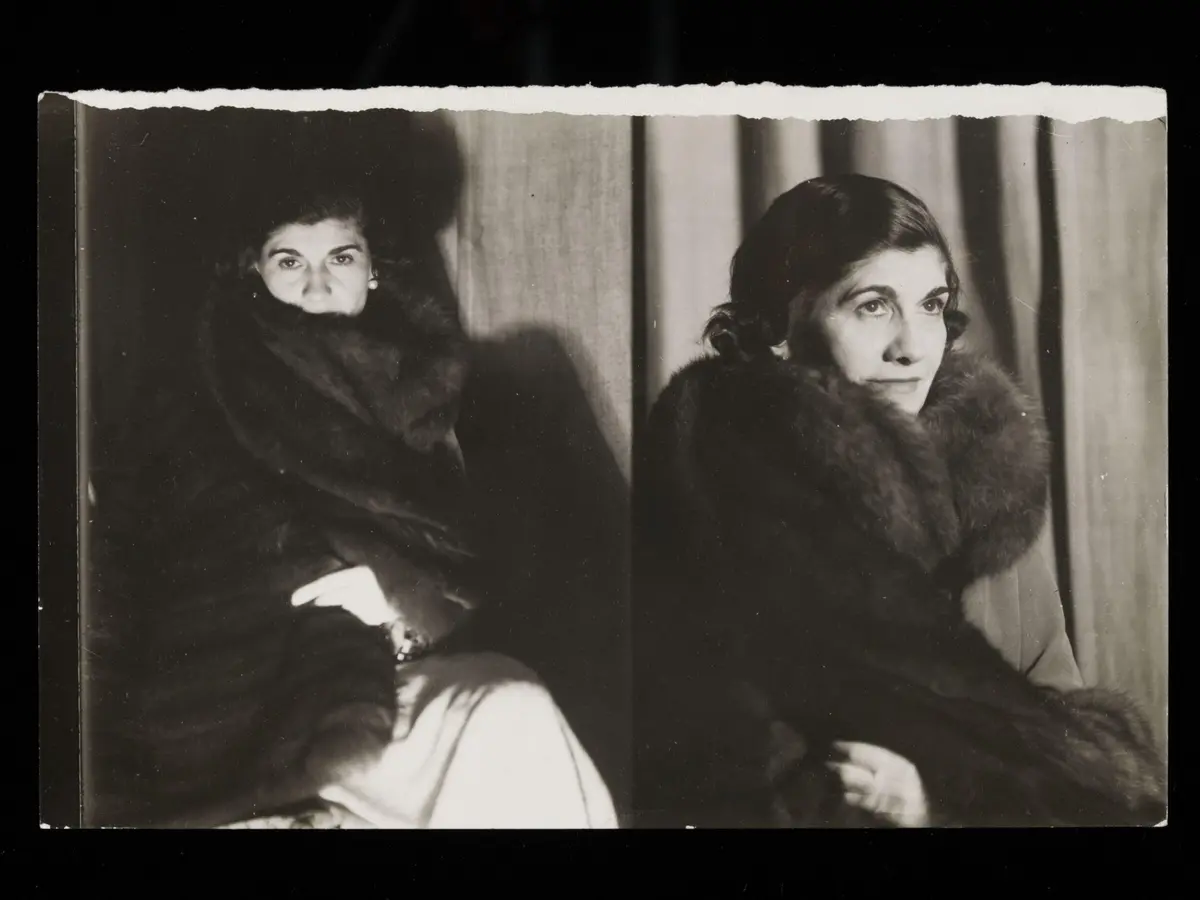
Gabrielle "Coco" Chanel was a French hat-maker and dressmaker who became the best-known fashion designer of the twentieth century. Born poor and raised partly in a convent orphanage, she opened a hat shop in Paris in 1910. She went on to dress women in soft jersey, tweed suits and plain black dresses, to sell a perfume that did not smell of any one flower, and to wear costume jewellery beside real pearls. Her idea was that clothes should let a woman move: simple, comfortable and smart. The house she founded still carries her name, and its interlocked double C is one of the most recognised marks in the world.
She was born on 19 August 1883 in a charity hospital in Saumur, and the clerk wrote her surname as "Chasnel". Her father sold clothes from town to town. Her mother died in 1895, and the girl was sent to the convent orphanage at Aubazine, where she learned to sew. She later worked as a seamstress in Moulins and sang in cafés, where the nickname "Coco" is said to come from. Two well-off men, the former cavalry officer Étienne Balsan and the Englishman Arthur "Boy" Capel, helped her start. With Capel's backing she opened a hat shop at 21 rue Cambon in 1910, a boutique in Deauville in 1912 or 1913 and one in Biarritz in 1915, and in 1918 she bought 31 rue Cambon, the address of the house today.
In the 1920s and 1930s she stood at the top of Paris fashion. She turned jersey, a cheap knit used for men's underwear, into a fabric for women's clothes, and after she met the Duke of Westminster in 1923 she took up tweed from his wardrobe. Chanel No. 5, made with the perfumer Ernest Beaux, went on sale in 1921. In 1924 she handed the business of Parfums Chanel to Théophile Bader and the Wertheimer brothers for a small share, a deal she resented for the rest of her life. In October 1926 American Vogue showed a black Chanel day dress and called it a "Ford", the frock that all the world would wear. She designed the costumes of the ballet Le Train bleu (1924), went to Hollywood in 1931, and by 1935 employed about 4,000 people. In 1939, at the start of the war, she closed her couture house.
She stayed in Paris through the German occupation and lived at the Hôtel Ritz, where German officers also lived. She had a relationship with Hans Günther von Dincklage, a German officer and intelligence agent. This is the most disputed part of her life. In 2011 the American journalist Hal Vaughan, working from French and German intelligence files, argued that she was a German agent code-named "Westminster" (agent F-7124) and took part in a failed plan in 1943 to open peace talks with Churchill. The house of Chanel rejected this, and reviewers criticised how he used his sources. Several sources, Britannica among them, report that in 1941 she tried to use the German laws on Jewish property to take Parfums Chanel from the Wertheimers, who had already protected the company by handing it to a French friend, and that after the liberation of Paris in 1944 she was questioned and released without charge. She then lived in Switzerland for about ten years.
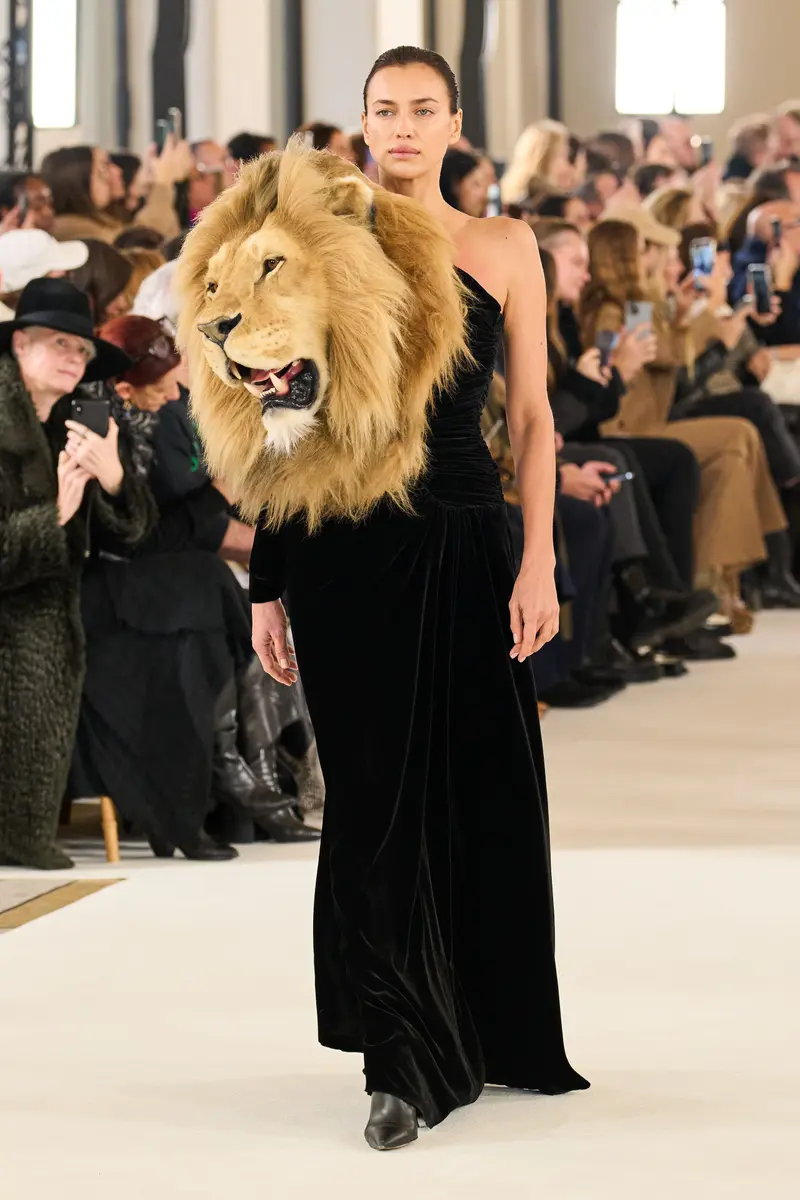
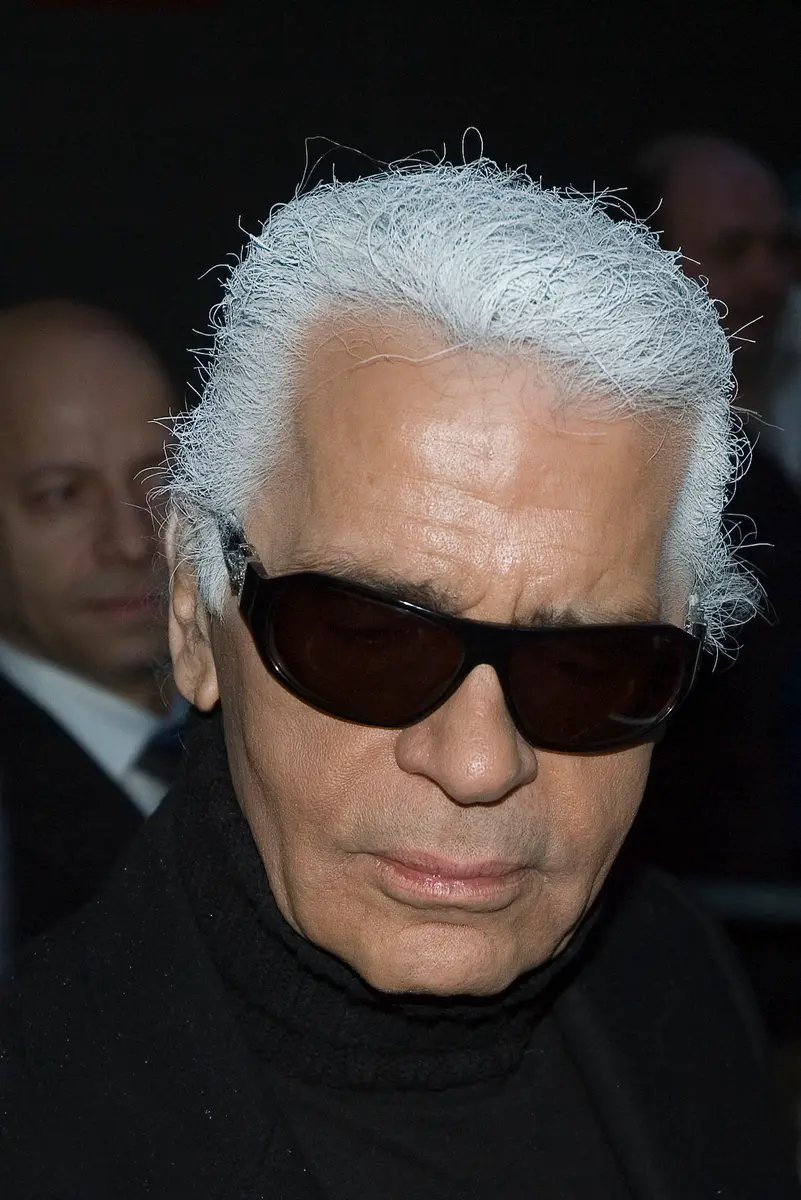
In February 1954, at 70 (her house and the V&A say 71), she reopened her house. French critics were cold; the American and British press was warmer, and the Chanel suit, a loose cardigan-style jacket in braided tweed worn with a skirt and no stiff lining, became the uniform of the 1950s and 1960s. In February 1955 she added the quilted 2.55 bag on a chain. The Wertheimers had paid for the comeback and took over the couture house. She died at the Ritz on 10 January 1971, aged 87, and is buried in Lausanne. The house went on under other designers, most famously Karl Lagerfeld, and her black dress, her suit and No. 5 are still sold.
What happened
- 1883
Gabrielle Bonheur Chanel is born in Saumur, in a charity hospital for the poor. The clerk enters her surname as 'Chasnel', a misspelling that stays on her birth record.
Saumur, Maine-et-Loire: born here on 19 August 1883 in a charity hospital for the poor; her surname was entered as 'Chasnel'- 1895
Her mother, a laundrywoman, dies; her father, a travelling street vendor, leaves. The 11-year-old is sent to the convent orphanage at Aubazine, where she learns to sew.
Abbey of Aubazine, Corrèze: the convent orphanage where she was sent after her mother's death in 1895 and learned to sew - 1902
At 18 she has moved to Moulins, where she lives in a convent boarding house and, from 1902, works as a seamstress. She also sings in cafés frequented by officers; the origin of her nickname 'Coco' is uncertain, with songs such as 'Qui qu'a vu Coco?' the usual story.
- 1906
Around this date the former cavalry officer Étienne Balsan takes her in as his mistress at his estate near Compiègne, helps her to start making hats and introduces her to Arthur 'Boy' Capel, who becomes the great love of her life and the first backer of her business.
- 1910
She opens Chanel Modes, a small hat shop at 21 rue Cambon, with Capel's money. Actresses wear her plain hats, and the magazine Comœdia illustré prints a portrait of her in one of them on 1 October 1910.
31 rue Cambon, Paris: the house of Chanel since 1918 (her first hat shop, in 1910, was at No. 21 of the same street) - 1912
Her first boutique opens in Deauville, the seaside resort, where she sells hats and, soon, simple clothes. The house's timeline, Britannica and the Palais Galliera say 1912; the plaque on the site says the summer of 1913.
- 1913
From this summer she sells sportswear in jersey, a soft knit then used for men's underwear. Women at Deauville need no corset in it, and by 1915 the New York Herald Tribune calls her silk jersey suits a 'Deauville uniform'.
- 1915
Her first couture house opens in Biarritz, on the Basque coast. She employs 300 workers there and shows her first haute couture collection.
- 1916
American and British Vogue say that 'Chanel is master of her art, and her art resides in jersey'. One of the earliest surviving Chanel garments, the silk-jersey marinière blouse of spring-summer 1916, is a sailor-collared tunic of this kind.
- 1918
She buys the building at 31 rue Cambon and makes it the home of her couture house, with boutique, salons and workshops. It is still the house's address. (Some sources date her registration as a couturière to 1919.)
31 rue Cambon, Paris: the house of Chanel since 1918 (her first hat shop, in 1910, was at No. 21 of the same street) - 1919
Arthur 'Boy' Capel dies in a car accident in the south of France. The V&A calls his death a severe loss to her, and she always acknowledged what he meant to her life and work.
- 1921
Chanel No. 5 goes on sale, the first perfume of the house. The perfumer Ernest Beaux gives her samples and she chooses the fifth; it has no single flower note, uses aldehydes and over 80 ingredients, and comes in a plain square bottle with her interlocked Cs on the stopper. The picture shows a Chanel dress of about 1921.
- 1923
Her friend Vera Bate introduces her to the very rich Duke of Westminster. Their affair lasts into the next decade; on his estates in England and Scotland she wears his tweed jackets and later works with the Carlisle weaver William Linton.
- 1924
Parfums Chanel is formed to make and sell No. 5, with Théophile Bader of the Galeries Lafayette and the Wertheimer brothers, the owners of the cosmetics firm Bourjois, as partners. She receives a small share (10 per cent) and spends decades trying to win control back.
The Ballets Russes give the first night of Le Train bleu at the Théâtre des Champs-Élysées: choreography by Bronislava Nijinska, music by Darius Milhaud, libretto by Jean Cocteau. Chanel designs all the costumes, jersey bathing suits and tennis and golf clothes, the only Diaghilev ballet for which she did so.
- 1926
American Vogue prints a drawing of a black crêpe de Chine Chanel day dress, 'model 817', and calls it 'the Chanel "Ford"' - 'the frock that all the world will wear'. The 'little black dress' is born as an idea: a plain black dress meant for the widest market, black no longer only for mourning and for servants.
- 1927
She opens her first London salon and workshop in Mayfair, uses only English mannequins and seamstresses, and writes illustrated advice for the weekly The Outlook. British Vogue calls it 'French chic adapted to English tastes'.
- 1928
She buys land at Roquebrune-Cap-Martin, between Menton and Monaco, and builds her villa La Pausa, where she entertains Westminster, Cocteau, Reverdy and Dalí.
- 1931
At the invitation of the producer Samuel Goldwyn she goes to Hollywood to dress the stars of United Artists. She designs costumes for Tonight or Never (1931) and The Greeks Had a Word for Them (1932). A Los Angeles Times photographer catches her at a desk on 18 March.
- 1932
Her only high-jewellery collection, 'Bijoux de Diamants', is shown to the public from 7 to 19 November 1932 in her house at 29 rue du Faubourg Saint-Honoré; Pathé films it for the cinemas.
- 1935
At its height the house employs about 4,000 people and she has five boutiques in the middle of Paris, but her rival Elsa Schiaparelli is winning the fashion headlines.
- 1939
With the war she closes her couture house. Of the five buildings on rue Cambon only the boutique at No. 31 stays open, selling perfume and accessories. The picture is a gown photographed in the house's last prewar years.
- 1940
Germany occupies Paris. She stays, living at the Hôtel Ritz, where senior German officers also live, and takes up with Baron Hans Günther von Dincklage, a German officer and diplomat whom Britannica calls a spy of the Abwehr. Britannica, Wikipedia and Vaughan agree on the relationship; whether the Ritz was already her home is disputed.
Hôtel Ritz, Place Vendôme, Paris: her home through the occupation and until her death on 10 January 1971 - 1941
Her nephew André Palasse, a French soldier held in a German camp, is released. Britannica says she may have used her German contacts for this and that she allegedly travelled to Spain with German agents in the same year; Vaughan's book says she was then registered as Abwehr agent F-7124 'Westminster'. Historians do not agree that this proves spying.
She writes to the official in charge of Jewish property that Parfums Chanel 'is still the property of Jews' and claims it. It fails: the Wertheimers had already put the company in the hands of a French friend, Félix Amiot, in May 1940.
- 1943
Operation Modellhut ('Model Hat'): German intelligence (the SD under Walter Schellenberg, per Vaughan) tries to use her old friendship with Churchill to open a back channel for peace talks. With Dincklage and Vera Bate Lombardi she goes to Madrid, but Lombardi tells the British embassy and the plan collapses. Britannica calls the Madrid trip of 1943 'more certain' than the rest of the story.
- 1944
Paris is liberated. The Hôtel Meurice on the rue de Rivoli, the headquarters of the German commander, General von Choltitz, and a short walk from the Ritz and the rue Cambon, is taken, and its soldiers come out as prisoners.
She is arrested by Free French fighters, questioned by the purge committee about her relationship with Dincklage, and released within hours without charge. She said Churchill had her freed; Vaughan repeats this, Britannica calls it uncertain, and Richard Wallace argues that someone else arranged it. She leaves Paris soon after.
- 1945
She settles in Switzerland, in and around Lausanne, for about ten years, and Dincklage joins her. She lives in hotels such as the Beau-Rivage Palace and takes cures at the Clinique Valmont. Some sources say she left in 1944; swissinfo and Wikipedia say 1945.
Bois-de-Vaux cemetery, Lausanne: her grave; she lived in Switzerland for about ten years after the war - 1947
According to Tilar Mazzeo's biography of No. 5, as Wikipedia reports it, she and Pierre Wertheimer settle their long fight: she gets her wartime share of the profits, 2 per cent of all No. 5 sales and her living costs for life. Britannica says she never renegotiated the 1924 terms, so this is flagged.
- 1954
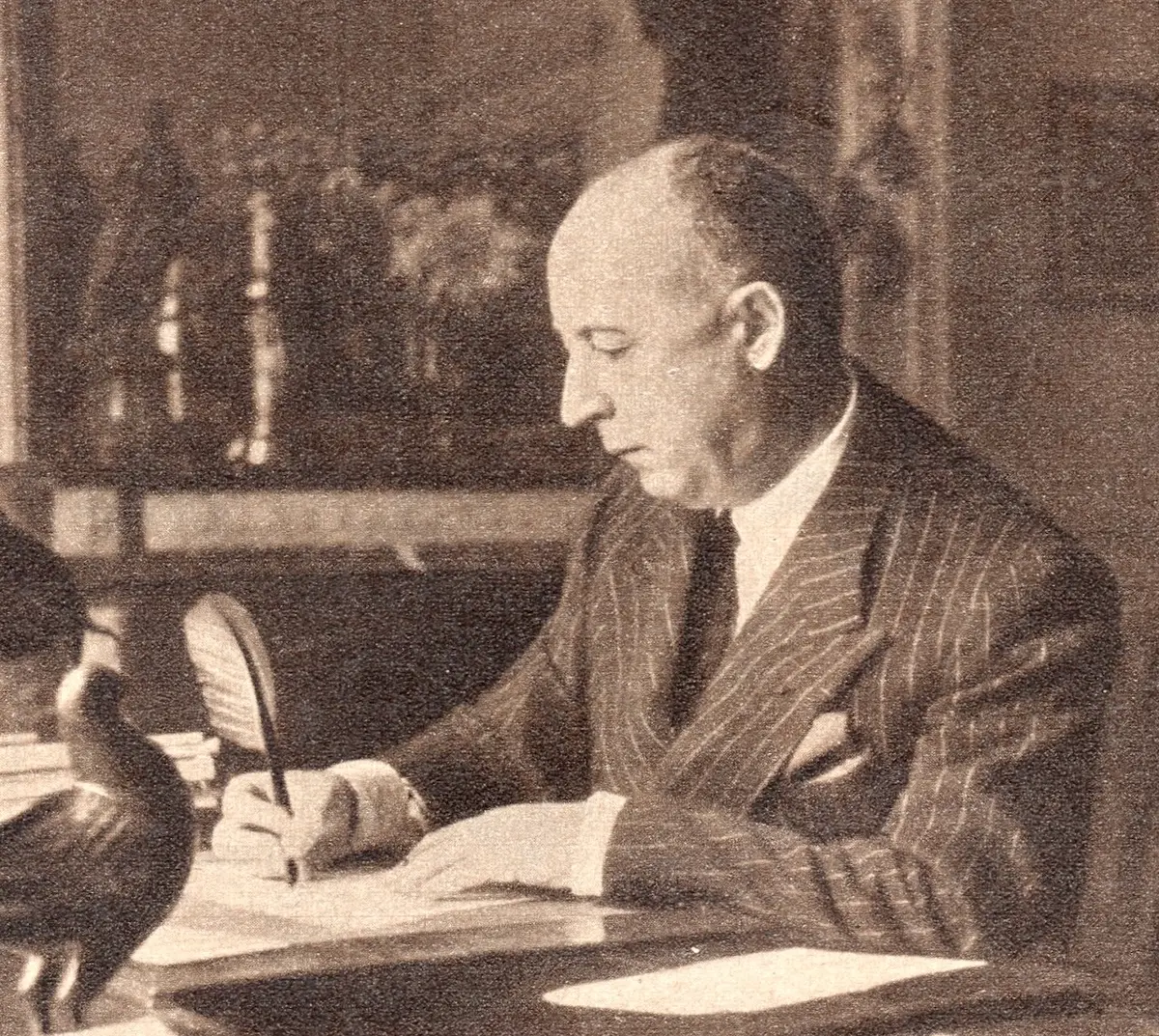
At 70 (her house and the V&A say 71) she shows her first collection in about fifteen years at 31 rue Cambon. Many French critics are cold, and the V&A records the Vogue editor Bettina Ballard's memory that buyers ordered only about six outfits at first; but American Vogue and French Elle praise the clothes and readers buy them. They answer Dior's New Look, which she said 'upholsters' women, with loose jersey and cardigan-style jackets. The Wertheimers paid for the show and in 1954 acquired the couture house.
31 rue Cambon, Paris: the house of Chanel since 1918 (her first hat shop, in 1910, was at No. 21 of the same street)- 1955
She introduces the quilted bag on a chain, called '2.55' after the month and year of its creation. It has an adjustable metal strap so that it can be worn on the shoulder and leave the hands free, a lipstick pocket and a red lining. The picture shows a quilted chain bag of about 1965 in the V&A, of the same kind.
Vogue's photographer Henry Clarke shoots a navy wool-jersey Chanel suit for French and British Vogue. The photograph, with an editor's note on the print, is in the Palais Galliera.
- 1956
Her collection shows the trimmed tweed suit, the jacket and skirt with braid that become the symbol of the house; by September 1964 American Vogue calls it 'the world's prettiest uniform'. In old age she wears the cardigan jacket herself, as in Cecil Beaton's undated photograph.
- 1957
Dior dies, leaving her the undisputed leader of French fashion, and she wins the Neiman-Marcus award for fashion. Her two-tone pumps, beige with black toes, appear the same year.
- 1971
She dies on Sunday 10 January 1971, at the Hôtel Ritz, aged 87. Her last collection is shown after her death, and the house goes on. The funeral mass is held at the Madeleine church in Paris on Wednesday 13 January, with a crowd outside, and she is buried in the Bois-de-Vaux cemetery in Lausanne.
Bois-de-Vaux cemetery, Lausanne: her grave; she lived in Switzerland for about ten years after the war