England's law on 'diet and apparel'
“In 1363 Edward III's parliament set out, rank by rank from ploughman to knight, what each person could eat and wear; nobody obeyed it, and it was cancelled in 1365.”
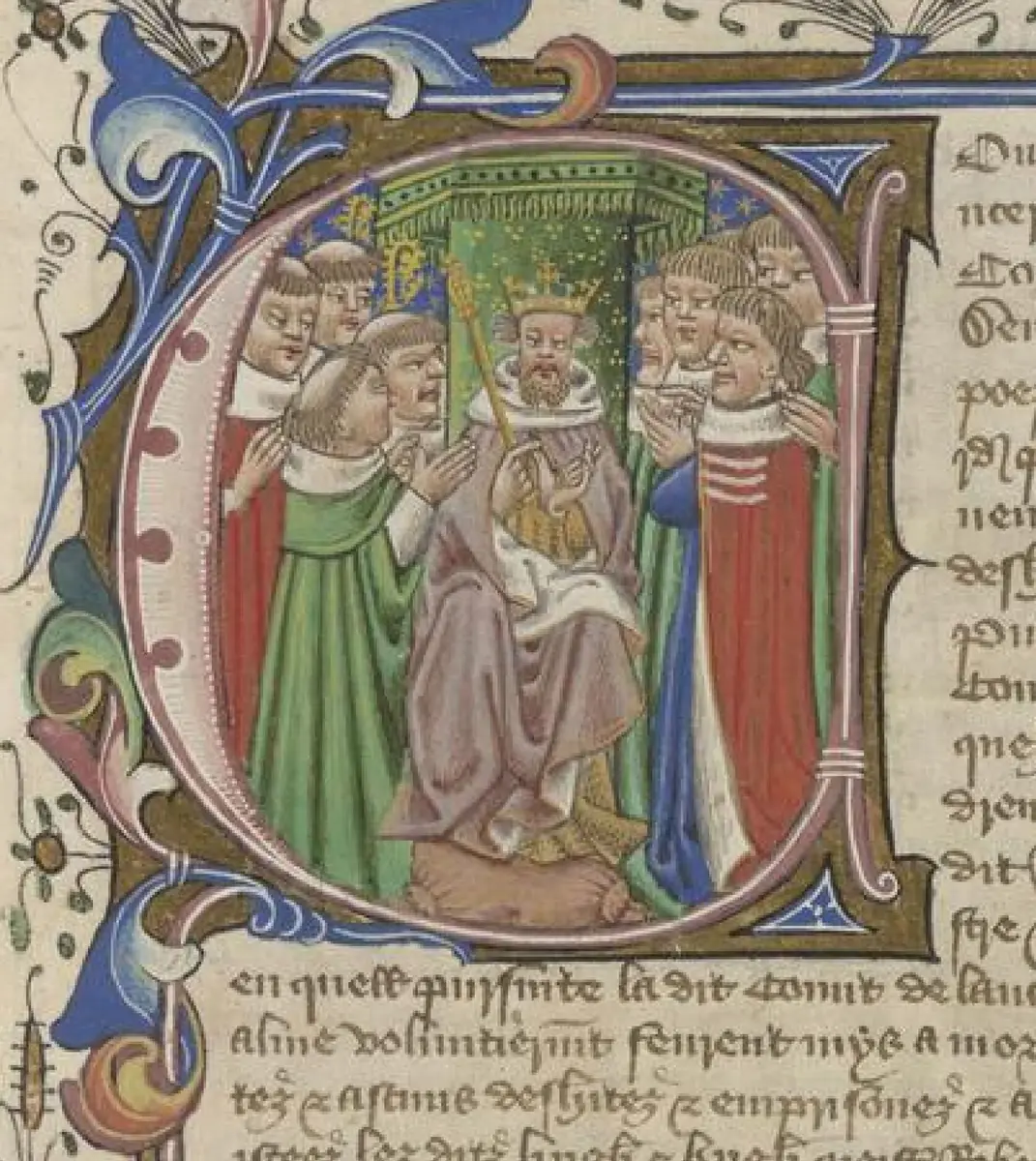
In the autumn of 1363 the parliament of Edward III, meeting in the royal palace at Westminster, laid down how the English were to eat and dress, rank by rank. The Commons complained that people of every condition were wearing clothes above their place: labourers dressed like craftsmen, craftsmen like the gentlemen's servants called valets, valets like squires and squires like knights, poor women like ladies and poor clerks in fur like the king and the lords. All this, they said, pushed up prices and wasted the wealth of the kingdom. The king agreed, and on 3 November 1363, the last day of the session, his chancellor told the lords and the Commons to keep the new 'ordinance of apparel' and to make it known at home.
The rules climbed the social ladder by the price of cloth and by income. Servants were to eat meat or fish once a day and wear cloth worth no more than two marks for a whole cloth, with nothing of gold, silver, silk or embroidery. Craftsmen and yeomen could go up to 40 shillings, but wear no jewellery of gold or silver; their wives' veils had to be of yarn made in England, and their fur only lamb, rabbit, cat or fox. Esquires, merchants and knights were graded by land or goods, with silk, silver trimmings and the white furs called miniver allowed only above set incomes, and ermine kept for the very top. At the bottom, carters, ploughmen, shepherds, dairy workers, threshers and anyone with less than 40 shillings of goods could wear only cheap undyed 'blanket' or 'russet' wool. Whoever broke the rules lost the forbidden clothes to the king, and clothmakers were ordered to make enough cloth at the fixed prices.
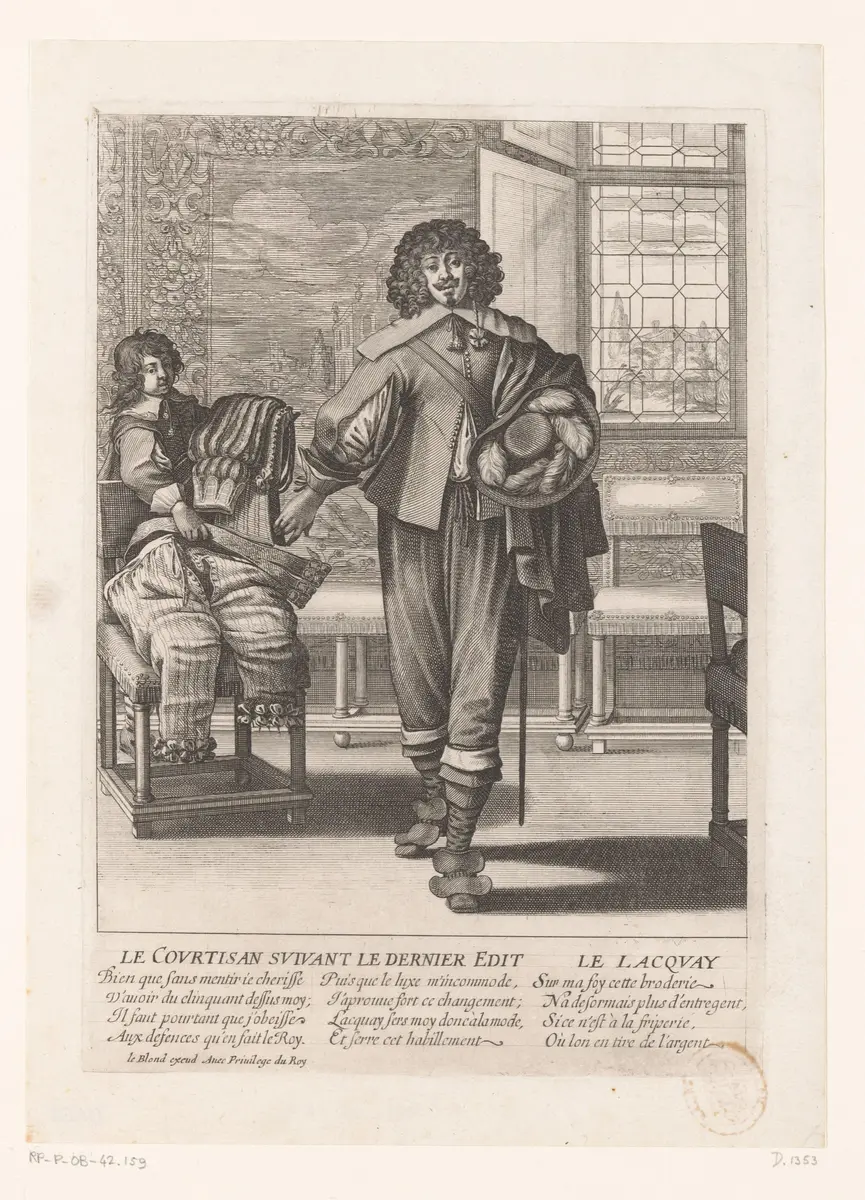
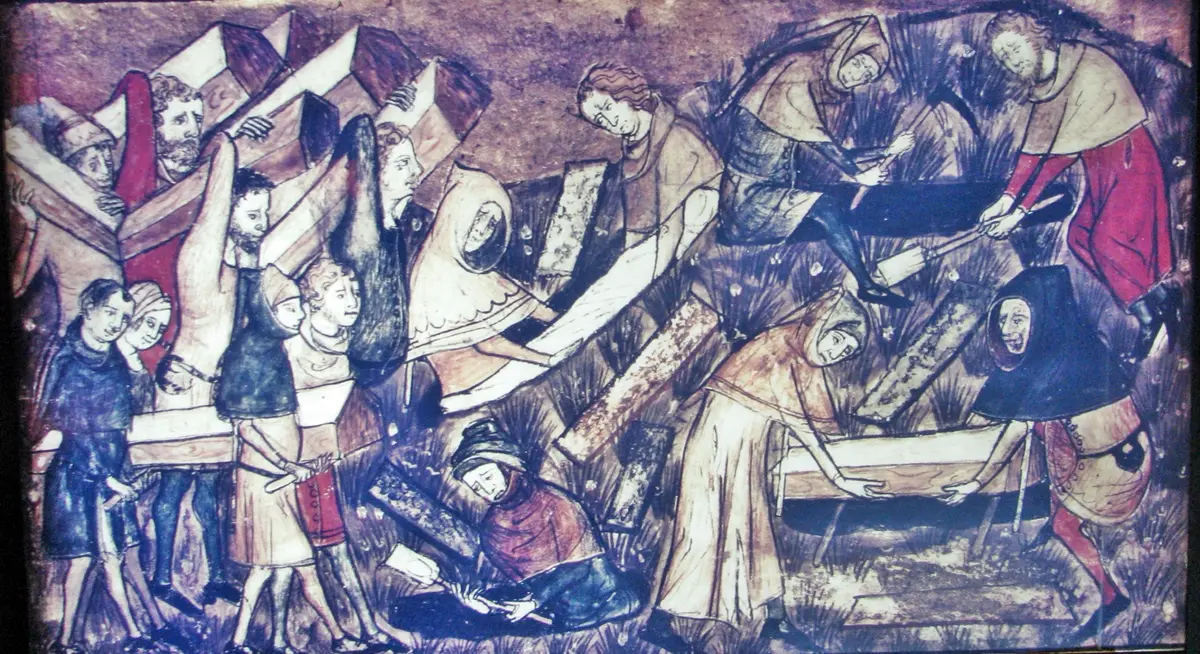
The law grew out of a society shaken by the Black Death of 1348–49. With so many workers dead, wages rose, and servants and craftsmen could now afford better clothes; the peace with France in 1360 also brought soldiers home with plunder to spend. Earlier laws had already tried to steer what people consumed: a statute of 1337 banned foreign cloth for everyone but the royal family and limited who might wear fur. The law of 1363 went much further. It turned clothing into a uniform that showed each person's rank at a glance.
It did not work. The chronicler Thomas Walsingham wrote that none of it took effect, and no court cases under it have been found. At the very next parliament, in January and February 1365, the Commons asked for the ordinance to be examined and every point that put 'the poor Commons' in danger to be cancelled. The king agreed: everyone was to be as free in food and dress as in the time of his grandfather. The great experiment had lasted about fifteen months.
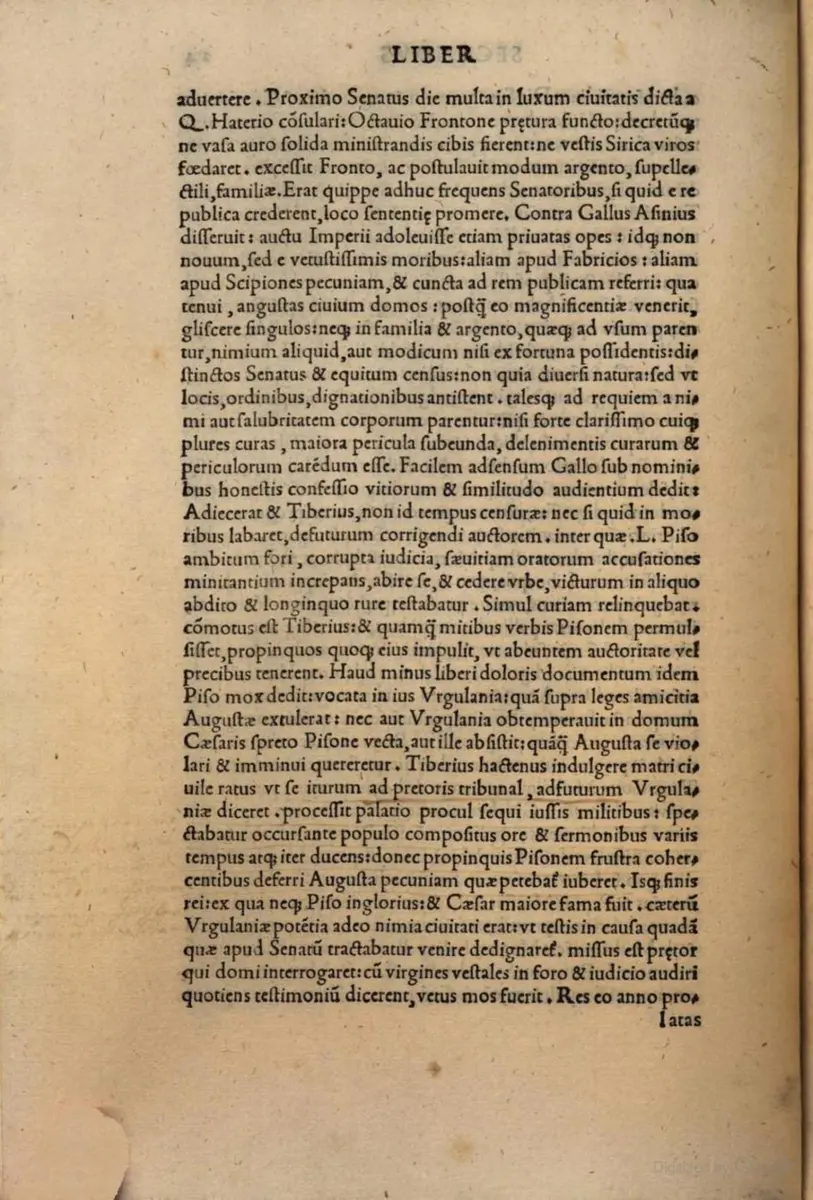
Even so, it was the first English law to regulate the dress of every rank in detail, and it served as the model for the 'acts of apparel' that followed, under Edward IV in 1463 and again and again under the Tudors, until the last of them were repealed under James I in 1604. For historians it is a rare snapshot of how English society ranked itself after the Black Death, measured in shillings, furs and buttons.
What happened
- 1363
Parliament opens at Westminster on the Friday in the octave of Michaelmas. A crier in Westminster Hall calls the prelates, lords and Commons to the Painted Chamber, where the king's chief justice, Sir Henry Green, says in English that the king is ready, but many of those summoned have not come; he sends everyone away until Monday.
Westminster Hall, where a crier opened both parliaments, on 6 October 1363 and in January 1365, calling the lords and Commons to the king's chambersIn the Painted Chamber, with the king present, the chancellor, Simon Langham, bishop of Ely, explains in English why the parliament has been called, and clerks are named to receive the petitions of England, Gascony and the other lands.
The Painted Chamber, Palace of Westminster (site): the parliament gathered here on 6 October 1363 and heard the chancellor in English on 9 OctoberIn the White Chamber the Commons' petitions and the king's answers are read out. Among them is the complaint that 'divers people of divers conditions use divers apparel not pertaining to their estate', so that prices rise and the wealth of the kingdom is destroyed; the king grants a remedy.
Palace of Westminster: its White Chamber saw the ordinance proclaimed on 3 November 1363 and the repeal read on 17 February 1365The ordinance's first rank: grooms and servants, of lords and of craftsmen alike, are to eat flesh or fish once a day and otherwise milk, butter and cheese; to wear cloth worth no more than two marks the whole cloth; and to wear nothing of gold, silver, silk or embroidery. Their wives' veils may cost no more than 12 pence.
Palace of Westminster: its White Chamber saw the ordinance proclaimed on 3 November 1363 and the repeal read on 17 February 1365Craftsmen and yeomen may wear cloth up to 40 shillings the whole cloth, but no precious stones, silk or silver, and no girdle, knife, button, ring, garter, brooch, ribbon or chain of gold or silver. Their wives' veils must be of yarn made in England, and their furs only lamb, rabbit, cat or fox.
Palace of Westminster: its White Chamber saw the ordinance proclaimed on 3 November 1363 and the repeal read on 17 February 1365Esquires and gentlemen with less than £100 a year in land may spend up to 4½ marks on a whole cloth, with no gold, silk, jewels or fur; those with 200 marks may have cloth of 5 marks, silk, cloth of silver and girdles reasonably trimmed with silver, and their wives miniver, but no ermine or lettice.
Palace of Westminster: its White Chamber saw the ordinance proclaimed on 3 November 1363 and the repeal read on 17 February 1365Merchants, citizens, burgesses and craftsmen, in London and elsewhere, are graded by their goods: those worth £500 may dress like esquires of £100 a year, those worth £1,000 like the richer esquires. Their servants must dress like the yeomen of lords.
Palace of Westminster: its White Chamber saw the ordinance proclaimed on 3 November 1363 and the repeal read on 17 February 1365Knights with up to 200 marks a year may wear cloth of 6 marks, but no cloth of gold, no cloak or gown furred with miniver, no ermine sleeves and no embroidery of stones. Knights and ladies with 400 marks to £1,000 may wear what they like, except ermine, lettice and pearls or stones other than on the head.
Palace of Westminster: its White Chamber saw the ordinance proclaimed on 3 November 1363 and the repeal read on 17 February 1365Clerks with a degree in a cathedral, a collegiate church or the schools, and the king's clerks, follow the rules of their own institutions; other clerks dress as knights or esquires of the same income. Whoever may wear fur in winter must wear lawn in summer.
Palace of Westminster: its White Chamber saw the ordinance proclaimed on 3 November 1363 and the repeal read on 17 February 1365Carters, ploughmen, oxherds, cowherds, shepherds, dairy workers, threshers and everyone with less than 40 shillings in goods may wear only blanket and russet wool at 12 pence, with girdles of linen, and must eat and drink as befits them. Anyone who breaks the ordinance forfeits the forbidden clothes to the king, and clothmakers must make cloth at these prices so that no one has an excuse.
Palace of Westminster: its White Chamber saw the ordinance proclaimed on 3 November 1363 and the repeal read on 17 February 1365The same ordinances fix the price of poultry (a young capon at most 3 pence, a hen 2 pence, a pullet a penny, a goose 4 pence) and order English merchants to trade in one kind of merchandise only.
Palace of Westminster: its White Chamber saw the ordinance proclaimed on 3 November 1363 and the repeal read on 17 February 1365The chancellor tells the lords and Commons that the king means to keep the ordinance of apparel, charges them to obey it and to have it published when they get home. Because the measures are new, they choose to issue them as an ordinance rather than a statute, so that anything wrong can be amended at the next parliament. The king thanks them and the parliament breaks up.
Palace of Westminster: its White Chamber saw the ordinance proclaimed on 3 November 1363 and the repeal read on 17 February 1365- 1365
A new parliament opens at Westminster in the octave of St Hilary; a crier in Westminster Hall tells those summoned to come to the Painted Chamber the next morning.
Westminster Hall, where a crier opened both parliaments, on 6 October 1363 and in January 1365, calling the lords and Commons to the king's chambersIn the Painted Chamber the chancellor, Simon, bishop of Ely, gives the causes of the summons in English.
The Painted Chamber, Palace of Westminster (site): the parliament gathered here on 6 October 1363 and heard the chancellor in English on 9 OctoberOn the last day, in the White Chamber, the Commons' petitions and the answers are read. They had asked that the last parliament's ordinance be examined, that every point putting 'the poor Commons' in danger be repealed, and that all people may order their food and dress as they please. The answer frees everyone to live as in the time of the king's grandfather, and lets all merchants trade in all goods. The parliament ends, and with it the law of 1363.
Palace of Westminster: its White Chamber saw the ordinance proclaimed on 3 November 1363 and the repeal read on 17 February 1365