The American Civil War
“The war of 1861 to 1865 in which the United States defeated eleven seceded slave states, the deadliest in American history, which ended slavery.”
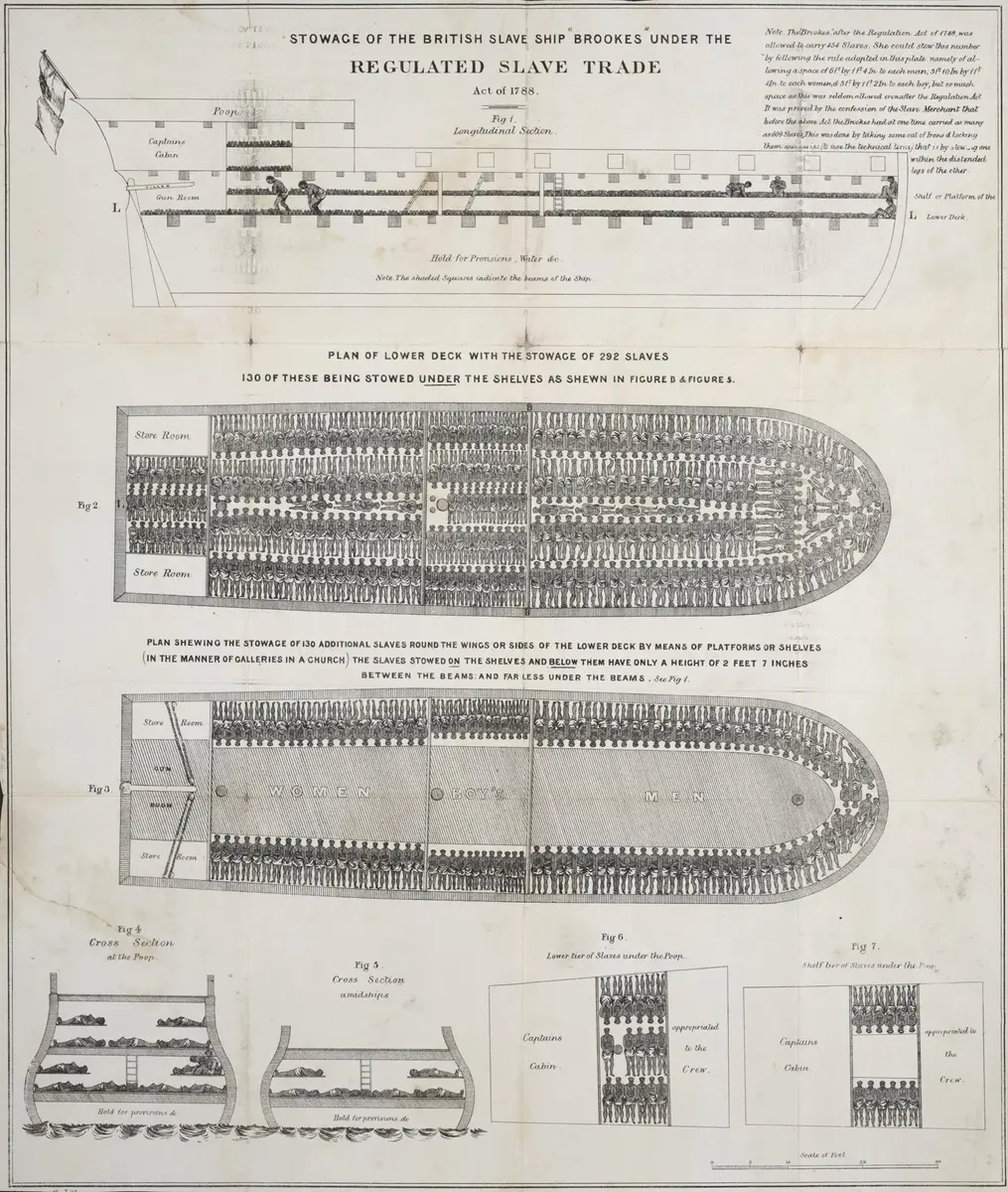
The American Civil War was fought from 1861 to 1865 between the United States and eleven Southern states that had seceded from the Union to form the Confederate States of America, to protect slavery and its spread into the West. It was the deadliest war in American history: Britannica's estimate is that between 752,000 and 851,000 soldiers died, about two in every hundred Americans alive in 1860. The Union won, the Confederacy was destroyed, and slavery, which held nearly four million people in 1860, was abolished by the Thirteenth Amendment, passed by Congress on 31 January 1865 and ratified on 6 December.
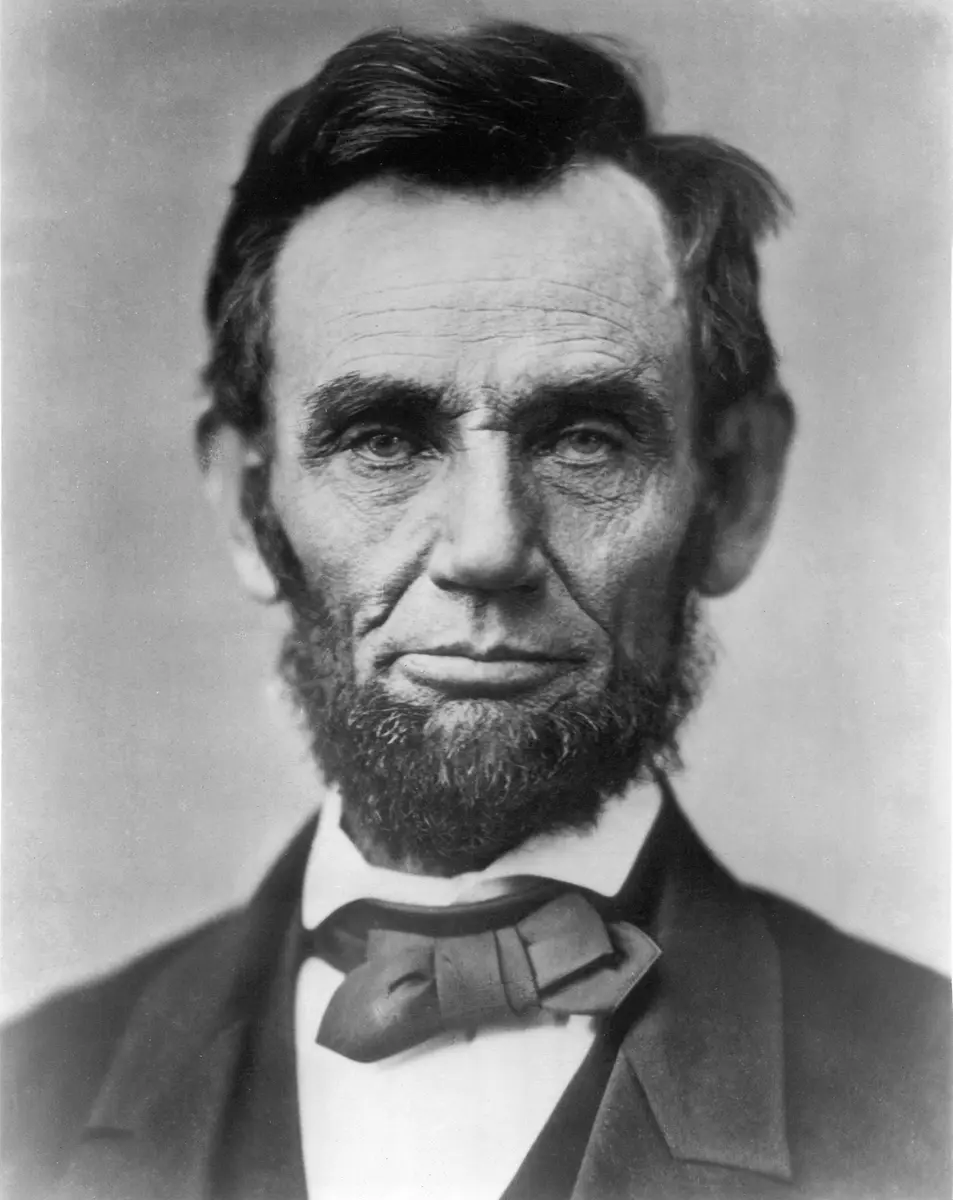
The quarrel over slavery in the new western territories had been patched by compromises for forty years. When Abraham Lincoln, whose Republican Party wanted to stop slavery's expansion, was elected president in November 1860, seven states of the Deep South seceded and formed the Confederacy. On 12 April 1861 Confederate batteries opened fire on Fort Sumter in the harbour of Charleston; when Lincoln called for 75,000 volunteers, four more states, Virginia, North Carolina, Tennessee and Arkansas, joined them.
In the East, Confederate armies under Robert E. Lee won battle after battle against Union generals who would not fight hard, while in the West Ulysses S. Grant took the forts and rivers of Tennessee. Lee's invasion of Maryland was stopped at Antietam on 17 September 1862, the bloodiest single day in American history, and Lincoln used the moment to proclaim the slaves of the rebel states free from 1 January 1863. The Emancipation Proclamation turned the war into a war against slavery and opened the army to Black men; almost 200,000 served. In July 1863 Lee was beaten at Gettysburg and Vicksburg fell to Grant, giving the Union the Mississippi. In 1864 Grant, now in command of all the Union armies, ground Lee down in Virginia while William T. Sherman took Atlanta and marched through Georgia to the sea, destroying what the South needed to fight.
Richmond, the Confederate capital, fell on 3 April 1865, and on 9 April Lee surrendered to Grant at Appomattox Court House. Five days later Lincoln was shot in a Washington theatre; he died the next morning. Joseph E. Johnston surrendered the last large Confederate army to Sherman on 26 April, and the final surrender came at Galveston, Texas, on 2 June. The Union had won with more men, more factories and railways, a navy that blockaded the South, firm political leadership and, from 1863, the freed slaves themselves.
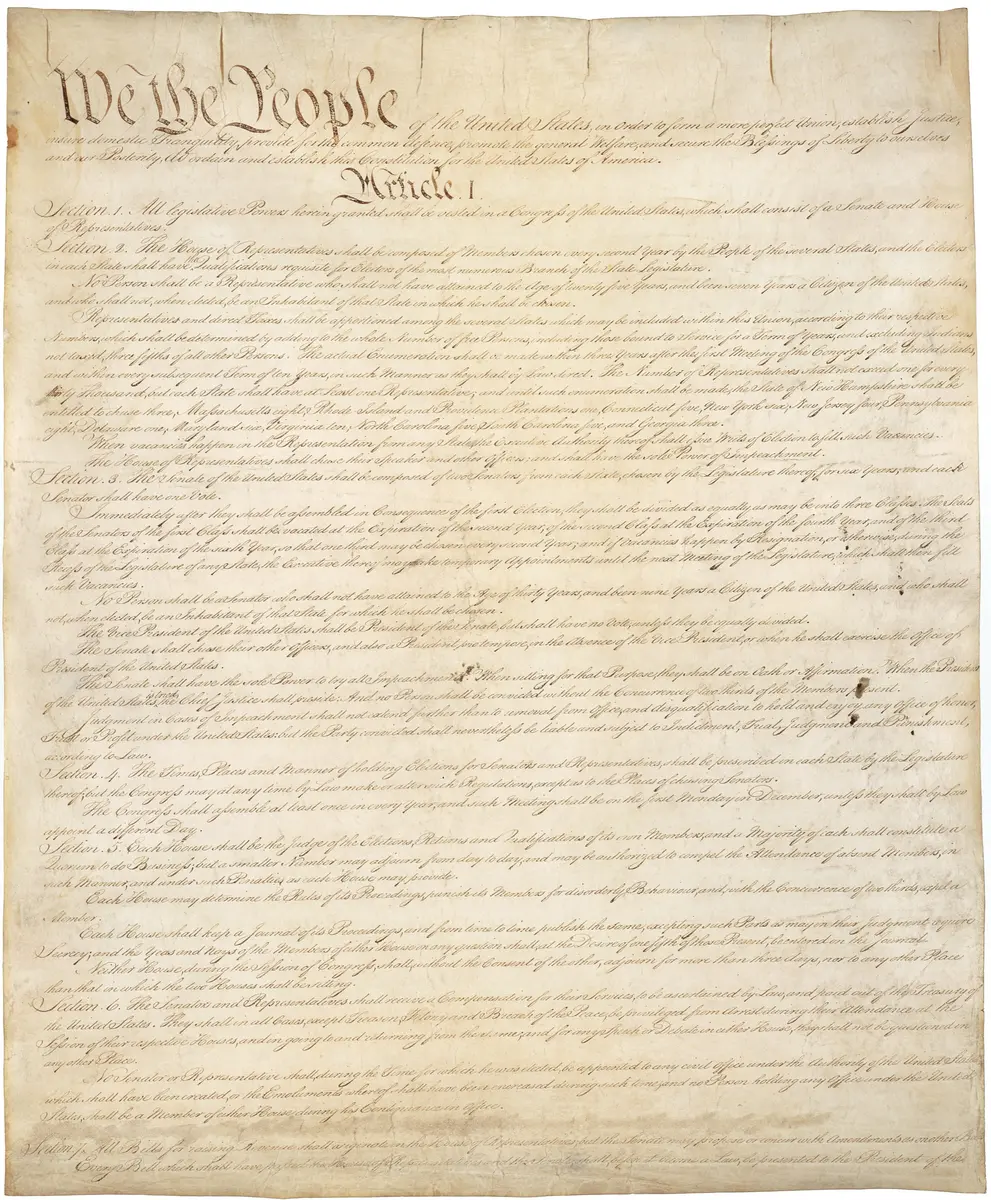
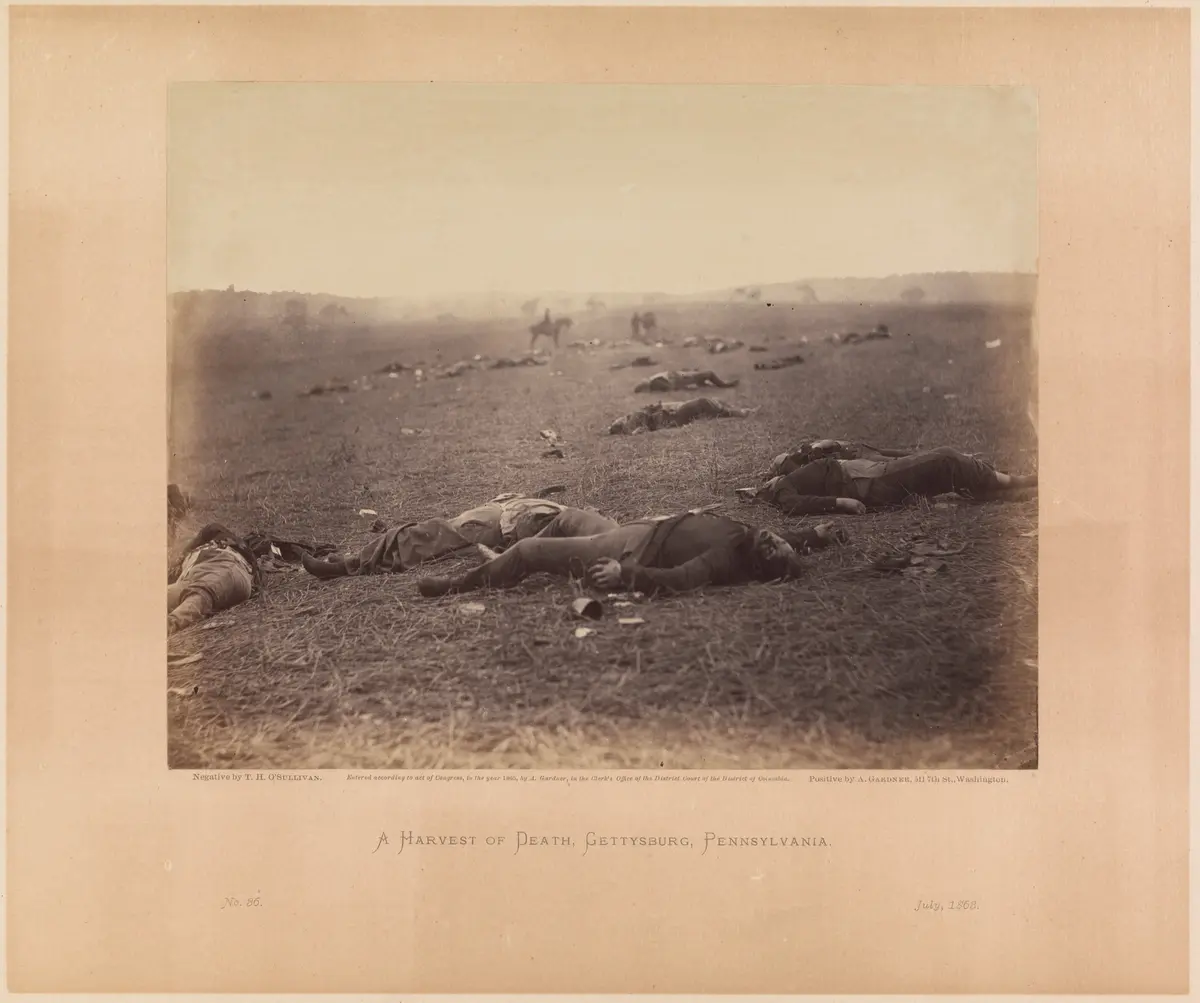
In the years of Reconstruction that followed, the Fourteenth Amendment of 1868 made the freed people citizens with equal protection of the laws and the Fifteenth of 1870 gave Black men the vote; but after 1877 the South imposed segregation and stripped Black citizens of those rights for nearly a century, until the civil rights movement. It was the first war to be photographed: the pictures of the dead at Antietam and Gettysburg by Mathew Brady's photographers brought the battlefield home to the North. Americans still argue over how to remember it, as a war for union and freedom or, in the South's Lost Cause legend, as a noble defeat.
What happened
- 1861
Before dawn Confederate batteries open fire on Fort Sumter in Charleston harbour; after 34 hours of bombardment, in which no one is killed, its garrison of about 85 surrenders.
Fort Sumter, Charleston harbour: where the war began on 12 April 1861Lincoln calls for 75,000 volunteers; Virginia, Arkansas, Tennessee and North Carolina secede and join the Confederacy.
At Bull Run, near Manassas in Virginia, the Confederates rout the Union army; the hope of a short war is gone.
- 1862
At Shiloh in Tennessee, two days of fighting give Grant a victory and the country its first taste of mass casualties.
At Antietam Creek in Maryland, McClellan stops Lee's invasion of the North in the bloodiest single day in American history.
Antietam, Maryland: the bloodiest day in American history, 17 September 1862Lincoln visits McClellan at Antietam and urges him to pursue Lee; in November he removes him from command.
Antietam, Maryland: the bloodiest day in American history, 17 September 1862- 1863
The Emancipation Proclamation takes effect: the slaves of the rebel states are declared free, and Black men may now enlist.
For three days the armies fight at Gettysburg in Pennsylvania; Lee's last great attack fails on 3 July, at a cost of some 51,000 casualties on both sides.
Gettysburg, Pennsylvania: Lee's defeat on 1 to 3 July 1863, and Lincoln's address of 19 NovemberAfter a six-week siege, Vicksburg surrenders to Grant; the Union controls the Mississippi and the Confederacy is cut in two.
Vicksburg, Mississippi: besieged by Grant and surrendered on 4 July 1863, giving the Union the MississippiAt the dedication of the cemetery at Gettysburg, Lincoln speaks for two minutes of 'a new birth of freedom'.
Gettysburg, Pennsylvania: Lee's defeat on 1 to 3 July 1863, and Lincoln's address of 19 November- 1864
Grant is given command of all the Union armies; from May he fights Lee across Virginia without letting go, at Cold Harbor in June and then at the siege of Petersburg.
Sherman takes Atlanta, which helps Lincoln win re-election in November; in the following weeks Sherman marches through Georgia to the sea at Savannah, destroying as he goes.
Atlanta, Georgia: taken by Sherman on 2 September 1864- 1865
Congress passes the Thirteenth Amendment, abolishing slavery throughout the United States; it is ratified in December.
Union troops enter Richmond, which the Confederate government has fled and set burning.
Richmond, Virginia: the Confederate capital, fallen on 3 April 1865Trapped at Appomattox Court House, Lee surrenders the Army of Northern Virginia to Grant in Wilmer McLean's parlour.
Appomattox Court House, Virginia: where Lee surrendered to Grant on 9 April 1865Lincoln is shot by the actor John Wilkes Booth at Ford's Theatre in Washington and dies the next morning.
Joseph E. Johnston surrenders the last large Confederate army to Sherman at Bennett Place in North Carolina; the last surrender, at Galveston, follows on 2 June.