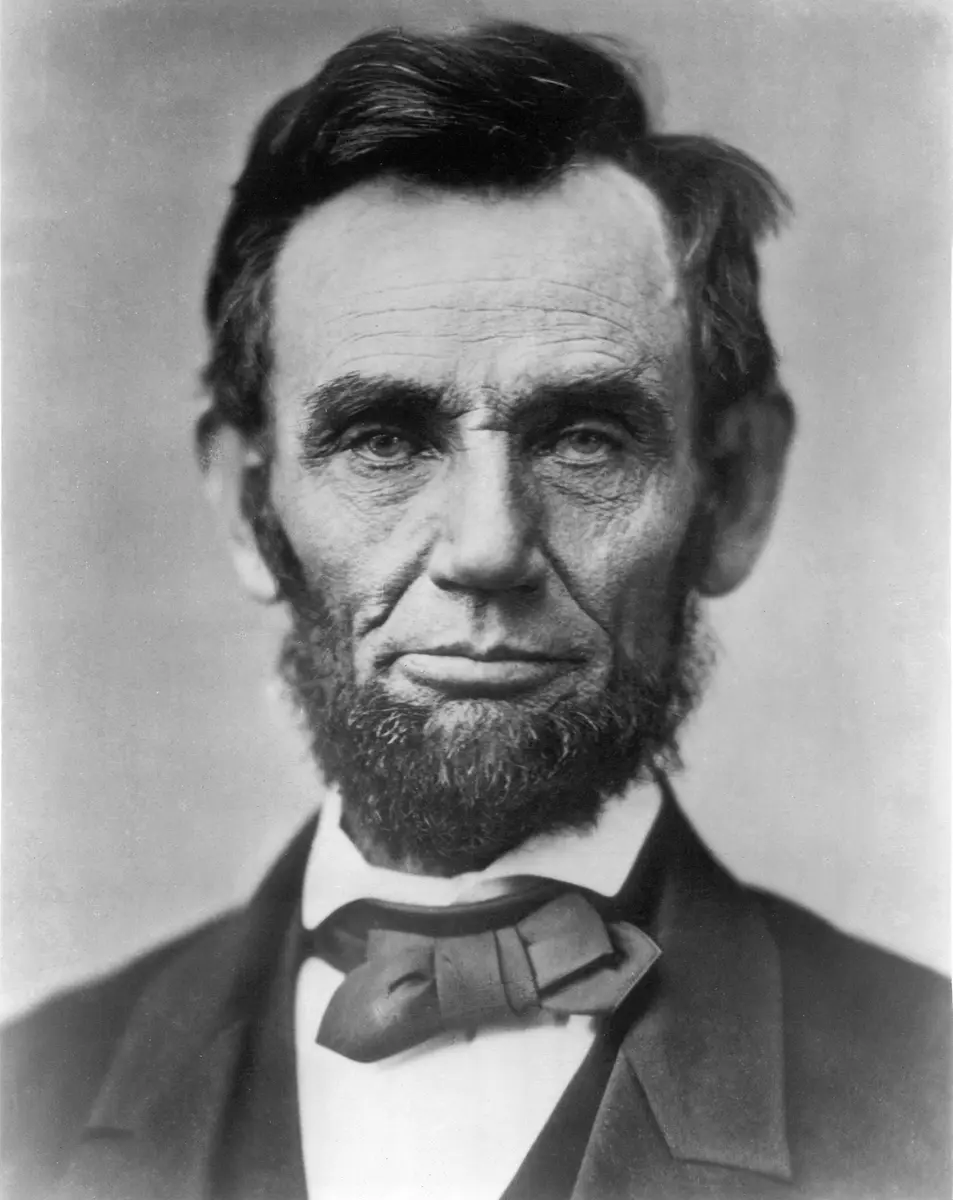
Abraham Lincoln
“He saved the Union, freed the slaves, and was shot in a theatre five days after Lee's surrender.”
Abraham Lincoln was born on February 12, 1809, in a one-room log cabin on his father's Sinking Spring Farm near Hodgenville, Kentucky. He grew up on the frontier in Kentucky, Indiana and Illinois, largely self-taught, and worked as a rail-splitter, a flatboatman on the Mississippi and a storekeeper before he settled in Illinois. He sat in the state legislature from 1834 to 1842, taught himself law and became one of the best-known lawyers in the state, married Mary Todd in 1842, and in 1844 bought the house at Eighth and Jackson Streets in Springfield where the family lived until 1861. He served a single term in Congress from 1847.
Lincoln came to national attention in 1858, when he lost a Senate race to Stephen Douglas after a famous series of debates about the spread of slavery. In 1860 the new Republican Party chose him as its candidate for president and he won. By the time he took office in March 1861 seven Southern states had left the Union, and in April the Civil War began. For four years he was commander-in-chief of a war that killed more than 600,000 Americans: replacing generals until he found Ulysses S. Grant, holding together abolitionists and moderates, and winning re-election in 1864.
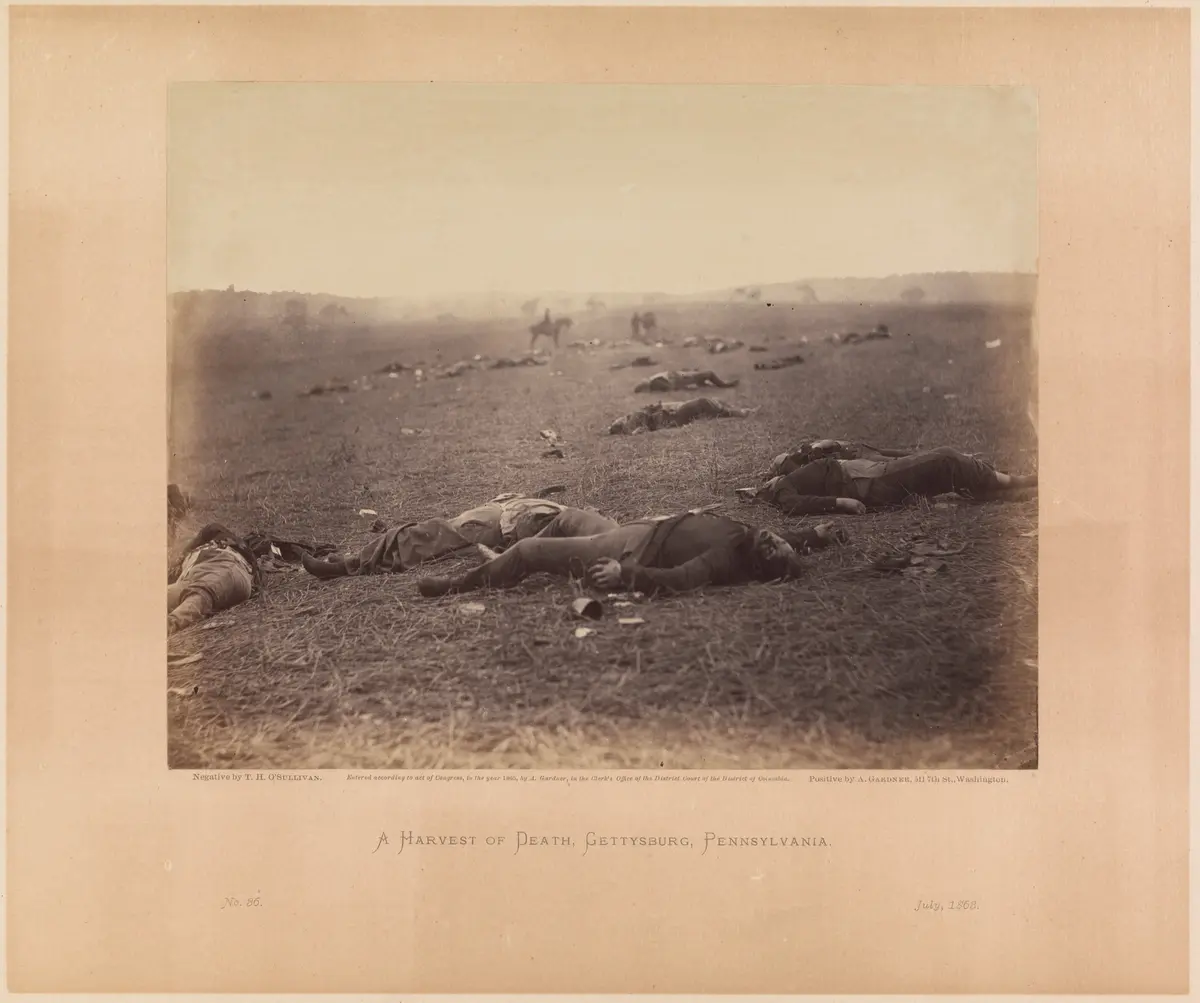
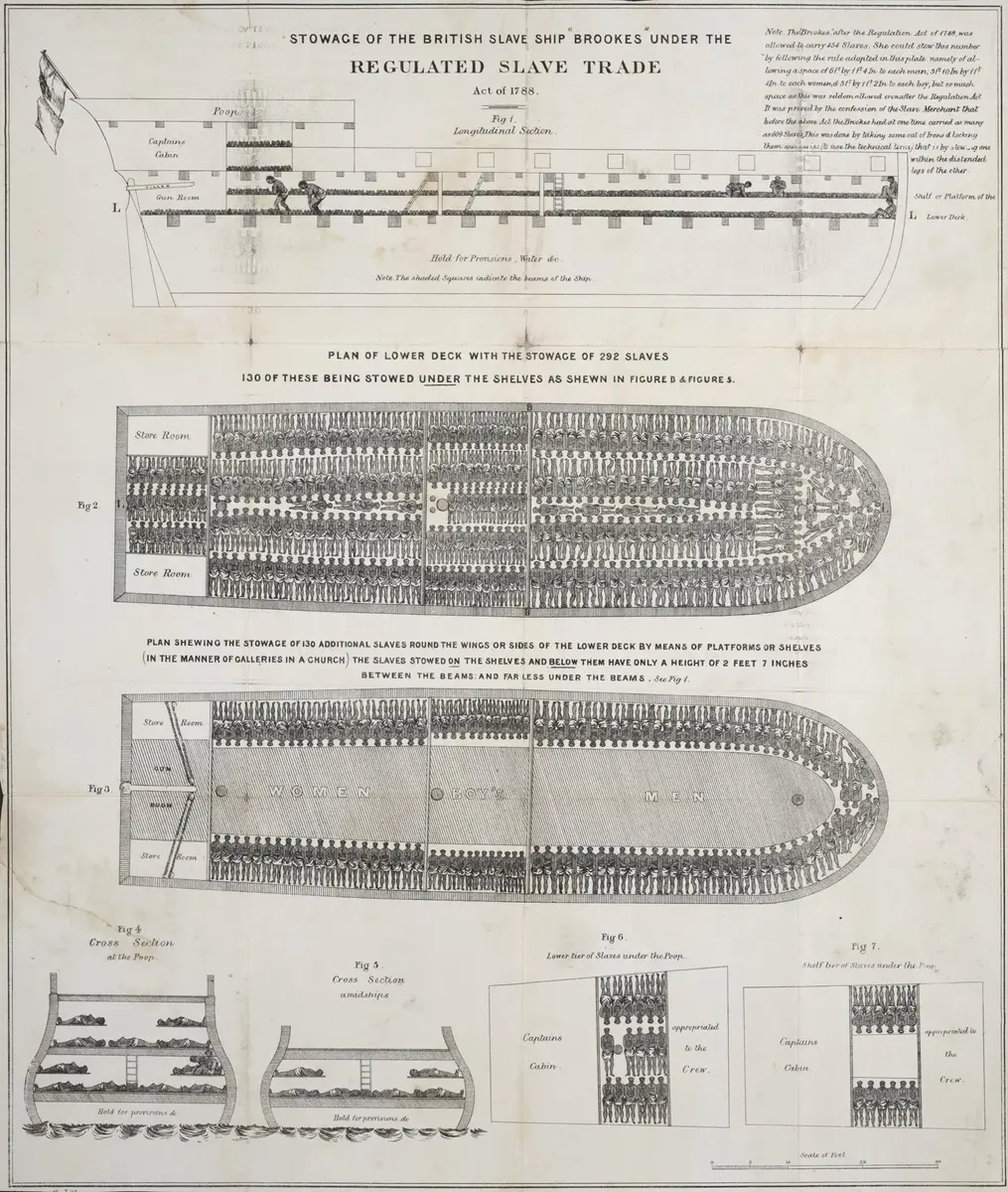
He is remembered above all for ending slavery. The Emancipation Proclamation of January 1, 1863, declared enslaved people in the rebel states free and opened the army and navy to Black soldiers; almost 200,000 had served by the end of the war. On November 19, 1863, dedicating the cemetery for the dead of Gettysburg, he gave the short speech that redefined the war as a struggle for “a new birth of freedom”. In January 1865 he pushed the Thirteenth Amendment, abolishing slavery everywhere in the United States, through Congress; it was ratified in December, eight months after his death.
On April 9, 1865, General Robert E. Lee surrendered at Appomattox and the war was effectively over. Five days later, on the evening of Good Friday, April 14, Lincoln went to see the comedy Our American Cousin at Ford's Theatre in Washington. The actor John Wilkes Booth, a Confederate sympathiser, entered the presidential box and shot him in the head. Lincoln was carried to a boarding house across the street and died the next morning, April 15, 1865, the first American president to be assassinated.
Lincoln's America was a young republic of about 31 million people, half of it still frontier, that had argued about slavery since its founding and was now pulling apart over whether slavery could spread into the new western territories. He was mocked in his lifetime as a country lawyer out of his depth, and turned into a myth almost as soon as he died. Historians still rank him, with Washington, as the greatest of American presidents: the man who kept the Union together and turned a war for the Union into a war against slavery.
What happened
- 1809
Born in a one-room log cabin on his father's Sinking Spring Farm near Hodgenville, Kentucky.
Birthplace: Sinking Spring Farm, Hodgenville, Kentucky- 1842
Marries Mary Todd in Springfield.
- 1844
Buys the house at Eighth and Jackson Streets in Springfield for $1,200; the family lives there until 1861.
Home 1844–1861: Eighth and Jackson Streets, Springfield, Illinois - 1860
Elected the 16th president of the United States as the candidate of the new Republican Party.
- 1861
Says farewell to Springfield and leaves for Washington; seven Southern states have already left the Union.
Home 1844–1861: Eighth and Jackson Streets, Springfield, Illinois- 1862
Visits General George B. McClellan in his tent at Antietam, Maryland, two weeks after the battle.
- 1863
Signs the Emancipation Proclamation, declaring enslaved people in the rebel states free and opening the army and navy to Black soldiers.
The White House, Washington: president 1861–1865Delivers the Gettysburg Address at the dedication of the Soldiers' National Cemetery.
Soldiers' National Cemetery, Gettysburg: the Gettysburg Address, November 19, 1863- 1865
Delivers his second inaugural address at the Capitol.
Lee surrenders at Appomattox Court House; the war is effectively over.
- 10:15 p.m.
Shot by John Wilkes Booth in the presidential box at Ford's Theatre, during a performance of Our American Cousin.
Ford's Theatre, Washington: shot April 14, 1865 Dies the next morning in the Petersen boarding house across the street from the theatre, the first American president to be assassinated.
Ford's Theatre, Washington: shot April 14, 1865