The British East India Company is founded
“On 31 December 1600 Elizabeth I gave a company of London merchants the sole right to England's trade with the East Indies; it began by buying pepper in Java and ended by ruling much of India.”
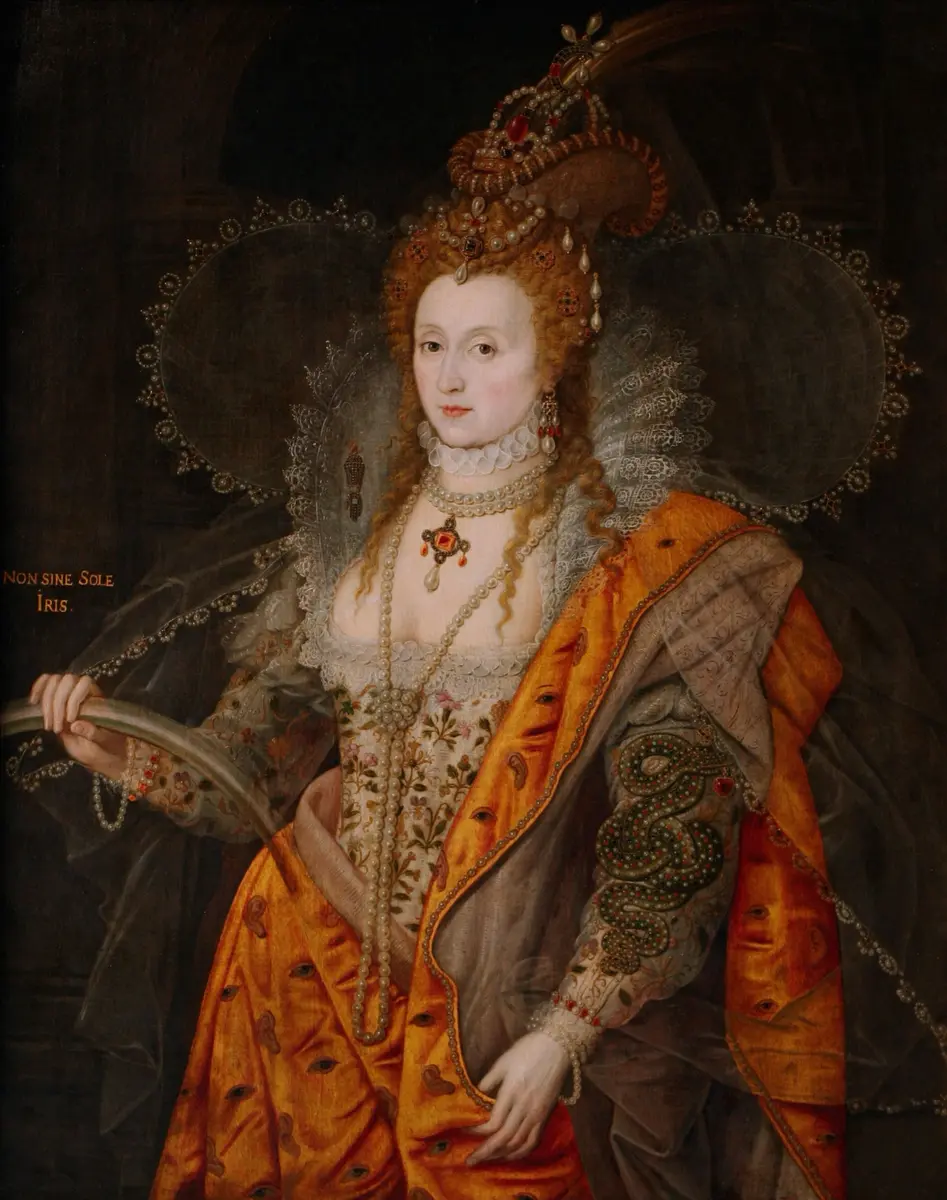
On 22 September 1599 about a hundred merchants of London wrote their names in a book and promised money for 'the pretended voyage to the East Indies' (in their English, pretended meant intended). Within three days they had chosen fifteen directors and asked Queen Elizabeth I's council to make them a company with the trade to themselves, because a trade so far away 'cannot be traded but in a joint and a united stock'. Peace talks with Spain held them back for a year. Then, on 31 December 1600, the queen granted the charter: 'The Governor and Company of Merchants of London trading into the East Indies', the Earl of Cumberland and 215 others, with the alderman Thomas Smythe as their first governor, had the sole right of English trade beyond the Cape of Good Hope as far as the Strait of Magellan for fifteen years. This is the company we call the East India Company. It was English: there was no British kingdom until England and Scotland united in 1707.
The spur was the Dutch. Since 1595 Dutch fleets had sailed round Africa to Java and come home with pepper and spices, breaking the Portuguese hold on the trade, and by 1599 they were even buying ships in England for their next voyage. The London merchants, many of them already partners in the Levant Company's trade with the Ottoman lands, did not mean to leave the East to their neighbours. Each man put in what he chose, and soon no less than £200. The money paid for ships, crews, English cloth and silver, much of it coined at the Tower of London for the voyage, and the gain was to be shared out when the ships came home. Richard Hakluyt, England's great collector of travel writing, told the directors where trade was to be had and sold them three maps.
The first fleet, the Red Dragon, the Hector, the Ascension and the Susan, with about 480 men under James Lancaster, left Woolwich on 13 February 1601 with a stock the company's book valued at £68,373. In June 1602 it reached Aceh in northern Sumatra, whose sultan, Ala'uddin, received Lancaster with elephants and a royal welcome. In October, together with a Dutch ship, it took a great Portuguese ship full of Indian cloth in the Strait of Malacca, and in December it came to Bantam (Banten) in western Java, where the boy king took the English under his protection and they bought their pepper. When Lancaster sailed for home in February 1603 he left eight men and three merchants under William Starkey at Bantam: the company's first trading post in Asia. The ships were back by September 1603, to find Elizabeth dead and James I king. James knighted Lancaster, and the same four ships sailed again the next spring.
Until 1612 every voyage was a separate venture with its own subscribers; then came joint stocks that ran for several voyages, and in 1657 a permanent capital, the shape of the modern company. Shut out of the spice islands by the Dutch, above all after they executed English merchants at Amboina in 1623, the company turned to India, where William Hawkins landed at Surat in 1608 and James I's ambassador Sir Thomas Roe went to the court of the Mughal emperor Jahangir. It grew rich on cotton and silk cloth, indigo and saltpetre, used enslaved labour from the 1620s, and later paid for China's tea with opium. In 1708 it merged with a rival company. In 1757, at Plassey, it won control of Bengal, and by 1803 its army had 260,000 men and almost all of India south of Delhi was ruled from its boardroom in the City of London. Parliament took control of its policy from 1773 and 1784, ended its trading monopoly in 1813 and, after the Indian rising of 1857, took India from it; the company ceased to exist as a legal body in 1873 and closed for good in 1874.
It is remembered as the most powerful company there has ever been: a business owned by shareholders in London that raised armies, collected taxes and governed millions of people. For the historian William Dalrymple it was the first great multinational corporation and remains history's sharpest warning about what happens when the interests of a company's shareholders become the interests of a state. It began with a hundred merchants, a rented hall in the City and four ships sent to buy pepper.
What happened
- 1599
About a hundred Londoners, from the lord mayor, Sir Stephen Soame, downwards, write their names and their sums in a book for 'the pretended voyage to the East Indies' (pretended meaning intended): 101 entries, over £30,000 promised.
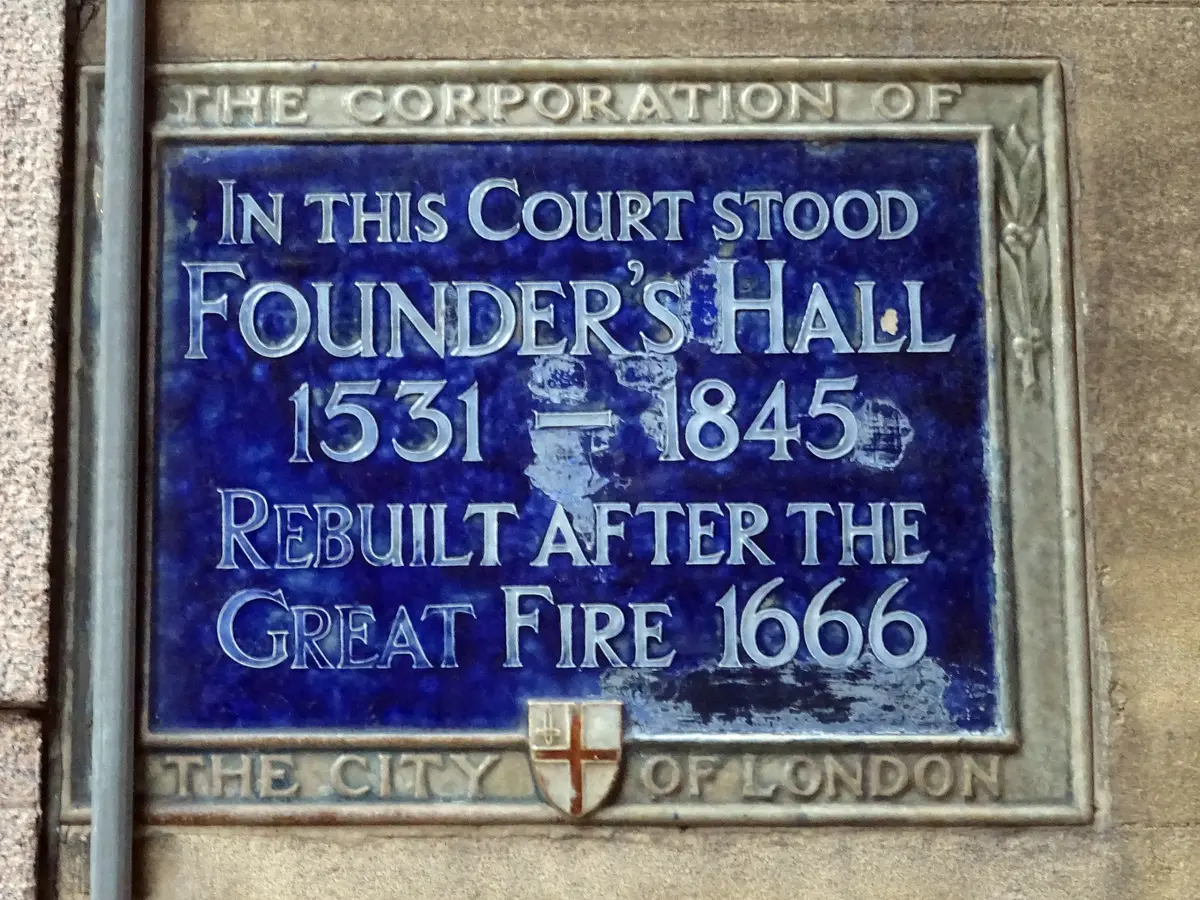
An assembly of the subscribers agrees its rules, chooses fifteen directors ('committees') and two treasurers, sets the smallest share at £200 and resolves to ask the queen for the sole right to the trade 'for so many years as can be obtained'. By the usual account they meet at Founders' Hall in Lothbury.
Founders' Court off Lothbury, City of London: the site of Founders' Hall, where the adventurers metThe directors petition the Privy Council: merchants have been stirred by the success of the Dutch voyage, and the Dutch are buying ships in England for another. They ask to be made a company, since a trade so far away 'cannot be traded but in a joint and a united stock', and to be allowed to ship out foreign coin.
The queen's 'gracious acceptance' of the voyage is reported, with Richard Hakluyt present. But while England is negotiating peace with Spain the council will not promise that the ships will not be stopped, and the merchants put the voyage off for a year.
- 1600
The peace talks at Boulogne having failed, an assembly in Founders' Hall hears the council's letters: it is the queen's pleasure that they go ahead. By a show of hands they vote to proceed and choose new directors, Captain James Lancaster among them.
Founders' Court off Lothbury, City of London: the site of Founders' Hall, where the adventurers metThe directors buy their first ship, the Susan, for £1,600, the seller to take her back at half price when she returns. The Hector and the Ascension follow, and after long bargaining the Earl of Cumberland's 600-ton Malice Scourge, for £3,700, renamed the Red Dragon.
A general court hears that the charter is drafted and with the attorney-general: the company is to have a governor and 24 directors. 'By a most free election' it names Alderman Thomas Smythe its first governor.
Elizabeth I grants the charter to 'The Governor and Company of Merchants of London trading into the East Indies': the Earl of Cumberland and 215 others, with Thomas Smythe as first governor, and the sole right of English trade beyond the Cape of Good Hope as far as the Strait of Magellan for fifteen years.
- 1601
The directors order £20 more coined at the Tower 'over and above the £6,000 already appointed': most of the money the fleet carries is English silver coined for the voyage, besides foreign coin.
Richard Hakluyt, 'the historiographer of the voyages of the East Indies', reads to the directors from his notes and books and is asked to write down the chief places in the East where trade is to be had. On 16 February he is paid £10 for his advice and 30 shillings for three maps.
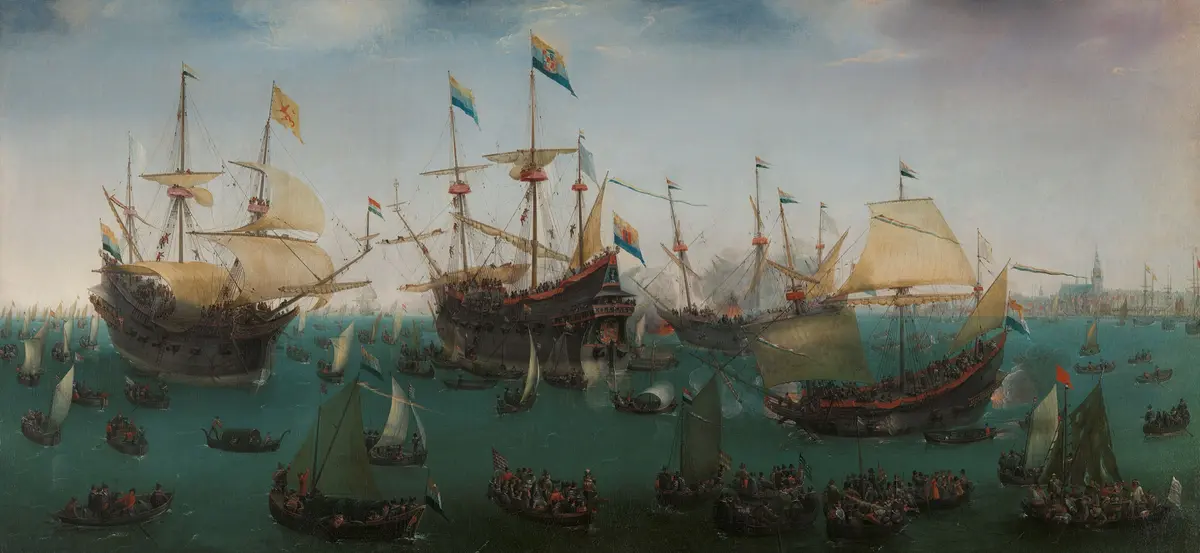
The fleet leaves Woolwich: the Red Dragon (600 tons) under Lancaster as general, the Hector (300), the Ascension (260) and the Susan (240), with the victualler Guest and about 480 men, carrying a stock the company's book values at £68,373. Contrary winds hold it on the English coast until April.
Woolwich on the Thames, where the first fleet weighed anchor on 13 February 1601- 1602
After more than a year at sea, round the Cape of Good Hope, the fleet anchors in the roads of Aceh among sixteen or eighteen ships from Gujarat, Bengal, Calicut, Pegu and Patani. Two Dutch merchants, left there to learn the language, come aboard.
Aceh (Banda Aceh), the sultan's city in northern Sumatra, where the fleet anchored on 5 June 1602Lancaster goes ashore and rides to the court on one of the king's elephants, Elizabeth's letter carried before him in a basin of gold on another. Sultan Ala'uddin welcomes him and promises him whatever he reasonably asks.
Aceh (Banda Aceh), the sultan's city in northern Sumatra, where the fleet anchored on 5 June 1602In the Strait of Malacca, with a Dutch ship whose captain asked to share the venture, the fleet takes a Portuguese ship of 900 tons bound from São Tomé in the Bay of Bengal to Malacca, with some 600 people aboard, and unloads 950 packs of calicoes and other cloth.
The Strait of Malacca, where the ship from São Tomé was taken in October 1602Back at Aceh, Lancaster loads the Ascension with the pepper, cinnamon and cloves his merchants have bought and takes his leave with the king's letter for Elizabeth, written in Arabic; pepper is cheaper in Java, so he sends the Ascension home and sails on.
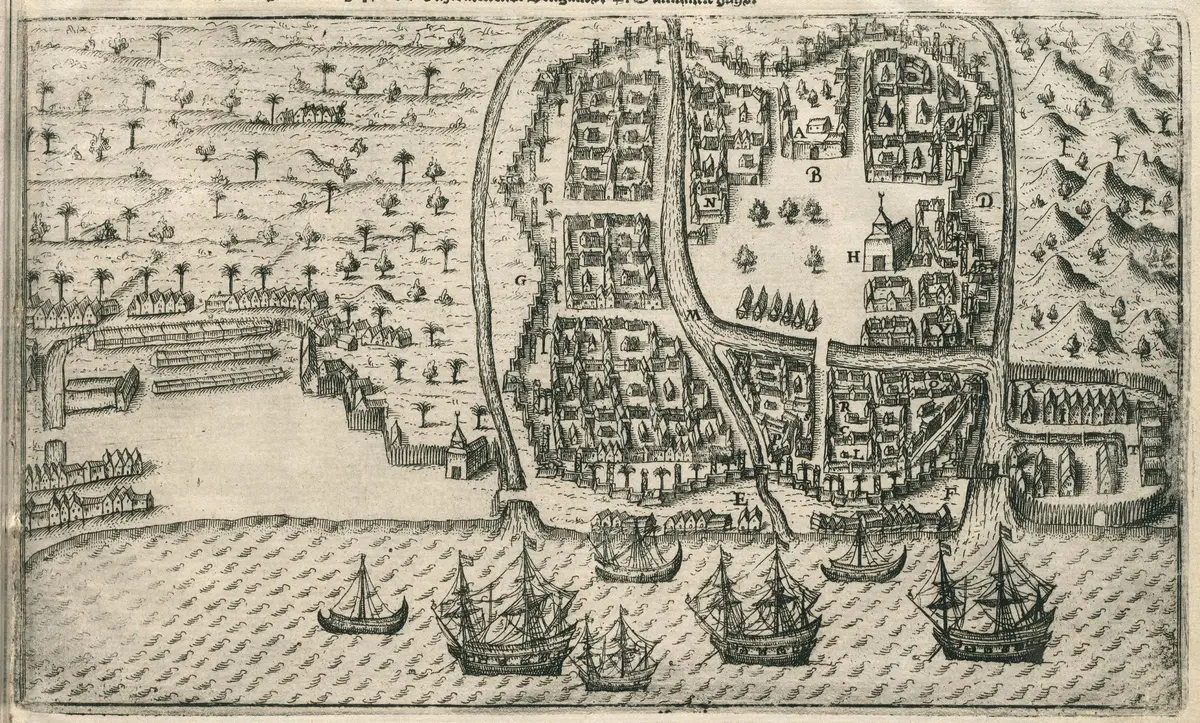
Aceh (Banda Aceh), the sultan's city in northern Sumatra, where the fleet anchored on 5 June 1602The Red Dragon and the Hector enter the road of Bantam with a great salute. The king, a boy of ten or eleven, takes the English under his protection; Lancaster's merchants take houses ashore and in five weeks sell more goods than would fill both ships.
Old Banten, the port of the Banten Sultanate, where Lancaster left the company's first trading post in February 1603- 1603
By 10 February the ships are full of pepper. John Middleton, captain of the Hector, dies; Lancaster leaves eight men and three merchants under William Starkey at Bantam to sell what is left and buy pepper for the next fleet, the company's first trading post in Asia, and sends a pinnace to the Moluccas.
Old Banten, the port of the Banten Sultanate, where Lancaster left the company's first trading post in February 1603The Red Dragon and the Hector fire their guns and sail from Bantam for England.
Old Banten, the port of the Banten Sultanate, where Lancaster left the company's first trading post in February 1603The Ascension is home first: her officers' letters are read to a general court on 6 June, and on 16 June the company announces her arrival in the Thames. The customs are paid to the new king, James I: Elizabeth died while the ships were away.
The Red Dragon and the Hector anchor safe in the Downs. Lancaster is knighted by James I, and the same four ships sail again in March 1604 under Henry Middleton on the company's second voyage.
The Downs, the anchorage off Deal, where the Red Dragon and the Hector came home on 11 September 1603