Holy Roman Empire
“The union of German, Italian and Bohemian lands under an elected 'Roman' emperor, from Otto I's coronation in 962 until Francis II laid down the crown under pressure from Napoleon in 1806.”
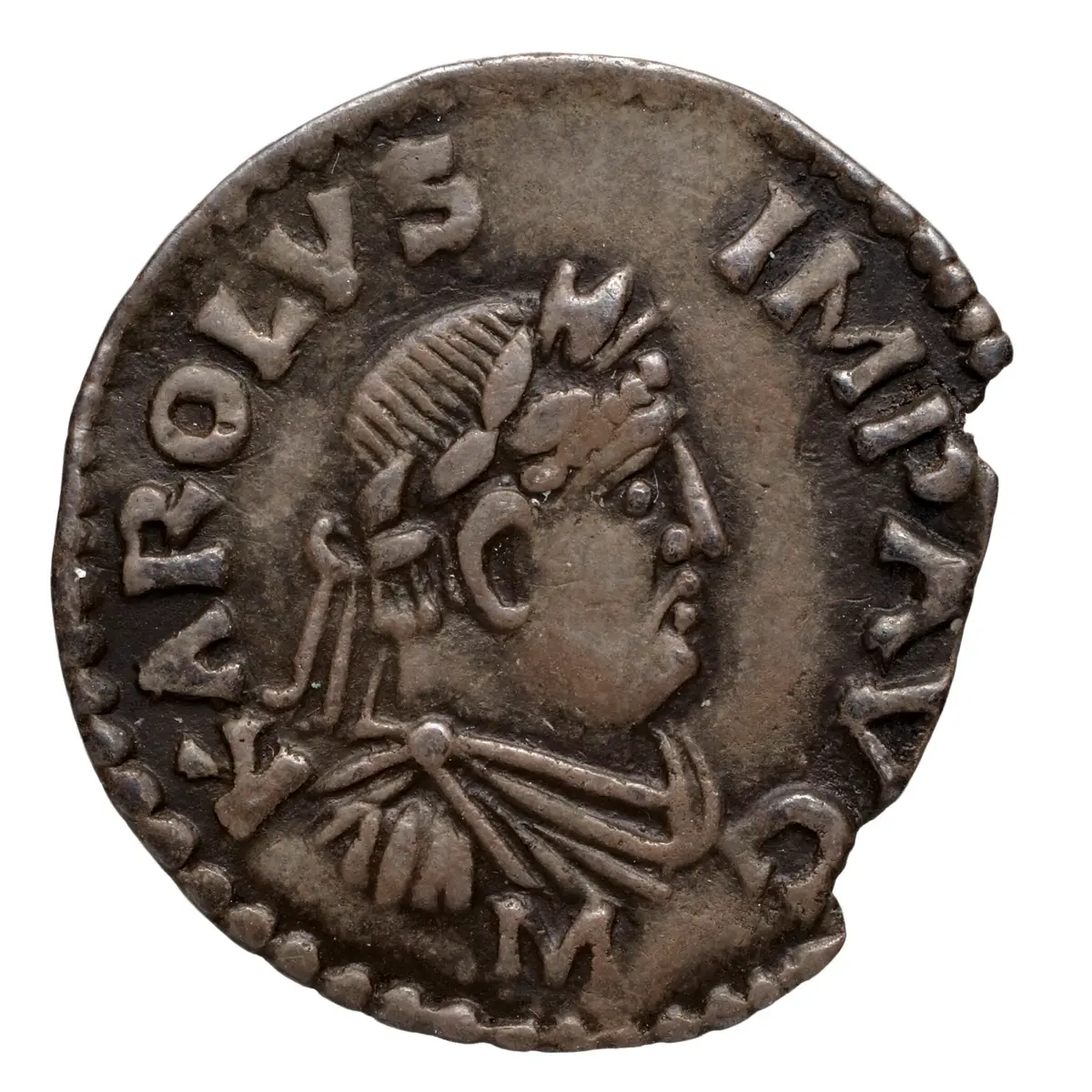
The Holy Roman Empire was the union of lands in the middle of Europe whose ruler bore the title of Roman emperor: the kingdom of Germany, the kingdom of Italy in the north of the peninsula, Bohemia and, from the 1030s, the kingdom of Burgundy. The idea went back to Christmas Day 800, when Pope Leo III crowned the Frankish king Charlemagne emperor in Rome; but Charlemagne's empire broke up among his heirs, and by 924 the title had lapsed. It was revived on 2 February 962, when Pope John XII crowned the German king Otto I in St Peter's. Otto had made his name by crushing the Magyar raiders at the Lech in 955, and from then until 1806 the emperor was always the king chosen in Germany. The empire never had one capital or one people. It was a layered order of emperor, princes, bishops, abbots, knights and free cities, and even its name grew slowly: 'Roman Empire' from the 1030s, 'Holy Empire' from 1157, 'Holy Roman Empire' from 1254 and, in the fifteenth century, 'of the German Nation'.
From 962 to 1046 the empire was at its height. Otto and his heirs governed through the bishops they appointed, and in 1046 Henry III removed three rival popes. Then the reformed papacy struck back. Pope Gregory VII claimed that a pope could depose an emperor, and in the struggle over who should appoint bishops, the Investiture Controversy, he excommunicated King Henry IV, who in January 1077 stood barefoot for three days at the gate of the castle of Canossa to win his pardon. The Concordat of Worms ended the quarrel with a compromise in 1122. The Hohenstaufen emperors answered the popes with Roman law and the claim that the empire itself was holy. Frederick I Barbarossa, crowned in 1155, could not defeat the cities of the Lombard League and had to make peace with them at Constance in 1183; he drowned on crusade in 1190. When his grandson Frederick II died in 1250, excommunicated and deposed by the pope, the medieval empire was effectively over, and Germany was left without an accepted king until the election of Rudolf of Habsburg in 1273.
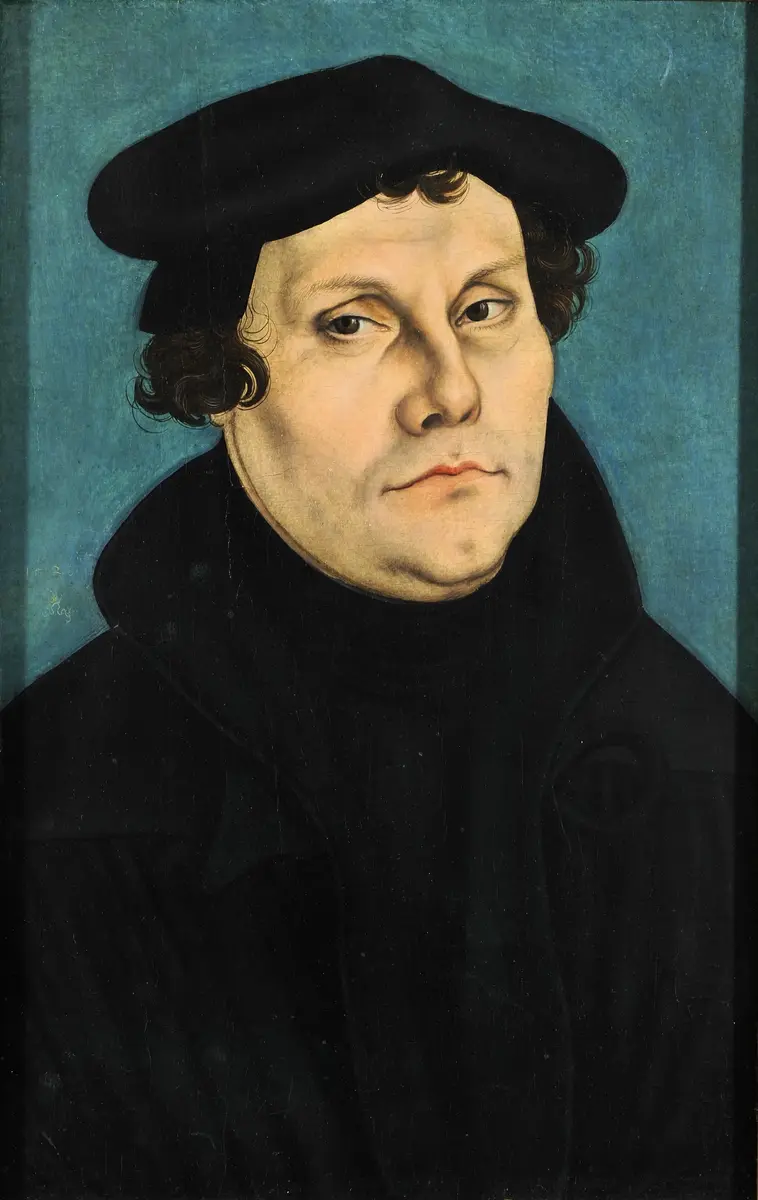
The late medieval emperors made the empire a mainly German affair. Charles IV, king of Bohemia, who rebuilt Prague as his capital, was crowned in Rome on 5 April 1355 and the next year issued the Golden Bull. It named the seven electors, fixed the election at Frankfurt and the first coronation at Aachen, and stayed the empire's basic law until the end. From 1438 the electors almost always chose a Habsburg, and Vienna became the usual seat of the emperor. Maximilian I took the title of 'elected emperor' in 1508 without going to Rome, and his grandson Charles V, who was also king of Spain and lord of the Netherlands, was the last emperor crowned by a pope, at Bologna in 1530. Charles could not stop the Reformation that Martin Luther had started: after the Diet accepted the Peace of Augsburg in 1555, which let each prince choose between the Lutheran and the Catholic faith for his lands, he handed the empire to his brother Ferdinand in 1556.
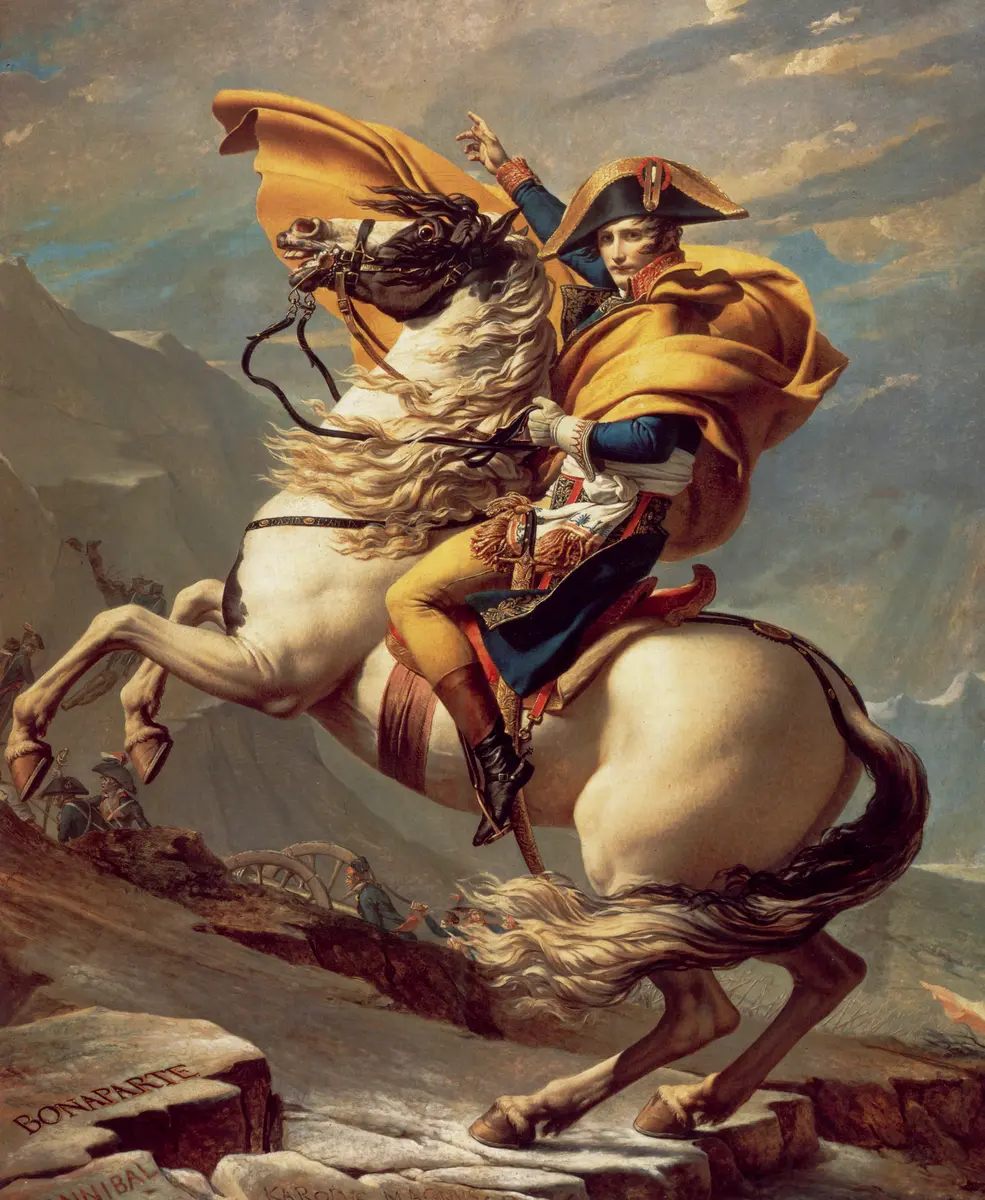
The religious split exploded in the Thirty Years' War (1618–48), which began with a revolt in Bohemia, drew in Denmark, Sweden, Spain and France, and cost the empire about a fifth of its people. The Peace of Westphalia of 1648 recognised the Calvinists beside Lutherans and Catholics, gave land to Sweden and France and confirmed the rights of the princes, including a limited right to make alliances abroad. It was long read as the empire's death certificate, but the princes did not become fully sovereign, and the empire went on working: from 1663 its Diet sat permanently at Regensburg, and in 1683 imperial troops, German princes and the king of Poland together drove the Ottoman army from the walls of Vienna. Austria meanwhile grew into a great power with lands far beyond the empire, and the wars of the French Revolution finished what was left. After Napoleon beat Austria and Russia at Austerlitz on 2 December 1805, sixteen princes of the south and west signed the Confederation of the Rhine under his protection on 12 July 1806 and left the empire. Francis II, who had already made himself hereditary emperor of Austria in 1804, laid down the imperial crown on 6 August 1806 and released all its members from their duties.
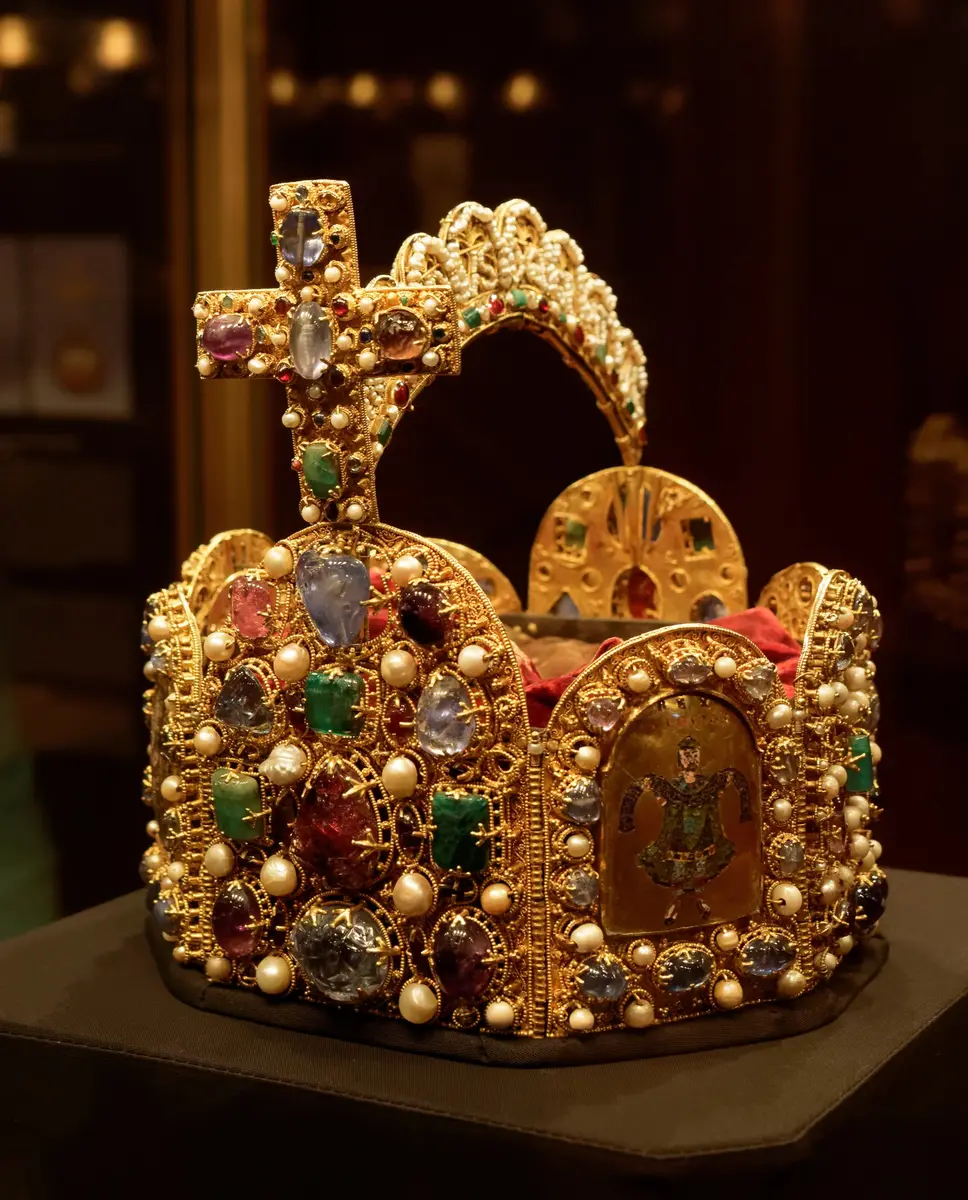
For a long time the empire was remembered as an empty shell that kept Germany weak and divided. Its memory was argued over when the German Empire was founded in 1871, and Hitler's Third Reich twisted the legend of Charlemagne, Otto the Great and Frederick II for its own ends. Historians today judge it more kindly, as a system of shared rule that held a huge and varied part of Europe together and gave Germany its longest peace before 1945, from 1555 to 1618. Germany's federal states and its many old capitals and cultural centres are partly its legacy. Its crown, made in the tenth century, was taken from Nuremberg to Vienna to keep it from the French in the 1790s and is still shown in the Imperial Treasury there.
What happened
- 962
At Candlemas, in St Peter's in Rome, Pope John XII crowns the German king Otto I emperor. The Western empire, lapsed since 924, is revived, and from now on the title belongs to the king chosen in Germany.
St Peter's, Rome: where Otto I was crowned emperor in 962, and Barbarossa, Charles IV and Frederick III after him- 1033
Conrad II becomes king of Burgundy after the death of its last king, and the empire now joins three kingdoms: Germany, Italy and Burgundy. In his reign the lands begin to be called the 'Roman Empire'.
- 1046
Henry III comes to Italy, removes three rival popes and is crowned emperor: the high point of the emperors' power over the Church.
St Peter's, Rome: where Otto I was crowned emperor in 962, and Barbarossa, Charles IV and Frederick III after him - 1077
Excommunicated by Pope Gregory VII, King Henry IV has stood barefoot in a penitent's wool for three days before the gate of Canossa, where the pope is staying with Countess Matilda. Gregory lifts the ban.
Canossa: the castle of Matilda of Tuscany, where Henry IV did penance before Pope Gregory VII in January 1077- 1122
At Worms, Emperor Henry V and the envoys of Pope Calixtus II agree the Concordat of Worms: the emperor gives up investing bishops with ring and staff, but bishops in Germany are elected in his presence and receive their lands from him.
Worms: the Concordat of 1122, the reform diet of 1495 and Luther before Charles V in 1521- 1155
Frederick I Barbarossa, king since 1152, is crowned emperor in Rome. Two years later his chancery first calls the empire 'holy', to match the holy Church.
St Peter's, Rome: where Otto I was crowned emperor in 962, and Barbarossa, Charles IV and Frederick III after him - 1190
Leading the Third Crusade, Barbarossa drowns while crossing the river Saleph in Asia Minor.
- 1250
Frederick II, excommunicated in 1239 and deposed by the pope in 1245, dies. His death marks the effective end of the medieval empire, and Germany is left without an accepted king for more than twenty years.
- 1273
The princes elect Count Rudolf of Habsburg king. He is never crowned emperor, and rules as the head of a federation of princes.
- 1355
Charles IV, king of Bohemia, who is rebuilding Prague as his capital, enters Rome only for the day of his coronation as emperor and leaves the same day.
St Peter's, Rome: where Otto I was crowned emperor in 962, and Barbarossa, Charles IV and Frederick III after him- 1356
At the court diet of Nuremberg, Charles IV proclaims the first chapters of the Golden Bull: seven electors choose the king by majority, at Frankfurt, and the first coronation takes place at Aachen. The last chapters follow at Metz on Christmas Day.
Nuremberg Castle: the Golden Bull was proclaimed at Nuremberg in January 1356, and the regalia were kept in the city until the 1790s- 1438
The electors choose Albert II of Habsburg. From now on, with a single break in the 1740s, every emperor is a Habsburg.
Frankfurt: the Römer, the town hall where the coronation banquets were held; the kings were elected in the cathedral nearby - 1452
Frederick III is crowned emperor in Rome, the last emperor to be crowned there. Under him the empire comes to be called 'of the German Nation'.
St Peter's, Rome: where Otto I was crowned emperor in 962, and Barbarossa, Charles IV and Frederick III after him - 1495
At the Diet of Worms, Maximilian I and the estates proclaim a permanent public peace and set up an imperial chamber court; plans for a stronger central government fail.
Worms: the Concordat of 1122, the reform diet of 1495 and Luther before Charles V in 1521 - 1508
Unable to reach Rome for a coronation, Maximilian I takes the title 'elected Roman emperor' with the pope's consent: from now on an emperor can reign without being crowned by the pope.
- 1521
At the Diet of Worms, Martin Luther refuses before the young Emperor Charles V to take back his writings. Charles has opened the Diet declaring that the empire has 'not many masters, but one'; in May the Edict of Worms outlaws Luther.
Worms: the Concordat of 1122, the reform diet of 1495 and Luther before Charles V in 1521- 1530
Pope Clement VII crowns Charles V emperor at Bologna, the last time a pope crowns an emperor.
- 1555
The Diet at Augsburg proclaims the Peace of Augsburg: each prince chooses the Lutheran or the Catholic faith for his lands, and subjects who disagree may leave. Germany has peace for sixty-three years.
- 1556
Worn out and about to sail for Spain, Charles V writes from Souburg in Zeeland to the princes of the empire that he hands its government to his brother Ferdinand. The empire and Spain go to different branches of the Habsburgs.
- 1618
Protestant nobles throw three of the emperor's officials from a window of Prague Castle. The Bohemian revolt grows into the Thirty Years' War.
Prague Castle: the seat of Charles IV, and of the defenestration that began the Thirty Years' War in 1618- 1648
The Peace of Westphalia is signed at Osnabrück and Münster. Calvinists are recognised, Sweden and France gain land, and the princes are given a limited right to make alliances abroad.
Osnabrück Town Hall: where the treaty between the emperor and Sweden was signed on 24 October 1648- 1663
The Imperial Diet opens in Regensburg's town hall. It never closes again: as the Perpetual Diet, the envoys of the estates of the empire sit there until 1806.
The Old Town Hall, Regensburg: seat of the Perpetual Diet from 1663 to 1806- 1683
After a siege of two months, an army of imperial troops, German princes and the Polish king Jan Sobieski attacks from the Kahlenberg and routs the Ottoman army before Vienna.
The Kahlenberg above Vienna: where the relief army broke the Ottoman siege on 12 September 1683- 1804
In the year Napoleon makes himself emperor of the French, Francis II takes a second title for his own lands: hereditary emperor of Austria.
The Hofburg, Vienna: the Habsburg emperors' seat, where the Imperial Treasury keeps the crown today - 1805
Napoleon crushes the Austrian and Russian armies at Austerlitz. Two days later the two emperors meet at Napoleon's bivouac and agree an armistice, and before the year is out Austria makes peace with France at Pressburg.
Austerlitz (Slavkov u Brna): the Pratzen heights, where Napoleon beat Austria and Russia on 2 December 1805- 1806
In Paris, sixteen princes of southern and western Germany, among them Bavaria and Württemberg, sign the Confederation of the Rhine under Napoleon's protection and declare that they are leaving the empire.
In Vienna, Francis II declares that he lays down the imperial crown and the government of the empire, and releases the electors, princes and all members and servants of the empire from their duties. The Holy Roman Empire is at an end.
The Hofburg, Vienna: the Habsburg emperors' seat, where the Imperial Treasury keeps the crown today