The Hittite Empire
“The Anatolian empire of Hattusa: it fought Egypt at Kadesh, signed the oldest surviving peace treaty, and was gone by about 1180 BCE.”
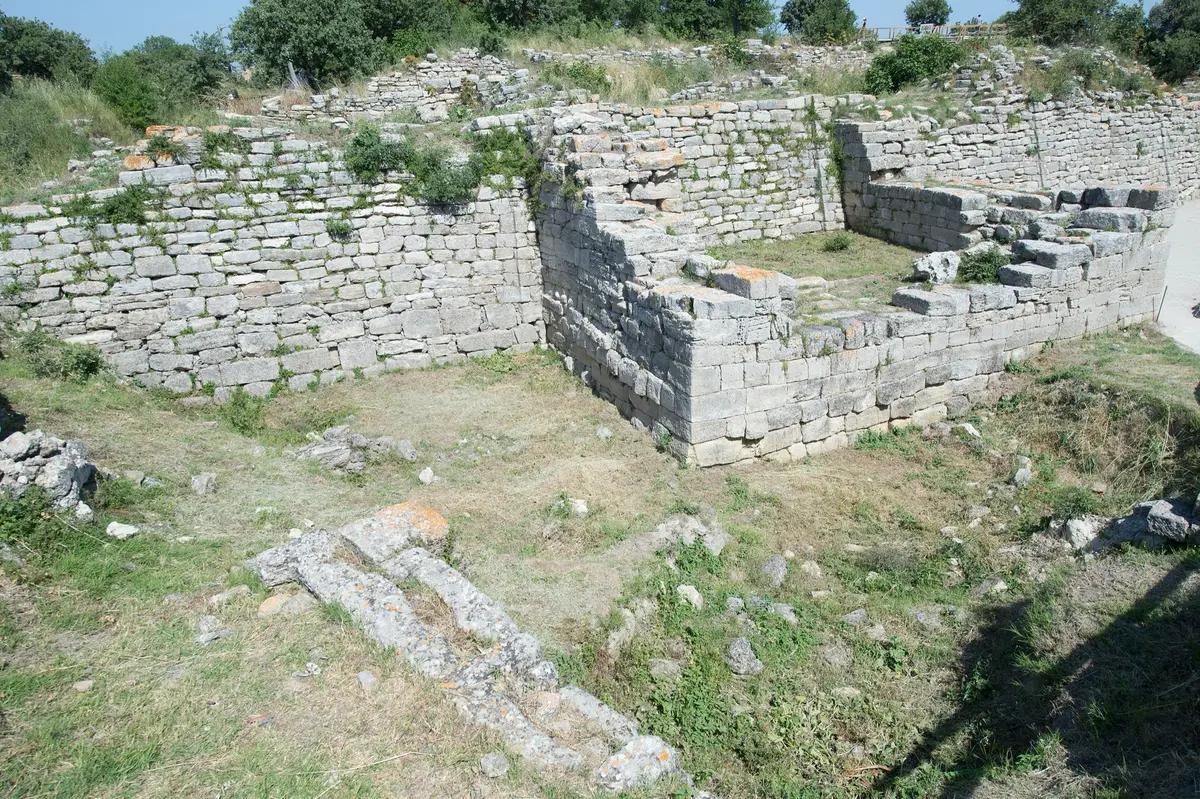
In the great bend of the Kızılırmak, the river the Greeks later called the Halys, an Anatolian kingdom set its capital at Hattusa, a walled city on a ridge above what is now Boğazkale, in the province of Çorum. The kings called themselves kings of Hatti. Their own name for their language was Nesili, the speech of the city Nesa; the name Hittite is the one we use. It is the oldest Indo-European language that survives in texts, and it was written in the cuneiform script of Babylon. By the middle of the seventeenth century BCE a king who claimed the old line of Kussara had moved his court to Hattusa and taken the city's name, Hattusili. From there the early kings raided out to the Mediterranean and down into northern Syria. Livius, following the edict of a later king, Telepinu, puts Hattusili at about 1650 to 1620 BCE, and notes that he and a king Labarna may be the same man, or father and son.
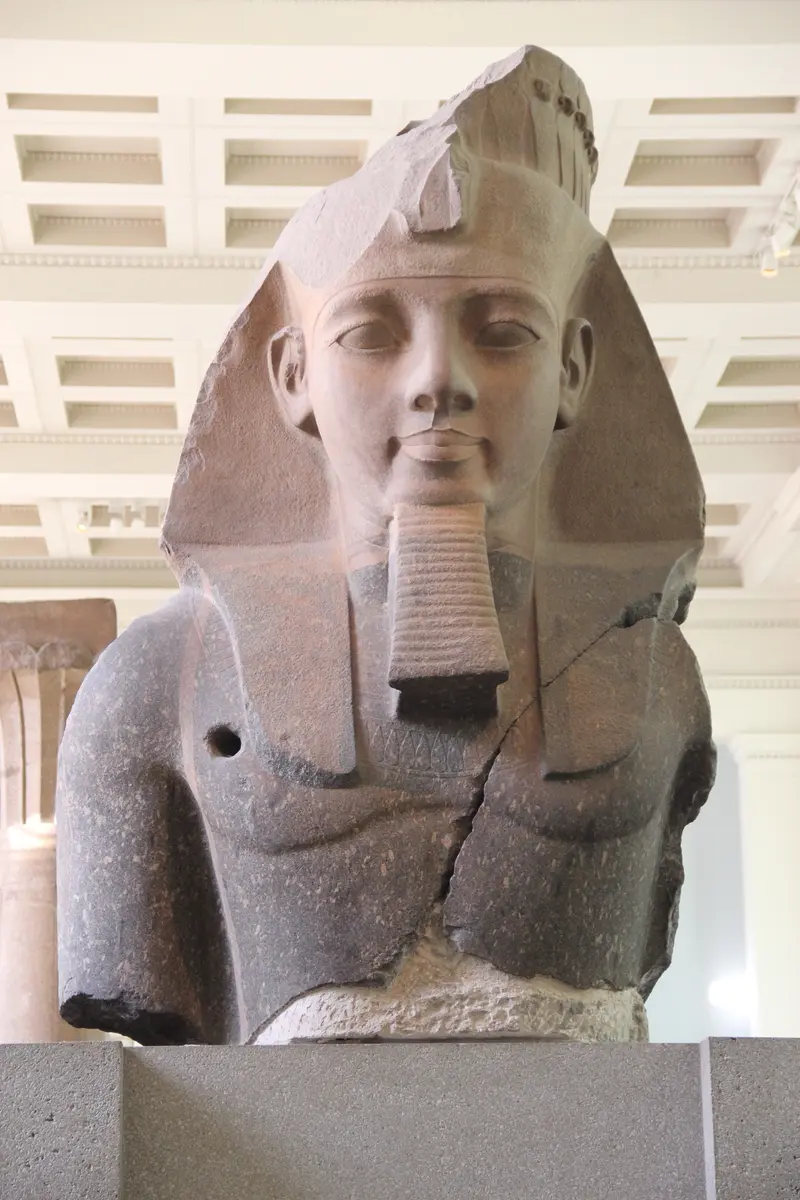
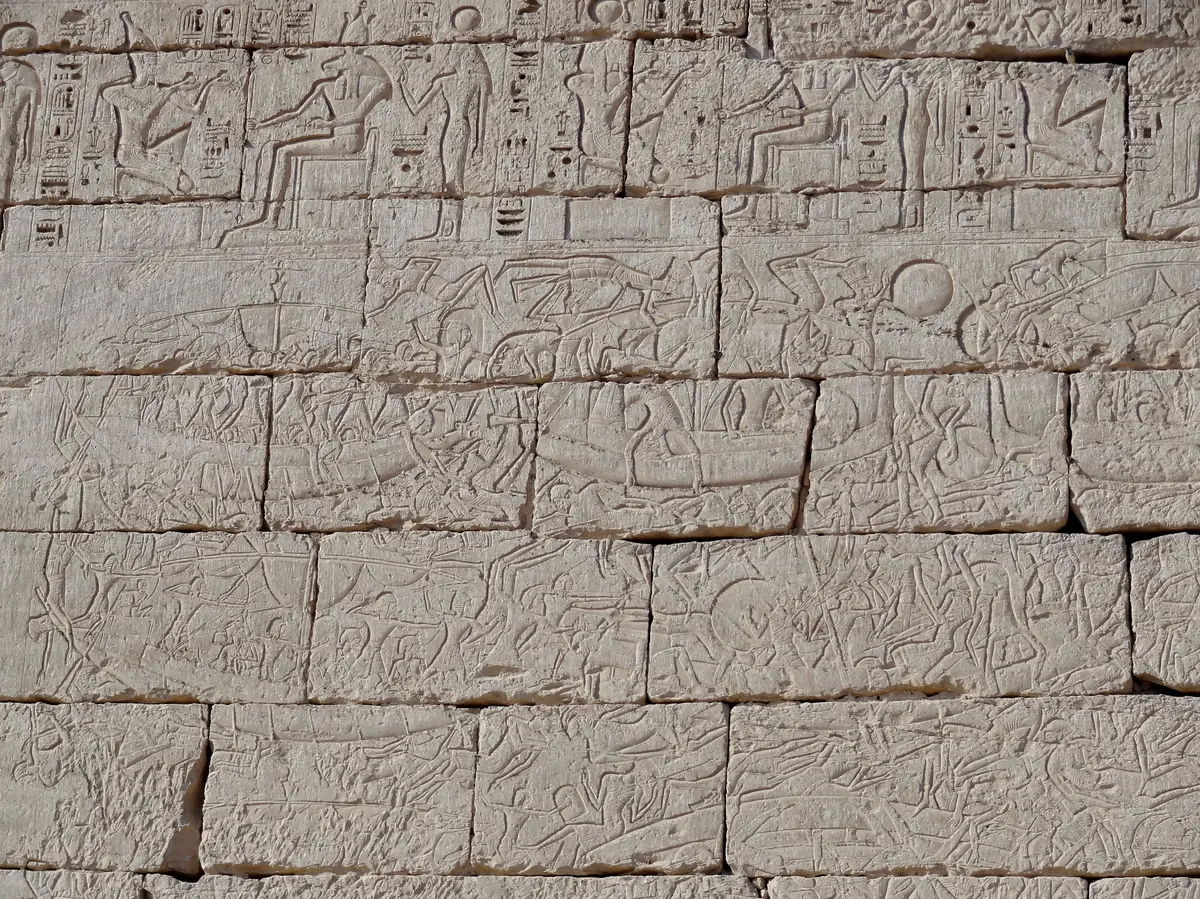
The empire's height was the fourteenth century, under Suppiluliuma I, who came to the throne about 1355 BCE and ruled for some thirty-five years. He broke Mitanni, the power to the southeast, took northern Syria, and left his sons as vice-kings in Aleppo and Carchemish when he died about 1320. Egypt, in the troubled years of Akhenaten, treated him as an equal: a widowed queen wrote to ask for a Hittite prince as her husband, though the tablets do not say whether she was Akhenaten's widow or Tutankhamun's. Two generations later his grandson Muwatalli II caught Ramesses II of Egypt on the plain of Kadesh, on the Orontes in Syria, in 1274 BCE. It was a battle of chariots. Neither king took the city, and both went home claiming a victory. In 1259 Hattusili III, who had taken the throne from his nephew Mursili III, swore a peace and a pact of mutual defence with Ramesses. The Hittite text was written in Akkadian on clay and filed at Hattusa. Egypt carved its version on the walls of its temples.
The peace did not hold the kingdom together. Assyria was rising in the lands Mitanni had ruled, the Kaska people of the northern mountains kept threatening the capital, and the royal house was split: Hattusili had to set up a second kingdom, Tarhuntassa, for a rival line. His son Tudhaliya IV still ruled from Hattusa, about 1240 to 1215 BCE, and had the gods of the empire cut into the rock at Yazılıkaya, two kilometres from the walls. Then the records run out. On Livius's reading, after about 1190 BCE Hattusa was evacuated, because it lay open to the Kaska, and what was left of Hittite power passed to the vice-kings of Tarhuntassa and Carchemish. Those states soon broke up into the small Neo-Hittite kingdoms of Syria. The year usually given for the abandonment of the capital is about 1180, inside the wider collapse of the Bronze Age. No source names the day. The end of the entry is that conventional year, and it is approximate.
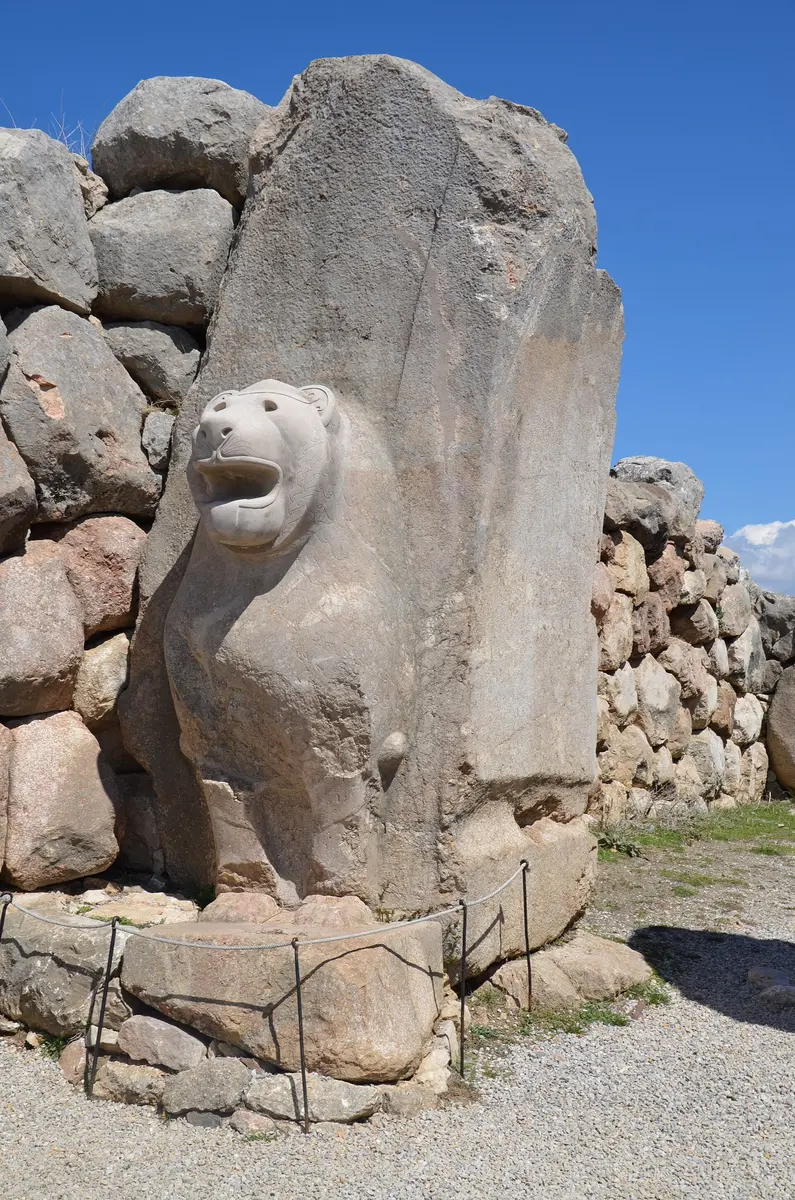
The city was forgotten so thoroughly that its name had to be dug out of the ground. In 1906 excavators at Boğazköy found the royal archive, and in it a clay copy of the peace with Egypt. The tablets, almost thirty thousand of them, were inscribed in 2001 on UNESCO's Memory of the World register: annals, laws, myths, the letters of the two queens, and treaties with vassal kings and with great kings. A cuneiform copy of the Egyptian peace is in the Istanbul Archaeology Museums. On 24 September 1970 Turkey gave the United Nations a copper replica, which hangs beside the Security Council; the UN calls the treaty the oldest known peace treaty. Older Hittite treaties with subject kings do survive, so that claim belongs to this one as a peace between equals whose text we still have. The tongue of the archive is Indo-European, older as a written language than Greek or Sanskrit. The Lion Gate and the gods of Yazılıkaya are still on the ridge.
What happened
- 1650 BCE
A king who claims the old house of Kussara moves his court to Hattusa and takes the city's name, Hattusili. Livius dates him about 1650 to 1620 BCE, and notes that he and Labarna may be one man, or father and son.
Hattusa: the walled archaeological site of the Hittite capital at Boğazkale, with the Lion Gate, the King's Gate and the Sphinx Gate - 1595 BCE
Mursili I marches down the Euphrates and sacks Babylon, ending the dynasty of Hammurabi. The Middle Chronology puts the sack in 1595; Livius's Hittites page gives 1587 on its low middle chronology. The raid does not leave the Hittites in possession of Babylon.
Babylon: sacked by Mursili I, 1595 BCE on the Middle Chronology - 1525 BCE
After a generation of murders in the royal house, Telepinu restores order and writes it down: an edict that fixes who may inherit the throne. Kizzuwatna, in Cilicia, is no longer a subject land but a treaty partner.
Hattusa: the walled archaeological site of the Hittite capital at Boğazkale, with the Lion Gate, the King's Gate and the Sphinx Gate - 1355 BCE
Suppiluliuma I becomes king. Over about thirty-five years he destroys Mitanni as a great power, takes northern Syria, and is treated by Egypt as an equal: a widowed queen asks him for a son to marry, though it is not known whether she was Akhenaten's widow or Tutankhamun's. About 1320 he leaves Aleppo and Carchemish to his sons.
Hattusa: the walled archaeological site of the Hittite capital at Boğazkale, with the Lion Gate, the King's Gate and the Sphinx Gate - 1290 BCE
Muwatalli II confirms, in his own name, the treaty his father Mursili II had made with Talmi-Sharruma of Aleppo. The best copy, in Akkadian, is kept in the archive at Hattusa and is now in the British Museum. Aleppo stays a Hittite vice-kingdom.
Hattusa: the walled archaeological site of the Hittite capital at Boğazkale, with the Lion Gate, the King's Gate and the Sphinx Gate - 1274 BCE
On the plain of Kadesh, on the Orontes in Syria, Muwatalli II catches Ramesses II in camp with a mass of chariots. The Egyptians hold the field and do not take the city. Both kings call it a victory. The battle is the best recorded of the Bronze Age because Ramesses had it carved on his temples.
Kadesh (Tell Nebi Mend), on the Orontes in Syria: the chariot battle of 1274 BCE. It is in Syria, not in Turkey - 1259 BCE
Hattusili III, who has dethroned his nephew, and Ramesses II swear peace and mutual defence. The Hittite copy, in Akkadian on clay, is filed at Hattusa; Egypt cuts its text into temple walls. It is the oldest peace between two great powers whose wording survives. Livius dates it 1259; the United Nations' replica is labelled 1269.
Hattusa (Boğazköy): the capital on its ridge, where the citadel Büyükkale and the archive stood - 1250 BCE
The queens write as the kings have sworn. Nefertari, named Naptera on the tablet, sends a letter of friendship to Puduhepa. The Ankara museum dates the letter between 1275 and 1250 BCE; it is placed here, after the treaty, at the end of that range.
Hattusa (Boğazköy): the capital on its ridge, where the citadel Büyükkale and the archive stood - 1240 BCE
Tudhaliya IV, Hattusili's son, still rules from Hattusa and orders the reliefs at Yazılıkaya: the gods of Hatti and of the Hurrian cult in procession, and his own figure in the smaller chamber.
Yazılıkaya: the rock sanctuary two kilometres northeast of Hattusa, with the reliefs of the gods ordered by Tudhaliya IV - 1180 BCE
Hattusa is abandoned. The last kings leave almost no records; Livius puts the evacuation after about 1190 BCE, with the Kaska in the hills above the city, and the rest of Hittite power in the hands of Tarhuntassa and Carchemish. The conventional date, and the end of this entry, is about 1180. There is no recorded day.
Hattusa: the walled archaeological site of the Hittite capital at Boğazkale, with the Lion Gate, the King's Gate and the Sphinx Gate