The Trojan War (if it happened)
“A real Troy was burned around 1180 BCE and Greeks did fight on that coast; the Hittite archive names the city, but Helen, Achilles and the horse are the poets' story, not history.”
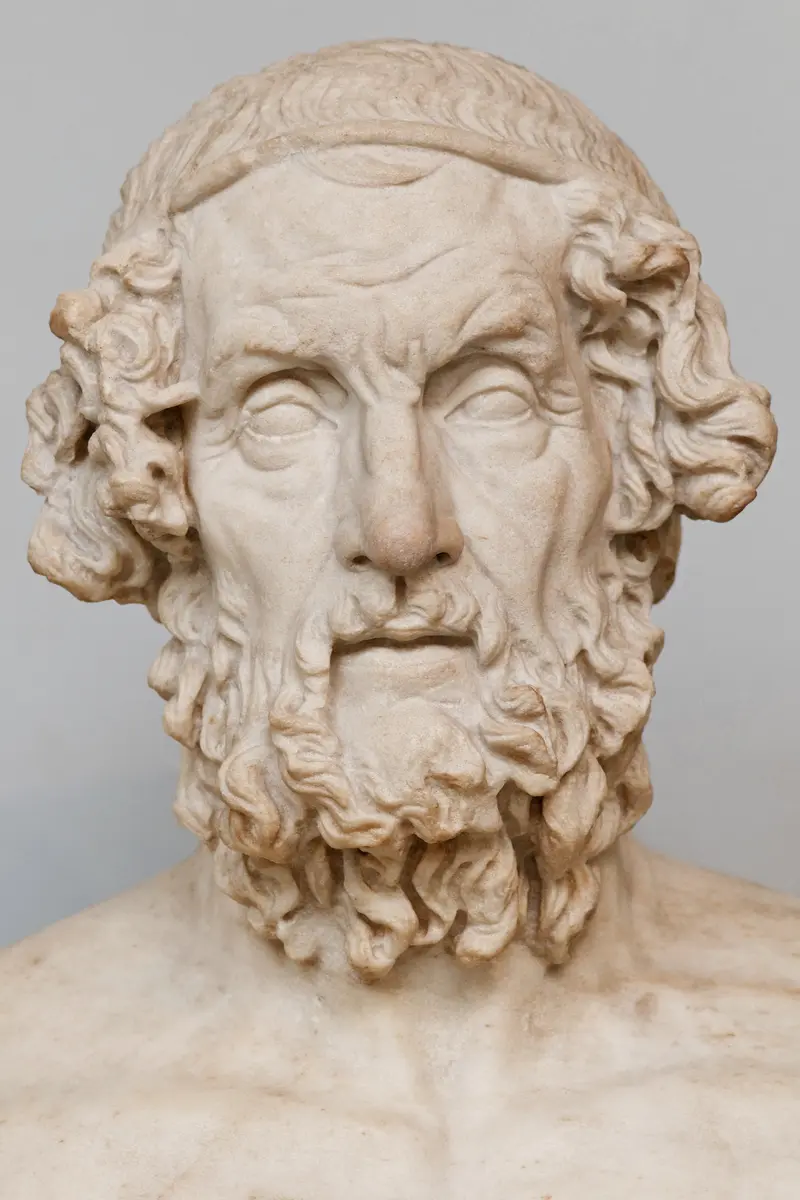
The story is the most famous in Greek legend. Paris, a prince of Troy, carried off Helen, the wife of King Menelaus of Sparta; Menelaus's brother Agamemnon, king of Mycenae, gathered the kings of Greece and more than a thousand ships and sailed to Troy, a walled city near the Dardanelles in north-west Asia Minor. The siege lasted ten years. Achilles, the best of the Greek fighters, quarrelled with Agamemnon, lost his friend Patroclus and killed the Trojan champion Hector; Achilles himself was killed by an arrow from Paris. In the end the Greeks pretended to sail away and left a wooden horse on the shore with soldiers hidden inside; the Trojans dragged it into the city, and that night Troy was sacked, King Priam killed and the women carried off. Homer's Iliad tells one episode of the tenth year, the anger of Achilles; the rest came down in other poems, now mostly lost, in vase paintings and in Virgil's Aeneid.
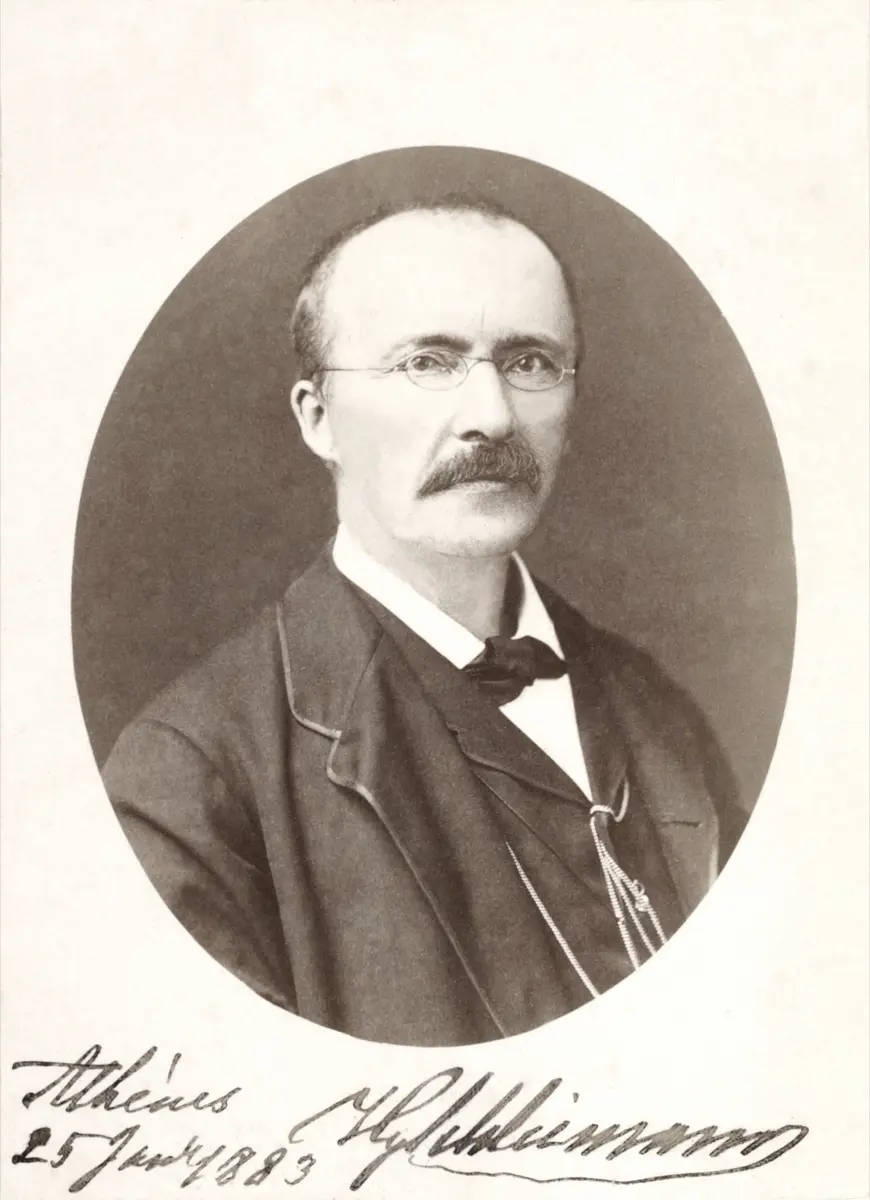
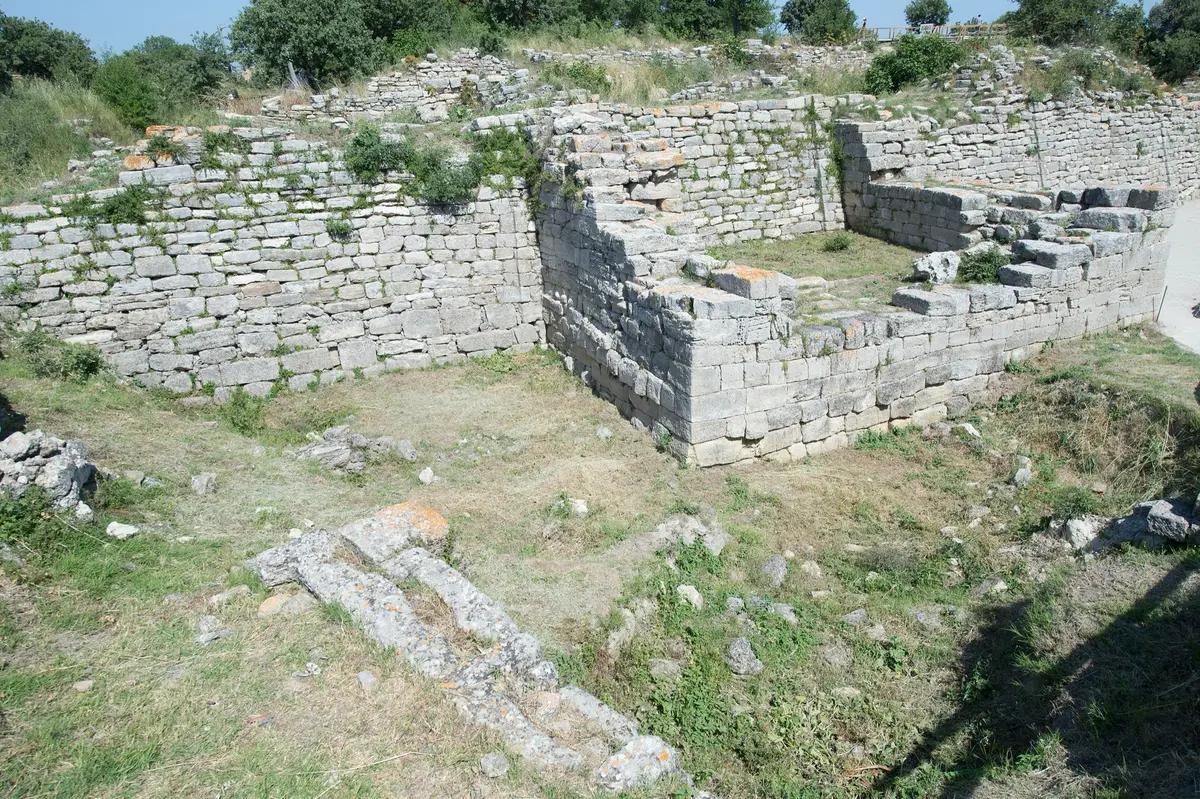
Is any of it true? Later Greek scholars treated the war as the first event of history and worked out dates for the fall of Troy; the one most often quoted, by Eratosthenes of Alexandria in the third century BCE, is 1184 or 1183 BCE. In 1870 the German businessman Heinrich Schliemann, steered by the local landowner Frank Calvert, began digging at Hisarlik, a mound above the plain of the Scamander, and found nine cities one on top of another. The gold he called 'Priam's Treasure' came from Troy II, a town of about 2500 BCE, a thousand years too early; it was his assistant Wilhelm Dörpfeld in the 1890s, Carl Blegen's Cincinnati team in 1932–38 and Manfred Korfmann's Tübingen team from 1988 who sorted out the Late Bronze Age city. Troy VI was a strong fortress with fine stone walls and great houses on terraces, and a lower town below with a defensive ditch; it fell about 1300 BCE, apparently to an earthquake. Its people rebuilt it at once as Troy VIIa, a crowded town with huge storage jars sunk into the floors, and that town was destroyed by fire about 1180 BCE, with arrowheads, piles of sling stones and unburied bodies in the ruins.
The Hittite royal archive at Hattusa adds a second line of evidence. It names a city of Wilusa, in the north-west of Asia Minor, which most scholars now take to be Troy (Homer's Ilios was once pronounced Wilios); its king Alaksandu made a treaty with the Hittite king Muwatalli II about 1280 BCE, and a Greek kingdom the Hittites called Ahhiyawa, the land of the Achaeans, meddled on that coast for a century. Names in the texts echo the legend: Alaksandu looks like Alexandros, Paris's other name, and the treaty is sworn by a Trojan god Apaliunas, which looks like Apollo. But no Hittite text says that Greeks attacked Wilusa, and the destruction of Troy VIIa came in the decades when the Mycenaean palaces themselves were burning and the Hittite kingdom was collapsing, so that a great Greek expedition is hard to imagine just then.
The honest answer is that there was a real Troy, a rich and well-defended city at the entrance to the Dardanelles that the Mycenaean Greeks knew and that was burned by enemies around 1180 BCE; that the Greeks and the Hittites' western vassals did fight on that coast in the thirteenth century; and that the Greek poets who sang about it four hundred years later, when the walls of Troy VI still stood eight metres high, remembered real things, like the boar's-tusk helmet the Iliad describes. What they did not pass down is a history: Helen, the duel of Achilles and Hector and the horse are stories. Korfmann, who dug the site for seventeen years, concluded that there were probably several armed conflicts around Troy at the end of the Bronze Age, and that no one can say whether one of them was 'the' Trojan War.
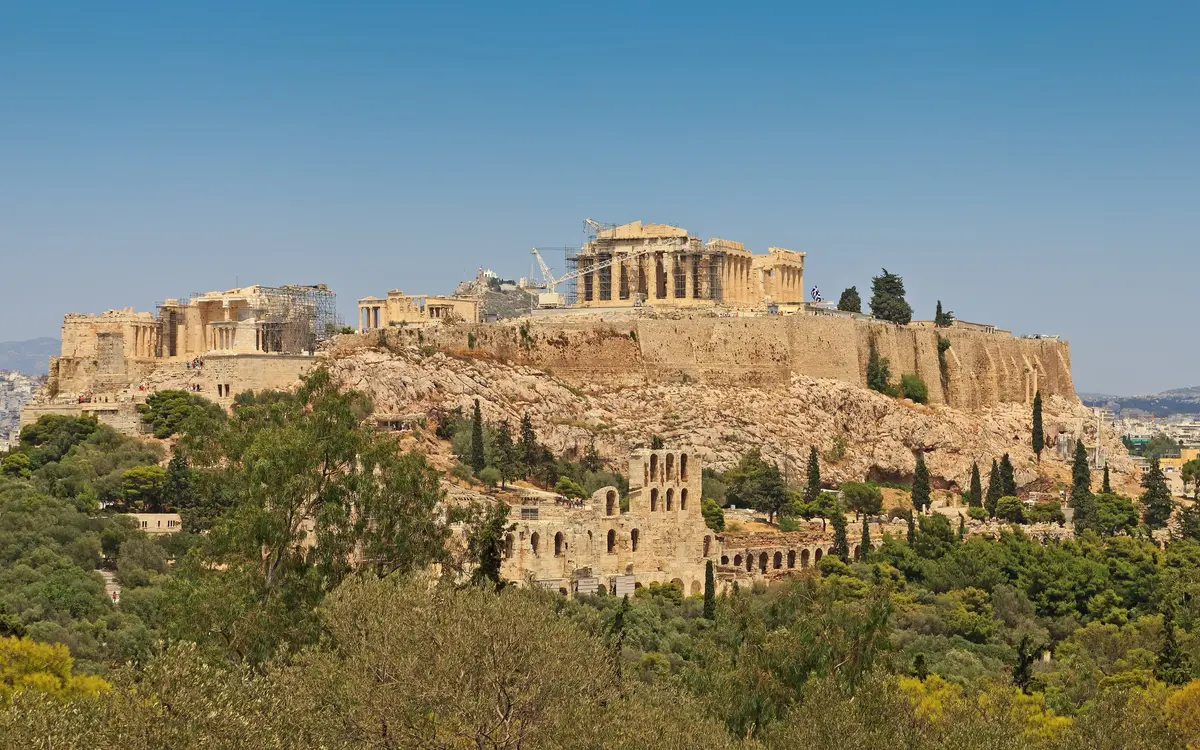
It mattered anyway. For the Greeks and Romans the war was the start of their history: Athens and Sparta argued about the Catalogue of Ships, Alexander the Great carried the Iliad on campaign and sacrificed at Troy, and Rome traced itself to the Trojan refugee Aeneas. Schliemann's dig in 1870 made the legend a question for archaeology and, by way of Mycenae six years later, opened up a Greek Bronze Age that no one had suspected. The mound of Hisarlik is a World Heritage Site, and the argument over what Homer remembered is still going.
What happened
- 1200 BCE
Troy VIIa stands on the walls of Troy VI, rebuilt by the survivors of the earthquake of about 1300: the citadel is crammed with small houses, almost every one with huge storage jars sunk into its floor, and below it a lower town is defended by a U-shaped ditch and a palisade; a town, as Blegen read it, preparing to stand a siege.
Troy (Hisarlik): the mound of nine cities above the plain of the Scamander, Troy VI–VIIa the city of the Late Bronze AgeAbout now the Mycenaean palaces begin to burn: Mycenae and Tiryns are destroyed at the end of the phase archaeologists call LH IIIB2, and the Warrior Vase, with its file of marching soldiers, is painted at Mycenae. The kings who in the legend sailed against Troy are losing their own citadels.
Mycenae: Agamemnon's city in the legend, the richest of the Mycenaean palaces, destroyed about 1200 BCE- 1190 BCE
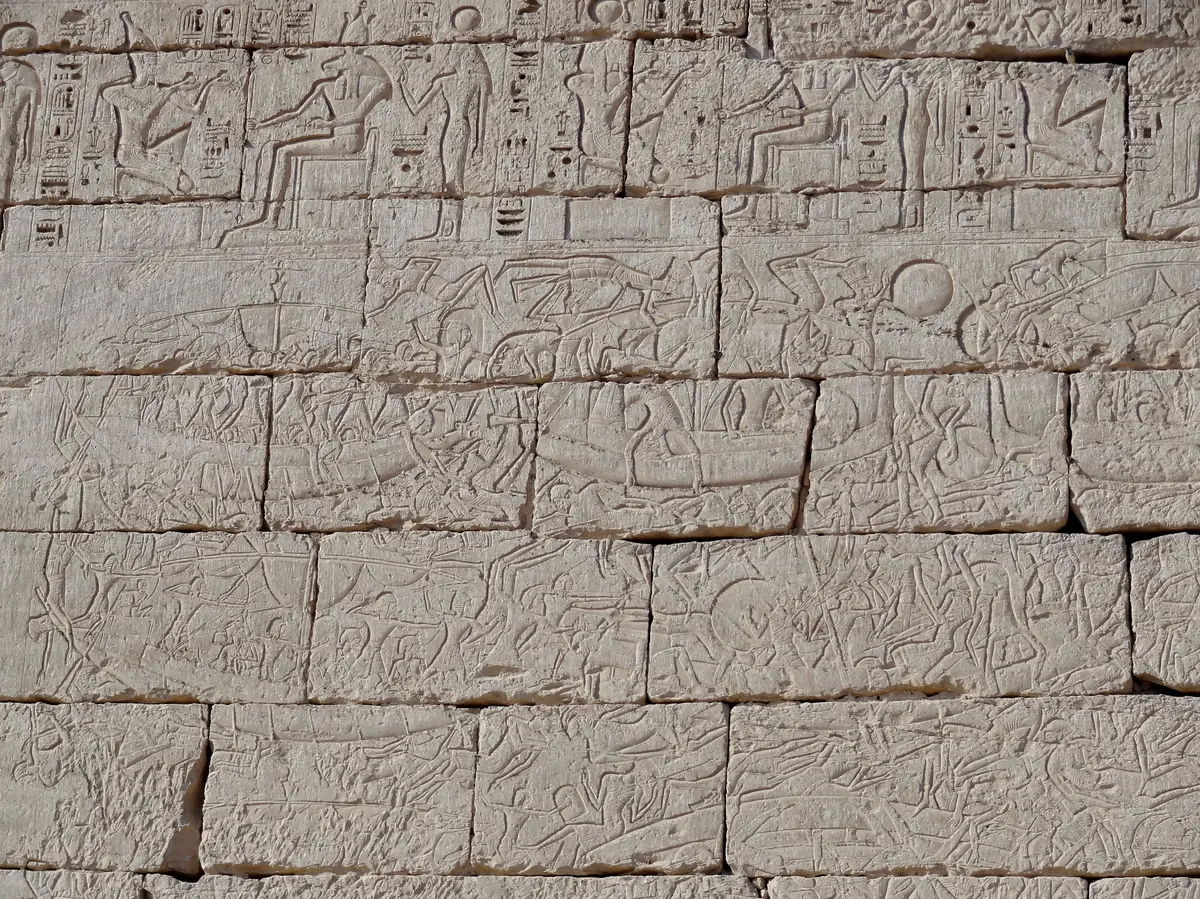
The upheaval the Egyptians blame on the 'Sea Peoples' reaches Syria: Ugarit, the great port, is sacked and its last letters, pleading for help against ships raiding the coast, are baked hard in the fire that destroys the palace.
The Hittite kingdom comes to an end: its last great king, Suppiluliuma II, leaves no more records, and Hattusa, whose archive holds the treaty with Alaksandu of Wilusa and the letters about Ahhiyawa, is abandoned and burned. No Hittite text will ever mention Troy again.
Hattusa: the Hittite capital whose archive names Wilusa, abandoned about 1190–1180 BCE- 1180 BCE
Troy VIIa is destroyed by fire, about 1180 BCE on Korfmann's dating: the excavators find a burnt layer across the citadel, bronze arrowheads, heaps of sling stones left where they fell, and human bones in houses and streets, the signs of a town captured, looted and burned by enemies. Whose enemies, the ruins do not say.
Troy (Hisarlik): the mound of nine cities above the plain of the Scamander, Troy VI–VIIa the city of the Late Bronze AgeThe palace of Pylos in the south-west Peloponnese, Nestor's in the legend, burns down, baking its Linear B tablets, among them lists of watchers posted along the coast; it is never rebuilt, and with it the last of the Mycenaean palace kingdoms is gone.
Survivors settle again among the ruins as Troy VIIb1, still making the grey pottery of their fathers, and the walls of Troy VI go on standing eight metres high; four centuries later the Greek poets who told of a war at Troy could still see them.
Troy (Hisarlik): the mound of nine cities above the plain of the Scamander, Troy VI–VIIa the city of the Late Bronze Age