Ancient Greece
“Hundreds of quarrelling city-states, Athens above all, that invented democracy, philosophy, theatre and the Olympics before Rome swallowed them in 146 BCE.”
Ancient Greece was not a country but a world of several hundred small city-states, each with its own laws, coins and gods, scattered around the Aegean and, through colonies, from Marseille to the Black Sea. They shared a language, Homer's poems, the Olympic Games and the oracle at Delphi, and they fought each other constantly. The period runs from the eighth century BCE, when the city-states took shape after a dark age and the alphabet, the Games and the epics appeared, to 146 BCE, when Rome destroyed Corinth and made Greece a province.
Its peak was the fifth century BCE. Athens had become a democracy in 508 BCE, with every male citizen voting in the assembly and serving by lot in its courts. In 490 the Athenians beat a Persian landing at Marathon, and in 480, after the Spartans died at Thermopylae, the Greek fleet destroyed the Persian navy at Salamis. The fifty years that followed were the golden age: Athens led an empire of allies, built the Parthenon from 447, and produced the tragedies of Aeschylus, Sophocles and Euripides, the history of Herodotus and Thucydides, the sculpture of Phidias and the questions of Socrates. Its silver 'owls' were the dollar of the Mediterranean.
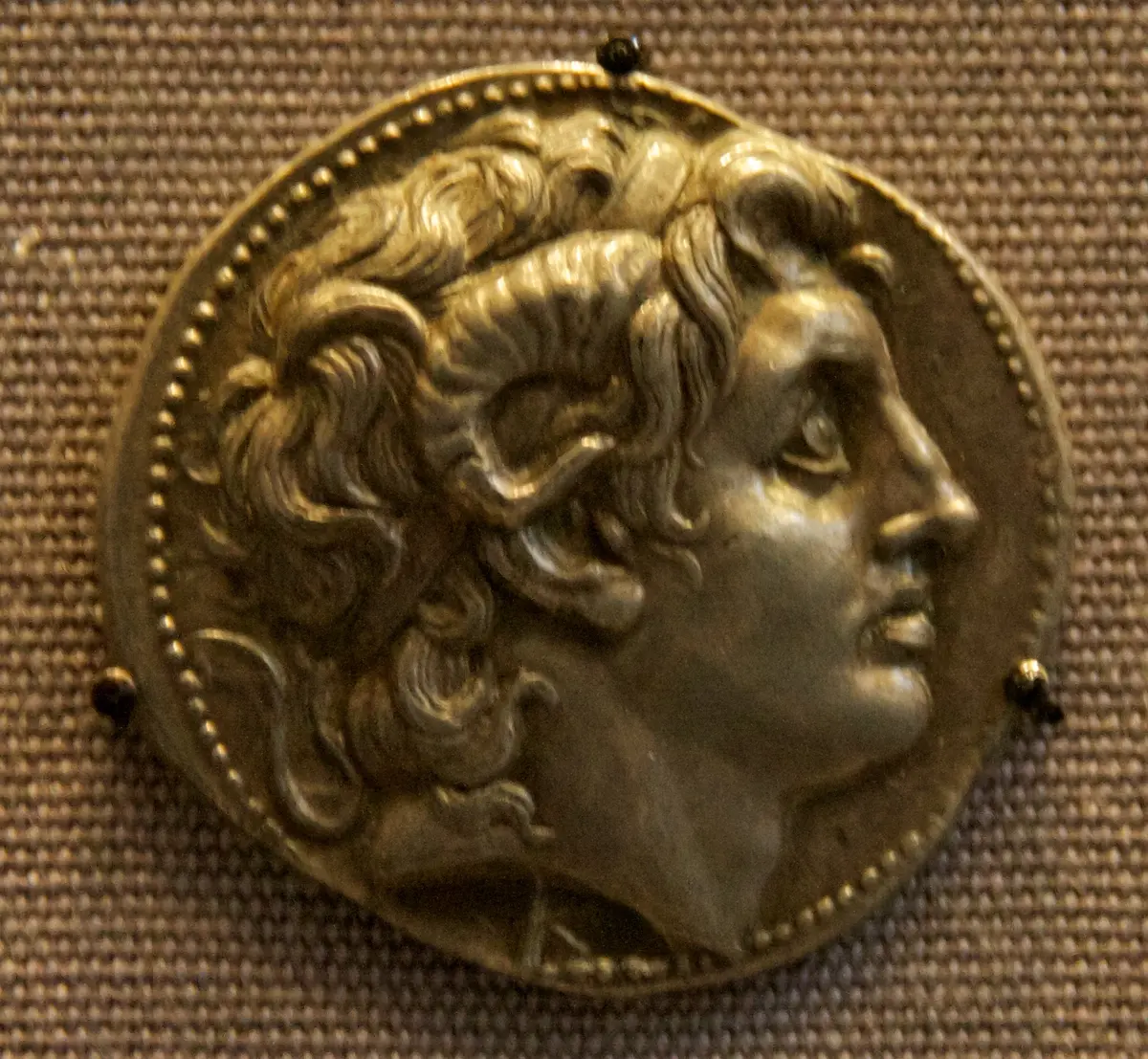
The golden age ended in war between the two great powers. The Peloponnesian War between Athens and Sparta lasted, with a pause, from 431 to 404 BCE, when Athens surrendered and pulled down its walls. Five years later the restored democracy executed Socrates. The fourth century belonged to Plato's Academy and Aristotle's Lyceum, and then to Macedon: Philip II crushed Athens and Thebes at Chaeronea in 338, and his son Alexander conquered the Persian Empire before dying at Babylon in 323. Greek became the language of cities from Egypt to Afghanistan, but the free city-state was finished.
Alexander's generals carved his conquests into kingdoms that fought for two centuries, while a new power grew in the west. Rome defeated Macedon, dissolved it, and in 146 BCE sacked Corinth and ended Greek independence; the same year it destroyed Carthage. The Romans, who conquered Greece, were conquered by its culture: they copied its statues, learned its philosophy and wrote their epics in its metres.
Its legacy is most of the furniture of Western thought. Democracy, philosophy, history, theatre, the Olympic Games, geometry, the atom, the alphabet we use, the orders of columns on every bank and courthouse, and the habit of arguing about politics in public all come from these small cities. The Parthenon still stands over Athens, and the words 'politics', 'economy', 'physics' and 'mathematics' are Greek.
What happened
- 776 BCE
The first Olympic Games are held at the sanctuary of Zeus at Olympia, by the traditional count; the Greeks will date their years by them.
Olympia: the sanctuary of Zeus where the Games were held every four years from 776 BCE - 750 BCE
Around this time the Iliad and the Odyssey take the form we have, and the Greeks adopt the alphabet from the Phoenicians; the city-states are taking shape and sending out colonies.
- 530 BCE
The potter Exekias paints Achilles and Ajax at their game on an amphora in Athens, the high point of black-figure painting.
- 508 BCE
After the tyrant Hippias is expelled, Cleisthenes reorganises Athens so that every citizen votes in the assembly: the beginning of democracy.
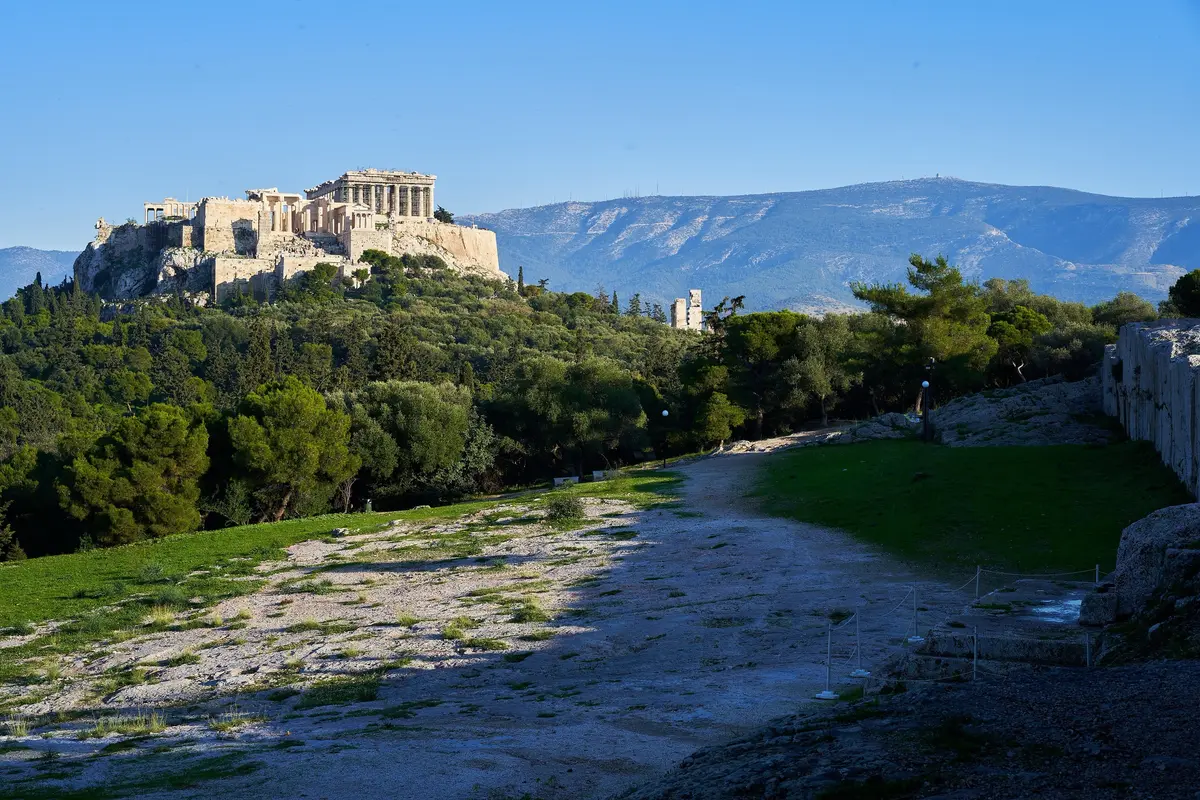
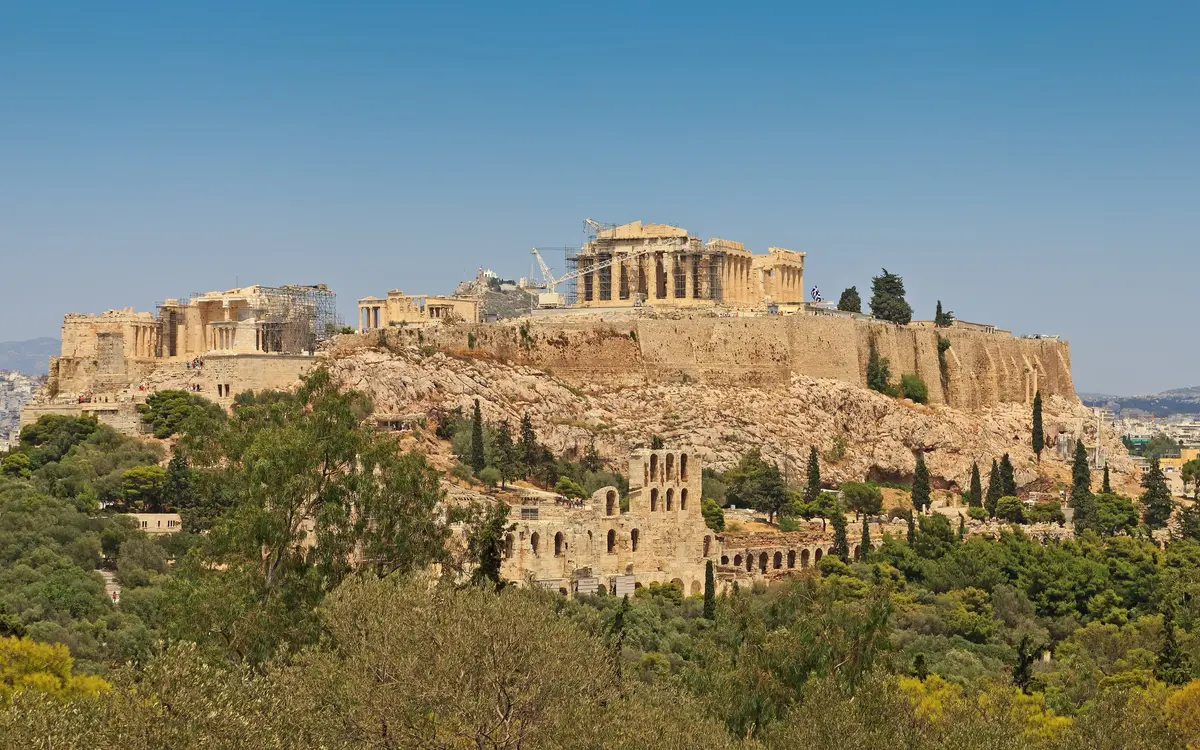
The Acropolis of Athens: the Parthenon, built from 447 BCE in the city's golden age - 490 BCE
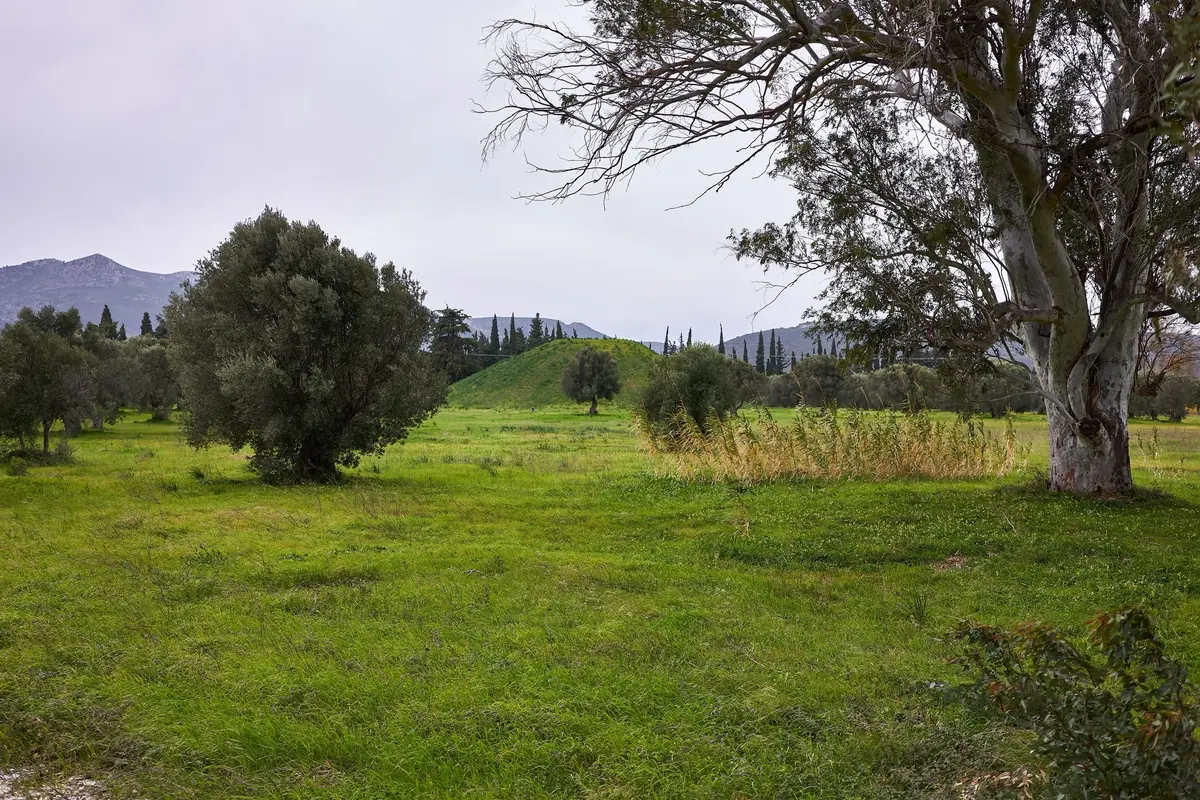
About 10,000 Athenian hoplites defeat the Persian landing at Marathon; the runner Pheidippides had been sent to Sparta for help that came too late.
- 480 BCE
Xerxes invades: the Spartans under Leonidas die holding the pass at Thermopylae, Athens is taken and burned, and in September the Greek fleet destroys the Persian navy at Salamis.
Thermopylae: the pass where the Spartans died facing Xerxes in 480 BCE - 447 BCE
Athens begins the Parthenon on the Acropolis under Pericles, paid for from the treasury of its empire; it is finished in 432.
The Acropolis of Athens: the Parthenon, built from 447 BCE in the city's golden age - 431 BCE
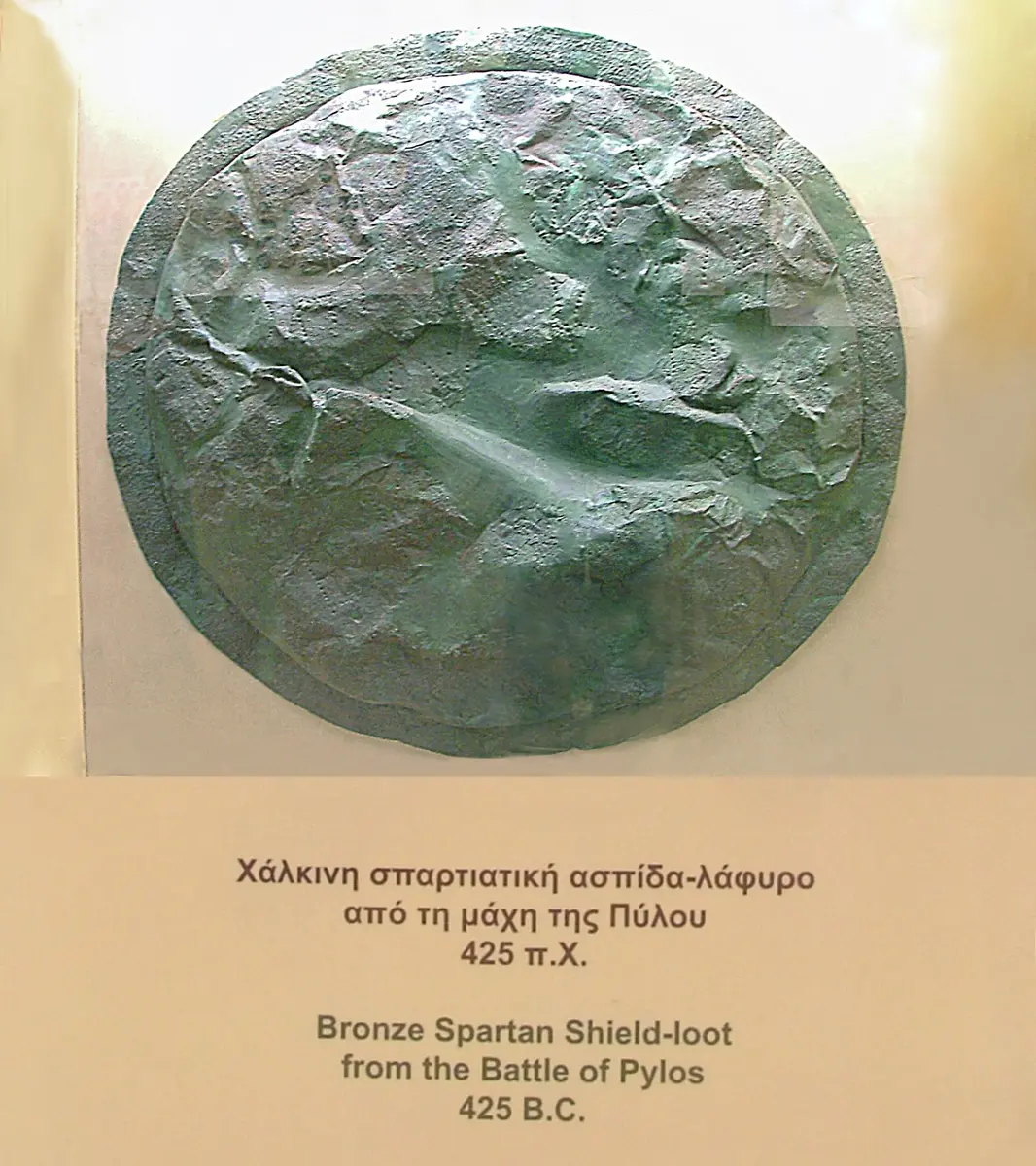
The Peloponnesian War begins between Athens and Sparta and their allies; Pericles dies of the plague in Athens two years later.
Sparta: the other great power, Athens's rival in the Peloponnesian War - 404 BCE
Athens surrenders; it gives up its empire and the Spartans pull down its Long Walls to the music of flute girls.
The Acropolis of Athens: the Parthenon, built from 447 BCE in the city's golden age- 399 BCE
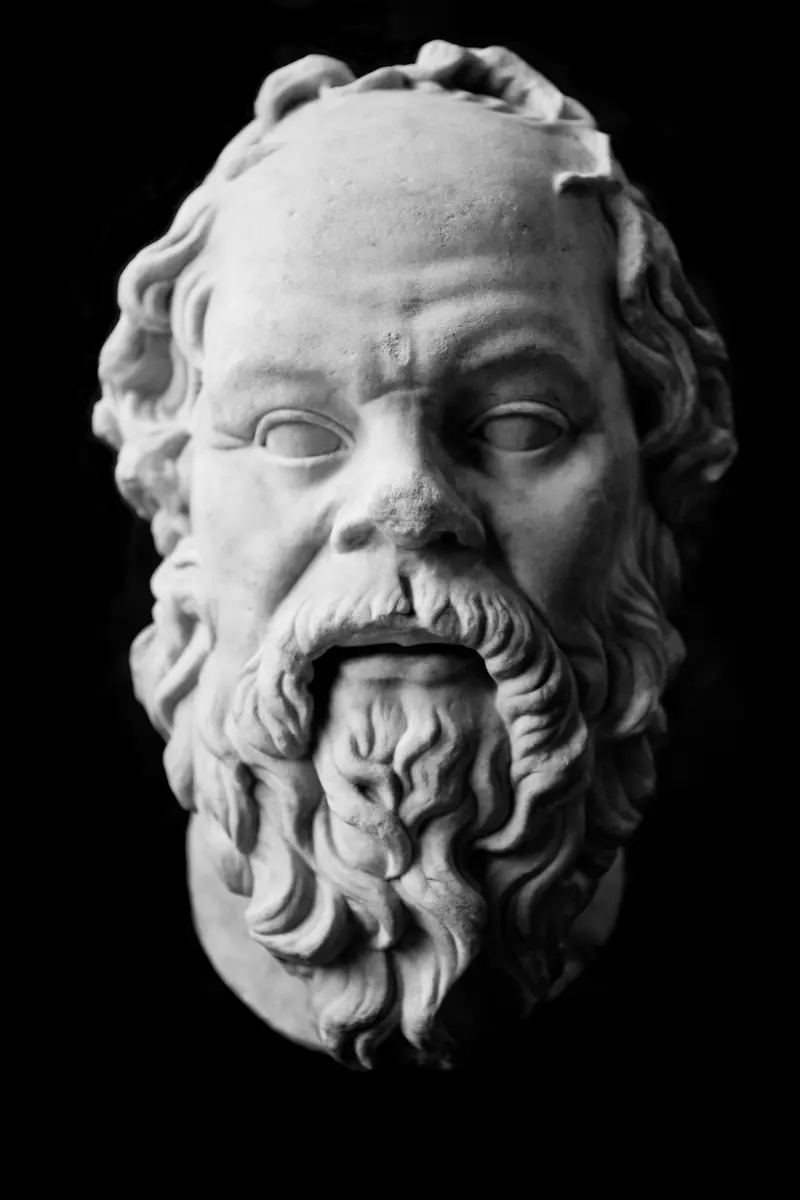
Socrates is tried for impiety and corrupting the young, and executed by hemlock in Athens.
- 338 BCE
Philip II of Macedon defeats Athens and Thebes at Chaeronea; the city-states lose their independence in all but name.
- 323 BCE
Alexander the Great dies at Babylon after conquering the Persian Empire; his generals divide his conquests into Greek-ruled kingdoms.
- 146 BCE
The Romans sack Corinth and dissolve the Achaean League; Greece becomes part of Rome's empire, and in the same year Carthage is destroyed.