Alexander the Great
“The Macedonian king who conquered the Persian Empire from the Nile to India in eleven years and died at Babylon aged thirty-two.”
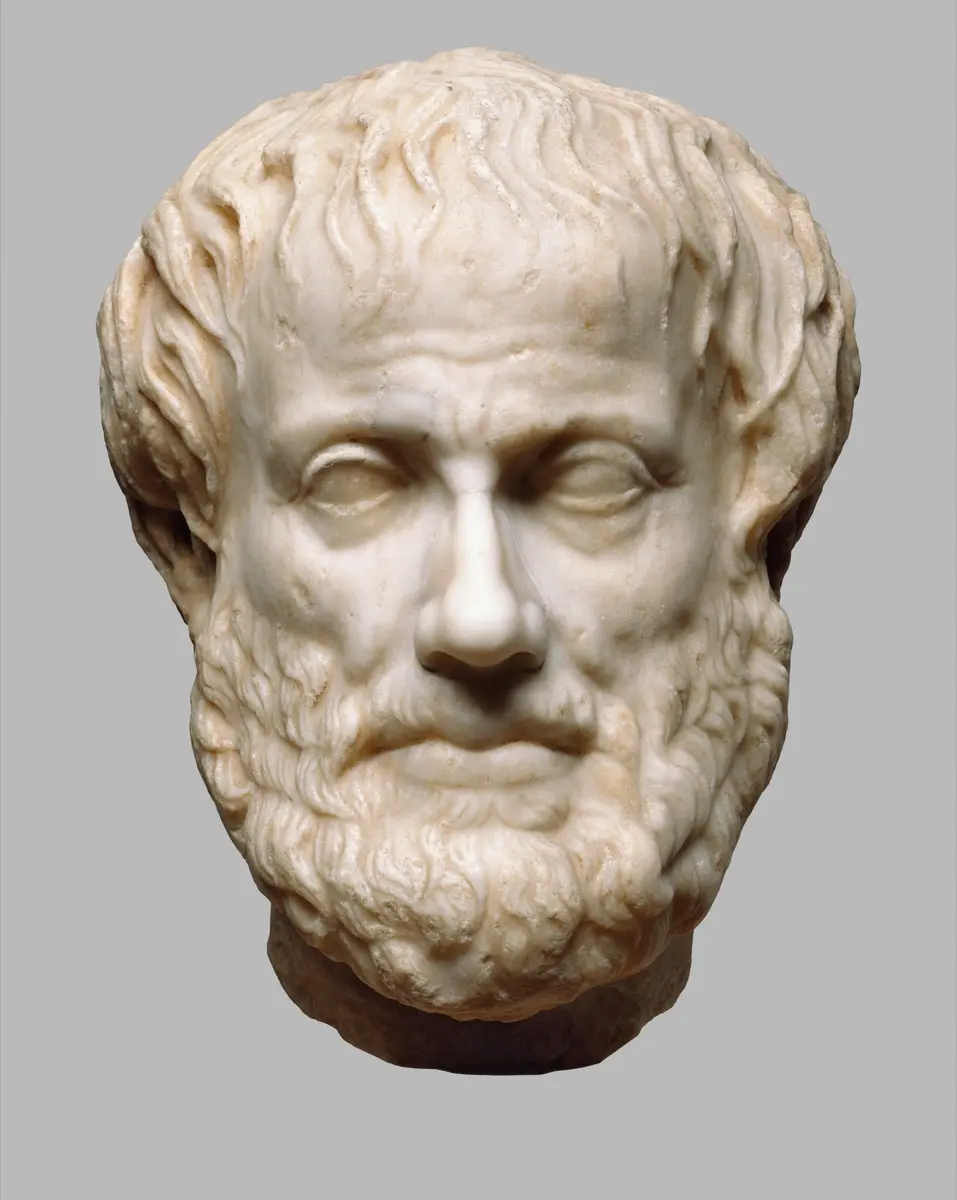
Alexander III of Macedon conquered the Persian Empire in eleven years and died at thirty-two, in 323 BCE, with his army on the Euphrates and a plan to invade Arabia. He was born in 356 BCE at Pella, the son of Philip II, who had turned a backward kingdom in the north of Greece into the strongest state in the Greek world, and of Olympias, a princess of Epirus. Aristotle was his tutor. When Philip was murdered in 336, Alexander was twenty; within two years he had secured Macedon, destroyed Thebes for rebelling, and taken up his father's planned war against Persia.
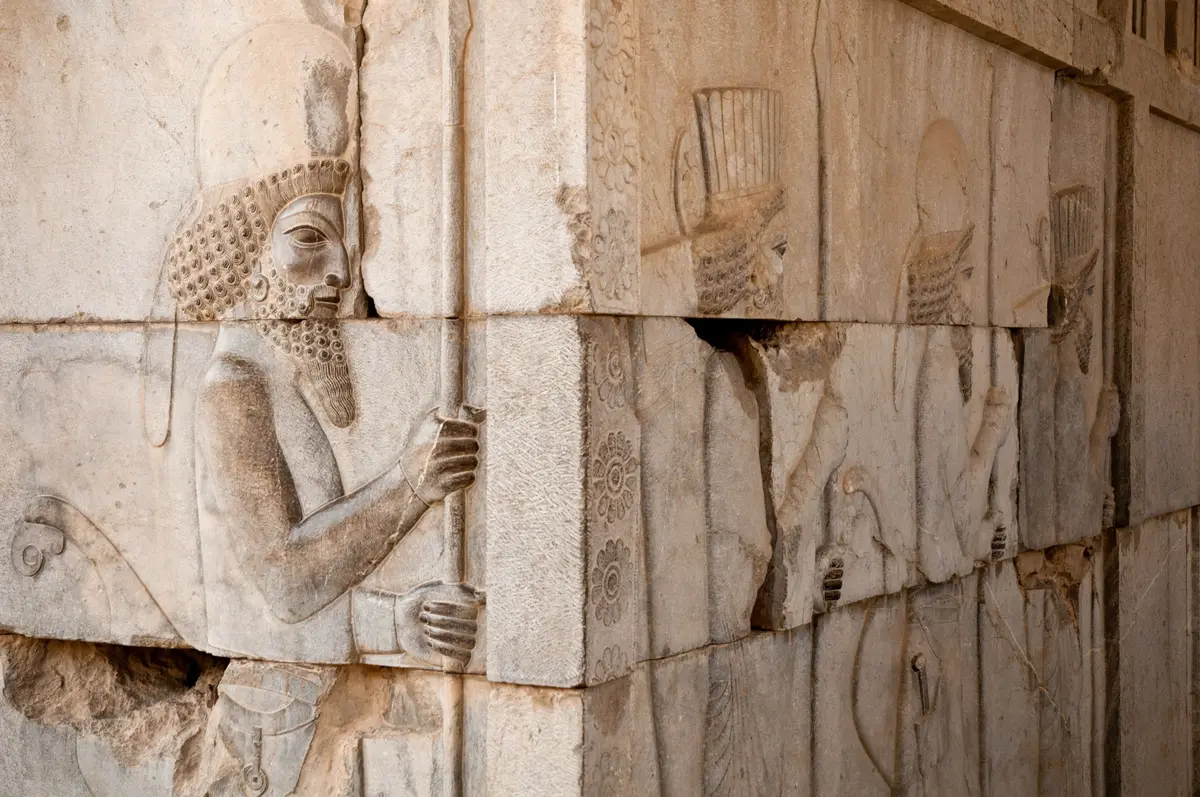
In the spring of 334 he crossed the Hellespont with about 40,000 men and beat the Persian satraps at the Granicus. In November 333 he beat the Great King, Darius III, at Issus, on a narrow strip of coast where Persian numbers did not count. He took Tyre after a seven-month siege and Gaza, and in early 331 Egypt, where the oracle of Ammon in the desert greeted him as the son of the god and he founded Alexandria. On October 1, 331, at Gaugamela in northern Iraq, he routed Darius's last army; Babylon, Susa and Persepolis fell, and he burned Persepolis in the spring of 330. Darius was murdered by his own men that summer. Alexander was now king of Asia.
He went on: through Iran and Afghanistan to Bactria and Sogdia, where he married Roxane, and in 326 over the Indus to the Punjab, where he beat King Porus on the Jhelum. On the Beas his soldiers refused to go further, and he turned back down the Indus and through the Gedrosian desert, where much of the army died of thirst. At Susa in 324 he married two Persian princesses and made his officers take Persian wives; he had already taken up Persian dress and court ceremony, and the Macedonians who objected, like his general Parmenion and his son Philotas, had been killed. In October 324 his closest friend, Hephaestion, died at Ecbatana. In June 323, at Babylon, after days of fever, so did Alexander.
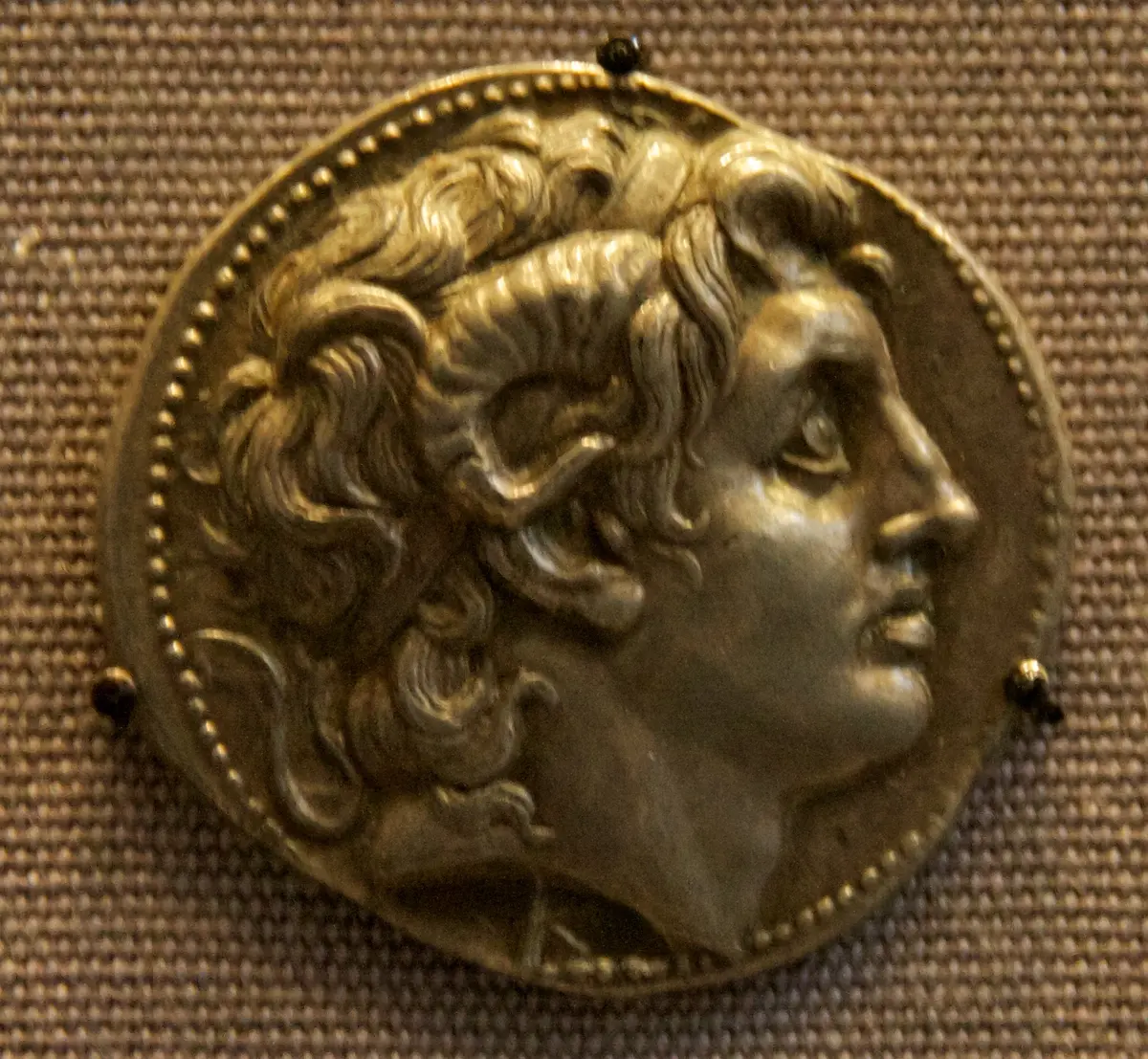
He left no settled heir, and his generals fought for forty years over the pieces: Ptolemy took Egypt, Seleucus Asia, Antigonus and his heirs Macedon. The world they ruled was Greek-speaking from the Nile to the Oxus, with Alexandria, not Athens, as its capital of learning; this Hellenistic world was the one Rome later conquered and the one in which the New Testament was written in Greek. His portrait, young, clean-shaven, with the hair rising from the brow, became the face of kingship for centuries, and every conqueror since, from Caesar to Napoleon, has measured himself against him.
What happened
- 356 BCE
Born at Pella, the son of Philip II of Macedon and Olympias of Epirus.
Pella, the Macedonian capital: born here in 356 BCE- 343 BCE
Philip brings Aristotle to Mieza to teach the boy for three years.
- 338 BCE
At eighteen he leads the Macedonian cavalry at Chaeronea, where Philip crushes Athens and Thebes.
- 336 BCE
Philip is murdered; with the help of Antipater and Parmenion, Alexander becomes king at twenty and inherits the war with Persia.
Pella, the Macedonian capital: born here in 356 BCE - 334 BCE
In spring he crosses the Hellespont and defeats the Persian satraps at the river Granicus; the Greek cities of Asia Minor fall to him.
- 333 BCE
Defeats Darius III himself at Issus; Darius flees, leaving his family in Alexander's hands.
Issus, Cilicia: the victory over Darius III, November 333 BCE- 332 BCE
Takes Tyre after a seven-month siege and then Gaza; the Persian fleet has no ports left.
- 331 BCE
Enters Egypt unopposed, is hailed as son of Ammon at the oracle of Siwa, and founds Alexandria.
Alexandria, Egypt: founded by him in 331 BCE, the capital of the world he madeAt Gaugamela, under the omen of a lunar eclipse, he breaks Darius's last army; Babylon and Susa open their gates.
Gaugamela, northern Iraq: the decisive battle, October 1, 331 BCE- 330 BCE
Burns the palace of Persepolis in the spring; Darius is murdered by his own men that summer, and Alexander is king of Asia.
- 326 BCE
Crosses the Indus and defeats King Porus on the Jhelum in a storm; on the Beas his army refuses to go further, and he turns back.
- 324 BCE
At Susa he marries two Persian princesses and makes his officers take Persian wives; in October his closest friend Hephaestion dies at Ecbatana.
- 323 BCE
Dies at Babylon after days of fever, aged thirty-two, as the fleet gathers for Arabia; his generals divide the empire.
Babylon: his capital, where he died on June 11, 323 BCE