Persian Empire
“Cyrus the Great's empire, the largest the world had yet seen, which ran from Egypt to the Indus for two centuries until Alexander took it in 330 BCE.”
The Persian Empire of the Achaemenid kings was the first state to rule almost the whole of the ancient Near East at once, from Egypt and the Aegean to Central Asia and the Indus, and for two centuries it was the largest empire the world had yet seen. It began in Persis, the hill country of south-western Iran around modern Shiraz, where Cyrus was king of a small Persian realm that paid tribute to the Medes. In about 550 BCE he rebelled, captured the Median king Astyages and took over his empire. Within eleven years he had added Lydia in western Turkey, with its proverbially rich king Croesus, and Babylon, the great city of Mesopotamia, which he entered in October 539.
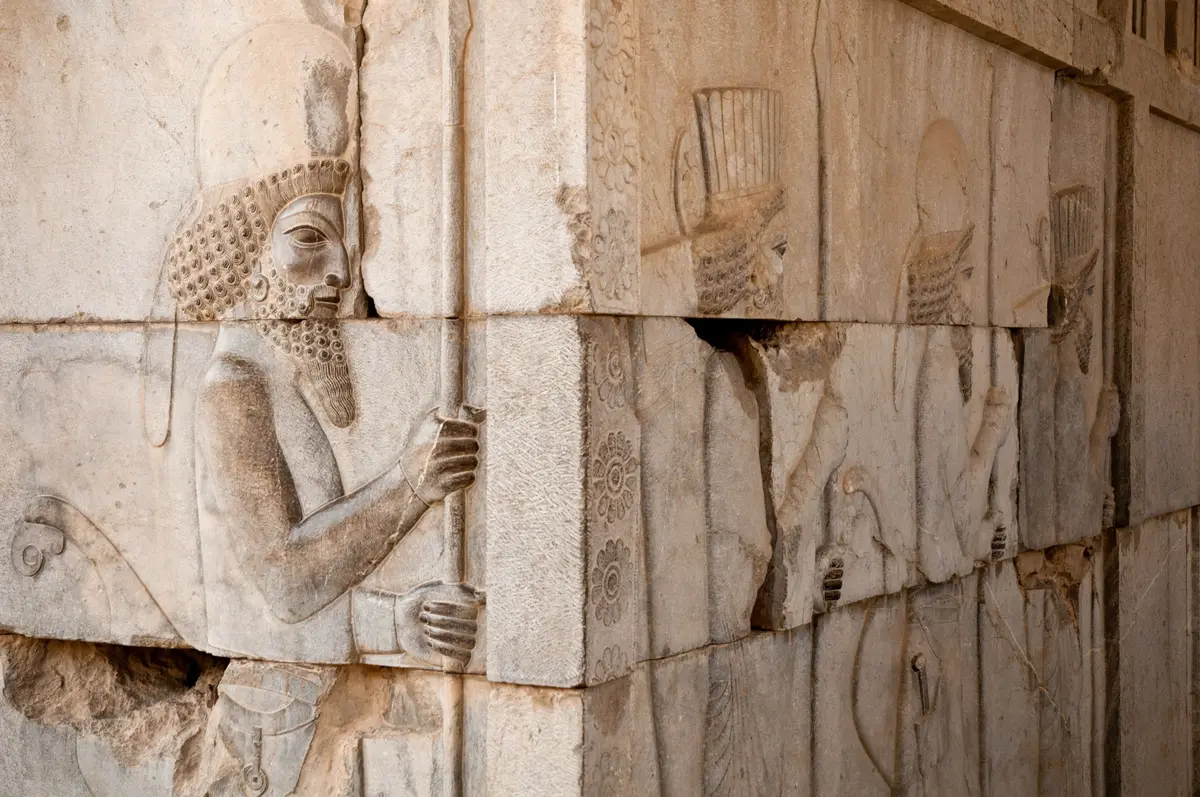
Cyrus ruled through local customs: in Babylon he presented himself as the chosen of the city's god Marduk, and he let deported peoples go home, among them, the Bible says, the Jews. His son Cambyses conquered Egypt in 525. Darius I, who seized the throne in 522 after killing a king he called an impostor, gave the empire its shape: provinces under governors called satraps, fixed tribute, a gold coin, the daric, Aramaic as the language of government, and royal roads with relay stations, so that couriers could carry a message the 2,700 kilometres from Susa to Sardis in about nine days. He built palaces at Susa and a new ceremonial capital at Persepolis, whose stairways show the peoples of the empire bringing gifts to the king.
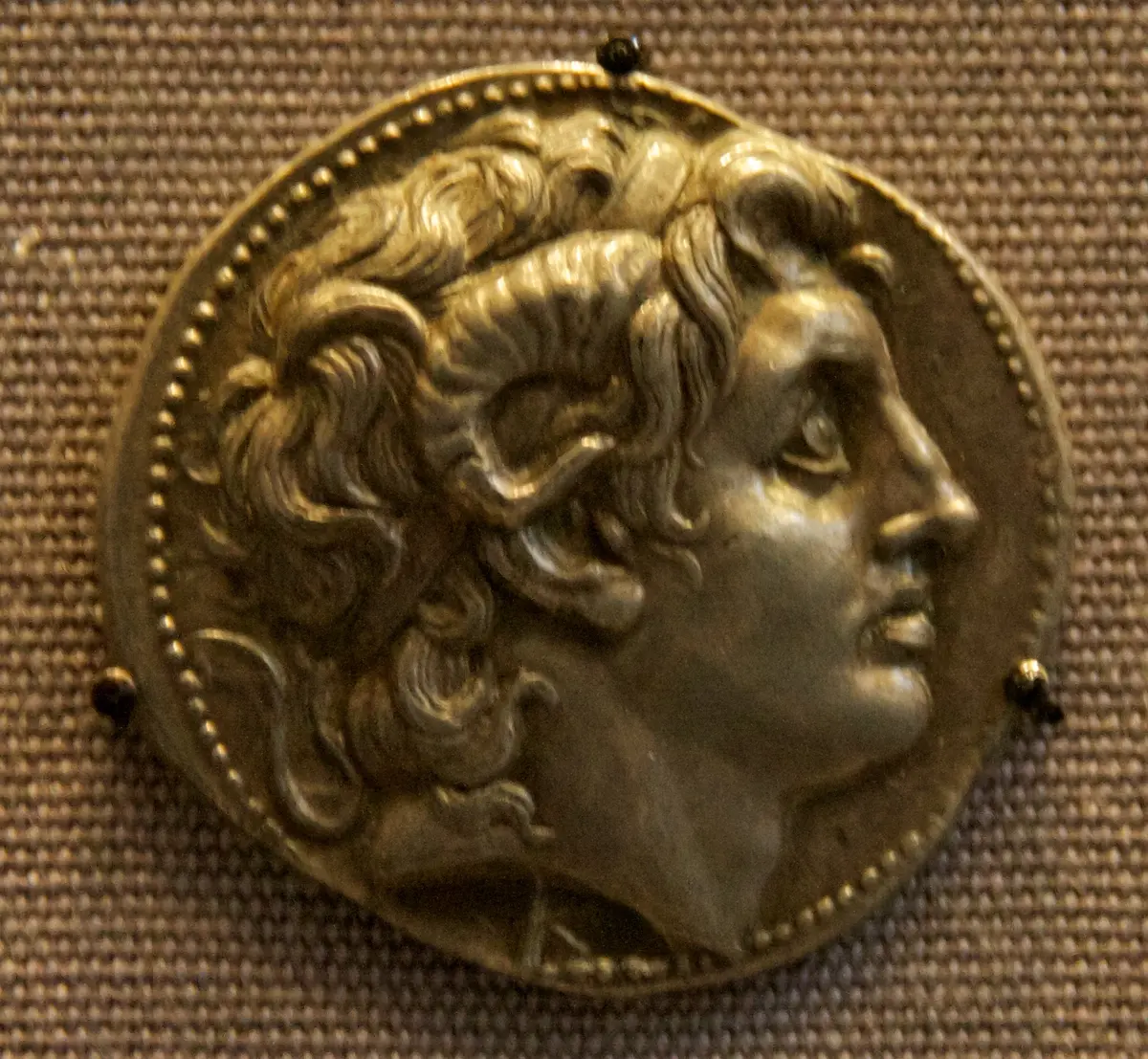
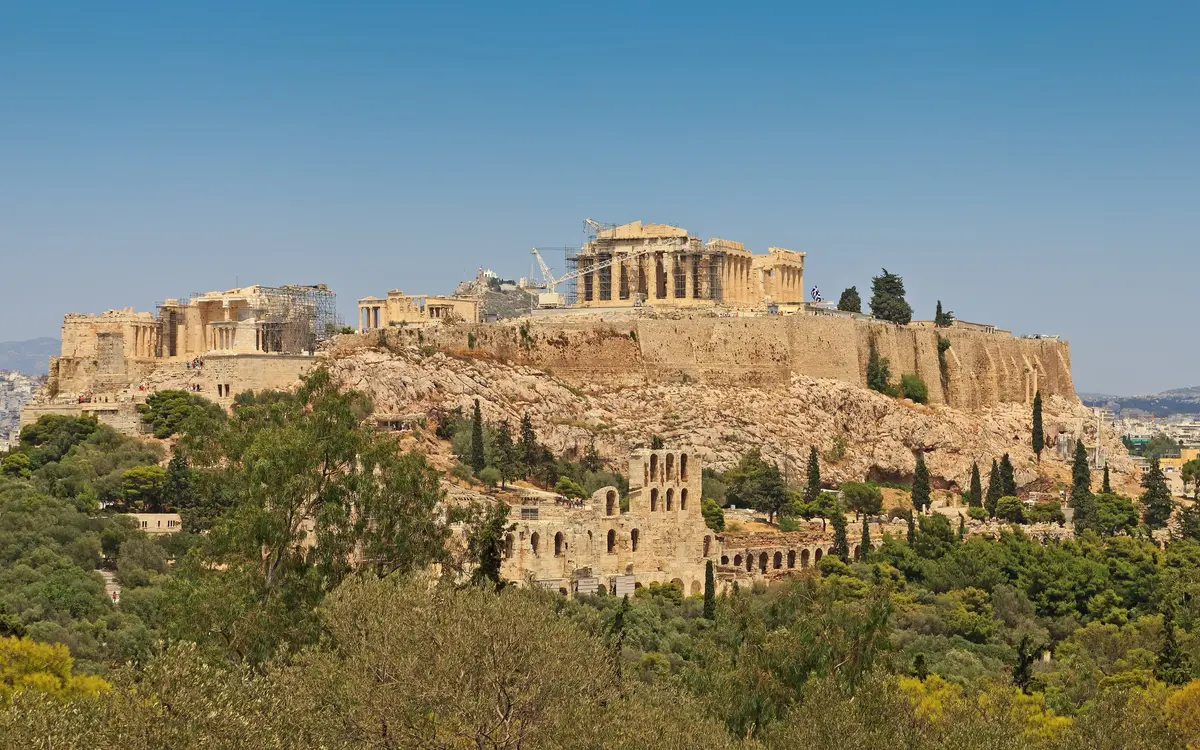
Persia's wars with the Greeks are what Europe remembers. The force Darius sent to punish Athens for helping the Ionian Greeks rebel was beaten at Marathon in 490, and the great invasion of his son Xerxes in 480 burned Athens but lost the sea battle of Salamis and was destroyed at Plataea the next year. The empire itself hardly shrank: it survived palace murders and revolts, lost and won back Egypt, and used its gold to keep the Greek cities fighting each other. It fell quickly to Alexander of Macedon, who crossed into Asia in 334, beat Darius III at Issus in 333 and at Gaugamela in 331, and burned the palaces of Persepolis in the spring of 330. That summer Darius was killed by one of his own governors.
Alexander kept much of the Persian way of ruling, and the kingdoms of his successors governed from its old capitals; later Iranian dynasties, the Parthians and the Sasanians, saw themselves as its heirs. Its model of a king of kings ruling many peoples, each under its own customs, shaped empires from Rome to the Ottomans. The Cyrus Cylinder, found at Babylon in 1879, is still read, sometimes too generously, as an early charter of tolerance. The ruins of Persepolis, Pasargadae and Behistun are World Heritage sites in Iran.
What happened
- 550 BCE
Cyrus, king of the Persians of Anshan, rebels against his Median overlord Astyages; the Median army goes over to him, and he takes Ecbatana and the Median empire.
Ecbatana (Hamadan): the Median capital Cyrus took in 550 BCE, a royal residence after - 547 BCE
Cyrus defeats Croesus of Lydia and takes his capital Sardis; the Greek cities of the Ionian coast fall under Persia.
Sardis: Croesus's capital, taken about 547 BCE, the empire's western capital - 539 BCE
Cyrus enters Babylon and takes its king Nabonidus prisoner; his Cylinder presents him as the chosen of the god Marduk who restores the gods and peoples their predecessors had carried off.
Babylon: taken by Cyrus in October 539 BCE- 530 BCE
Late in the year Cyrus falls fighting the Massagetae beyond the eastern frontier and is buried at Pasargadae; his son Cambyses succeeds him.
The tomb of Cyrus at Pasargadae, the capital he built where he defeated the Medes - 525 BCE
Cambyses defeats the pharaoh Psamtik III at Pelusium and makes Egypt a Persian province.
- 522 BCE
Darius and six Persian nobles kill the king Bardiya, whom Darius calls an impostor, the Magian Gaumata; in the following year Darius beats nine rebel kings in nineteen battles and records it on the cliff of Behistun.
Behistun (Bisotun): the cliff where Darius had his victory over the rebels carved- 518 BCE
Darius begins the terrace and audience hall of Persepolis and a palace at Susa, and organises the empire into satrapies paying fixed tribute, linked by royal roads.
Persepolis: Darius's ceremonial capital, begun about 518 BCE and burned by Alexander in 330 - 513 BCE
Darius crosses into Europe and the Danube against the Scythians, who retreat and lay waste the land; the campaign fails, but Thrace and Macedonia submit to Persia.
- 490 BCE
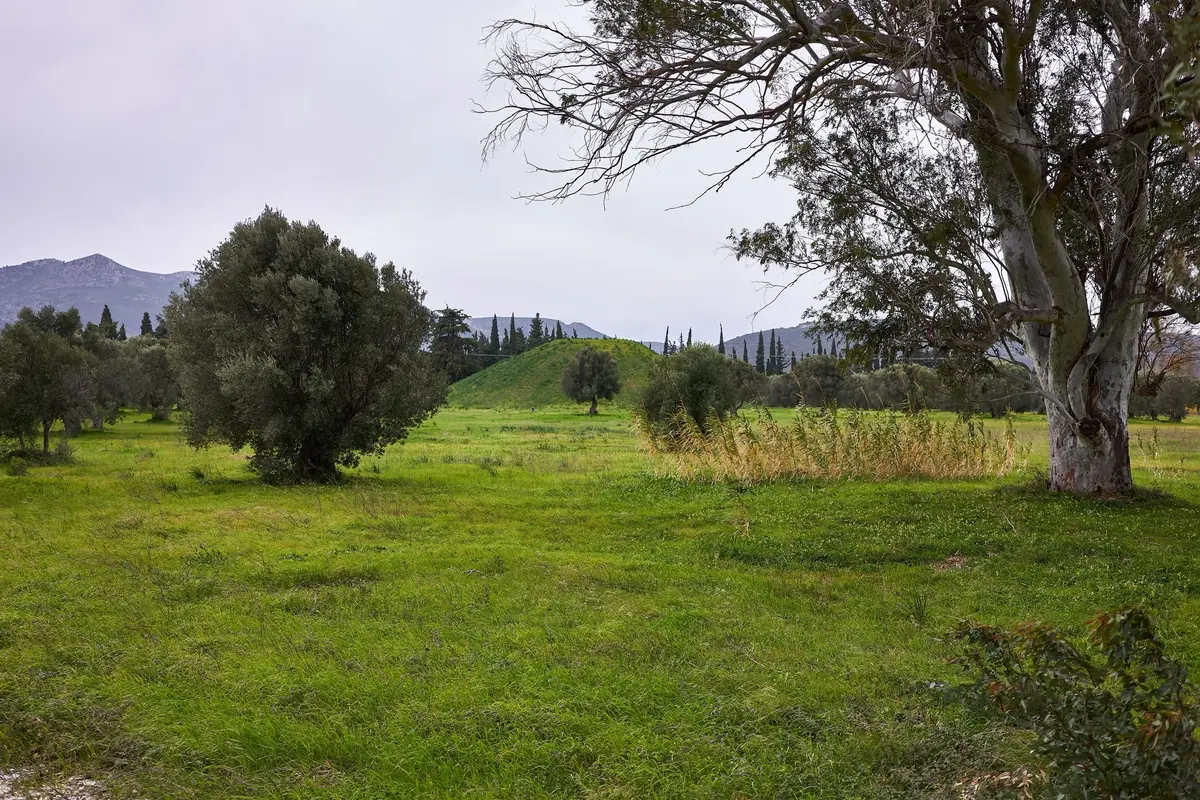
After crushing the revolt of the Ionian Greeks, which Athens had helped, Darius sends a fleet across the Aegean; its army is beaten by the Athenians at Marathon.
Marathon: where the Athenians beat Darius's expedition in 490 BCE - 486 BCE
Darius dies and is laid in a tomb cut into the cliff of Naqsh-e Rustam; his son Xerxes becomes king.
Naqsh-e Rustam: the rock-cut tombs of Darius I and his successors- 480 BCE
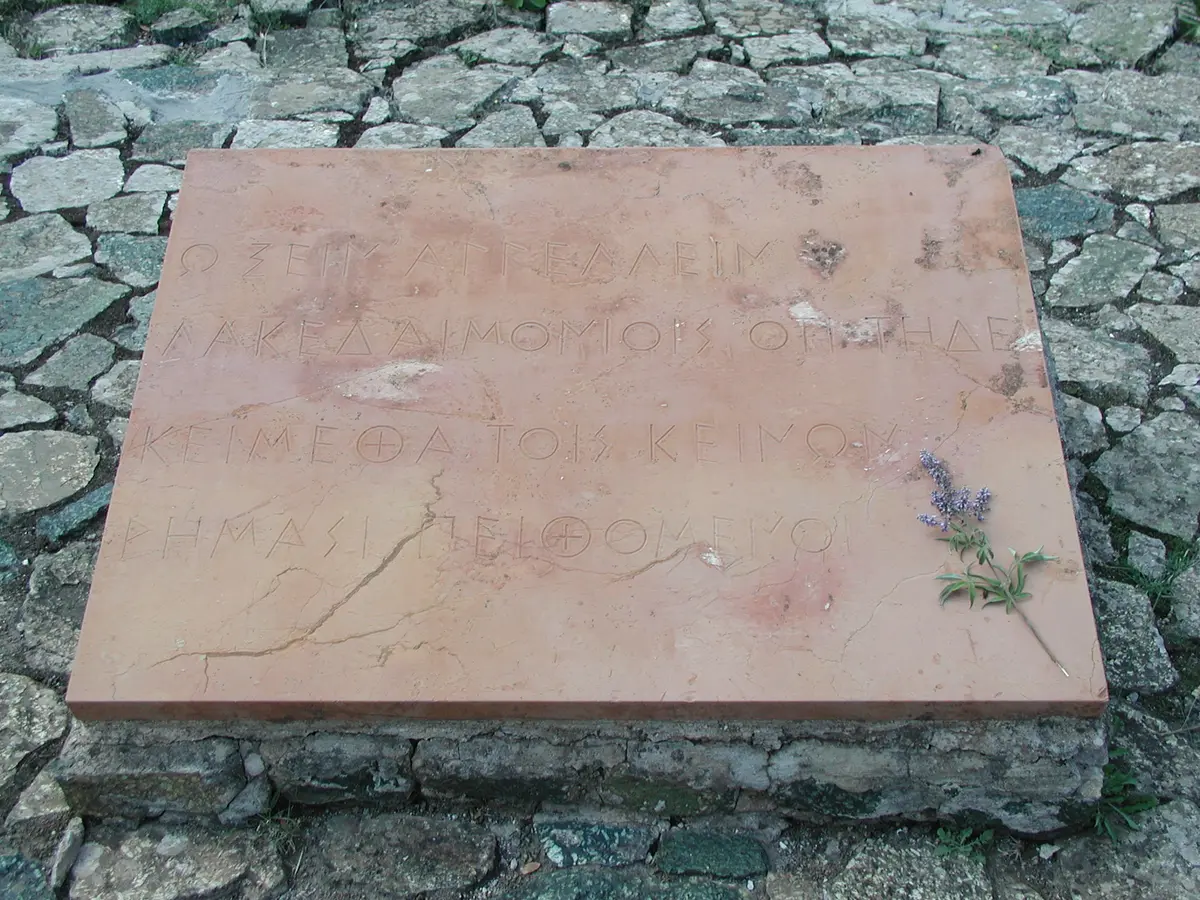
Xerxes crosses the Hellespont with the largest army yet seen, forces the pass of Thermopylae and burns Athens, but his fleet is beaten at Salamis.
Thermopylae: the pass Xerxes forced in 480 BCE on his march to Athens - 479 BCE
The army Xerxes left in Greece is destroyed at Plataea and its general Mardonius killed; Persia never invades Greece again, and Xerxes turns to finishing Persepolis, adding the Gate of All Nations and his own palace.
Persepolis: Darius's ceremonial capital, begun about 518 BCE and burned by Alexander in 330 - 465 BCE
Xerxes is murdered in a palace plot; his son Artaxerxes I succeeds him.
- 334 BCE
Alexander of Macedon crosses into Asia and in early June beats the satraps of Asia Minor at the river Granicus.
- 333 BCE
Darius III meets Alexander at Issus and flees the field, leaving his mother, wife and children in Macedonian hands.
Issus: where Alexander first defeated Darius III, in November 333 BCE- 331 BCE
At Gaugamela, east of the Tigris, Alexander breaks Darius's last great army; Babylon and Susa open their gates to him.
Gaugamela: Alexander's decisive victory over Darius III, 1 October 331 BCE- 330 BCE
Alexander, who took Persepolis in the first weeks of the year, burns its palaces before marching north after Darius.
Persepolis: Darius's ceremonial capital, begun about 518 BCE and burned by Alexander in 330Fleeing towards Bactria, Darius III is stabbed by his own satrap Bessus at Choara; with him ends the Achaemenid line, and Alexander claims the throne.