Battle of Marathon
“Ten thousand Athenians charge and rout a Persian landing in 490 BCE; the run to Sparta for help and the legend of the run home give the marathon its name.”
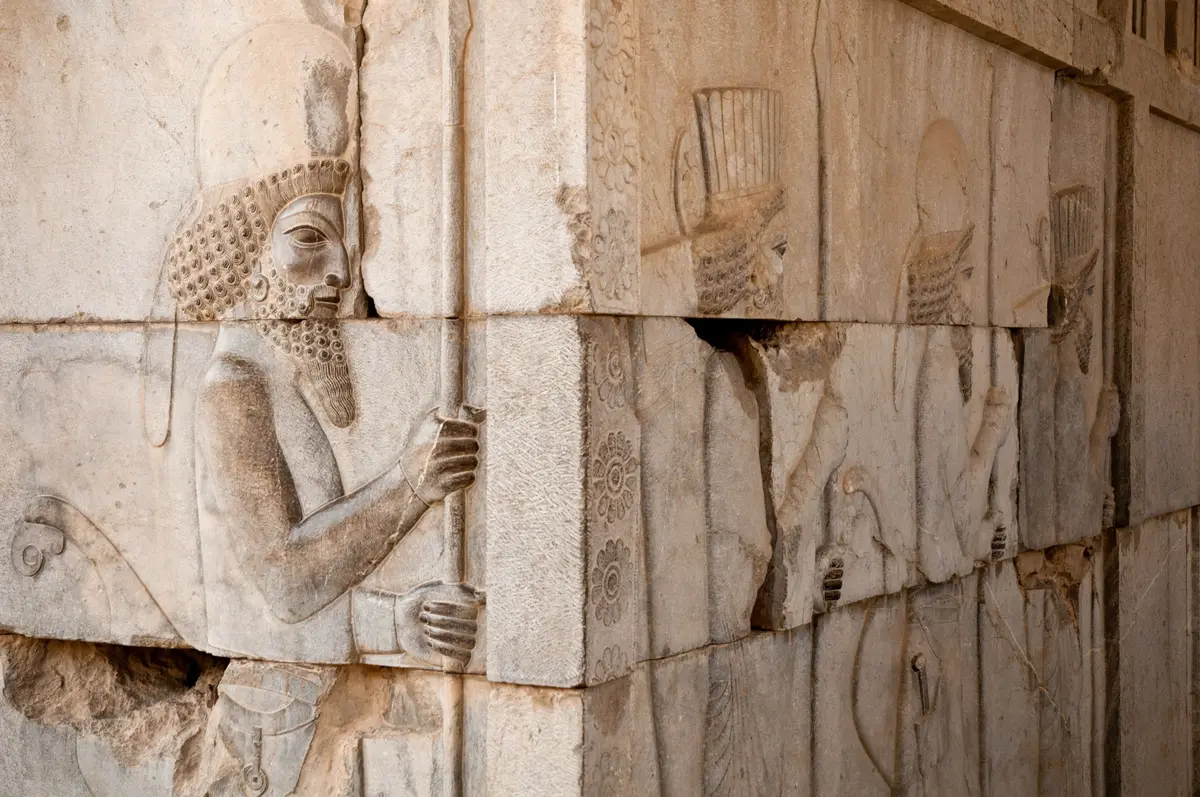
In the late summer of 490 BCE an army of about 10,000 Athenian hoplites, with a few hundred from Plataea, defeated a Persian invasion force on the plain of Marathon, forty kilometres north-east of Athens. King Darius I had sent his generals Datis and Artaphernes across the Aegean to punish Athens and Eretria for helping the Greek cities of Asia Minor in their revolt, and to put the old tyrant Hippias back in charge of Athens. They took the islands, sacked Eretria after six days and carried its people off, then landed at Marathon, where Hippias's father had once landed and where the plain suited their cavalry.
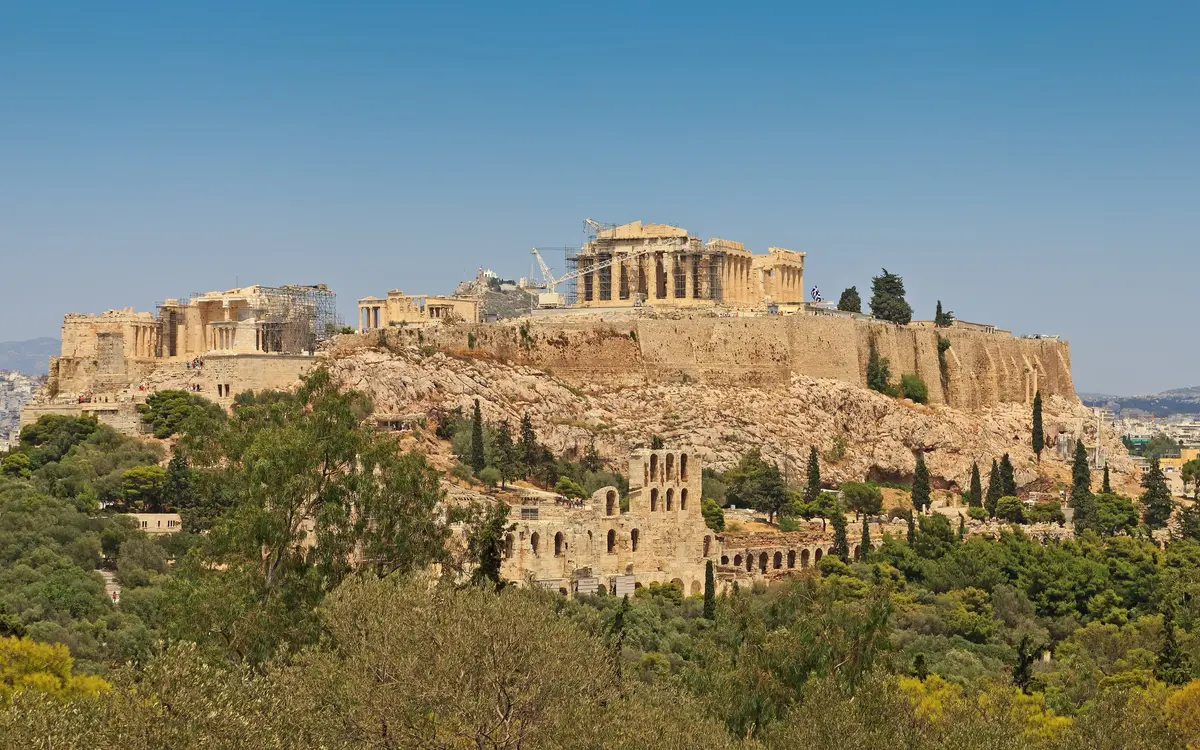
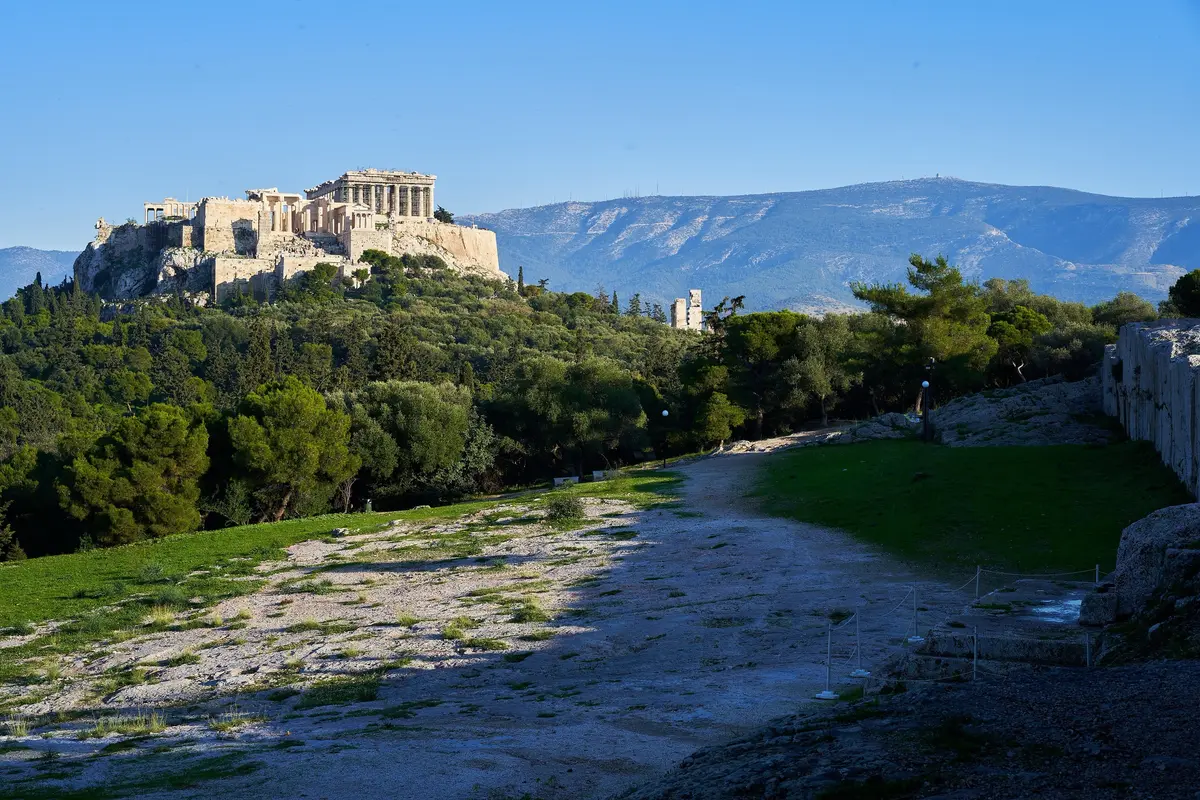
The Athenians marched out and blocked the road to the city, and sent a runner, Pheidippides, to Sparta, 240 kilometres away; he was back in three days with the answer that the Spartans would come after the full moon, six days off. For several days neither side moved. Then, on the day the command fell to the general Miltiades, who knew the Persians from his years as their vassal on the Hellespont, the Athenians ran at the enemy across more than a kilometre of open ground, with their centre thinned and their wings strengthened. Herodotus says the Persians thought the charge was madness. The wings broke the Persians facing them, turned inward on the centre, and drove the invaders to their ships. Herodotus counts 192 Athenian dead and 6,400 Persian.
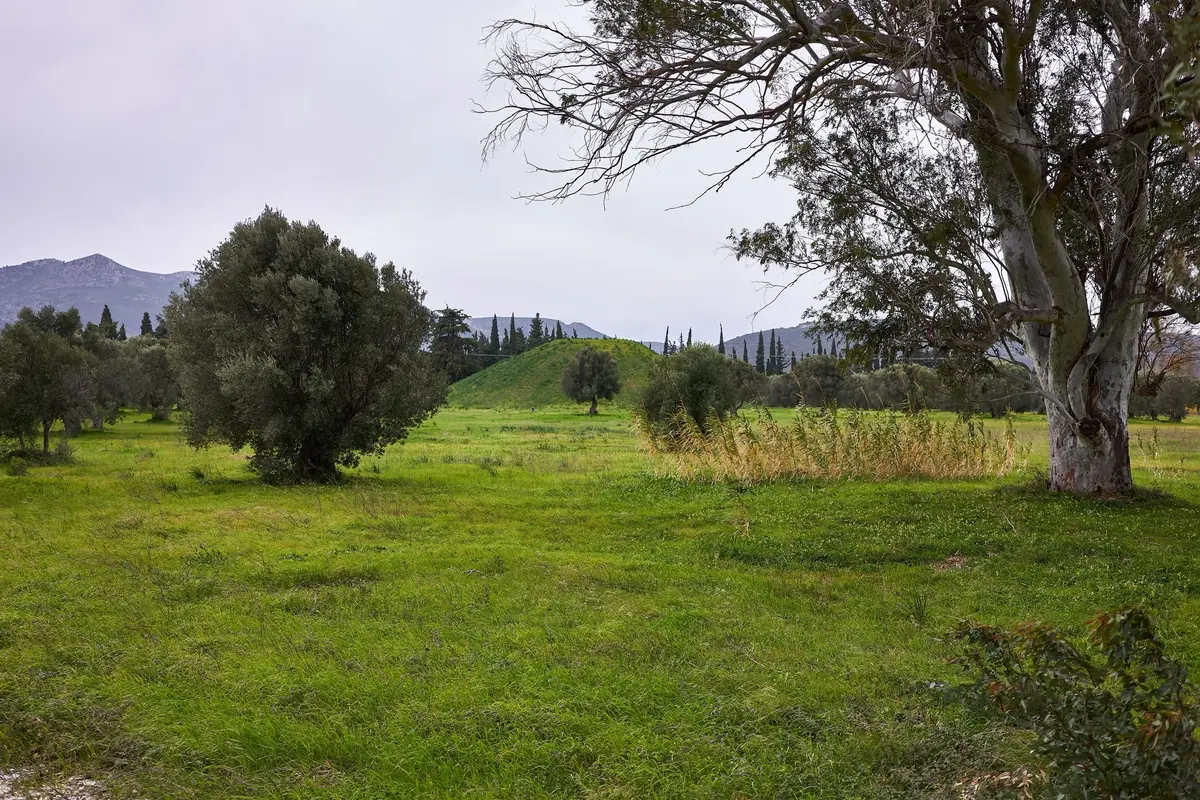
The Persian fleet then sailed round Cape Sounion to try Athens itself, and the army marched back in time to meet it on the shore; the Persians went home. The Athenians buried their dead under a mound on the battlefield, the Soros, which still stands, and the Spartans arrived in time to walk over the field. Ten years later Darius's son Xerxes came back with a far larger force and was beaten at Salamis and Plataea.
Marathon was the first time Greeks had beaten a Persian army in the field, and Athens never forgot it: Aeschylus, who fought there, asked for nothing but that on his tombstone. The legend that a runner carried the news to Athens and died with the word 'rejoice' on his lips comes from writers centuries later; when the first modern Olympic Games were held in Athens in 1896 a race was run from Marathon to the city in its memory, and the marathon has been run ever since.
What happened
- 490 BCE
Datis and Artaphernes take the Aegean islands, sacrifice at Delos, and after six days of fighting take Eretria by treachery and carry its people off.
Eretria: sacked by the Persians a few days before, its people carried offGuided by the old tyrant Hippias, the Persians land at Marathon, the best cavalry ground in Attica; the Athenians march out, some 10,000 hoplites, and block the road to the city.
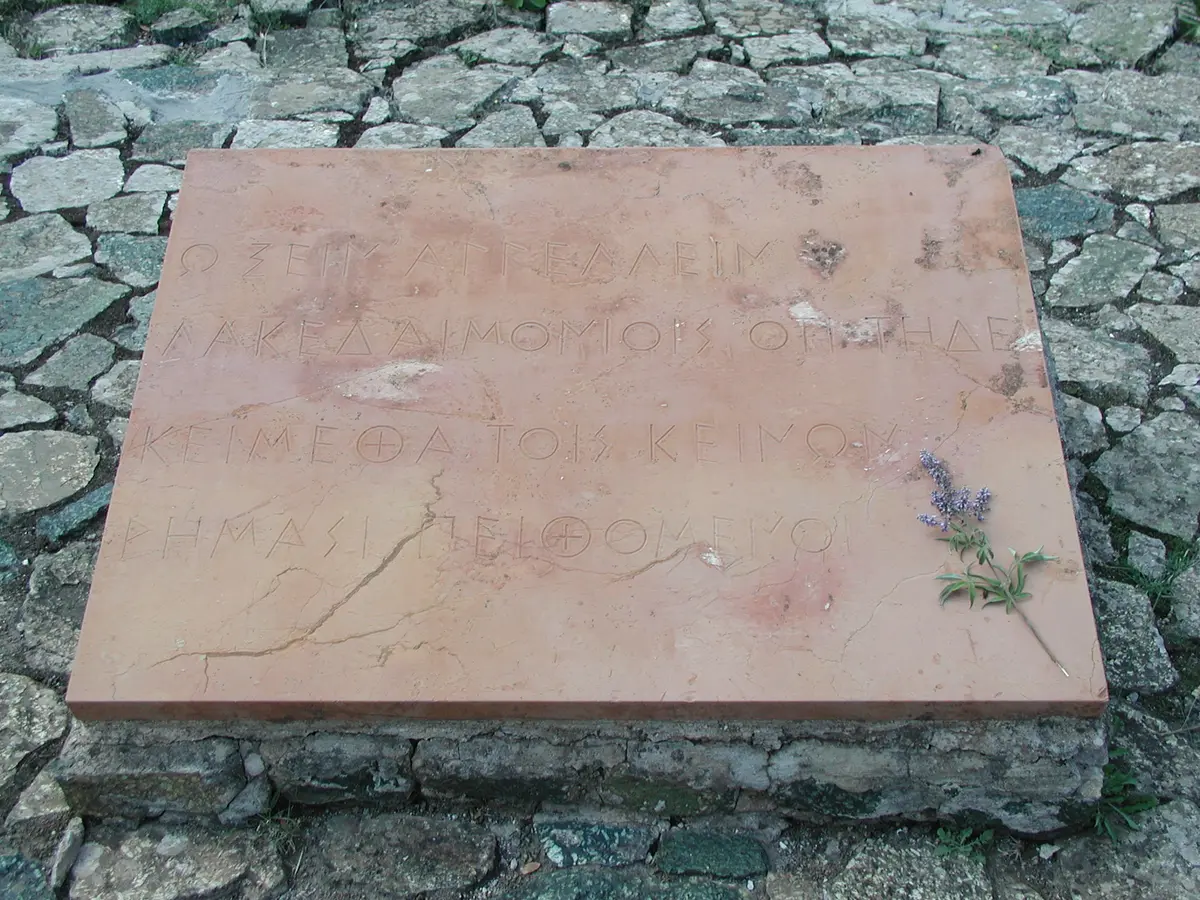
The Soros: the burial mound of the 192 Athenian dead, on the battlefieldPheidippides runs to Sparta and is back in three days: the Spartans will come, but not before the full moon, six days off.
Sparta: where Pheidippides ran for help, 240 kilometres in two daysOn Miltiades's day of command the Athenians run at the Persians across the plain, break both wings, close on the centre and drive the invaders to their ships; 192 Athenians and, by Herodotus's count, 6,400 Persians die.
The Soros: the burial mound of the 192 Athenian dead, on the battlefieldThe Persian fleet sails round Sounion for Athens; the army marches back and is waiting on the shore, and the Persians sail home.
Phaleron: the bay where the Persian fleet appeared after the battle and found the Athenian army waitingThe Athenians bury their dead under the Soros on the field and Miltiades dedicates his helmet at Olympia; the Spartans arrive after the full moon to look over the battlefield.
The Soros: the burial mound of the 192 Athenian dead, on the battlefield