The Peloponnesian War: Athens vs Sparta
“From 431 to 404 BCE Athens's sea empire fought Sparta's alliance; plague, the disaster in Sicily and Persian gold ended in Athens's surrender, and Thucydides wrote it all down.”
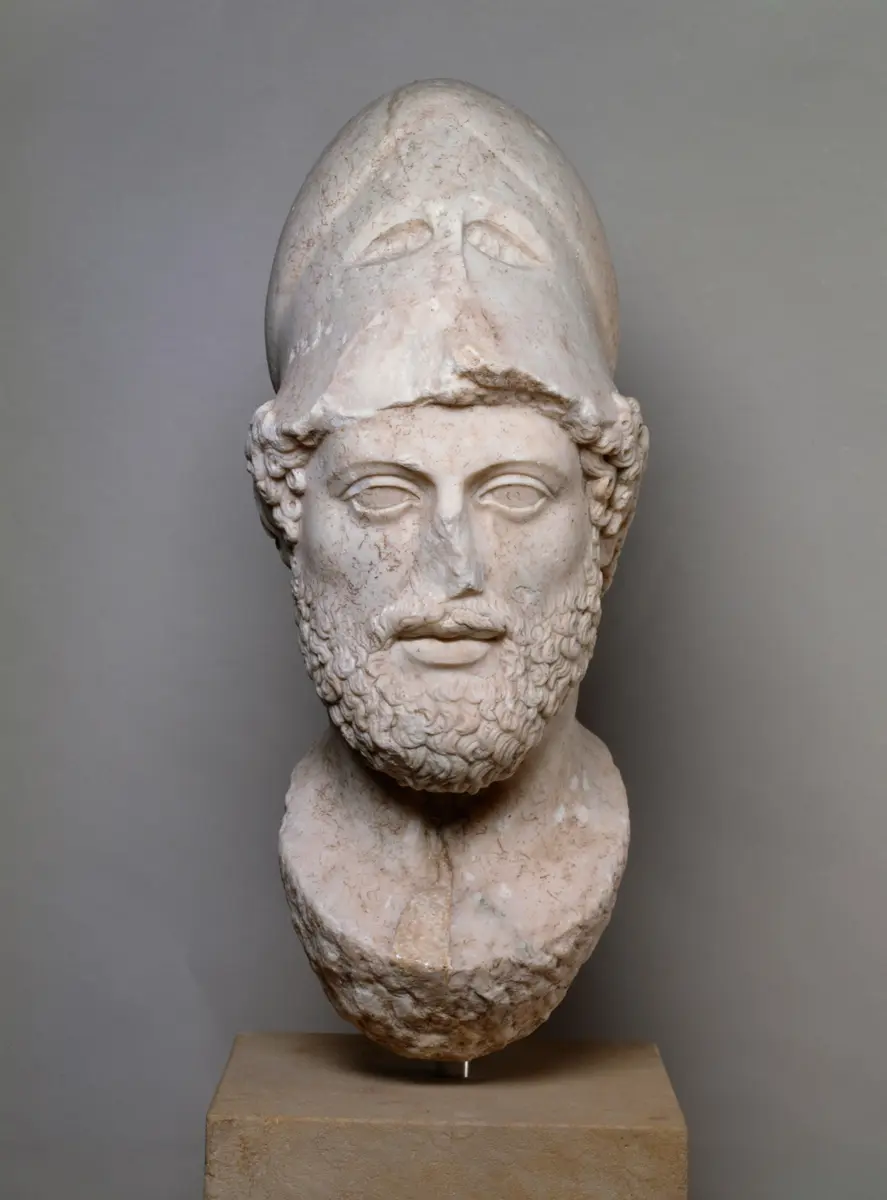
In the spring of 431 BCE a band of Thebans slipped by night into Plataea, a small ally of Athens, and the war that Thucydides called the greatest movement the Greeks had ever known began. On one side stood Athens, a democracy with the strongest navy in Greece and an empire of tribute-paying cities around the Aegean, the old Delian League; on the other Sparta, whose Peloponnesian League, with Corinth and Thebes, had the best army. The quarrels of 433 and 432, Athens's alliance with Corinth's enemy Corcyra, the siege of Potidaea and a trade ban on Megara, were the occasion: Pericles refused to give way and offered arbitration under the Thirty Years' Peace of 445, and Sparta, pressed by its allies, chose war. The real cause, Thucydides wrote, was the growth of Athenian power and the fear it caused in Sparta.
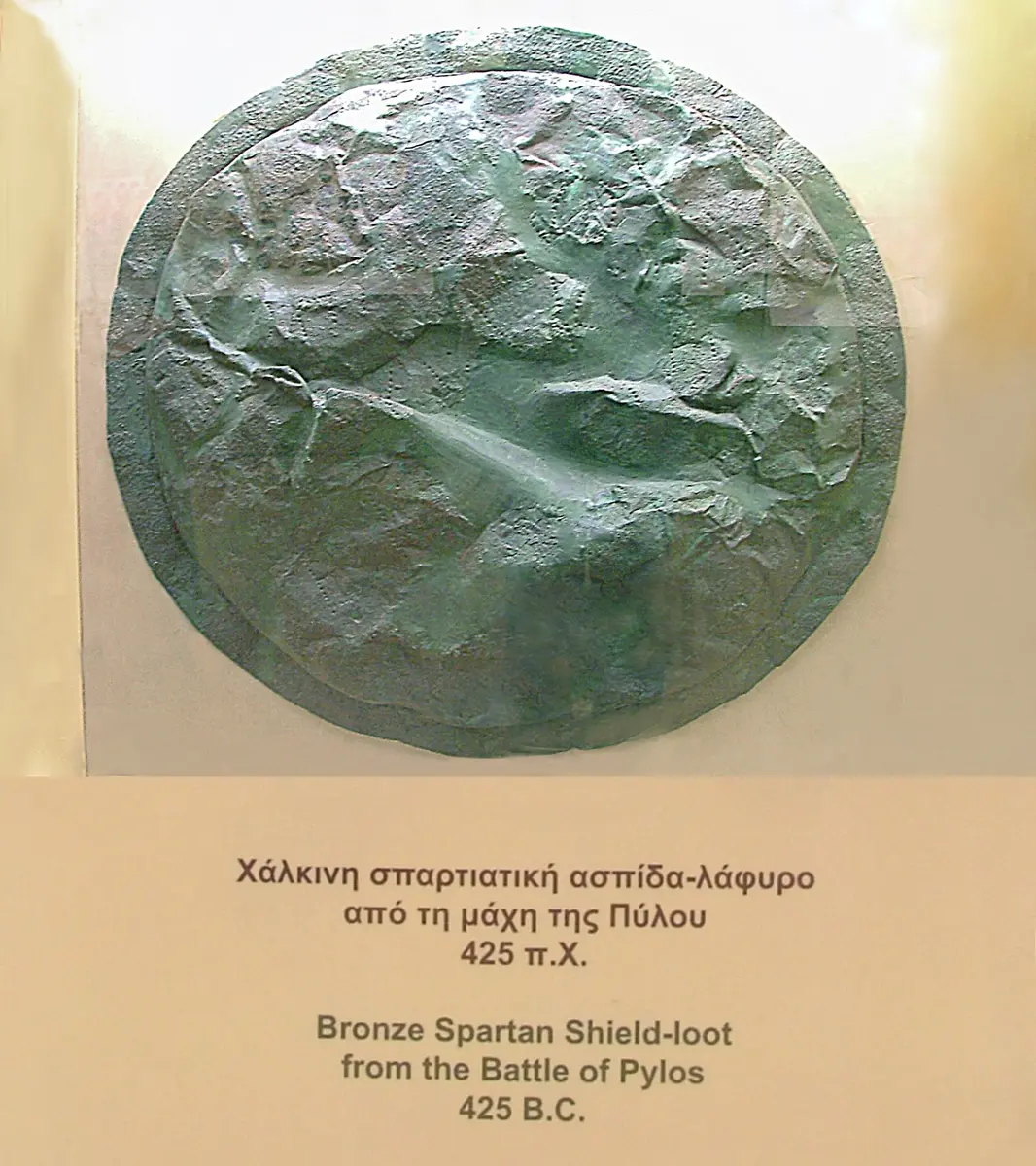
Pericles's plan was to beat Sparta's army by not fighting it. The people of Attica moved inside the city and the Long Walls that tied it to its port, Piraeus, lived on what the fleet brought in, and watched King Archidamus burn their farms each summer, while Athenian ships raided the coasts of the Peloponnese. In 430 plague broke out in the crowded city; it came back in 427 and killed perhaps a third of the people, and in 429 Pericles himself. His successors, Cleon above all, fought harder. In 425 Demosthenes and Cleon trapped a Spartan force on the island of Sphacteria off Pylos and brought 292 prisoners to Athens, a surrender no one had thought Spartans capable of; the Spartan Brasidas answered by taking Amphipolis in the north, and the Athenian commander who arrived too late, Thucydides, was exiled. When Cleon and Brasidas both fell at Amphipolis in 422, the Peace of Nicias of 421 ended ten years of war with almost nothing changed.
The peace never really held. Sparta beat Athens's new Peloponnesian allies at Mantinea in 418, and Athens took neutral Melos in 416, killing its men and selling its women and children. In 415, at Alcibiades's urging, the Athenians sent 134 warships and 5,100 hoplites to conquer Sicily. Alcibiades, recalled to face a charge of sacrilege, fled to Sparta; a Spartan officer, Gylippus, saved besieged Syracuse; and in September 413 the whole expedition was destroyed, its generals executed and at least seven thousand prisoners crowded into the city's stone quarries. That spring Sparta had fortified Decelea, in sight of Athens, and the Persian king now paid for a Spartan fleet. Athens fought on for nine more years: it survived an oligarchic coup in 411, won great sea battles at Cyzicus in 410 and at the Arginusae islands in 406, and then executed six of its victorious generals. In 405 the Spartan admiral Lysander caught its last fleet on the beach at Aegospotami; besieged and starving, Athens surrendered in April 404 and pulled down its Long Walls 'to the music of flute-girls'.
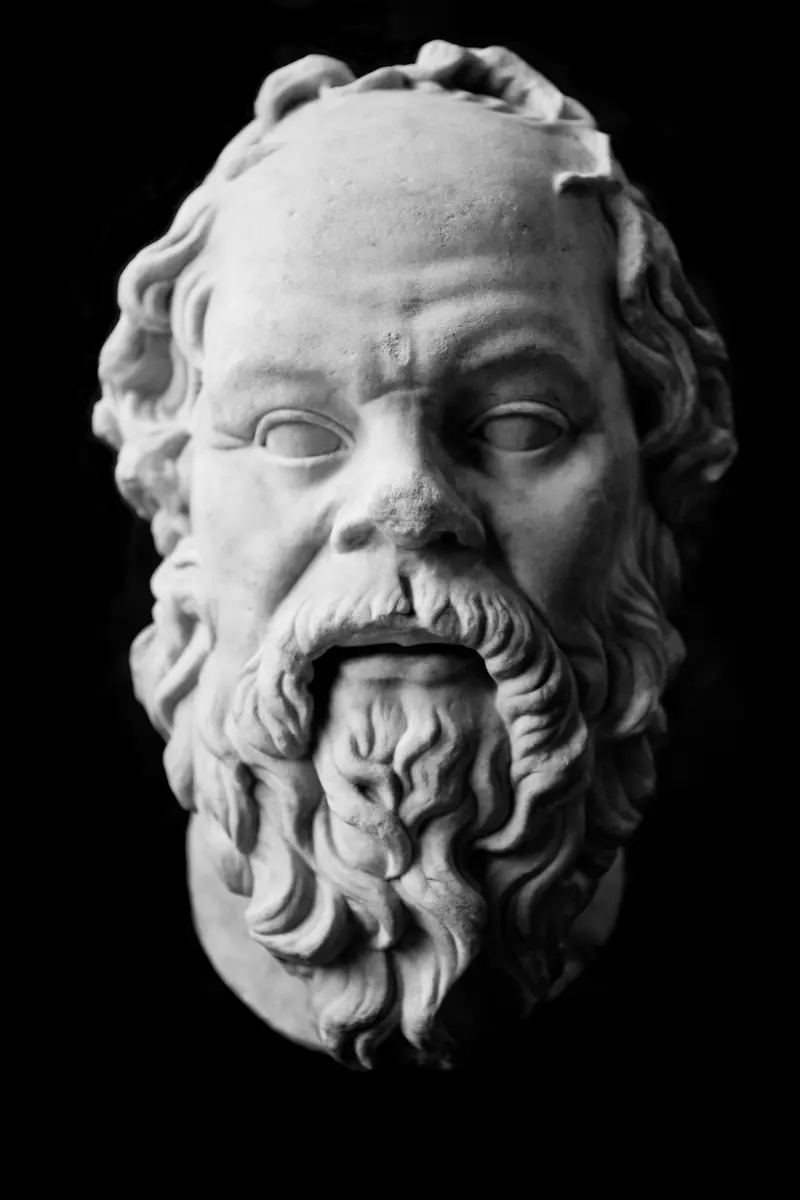
Athens lost its fleet, its empire and, for a time, its democracy: a junta backed by Sparta, the Thirty, ruled by terror until the democrats fought their way back in 403. Sparta gained less than it hoped. Its rule turned its own allies against it, Athens rebuilt the Long Walls with Persian money in the 390s, and the real winner, as the historian Jona Lendering puts it, was the Persian king, who took back the Greek cities of Asia. The war had set democrats against oligarchs in city after city, each side calling in Athens or Sparta, and it closed the age of Pericles; the Athenians who tried and executed Socrates in 399, a veteran of its battles, had lived through all of it.
We know the war so well because one of its generals wrote it down. Thucydides began his History the moment the war broke out, expecting it to be the greatest yet, and wrote it, he said, 'as a possession for all time'; it breaks off in 411, and Xenophon carried the story to the end. His account of the plague, Pericles's Funeral Oration, the Melian Dialogue and the destruction in Sicily, and his judgement that fear of a rising power made the war inevitable, are still read by historians and by students of politics and war. Yale's Donald Kagan, who disputed that judgement, noted that observers of the two world wars and the Cold War found their own times illuminated by his account.
What happened
- 431 BCE
At the beginning of spring, with the Thirty Years' Peace still in force, a little over three hundred Thebans are let into Plataea, Athens's ally, by night; the Plataeans turn on them, and the war has begun.
Plataea: Athens's ally in Boeotia, entered by the Thebans in 431 and taken by the Spartans in 427 after a two-year siegeAbout eighty days later, at midsummer, King Archidamus leads the Peloponnesian army into Attica; on Pericles's advice the country people crowd inside the city and the Long Walls and watch their land laid waste.
Piraeus: Athens's harbour, tied to the city by the Long Walls, where the plague first struck and the fleets sailed fromIn the winter, at the public funeral of the year's dead, Pericles gives the speech Thucydides records as the Funeral Oration, praising Athens as 'the school of Hellas'.
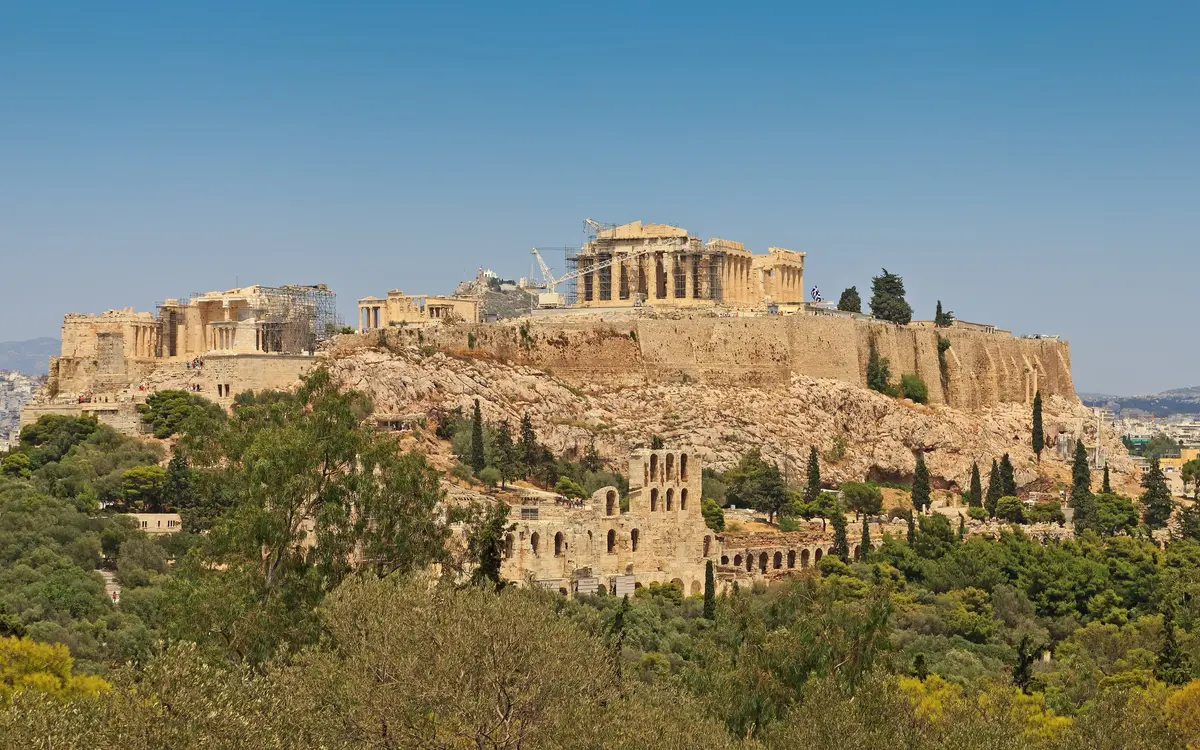
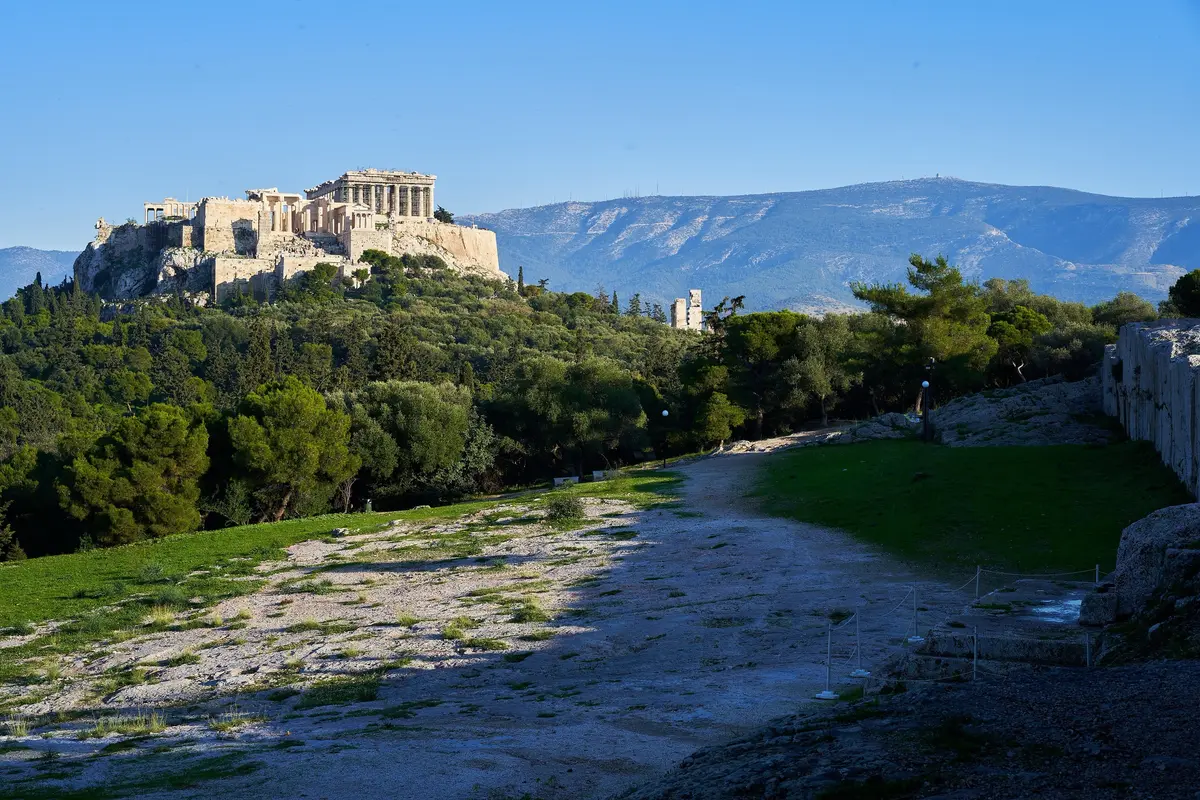
Athens: the Acropolis, the citadel and treasury of the city whose empire paid for the war, where the Erechtheion went up through the fighting- 430 BCE
Days after the second Spartan invasion, plague breaks out in the overcrowded city; Thucydides catches it, survives and describes it. With its return in 427 it kills perhaps a third of the people.
Piraeus: Athens's harbour, tied to the city by the Long Walls, where the plague first struck and the fleets sailed from - 429 BCE
Pericles, deposed and fined the year before and then re-elected, dies two years and six months after the war began; Thucydides judges that his plan, to keep the fleet and risk nothing, would have won.
Athens: the Acropolis, the citadel and treasury of the city whose empire paid for the war, where the Erechtheion went up through the fighting - 427 BCE
Plataea surrenders to the Spartans after a two-year siege and is destroyed; the same year Athens crushes the revolt of Mytilene on Lesbos, and civil war between democrats and oligarchs tears Corcyra apart.
Plataea: Athens's ally in Boeotia, entered by the Thebans in 431 and taken by the Spartans in 427 after a two-year siege - 425 BCE
Demosthenes fortifies the headland of Pylos in Messenia; the Athenian fleet beats the Spartan ships in the bay and cuts off 420 Spartan hoplites on the island of Sphacteria.
Sphacteria: the island off Pylos where 292 Spartans surrendered to the Athenians in 425Cleon and Demosthenes storm the island: 292 men surrender, about 120 of them full Spartiates, and are taken to Athens as hostages against further invasions; their shields are hung up in the Agora.
Sphacteria: the island off Pylos where 292 Spartans surrendered to the Athenians in 425- 424 BCE
In the winter the Spartan Brasidas takes Amphipolis in the north; the Athenian commander, Thucydides, arrives that evening, too late, and saves only the port of Eion. He is exiled for twenty years and becomes the war's historian.
Amphipolis: the Athenian colony Brasidas took in 424 and where he and Cleon fell in 422 - 422 BCE
Cleon sails north to win Amphipolis back; Brasidas falls on his army from the gates as it marches away, and both commanders are killed.
Amphipolis: the Athenian colony Brasidas took in 424 and where he and Cleon fell in 422 - 421 BCE
The Peace of Nicias is sworn at the end of winter, right after the City Dionysia, ten years almost to the day from the first invasion; Amphipolis is never handed back and Athens keeps Pylos.
- 418 BCE
At Mantinea King Agis defeats Argos, Mantinea and their Athenian allies, Alcibiades's coalition in Sparta's own backyard, and Sparta's prestige is restored.
Mantinea: where King Agis of Sparta beat Argos, Mantinea and their Athenian allies in 418 - 416 BCE
Athens holds its last ostracism: Alcibiades and Nicias join forces, and the vote falls on the popular leader Hyperbolus.
Athens: the Acropolis, the citadel and treasury of the city whose empire paid for the war, where the Erechtheion went up through the fightingAthens besieges neutral Melos; after the exchange Thucydides gives as the Melian Dialogue, the town surrenders in the winter, the men are put to death and the women and children sold as slaves.
Melos: the neutral island Athens besieged and took in 416, killing its men- 415 BCE
The herms of Athens are mutilated in one night; at midsummer the whole city goes down to Piraeus to watch 134 warships and 5,100 hoplites sail for Sicily under Nicias, Lamachus and Alcibiades.
Piraeus: Athens's harbour, tied to the city by the Long Walls, where the plague first struck and the fleets sailed fromRecalled to stand trial for sacrilege, Alcibiades escapes on the way home and goes over to Sparta.
Sparta: head of the Peloponnesian League, whose king Archidamus led the invasions of Attica- 414 BCE
The Athenians lay siege to Syracuse and almost wall it in; Lamachus is killed, and the Spartan Gylippus reaches the city and builds a counter-wall that dooms the siege.
Syracuse: the Latomia dei Cappuccini, the stone quarry where, Livius says, the Athenian prisoners were held after 413 - 413 BCE
In the spring King Agis fortifies Decelea, fourteen miles from Athens, and holds it to the end of the war: the farms are lost, the silver mines of Laurion stop and more than twenty thousand slaves desert.
Decelea: the fort in the hills north of Athens that the Spartans held from 413 to the end of the warBeaten in the Great Harbour, the Athenians are ready to sail away when the moon is eclipsed; Nicias, taking it as an omen, orders them to wait thrice nine days.
Syracuse: the Latomia dei Cappuccini, the stone quarry where, Livius says, the Athenian prisoners were held after 413Defeated again at sea, the army tries to escape overland and is hunted down; Demosthenes's men surrender, then Nicias's. Both generals are executed, and at least seven thousand prisoners are crowded into the stone quarries of Syracuse.
Syracuse: the Latomia dei Cappuccini, the stone quarry where, Livius says, the Athenian prisoners were held after 413- 412 BCE
Chios, Miletus and much of Ionia revolt from Athens, and Sparta makes its first treaty with the Persian king Darius II, who pays for its fleet.
- 411 BCE
An oligarchic coup replaces the democracy with the Four Hundred; the fleet at Samos stays democratic and recalls Alcibiades, and after some four months the Four Hundred give way to the Five Thousand.
Athens: the Acropolis, the citadel and treasury of the city whose empire paid for the war, where the Erechtheion went up through the fighting - 410 BCE
Alcibiades, Thrasybulus, Theramenes and Thrasyllus destroy the Spartan fleet at Cyzicus and kill its admiral Mindarus; Sparta offers peace, and Athens, on Cleophon's advice, refuses.
Cyzicus: where the Athenian fleet destroyed the Spartan fleet and killed its admiral in 410 - 406 BCE
After his deputy loses a sea fight at Notion, Alcibiades, home in triumph only the year before, is dismissed and leaves Athens for good; Sparta's new admiral, Lysander, has the Persian prince Cyrus's money behind him.
Athens wins its last great sea battle at the Arginusae islands, but a storm keeps the ships from saving the men in the water; the Assembly condemns the victorious generals in a single vote, Socrates alone among the presiding councillors refusing to put the illegal question, and the six who came home are executed.
The Arginusae islands: Athens's last great sea victory, in 406- 405 BCE
Lysander catches the Athenian fleet of 180 ships drawn up on the beach at Aegospotami on the Hellespont and takes nearly all of it; Conon escapes with eight ships, and the state galley Paralus brings the news to Piraeus at night, where a sound of wailing runs up the Long Walls to the city.
Aegospotami: the beach on the Hellespont where Lysander captured the Athenian fleet in 405The Athenians make the Samians Athenian citizens, the one ally that stays loyal after Aegospotami.
- 404 BCE
Starved by Lysander's blockade, Athens surrenders: it gives up all but twelve ships and its empire, takes back its exiles and follows Sparta's lead, and the Long Walls and the walls of Piraeus are torn down to the music of flute-girls.
Piraeus: Athens's harbour, tied to the city by the Long Walls, where the plague first struck and the fleets sailed from