The Reformation
“The 16th-century split of Western Christianity: from Luther's theses in 1517, Protestant churches broke away from Rome, and the wars of religion that followed ended with the Peace of Westphalia in 1648.”
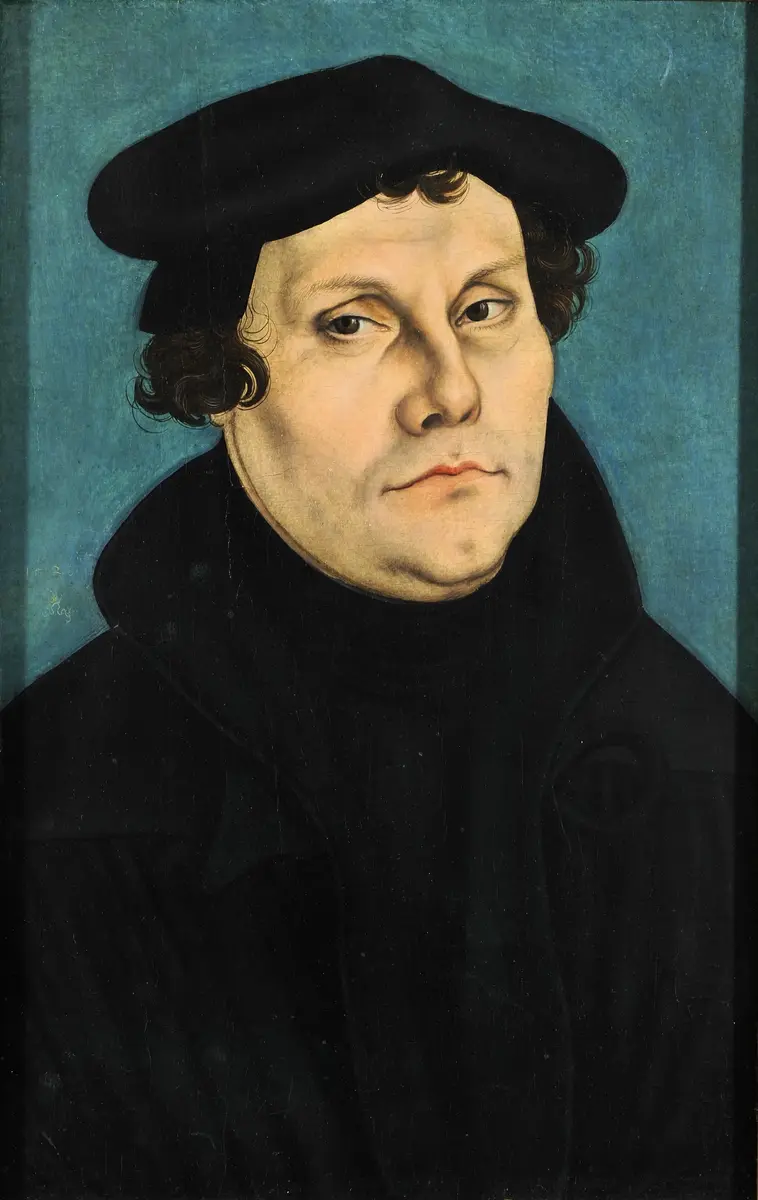
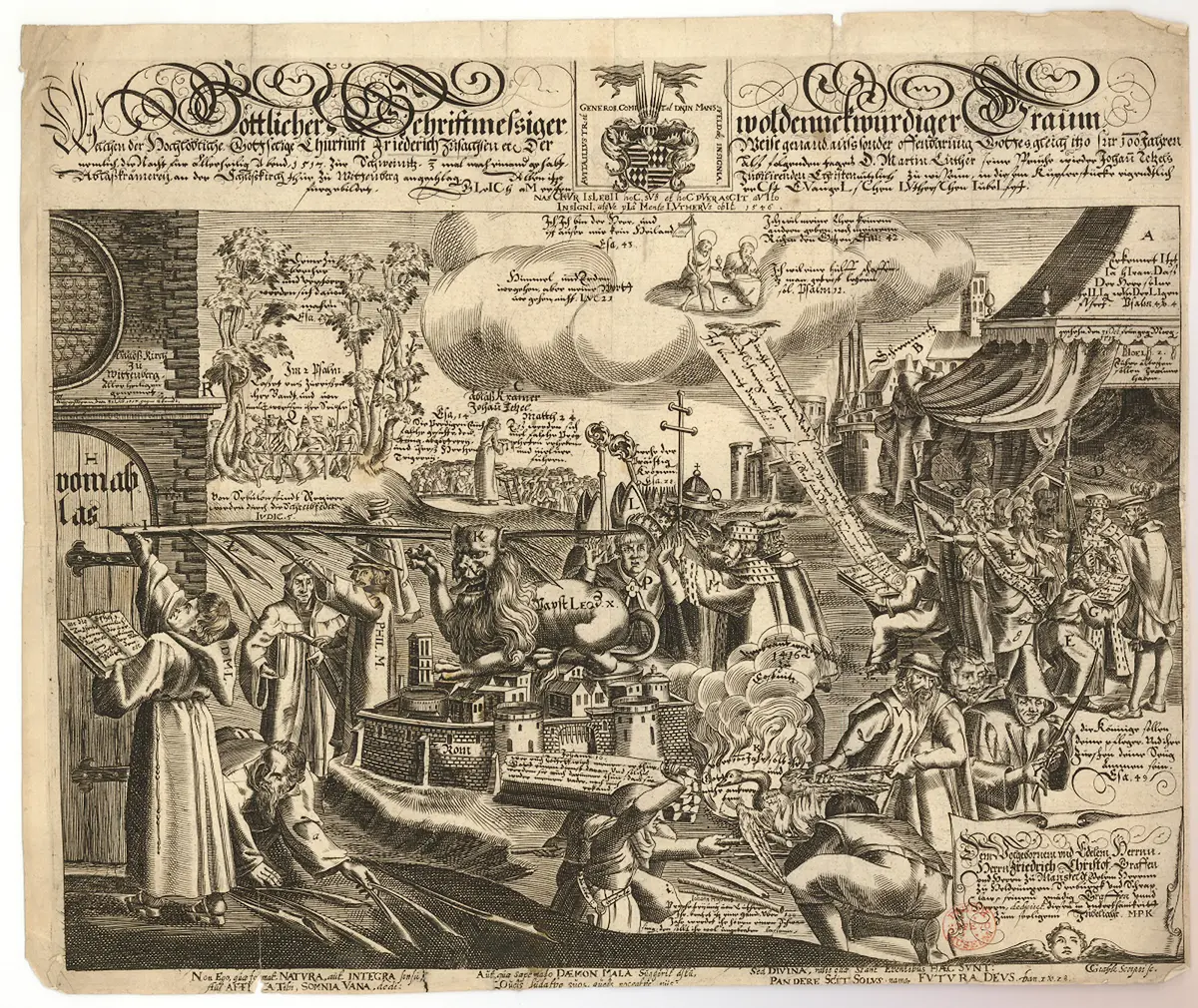
The Reformation was the religious revolution that split the Western church in the sixteenth century. It is said to have begun on 31 October 1517, when Martin Luther, a friar and professor at Wittenberg in Saxony, made public his Ninety-five Theses against the sale of indulgences. Luther and those who followed him taught that the Bible alone is the authority in matters of faith, not the pope or the councils of the church, and that people are saved by God's grace through faith alone, not by good works or payments to the church. Printing carried their pamphlets and pictures across Europe. What began as a call to reform one church ended by dividing it into a Roman Catholic church and several Protestant ones.
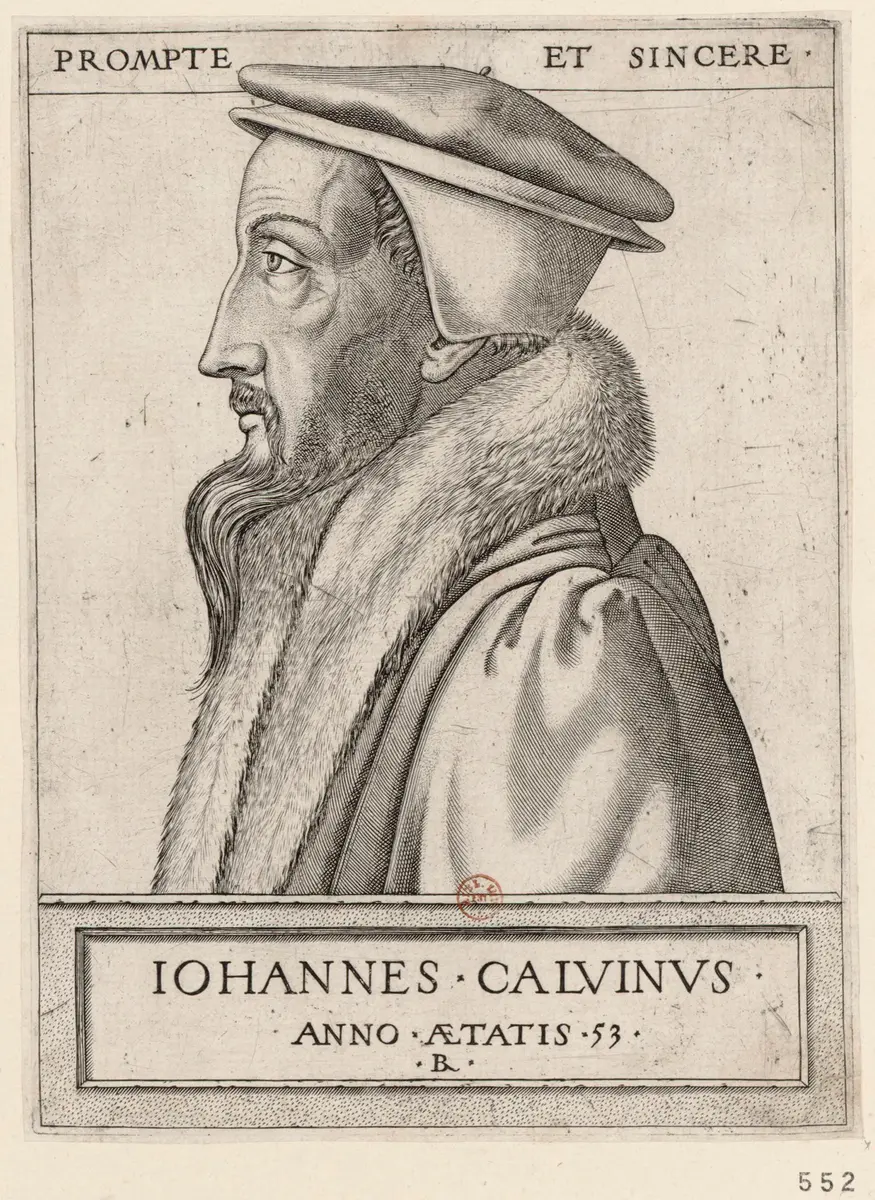
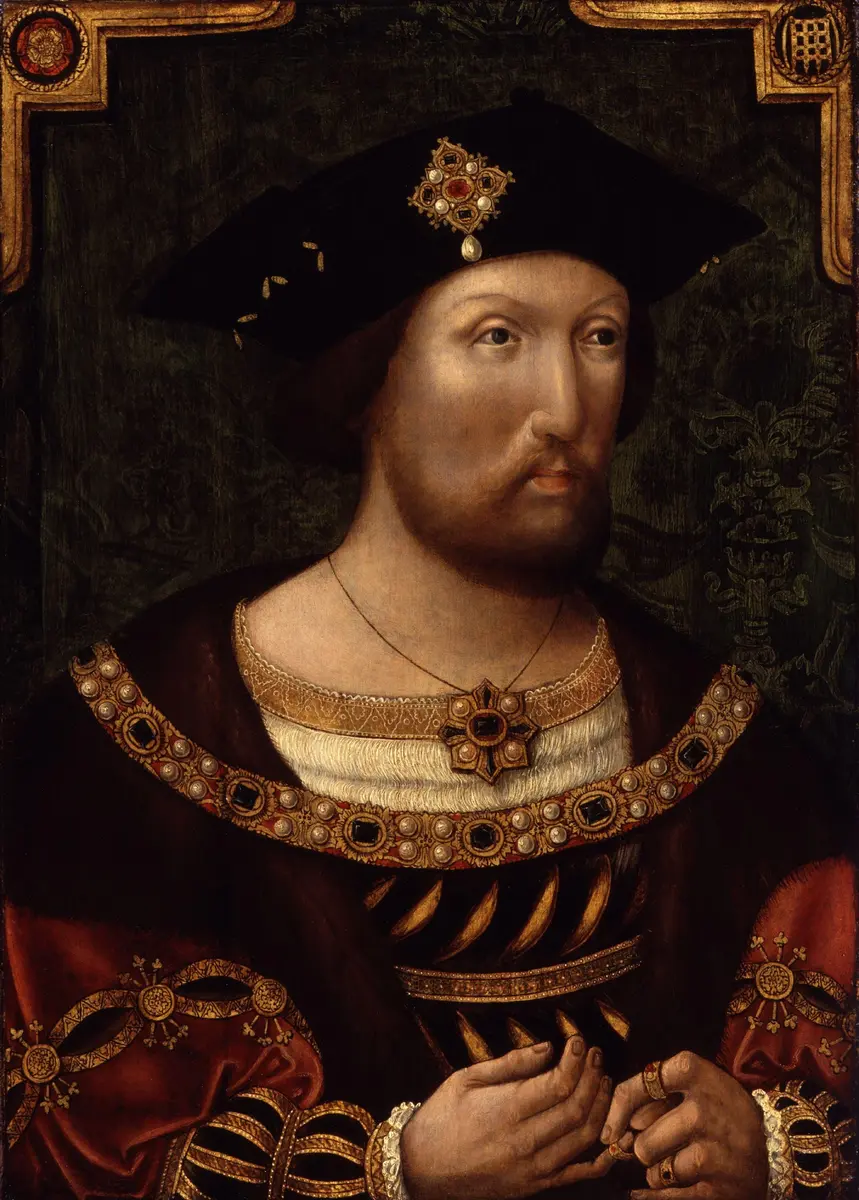
Within a few years the movement became many movements. In Zurich, Huldrych Zwingli, the people's priest of the Grossmünster, led the city council to reform its churches from 1523; he and Luther could not agree on what happens in the Lord's Supper, and their split was never healed. Radicals who baptised adults again, the Anabaptists, were persecuted by Catholics and Protestants alike. At the Diet of Speyer in 1529 a group of German princes and cities protested against the emperor's ban on the new teaching, and from then on they were called Protestants. In England Henry VIII, refused an annulment of his marriage by the pope, made himself Supreme Head of the Church of England by the Act of Supremacy in 1534. And in Geneva the French lawyer John Calvin, whose Institutes of the Christian Religion appeared in 1536, built a disciplined Reformed church that became the model for Protestants in France, the Netherlands, Scotland and parts of Germany.
The Catholic Church answered with a reform of its own, the Counter-Reformation. Pope Paul III approved Ignatius of Loyola's Society of Jesus, the Jesuits, in 1540, and called the Council of Trent, which met on and off from 1545 to 1563, rejected 'faith alone' and 'Scripture alone', and set out to clean up the clergy and train priests in seminaries. Religion became a matter of war and state. The emperor Charles V beat the Protestant princes at Mühlberg in 1547 but could not undo their churches, and the Peace of Augsburg of 1555 let each German prince choose between the Lutheran and Catholic faith for his lands. France fought eight wars of religion between 1562 and 1598, with the St Bartholomew's Day massacre of 1572 at their worst, until Henry IV's Edict of Nantes gave the Protestant Huguenots a limited right to worship. In the Netherlands, crowds broke the images in the churches in 1566, and the country then rose against Catholic Spain.
The age of religious wars ended with the worst of them. In May 1618 Protestant nobles in Prague threw two of the emperor's governors out of a castle window, and the Bohemian revolt grew into the Thirty Years' War, which drew in Spain, Denmark, Sweden and France; at least five million people died in the Holy Roman Empire, about a fifth of its population. Historians still argue how far it was a war about religion. The Peace of Westphalia, signed at Münster and Osnabrück on 24 October 1648, recognised Calvinists alongside Lutherans and Catholics, fixed who owned the church lands, and ended the right of German princes to force their subjects to change faith or leave. Britannica dates the Reformation itself to about 1517–1600; this entry follows the base list in running it to 1648.
The split has never been healed. There are more than half a billion Protestants in the world today, and the religious map of central Europe drawn by 1560 and fixed in 1648 survived both the Thirty Years' War and the Second World War. The Reformation put the Bible into everyday languages, Luther's German and Tyndale's English among them, and gave weight to the idea that a believer's conscience can stand against pope and emperor. It also made religion a cause of persecution and war for more than a century, and it pushed the Catholic Church it had tried to reform into a renewal of its own.
What happened
- 1517
Martin Luther makes public his Ninety-five Theses against the sale of indulgences, by tradition nailing them to the door of the Castle Church at Wittenberg: the traditional start of the Reformation.
Wittenberg: the Castle Church, on whose door Luther is said to have posted his Ninety-five Theses in 1517- 1521
At the Diet of Worms, Luther refuses to take back his teaching before the emperor Charles V; from now on a split in the church becomes possible.
- 1523
In Zurich's town hall, Huldrych Zwingli defends his 67 Articles in a public disputation; the city council backs him, and over the next two years Zurich removes images, closes its religious houses and replaces the Mass.
Zurich: the Grossmünster, Zwingli's church, where the Swiss Reformation began in the 1520s- 1525
The Peasants' War: peasants across southern and central Germany rise against their lords, and the princes' armies crush them. After it, the princes take the Reformation into their own hands.
At Zollikon, outside Zurich, followers of Zwingli who think he has not gone far enough baptise each other as adults: the start of the Anabaptists, punished by death by Catholics and Protestants alike.
Zurich: the Grossmünster, Zwingli's church, where the Swiss Reformation began in the 1520s- 1529
At the Diet of Speyer, Lutheran princes and cities protest against the renewal of the ban on Luther's teaching; from now on they are called Protestants.
Philip of Hesse brings Luther and Zwingli together at Marburg to unite the Protestants; they cannot agree on the Lord's Supper, and the Lutheran and Reformed churches go separate ways.
- 1530
At the Diet of Augsburg the Lutherans present the Augsburg Confession, their statement of faith in 28 articles; the emperor's theologians reject it, and the Protestant princes form the Schmalkaldic League the next year.
Augsburg: the Augsburg Confession of 1530 and the Peace of Augsburg of 1555 - 1531
Zwingli is killed near Kappel, in a war between Protestant Zurich and the Catholic Swiss cantons; Switzerland stays divided between the two faiths.
- 1534
The Act of Supremacy makes Henry VIII Supreme Head of the Church of England. The pope had refused to annul his marriage to Catherine of Aragon; the break with Rome is political first, but it opens England to Protestant change.
Westminster, London: Parliament passed the Act of Supremacy here in 1534, making Henry VIII head of the Church of England - 1535
An army of Catholic and Protestant princes takes Münster, where Anabaptists under John of Leiden had set up a 'kingdom' with goods held in common; the leaders are tortured and killed, and their bodies hung in cages from the tower of St Lambert's Church.
Münster: St Lambert's Church, where the cages of the Anabaptist leaders were hung after the city fell in 1535 - 1536
John Calvin, a French lawyer who has fled France, publishes the first edition of his Institutes of the Christian Religion at Basel, the first full theology of the new faith; that year Guillaume Farel persuades him to help lead the reform in Geneva.
Geneva: St Pierre Cathedral, where Calvin preached; his city became the model of the Reformed churchesWilliam Tyndale, whose English New Testament had been smuggled into England from Germany since 1526, is strangled and burned for heresy at Vilvoorde, near Brussels.
- 1539
Henry VIII's government issues the Great Bible in English, based on the translations of Tyndale and Coverdale; its title page shows the king handing the Word of God to his people.
- 1540
Pope Paul III approves Ignatius of Loyola's Society of Jesus by the bull Regimini militantis ecclesiae. The Jesuits become the Catholic Reformation's teachers and missionaries, in Europe and far beyond.
Rome: St Peter's and the papacy; Paul III approved the Jesuits here in 1540 and called the Council of Trent- 1541
Geneva, which had thrown Calvin out in April 1538, calls him back from Strasbourg; he leads its church until his death in 1564 and makes the city the school of Reformed Protestants from all over Europe.
Geneva: St Pierre Cathedral, where Calvin preached; his city became the model of the Reformed churches - 1545
The Council of Trent opens, called by Paul III to answer the Protestants and reform the Catholic Church.
Trent: the cathedral where the Council of Trent met on and off from 1545 to 1563- 1546
Luther dies at Eisleben, where he was born. Little has been settled: his followers quarrel among themselves, and war with the emperor is a few months away.
- 1547
Charles V defeats the Protestant Schmalkaldic League at Mühlberg on the Elbe and takes its leaders' lands, but cannot force the Protestants back into the old church.
- 1555
The Peace of Augsburg: each prince of the Empire may choose the Lutheran or the Catholic faith for his lands, and subjects who disagree may sell up and leave; Calvinists are left out. It keeps the peace in Germany for more than fifty years.
Augsburg: the Augsburg Confession of 1530 and the Peace of Augsburg of 1555- 1562
At Vassy in eastern France, the Duke of Guise's men burn a barn full of Protestant worshippers, killing about 63: the start of France's wars of religion.
- 1563
The Council of Trent closes after its twenty-fifth session. It has rejected 'faith alone' and 'Scripture alone', defended the Catholic sacraments against the Protestants, left the pope's authority whole, and ordered every diocese to train its priests in a seminary.
Trent: the cathedral where the Council of Trent met on and off from 1545 to 1563- 1566
In the Netherlands' 'wonder year', Calvinist crowds strip the churches of their images; at Antwerp the Cathedral of Our Lady is wrecked. Spain answers with an army, and the Dutch revolt follows.
Antwerp: the Cathedral of Our Lady, stripped of its images by Calvinist iconoclasts on 20 August 1566- 1572
The St Bartholomew's Day Massacre: six days after the Huguenot Henry of Navarre's wedding in Paris, the royal court has the Huguenot leaders killed, and Catholic mobs murder about 3,000 Protestants in Paris and thousands more in the provinces.
Paris: the Louvre, where the killing of the Huguenot leaders was ordered on the night of 23 August 1572- 1598
Henry IV, the Protestant who had become a Catholic to win the throne, issues the Edict of Nantes: the Huguenots may worship in named places and hold strongholds, and 36 years of civil war end.
Nantes: Henry IV's edict of 1598, which ended France's wars of religion- 1618
The Defenestration of Prague: Protestant Bohemian nobles throw two of the emperor's governors, Slavata and Martinitz, and their secretary out of a window of Prague Castle. All three survive, but the Bohemian revolt begins the Thirty Years' War.
Prague Castle: the Old Royal Palace, from whose window the emperor's governors were thrown on 23 May 1618- 1620
The Bohemian rebels are crushed at the Battle of the White Mountain; their lands are taken and handed to nobles loyal to the Habsburgs, the largest transfer of private property in Europe before 1945.
- 1629
At the height of his victories, the emperor Ferdinand II issues the Edict of Restitution, ordering the Protestants to give back all the church lands they had taken since 1552.
- 1630
King Gustavus Adolphus of Sweden lands his army in Pomerania, saying he comes to help the Protestant princes, and wins a run of victories.
- 1631
Catholic troops storm and plunder the Protestant city of Magdeburg, home to 30,000 people, which burns; the survivors flee, and the news, spread in more than 250 newsletters, hardens Protestant hatred.
- 1632
Gustavus Adolphus, victor at Breitenfeld the year before, is killed in battle at Lützen in Saxony.
- 1633
Jacques Callot publishes his etchings 'The Miseries and Misfortunes of War', the most lasting picture of what the soldiers of these wars did and suffered.
- 1635
The emperor makes peace with most of the German princes at Prague; Catholic France then enters the war openly against him, on the side of Protestant Sweden, and the war becomes a struggle between powers more than between faiths.
- 1644
The peace congress gets under way in two Westphalian towns, the emperor treating with France at Münster and with Sweden at Osnabrück, while the fighting goes on.
Münster: the town hall, where the peace congress met and the Spanish–Dutch peace was sworn on 15 May 1648 - 1648
In Münster's town hall, Spanish and Dutch envoys swear to the Peace of Münster: Spain recognises the independence of the Protestant Dutch Republic after eighty years of war.
Münster: the town hall, where the peace congress met and the Spanish–Dutch peace was sworn on 15 May 1648The Peace of Westphalia is signed at Münster and Osnabrück. Calvinists are recognised beside Lutherans and Catholics, church lands stay with whoever held them on 1 January 1624, and princes may no longer make their subjects choose between their faith and exile: the age of religious wars is over.
Osnabrück: the town hall, the second seat of the Westphalian peace congress, where the treaty with Sweden was made