Buddha (traditional dates)
“Siddhartha Gautama, the prince turned wandering teacher who found 'awakening' under a tree at Bodh Gaya and taught the Four Noble Truths: the founder of Buddhism, who lived in the 6th to 4th century BCE.”
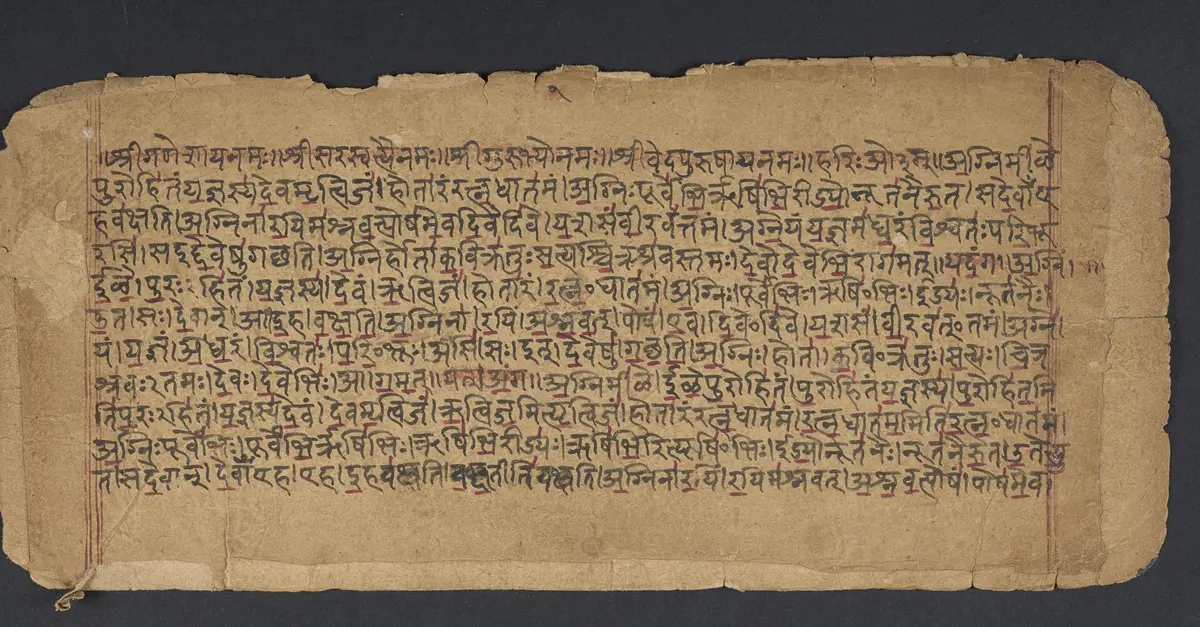
The Buddha, 'the Awakened One', was a wandering teacher in the Ganges plain of northern India whose teaching became Buddhism, one of the great religions and philosophies of Asia and the world. His clan name was Gautama (Gotama in Pali) and his given name Siddhartha; he is also called Shakyamuni, 'the sage of the Shakyas', after his people, who lived at the foot of the Himalaya on today's border between India and Nepal. Tradition says he lived eighty years. The dates long used by Western scholars, about 563 to 483 BCE, are the ones kept here, but they are uncertain: since a conference at Göttingen in 1988 many scholars place his life about a century later, with his death around 400 BCE. He wrote nothing. His talks were memorised and recited by his followers for some three centuries before they were written down, and the story of his life grew with every telling.
According to the tradition, he was born in the grove of Lumbini as his mother, Queen Maya, was travelling to her parents' home; she died seven days later, and her sister Mahaprajapati raised him at Kapilavastu, where his father Shuddhodana led the Shakyas. Scholars think the Shakyas formed a tribal republic ruled by a council or an elected leader, and the grand palaces of the legend have left no trace. At sixteen he married Yashodhara, and they had a son, Rahula. At twenty-nine, say the later biographies, he drove out of the city four times and saw an old man, a sick man, a corpse and a holy man in meditation; soon after he left by night, cut off his hair and became a homeless seeker. He learned meditation from two teachers, Alara Kalama and Uddaka Ramaputta, then joined five ascetics and starved himself for years until he nearly died. Turning instead to a middle way between pleasure and self-torment, he sat down under a pipal tree at Bodh Gaya and, at thirty-five, reached the awakening (bodhi) that made him a buddha.
His first sermon, given to his five former companions in the Deer Park at Isipatana, now Sarnath, near Varanasi, 'set the wheel of the teaching in motion'. It set out the Four Noble Truths: life is marked by suffering; suffering comes from craving; it can end; and the way to end it is the Noble Eightfold Path of right understanding, conduct and meditation. He taught that there is no permanent self, only a changing stream of body and mind, and that actions (karma) drive rebirth until the cycle is broken in nirvana. For forty-five years he walked between the towns of the Ganges plain, among them Rajagriha, the capital of Magadha, whose king Bimbisara became his patron, Vaishali, and Shravasti, where the Jetavana monastery was given to him, gathering a community of monks and, at his stepmother's request, of nuns. He was one of many wandering ascetics (shramanas) of his day who rejected the authority of the Vedas and the sacrifices of the Brahmin priests, in a world of some sixteen rival states and fast-growing cities.
He died at eighty at Kushinagar, a town of the Malla people. The Pali account of his last days tells how, after a final journey from Rajagriha, he fell ill after a meal at Pava, lay down between two sala trees and told his monks that everything that is made must pass away, and that they should strive on with care. His body was cremated and the relics divided among eight peoples, who built mounds (stupas) over them; a stone vase dug out of a stupa at Piprahwa, near the Nepalese border, is inscribed as a shrine for relics of the Buddha. He had named four places his followers should visit: where he was born, where he awakened, where he first taught and where he died. Around 250 BCE the Mauryan emperor Ashoka came to Lumbini and set up a stone pillar inscribed 'here the Buddha, the sage of the Shakyas, was born', which fixed the place beyond doubt when it was found in 1896.
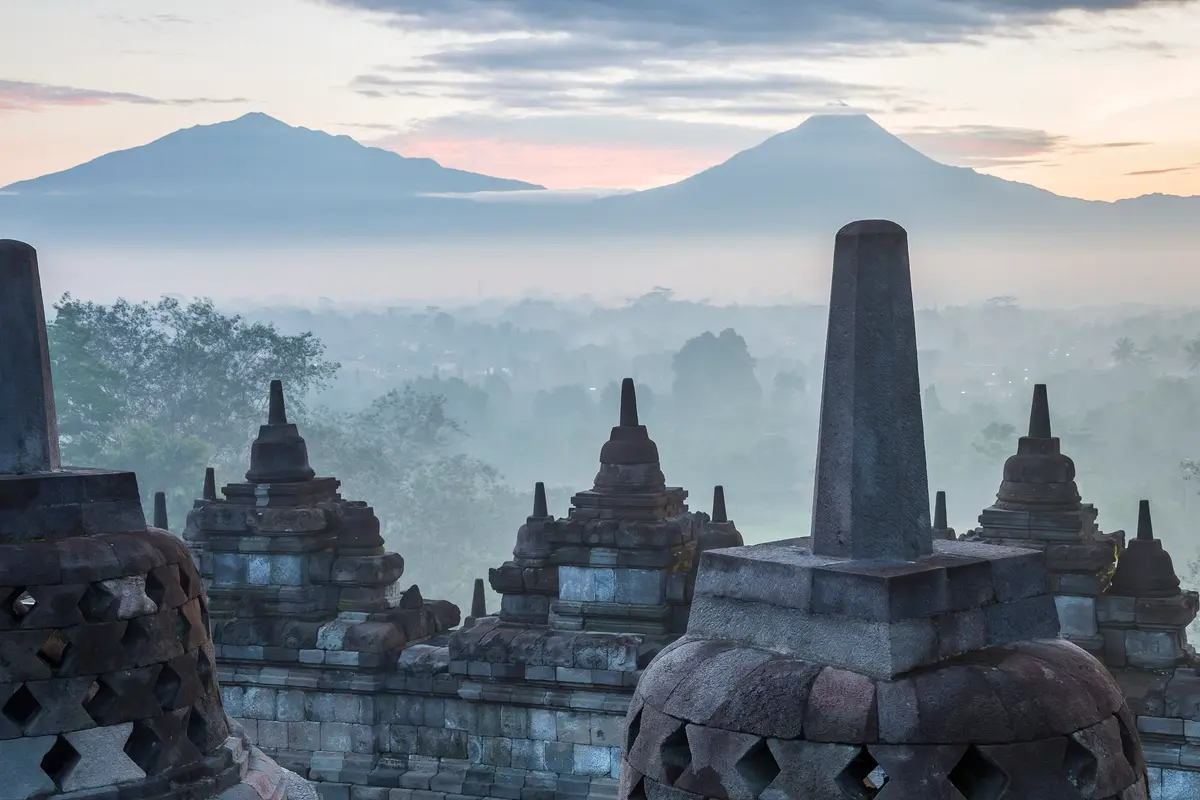
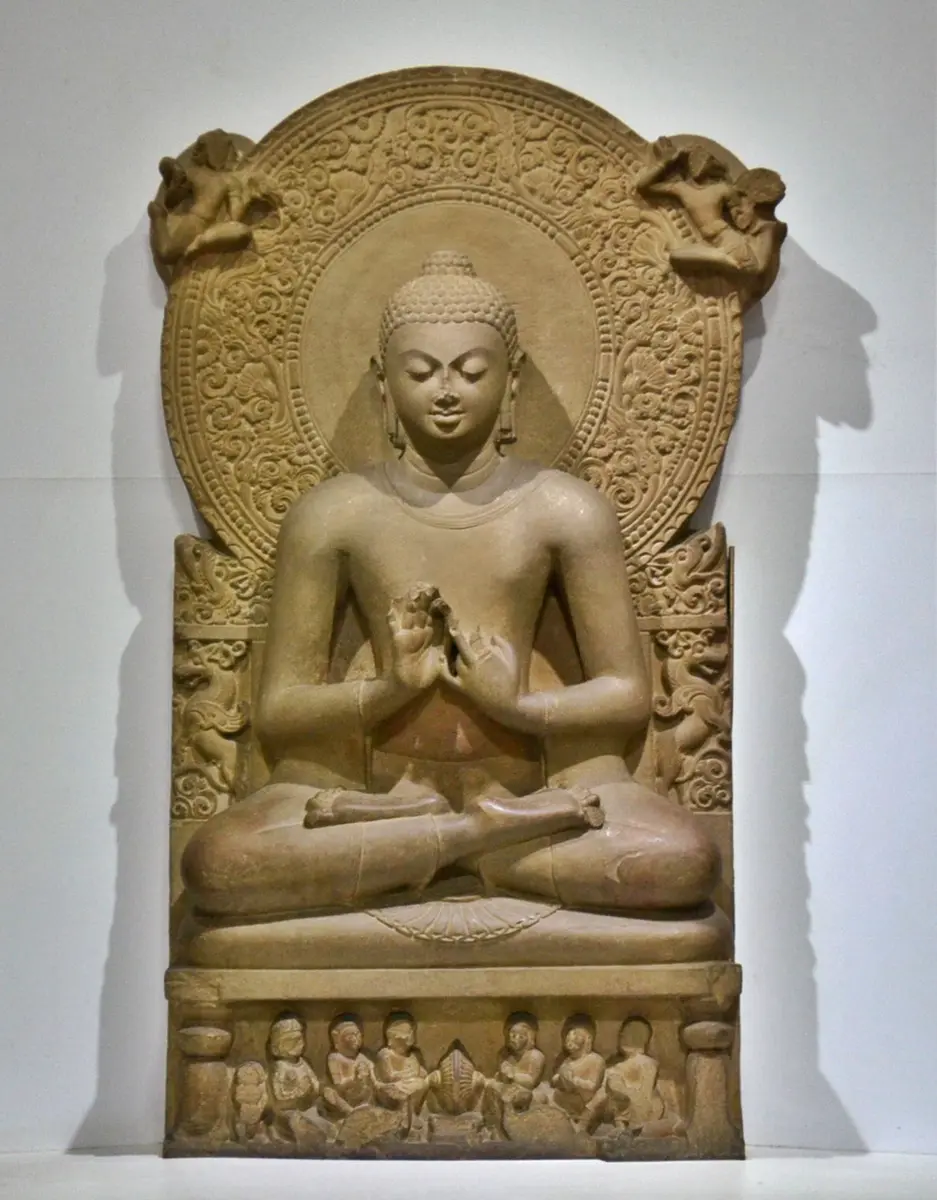
No portrait of him exists; there is no evidence that any image was made in his lifetime, and for centuries after his death artists did not show him in human form at all. On the gateways of the Great Stupa at Sanchi, carved around the turn of the era, the scenes of his life leave him out: most scholars read the empty throne under the tree, the wheel, the footprints and the parasol over a riderless horse as signs of his presence, though some see them as pictures of pilgrims worshipping at the holy places. The first Buddhas in human shape appeared around the first century CE, in Gandhara in today's Pakistan, where sculptors who knew Greek and Roman art gave him wavy hair and a toga-like robe, and at Mathura in northern India; in the fifth century the workshops of Sarnath made the calm figure in a clinging robe that spread to Southeast Asia. His teaching became a religion of all southern and eastern Asia, from Sri Lanka to Japan, and in Java it raised Borobudur.
What happened
- 563 BCE
Born, the tradition says, in the grove of Lumbini as his mother, Queen Maya, travels to her parents' home. She dies seven days later, and her sister Mahaprajapati raises him at Kapilavastu, where his father Shuddhodana leads the Shakyas.
Lumbini: the grove where, the tradition says, he was born; Ashoka's pillar of about 250 BCE stands beside the Maya Devi Temple - 534 BCE
At twenty-nine, after four drives outside the city on which he sees an old man, a sick man, a corpse and a holy man in meditation, he leaves his father's house, his wife Yashodhara and his newborn son Rahula at night on his horse Kanthaka, and cuts off his hair to become a homeless seeker.
- 533 BCE
He learns meditation from two teachers, Alara Kalama and Uddaka Ramaputta, and soon matches them; then he joins five ascetics and for years practises fierce self-mortification, until his daily meal is reduced, the story says, to a single pea.
- 528 BCE
Giving up self-torment for a middle way, he accepts a dish of rice and milk from a young woman and sits down under a pipal tree at Bodh Gaya. On the full moon of May, the tradition says, he resists the attacks and temptations of Mara, touches the earth as his witness, and at thirty-five reaches awakening: he becomes the Buddha.
Bodh Gaya: the Mahabodhi Temple beside the pipal tree under which he reached awakeningIn the Deer Park at Isipatana, now Sarnath, near Varanasi, he gives his first sermon to his five former companions: the middle way, the Four Noble Truths and the Eightfold Path. One of them, Kondañña, understands, and the community of monks begins.
Sarnath, the Deer Park near Varanasi: the place of his first sermon, marked by the Dhamek Stupa- 527 BCE
He makes Magadha, the strongest kingdom of the Ganges plain, the centre of his teaching; its king Bimbisara becomes his patron, and at its capital Rajagriha he stays often in the Bamboo Grove and on the Vulture's Peak.
The Vulture's Peak at Rajgir, ancient Rajagriha, capital of Magadha: one of his favourite places to stay and teach - 510 BCE
He spends much of his time at Shravasti, in the Jetavana monastery given to him by the banker Anathapindika, where he delivers many of his discourses; the monks now stay in one place for the rainy season. Gandhara sculptors later set his Great Miracle at Shravasti, when he rose into the air with flames and water pouring from his body.
- 484 BCE
In his eightieth year, on a last journey north from Rajagriha through Vaishali, he spends the rainy season in the village of Beluva, falls gravely ill and tells his monks that he will pass away in three months.
- 483 BCE
At Pava he eats a meal served by Cunda the smith and falls ill. Carried on to Kushinara, a town of the Mallas, he lies down between two sala trees, tells his monks that everything that is made must pass away and that they should strive on with care, and dies.
Kushinagar, the Malla town of Kushinara: the place of his death, where the Mahaparinirvana Temple holds a great reclining BuddhaHis body is cremated, the pyre lit by his chief disciple Mahakashyapa. When eight peoples claim the relics, they are divided into eight equal shares, and stupas are raised over them, one of them by the Shakyas at Kapilavastu.