Borobudur is completed in Java
“The Sailendra kings' stone mountain in central Java: nine terraces, 1,460 carved panels and 504 Buddhas, finished about 825, three centuries before Angkor Wat, lost under ash and forest and dug out for Raffles in 1814.”
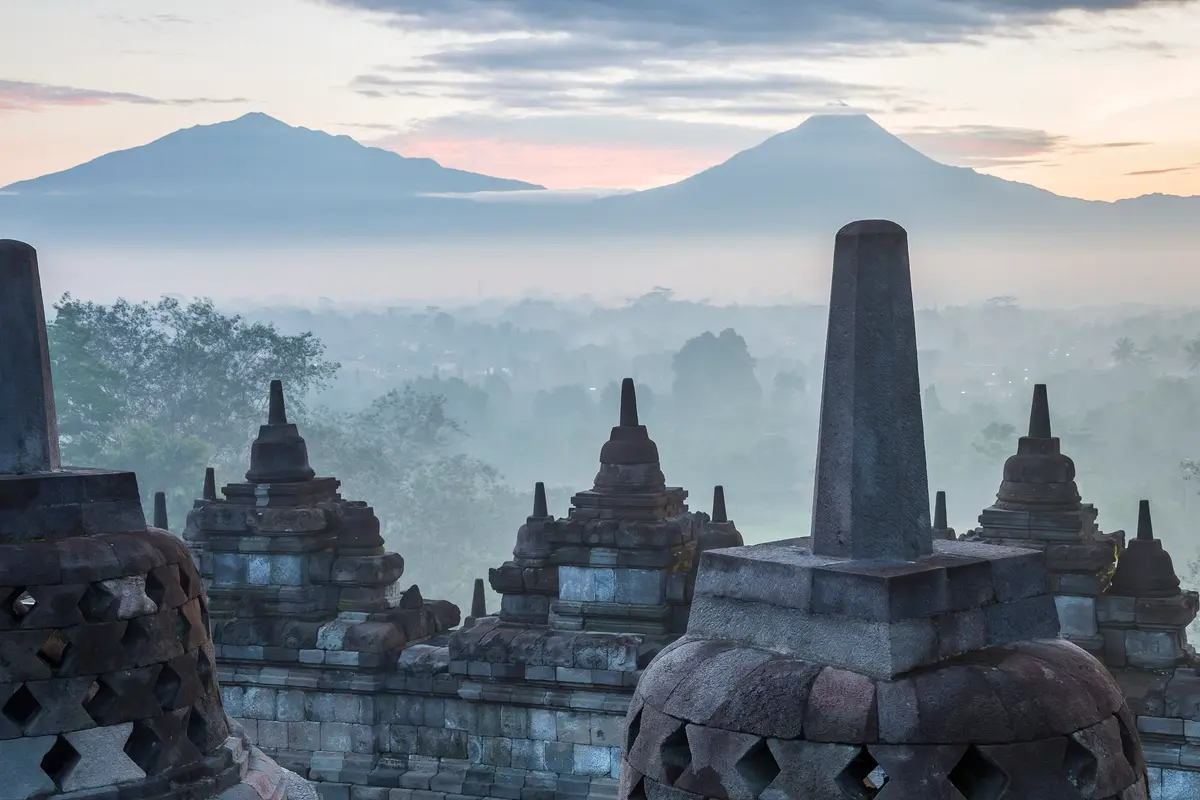
Borobudur is the largest Buddhist monument in the world: a hill in the Kedu plain of central Java, between the twin volcanoes Sundoro-Sumbing and Merbabu-Merapi, cased in some 55,000 cubic metres of grey volcanic stone and shaped into a stepped pyramid of nine terraces, six square and three round, crowned by a great bell-shaped stupa 35 metres above the ground. It was built by the kings of the Sailendra dynasty, the 'lords of the mountain', who ruled central Java from about 750 and made Mahayana Buddhism the faith of their court. Work began about 780 and went on for half a century in five building stages that the architect Jacques Dumarçay traced in the stones. An inscription of 824 records the inauguration of a 'Jinalaya', a sanctuary of the Conqueror, by the princess Pramodhawardhani, and another of 842 endows rice lands for the upkeep of the Bhumisambhara, 'the mountain of accumulated virtue', which scholars take to be the monument's own name. The base list's year, 825, falls in the middle of that span.
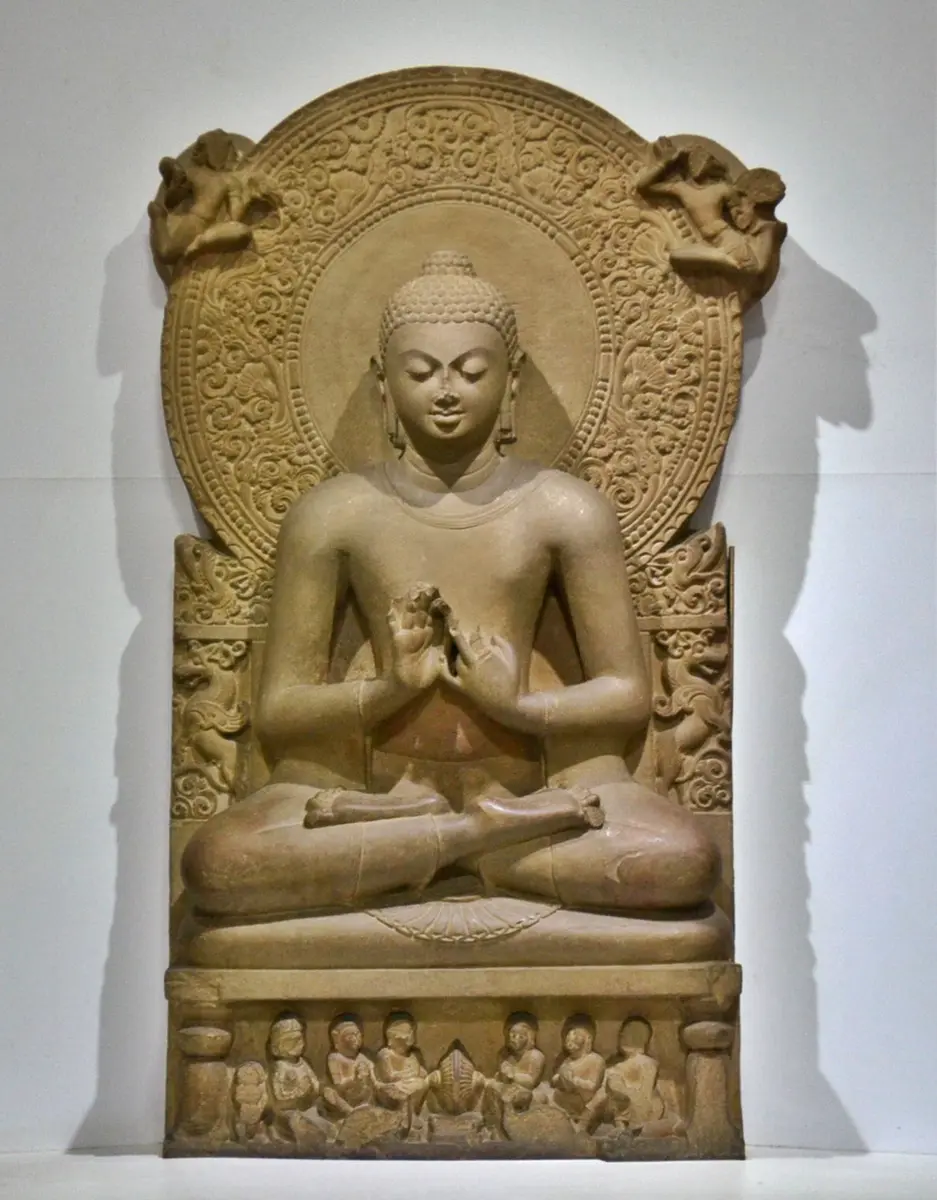
There is no room inside it: Borobudur is a path. The pilgrim enters from the east and walks clockwise through four galleries whose walls and balustrades carry 1,460 narrative panels, some three kilometres of carving: the law of karma on the hidden foot, the life of the Buddha from his descent from heaven to his first sermon, his former lives in the Jataka tales, and the young Sudhana's search through fifty-three teachers for the highest wisdom, from the Gandavyuha sutra. Four hundred and thirty-two Buddhas sit in niches above the galleries; then the walls fall away and the pilgrim steps onto three open round terraces where seventy-two more Buddhas sit inside latticed stupas, each only half visible, around the plain closed stupa at the top. The whole is read as a mandala in stone and as the three worlds of Buddhist cosmology, the world of desire, the world of forms and the world without form, and also as the old Javanese holy mountain of the ancestors, for the stepped terraces of the island's own past lie under the Indian idea. The stones were cut and fitted without mortar, and the reliefs were carved in place after the building stood.
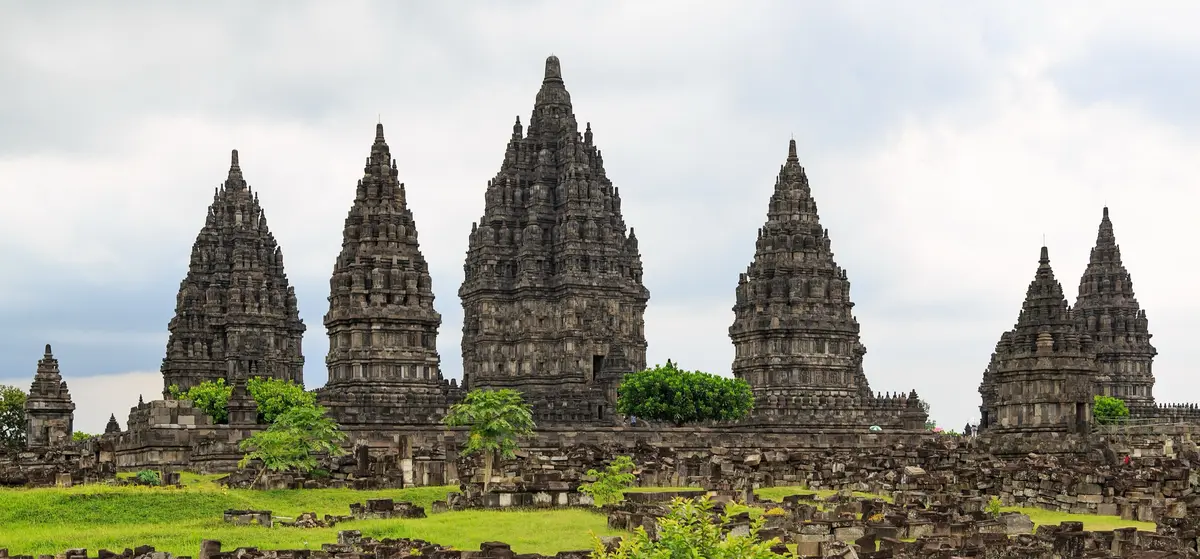
The Sailendras built as a dynasty with money and reach. Their rice plains fed them, their ships traded and raided along the Malay peninsula and the coasts of Indochina, and a marriage tied them to Srivijaya, the Buddhist sea power of Sumatra; a Khmer prince, Jayavarman II, declared Cambodia free of 'Java' in 802 and founded the empire whose Angkor Wat would rise three centuries after Borobudur. On the plains of Kedu and Prambanan the same kings and their Hindu kin of the Sanjaya line raised Kalasan, Sewu, Mendut and Pawon, the last two standing on one straight line with Borobudur, three temples that still make one pilgrimage. When Pramodhawardhani married the Shaivite prince Rakai Pikatan the two houses were joined, and his answer to her family's mountain was Prambanan, the great Shiva temple of the 850s; her kinsman Balaputra lost the struggle that followed and withdrew to Srivijaya, and the Sailendras passed out of Java's record.
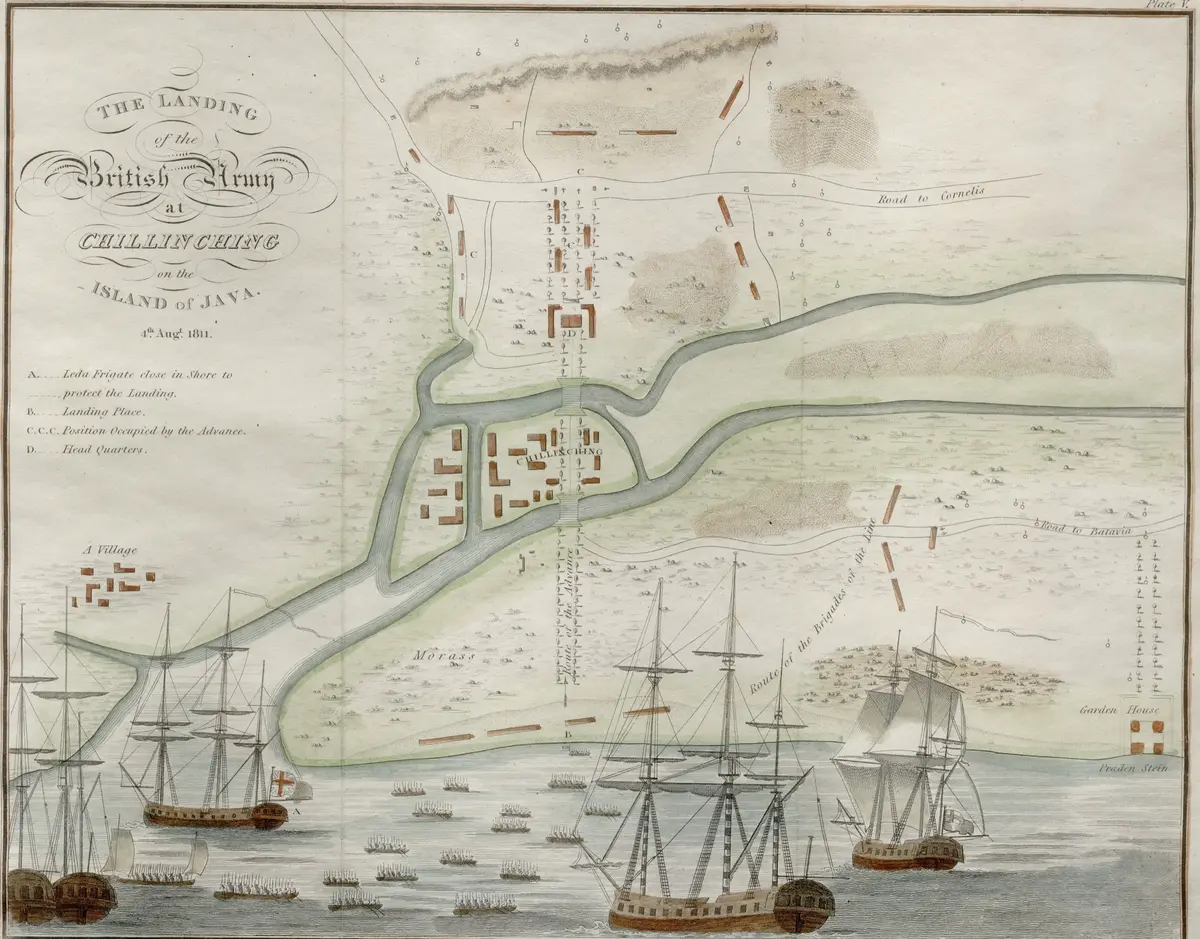
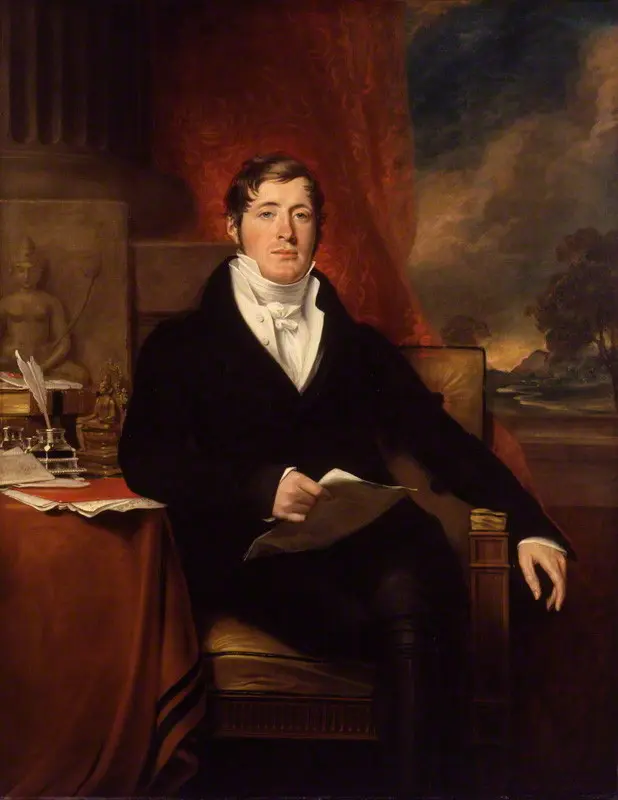
The court moved to east Java in the tenth century, the monument fell silent, and Merapi's ash and the forest closed over it; a Majapahit poem of 1365 still knew 'the vihara at Budur', and after Java turned to Islam the hill was a place of ill omen. In 1814 Stamford Raffles, governing Java for Britain, heard of it and sent the engineer H. C. Cornelius, who with two hundred men spent two months cutting and digging the monument free; the Dutch resident of Kedu, Hartmann, had cleared the rest by 1835, Isidore van Kinsbergen photographed it in 1873, and the hidden foot with its 160 panels was found in 1885 and photographed by Kassian Céphas before being covered again. Theodoor van Erp rebuilt the upper terraces in 1907–1911; a UNESCO campaign of 1973–1983 took the five square terraces apart, cleaned a million stones and set them back on new drains; the monument joined the World Heritage list in 1991. Bombs damaged nine stupas in 1985 and Merapi's ash fell again in 2010, but every Vesak Indonesia's Buddhists still walk from Mendut past Pawon to Borobudur, the largest Buddhist temple on earth, older than Angkor Wat and Notre-Dame.
What happened
- 778
A Sailendra teacher persuades King Panangkaran of Mataram to build a temple for the goddess Tara at Kalasan and to give the village to the monks; the inscription that records it, the first to name the Sailendra line, opens the age of Buddhist building in central Java.
Kalasan: the temple of Tara founded by the inscription of 778, the first dated Buddhist foundation of the Sailendra age - 780
Work begins on the hill above the Progo river in the Kedu plain: the first of the five building stages that the architect Jacques Dumarçay traced in the stones, a terraced mound in the old Javanese manner, cased in blocks of volcanic stone fitted without mortar.
Borobudur: the monument itself, a hill cased in stone, 123 metres square at the base and 35 metres high - 782
King Indra of the Sailendras orders a temple for the bodhisattva Manjusri on the Prambanan plain; finished by 792, Sewu's 249 shrines in a mandala plan are the kingdom's royal temple until Borobudur outgrows it.
Sewu (Manjusrigrha): King Indra's Buddhist complex of 782–792 near Prambanan, the kingdom's main temple before Borobudur - 792
In the second and third stages the plan is enlarged and the partly carved foot, with its 160 panels on the law of karma, is buried under a broad stone base, most likely to stop the hill from sliding; the panels stay hidden until 1885.
Borobudur: the monument itself, a hill cased in stone, 123 metres square at the base and 35 metres high - 802
In Cambodia the prince Jayavarman II has himself consecrated universal ruler on Phnom Kulen and declares his kingdom free of 'Java': the founding act of the Khmer Empire, and the trace of a Sailendra overlordship that reached across the sea to Indochina.
- 812
Samaratungga becomes king; married to Dewi Tara, daughter of the ruler of Srivijaya in Sumatra, he ties the two Buddhist powers of the islands together, and under him the monument takes its final form.
Palembang: the seat of Srivijaya, the Sailendras' in-laws by marriage and, after the 850s, their refuge - 824
The Karangtengah inscription: Samaratungga has built the Venuvana, the 'bamboo grove', for the ashes of King Indra, which de Casparis identified as Mendut; his daughter Pramodhawardhani inaugurates a Jinalaya, a sanctuary of the Conqueror, which is taken to be Borobudur.
Mendut: the temple of about 824 with the three great statues, three kilometres east on the same line; the Venuvana of the Karangtengah inscription, by de Casparis's reading - 825
Borobudur stands complete in its main form: nine terraces on a base 123 metres square, 35 metres to the top of the central stupa, 72 latticed stupas on the round terraces, 504 Buddhas; the base list's year of completion falls between the inscriptions of 824 and 842.
Borobudur: the monument itself, a hill cased in stone, 123 metres square at the base and 35 metres highThe carvers finish the galleries: 1,460 narrative panels and 1,212 ornamental ones, cut into the walls after the building stood, telling the law of karma, the Buddha's life, his former births and Sudhana's search for wisdom, with the ships, markets, dancers and palaces of ninth-century Java in the background.
Borobudur: the monument itself, a hill cased in stone, 123 metres square at the base and 35 metres high- 833
The fifth and last of Dumarçay's building stages, which he gives to the Sanjaya line after the Sailendras' decline, is finished about this year, when the reign lists also end Samaratungga's rule; the monument now carries its 504 Buddhas, 432 in niches on the square terraces and 72 inside the stupas above.
Borobudur: the monument itself, a hill cased in stone, 123 metres square at the base and 35 metres high - 838
Pramodhawardhani marries Rakai Pikatan, the Shaivite prince of the Sanjaya line: the Buddhist and Hindu houses of Mataram are joined, and his answer to her family's mountain will be Prambanan, the Shiva temple dedicated in 856 by the Shivagrha inscription.
Prambanan: Rakai Pikatan's Shiva temple of the 850s, the Hindu answer to Borobudur - 842
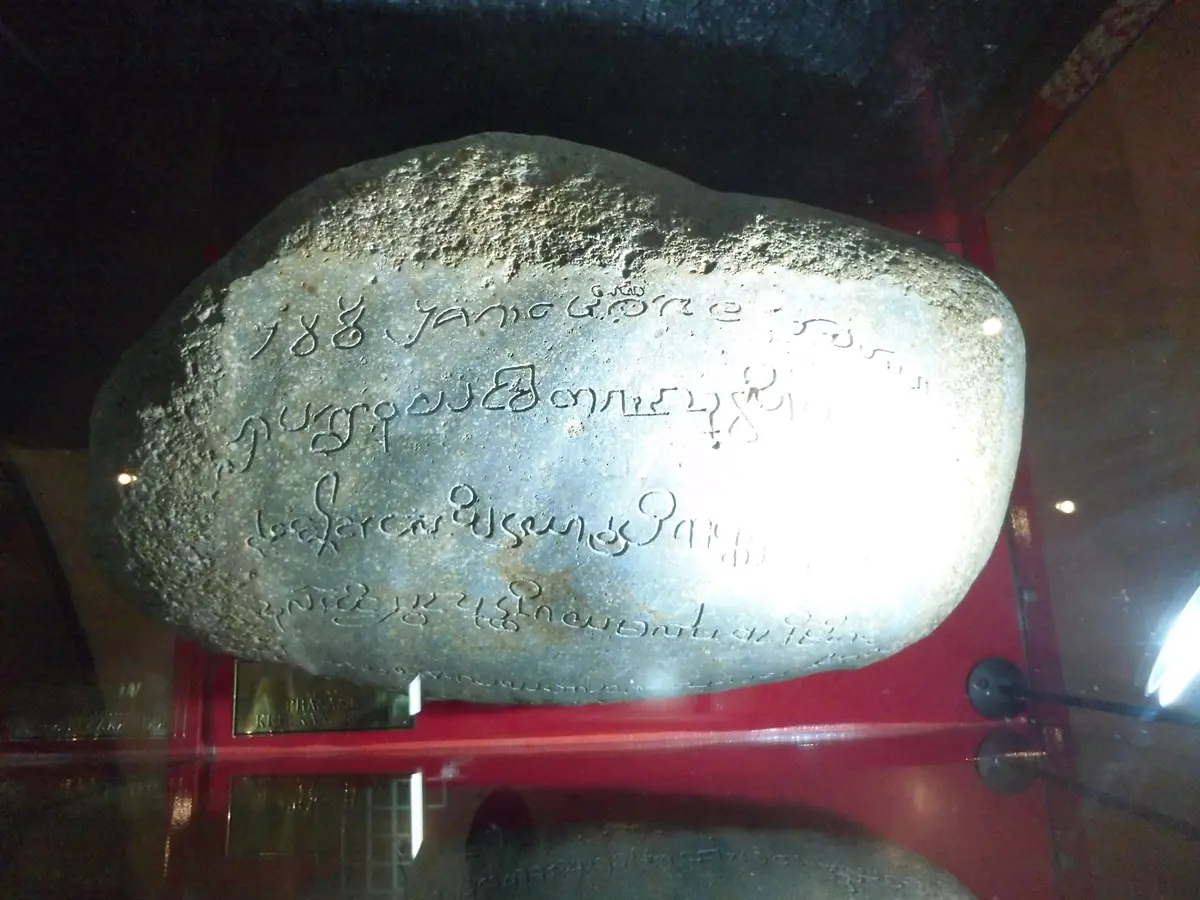
The Tri Tepusan inscription: Sri Kahulunnan, as the queen Pramodhawardhani is now styled, grants tax-free rice lands for the upkeep of the Bhumisambhara, the 'mountain of accumulated virtue', the monument's own name as de Casparis read it; Borobudur is finished and endowed.
Temanggung: the district of the Kedu plain where the inscriptions of 824 and 842 that name the monument were found