Stamford Raffles
“The East India Company official who governed Java from 1811 to 1816, founded British Singapore by treaty in 1819 and, back in London, the Zoological Society in 1826.”
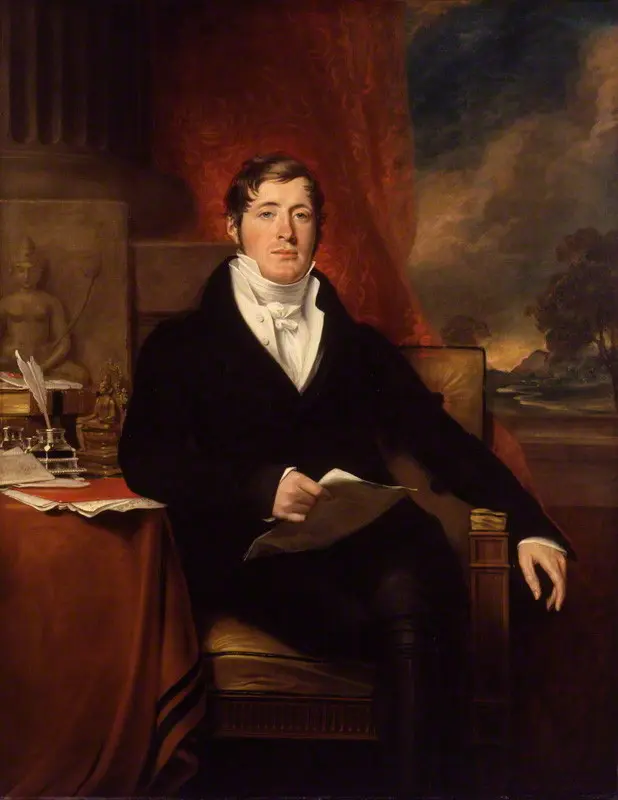
Thomas Stamford Raffles was the East India Company official who founded British Singapore. He was born at sea on 6 July 1781, on his father's merchant ship Ann, the day after it sailed from Port Morant in Jamaica. The family was short of money, and in 1795, at fourteen, he left school to become an extra clerk at East India House, the Company's headquarters in London, teaching himself languages and natural history in his spare hours. In 1805 he married Olivia Fancourt, a widow ten years older, and sailed to Penang as assistant secretary of the island's new government. There he learned Malay and studied the history and customs of the Malay world, and through the scholar John Leyden he caught the eye of the governor-general of India, Lord Minto.
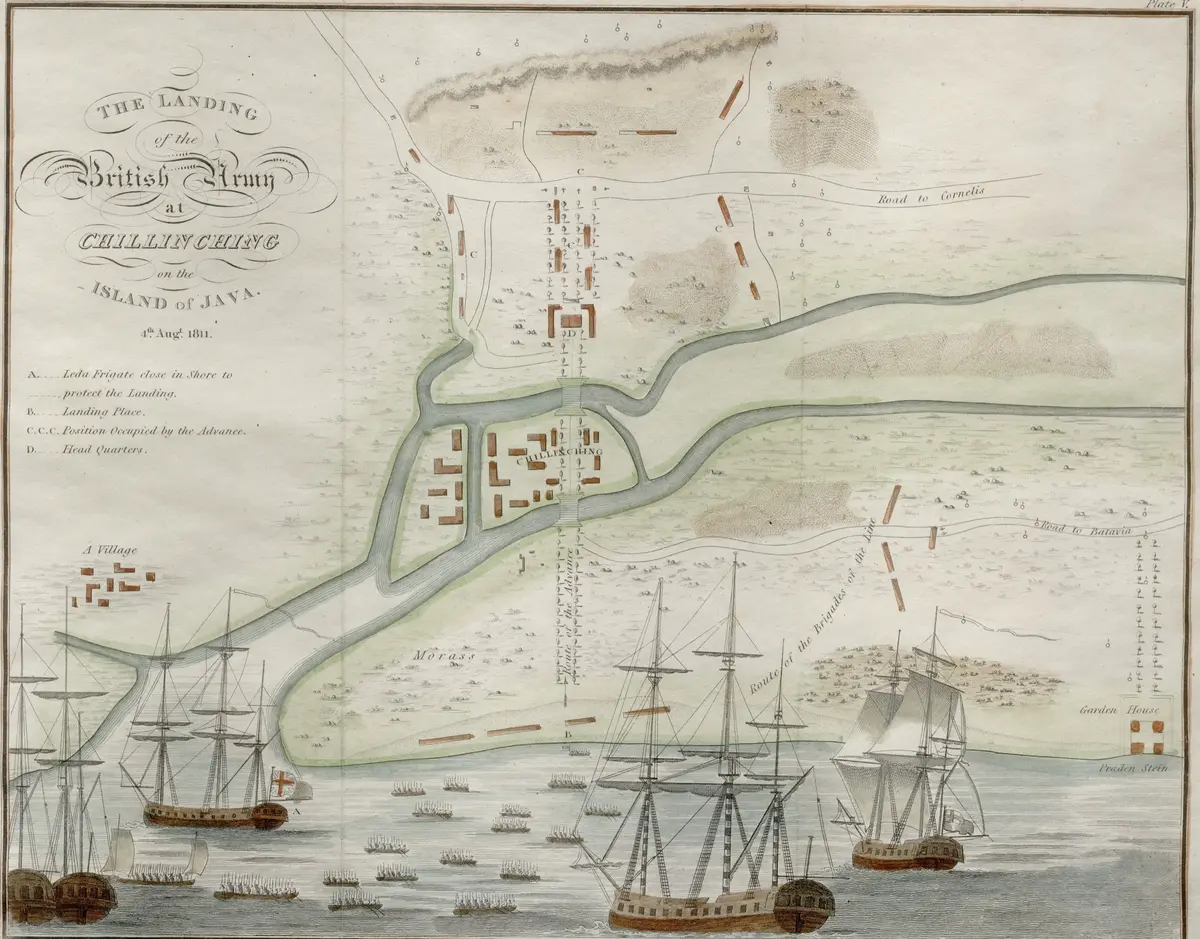
Minto made him his agent for the Malay states in 1810 and, after a British army from India took Java from Napoleon's Dutch regime in 1811, its lieutenant-governor at thirty. In five years Raffles tried to replace the Dutch colonial system with a land rent paid by the farmers, had Borobudur and the other great temples surveyed, and collected manuscripts, gamelan instruments and shadow puppets, some of them plunder from the British storming of the Yogyakarta palace in 1812. Olivia died in 1814, and in 1816 the Company, which found his rule too costly, called him home. On the way he met the captive Napoleon on St Helena. In London he wrote The History of Java, married Sophia Hull, was elected to the Royal Society and in 1817 was knighted by the Prince Regent.
In March 1818 he reached Bencoolen (today's Bengkulu), a run-down pepper station on Sumatra, as its lieutenant-governor. On his first journey inland his naturalist Joseph Arnold found a flower a yard across, which botanists named Rafflesia arnoldii. Raffles feared that the returning Dutch would close the archipelago to British trade, and in Calcutta he persuaded the governor-general, Lord Hastings, to let him look for a new post at the southern end of the Strait of Malacca. On 28 January 1819 his ships anchored off Singapore. Temenggong Abdul Rahman, the island's chief, agreed to a British trading post, and on 6 February Raffles recognised Tengku Hussein as sultan of Johor and signed a treaty with them both. He left William Farquhar to run the settlement and returned in 1822 to lay out the town in quarters for each community, write its first laws, make it a free port and found the school that became Raffles Institution.
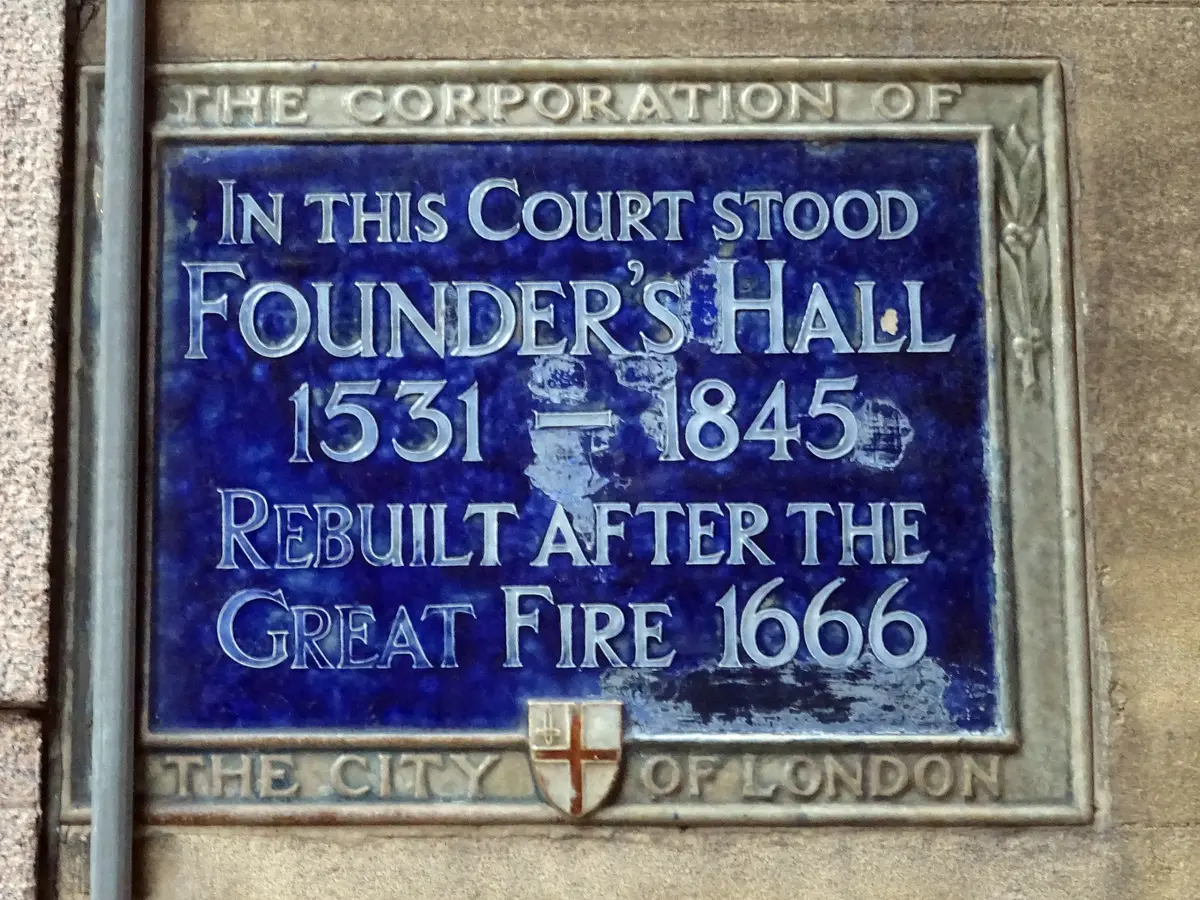
The years in Sumatra cost him dearly: four of his five children by Sophia died there. When he sailed for home on 2 February 1824, the ship Fame caught fire that evening and burned with his collections, drawings and papers, though everyone aboard was saved. Back in England from August 1824, he faced a Company demand for some 22,000 pounds and turned to science, founding the Zoological Society of London, the society behind the London Zoo, and becoming its first president in 1826. He died suddenly at Highwood, his new country house near Hendon, on 5 July 1826, a day before his 45th birthday, and was buried in Hendon's parish church, where no memorial to him was allowed until 1887.
Singapore grew quickly into a great port, and the Anglo-Dutch Treaty of 1824 left it British while Bencoolen went to the Dutch. The city still carries his name on a hotel, a school and its streets, and his statue stands by the river where he is said to have landed. Historians now give more weight to Farquhar, who ran the young settlement, and to the Malay rulers and people already on the island, and they set his scholarship and reforms against his part in building an empire, the sack of Yogyakarta among it.
What happened
- 1781
Born at sea on his father's West Indiaman Ann, the day after the ship left Port Morant in Jamaica for England; by sea reckoning, which counted the day from noon to noon, the date was the 5th. He is christened on board Thomas Stamford Bingley Raffles.
Port Morant, Jamaica: the harbour his father's ship had left the day before he was born at sea on 6 July 1781, the nearest place to his birth- 1795
Aged fourteen, he leaves school as the family runs short of money and becomes an extra clerk at East India House, the Company's headquarters in Leadenhall Street, London.
- 1805
The Company names him assistant secretary to the new government of Prince of Wales Island (Penang) under Governor Philip Dundas.
Fort Cornwallis, George Town, Penang (Prince of Wales Island): the Company's settlement where he served from 1805 to 1810He marries Olivia Mariamne Fancourt, born Devenish, a widow ten years older, at St George's, Bloomsbury; in late April they sail for Penang on the Ganges.
- 1808
After a dangerous illness he is sent to Malacca to recover. He finds a town of some 20,000 people that the Company has ordered to be abandoned and its fortifications pulled down, and argues that it should be kept.
- 1810
In Calcutta the governor-general, Lord Minto, makes him his agent with the Malay states, reporting to Minto alone, and sends him to Malacca to prepare the conquest of Java.
- 1811
The invasion fleet sails from Malacca for Java, with Raffles on Minto's staff and his friend the scholar John Leyden aboard.
With Java taken, Minto proclaims him lieutenant-governor of Java and its dependencies. He is thirty.
- 1812
On his orders British and sepoy troops storm the kraton of Yogyakarta; the sultan is deposed and the palace plundered, and its manuscripts and treasures pass into British hands, some into his own collection.
- 1814
Borobudur, the great Buddhist monument buried under volcanic ash and forest, is cleared and surveyed for him; Prambanan is surveyed too, and the work feeds his book on Java.
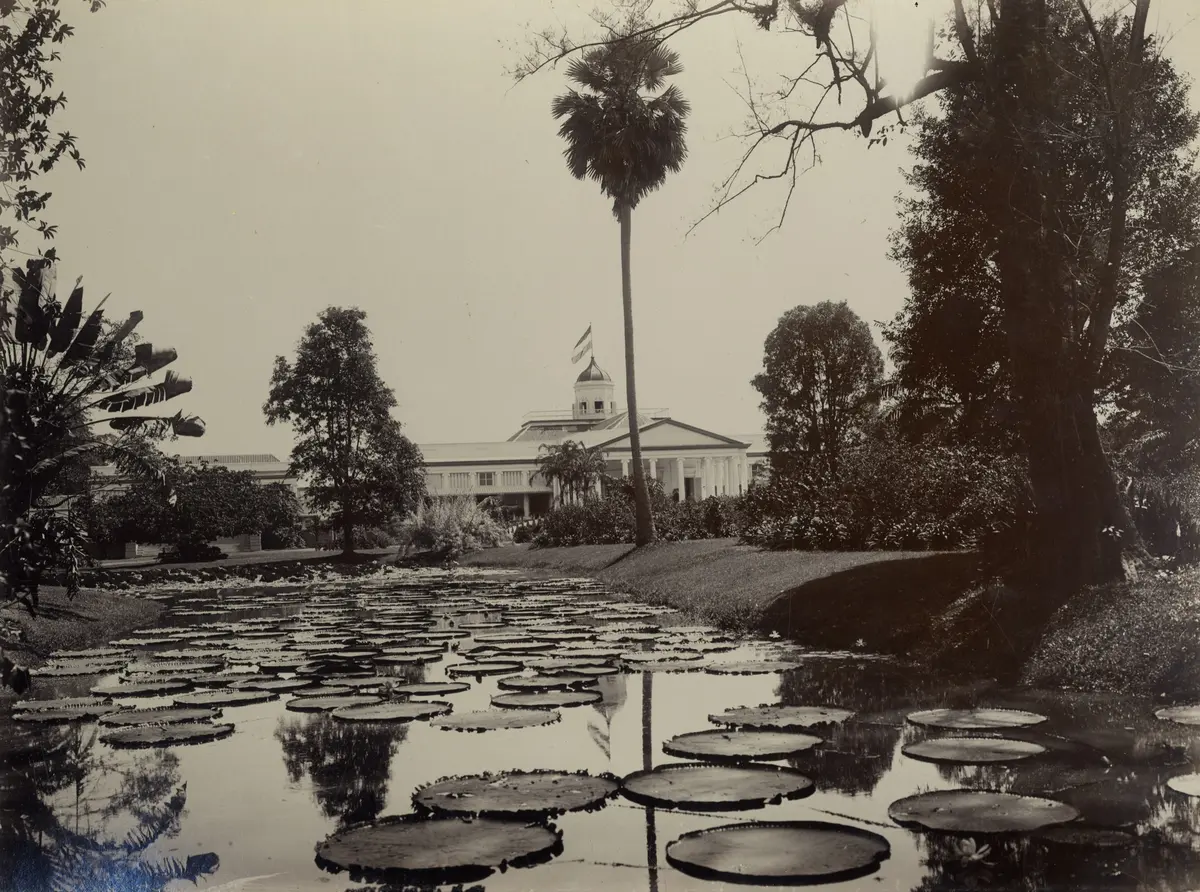
Olivia dies at Buitenzorg (Bogor), aged 43; she is buried in Batavia and he raises a memorial to her in the gardens at Buitenzorg.
- 1816
Recalled by the Company, which finds his rule too costly, and in poor health, he sails for England on the Ganges.
The Ganges calls at St Helena on 18 May; he is allowed ashore and is received by the captive Napoleon at Longwood.
He lands at Falmouth after almost four months at sea, and goes to London to clear his name before the Company's directors.
- 1817
He marries Sophia Hull, whom he met at Cheltenham the summer before, at St Marylebone Parish Church in London.
He is elected a Fellow of the Royal Society.
The History of Java comes out in two volumes, written since October 1816; the same month the Prince Regent knights him.
With Sophia he embarks at Portsmouth on the Lady Raffles for Sumatra, where the Company has made him lieutenant-governor of Bencoolen; their daughter Charlotte is born at sea in February.
- 1818
The Lady Raffles reaches Bencoolen. He finds the settlement by Fort Marlborough run down, its government houses deserted and the house for his family cracked by earthquakes, and calls it the most wretched place he has ever seen.
Fort Marlborough, Bencoolen (Bengkulu): the Company's fort on Sumatra, his seat as lieutenant-governor from 1818 to 1824On his first journey inland he, Sophia and the naturalist Joseph Arnold leave Manna on 19 May and next day camp at Pulo Lebar on the Manna river, where a Malay servant leads Arnold to a flower a yard across. Arnold dies of fever in July; Robert Brown names the flower Rafflesia arnoldii.
After a voyage that nearly ends in shipwreck he meets the governor-general, Lord Hastings, in Calcutta and wins leave to set up a British post beyond the Strait of Malacca, provided he does not clash with the Dutch.
He sails from Calcutta with Hastings's authority to found a fortified post east of the Strait of Malacca.
- 1819
- 4:00 p.m.
After a look at the rocky Karimun islands, his ship the Indiana anchors off St John's Island at four in the afternoon; that evening he and William Farquhar go ashore to see the Temenggong Abdul Rahman, who says the Dutch have no post on the island.
In the morning they come ashore again, plant the Union Jack and go on with the talks.
Raffles' Landing Site, on the north bank of the Singapore River: where by tradition he came ashore on 29 January 1819The Temenggong signs a preliminary agreement allowing the British a trading post.
In the morning Tengku Hussein, brought from Riau, is installed as sultan of Johor; in the afternoon he, the Temenggong and Raffles sign the treaty giving the East India Company the right to a trading post, and the Union Jack is formally raised. Singapore counts this as its founding day.
He sails away, leaving Farquhar as Resident and Commandant of the settlement.
Back in Singapore for a month, he leaves Farquhar written instructions on how the land by the river is to be shared out.
- 1822
His daughter Charlotte dies at Bencoolen, eleven days after her brother Stamford Marsden; their brother Leopold had died the summer before. In March the parents send their last child, Ella, home to England.
He returns to Singapore, finds it grown but haphazard, and sets up a town committee; Lieutenant Philip Jackson draws the plan of the town to his instructions, with separate quarters for each community.
- 1823
His regulations declare Singapore a free port, its trade 'open to ships and vessels of every nation'.
He lays the foundation stone of the Singapore Institution, the school that later becomes Raffles Institution, and soon after leaves Singapore for the last time.
- 1824
- 8:20 p.m.
Sailing for England at dawn on the Fame, he and Sophia are going to bed when fire breaks out under their cabin, about fifty miles from Bencoolen. All aboard get away in the boats, but the ship burns with his collections, drawings, manuscripts and papers.
He sails for England again, on the Mariner.
He lands at Plymouth.
- 1826
The Zoological Society of London, which he has planned since 1817 and launched with a prospectus, is founded, and he becomes its first president.
After a serious attack of illness he buys Highwood, a small house with 112 acres in the parish of Hendon, eleven miles from London, and leaves the city for it.
Highwood House, Mill Hill, in the old parish of Hendon: the country house he bought in 1826 and where he died on 5 July 1826- 5:00 a.m.
He dies suddenly at Highwood, a day before his 45th birthday; Sophia finds him at the foot of the stairs at five in the morning.
Highwood House, Mill Hill, in the old parish of Hendon: the country house he bought in 1826 and where he died on 5 July 1826