Dutch East Indies
“From 1800 to 1942 the Netherlands ruled the islands that became Indonesia: forced crops filled the Dutch treasury, wars rounded out the colony, and Japan ended it in eight days in March 1942.”
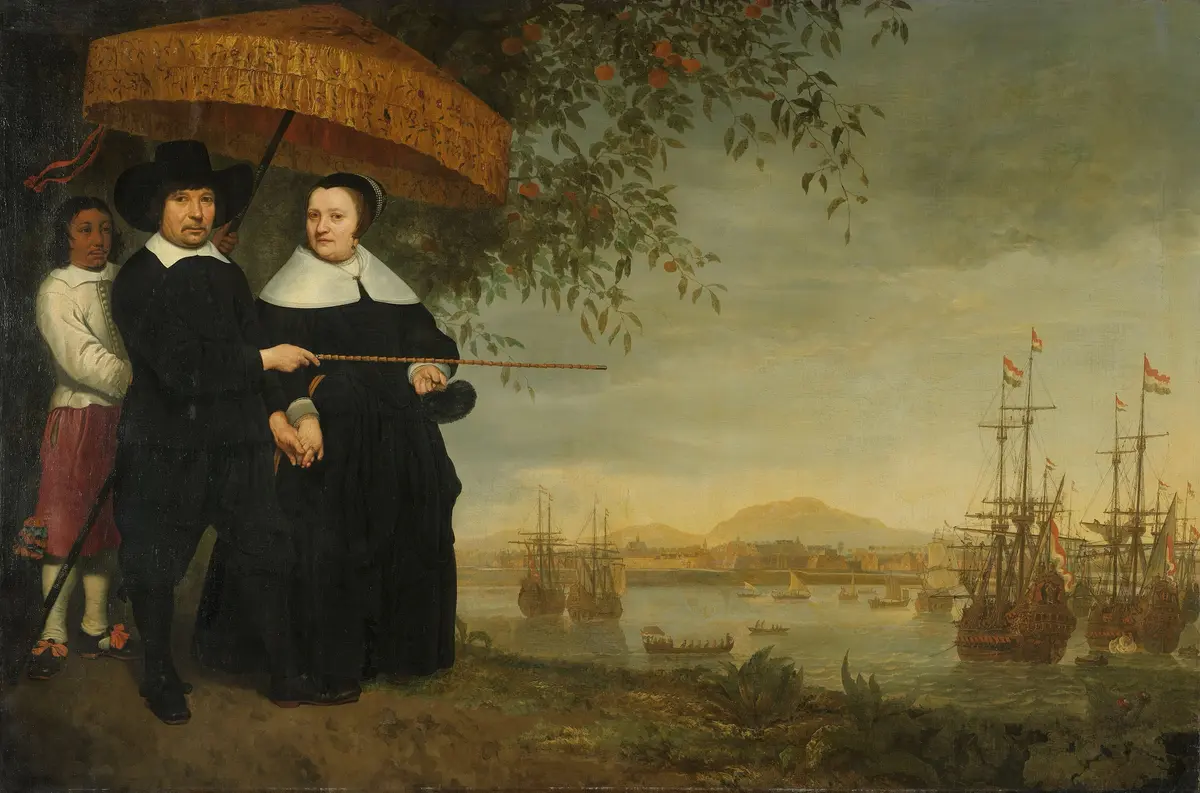
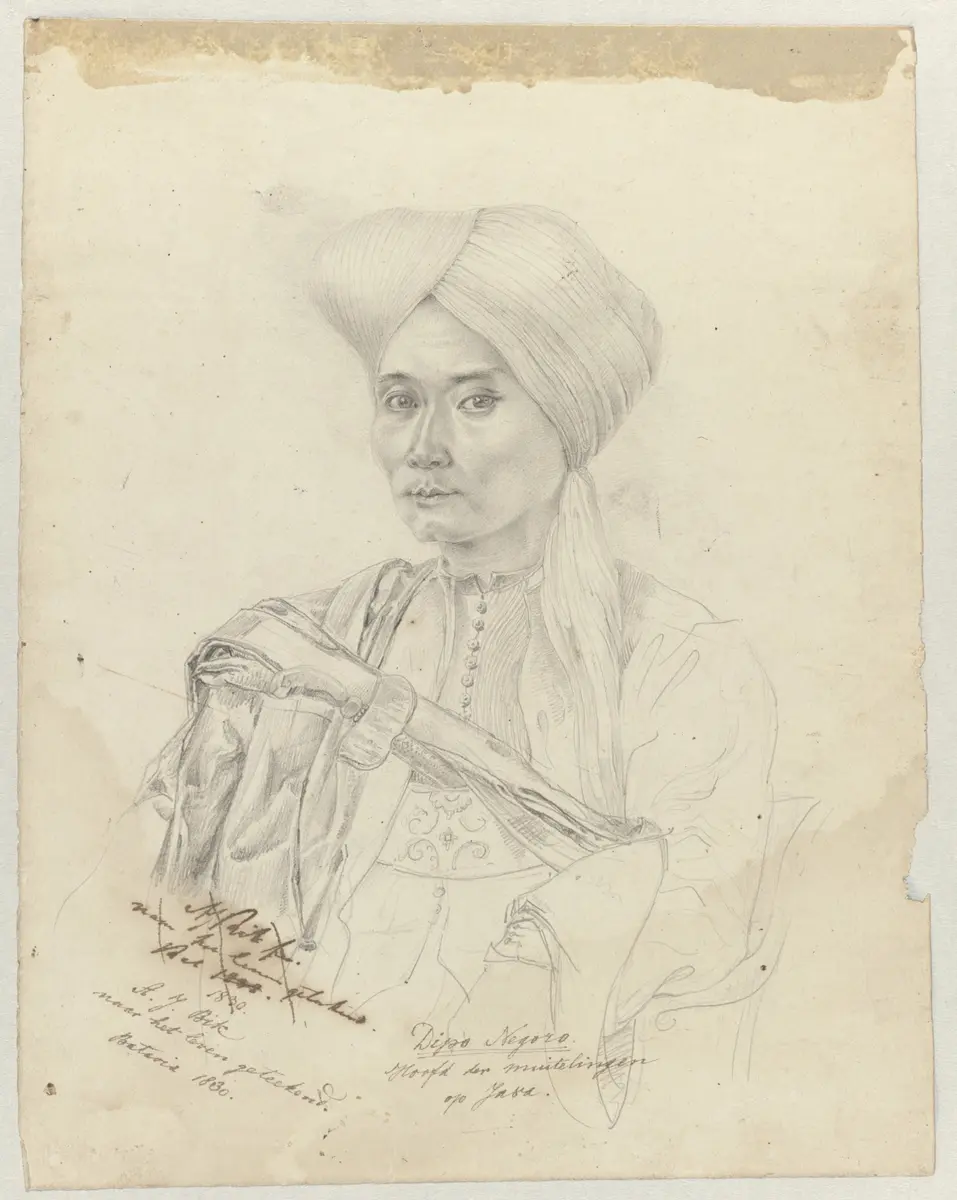
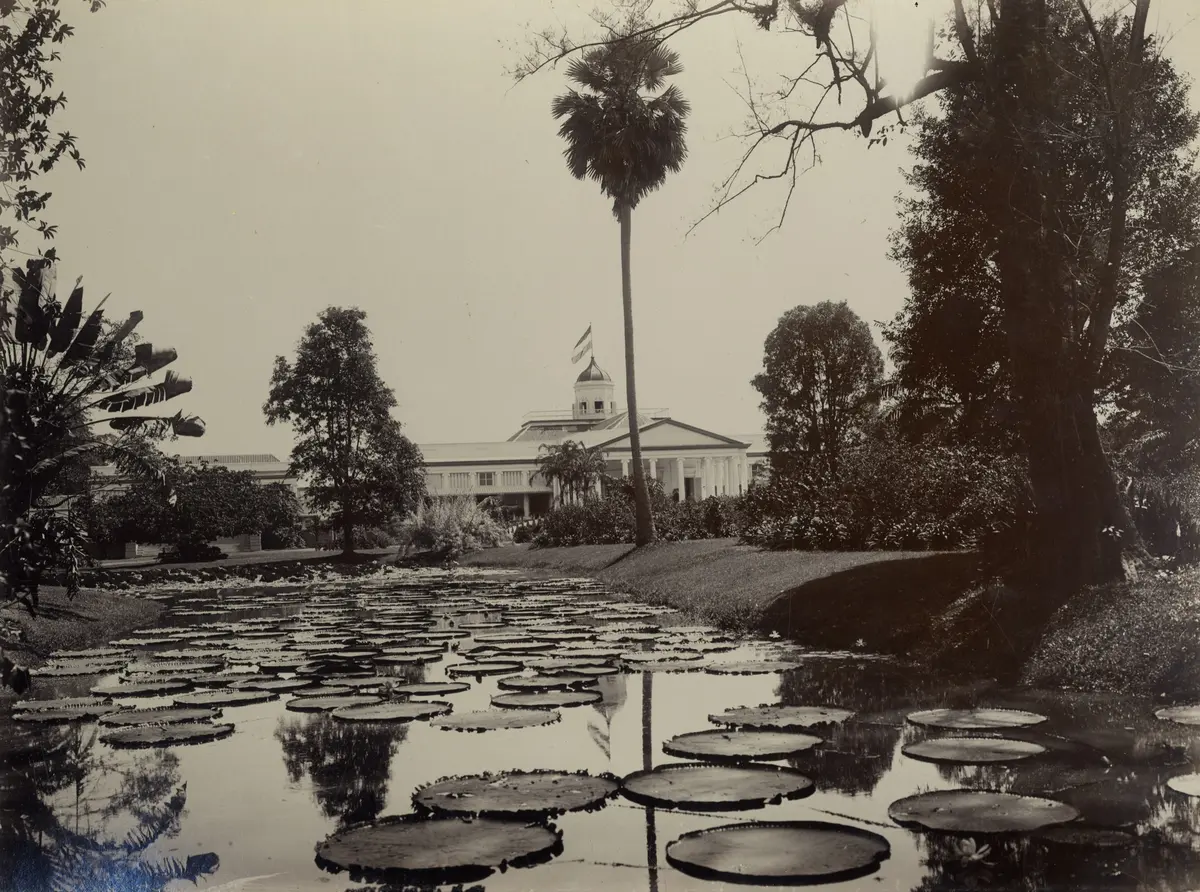
The Dutch East Indies was the colony that the Netherlands ruled in the islands that are now Indonesia. It began on 1 January 1800, when the Dutch state took over the possessions and the debts of the bankrupt Dutch East India Company (VOC), and it ended in March 1942, when the colonial government surrendered to Japan. A governor-general appointed in the Netherlands ruled it from Batavia, today's Jakarta, and from a palace in the cooler hills at Buitenzorg, today's Bogor. For most of the nineteenth century Dutch power was firm only on Java and in parts of Sumatra and the Moluccas; elsewhere it rested on treaties with local rulers. The first decades were unsettled. Napoleon's governor-general Herman Willem Daendels fortified Java from 1808 and built a highway along it, the British held the island from 1811 to 1816, and the Java War of 1825-30, led by Prince Diponegoro, cost as many as 200,000 Javanese lives.
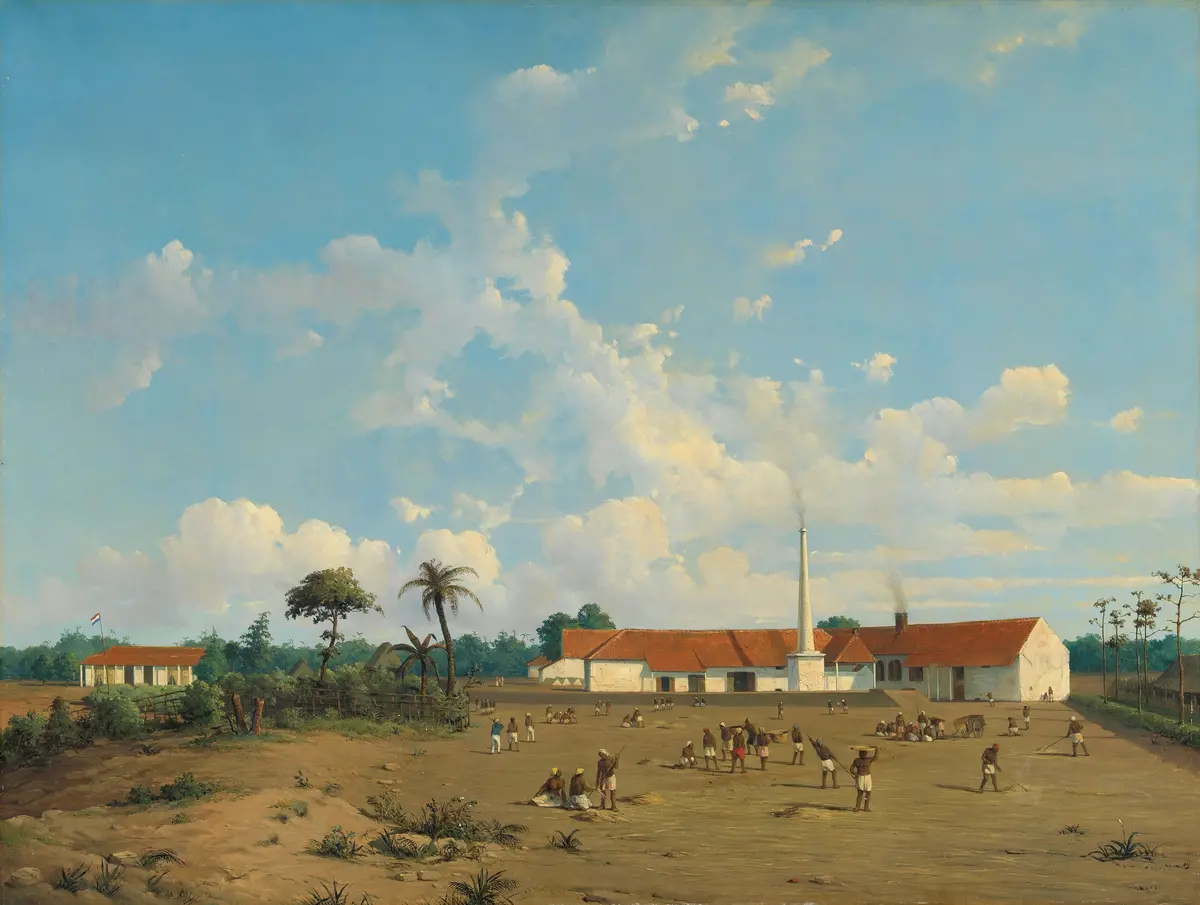
Victory in that war opened the colony's most profitable era. From 1830 Governor-General Johannes van den Bosch introduced the Cultivation System: villages had to set aside part of their land, in principle a fifth, to grow export crops such as coffee, sugar and indigo, which the government bought at low fixed prices and sold in Amsterdam. Exports rose from 13 million guilders in 1830 to 74 million in 1840, and for decades the profits paid for a fifth to a third of the Dutch state's revenues, cleared old debts and built railways in the Netherlands. For Javanese villagers the system meant forced labour, higher taxes and, in the 1840s, famine. In 1860 a former colonial official, Eduard Douwes Dekker, writing as Multatuli, exposed its abuses in the novel Max Havelaar. Liberal governments dismantled it from the 1860s, and the Agrarian Law and the Sugar Law of 1870 opened Java to private plantations, although forced coffee growing lasted until 1917.
After 1870 the colony grew in size and wealth. Private capital poured in, the value of exports of sugar, tobacco, rubber, tin and later oil rose tenfold in sixty years, and railways, steamships and telegraph cables tied the islands together. At the same time the Dutch conquered the rest of the archipelago. The war against the sultanate of Aceh in northern Sumatra, begun in 1873, was the longest and bloodiest of these campaigns; General J. B. van Heutsz, advised by the scholar of Islam Christiaan Snouck Hurgronje, conquered most of Aceh in quick campaigns after 1898 and became governor-general in 1904. Between 1904 and 1908 expeditions overthrew the kings of south Bali, some of whom marched with their families into Dutch fire rather than surrender. By about 1910 one colonial state ruled the whole archipelago except Portuguese Timor, within the borders of today's Indonesia.
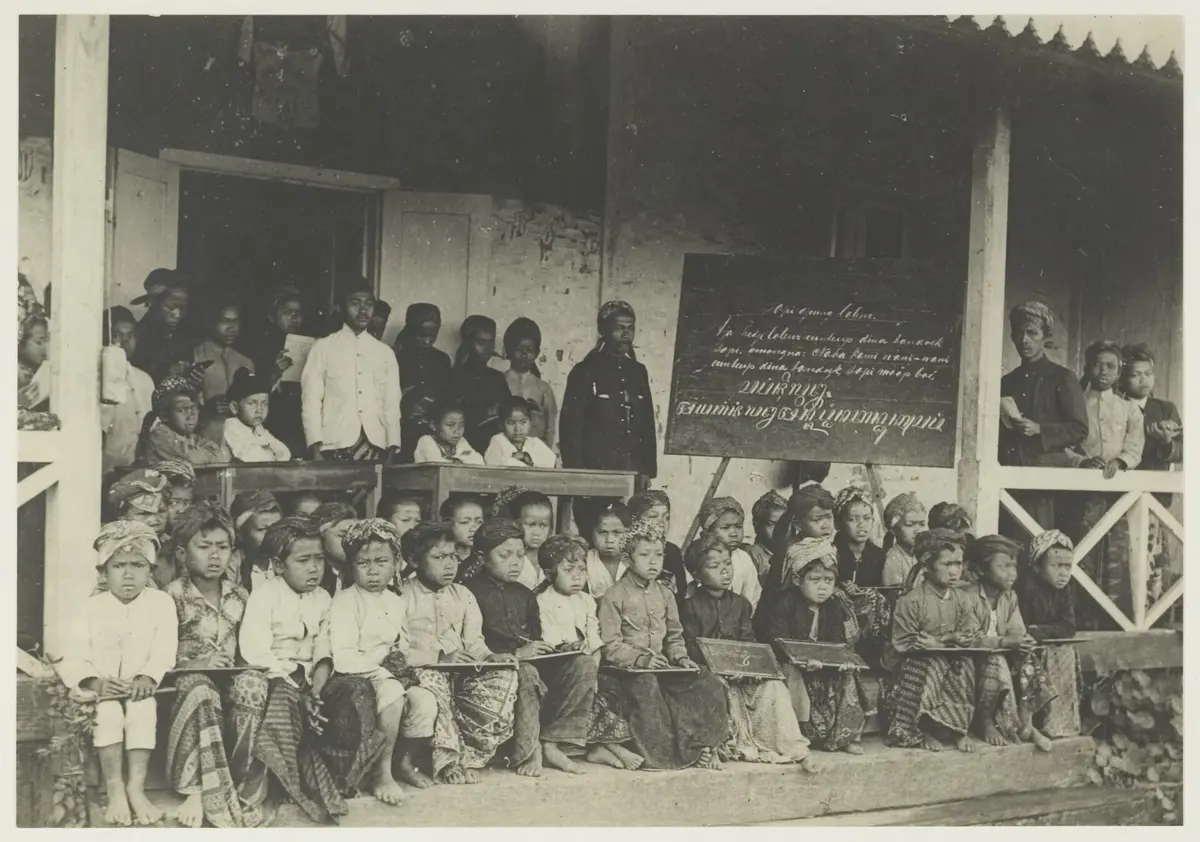
In 1901 the Netherlands adopted an 'Ethical Policy': the colony was owed a 'debt of honour', to be repaid with schools, irrigation and health care. The results were modest, and at the end of the 1930s only about 6 percent of the people could read, but the policy produced a small Western-educated elite, and from it came Indonesian nationalism. Students of the medical school in Batavia founded Budi Utomo in 1908, Sarekat Islam, founded in 1912, drew hundreds of thousands of members, and the communists rose in revolt in 1926-27. The government answered with a People's Council, the Volksraad, from 1918, which could advise but not decide, and with repression: some 1,300 communists were sent to a camp at Boven Digul in New Guinea, Sukarno was jailed in 1929 and exiled in 1933, and Mohammad Hatta and Sutan Sjahrir were exiled in 1934.
The end came from outside. After Germany occupied the Netherlands in May 1940, Japan, which took a quarter of its oil from the Indies, pressed the colony for supplies, and when the Indies joined the American embargo in 1941, Japan resolved to take the islands by force. Its troops landed in Borneo and Celebes in January 1942, seized the oil fields of Palembang in February, destroyed the Allied fleet in the Battle of the Java Sea on 27 February and landed on Java on 1 March. Batavia fell on 5 March, and on 8 and 9 March the Dutch commander and the colonial government surrendered. A colony that had taken more than a century to build fell in eight days of fighting on Java, and the belief in Dutch superiority fell with it. The Dutch tried to return after 1945 but accepted Indonesia's independence in December 1949; the new republic kept the colony's borders and its capital and, some historians argue, much of its way of governing.
What happened
- 1800
The charter of the bankrupt Dutch East India Company (VOC) has lapsed at the end of 1799, and its possessions in Asia, with its debts, pass to the Dutch state, then the Batavian Republic under French control. Batavia becomes the capital of a state colony.
Batavia (Jakarta): Weltevreden, the government quarter with the governor-general's palace on the Koningsplein- 1808
Marshal Herman Willem Daendels, sent by Napoleon's brother Louis, king of Holland, takes office as governor-general. He strengthens Java's defences against the British, tries to turn the Javanese regents into civil servants of a central government, and has a highway built through the island, the Great Post Road.
- 1811
A British army from India lands near Batavia and takes Java within six weeks. Stamford Raffles governs the island until it is handed back to the Dutch on 19 August 1816.
Batavia (Jakarta): Weltevreden, the government quarter with the governor-general's palace on the Koningsplein- 1830
Governor-General Johannes van den Bosch introduces the Cultivation System: each village must set aside part of its land, in principle a fifth, to grow export crops (sugar, indigo and above all coffee) for the government at fixed low prices, shipped to the Netherlands by the Netherlands Trading Society.
Prince Diponegoro is arrested at Magelang during peace talks, ending the Java War that began on 20 July 1825. As many as 200,000 Javanese have died; the Javanese courts lose what independence they had left, and Java lies open to the new system.
- 1840
Ten years on, the colony's exports have grown from 13 million to 74 million guilders. Between 1840 and 1880 the sale of its crops brings the Dutch treasury an average of 18 million guilders a year, about a third of the Dutch budget; in Java the burden of forced cultivation brings rice shortages and, in the 1840s, famine.
- 1860
Eduard Douwes Dekker, a former colonial official writing as Multatuli, publishes Max Havelaar, or the Coffee Auctions of the Dutch Trading Company, a novel exposing how Dutch and Javanese officials oppress the peasants of Java. It stirs liberal opinion at home and abroad.
- 1870
The Agrarian Law lets Europeans lease land for up to 75 years, and the Sugar Law begins the government's withdrawal from sugar growing. Private capital pours into estates in Java and on Sumatra's east coast; forced coffee growing lingers until 1917.
- 1873
The Netherlands goes to war with the sultanate of Aceh in northern Sumatra, which had sought ties with other Western powers. Dutch gunboats bombard its capital and troops are landed.
Kutaraja (Banda Aceh): the sultan of Aceh's capital, taken by the Dutch in 1874 - 1874
A second expedition occupies the sultan's capital, Kutaraja, and his palace (kraton). The Acehnese fight on as guerrillas; the Aceh War becomes one of the longest and bloodiest in the colony's history.
Kutaraja (Banda Aceh): the sultan of Aceh's capital, taken by the Dutch in 1874 - 1898
J. B. van Heutsz, who has long argued for a harder war, is appointed governor of Aceh. Advised by the scholar of Islam Christiaan Snouck Hurgronje, he conquers large parts of the country in a series of quick campaigns and wins over Aceh's local chiefs.
Kutaraja (Banda Aceh): the sultan of Aceh's capital, taken by the Dutch in 1874 - 1901
In her speech from the throne Queen Wilhelmina announces an inquiry into the 'diminished welfare' of the Javanese. A new government adopts the Ethical Policy, the idea that the Netherlands owes the Indies a 'debt of honour' to be repaid in schools, irrigation and health care.
- 1904
Van Heutsz becomes governor-general. With Aceh counted as conquered, the last independent states of the archipelago are brought under Dutch rule; between 1904 and 1908 expeditions overthrow the kings of south Bali, some of whom march with their families into Dutch fire rather than surrender.
- 1908
In Batavia the retired doctor Wahidin Sudirohusodo, the medical student Sutomo and fellow students of the STOVIA, the school for native doctors, found Budi Utomo ('noble endeavour'), the first modern Indonesian association. Indonesia keeps the day as National Awakening Day.
Batavia (Jakarta): Weltevreden, the government quarter with the governor-general's palace on the Koningsplein- 1912
Sarekat Islam, the Islamic Union, is founded and under Omar Said Tjokroaminoto becomes the first mass movement, with about 360,000 members by 1914. The same year the Eurasian E. F. E. Douwes Dekker founds the Indies Party, which demands self-government and is soon banned.
- 1918
Governor-General J. P. van Limburg Stirum opens the Volksraad (People's Council) in Batavia, with appointed and elected Dutch, Indonesian and 'foreign Asiatic' members. It can debate and advise, but has no real control over the government.
Batavia (Jakarta): Weltevreden, the government quarter with the governor-general's palace on the Koningsplein- 1926
At the end of 1926 the Communist Party (PKI), founded in 1920, launches a revolt in western Java, followed at the beginning of 1927 by a rising in western Sumatra. Both are quickly crushed.
- 1927
Some 1,300 communists are sent to Boven Digul, a new internment camp on the upper Digul river in the swamps of south New Guinea. The PKI all but disappears until after independence.
Boven Digul (Tanah Merah): the internment camp for political prisoners, opened in 1927In Bandung the young engineer Sukarno founds the Indonesian Nationalist Party (PNI), which demands independence and refuses to co-operate with the colonial government.
Bandung: the technical college, Sukarno's study club and the PNI, founded in 1927- 1928
Representatives of youth organisations take the Youth Pledge (Sumpah Pemuda): one Indonesian motherland, one people and one language.
- 1929
Sukarno and other PNI leaders are arrested. Tried for sedition in Bandung in 1930, he defends himself in a famous speech but is sentenced to four years in prison; he is released at the end of 1931.
Bandung: the technical college, Sukarno's study club and the PNI, founded in 1927- 1930
The census year finds the colony at its height: Batavia has more than 500,000 people and Surabaya nearly 300,000, and oil, rubber, tin and sugar flow out through their ports.
Surabaya: East Java's port and the colony's second city - 1933
Sukarno is arrested again and this time exiled without trial, to Ende on the island of Flores and later to Bengkulu in Sumatra.
- 1934
Mohammad Hatta and Sutan Sjahrir, leaders of the 'New PNI', are arrested and sent to Boven Digul, then exiled to the island of Banda Neira, where Hatta stays until the eve of the Japanese invasion.
Boven Digul (Tanah Merah): the internment camp for political prisoners, opened in 1927 - 1940
Germany occupies the Netherlands. Japan, which takes about a quarter of its oil from the Indies, presses the colony for fixed supplies.
- 1941
In the summer the Indies follow the United States in freezing Japanese assets and stopping oil exports to Japan. Tokyo, unable to fight on in China without them, commits itself to an 'advance south' to take them.
- 1942
Japanese forces take Tarakan in Borneo and Manado in Celebes, the first Dutch territory to fall.
Japanese paratroops attack Palembang in southern Sumatra, whose fields produce more than half the oil of the Indies; the next day, as Singapore falls, infantry follow and the Dutch can only set their wells on fire.
In the seven-hour Battle of the Java Sea a Japanese force destroys the Allied fleet of Dutch, British, Australian and American ships under the Dutch Rear Admiral Karel Doorman, who goes down with his flagship. Five Allied warships are lost.
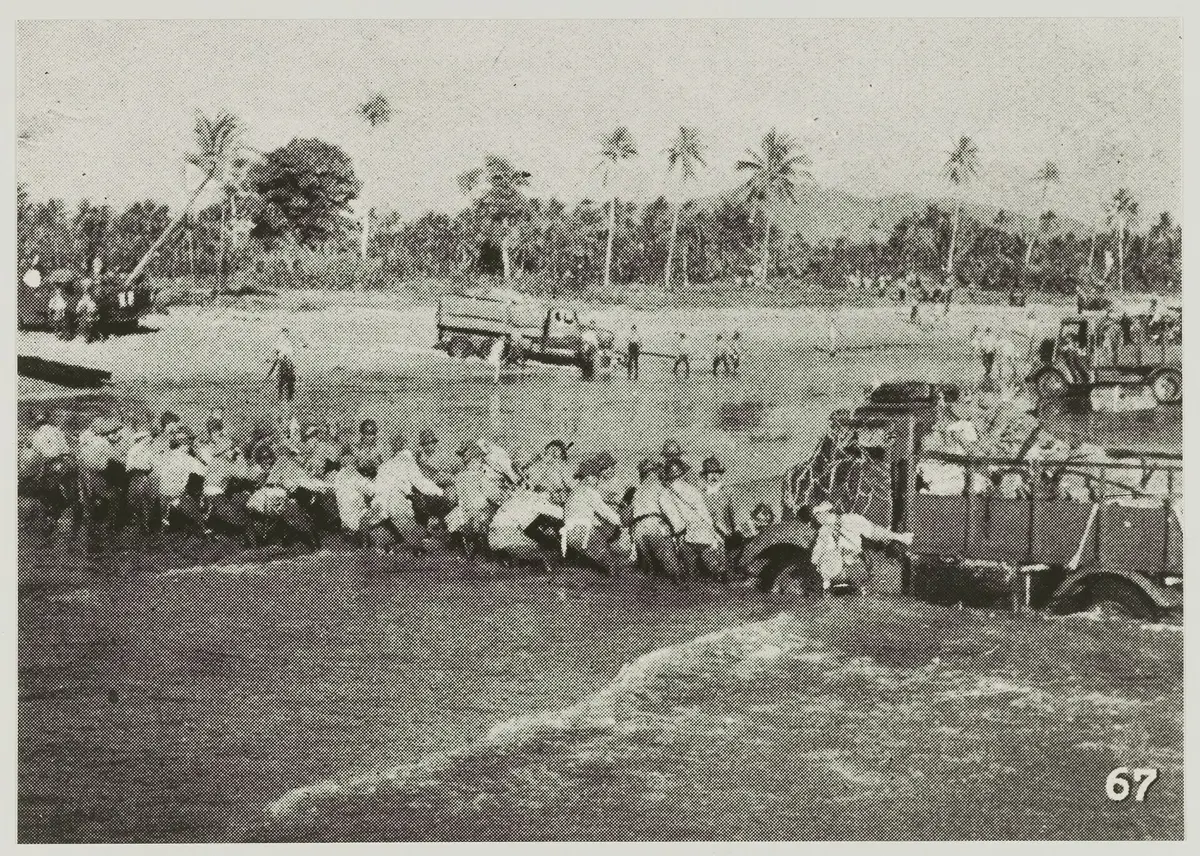
Before dawn the Japanese Sixteenth Army lands at three points on Java's north coast: at Merak and Bantam Bay in the west, at Eretan Wetan, and at Kragan in the east.
Japanese troops capture Batavia. The day before, the army commander had decided to give up Batavia and Buitenzorg and gather his forces around Bandung.
Batavia (Jakarta): Weltevreden, the government quarter with the governor-general's palace on the KoningspleinWith the Japanese at Lembang, just above Bandung, the army commander, Lieutenant-General Hein ter Poorten, issues his surrender order over a radio station in Japanese hands. At the airfield of Kalijati, north of Bandung, the capitulation of the Royal Netherlands Indies Army is settled in his presence.
Kalijati airfield: where the Dutch capitulated to Japan in March 1942The Netherlands Indies government surrenders, and the Allied troops on Java lay down their arms. Within days the Japanese intern Dutch officials and soldiers; nearly a century and a half of the colony ends in eight days of fighting on Java.
Kalijati airfield: where the Dutch capitulated to Japan in March 1942