The Dutch 'Ethical Policy'
“From 1901 the Dutch promised to repay a 'debt of honour' to the Indies with schools, irrigation and emigration; it did little for welfare but educated the Indonesians who led the nationalist movement.”
The Ethical Policy (ethische politiek) was the Dutch promise, made official in 1901, to govern the East Indies for the good of its people and not only for profit. Its programme was summed up in three words: education, irrigation and emigration. That meant schools for Indonesians, new dams and canals for Java's rice fields, and the resettlement of Javanese farmers from overcrowded Java to the thinly peopled south of Sumatra. To pay for it the Netherlands took over the colonial government's debt of some 40 million guilders. Health campaigns, village banks, local councils and, from 1918, a People's Council (Volksraad) in Batavia were part of the same new course.
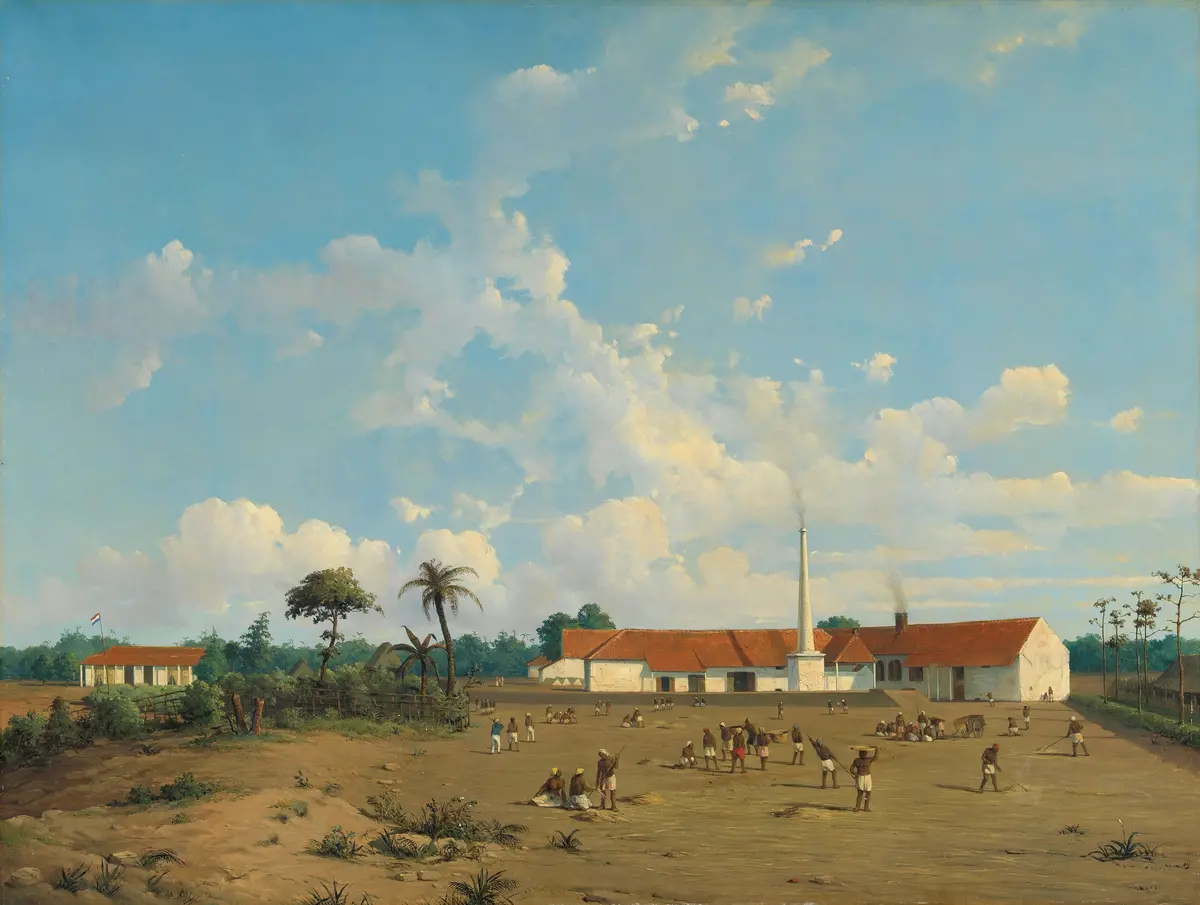
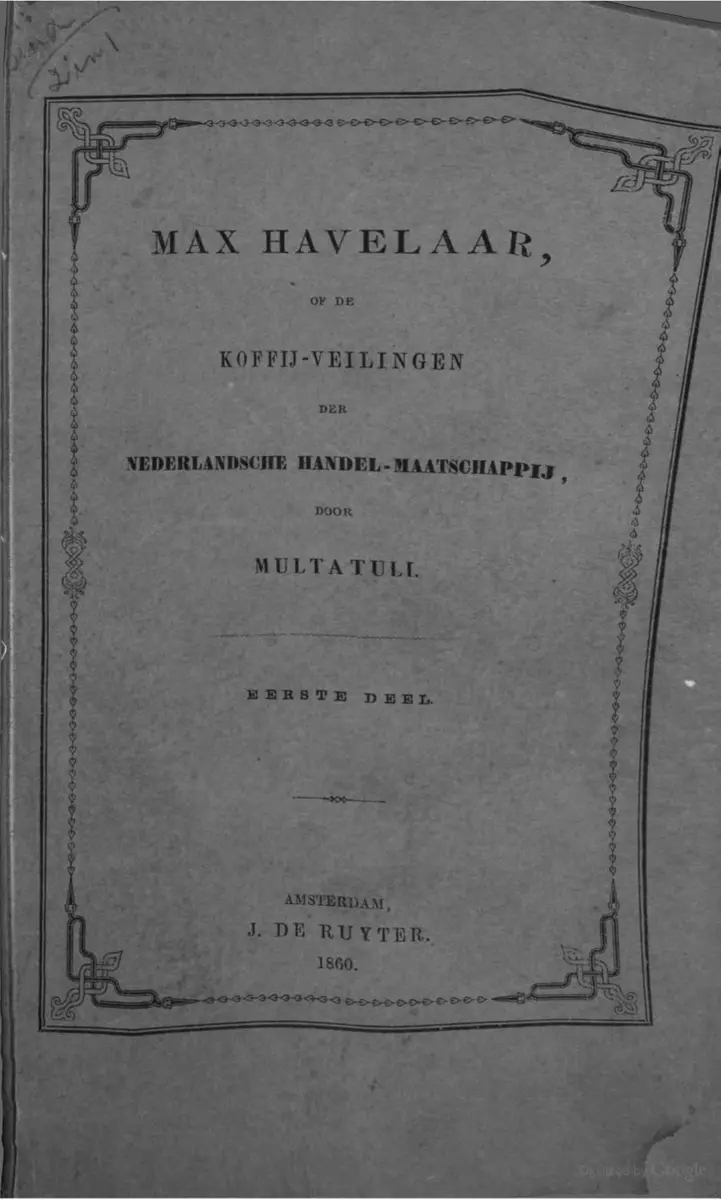
It grew out of guilt and self-interest together. The Cultivation System had sent hundreds of millions of guilders from Java to the Dutch treasury, and Multatuli's novel Max Havelaar (1860) had made the abuse famous. In 1899 the lawyer C. Th. van Deventer, back from seventeen years in the Indies, argued in the review De Gids that the Netherlands owed the Indonesians 'a debt of honour' for the wealth it had drained from them. Dutch business, meanwhile, wanted a more prosperous Java to buy its goods and supply workers. After a change of government in 1901, Queen Wilhelmina announced in her speech from the throne an inquiry into the 'diminished welfare' of the Javanese and spoke of a moral calling towards the Indies, while the army was still conquering Aceh.
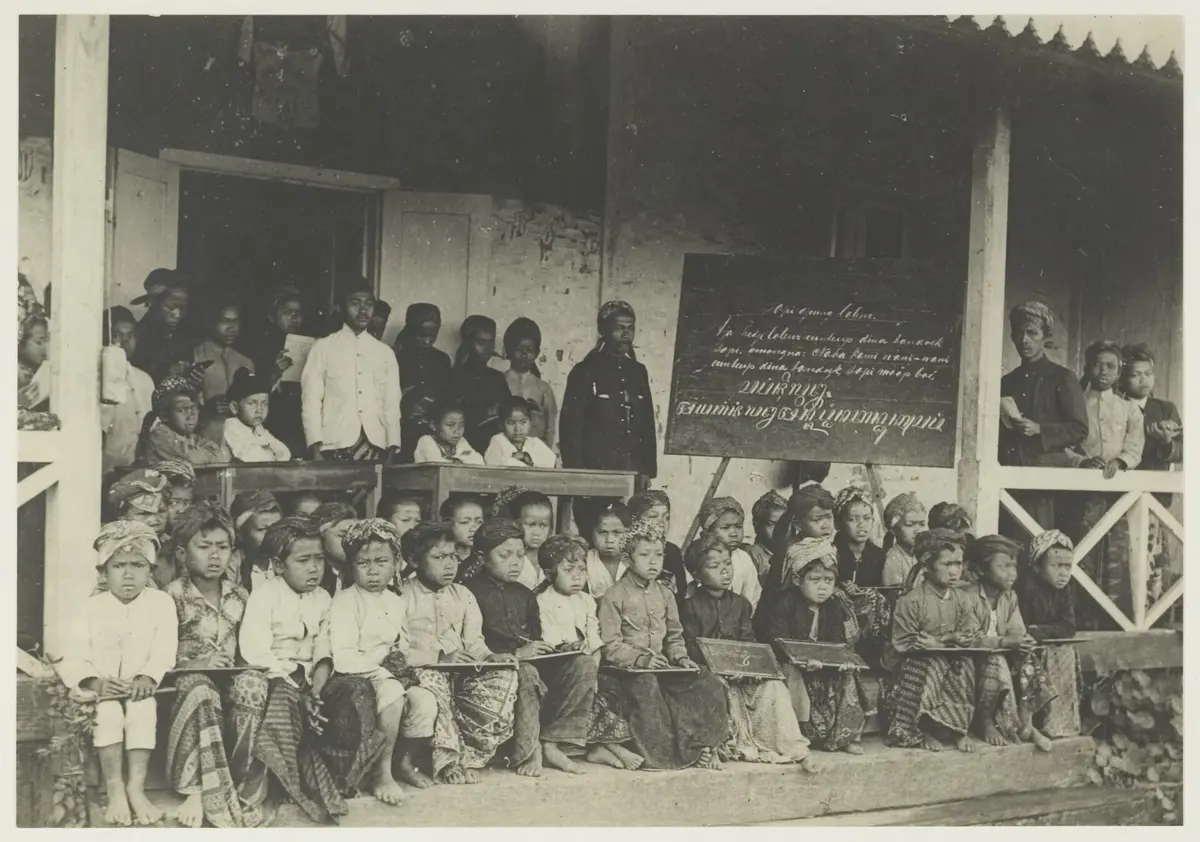
The results fell far short of the words. Village schools, opened from 1907 with villagers paying much of the cost, reached over 40 per cent of young children by the 1930s, yet the census of 1930 found only 7.4 per cent of adult Indonesians able to read and write. Irrigated rice land grew only about as fast as the population, and one great scheme in the Solo valley was abandoned after 17 million guilders were spent. The settlements in Lampung, begun with 155 families at Gedong Tataan in 1905, held about 36,000 people by 1930, while Java grew by 11 million. Welfare was paid for with Javanese taxes and labour, and from 1921 Governor-General Dirk Fock put a balanced budget first. The Depression of 1930 ended new reforms, and in the 1930s Governor-General B. C. de Jonge and the minister Hendrikus Colijn, a bitter opponent of Ethical ideas, governed with a hard hand against any nationalism. When the policy ended is a matter of judgement: historians name the early 1920s, 1927, 1930 or the Japanese invasion of 1942.
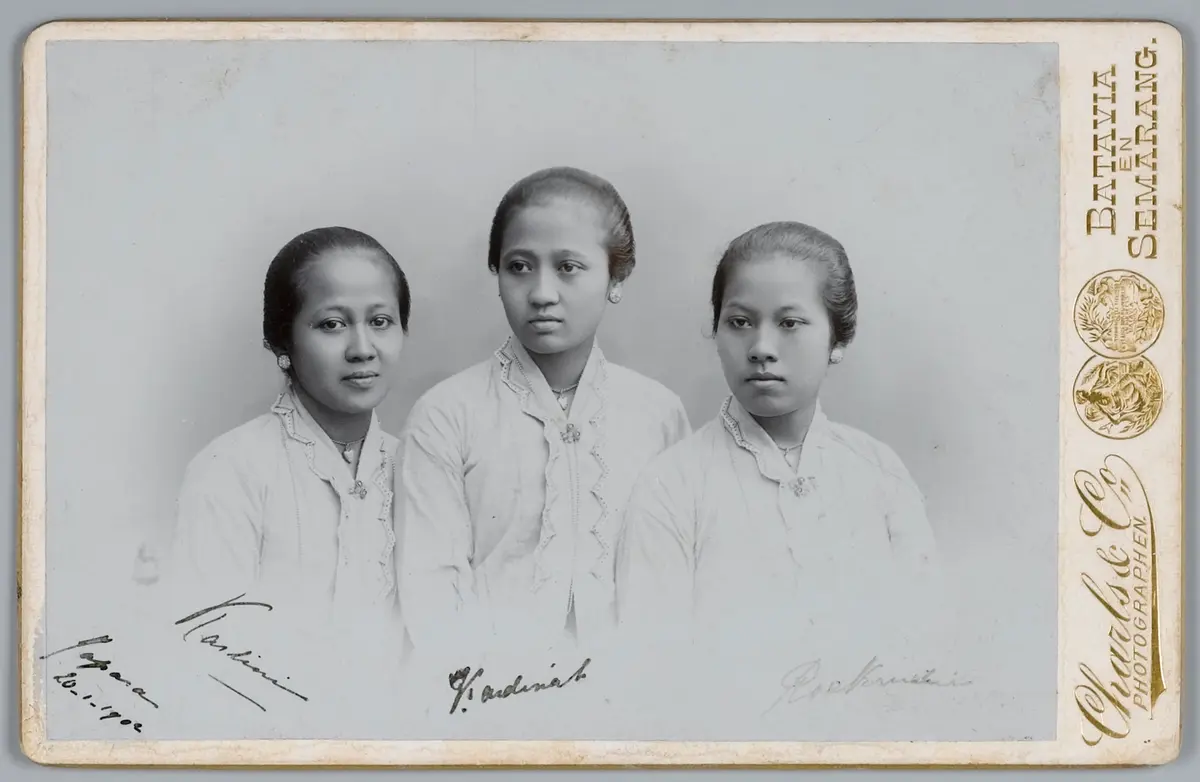
Its most lasting effect was the one its makers least intended. Dutch-language schools, the doctors' school STOVIA in Batavia, the training schools for officials and, from 1920, the technical college at Bandung produced a small Western-educated Indonesian elite who then found the best posts closed to them as 'natives'. Students at the STOVIA founded Budi Utomo in 1908; Kartini's letters, published in 1911, made her the voice of education for Indonesian girls; and Sukarno qualified as an engineer at Bandung in 1926. The Ethical Policy trained the nationalists who would end Dutch rule, and the historian M. C. Ricklefs sees its pattern, welfare proclaimed from above with meagre results under an authoritarian state, recurring in Indonesia long after the Dutch had gone.
What happened
- 1899
The lawyer Conrad Theodor van Deventer, back from seventeen years in the Indies, publishes 'Een eereschuld' (A Debt of Honour) in the Dutch review De Gids. The Netherlands, he argues, owes the Indonesians the wealth it has drained from their country, which he puts at almost 200 million guilders, and should pay it back by putting their interests first.
- 1900
J. H. Abendanon becomes the first 'Ethical' director of education (1900-05). The old schools for chiefs' sons become training schools for native officials (OSVIA), taught in Dutch and open to any Indonesian with a European primary education, and between 1900 and 1902 the 'Dokter-Jawa' school at Weltevreden in Batavia becomes the STOVIA, the School for Training Native Doctors.
The STOVIA, the school for 'native doctors' at Weltevreden, Batavia, where Budi Utomo was founded in 1908 (today the Museum of National Awakening) - 1901
In her yearly speech from the throne in The Hague, Queen Wilhelmina announces an inquiry into the 'diminished welfare' of the Javanese, promises to decentralise the colonial government and speaks of the Netherlands' moral calling towards the peoples of the Indies; in the same breath she hopes for the full 'pacification' of northern Sumatra, where the Aceh War goes on. The Ethical Policy becomes official.
The Binnenhof in The Hague, seat of the Dutch parliament, where Queen Wilhelmina gave her speech from the throne- 1902
Alexander Idenburg becomes minister of colonies (1902-05, and again in 1908-09 and 1918-19; governor-general 1909-16) and does more than anyone to put the new ideas into practice. The policy's three watchwords are education, irrigation and emigration.
- 1903
A Decentralisation Law allows councils with advisory powers, with European, Indonesian and Chinese members; the first councils for the main towns follow from 1905. Their majorities are Dutch, the vote is limited to well-off literate men, and the Indonesian members are mostly officials.
- 1905
The government moves 155 farming families from Kedu in Central Java to a new village near Gedong Tataan in Lampung, southern Sumatra, laid out by the official Heijting as a 'little Java'. It is the first government settlement of Javanese outside Java, the start of what Indonesia later calls transmigration; by 1930 the colonies hold about 36,000 people, while Java has grown by 11 million.
Gedong Tataan in Lampung, southern Sumatra, the first settlement of Javanese emigrants (1905) - 1907
Governor-General J. B. van Heutsz launches village schools (desascholen): three years of reading, writing, arithmetic and practical skills in the local language, with fees and much of the cost borne by the villages, which are pressed into opening them. By 1912 there are more than 2,500.
- 1908
At the STOVIA the retired doctor Wahidin Sudirohusodo, the medical student Sutomo and fellow students found Budi Utomo ('noble endeavour'), the first modern Indonesian association, to raise the Javanese through education. Governor-General Van Heutsz welcomes it as a sign that the Ethical Policy is working. Indonesia keeps the day as National Awakening Day.
The STOVIA, the school for 'native doctors' at Weltevreden, Batavia, where Budi Utomo was founded in 1908 (today the Museum of National Awakening)- 1911
Abendanon publishes the letters that Kartini, the regent of Jepara's daughter who died in 1904, wrote to his wife and other friends, as 'Door duisternis tot licht' (Through Darkness into Light), partly to win friends for a policy that is losing popularity. In 1913 a Kartini Fund is set up in the Netherlands to pay for Dutch-language schools for Javanese girls.
Jepara, where Kartini wrote most of the letters published in 1911 - 1914
The first-class schools for the Indonesian upper classes become Dutch-Native Schools (Hollandsch-Inlandsche Scholen, HIS), taught in Dutch and leading on to secondary school; MULO schools follow the same year, and general secondary schools (AMS) in 1919.
- 1918
Governor-General J. P. van Limburg Stirum opens the Volksraad (People's Council) in Batavia. Of its 38 members, half elected by the local councils and half appointed, 15 are Indonesians; it can advise and must be consulted on the budget, but it cannot decide.
The Volksraad building in Pejambon, Batavia (today Gedung Pancasila), where the People's Council met from 1918- 1920
Van Limburg Stirum opens the Technische Hoogeschool at Bandung, the first university-level school in the colony, built with 3.5 million guilders raised by colonial businessmen. Of its first 28 students, two are Indonesians; Sukarno will qualify there as an engineer in 1926.
The Technische Hoogeschool at Bandung, opened in 1920 (today ITB): its west hall- 1921
Dirk Fock becomes governor-general (1921-26). With the conservative minister of colonies Simon de Graaff (1919-25) he cuts services and raises the already heavy taxes on Indonesians to balance the colonial budget; some historians date the end of the Ethical Policy here.
- 1927
The STOVIA becomes the Geneeskundige Hoogeschool, a medical college, three years after a law college opened in Batavia. The same year, after the communist risings of 1926-27, political repression hardens.
- 1930
The Depression wrecks export prices and the colonial budget, and the reforms stop growing; historians who look at the economy end the Ethical Policy here. In 1930-31 over 1.7 million Indonesians are in Western-style schools, but the census finds only 7.4 per cent of adults able to read and write, and just 178 Indonesians at university level.