Madame de Pompadour
“Louis XV's mistress from 1745 to her death in 1764, the commoner who made Rococo the style of Europe and wore its most famous dresses in Boucher's portraits.”
Madame de Pompadour, born Jeanne-Antoinette Poisson, was the official mistress of King Louis XV of France from 1745 and, for almost twenty years, the woman who set the taste of the French court. She was not a noblewoman but the daughter of a Paris financier's agent, and her rise shocked the old aristocracy. She held on to her place long after the love affair itself had cooled, as the king's closest friend, adviser and partner in building and patronage, and she became one of the most painted women of the eighteenth century.
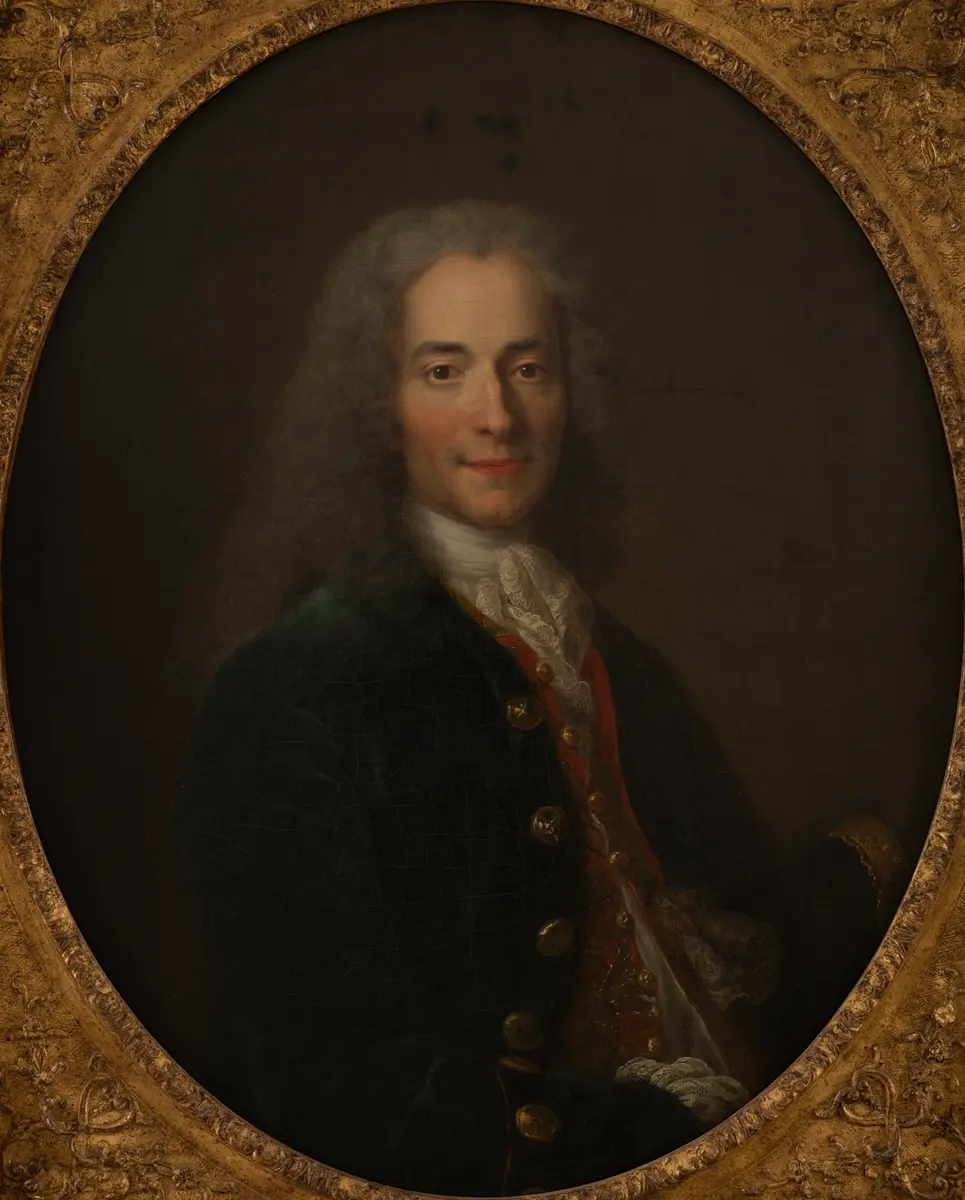
She was born in Paris on 29 December 1721, in the rue de Cléry. Her father, François Poisson, fled France in 1725 after a supply scandal, and a rich tax farmer, Le Normant de Tournehem, paid for her education, which was meant to make her the cultivated wife of a rich man. In March 1741 she married his nephew, Charles-Guillaume Le Normant d'Étiolles, and as Madame d'Étiolles she shone in the Paris salons, where she met Voltaire and other writers. During the festivities for the Dauphin's wedding in February 1745 she caught the king's eye; by the summer he had bought her the marquisate of Pompadour, and in September 1745 she was formally presented at court.
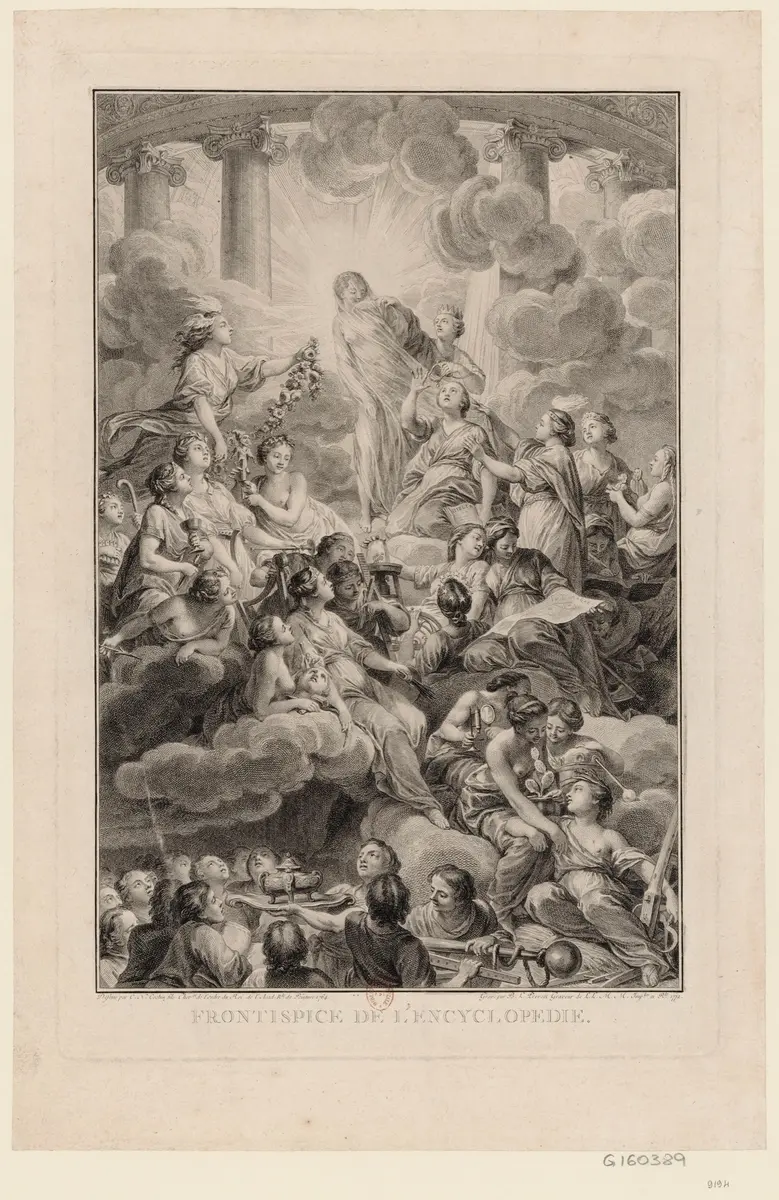
At Versailles she turned taste into a kind of power. She acted and sang in her own private theatre, built the Château de Bellevue above the Seine (1748–50), bought the Hôtel d'Évreux in Paris (today the Élysée Palace), learned to etch and to carve gems, and filled her houses with work by Boucher, Falconet, Pigalle and the porcelain makers of Vincennes, whom she helped move to Sèvres in 1756. Her brother, made marquis de Marigny, ran the king's buildings, and the three of them planned the École Militaire and the Place Louis XV. She also protected writers and the Encyclopédie, and she backed the alliance with Austria in 1756 that drew France into the disastrous Seven Years' War; many French people blamed her for the defeats.
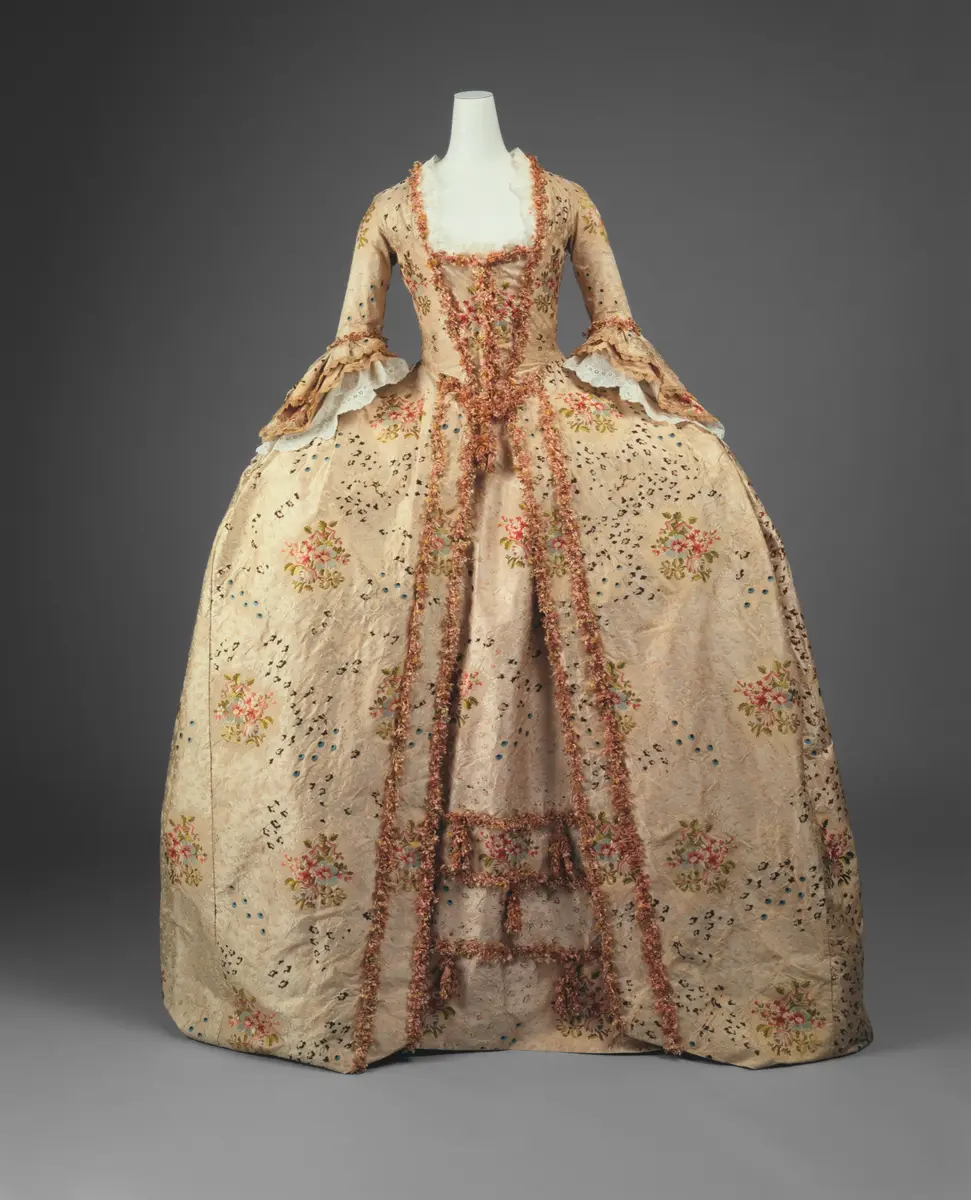
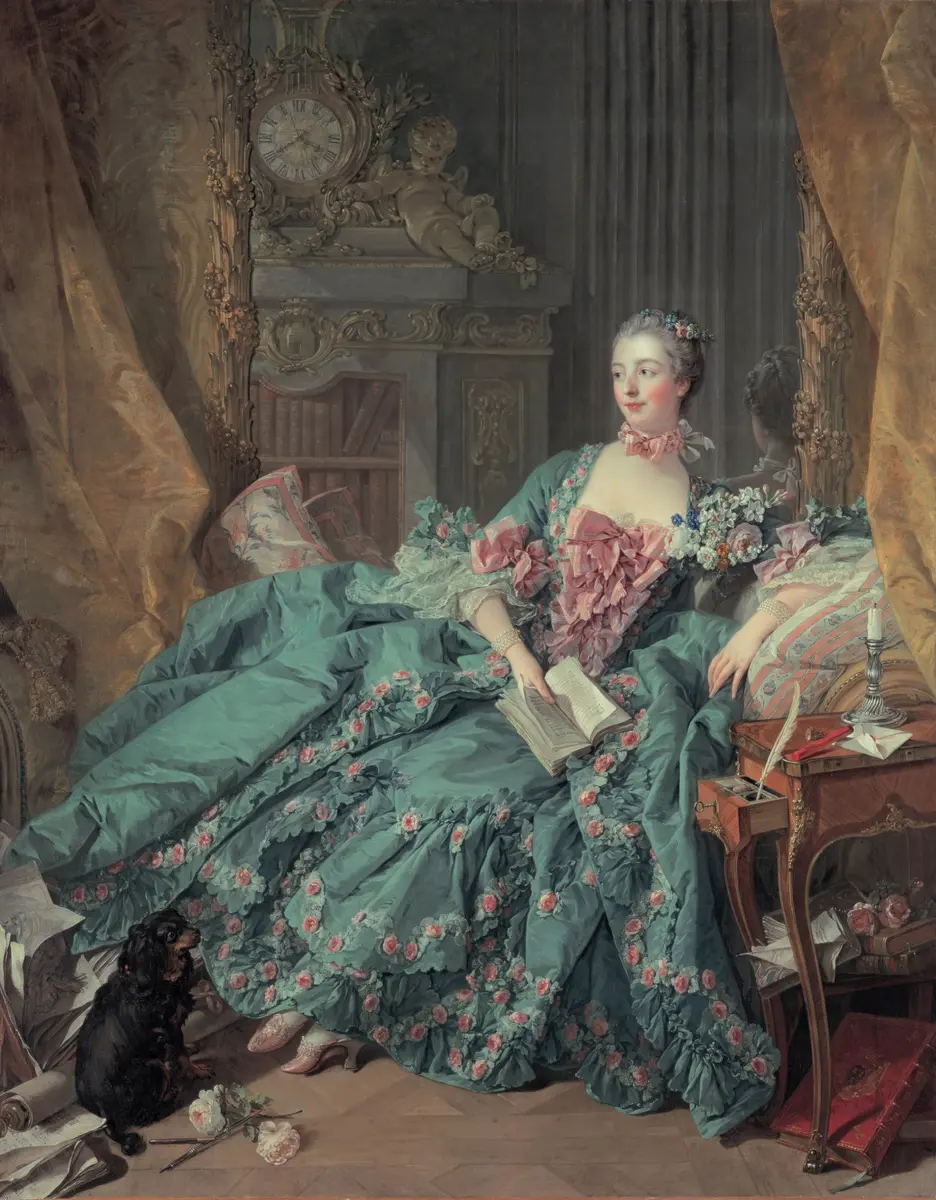
For a fashion history her portraits are the record. Boucher painted her again and again between 1750 and 1759: at her dressing table putting on rouge, reclining in a sea-green silk gown covered in roses and bows, and standing in a garden in pink silk taffeta. Most of the gowns are robes à la française, the open-fronted dress with loose pleats falling from the shoulders, worn over hoops and trimmed with ruched ribbons and lace, and every picture was a careful statement of who she wanted to be: beautiful, educated, loyal. The pink ground of the Sèvres porcelain she protected came to be called 'rose Pompadour', and copies of her portraits travelled across Europe on snuffboxes and prints.
She suffered for years from weak lungs. Taken ill at Choisy in February 1764, she died in her apartment at Versailles on 15 April 1764, aged 42, and was buried beside her mother and her daughter in the church of the Capuchin nuns by the Place Vendôme in Paris. Drouais's last portrait of her, at her embroidery frame in a gown of flowered cotton, was finished a month after her death. Her name lives on in a shade of pink and in the idea of the royal mistress as a patron of the arts.
What happened
- 1721
Jeanne-Antoinette Poisson is born in Paris, where her parents live in the rue de Cléry in the parish of Saint-Eustache; her father works for the Pâris brothers, the great financiers.
Rue de Cléry, Paris: her parents lived in this street of the parish of Saint-Eustache, where she was born on 29 December 1721- 1725
Her father, François Poisson, flees France after a supply scandal; the rich tax farmer Le Normant de Tournehem takes charge of the family and of her education.
- 1741
She marries Tournehem's nephew Charles-Guillaume Le Normant d'Étiolles; as Madame d'Étiolles she keeps a house in Paris and a country house at Étiolles by the forest of Sénart, and becomes a star of the Paris salons, where she meets Voltaire.
- 1745
During the festivities for the Dauphin's wedding she catches the king's eye; Williams places the moment at the masked ball at the Paris Hôtel de Ville on 28 February, other accounts at the 'yew-tree ball' at Versailles a few days before.
Separated from her husband, she is given the marquisate of Pompadour, takes its arms of three towers, and becomes Madame de Pompadour.
A week after the king's return to Paris on 8 September she is formally presented at court by the princesse de Conti, and settles at Versailles in rooms under the roof.
Palace of Versailles: her home from 1745, first in rooms under the roof, later in a ground-floor apartment, where she died on 15 April 1764- 1747
Molière's Tartuffe opens her private theatre in the small apartments at Versailles, with herself on stage; for years her plays and operas amuse the king.
Palace of Versailles: her home from 1745, first in rooms under the roof, later in a ground-floor apartment, where she died on 15 April 1764- 1748
Work begins on the Château de Bellevue, her own house on the slope above the Seine between Sèvres and Meudon, designed by l'Assurance.
Site of the Château de Bellevue, Meudon: her country house above the Seine between Sèvres and Meudon, built from June 1748 to November 1750 and demolished after the Revolution- 1750
Boucher completes his first portrait of her, the beginning of a series that runs to 1759; about this time the love affair with the king ends, and she stays on as his friend and confidante.
Bellevue is finished; the king and his gentlemen arrive for their visits in the 'Bellevue uniform' of purple velvet trimmed with gold lace.
Site of the Château de Bellevue, Meudon: her country house above the Seine between Sèvres and Meudon, built from June 1748 to November 1750 and demolished after the Revolution- 1751
Boucher paints the Toilette of Venus for her bathing apartment at Bellevue, and Pigalle finishes her marble bust in white stone from the Pyrenees, chosen by her to promote French materials.
Site of the Château de Bellevue, Meudon: her country house above the Seine between Sèvres and Meudon, built from June 1748 to November 1750 and demolished after the RevolutionShe etches the birth of the Duke of Burgundy after a cameo by Jacques Guay, one of a suite of prints she makes with Boucher's help between 1751 and 1755 and prints on a private press.
Building begins on the École Militaire, the royal military school she has pressed for, for boys of noble families with the sons of officers first, paid for at first with a tax on playing cards.
- 1752
The king grants her the honours of a duchess, above all the right to sit on a stool in the royal presence.
- 1753
She buys the Hôtel d'Évreux in the Faubourg Saint-Honoré for 65,000 livres and rebuilds it as her Paris house; it is today the Élysée Palace.
Hôtel d'Évreux (the Élysée Palace), Paris: her Paris house from 1753, left to the king in her will - 1754
Her only surviving child, Alexandrine, dies suddenly at her convent school; in October she is buried with ceremony in the church of the Capuchin nuns by the Place Vendôme, beside Madame Poisson.
Place Vendôme, Paris: she was buried in April 1764 beside her mother and her daughter in the church of the Capuchin nuns by the square, long since demolished- 1755
La Tour's great pastel of her, commissioned in 1749, is shown at the Salon: she sits among the Encyclopédie, L'Esprit des lois and the Henriade, a protector of the philosophes.
- 1756
Boucher paints the great portrait she commissions, in a sea-green gown among books and music; it is shown at the Salon of 1757.
The royal porcelain factory moves from Vincennes to a large new building at Sèvres, near Bellevue, with her protection; its pink ground, used around 1757–58 for the most fashionable clients, is known as 'rose Pompadour'.
On the king's order she is presented as a lady-in-waiting (dame du palais) to Queen Marie Leszczyńska, a recognised rank at court, and attends her at supper.
France and Austria sign the First Treaty of Versailles, the reversal of alliances she has helped bring about; within months the Seven Years' War begins, and its defeats are laid at her door.
- 1757
Falconet signs the marble Cupid made for her, finger to his lips, the 'menacing love' of the Rococo.
Robert-François Damiens strikes at the king with a blade as he leaves the palace at Versailles; for a moment her position is in danger, but she comes out of the crisis more powerful than before.
Palace of Versailles: her home from 1745, first in rooms under the roof, later in a ground-floor apartment, where she died on 15 April 1764- 1758
Boucher paints her full-length in a garden in white silk, one of a series of portraits that show her as beautiful, learned and loyal.
- 1759
Boucher's last portrait of her shows her in pink silk taffeta, leaning on a statue of Friendship; after it she turns to Van Loo and Drouais for plainer images.
- 1763
Drouais begins her portrait at her embroidery frame in her rooms at Versailles, painting her head from life.
Palace of Versailles: her home from 1745, first in rooms under the roof, later in a ground-floor apartment, where she died on 15 April 1764- 1764
During a stay of the court at Choisy she falls seriously ill with fever and a racking cough.
She dies in her apartment at Versailles, aged 42, after adding a last note to her will that morning; she asked to be buried at the Capuchins in Paris.
Palace of Versailles: her home from 1745, first in rooms under the roof, later in a ground-floor apartment, where she died on 15 April 1764