Athens begins building the Parthenon
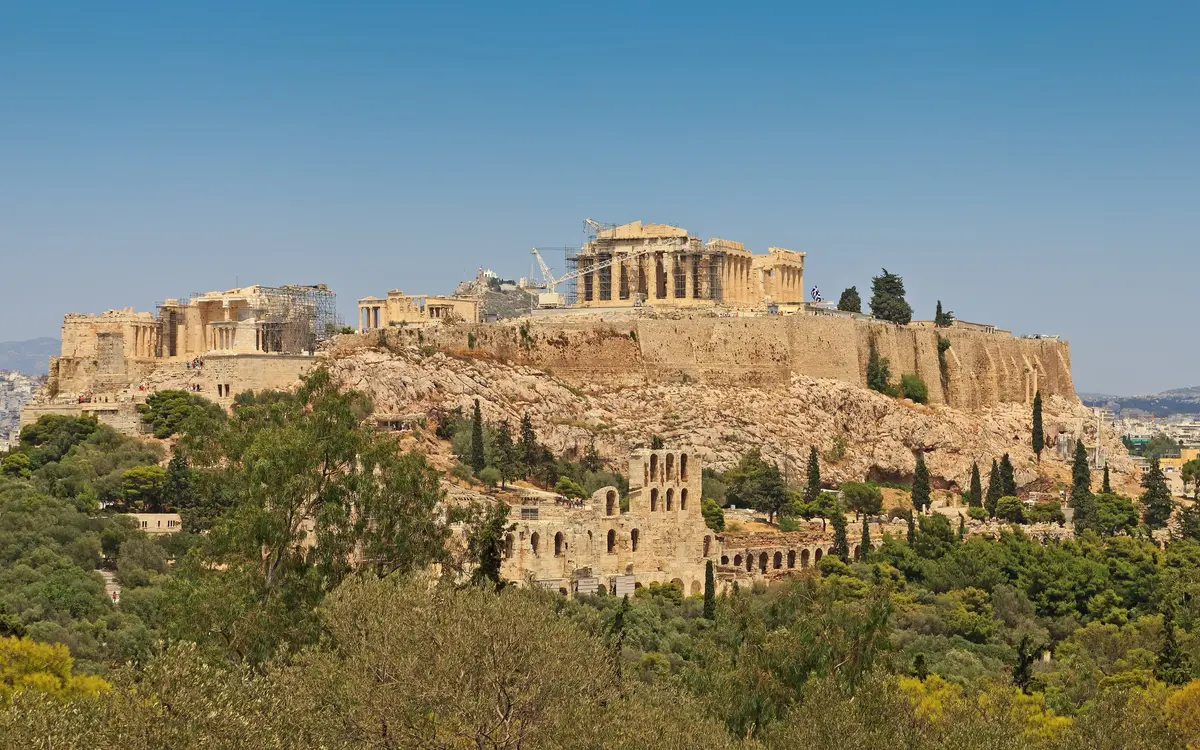
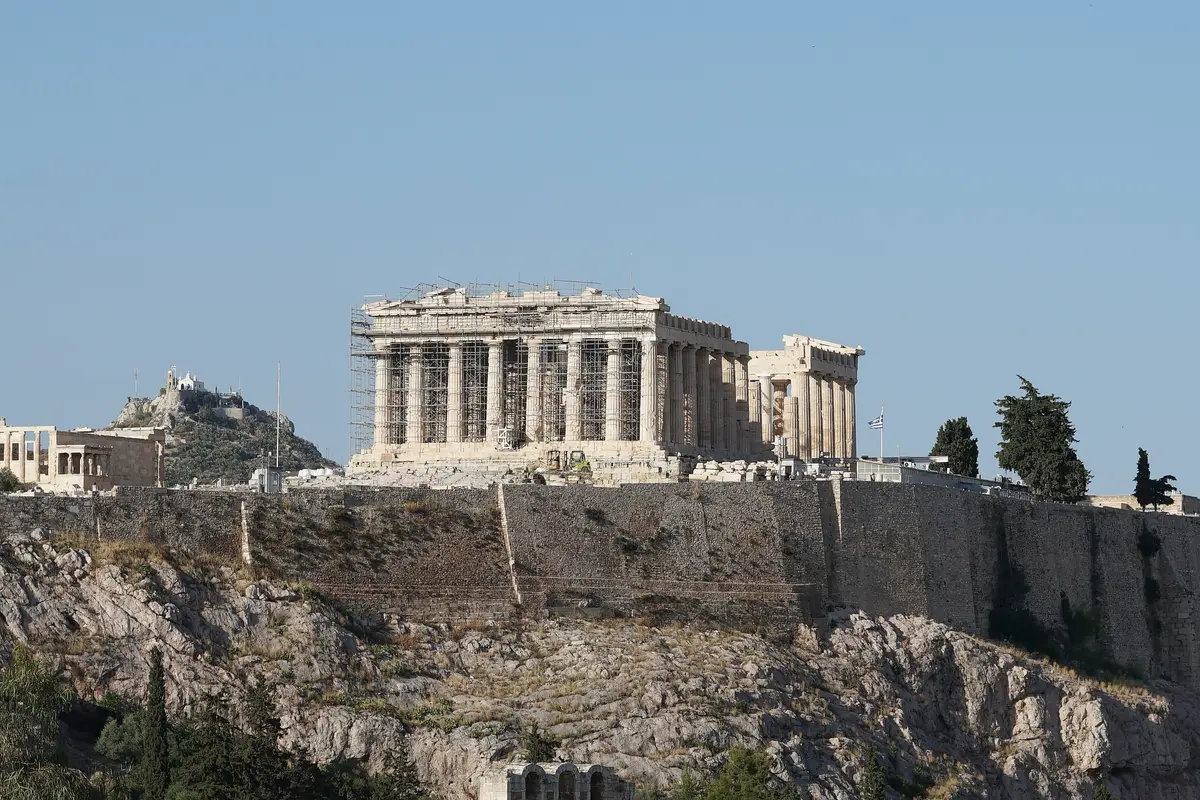
“Pericles's temple of Athena on the Acropolis, built 447–432 BCE by Iktinos and Kallikrates with sculpture under Phidias: the model of classical architecture, wrecked in 1687, its marbles split between Athens and London.”
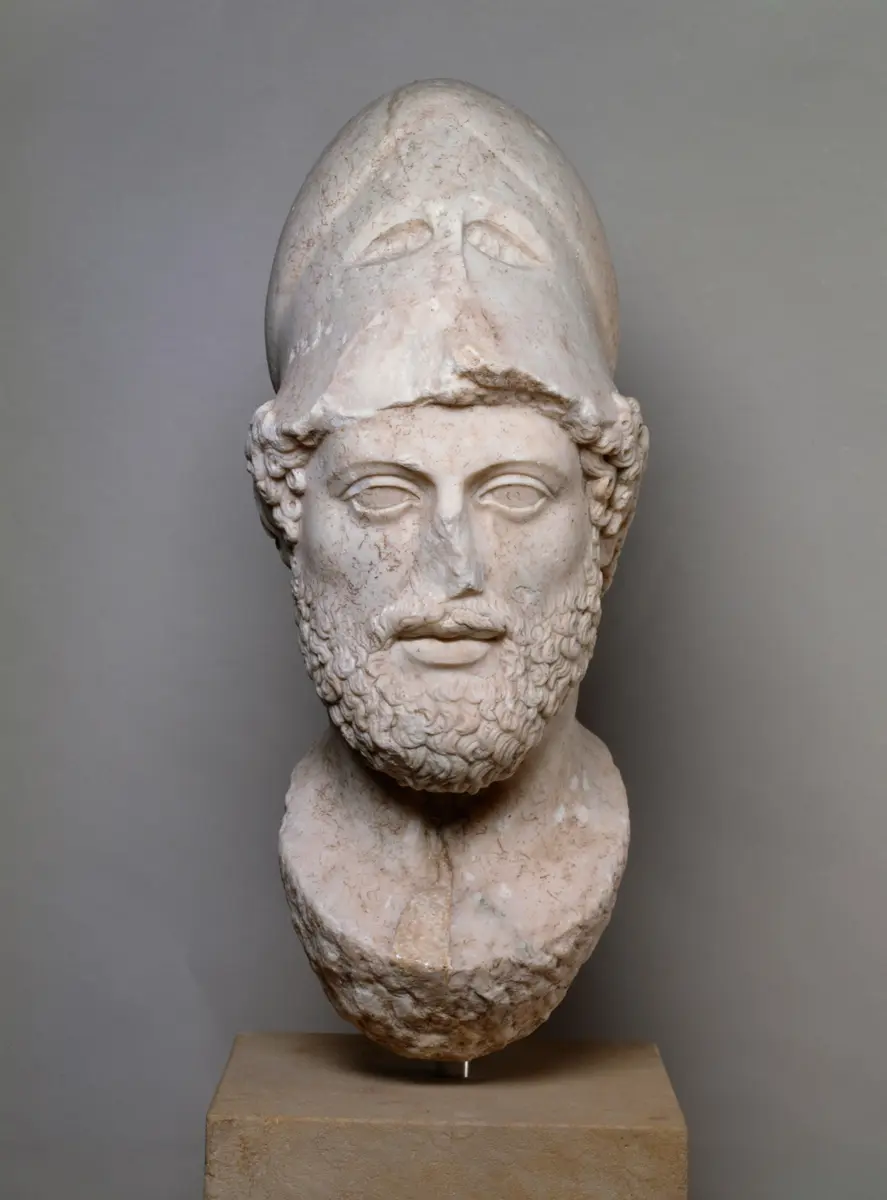
In 447 BCE the Athenians began a new temple for their goddess Athena on the Acropolis, the rock at the heart of their city. The Persians had burned the citadel in 480, together with an earlier temple begun on the same site about 490, and for three decades the ruins were left as they were; in 448 the city decided to rebuild its sanctuaries, and Pericles, its leading politician, drove the work. The architects Iktinos and Kallikrates designed a Doric temple with eight columns across each end and seventeen along each side, about 31 by 70 metres, on the site of the older temple, and the sculptor Phidias, Pericles's friend, oversaw the whole. Everything, down to the roof tiles, was cut from white marble quarried on Mount Pentelikon, some 16 kilometres away.
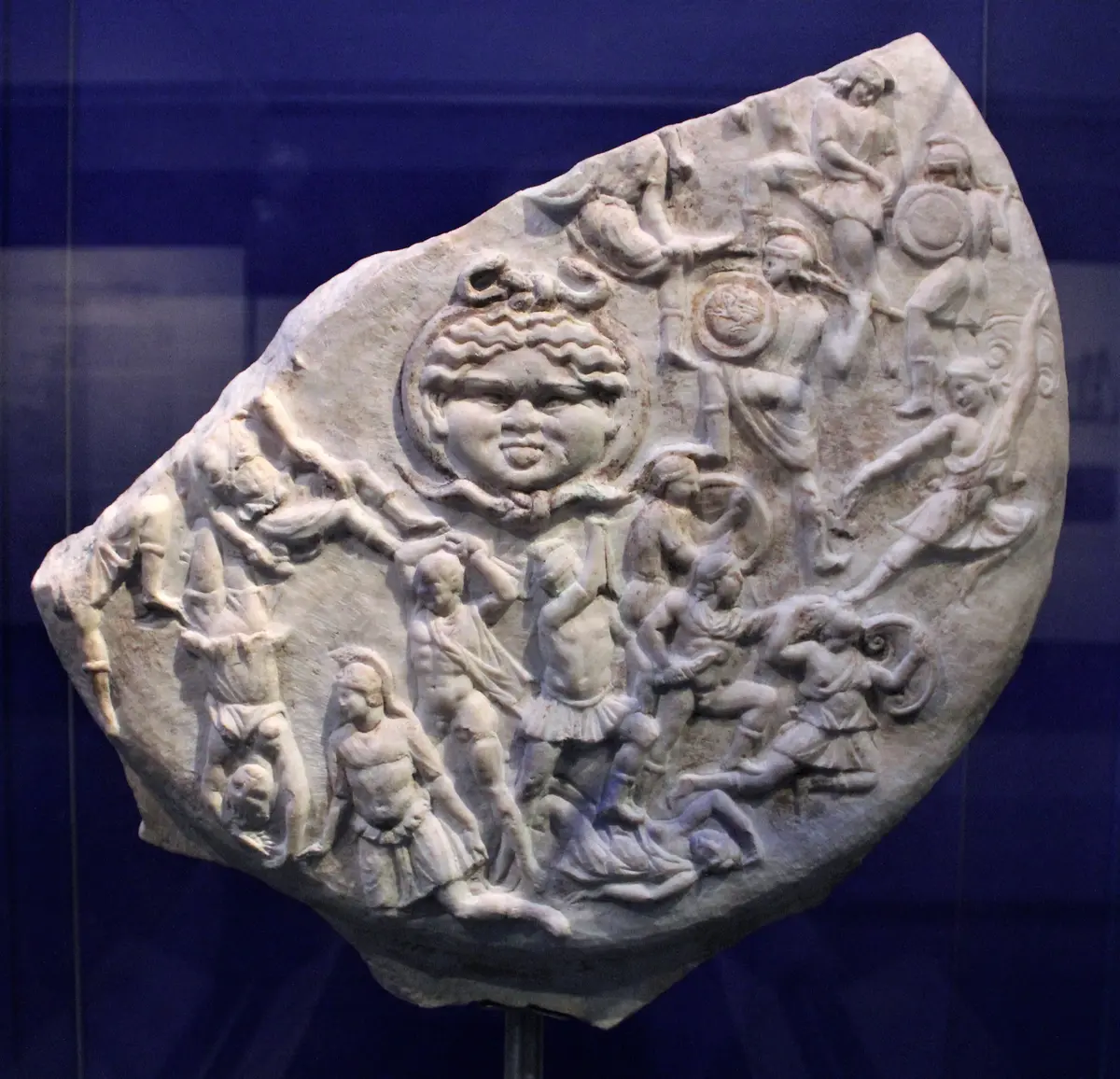
It rose fast. A board of overseers, changed every year, listed what it received and spent on a marble stele, and pieces of these accounts survive: quarrying and road-building in the first year, then timber, ivory and gold, then wages for the sculptors. By 438 the temple stood and Phidias's Athena Parthenos, 'Athena the Maiden', was set up inside: a figure of gold and ivory some twelve metres high, holding a Victory in her right hand. The statue alone cost more than 700 talents, the temple at least 500. The carving went on until 432: ninety-two metopes of mythical battles around the outside (gods against giants, Lapiths against centaurs, Athenians against Amazons, the fall of Troy), a continuous frieze round the walls inside the colonnade, most likely the procession of Athena's great festival, and in the two gables the birth of Athena and her contest with Poseidon for the land of Athens. The builders curved the floor and the beams very slightly, swelled the columns and thickened the corner ones so that the temple would look perfectly straight, and they painted the sculpture.
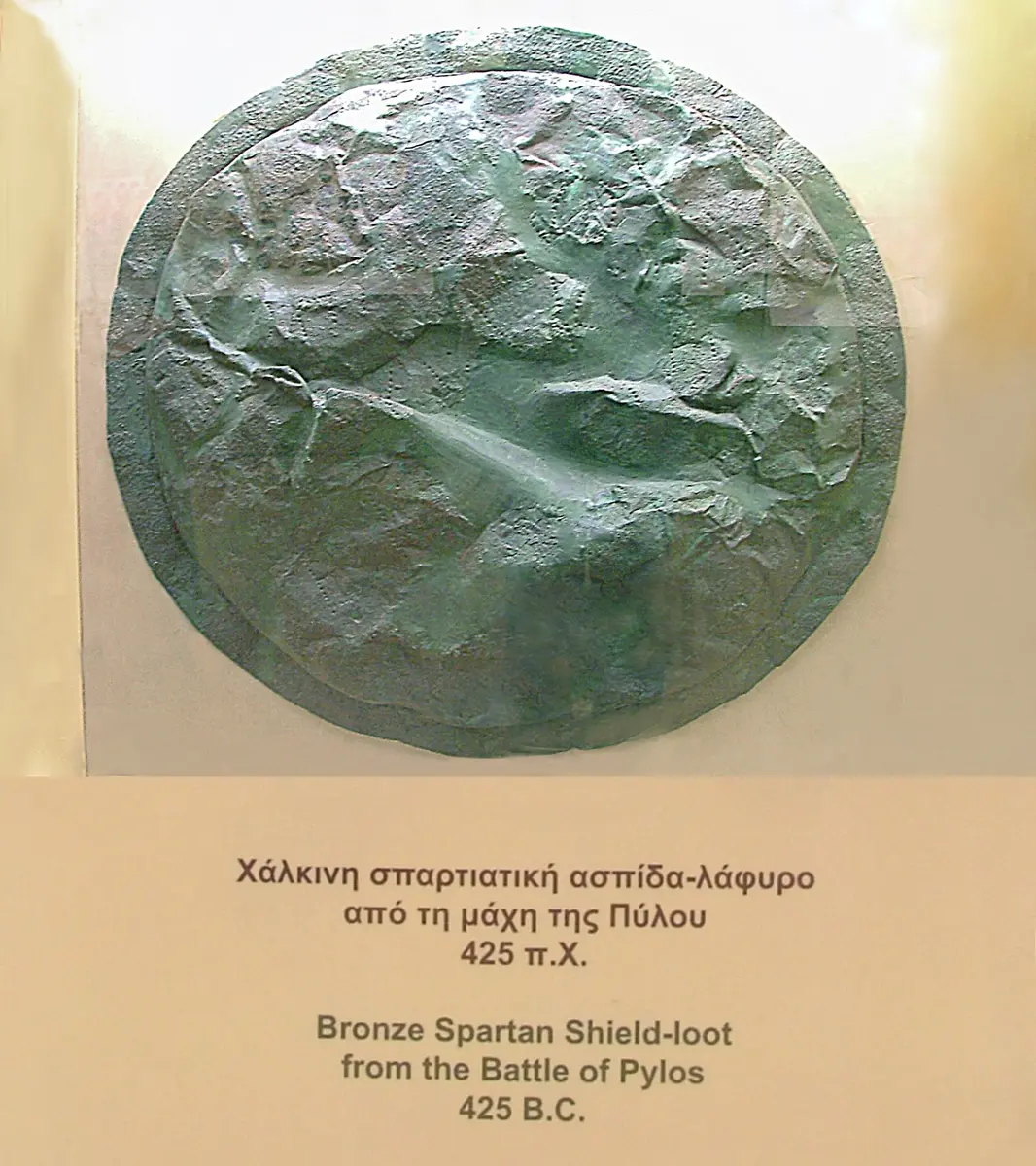
The money came above all from Athena's own treasury, which from 454/3 received a sixtieth of the tribute that Athens's allies in the Delian League paid each year for the war against Persia, once the league's treasury had been moved from Delos to Athens. Pericles's opponents, led by Thucydides son of Melesias, said the city was dressing herself up like a vain woman with money given for the war; Pericles answered that the allies paid for protection and got it, and in 444/3 the Assembly ostracized Thucydides instead of him. Some scholars doubt the Parthenon was ever a place of worship, for no altar of its own from the fifth century has been found, but it was certainly a treasure-house, and the city kept its reserves in the rear room that the Athenians called 'the parthenon', which gave the building its name. It was also a statement, to Greeks and to gods, of what the city and its empire could afford. The programme went on with the Propylaea gateway in 437; the temple was barely finished when the war with Sparta began in 431, and Pericles's enemies had already prosecuted Phidias over the gold of the statue.
The temple stood almost whole for some two thousand years. In late antiquity it became a church and Phidias's statue was taken away; in 1205, under Latin rule, it was dedicated to the Holy Mother of Athens as a cathedral; the Ottomans, who took the Acropolis in 1458, made it a mosque and raised a minaret. On 26 September 1687 a Venetian army under Francesco Morosini, besieging the Turkish garrison, landed a mortar bomb on the gunpowder stored inside: the explosion blew out the middle of the building, and the Venetians broke more sculptures trying to carry them off. From 1801 men working for Lord Elgin, the British ambassador to the Ottoman sultan, took down about half of what remained of the sculpture and shipped it to Britain, and in 1816 Parliament bought his collection for the British Museum for £35,000.
Since the founding of the Greek state in the 1830s the Parthenon has been the national symbol of Greece, and its forms have been copied in Neoclassical buildings all over the world. The young kingdom cleared the Acropolis of everything later than antiquity, the little mosque inside the temple included; the engineer Nikolaos Balanos's repairs around 1900 and again in the 1920s and 1930s gave the temple its familiar look but used iron that rusted and swelled inside the marble, and since 1975 a committee of specialists has directed a new restoration that returns each salvageable stone to its original place and fills the gaps with new marble from the ancient quarries. The Acropolis became a World Heritage Site in 1987. The sculptures remain divided: of the half that survives, about half is in Athens, shown since 2009 in the glass-walled gallery of the Acropolis Museum facing the rock, and half in the British Museum, which has refused Greece's requests for their return, formally made since 1983.
What happened
- 447 BCE
Work begins on a new temple of Athena on the Acropolis, on the site of the older temple the Persians burned in 480. Iktinos and Kallikrates are the architects and Phidias oversees the whole; a board of overseers, changed every year, starts the record of its receipts and spending on a marble stele that will run for fifteen years.
The Parthenon: the temple of Athena Parthenos, built on the Acropolis from 447 to 432 BCEIn the first year the overseers pay for cutting and hauling marble from the quarries of Mount Pentelikon, about 16 kilometres away, and for work on the road down to the city: the whole temple, roof tiles included, will be of white Pentelic marble.
The Spilia quarry on Mount Pentelikon: the white marble of the Parthenon was cut on this mountain and dragged down to Athens- 446 BCE
A separate board of overseers is buying gold and ivory for Phidias's colossal statue of Athena; the earliest firmly dated fragment of the statue's own accounts belongs to the year 446/5.
The Parthenon: the temple of Athena Parthenos, built on the Acropolis from 447 to 432 BCE - 443 BCE
Thucydides son of Melesias leads the attack on the cost, saying that the city is decking herself out like a vain woman with the allies' war money; in the ostracism of 444/3 the Assembly banishes him instead of Pericles, and the building goes on.
- 442 BCE
About now the sculptors begin the continuous frieze that runs round the top of the inner walls: most likely the procession of Athena's great festival, the Panathenaia, from the riders mounting at the west end to the priest, the priestess and the seated gods over the east door.
The Parthenon: the temple of Athena Parthenos, built on the Acropolis from 447 to 432 BCE - 438 BCE
The temple stands, and Phidias's Athena Parthenos is dedicated inside it: some twelve metres of gold and ivory, a Victory on her right hand. Her gold, 44 talents of it by one ancient count, is fixed so that it can be taken off and weighed; the statue's final account shows more than 700 talents spent.
The Parthenon: the temple of Athena Parthenos, built on the Acropolis from 447 to 432 BCEThe overseers' account for 438/7 records more quarrying and the first payments to the sculptors of the pediment figures: in the east gable the birth of Athena from the head of Zeus, in the west her contest with Poseidon for the land of Athens.
The Parthenon: the temple of Athena Parthenos, built on the Acropolis from 447 to 432 BCE- 437 BCE
With the temple standing, the architect Mnesikles begins the Propylaea, the marble gateway at the west end of the Acropolis, on which work goes on until 432.
The Acropolis: the sanctuary of Athena burned by the Persians in 480 BCE and rebuilt under Pericles, with the Propylaea from 437 - 434 BCE
The best-preserved year of the accounts, the fourteenth (434/3): the overseers pay workers at Pentele, among them men who load the stones onto wheeled carts, and the sculptors of the pediment figures by the month, and they sell surplus gold and ivory. The main structure is complete.
The Spilia quarry on Mount Pentelikon: the white marble of the Parthenon was cut on this mountain and dragged down to Athens - 433 BCE
From this year the city keeps its public funds in the temple's rear room, the opisthodomos, the chamber the Athenians called 'the parthenon' that gave the building its name.
The Parthenon: the temple of Athena Parthenos, built on the Acropolis from 447 to 432 BCE - 432 BCE
The accounts end with the fifteenth year, 433/2: the pediment sculptures are finished and the Parthenon is complete, fifteen years after it was begun, at a cost of at least 500 talents.
The Parthenon: the temple of Athena Parthenos, built on the Acropolis from 447 to 432 BCEPericles's enemies strike at him through his friends: Phidias is accused of stealing gold from the statue and, when the gold is weighed and the charge fails, of impiety for carving himself and Pericles on Athena's shield. He is thrown into prison; Plutarch says he died there, Britannica that he more likely went into exile and made the Zeus at Olympia.