Phidias
“Pericles's sculptor, who directed the Parthenon's marbles and made the gold-and-ivory Athena Parthenos and the Zeus at Olympia, one of the Seven Wonders; nothing of his own hand survives.”
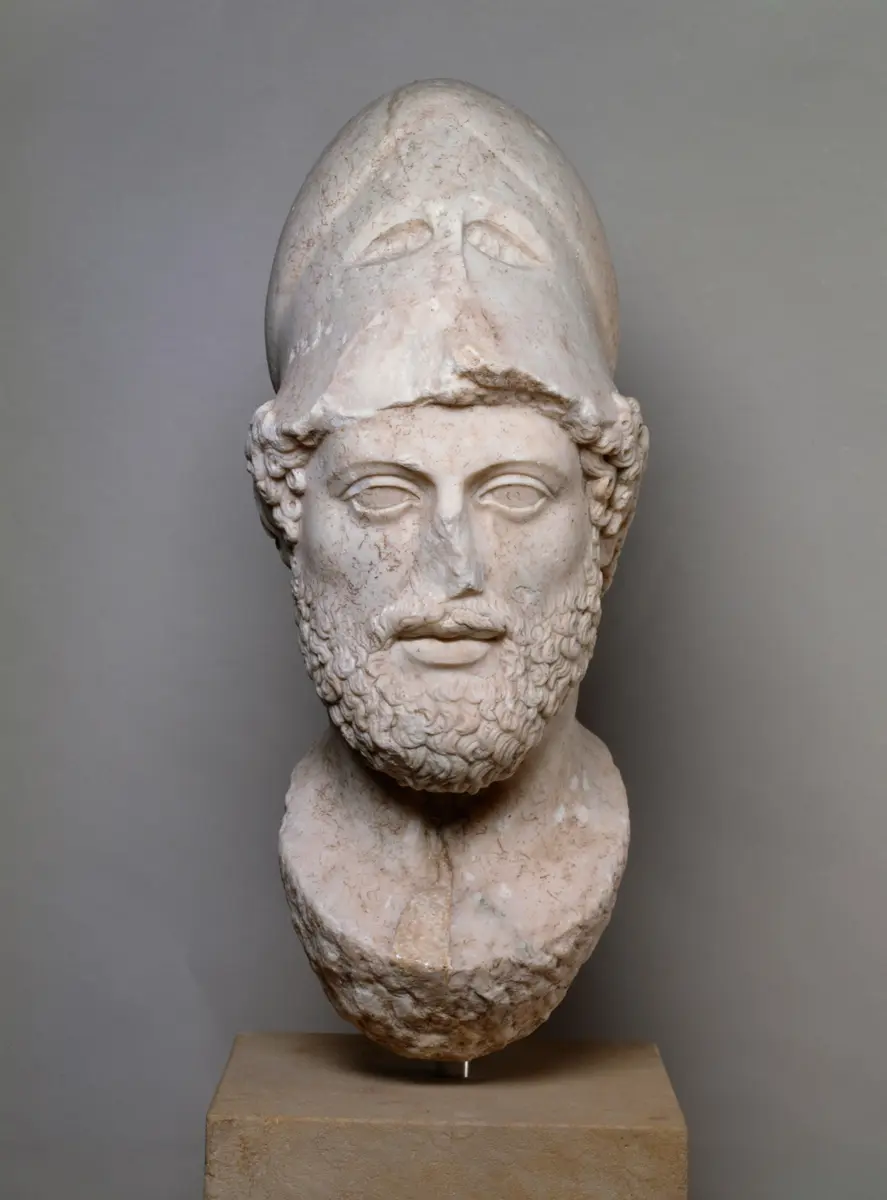
Phidias (Pheidias in Greek) was the Athenian sculptor of the age of Pericles, the man the ancients credited with showing the Greeks what their gods looked like. He was born in Athens about 490 BCE, the son of Charmides, and ancient writers name the Athenian Hegias and Ageladas of Argos as his teachers. Britannica can say only that he flourished between about 490 and 430 BCE, and Pliny the Elder placed his peak in the 83rd Olympiad, 448 to 445. He worked in bronze, marble and above all in gold and ivory, a technique in which, Quintilian wrote, he had no equal, and his brother Panaenus was a painter.
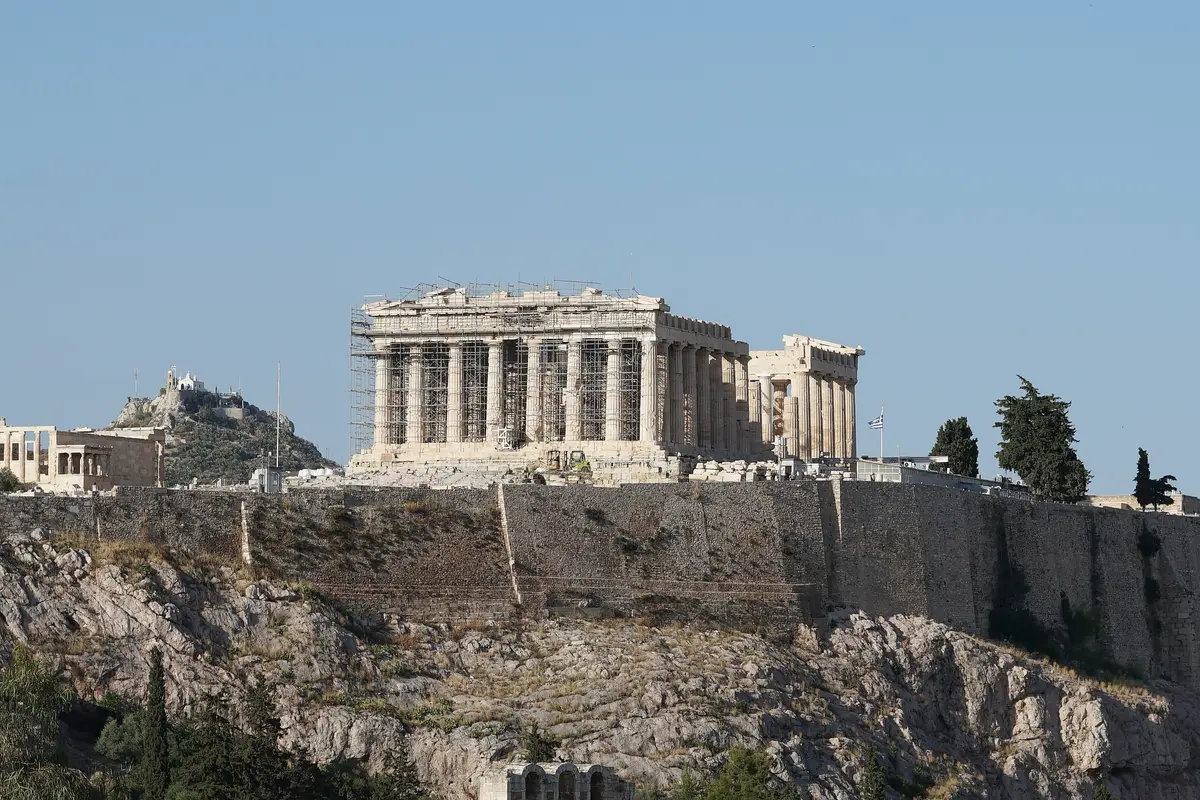
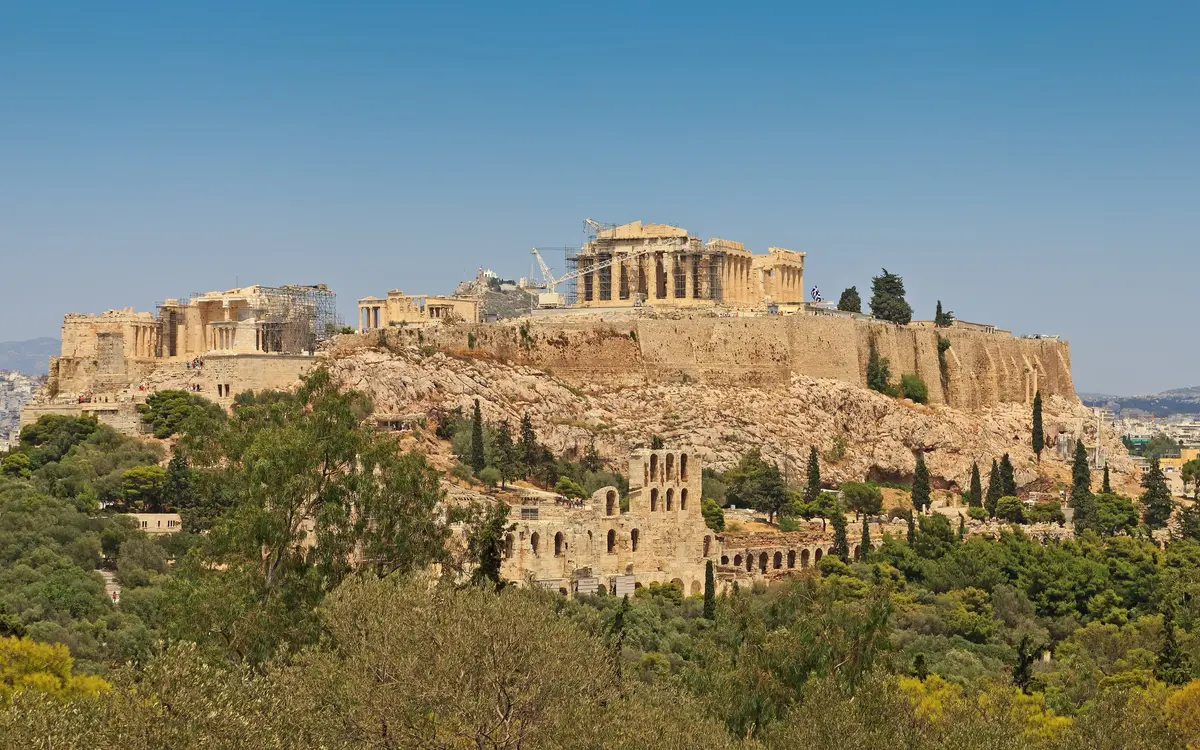
His first great work for his city was a bronze Athena on the Acropolis, set up about 456 BCE from the spoils of Marathon, some nine metres high by its inscription: the Athena Promachos, 'who fights in front', whose spear-tip and helmet crest, Pausanias says, could be seen by sailors rounding Cape Sunium. A calmer, bare-headed Athena, which Athenian settlers sent to Lemnos dedicated between 451 and 448, is known from Roman copies, the finest a head in Bologna. When Pericles began rebuilding the sanctuaries the Persians had burned, from 447, Plutarch says he put Phidias in charge of everything, and the sculptures of the Parthenon, carved by many hands between 447 and 432, are usually taken to follow his design.
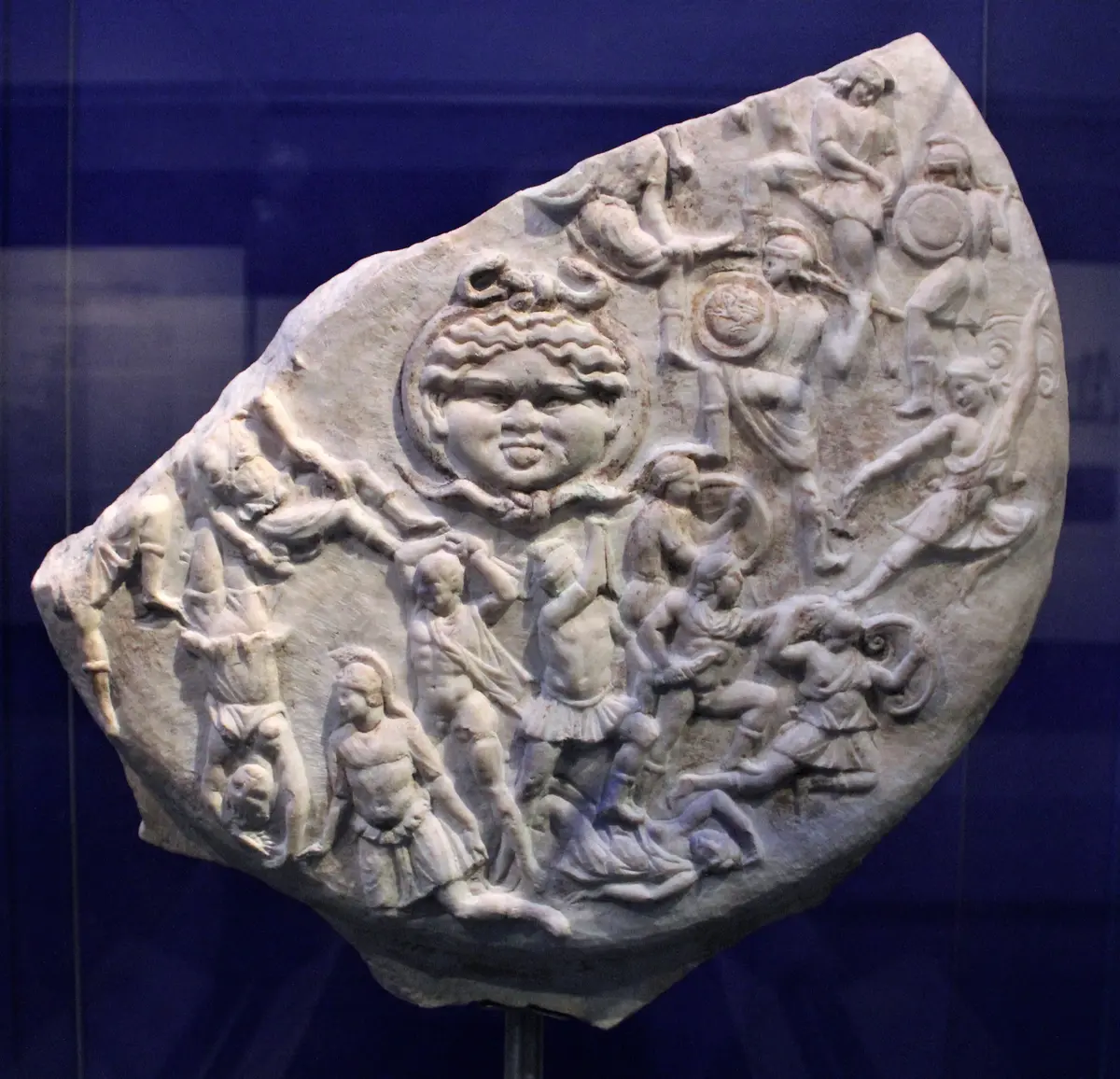
Inside the temple stood his Athena Parthenos, some twelve metres of gold and ivory on a wooden frame, a winged Victory in her right hand, a shield and a serpent at her side, dedicated in 438 BCE under the archon Theodorus. The city's accounts show that it cost between 700 and 1,000 talents, more than the temple itself, and that its gold weighed 44 talents. It made him enemies. Philochorus says he was convicted of cheating on the ivory in that same year and fled to Elis; Plutarch tells it differently, placing the attack on the eve of the Peloponnesian War, when an assistant named Menon accused him of stealing gold. The gold had been fixed so that it could be taken off and weighed, and the charge failed, but Phidias was then accused of impiety for carving himself, as a bald old man lifting a stone, and Pericles, fighting an Amazon, on the goddess's shield. Plutarch says he was thrown into prison and died there.
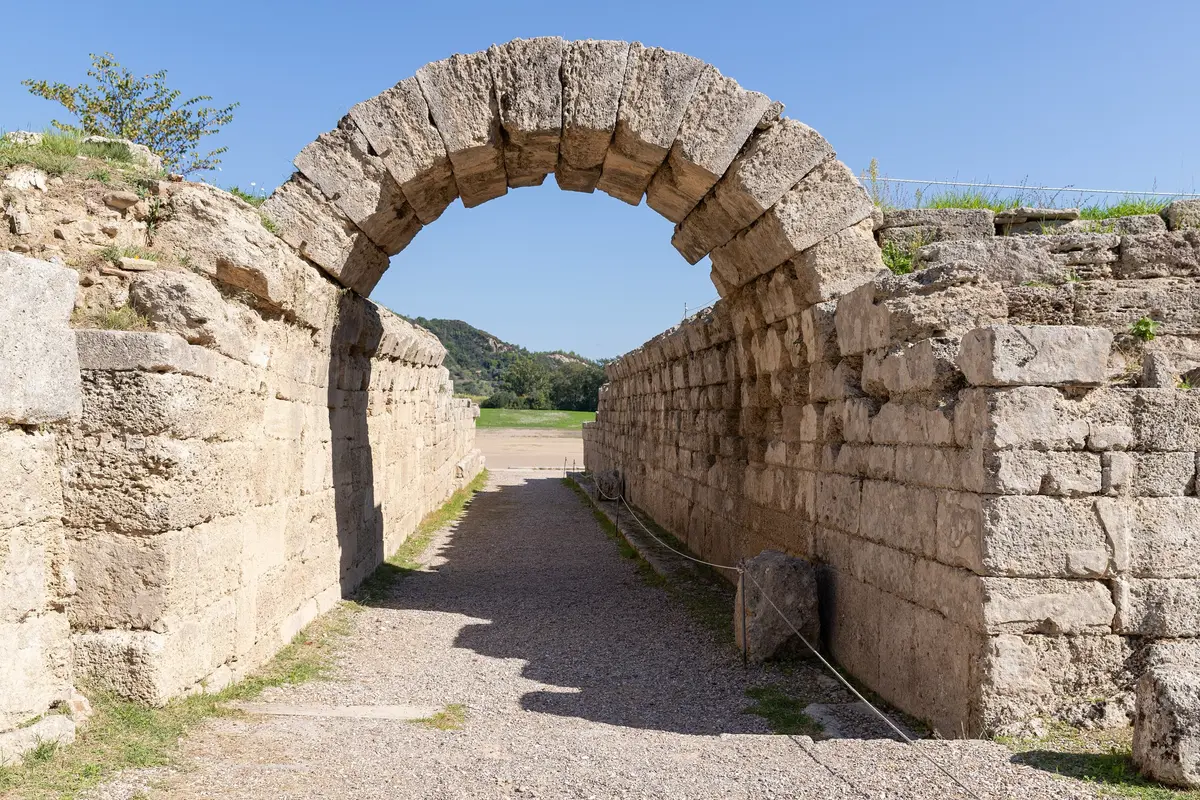
The other tradition gives him a second masterpiece. At Olympia, in a workshop built to the exact size of the temple's inner room, he made the seated Zeus for the temple of Zeus, with the painter Panaenus and the sculptor Colotes: a figure of ivory and gold about thirteen metres high, holding a Victory and a sceptre, on a throne crowded with gods, Graces and Seasons, and so tall that, Strabo remarked, it would have taken the roof off had it stood up. It carried the inscription 'Pheidias, son of Charmides, an Athenian, made me', and a wrestler of Elis named Pantarces, who won at the Games of 436, appears among its figures, which dates the work to the 430s. The Greeks counted it among the Seven Wonders of the world; it was taken to Constantinople in late antiquity and lost. Phidias died about 430 BCE, in prison at Athens according to Plutarch, or at the hands of the Eleans after finishing the Zeus according to Philochorus.
Nothing from his own hand survives. The Athena Parthenos is known from small Roman copies, the best the Varvakeion statuette in Athens, and from a larger Hellenistic version made for the library of Pergamon; the Zeus from coins of Elis struck under Hadrian and from the descriptions of Pausanias and others. In 1954–58 German excavators led by Emil Kunze dug the workshop at Olympia, west of the temple, where a Christian church had been built over it in the fifth century CE, and found tools, pieces of ivory and glass, terracotta moulds for the glass folds of the god's robe, and a plain black cup scratched underneath with the words 'I belong to Pheidias': the only object known to have been his. Through the Parthenon sculptures and the copies of his statues, his calm, idealised figures set the model of the Classical style for the rest of antiquity and for Europe after the Renaissance.
What happened
- 490 BCE
Born in Athens about now, the son of Charmides. Ancient writers make him a pupil of the Athenian sculptor Hegias and of Ageladas of Argos; his brother Panaenus will be a painter.
Athens: born here about 490 BCE; his bronze Athena Promachos stood on the Acropolis from about 456, and here, Plutarch says, he died in prison - 456 BCE
His bronze Athena Promachos, paid for from the spoils of Marathon, is set up on the Acropolis, about nine metres high by the surviving inscription and the largest statue yet made in Athens; its spear-point and crest could be seen from ships rounding Sunium.
Athens: born here about 490 BCE; his bronze Athena Promachos stood on the Acropolis from about 456, and here, Plutarch says, he died in prison - 450 BCE
About now Athenian settlers sent to the island of Lemnos dedicate a bronze Athena by Phidias on the Acropolis, the 'Lemnian Athena', bare-headed and at peace, leaning on her spear: known from Roman copies, the best a head in Bologna.
Athens: born here about 490 BCE; his bronze Athena Promachos stood on the Acropolis from about 456, and here, Plutarch says, he died in prison - 447 BCE
Pericles's rebuilding of the Acropolis begins with the Parthenon, and Plutarch says he puts Phidias in charge of all of it. Pliny places his peak in these years, the 83rd Olympiad (448–445).
The Parthenon: his Athena Parthenos of gold and ivory was dedicated inside it in 438 BCE, and its sculptures were carved under his direction - 446 BCE
A board of overseers for the great statue of Athena is buying gold, at fourteen times its weight in silver, and ivory: the earliest surviving fragment of the statue's accounts belongs to the year 446/5. The statue's size has fixed the temple's unusual width of eight columns.
The Parthenon: his Athena Parthenos of gold and ivory was dedicated inside it in 438 BCE, and its sculptures were carved under his direction - 438 BCE
The Athena Parthenos is dedicated in the Parthenon in the year of the archon Theodorus: some twelve metres of gold and ivory, a Victory in her right hand, a spear in her left, her shield and the serpent beside her. The final account shows between 700 and 1,000 talents spent, with 44 talents of gold.
The Parthenon: his Athena Parthenos of gold and ivory was dedicated inside it in 438 BCE, and its sculptures were carved under his directionWith the statue in place, the carving of the temple's frieze and pediments goes on until 432, by many hands and, as is usually thought, to his design: the Panathenaic procession round the walls, ending over the east door with the folding of Athena's robe among the seated gods.
The Parthenon: his Athena Parthenos of gold and ivory was dedicated inside it in 438 BCE, and its sculptures were carved under his directionThe first version of his fall: Philochorus says that in the year of the dedication he was convicted of cheating on the cost of the ivory and fled to Elis.
The Parthenon: his Athena Parthenos of gold and ivory was dedicated inside it in 438 BCE, and its sculptures were carved under his direction- 437 BCE
He settles at Olympia with the sculptor Colotes and his brother, the painter Panaenus, to make the Zeus for the temple built there in 472–456. His workshop, west of the temple, is laid out to the exact size of the temple's inner room, so that the statue can be judged in its setting.
The workshop of Phidias at Olympia: built to the size of the temple's inner room, where he made the Zeus piece by piece from 437 BCE; a church since the fifth century CE - 436 BCE
Pantarces, a youth of Elis whom Pausanias calls Phidias's beloved, wins the boys' wrestling at the 86th Olympic Games; his likeness, binding a ribbon round his head, is among the figures on the throne of the Zeus, which places the work in these years.
The workshop of Phidias at Olympia: built to the size of the temple's inner room, where he made the Zeus piece by piece from 437 BCE; a church since the fifth century CE - 432 BCE
The second version, Plutarch's: on the eve of the war with Sparta, Pericles's enemies persuade Menon, an assistant of Phidias, to accuse him of stealing gold from the statue. The gold had been made so that it could be taken off and weighed, and the charge fails; he is then accused of impiety for putting his own likeness, a bald old man lifting a stone, and that of Pericles on the goddess's shield, and is thrown into prison.
Athens: born here about 490 BCE; his bronze Athena Promachos stood on the Acropolis from about 456, and here, Plutarch says, he died in prison - 430 BCE
The Zeus is finished about now: the god seated on a throne of gold, ivory and ebony, a Victory in his right hand and a sceptre in his left, about thirteen metres high and filling the temple to its roof, with the inscription 'Pheidias, son of Charmides, an Athenian, made me'. The Greeks will count it among the Seven Wonders.
The temple of Zeus at Olympia: his seated Zeus, one of the Seven Wonders, stood inside it from about 430 BCE until late antiquityDies about now. Plutarch says he died in prison at Athens, of sickness or of poison; Philochorus that the Eleans put him to death after he had finished the Zeus; Britannica that he was exiled to Elis and worked there. His workshop at Olympia, dug in 1954–58, will yield his moulds, tools and a cup marked 'I belong to Pheidias'.
Elis: the city that ruled Olympia, where Philochorus says he fled after his conviction and where the Eleans put him to death after he finished the Zeus