Cuban Missile Crisis
“The thirteen days of October 1962 when Soviet nuclear missiles in Cuba brought the United States and the Soviet Union closest to nuclear war.”
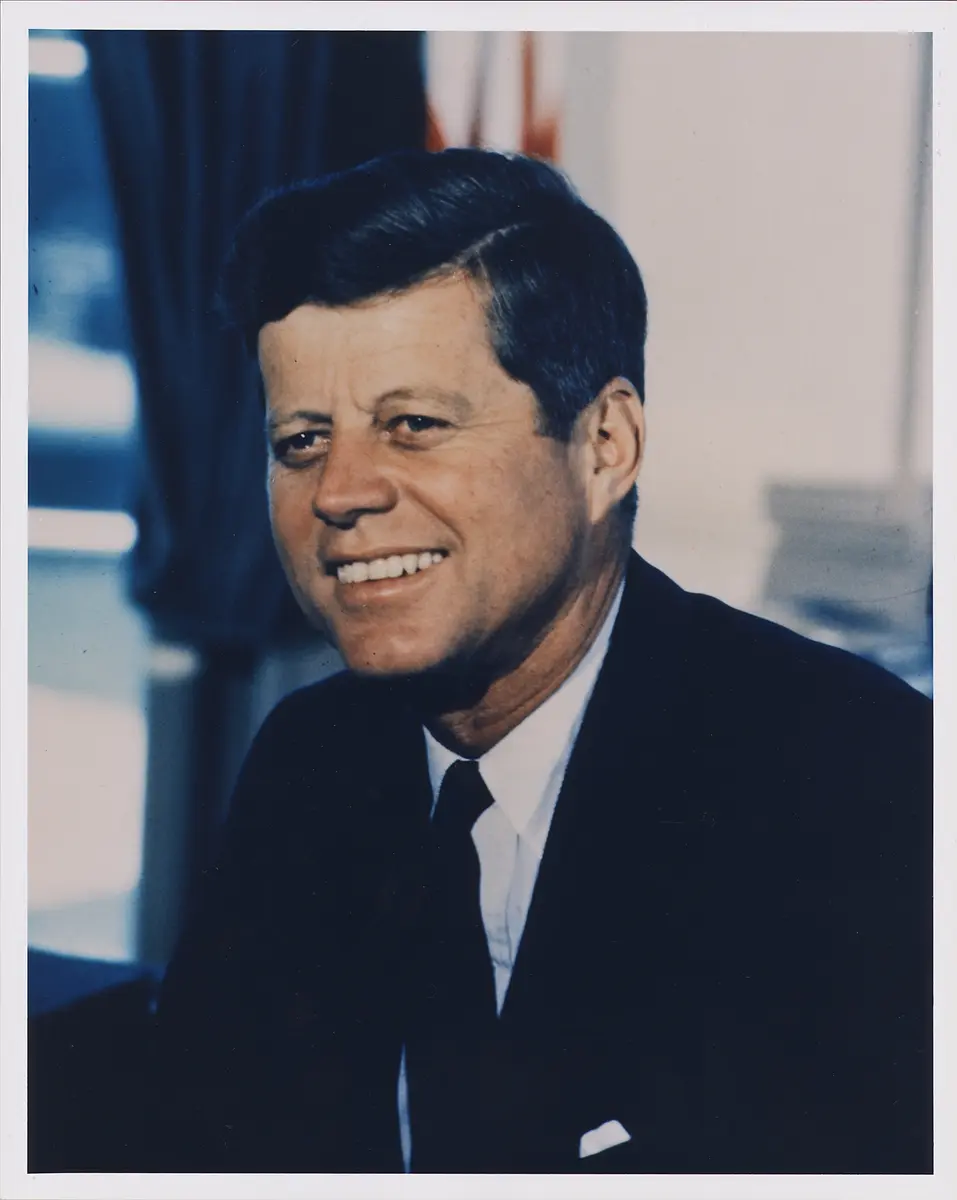
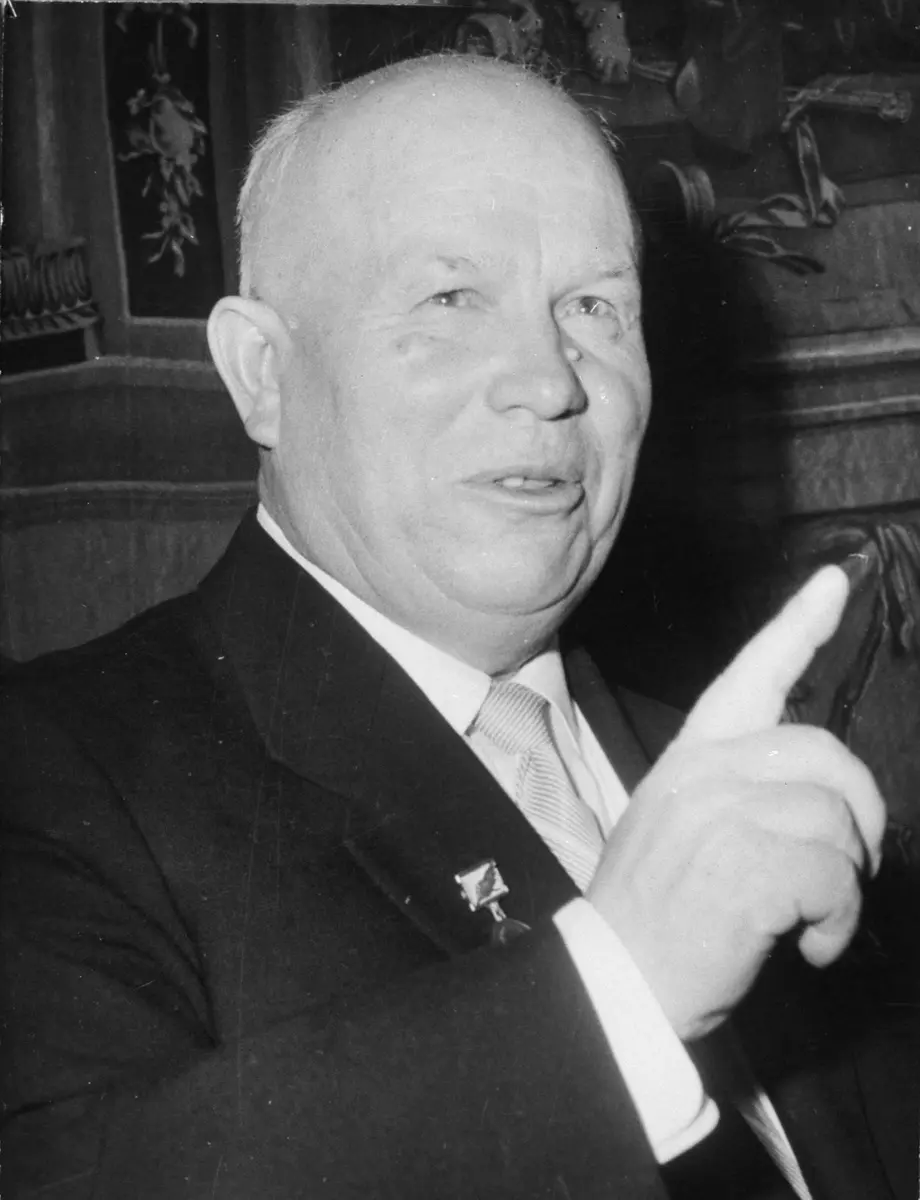
The Cuban missile crisis of October 1962 was the confrontation between the United States and the Soviet Union over Soviet nuclear missiles secretly installed in Cuba, 90 miles from Florida. In the words of the State Department's historians, it was the moment when the two superpowers came closest to nuclear conflict. For thirteen days, from the discovery of the missile sites on 14 October to Nikita Khrushchev's announcement on 28 October that they would be taken away, the world waited on two men, John F. Kennedy in the White House and Khrushchev in the Kremlin, who struggled to understand each other.
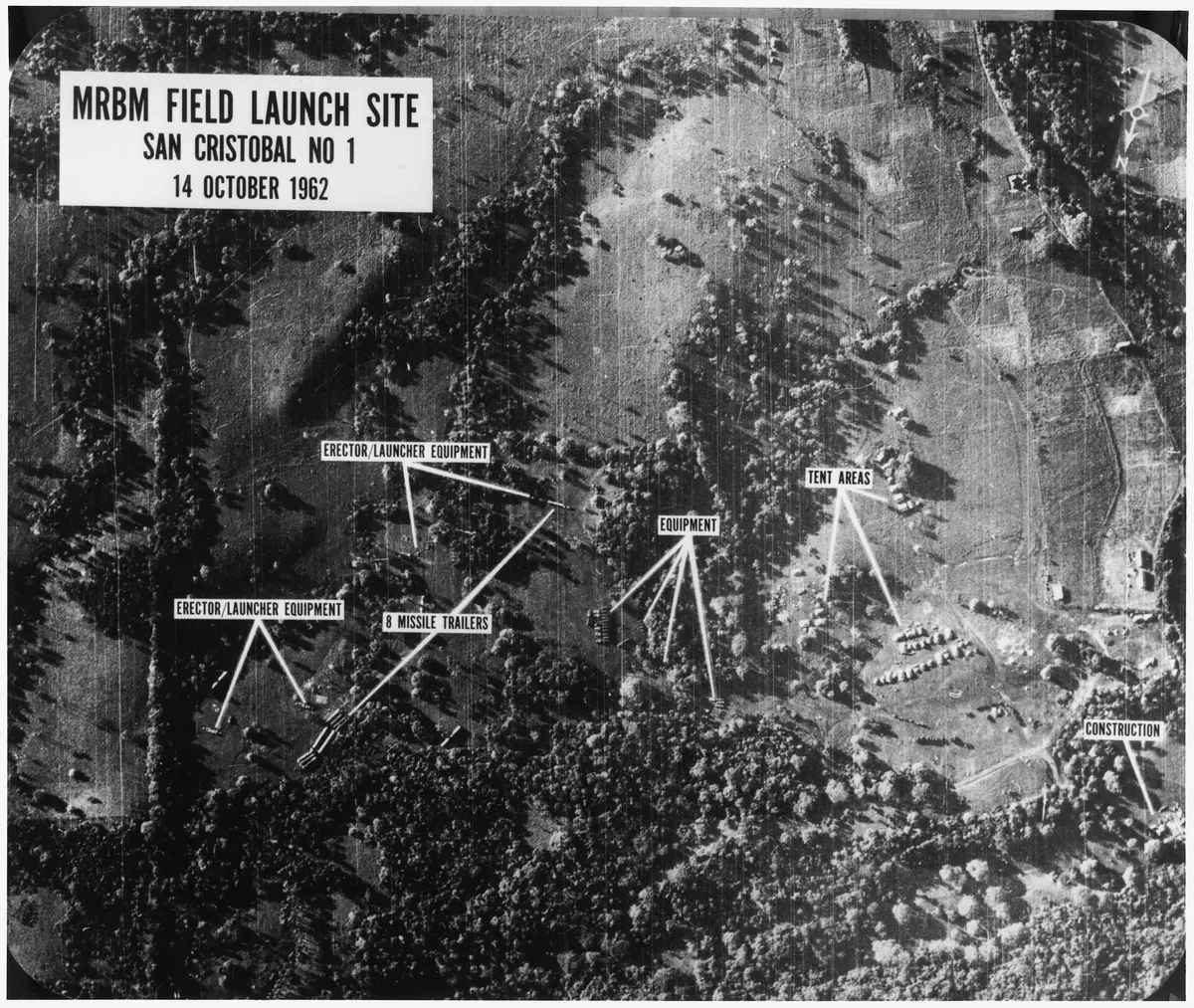
Fidel Castro's revolution of 1959 had turned Cuba into an ally of Moscow, and in April 1961 a CIA-backed invasion by Cuban exiles at the Bay of Pigs failed. Expecting another attempt, and wanting to answer the American missiles in Turkey and the United States' lead in long-range rockets, Khrushchev agreed with Castro in July 1962 to place Soviet medium- and intermediate-range nuclear missiles on the island. Construction began in the late summer; on 4 September Kennedy publicly warned against offensive weapons in Cuba. On 14 October an American U-2 spy plane photographed the first missile sites at San Cristóbal.
Kennedy gathered his closest advisers, the ExComm. The Joint Chiefs wanted an air strike and an invasion; he chose a middle course, a naval 'quarantine' of Cuba, announced on television on the evening of 22 October with the warning that any missile fired from Cuba would be answered by a full attack on the Soviet Union. Some Soviet ships turned back from the line, but work on the sites went on and the Strategic Air Command was raised to DEFCON 2, one step from nuclear war. On 26 October Khrushchev offered to remove the missiles if the United States promised not to invade Cuba; on 27 October, 'Black Saturday', he raised the price to include the American missiles in Turkey, a U-2 was shot down over Cuba and its pilot killed, and a Soviet submarine carrying a nuclear torpedo was harried with depth charges. That night Kennedy accepted the first offer in public, while his brother Robert told the Soviet ambassador privately that the missiles in Turkey would go. On the morning of 28 October Khrushchev announced that the missiles would be dismantled.
The quarantine stayed in place until the Soviets also agreed to take away their IL-28 bombers, and on 20 November 1962 Kennedy lifted it. The American Jupiter missiles left Turkey in April 1963. Shaken, the two sides set up a direct line between Washington and Moscow, the 'hotline', and in 1963 signed the first treaty limiting nuclear tests. Castro, left out of the bargain, was furious; Khrushchev, seen at home as having retreated, was removed from power two years later.
Since the 1990s, Soviet and American archives have shown that the danger was greater than anyone knew at the time: the Soviet forces on Cuba also had short-range nuclear weapons for use against an invasion, and the submarine attacked on Black Saturday came close to firing its torpedo. The crisis became the classic case of nuclear brinkmanship and of crisis management, and every later standoff between nuclear powers has been measured against it.
What happened
- 1962
A U-2 flown by Major Richard Heyser takes 928 photographs over western Cuba; they show medium-range missile sites under construction at San Cristóbal.
San Cristóbal, western Cuba: the medium-range missile sites photographed by the U-2 on 14 October 1962Kennedy is shown the photographs and gathers his closest advisers, the ExComm; the Joint Chiefs want an air strike and an invasion.
The White House, Washington: where Kennedy and the ExComm managed the crisisIn the Oval Office the Soviet foreign minister, Andrei Gromyko, assures Kennedy that Soviet aid to Cuba is purely defensive; Kennedy does not reveal what he knows.
The White House, Washington: where Kennedy and the ExComm managed the crisis- 7:00 p.m.
On television Kennedy tells the world about the missiles, announces a naval 'quarantine' of Cuba and warns that a missile fired from Cuba would mean a full attack on the Soviet Union.
The White House, Washington: where Kennedy and the ExComm managed the crisis Kennedy signs the quarantine proclamation; the Organization of American States backs it.
The White House, Washington: where Kennedy and the ExComm managed the crisisThe quarantine takes effect. Khrushchev calls it an act of aggression, but some Soviet ships bound for Cuba turn back from the line.
At the UN Security Council, Adlai Stevenson confronts the Soviet ambassador with the reconnaissance photographs.
United Nations headquarters, New York: where Adlai Stevenson showed the photographs to the Security Council on 25 OctoberKennedy tells his advisers only an attack will remove the missiles; that evening a long, emotional letter from Khrushchev offers to take them away if the United States promises not to invade Cuba.
The Kremlin, Moscow: where Khrushchev wrote his letters and decided to back down'Black Saturday': a second Khrushchev message demands the American missiles in Turkey too; a U-2 is shot down over Cuba and its pilot, Major Rudolf Anderson, killed; a Soviet submarine with a nuclear torpedo is harried at the quarantine line. At night Robert Kennedy tells the Soviet ambassador privately that the missiles in Turkey will go.
Banes, eastern Cuba: where a Soviet missile shot down Major Rudolf Anderson's U-2 on 27 OctoberKhrushchev announces that the Soviet missiles in Cuba will be dismantled and taken home; Kennedy writes to Anderson's widow.
The Kremlin, Moscow: where Khrushchev wrote his letters and decided to back downReconnaissance photographs show the launch sites being taken apart.
Sagua la Grande, central Cuba: another medium-range missile site, photographed being dismantled on 1 NovemberWith the Soviets agreeing to remove their IL-28 bombers as well, Kennedy lifts the quarantine.