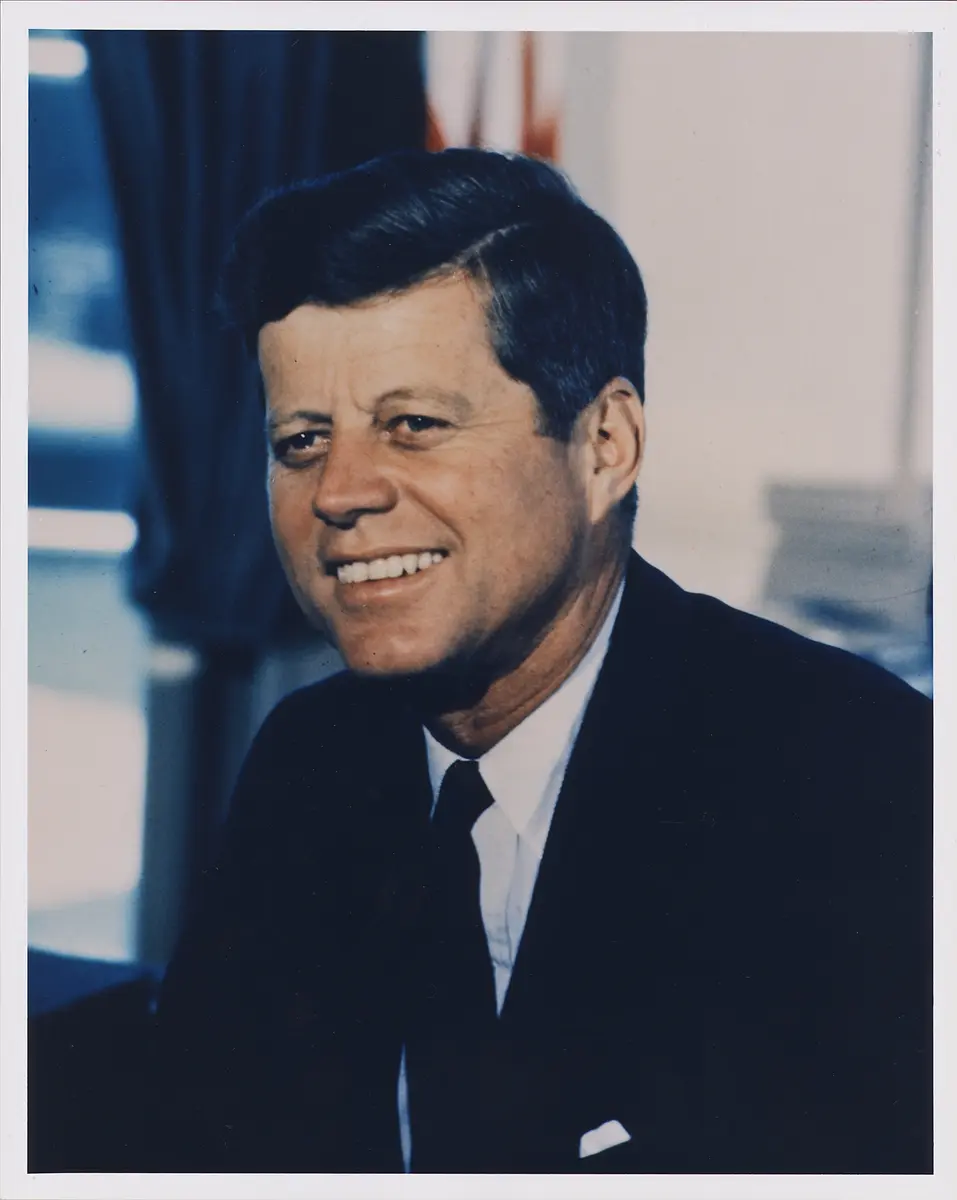
John F. Kennedy
“The young president of the Cuban missile crisis and the race to the Moon, shot dead in Dallas in November 1963 after a thousand days in office.”
John Fitzgerald Kennedy was born on 29 May 1917 at 83 Beals Street in Brookline, just outside Boston, the second of nine children of Joseph P. Kennedy, a self-made millionaire who later became ambassador to Britain, and Rose Fitzgerald, the daughter of a Boston mayor. 'Jack' grew up rich, competitive and often ill. At Harvard he wrote his senior thesis on why Britain was unready for war, published in 1940 as Why England Slept. In the Second World War he commanded the patrol torpedo boat PT-109 in the Solomon Islands. When a Japanese destroyer cut the boat in two in the dark on 2 August 1943, he led the survivors on a three-mile swim to an island, towing a badly burned sailor by the strap of his life jacket held in his teeth, and they were rescued six days later.
His elder brother Joe, whom their father had meant for the presidency, was killed in the war in 1944, and the family's hopes passed to Jack. He won a Boston seat in Congress in 1946 and a Senate seat in 1952, married Jacqueline Bouvier in 1953, and won a Pulitzer Prize for Profiles in Courage (1957), a book about brave senators that his aide Theodore Sorensen did much to research and write. In 1960 he beat Richard Nixon by fewer than 120,000 votes out of almost 69 million, helped by the first televised debates. At 43 he was the youngest man ever elected president and the first Catholic. His inaugural address of 20 January 1961 announced that the torch had passed to a new generation and asked Americans not what their country could do for them, but what they could do for their country.
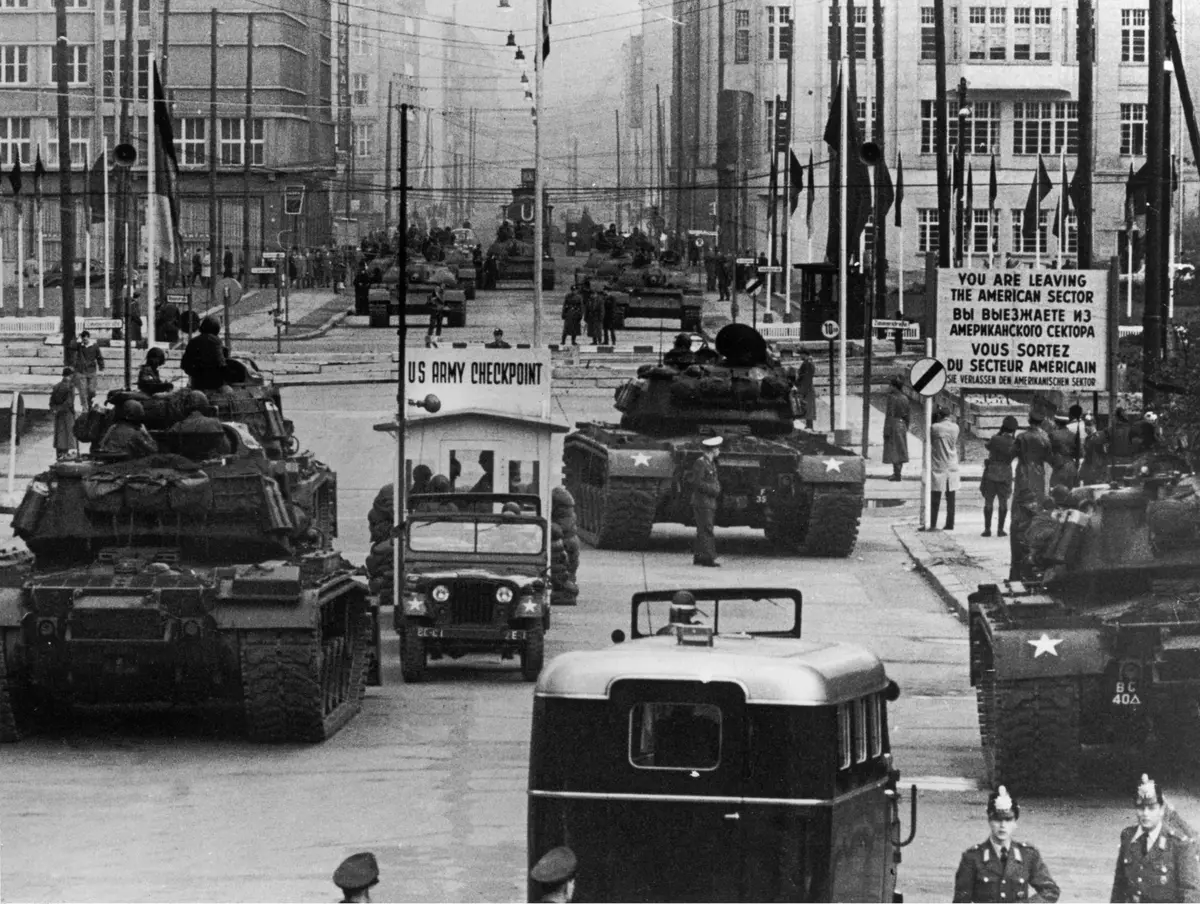
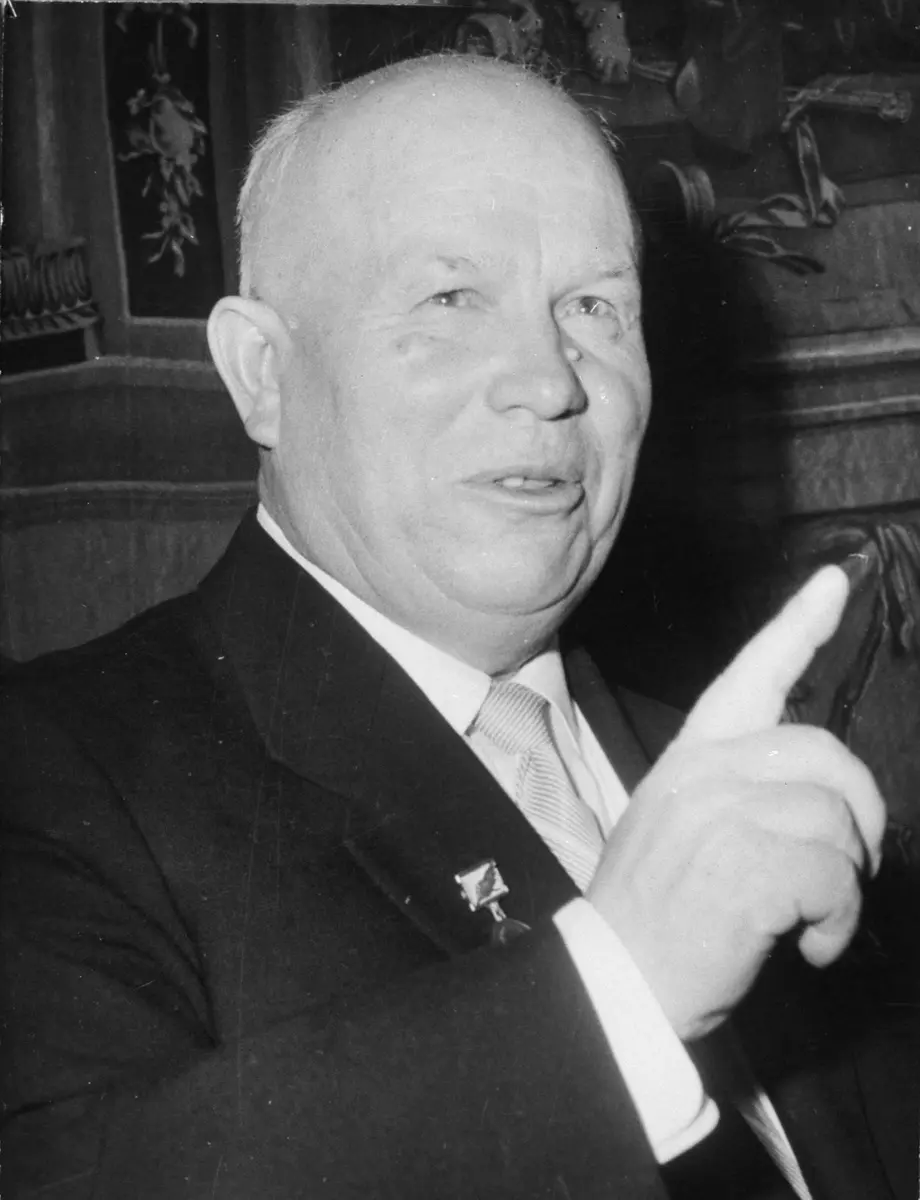
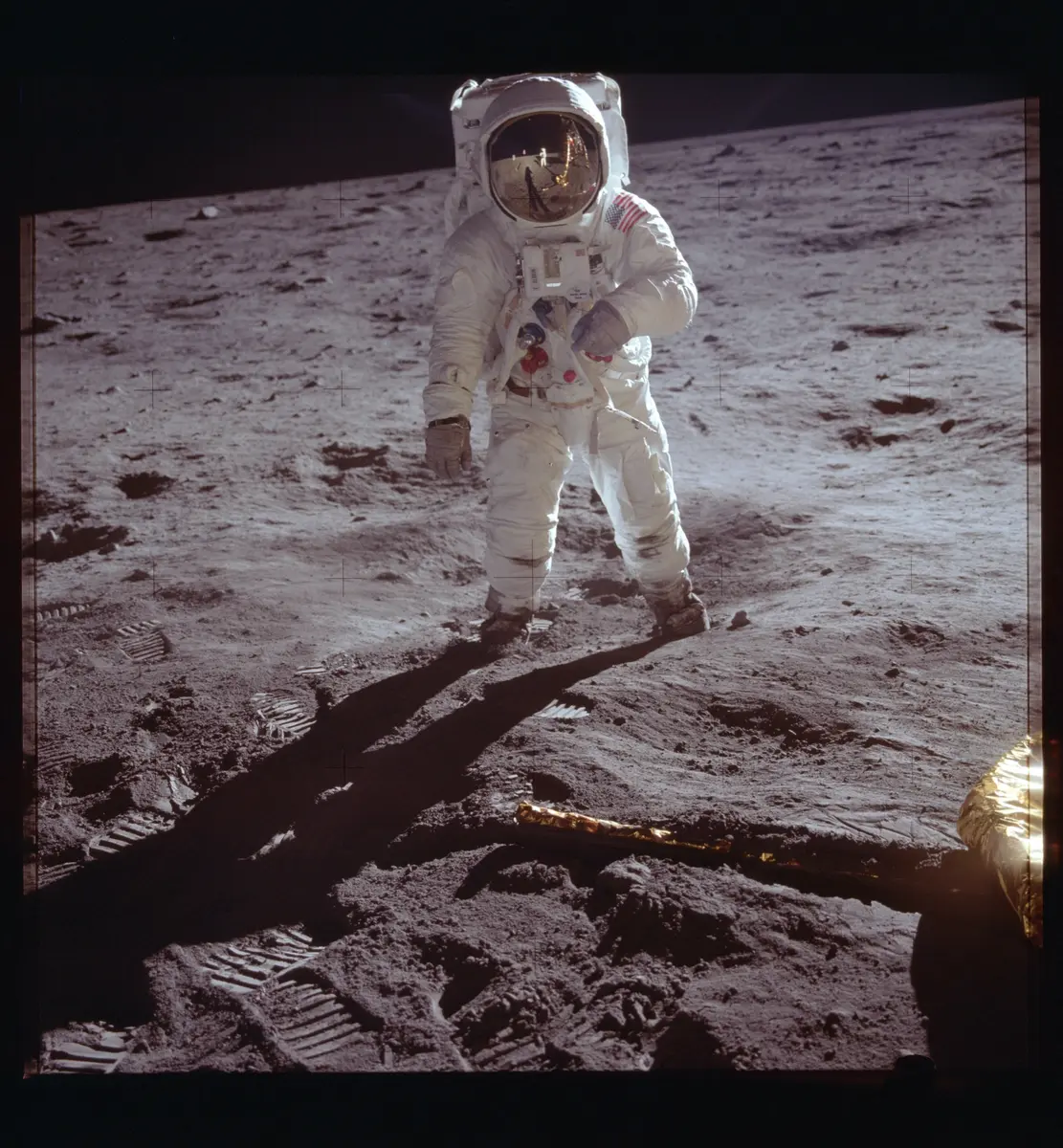
His 1,037 days in office were ruled by the Cold War. A CIA-trained invasion of Cuba by exiles at the Bay of Pigs failed in April 1961; Khrushchev took the young president's measure in Vienna that June, and in August the Berlin Wall went up. In October 1962 Kennedy forced the Soviet Union to take its nuclear missiles out of Cuba, the nearest the world has come to nuclear war, and in 1963 he signed the first treaty limiting nuclear tests. He set the goal of landing a man on the Moon before 1970, founded the Peace Corps, and sent more than 15,000 military advisers to South Vietnam. In June 1963, after years of caution on civil rights, he went on television to call segregation a moral issue and sent Congress the bill that became the Civil Rights Act of 1964. Two weeks later, in West Berlin, he told a vast crowd: 'Ich bin ein Berliner.'
On 22 November 1963, riding in an open car with his wife through Dallas on a political trip to Texas, he was shot at 12:30 as the motorcade passed the Texas School Book Depository in Dealey Plaza, and was pronounced dead at Parkland Memorial Hospital half an hour later. He was 46. Lee Harvey Oswald, a worker at the depository, was arrested that afternoon and shot dead two days later by Jack Ruby. The Warren Commission concluded in 1964 that Oswald had acted alone; doubts and conspiracy theories have never gone away. On 25 November, watched by millions on television, he was buried at Arlington National Cemetery, where his widow and his brothers lit an eternal flame.
Kennedy's America was rich, confident and afraid: the Soviet Union had beaten it into space, both sides were piling up nuclear weapons, and in much of the South Black citizens still could not vote. He was the first president of the television age, and his young family, his wit and his style turned the White House into what a journalist soon called Camelot. Behind the image of youth and vigour he hid constant back pain and Addison's disease, and later revelations about his private life dimmed it. Historians weigh a short presidency whose great domestic bills were passed only by his successor, Lyndon Johnson, against his cool judgement in the missile crisis; for many people he remains the symbol of a promise cut short.
What happened
- 1917
Born at 83 Beals Street in Brookline, Massachusetts, the second of the nine children of Joseph and Rose Kennedy.
Birthplace: 83 Beals Street, Brookline, Massachusetts- 1940
Graduates from Harvard; his senior thesis on Britain's unreadiness for war comes out as the best-seller Why England Slept.
- 1943
Takes command of the patrol torpedo boat PT-109 at Tulagi in the Solomon Islands.
- 2:00 a.m.
On a night patrol the Japanese destroyer Amagiri cuts PT-109 in two, killing two of the crew; Kennedy leads the eleven survivors on a three-mile swim to an island, towing a burned sailor by his life-jacket strap.
After islanders carry his message, cut into a coconut shell, to the Allies, PT 157 picks up the survivors; he later receives the Navy and Marine Corps Medal and the Purple Heart.
- 1946
Elected to the House of Representatives for Massachusetts' 11th district, in Boston, at 29.
- 1952
Elected to the US Senate, defeating the Republican Henry Cabot Lodge Jr. while Eisenhower carries Massachusetts.
- 1953
Marries Jacqueline Lee Bouvier in Newport, Rhode Island.
- 1957
Profiles in Courage, written while he recovered from back surgery, wins the Pulitzer Prize for biography.
- 1960
Nominated for president on the first ballot at the Democratic convention in Los Angeles; he takes Lyndon Johnson as his running mate and promises a 'New Frontier'.
The first televised debate with Richard Nixon, watched by an estimated seventy million Americans.
Elected president by 118,550 votes out of nearly 69 million, the youngest man ever elected and the first Catholic.
- 1961
Sworn in as the 35th president at the Capitol; in his inaugural address he asks Americans what they can do for their country.
Creates the Peace Corps by executive order.
About 1,500 Cuban exiles trained by the CIA land at the Bay of Pigs; Castro's forces crush them within days and Kennedy takes the blame.
Asks Congress to commit the nation to landing a man on the Moon and returning him safely before the decade is out.
Meets Khrushchev in Vienna, who threatens to cut off the West's access to Berlin; in August East Germany walls off West Berlin.
- 1962
At Rice University in Houston he says America chooses to go to the Moon 'not because it is easy, but because it is hard'.
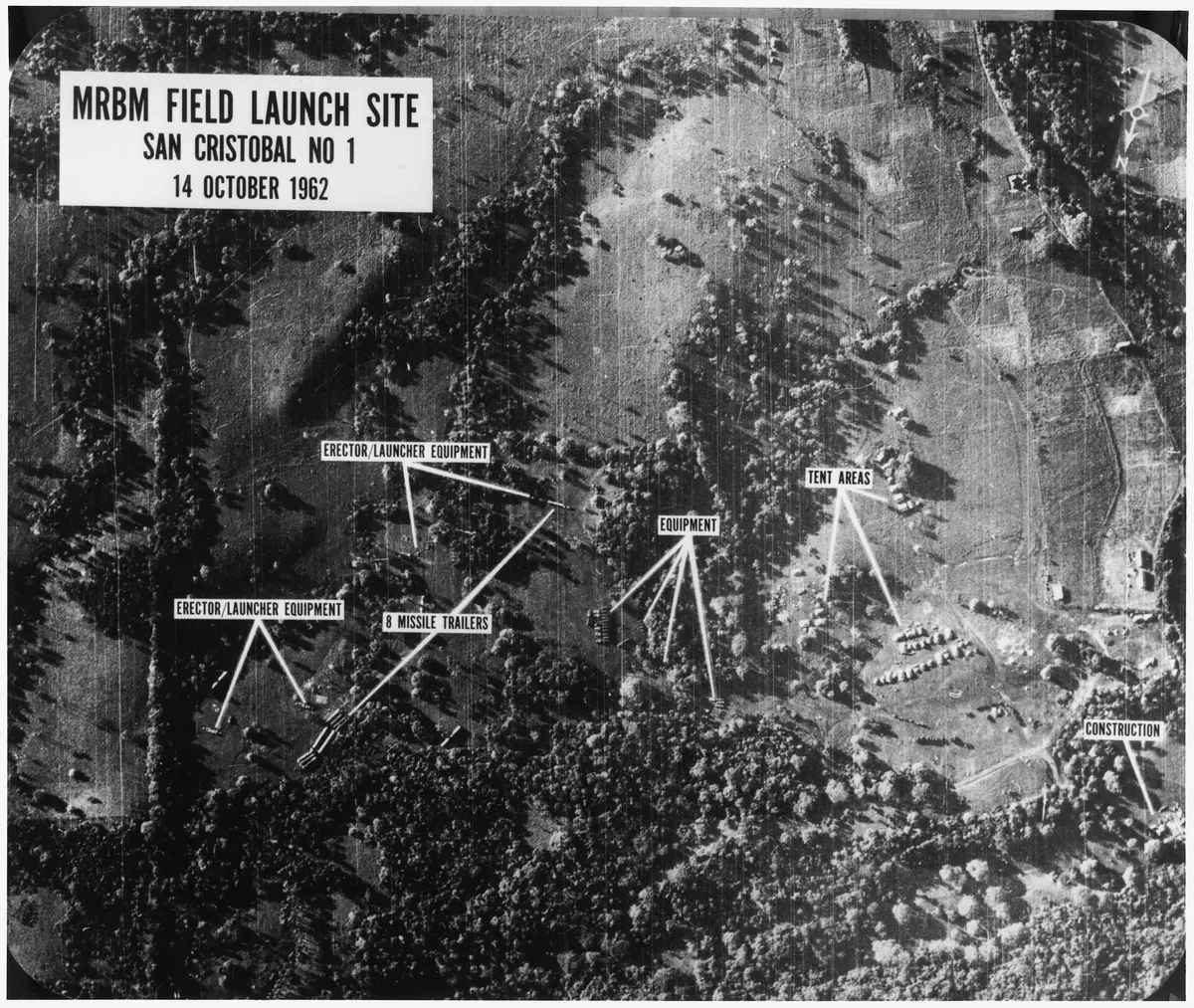
Shown the U-2 photographs of Soviet missile sites in Cuba, he begins meeting his advisers, the ExComm, in secret.
The White House, Washington: president 1961–1963On television he tells the nation about the missiles and announces a naval 'quarantine' of Cuba.
The White House, Washington: president 1961–1963Khrushchev announces that the missiles will be dismantled; Kennedy has promised not to invade Cuba, and secretly to remove the American missiles from Turkey.
The White House, Washington: president 1961–1963- 1963
In a speech at American University he calls for an end to the Cold War and announces new talks on a test ban.
After Governor George Wallace's stand at the University of Alabama, he asks Americans on television to end racial injustice and sends Congress a civil rights bill.
The White House, Washington: president 1961–1963Before a vast crowd at Schöneberg town hall in West Berlin he declares: 'Ich bin ein Berliner.'
Rathaus Schöneberg, West Berlin: 'Ich bin ein Berliner', 26 June 1963His newborn son Patrick dies two days after birth.
After the March on Washington, where Martin Luther King Jr. gives his 'I Have a Dream' speech, he receives the march's leaders in the White House.
The White House, Washington: president 1961–1963Signs the ratified Limited Test Ban Treaty, which ends nuclear tests in the air, in space and under water.
The White House, Washington: president 1961–1963- 11:40 a.m.
Air Force One lands at Love Field, Dallas; the Kennedys shake hands along the fence and set off in an open car on a ten-mile route to a lunch at the Trade Mart.
- 12:30 p.m.
On Elm Street in Dealey Plaza, as the car passes the Texas School Book Depository, rifle shots hit the President in the neck and the head and gravely wound Governor Connally.
Dealey Plaza, Dallas: shot on Elm Street, 22 November 1963 - 1:00 p.m.
Pronounced dead at Parkland Memorial Hospital after the last rites; Lee Harvey Oswald is arrested within the hour.
- 2:38 p.m.
Lyndon Johnson takes the oath as president aboard Air Force One at Love Field, with Jacqueline Kennedy beside him, and flies the coffin back to Washington.