Space Race
“From Sputnik's beep in 1957 to footprints on the Moon in 1969: the Cold War fought with rockets, and won by the United States.”
The Space Race was the contest between the United States and the Soviet Union to be first in space. It grew out of the Cold War and out of the missiles both sides were building to carry nuclear warheads: a rocket that could throw a bomb across the ocean could also throw a satellite into orbit, and each first in space was read as proof of which system, communism or capitalism, was ahead. It began in earnest on October 4, 1957, when the Soviet Union launched Sputnik 1, the first artificial satellite, a metal sphere whose radio beep could be heard around the world. Americans were shocked; the Soviets had beaten them with a rocket powerful enough to reach the United States.
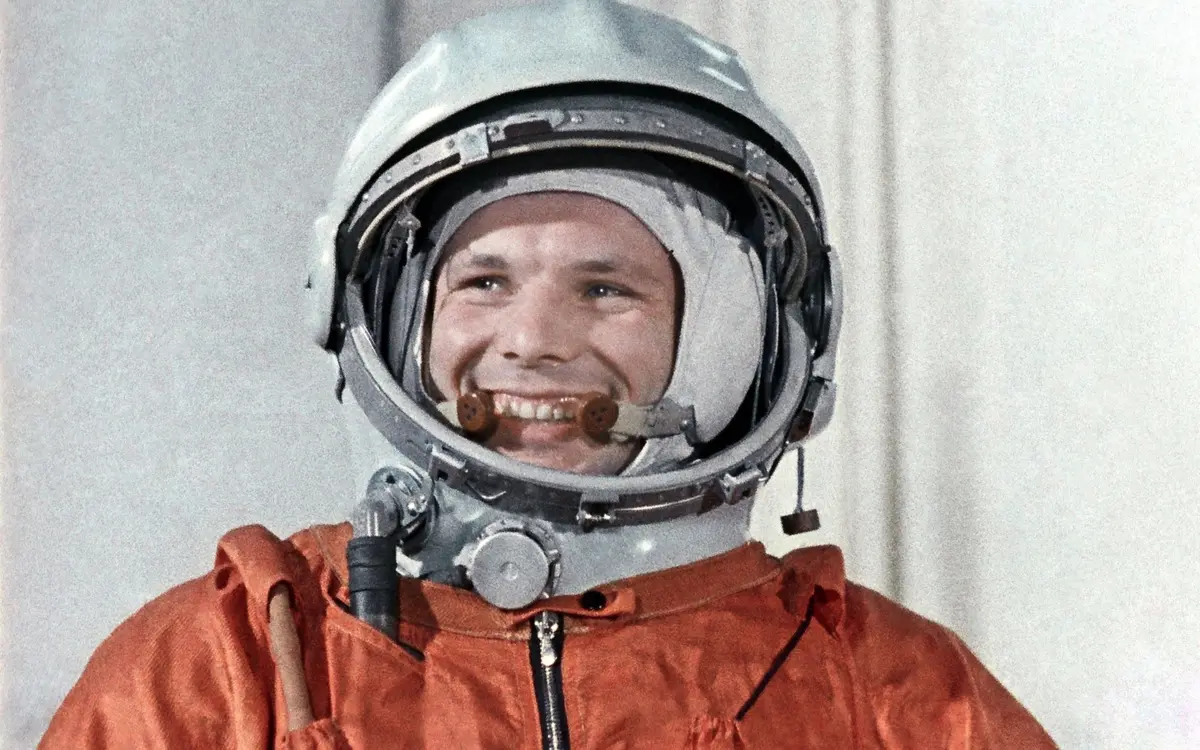
For the next few years the Soviet Union kept winning. Sputnik 2 carried the dog Laika a month later. The United States answered with Explorer 1 in January 1958, which found the radiation belts around the Earth, and created NASA that October. Then, on April 12, 1961, Yuri Gagarin became the first human in space, circling the Earth once in 108 minutes. Alan Shepard followed three weeks later on a fifteen-minute hop that did not reach orbit. The Soviets also sent up the first woman, Valentina Tereshkova, in 1963, and made the first spacewalk, by Alexei Leonov, in 1965.
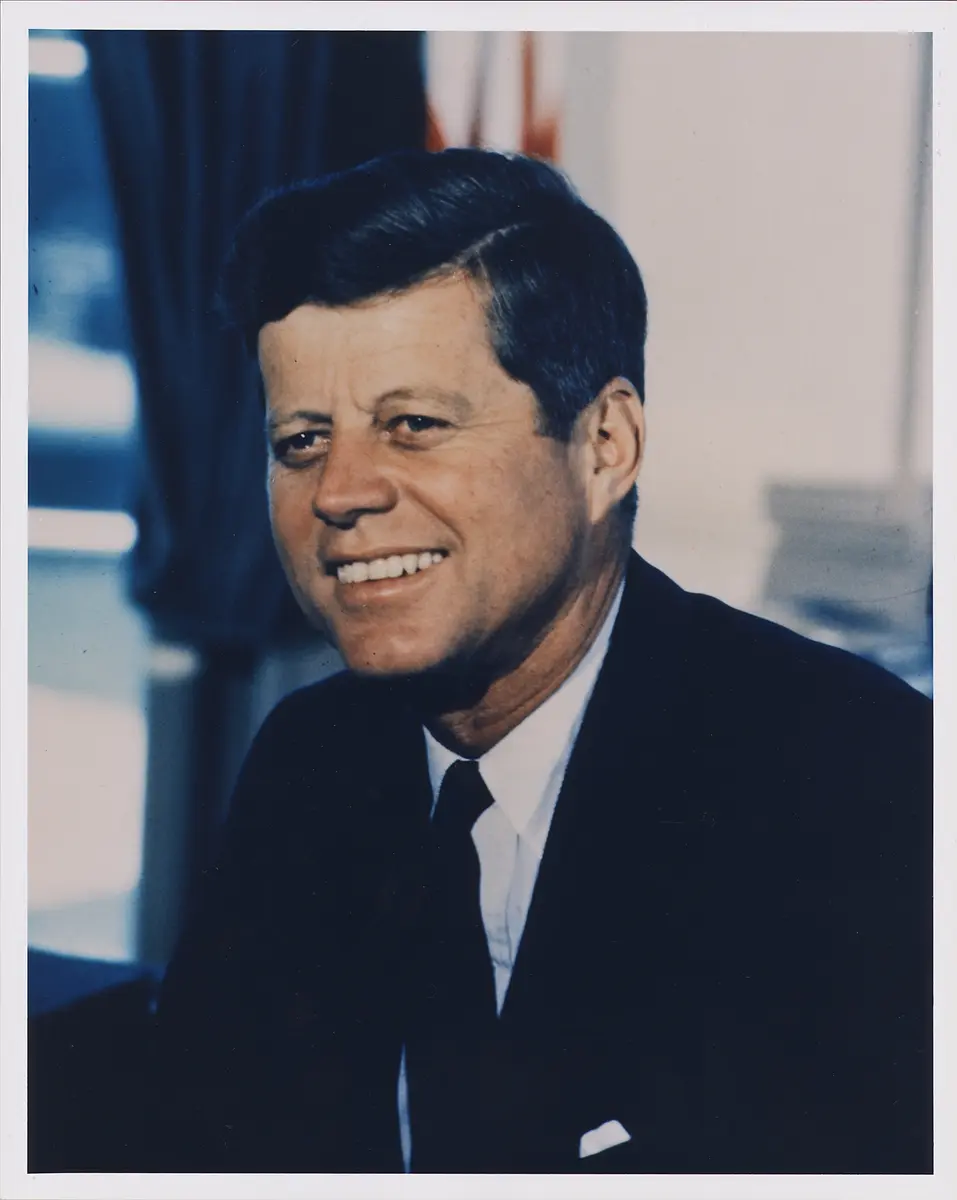
Gagarin's flight pushed President Kennedy to raise the stakes. On May 25, 1961, he asked Congress to commit the country to landing a man on the Moon and bringing him home before the end of the decade, and at Rice University in 1962 he explained why: not because it was easy, but because it was hard. Neither side yet had a rocket big enough. The United States built the Saturn V through the Mercury, Gemini and Apollo programmes, step by step, and paid for it with a budget that at its peak took more than four cents of every federal dollar. It also paid in lives: three astronauts died in the Apollo 1 fire on the launch pad in January 1967, and the Soviet cosmonaut Vladimir Komarov died that April when his Soyuz crashed.
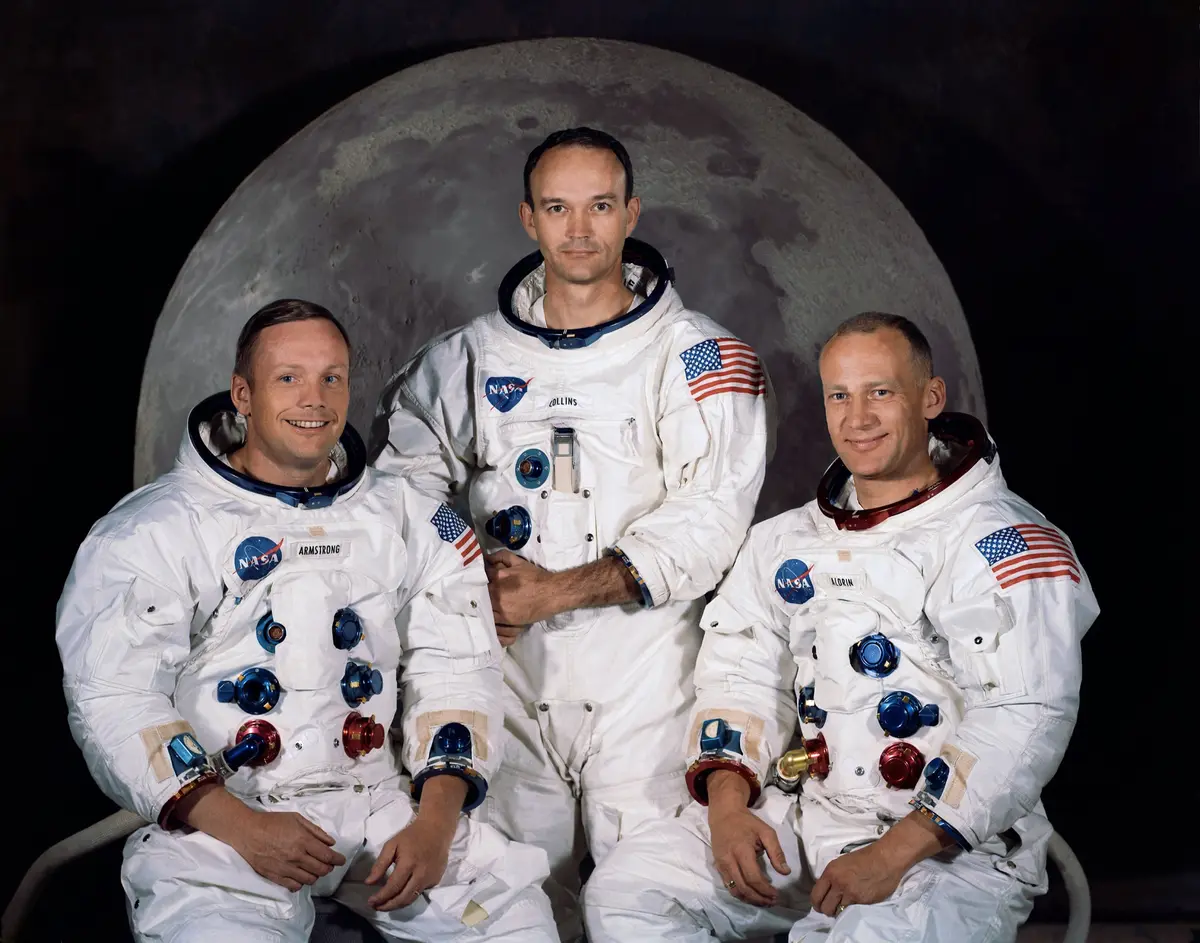
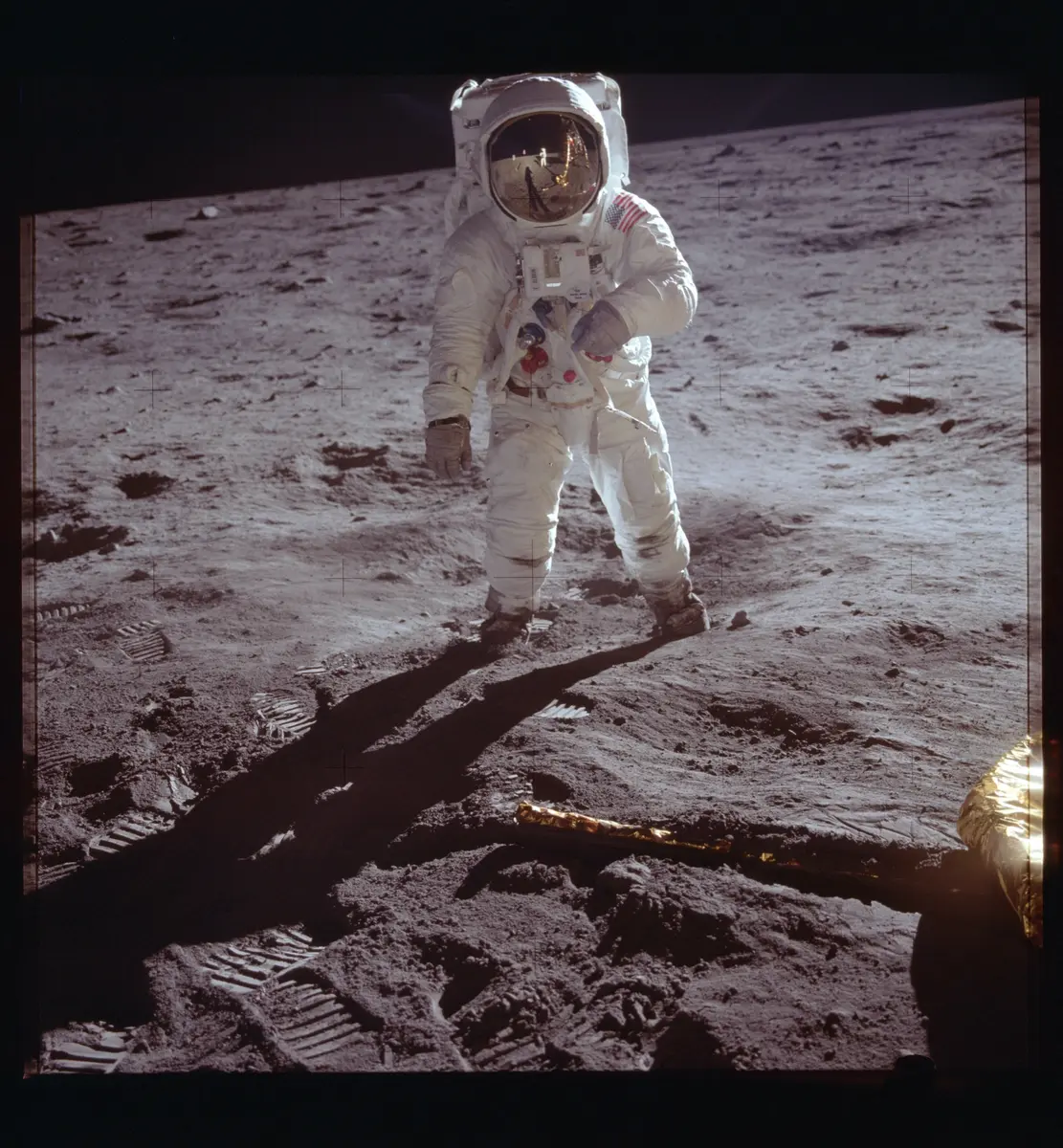
The race was decided in 1969. Apollo 8 had orbited the Moon at Christmas 1968 and sent back the photograph of the Earth rising over the lunar horizon. On July 20, 1969, Neil Armstrong and Buzz Aldrin landed the lunar module Eagle in the Sea of Tranquility and walked on the Moon while an estimated 650 million people watched on television. Five more Apollo crews landed; the last, Apollo 17, left the Moon in December 1972. The Soviet Moon rocket, the N1, failed on all four of its test flights, and the Soviet programme turned instead to space stations and robot probes to Venus and Mars.
Competition gave way to cooperation. In July 1975 an Apollo and a Soyuz docked in orbit and their commanders, Thomas Stafford and Alexei Leonov, shook hands through the hatch, the moment most historians take as the end of the race. What it left behind is everywhere: weather, communications and navigation satellites, the integrated circuits and computers that Apollo demanded, and the picture of the whole Earth as one small place. Twelve people have walked on the Moon, all of them American, all between 1969 and 1972, and the Russian and American programmes that once raced each other have shared a space station since the 1990s.
What happened
- 1957
The Soviet Union launches Sputnik 1 from Baikonur, the first artificial satellite; its radio beep is heard around the world and the space age begins.
Site 1, Baikonur Cosmodrome (Gagarin's Start): the pad that launched Sputnik 1 and Vostok 1Sputnik 2 carries the dog Laika, the first animal in orbit; there is no plan to bring her back.
- 1958
Explorer 1, the first American satellite, is launched from Cape Canaveral; its instrument finds the radiation belts around the Earth.
Launch Complex 26, Cape Canaveral: Explorer 1, January 31, 1958NASA opens for business, created by the National Aeronautics and Space Act in answer to the Soviet successes.
- 1961
Yuri Gagarin becomes the first human in space, circling the Earth once in Vostok 1; 108 minutes after launch he lands by parachute near Engels on the Volga.
Site 1, Baikonur Cosmodrome (Gagarin's Start): the pad that launched Sputnik 1 and Vostok 1Alan Shepard becomes the first American in space on a fifteen-minute flight that does not reach orbit.
President Kennedy asks Congress to commit the country to landing a man on the Moon and returning him safely before the decade is out.
- 1962
John Glenn becomes the first American to orbit the Earth.
At Rice University in Houston, Kennedy tells the crowd that the United States chooses to go to the Moon not because it is easy but because it is hard.
Rice Stadium, Houston: Kennedy's "We choose to go to the Moon" speech, September 12, 1962- 1963
Valentina Tereshkova becomes the first woman in space, spending almost three days in orbit in Vostok 6.
- 1965
Alexei Leonov makes the first spacewalk, about ten minutes outside Voskhod 2.
- 1967
A fire in the Apollo 1 command module during a test on Launch Complex 34 kills Virgil Grissom, Edward White and Roger Chaffee; crewed Apollo flights stop for more than a year.
- 1968
Apollo 8's crew, Frank Borman, Jim Lovell and Bill Anders, become the first humans to orbit the Moon; Anders photographs the Earth rising over the lunar horizon.
- 1969
- 9:32 a.m.
Apollo 11 lifts off from Launch Complex 39A on a Saturn V with Neil Armstrong, Michael Collins and Buzz Aldrin.
Launch Complex 39A, Kennedy Space Center: the Saturn V pad for Apollo 8 and Apollo 11 - 4:17 p.m.
The lunar module Eagle lands in the Sea of Tranquility at 4:17 p.m. Houston time; Armstrong reports to Mission Control: "Houston, Tranquility Base here. The Eagle has landed."
Mission Control Center, Johnson Space Center, Houston: where Gemini and Apollo were flown from - 10:56 p.m.
Armstrong steps onto the Moon at 10:56 p.m. Houston time with the words "That's one small step for man, one giant leap for mankind"; Aldrin follows nineteen minutes later, and an estimated 650 million people watch.
- 1972
Eugene Cernan and Harrison Schmitt of Apollo 17 leave the Moon after three days at Taurus-Littrow; no one has been back since.
- 1975
An Apollo and a Soyuz dock in orbit and Thomas Stafford and Alexei Leonov shake hands through the hatch: the race ends in a joint flight.