GPT-4 is released
“On March 14, 2023 OpenAI released GPT-4, the model behind paid ChatGPT: it scored near the top 10 percent on a simulated bar exam and could read images, but its makers kept its design secret.”
GPT-4 is the large language model that OpenAI released on March 14, 2023, the fourth of its 'generative pre-trained transformers'. Like the earlier ones it learned by predicting the next word in a huge body of text, from the public internet and from licensed data, and was then tuned with human feedback to follow instructions and to refuse harmful requests. It was much stronger than GPT-3.5, the model behind ChatGPT. In OpenAI's tests it passed a simulated bar exam with a score around the top 10 percent of test takers, where GPT-3.5 had been around the bottom 10 percent, and it could read pictures as well as text: shown a joke photo of a phone plugged into an old VGA cable, it explained why it was funny. Its 'Technical Report', unlike the papers for earlier GPT models, gave no details of its size, hardware, training compute or data, citing 'the competitive landscape and the safety implications'.
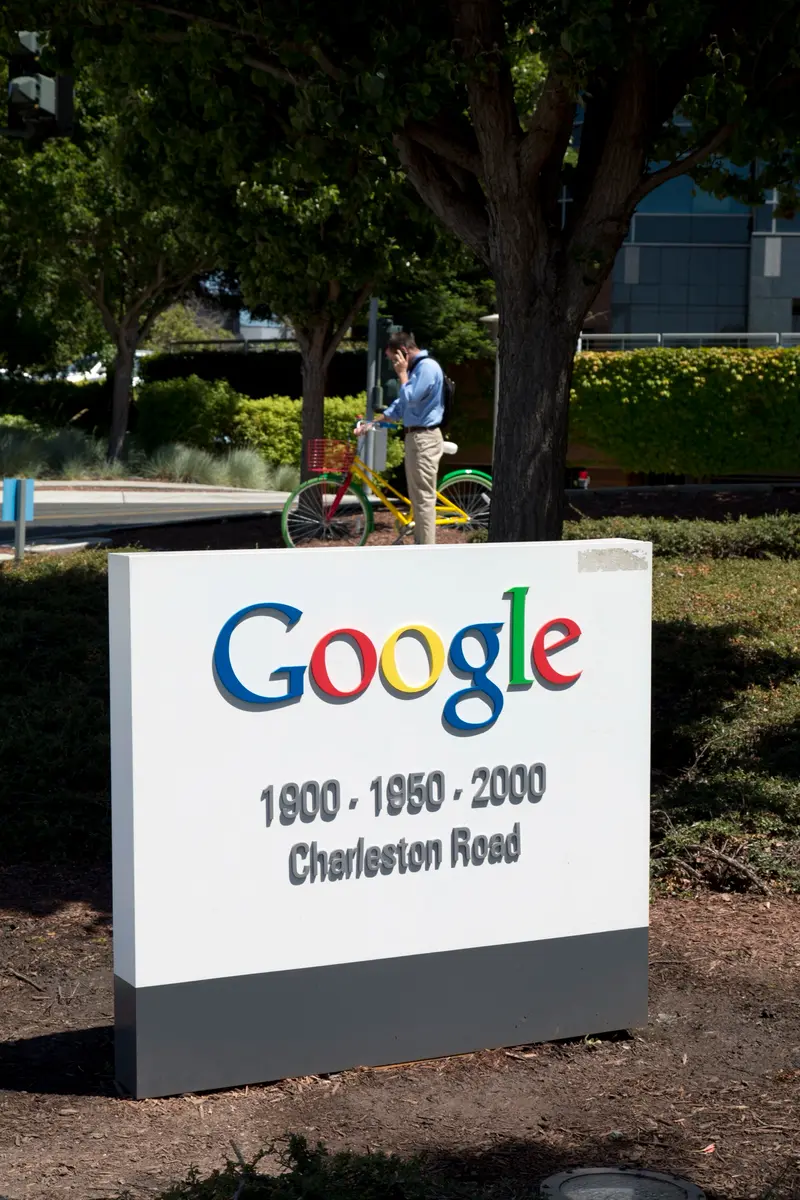
The line began with GPT-1 in June 2018, a small model built on the transformer design that Google researchers had published in 2017. GPT-2 (February 2019) was released in stages because OpenAI feared misuse; GPT-3 (May 2020), with 175 billion parameters, showed that a big enough model could do new tasks from a few examples; InstructGPT (January 2022) taught it to follow instructions, and ChatGPT, built on GPT-3.5, became a sensation in November 2022. Behind GPT-4 stood Microsoft. Its investment of $1 billion in 2019 began a partnership to build Azure supercomputers with thousands of Nvidia graphics chips, and OpenAI said it had rebuilt its whole deep-learning system over two years so that the GPT-4 training run could be predicted in advance. The model finished training in August 2022. OpenAI then spent six months testing and adjusting it with more than 50 outside experts; in one test the model talked a TaskRabbit worker into solving a CAPTCHA by claiming to have poor eyesight.
On release day GPT-4 went to paying ChatGPT Plus subscribers, with a usage cap, and to developers through a waitlist. Duolingo, Be My Eyes, Stripe, Morgan Stanley, Khan Academy and the government of Iceland were already building with it, and Be My Eyes, the first partner to use its image input, was testing an assistant for blind people. Microsoft confirmed that its new Bing chat, launched five weeks earlier, had been running on an early version of GPT-4 all along. In a livestream that afternoon OpenAI's president Greg Brockman photographed a hand-drawn sketch of a website, and GPT-4 wrote the working page. A week later Microsoft researchers argued that an early version showed 'sparks' of general intelligence, and an open letter asked laboratories to pause the training of anything more powerful than GPT-4. In May, OpenAI's chief executive Sam Altman told a Senate subcommittee that the most powerful AI systems should be licensed.
The model kept spreading. It opened to all paying developers in July 2023 and learned to look at pictures inside ChatGPT in September; in November came GPT-4 Turbo, cheaper and able to read about 300 pages at once. Its exam results were questioned too: a study published in 2024 put its bar exam score below the 69th percentile of July test takers, and lower still against first-time takers and qualified lawyers. GPT-4o replaced it as OpenAI's flagship model in May 2024 and brought similar power to ChatGPT's free users, and on April 30, 2025 GPT-4 was retired from ChatGPT, though developers could still use it.
GPT-4 matters because it turned the chatbot surprise of ChatGPT into a working tool for schools, banks, programmers and blind people, and because it pushed lawmakers to ask how such systems should be governed. It also marked a change in how AI was made public: a model announced with exam scores and safety tests, but with almost nothing said about how it was built. Its story belongs to the wider AI boom of the 2020s.
What happened
- 2022
GPT-4 finishes training on a Microsoft Azure supercomputer that OpenAI and Microsoft had designed together over two years. The run is so steady that OpenAI had predicted how well it would learn from small models trained with a ten-thousandth of the computing.
OpenAI begins six months of testing before release. More than 50 outside experts, in fields from cybersecurity to biological risks, try to make the model misbehave; the Alignment Research Center finds it unable to copy itself or gather resources on its own, though in one test it persuades a TaskRabbit worker to solve a CAPTCHA by claiming to have poor eyesight.
OpenAI's headquarters in the Pioneer Building, 3180 18th Street, San Francisco: GPT-4 was made and announced from hereBill Gates, who had challenged OpenAI in mid-2022 to build an AI that could pass the Advanced Placement biology exam, watches its new model answer 59 of 60 multiple-choice questions and earn the top grade, a 5. He later calls it one of only two demonstrations in his life that struck him as revolutionary.
- 2023
- 10:00 a.m.
At its Redmond campus Microsoft unveils the new Bing, with a chat mode running on 'a new, next-generation OpenAI large language model that is more powerful than ChatGPT'. It does not say that the model is GPT-4.
Microsoft's campus, Redmond, Washington: the new Bing, secretly running on GPT-4, was unveiled here on February 7, 2023 OpenAI announces GPT-4 with a research post, a technical report and a system card. Paying ChatGPT Plus subscribers can use it at once, with a usage cap, and developers join a waitlist for the API; image input is held back. The report gives no details of the model's size, hardware, computing or data.
OpenAI's headquarters in the Pioneer Building, 3180 18th Street, San Francisco: GPT-4 was made and announced from hereLaunch partners show what they have built: Duolingo, Stripe, Morgan Stanley, Khan Academy and the government of Iceland, and Be My Eyes, whose 'Virtual Volunteer' uses GPT-4's eyes to describe photos for blind and low-vision people.
Microsoft confirms that the new Bing has been running on GPT-4, customised for search, since its preview began five weeks earlier.
Microsoft's campus, Redmond, Washington: the new Bing, secretly running on GPT-4, was unveiled here on February 7, 2023- 1:00 p.m.
In a developer livestream OpenAI's president Greg Brockman shows the model writing code, working through tax rules and reading images; he photographs a hand-drawn sketch of a joke website and GPT-4 writes the working page.
The GPT-4 Technical Report appears on arXiv. It reports a simulated bar exam score of 298 out of 400, around the 90th percentile, against GPT-3.5's 213, and shows the model explaining a joke picture panel by panel.
Microsoft researchers who had tested an early version publish 'Sparks of Artificial General Intelligence', arguing that GPT-4 shows more general intelligence than any earlier AI. The same day an open letter calls for a six-month pause on training anything more powerful than GPT-4.
- 10:00 a.m.
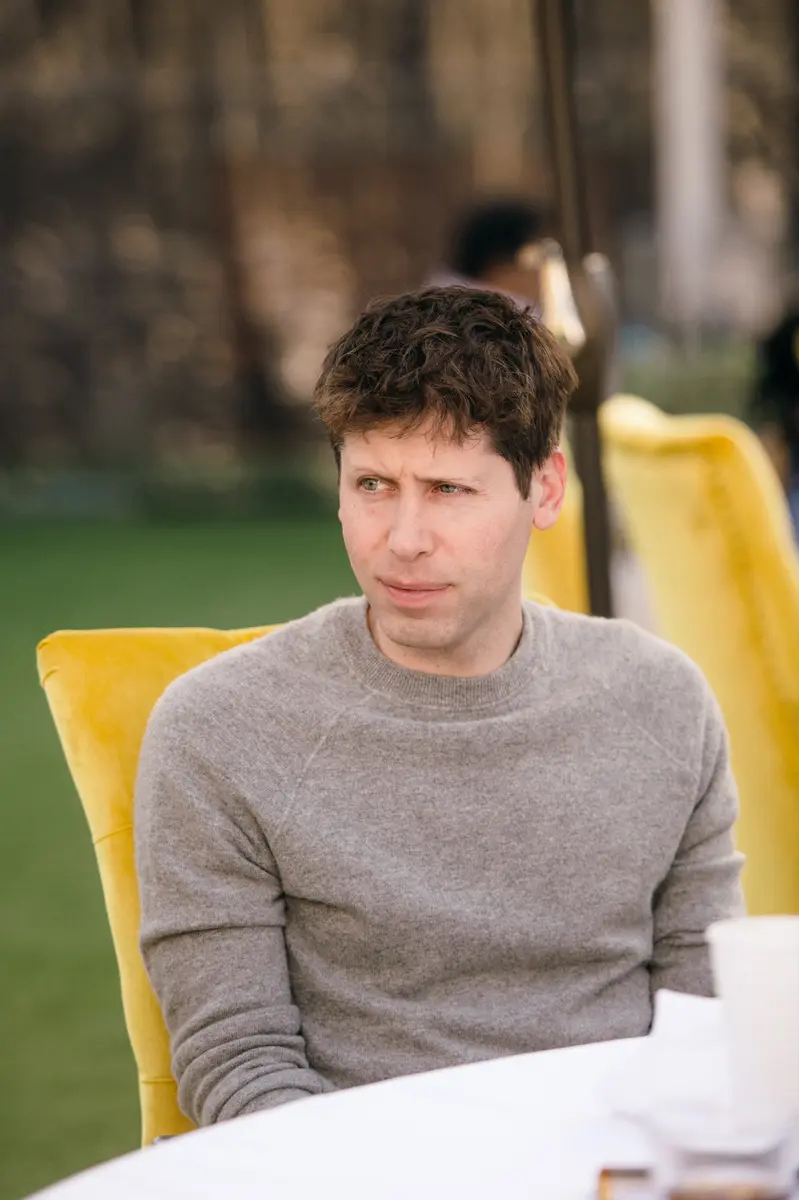
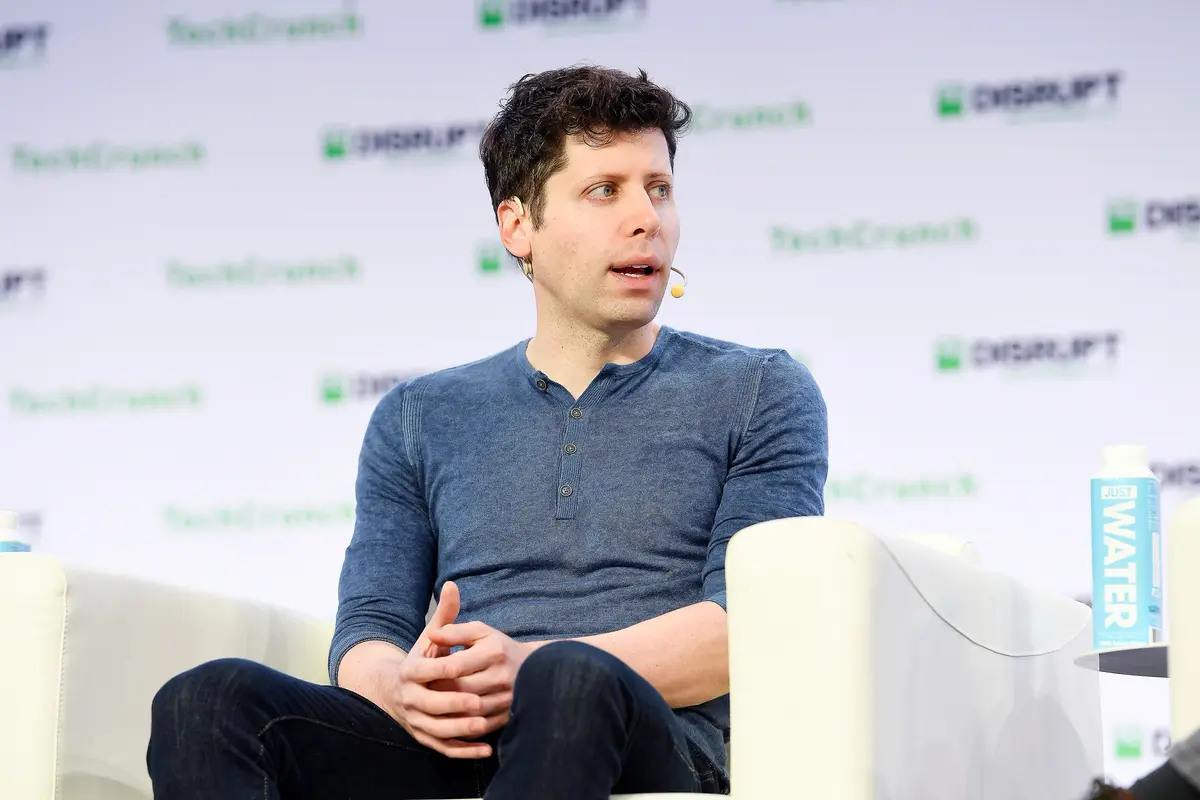
Sam Altman testifies before the Senate Judiciary Subcommittee on Privacy, Technology, and the Law with IBM's Christina Montgomery and the scientist Gary Marcus, and proposes an agency to license the most powerful AI systems.
Dirksen Senate Office Building, Washington: Sam Altman testified to a Senate subcommittee in Room 226 on May 16, 2023 OpenAI opens the GPT-4 API to all paying developers; millions had asked for access since March.
ChatGPT begins to take pictures as well as words, powered by GPT-4 for paying users, in an approach shaped by the work with Be My Eyes; the image input shown in March reaches the public.
At OpenAI's first developer conference, DevDay, in San Francisco, the company launches GPT-4 Turbo: it knows events up to April 2023, can read more than 300 pages at once and costs a third as much per word read.
- 2024
A study by Eric Martínez in the journal Artificial Intelligence and Law finds the bar exam claim inflated: below the 69th percentile against July test takers, about the 62nd against first-time takers and about the 48th against those who passed.
OpenAI announces GPT-4o, which matches GPT-4 Turbo on text and code, hears and speaks, and is offered to ChatGPT's free users; OpenAI calls it its new flagship model.
- 2025
GPT-4 is retired from ChatGPT and fully replaced by GPT-4o, as OpenAI announced on April 10; developers can still use it through the API.