Hyperinflation in Germany
“In 1923 Germany printed its money into worthlessness: by 20 November a dollar cost 4.2 trillion marks and savings were gone, until a new, strictly limited Rentenmark stopped it.”
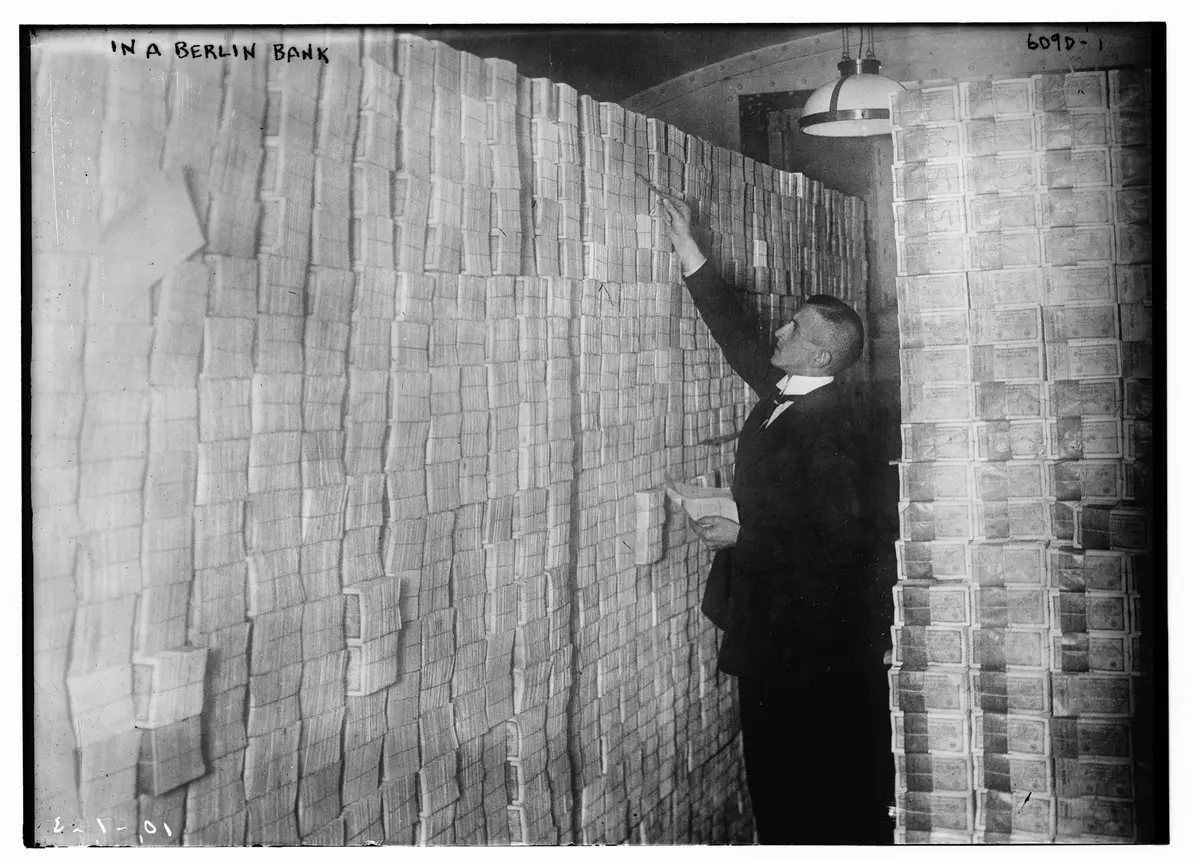
In 1923 the German mark lost almost all of its value. Before the First World War a dollar cost 4.2 marks; at the start of 1922 it cost about 190, and on 20 November 1923, when the fall was finally stopped, it cost 4.2 trillion (4,200,000,000,000) marks. In the worst month, October 1923, prices rose about 300-fold, which means they doubled roughly every three and a half days. In many places wages were paid out every day, and people collected their notes in bags and suitcases and ran to the shops before the money lost its value. At the height a stamp for a letter cost 90 billion marks and a newspaper 200 billion. Many traders would sell only for food, coal or foreign money, and others simply closed.
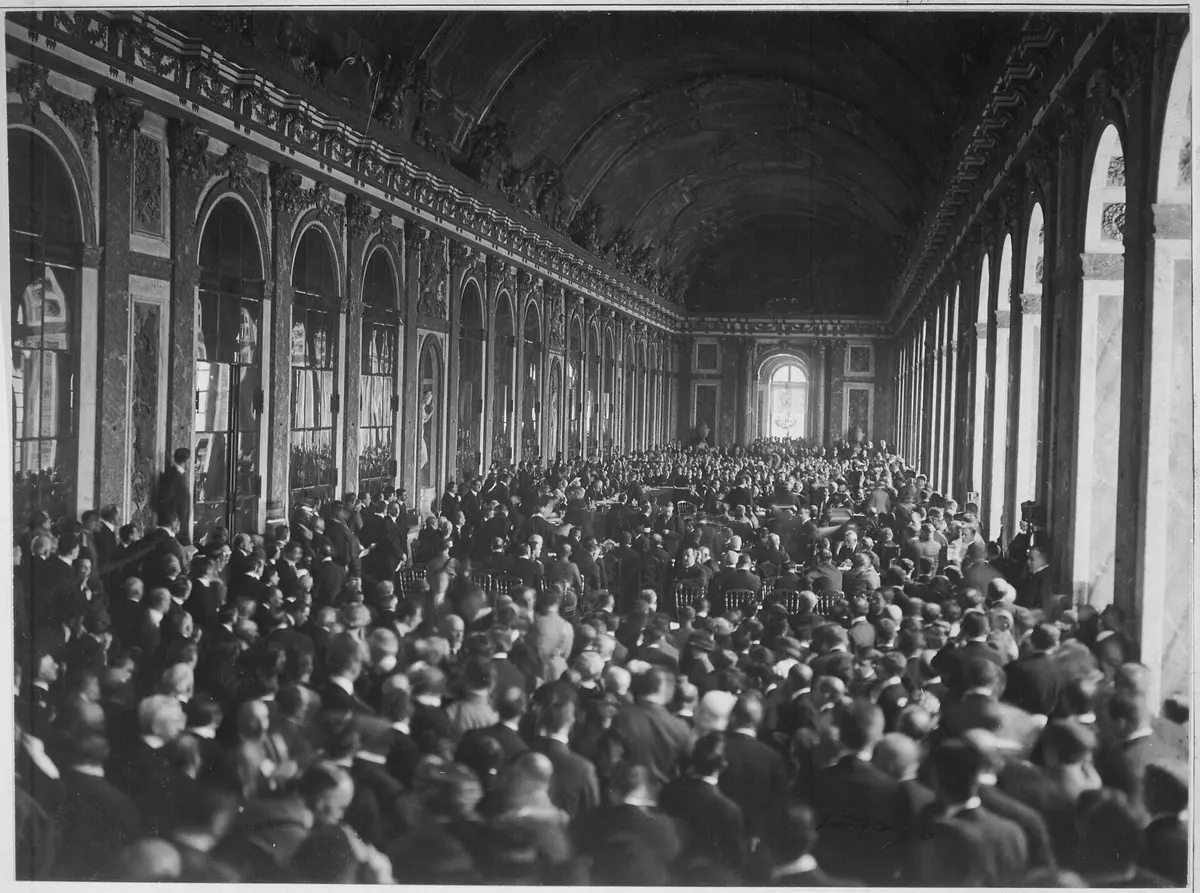
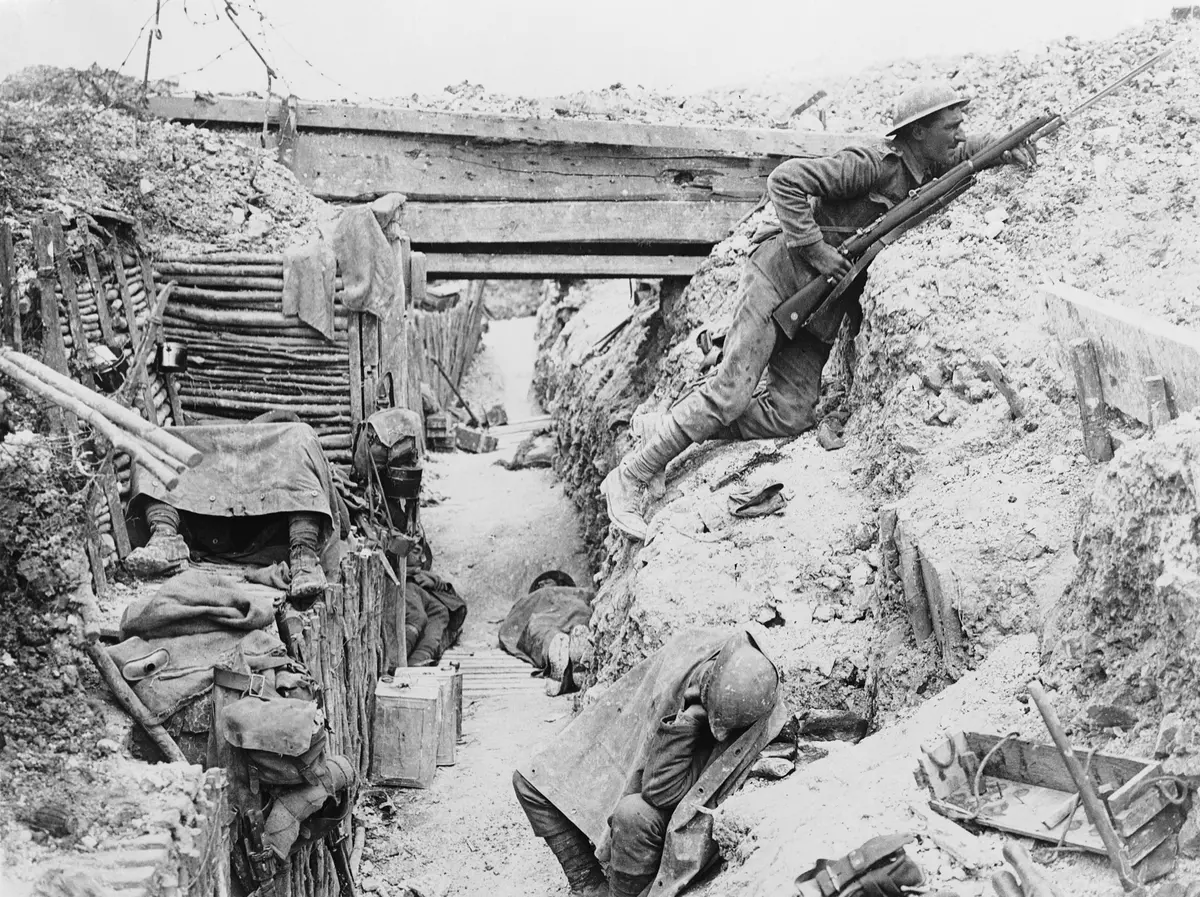
The inflation began with the war. In 1914 the mark stopped being exchangeable for gold, and instead of raising taxes the government paid for the war by borrowing, more and more from its central bank, the Reichsbank, which printed the notes. Peace brought new burdens: the war debt, heavy social spending in a shaken country, and the reparations demanded by the victors, which the Allies set in the spring of 1921 at 132 billion gold marks. The government kept covering its deficits with new money. When nationalists murdered the foreign minister, Walther Rathenau, in June 1922, confidence broke: Germans hurried to change marks into dollars and goods, and from August 1922 prices rose by more than half every month, the economists' line for hyperinflation. The Reichsbank's president, Rudolf Havenstein, held that the falling exchange rate, not the printing, was the cause, and went on lending to the government and to business.
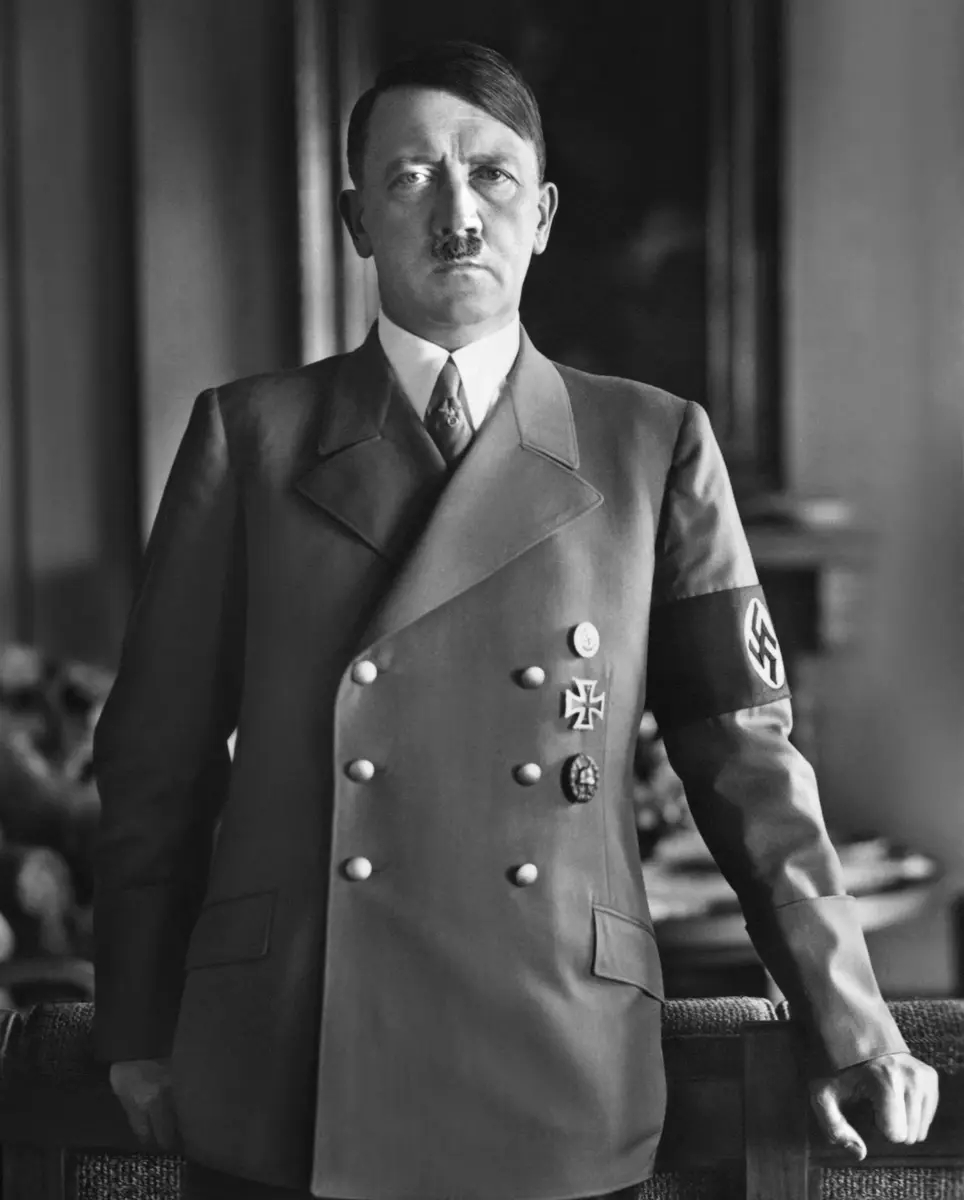
In January 1923, after Germany was declared in default on its coal deliveries, French and Belgian troops occupied the Ruhr, the heart of German coal and steel. Berlin called for passive resistance: miners, railwaymen and officials refused to work for the occupiers, and the government paid them and their employers with freshly printed money while its own income collapsed. By the end of July the Reichsbank held 93 percent of the government's short-term bills, so every new bill became new notes; in the autumn some 30 paper mills and about a hundred private printers worked for it beside the Reich's own printing works. Gustav Stresemann, chancellor from August, ended passive resistance on 26 September, but the country seemed to be breaking apart: Communists prepared to take power in Saxony and Thuringia and rose in Hamburg, separatists proclaimed a Rhenish republic, and on 8 and 9 November Adolf Hitler tried to seize power in Munich.
The cure was a new money. A decree of 15 October, drafted by the finance minister Hans Luther, created the Rentenbank, whose capital was a mortgage on German farmland and businesses. From 15 November it paid out Rentenmarks in a strictly limited amount, and the Reichsbank stopped discounting the government's bills, so no more money was printed for the state. The banker Hjalmar Schacht, brought in as currency commissioner, took charge of the stabilization, and on 20 November, the day Havenstein died, the dollar was fixed at 4.2 trillion paper marks: one Rentenmark for a trillion old marks. The inflation stopped almost at once. In 1924 the Dawes Plan, drawn up by experts under the American banker Charles Dawes, reduced the yearly reparation payments, brought a foreign loan of $200 million and led France and Belgium to agree to leave the Ruhr, and on 30 August 1924 the Reichsmark replaced the paper mark at the same rate.
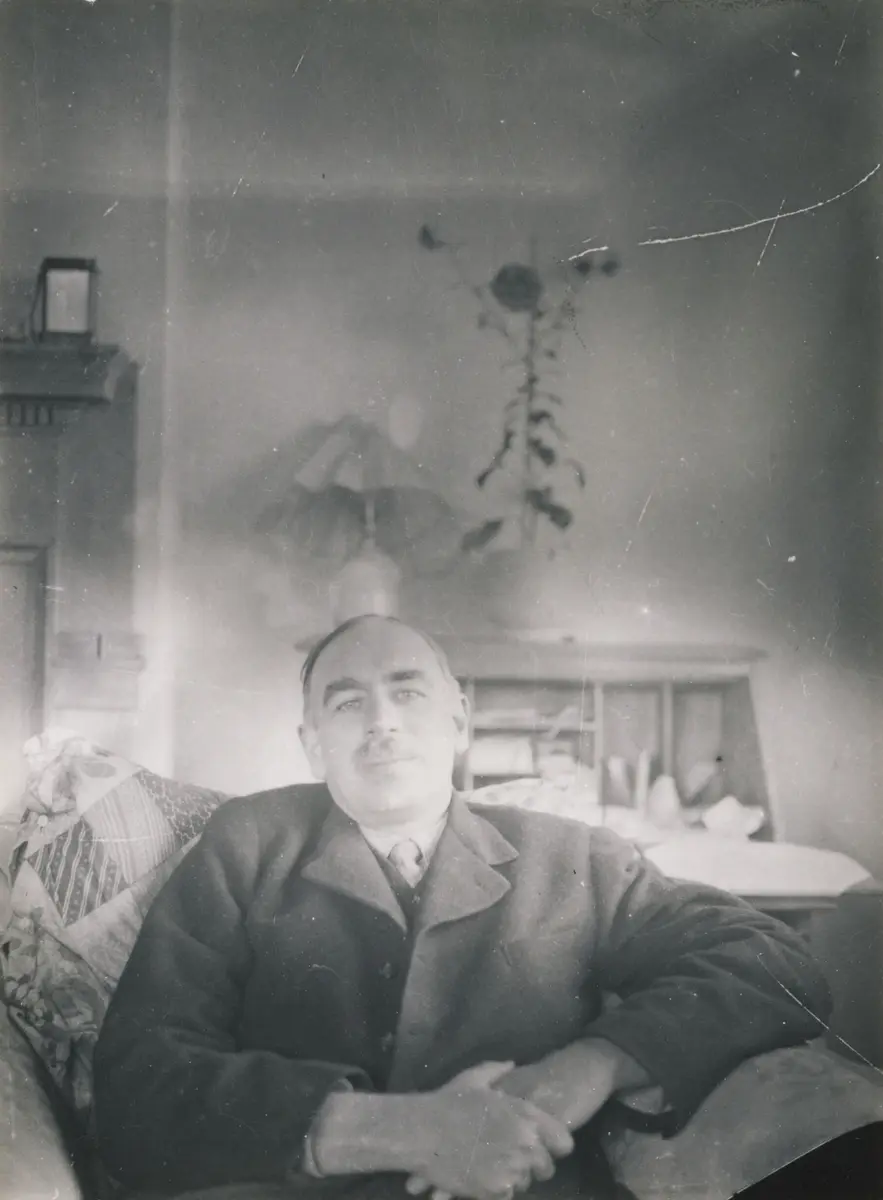
The hyperinflation wiped out every debt and every saving written in marks. The state gained most: by the Bundesbank's reckoning its war debt of 154 billion marks was worth 15.4 pfennigs on the day the Rentenmark came. Savers, pensioners and the salaried middle class lost what they had put by, while borrowers, speculators and some industrialists grew rich, and the extremist parties fed on the anger; the economist Lionel Robbins called Hitler the inflation's foster-child. John Maynard Keynes, writing in 1923, described inflation as a form of taxation by which a government takes its people's resources. For Germans 1923 remains the great warning: the lesson the Bundesbank draws from it is that money must be kept stable by a central bank independent of the government, and the Bundesbank became the model for the euro's central bank.
What happened
- 1922
The foreign minister, Walther Rathenau, is shot dead in his car on his way from his villa in Grunewald to the Foreign Office by young nationalists of the Organisation Consul. Confidence in the republic and its money breaks, and Germans rush to change marks into dollars and goods.
Villa Rathenau, Koenigsallee, Berlin-Grunewald: Walther Rathenau left it on 24 June 1922 and was shot on his way to the Foreign OfficeThe dollar averages 1,135 marks, against 493 in July and about 320 in June, and wholesale prices nearly double in a single month. It is the first month of a rise above 50 percent, the line the economist Phillip Cagan drew for hyperinflation: by his measure Germany's hyperinflation begins now.
Rudolf Havenstein, president of the Reichsbank, tells its Central Committee that no attempt to stabilize the mark is possible until Germany wins a moratorium and a bearable settlement of reparations. The bank refuses to put its gold into a currency reform and keeps discounting government bills.
Reichsbank head office, Jägerstraße and Hausvogteiplatz, Berlin: the central bank that printed the money; Rentenmarks were paid out in the Oberwallstraße next to it- 1923
Over British objections, the Allied Reparation Commission declares that Germany has deliberately failed to deliver the coal it owed for 1922, after finding it short on timber in December. France and Belgium decide to take 'productive pledges' in the Ruhr.
Five French divisions and Belgian troops march into the Ruhr to protect a mission of engineers sent to collect coal. The French occupy Essen, home of the Krupp works and of the Coal Syndicate, which has just moved its office to Hamburg.
Essen: French troops occupied the city on 11 January 1923, the centre of the Ruhr occupationChancellor Wilhelm Cuno's government answers with a call for passive resistance: officials are told not to obey the occupiers, and miners and railwaymen stop work. Berlin pays the strikers and the idle firms, and it pays them with new money.
Essen: French troops occupied the city on 11 January 1923, the centre of the Ruhr occupationAt the Krupp works in Essen the sirens call workers out against a French detachment sent to requisition vehicles; the soldiers open fire, killing thirteen and wounding 41. A French court later sends Gustav Krupp von Bohlen und Halbach and his directors to prison.
Krupp works, Essen: French soldiers killed thirteen workers here on 31 March 1923The Reichsbank's support of the mark, begun in February, collapses. It had held the dollar near 21,000 marks by selling foreign currency, up to 70 million gold marks' worth a day, but can no longer meet the demand, and the fall resumes.
Reichsbank head office, Jägerstraße and Hausvogteiplatz, Berlin: the central bank that printed the money; Rentenmarks were paid out in the Oberwallstraße next to itBy the end of July the Reichsbank holds 93 percent of the government's Treasury bills: every new bill now means new notes. On 3 July a dollar costs 160,000 marks on the Berlin exchange; on 4 September it will cost 13 million.
Reichsbank head office, Jägerstraße and Hausvogteiplatz, Berlin: the central bank that printed the money; Rentenmarks were paid out in the Oberwallstraße next to itA day after Cuno's government resigns, Gustav Stresemann forms a grand coalition reaching from the Social Democrats to his own People's Party.
Stresemann and President Ebert call off passive resistance in the Ruhr, order work to resume in the occupied areas and lift the ban on reparation deliveries.
The money machine runs flat out: the special paper for notes comes from thirty paper mills, about a hundred private printers in Berlin and the provinces work beside the Reich's own printing works, and a thousand women and girls count the packets. The quantity of money grows by some 1,300 percent a month.
Reichsdruckerei, the Reich printing works, Oranienstraße, Berlin-Kreuzberg, which printed banknotes for the Reichsbank (today the Bundesdruckerei)The worst month: prices rise about 29,500 percent, doubling roughly every three and a half days. In Berlin crowds mob the bakers' carts with fistfuls of notes; at the height a letter stamp costs 90 billion marks and a newspaper 200 billion.
A decree drafted by the finance minister, Hans Luther, creates the Rentenbank. Its capital of 3.2 billion Rentenmarks is a compulsory mortgage on German farmland and on industrial, commercial and banking property, and on that basis it may issue a new money, the Rentenmark, from 15 November, never more than its capital.
In the Bürgerbräukeller in Munich Adolf Hitler and General Ludendorff proclaim a national revolution; the next day their march is stopped by the Bavarian police at the Feldherrnhalle and the putsch collapses.
Bürgerbräukeller, Munich (demolished 1979): Hitler began his putsch here on 8 November 1923At midday the finance minister, Hans Luther, asks the banker Hjalmar Schacht to become the Reich's currency commissioner, with a voice in the cabinet and his signature needed on every measure touching the currency.
The first Rentenmarks are paid out, and the Reichsbank stops discounting the government's Treasury bills: no more paper marks are printed for the state. The official dollar rate stands at 2.52 trillion marks.
Reichsbank head office, Jägerstraße and Hausvogteiplatz, Berlin: the central bank that printed the money; Rentenmarks were paid out in the Oberwallstraße next to itThe dollar is fixed at 4.2 trillion paper marks, so one Rentenmark equals a trillion old marks, and the inflation ends. On the free market in Cologne the dollar had just reached 11.7 trillion. The same day Rudolf Havenstein, who had led the Reichsbank since before the war, dies in Berlin.
Reichsbank head office, Jägerstraße and Hausvogteiplatz, Berlin: the central bank that printed the money; Rentenmarks were paid out in the Oberwallstraße next to it