World War I
“Four years in the trenches, from an assassination in Sarajevo to the eleventh hour of November 11, 1918; four empires fell and some 15 to 22 million died.”
The First World War was fought from 1914 to 1918 between the Allies, led by France, Britain and Russia and joined in 1917 by the United States, and the Central Powers, Germany, Austria-Hungary, the Ottoman Empire and Bulgaria. It began when a Bosnian Serb student, Gavrilo Princip, shot the heir to the Austrian throne, Archduke Franz Ferdinand, in Sarajevo on June 28, 1914. Austria blamed Serbia and declared war on it a month later; Russia mobilised to protect Serbia, Germany to protect Austria, France was bound to Russia and Britain to Belgium, and within a week the alliances built up over forty years had pulled all the great powers in. Everyone expected a short war.
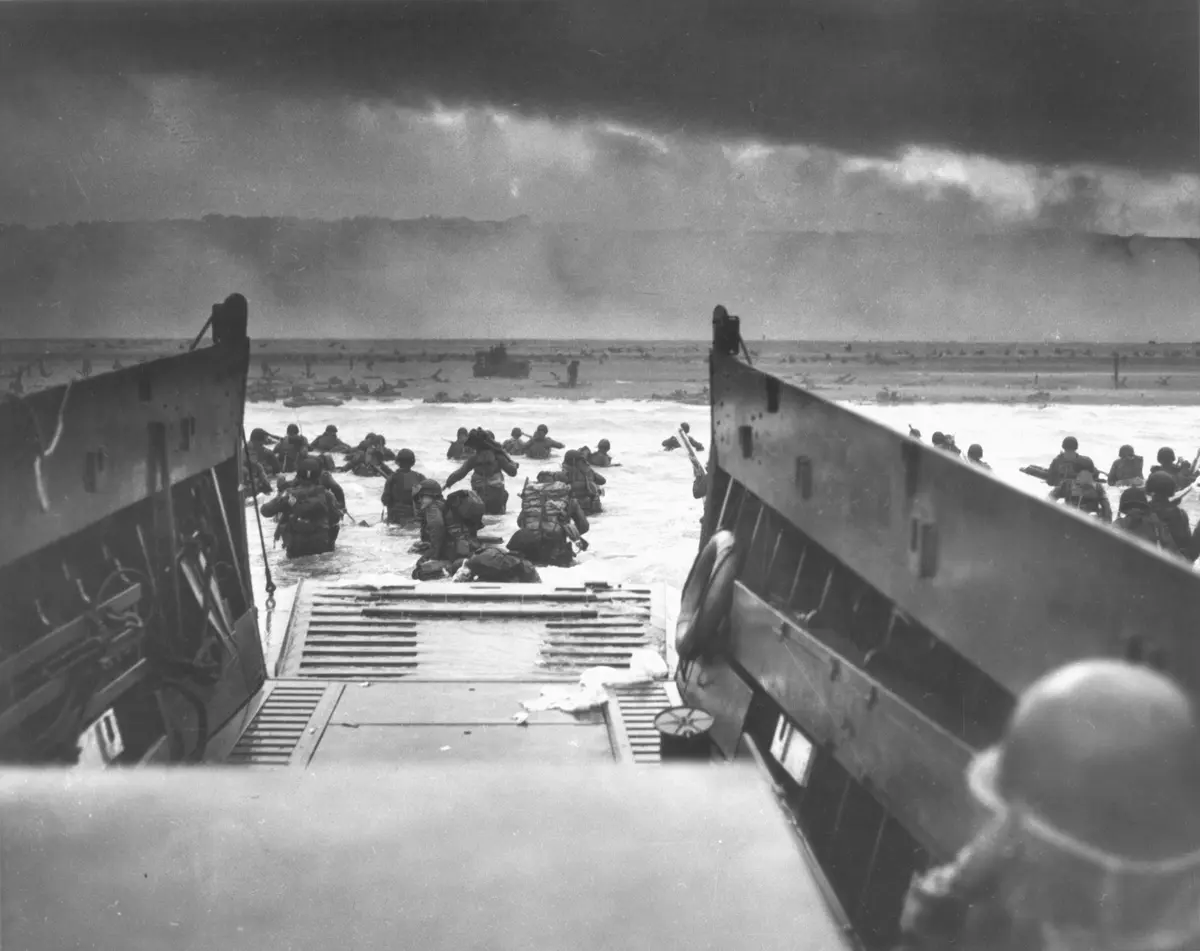
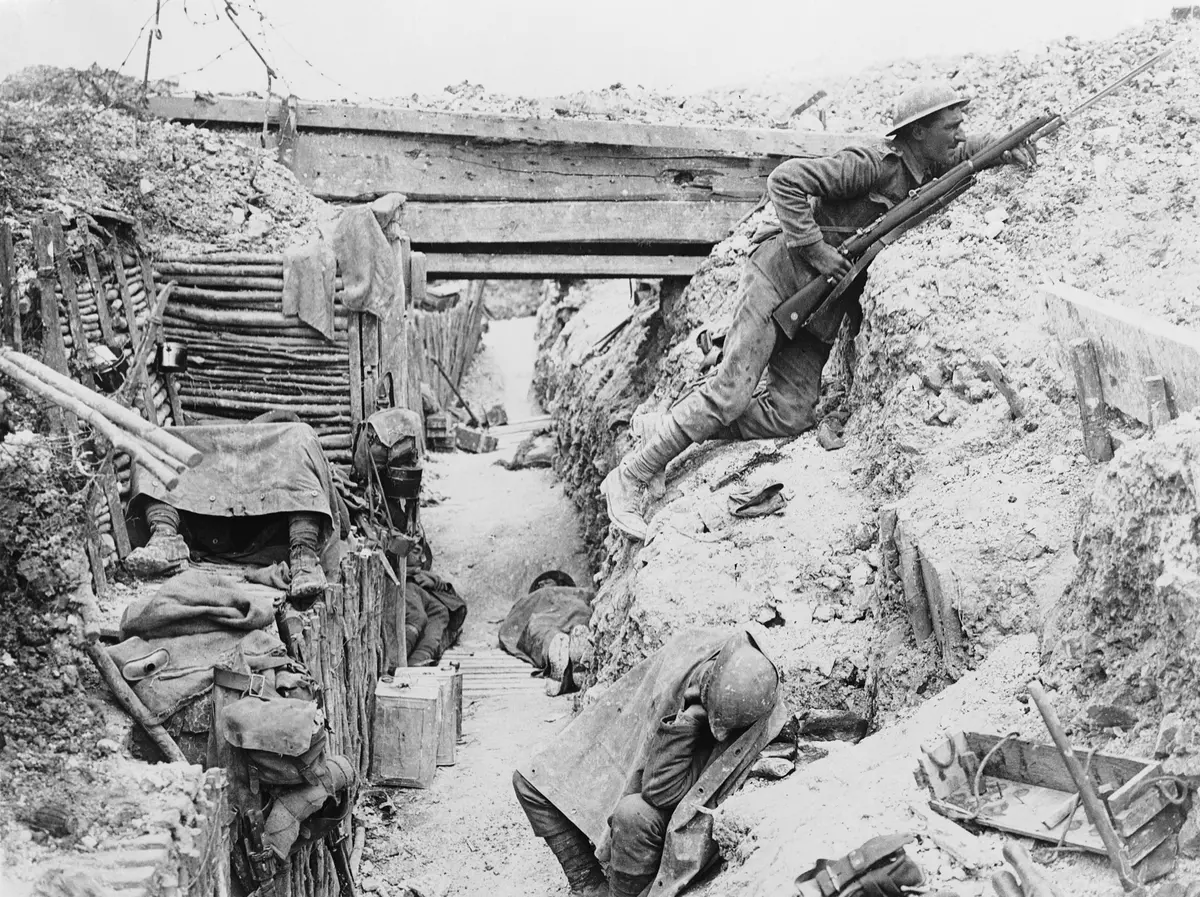
It was not. Germany's drive on Paris was stopped at the Marne in September 1914, and from the Channel to Switzerland the armies dug in. For four years the Western Front barely moved while the new weapons, machine guns, heavy artillery, barbed wire, poison gas, aircraft and, from September 1916, tanks, killed men on a scale no one had imagined. At Verdun in 1916 the French and Germans lost some 700,000 between them; on the first day of the Somme, July 1, 1916, the British Army suffered 57,000 casualties, the worst day in its history. The war spread to the Eastern Front, to Italy, to Gallipoli, where Australian and New Zealand troops landed on April 25, 1915, to the Middle East, to Africa and to the sea, where German submarines sank ships without warning.
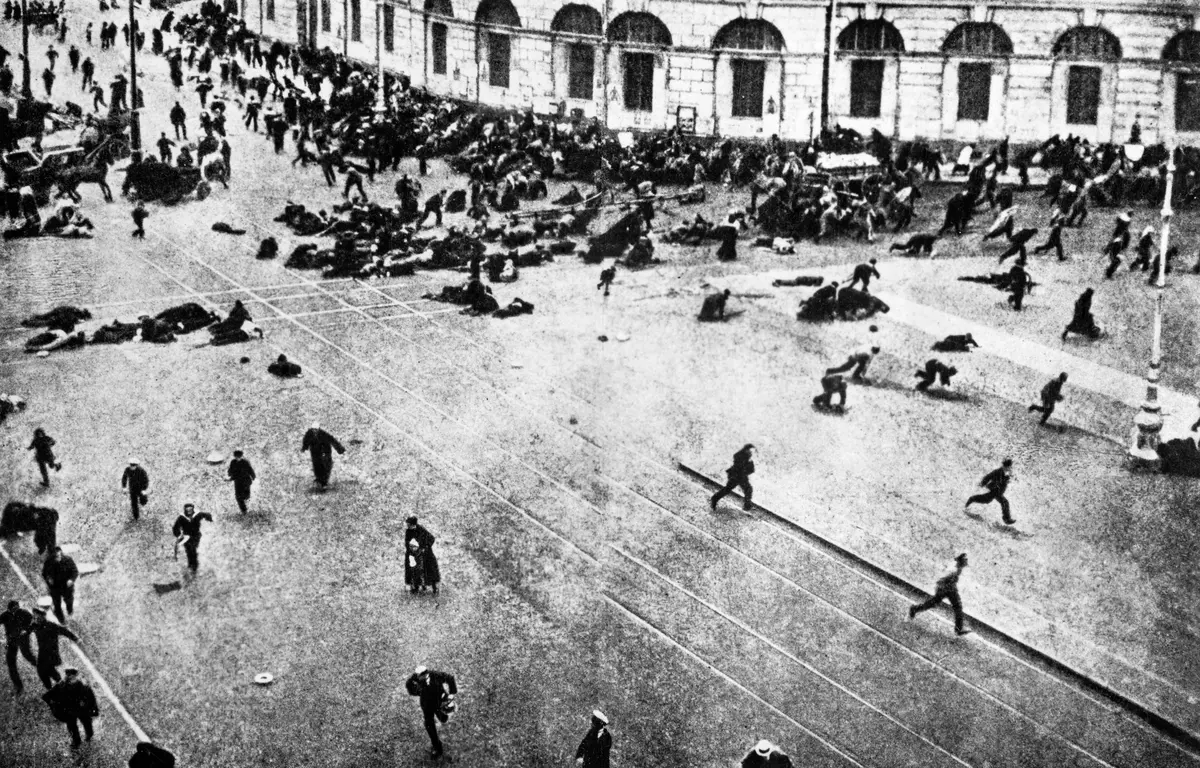
The submarines brought in the United States in April 1917. The same year Russia collapsed into revolution, and the Bolsheviks took it out of the war. Germany threw everything into a last offensive in the spring of 1918, came within reach of Paris, and was then driven back by the Allies through the summer and autumn as fresh American divisions arrived. Its allies gave way one by one, revolution broke out in its ports and cities, the Kaiser fled to Holland, and at 11 o'clock on the morning of November 11, 1918, the guns stopped under an armistice signed in a railway carriage in the forest of Compiègne.
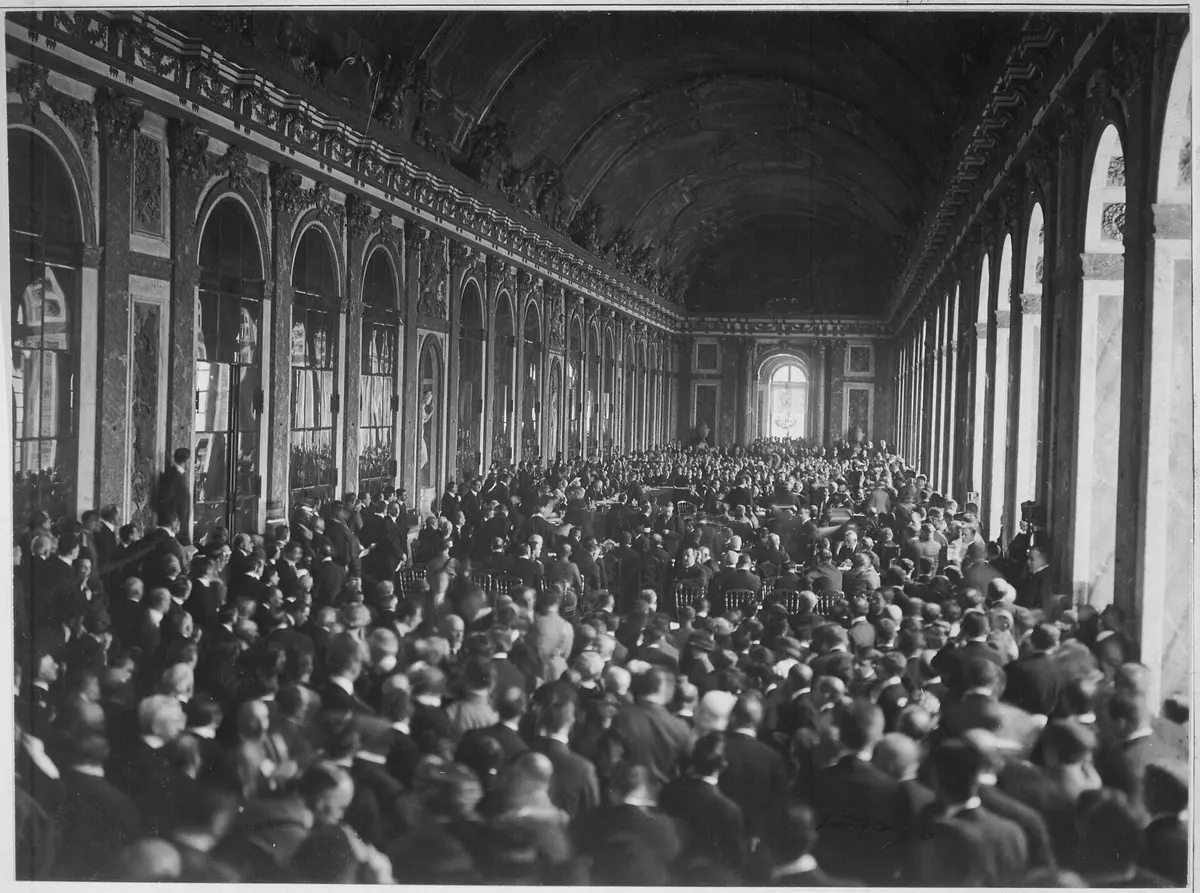
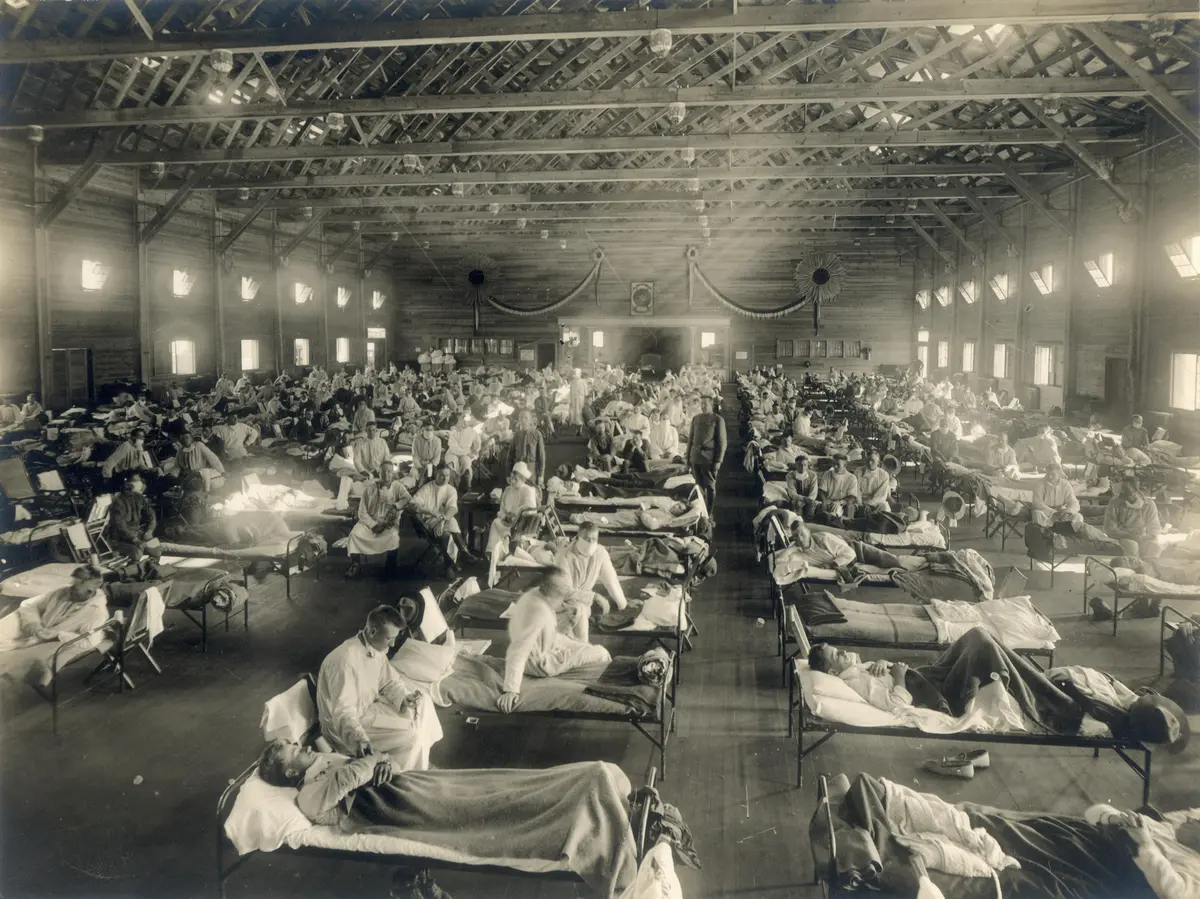
Between 15 and 22 million people had died, soldiers and civilians, and the influenza that followed the armies home killed tens of millions more. Four empires were gone: the German, the Austro-Hungarian, the Russian and the Ottoman. The Treaty of Versailles of June 1919 redrew the map of Europe and the Middle East, loaded Germany with blame and reparations, and created the League of Nations. The war gave the world the Soviet Union, the modern Middle East, the vote for women in Britain and America, the poppy and the two-minute silence; it broke the old order of kings, and its unfinished business brought the Second World War twenty years later.
What happened
- 1914
Austria-Hungary declares war on Serbia, a month after Gavrilo Princip shot Archduke Franz Ferdinand in Sarajevo; within a week Russia, Germany, France and Britain are at war.
The Latin Bridge, Sarajevo: Franz Ferdinand was shot beside it on June 28, 1914The German advance on Paris is stopped at the Marne; both sides dig in, and the Western Front settles into trenches from the Channel to Switzerland.
- 1915
British, French, Australian and New Zealand troops land on the Gallipoli peninsula to open the way to Constantinople; the campaign fails and is abandoned in January 1916.
Anzac Cove, Gallipoli: the Australian and New Zealand landing of April 25, 1915- 1916
The Germans attack Verdun; the battle lasts ten months and costs the two sides some 700,000 casualties.
Douaumont Ossuary, Verdun: the bones of 130,000 unidentified French and German dead of 1916- 7:30 a.m.
Fourteen British divisions attack on the Somme at 7.30 a.m.; by nightfall the British Army has 57,000 casualties, the worst day in its history.
Thiepval Memorial, the Somme: 72,000 British and South African missing of 1915 to 1918 Tanks go into action for the first time, at Flers-Courcelette on the Somme.
Thiepval Memorial, the Somme: 72,000 British and South African missing of 1915 to 1918- 1917
The United States declares war on Germany, after the resumption of unrestricted submarine warfare and the Zimmermann telegram.
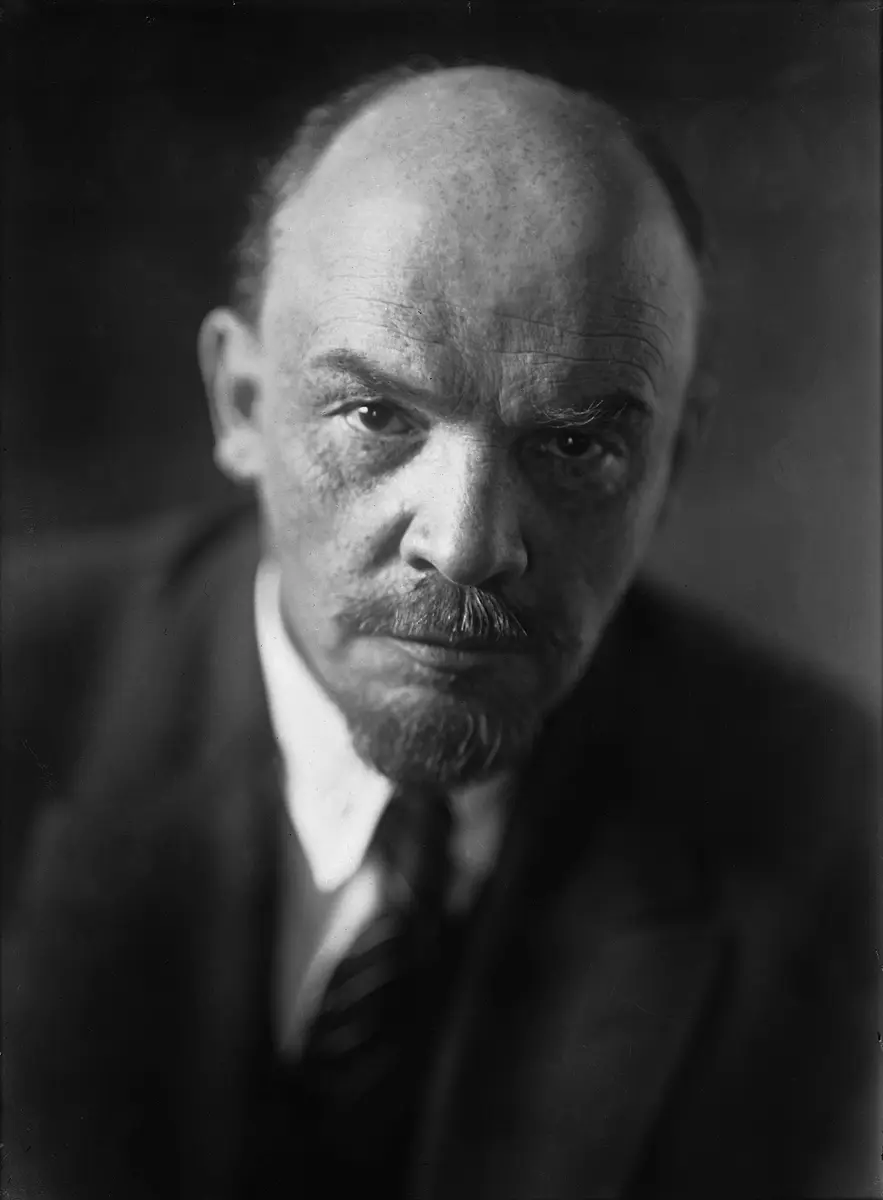
The Bolsheviks seize power in Russia and take it out of the war; Germany can turn its whole army west.
- 1918
Germany's spring offensive breaks the British line and comes within reach of Paris before it is stopped; from August the Allies drive the Germans back.
- 11:00 a.m.
The armistice signed before dawn in a railway carriage at Compiègne takes effect at 11 a.m.; the guns stop.
Glade of the Armistice, Compiègne forest: the railway carriage where the armistice was signed on November 11, 1918