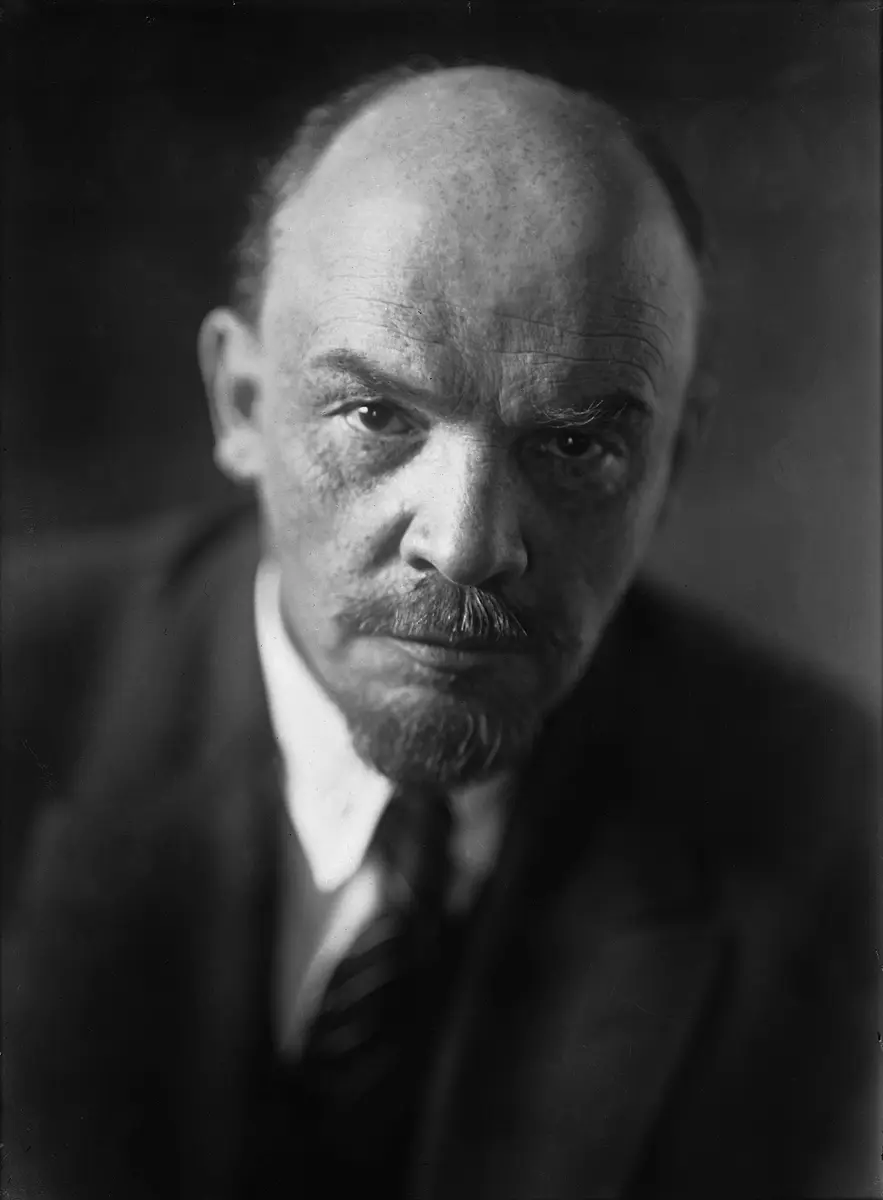
Lenin
“The founder of the Bolshevik party, who seized power in Russia in November 1917 and built the one-party Soviet state; after his death in 1924 his embalmed body was put on show on Red Square.”
Lenin founded the Bolshevik party, led it to power in Russia in November 1917 and built the first state ruled by a communist party, the Soviet Union. Born Vladimir Ilyich Ulyanov, he was a lawyer by training and a revolutionary by profession. His great invention was the party itself: a small, disciplined 'vanguard' of full-time revolutionaries that would lead the workers rather than wait for them. He ruled for little more than five years before strokes silenced him, but the one-party state he built lasted until 1991, and 'Marxism-Leninism', the doctrine his successors made from his writings, became the creed of communist parties around the world.
He was born on 22 April 1870 in Simbirsk (now Ulyanovsk) on the Volga. His father, the son of a serf, had risen to inspector of schools; his mother was a doctor's daughter. Two blows turned a gifted pupil of Latin and Greek into a rebel: his father's early death in 1886 and, in May 1887, the hanging of his elder brother Aleksandr for a plot to kill Tsar Alexander III. Expelled from Kazan University after a student protest that December, he read Marx in enforced idleness, became a Marxist in 1889, took a first-class law degree as an external student and in 1893 moved to St Petersburg. Arrested with the leaders of a Marxist workers' league in December 1895, he spent over a year in prison and three years in exile in Siberia, where he married Nadezhda Krupskaya, his partner and secretary for the rest of his life.
From 1900 he lived mostly abroad, in Munich, London, Geneva, Paris, Kraków and Zurich, with only a short return during the revolution of 1905. He helped found the newspaper Iskra ('The Spark'), took the name Lenin, and in What Is to Be Done? (1902) set out his idea of the vanguard party. When the Russian Social Democrats split at their congress of 1903, his followers became the Bolsheviks, 'the majority', and their rivals the Mensheviks. In 1914 he called on socialists to turn the world war into a civil war against their own rulers. When the tsar fell in March 1917, Germany, hoping to knock Russia out of the war, let Lenin and some thirty other exiles cross its territory by train from Zurich. He reached Petrograd on 16 April, demanded 'All power to the soviets!', hid in Finland after the government accused him of being a German agent, and in October pushed his party's leaders to vote for an armed rising. On 7 and 8 November the Bolsheviks took power, and the Congress of Soviets made him head of the new government.
Holding power came before everything. In January 1918 he dispersed the elected Constituent Assembly, in which his party had won only a quarter of the vote, and in March he forced through a harsh peace with Germany at Brest-Litovsk, giving up Ukraine and the Baltic and Polish lands to win a 'breathing spell'. The government moved to the Moscow Kremlin. After he was shot and badly wounded on 30 August 1918, the secret police, the Cheka, launched the Red Terror against 'class enemies', and through the civil war grain was taken from the peasants by force. He founded the Communist International in 1919 to spread revolution abroad; by 1921 every other party had been crushed. Faced with famine and revolt, he retreated in March 1921 to the New Economic Policy, which let peasants sell their grain on the market. On 30 December 1922 Soviet Russia, Ukraine, Belorussia and Transcaucasia joined to form the Union of Soviet Socialist Republics.
The first of his strokes struck him in May 1922. Between them he dictated notes to the party, later called his 'Testament', which weighed up his likely heirs and urged that Stalin, made General Secretary that April, be removed because he was 'too rude'. A stroke in March 1923 took away his speech, and he died at Gorki, a country estate outside Moscow, on the evening of 21 January 1924, aged 53. Against his own wishes and his family's, his body was embalmed and put on show in a mausoleum on Red Square, Petrograd was renamed Leningrad, and a cult grew around him that every later Soviet leader used. Historians still argue whether the dictatorship he built opened the way to Stalin's terror.
What happened
- 1870
Born Vladimir Ilyich Ulyanov in Simbirsk on the Volga (10 April by Russia's old calendar), the third of six children of a schools inspector and a doctor's daughter.
The Ulyanov family's house in Simbirsk (now Ulyanovsk), their home from 1878 to 1887 and now the Lenin House Museum- 1886
His father, Ilya Ulyanov, dies suddenly; Vladimir is fifteen.
The Ulyanov family's house in Simbirsk (now Ulyanovsk), their home from 1878 to 1887 and now the Lenin House Museum- 1887
His elder brother Aleksandr is hanged for his part in a plot to kill Tsar Alexander III; the family is now marked as relatives of a 'state criminal'.
Leaves the Simbirsk gymnasium first in his class, with a gold medal.
The Ulyanov family's house in Simbirsk (now Ulyanovsk), their home from 1878 to 1887 and now the Lenin House MuseumEnters the law faculty of Kazan University.
Takes part in a student protest; arrested, expelled within days and banished to his grandfather's estate at Kokushkino, he begins to read revolutionary books in earnest.
- 1889
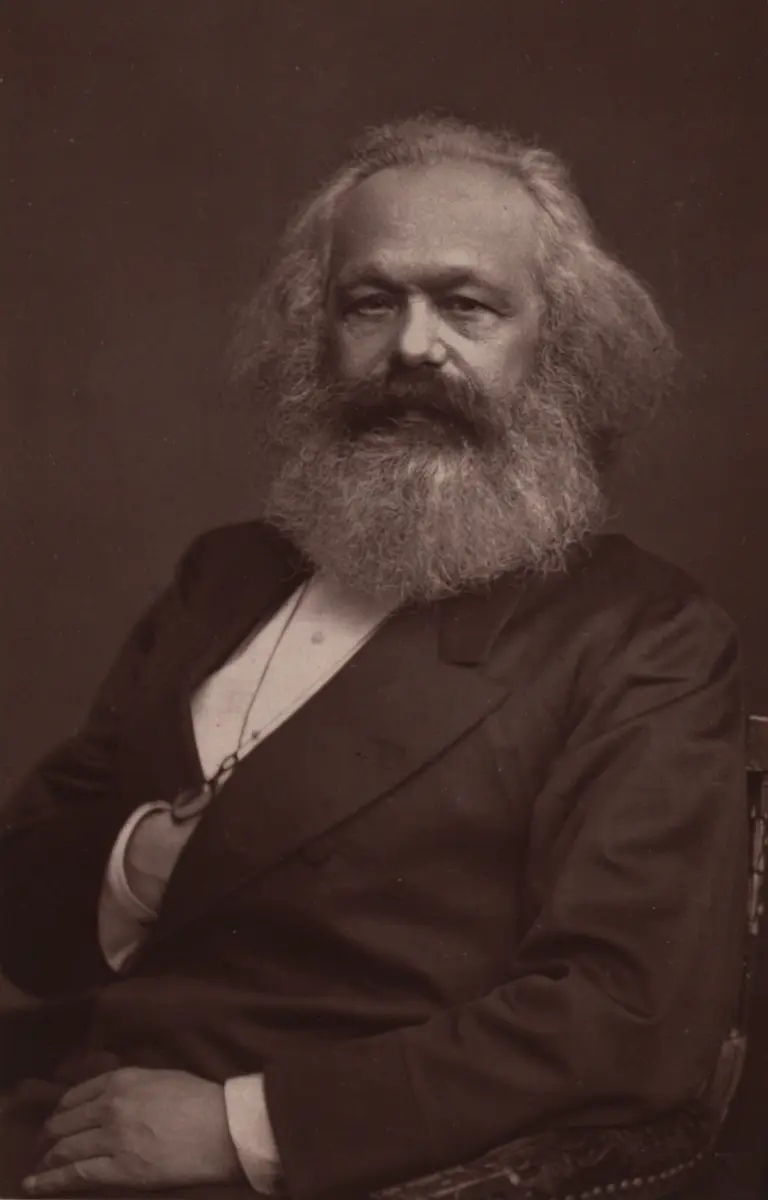
After reading Marx's Capital, he becomes a Marxist.
- 1891
Passes the law examinations of St Petersburg University as an external student, first in every subject.
- 1893
Moves to St Petersburg, works as a public defender and joins the city's Marxist circles.
- 1895
Arrested in the night with the leaders of the new League of Struggle for the Emancipation of the Working Class, as their first underground paper is ready for the press; he spends some fifteen months in prison.
- 1897
Sentenced to three years' exile in eastern Siberia; let out for a few days, he is photographed with the League's leaders before leaving the capital on 1 March.
Reaches the village of Shushenskoye on the upper Yenisei, his place of exile.
- 1898
Marries Nadezhda Krupskaya, a fellow member of the League, who has joined him in exile.
- 1899
Publishes, legally, The Development of Capitalism in Russia, written in exile.
- 1900
His term of exile ends; barred from the big cities, he settles in Pskov and plans an all-Russian party newspaper.
Leaves Russia for western Europe, where he will spend most of the next seventeen years.
The first issue of Iskra, which he edits with Plekhanov, Martov and others, comes off the press in Leipzig, to be smuggled into Russia.
- 1901
Begins to sign himself Lenin, the underground name he will keep.
- 1902
What Is to Be Done? is published in Stuttgart: the party must be a disciplined vanguard of professional revolutionaries that brings socialist consciousness to the workers.
- 1903
The party's Second Congress opens in Brussels and moves to London; by its end on 23 August it has split into Lenin's 'Bolsheviks' (majoritarians) and Martov's 'Mensheviks'.
- 1905
Returns to Russia during the revolution of 1905; after its defeat he is forced abroad again, for exile that lasts from 1907 to 1917.
- 1912
At a conference in Prague, which ends on 30 January, he makes the split final: the Bolsheviks act from now on as a party of their own.
- 1914
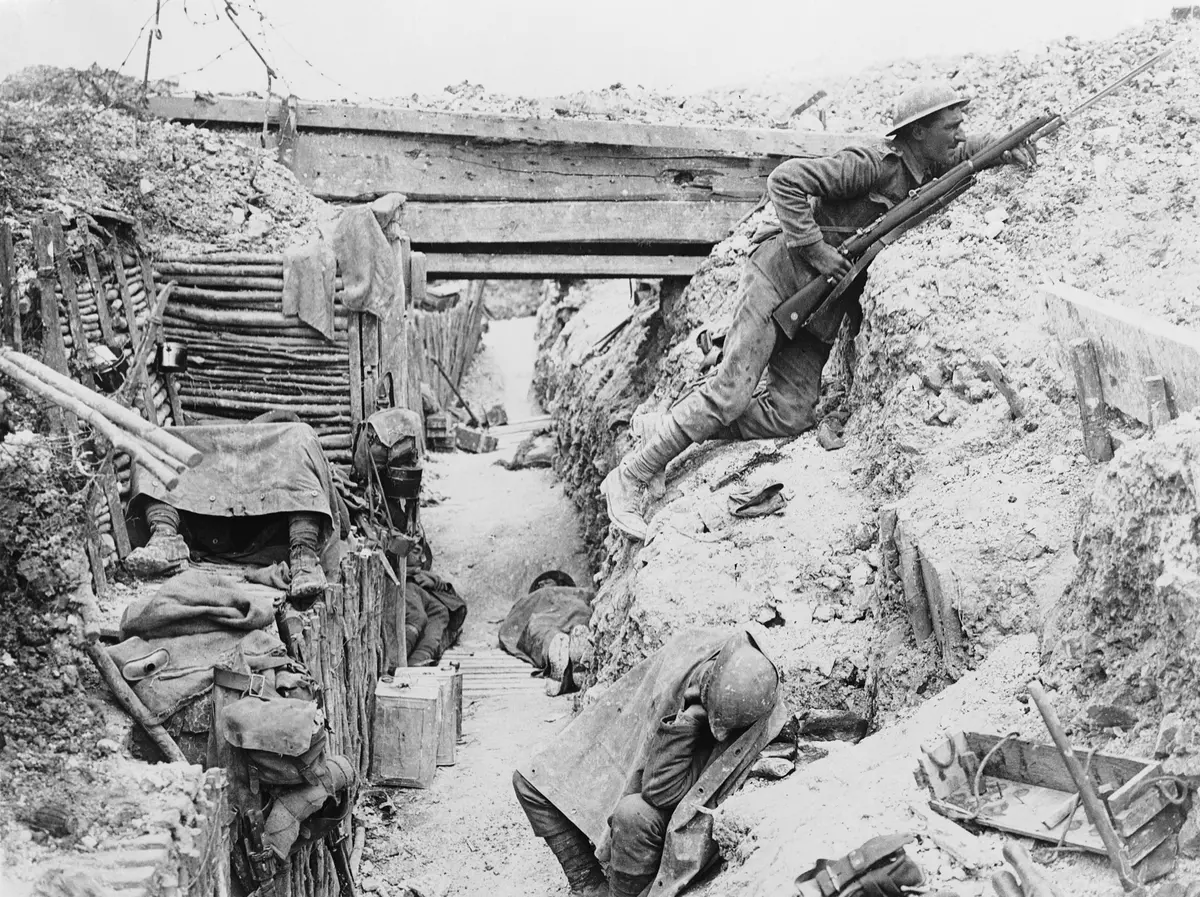
With the world war begun, the Austrian police arrest him at Nowy Targ in Galicia as a Russian subject; freed after eleven days, he moves to Berne and calls on socialists to turn the 'imperialist war' into civil war.
- 1916
Moves to Zurich, where he and Krupskaya rent a room at Spiegelgasse 14; there he finishes Imperialism, the Highest Stage of Capitalism.
Spiegelgasse 14, Zurich: his lodgings from February 1916 until his departure for Russia in April 1917- 1917
With the tsar overthrown, Lenin and about thirty other exiles leave Zurich by train; Germany lets them cross its territory, their carriage treated as extraterritorial.
Spiegelgasse 14, Zurich: his lodgings from February 1916 until his departure for Russia in April 1917Spends a day in Stockholm with Swedish socialists on the way north to Finland.
Arrives late in the evening at the Finland Station in Petrograd and, from an armoured car, attacks the Provisional Government.
The Finland Station, Petrograd: he arrived here from exile late on 16 April 1917 and spoke to the crowd from an armoured carPresents his April Theses to the Bolsheviks: no support for the government, 'all power to the soviets'; Pravda prints them on 20 April.
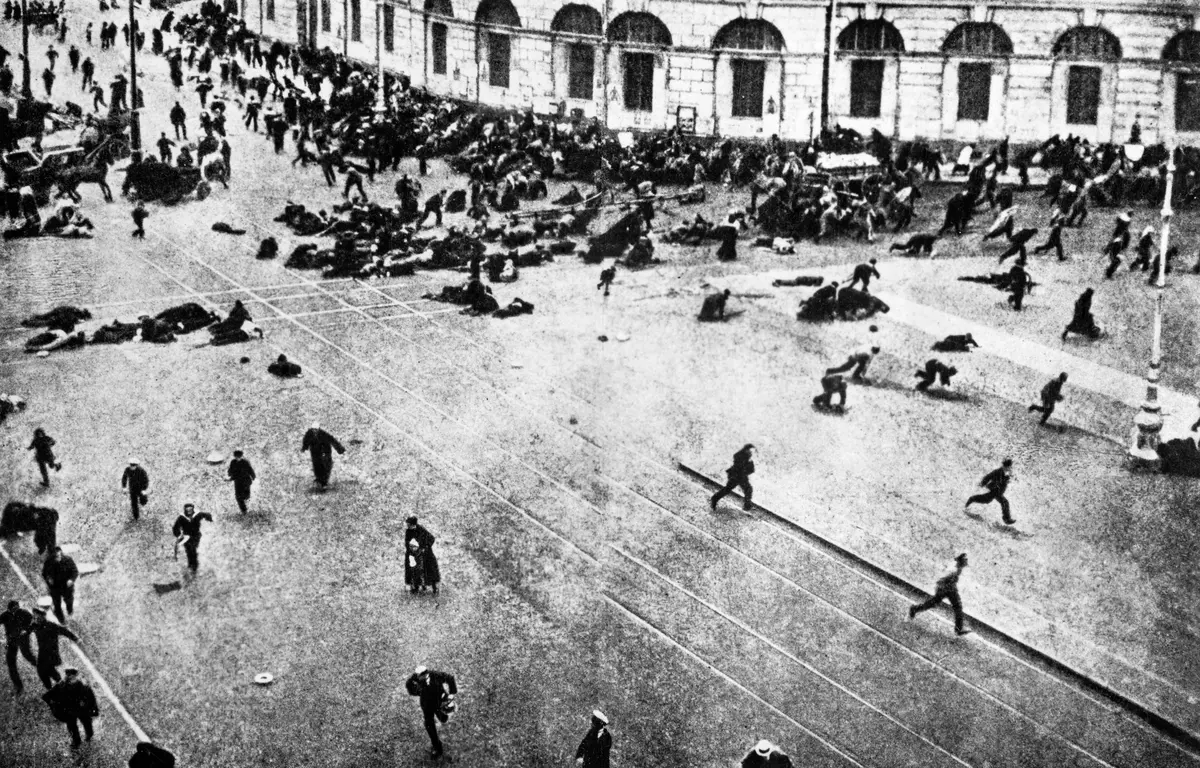
After the July Days the government orders his arrest as a German agent; he hides in Petrograd, then in a hut by Lake Razliv, and in August crosses into Finland disguised as a locomotive fireman.
Back in Petrograd in disguise, he wins a 10–2 vote of the Bolshevik Central Committee for an armed rising.
Having slipped into the Smolny during the night, he directs the rising that overthrows the Provisional Government.
The Congress of Soviets adopts his decrees on peace and on land and elects him chairman of the Council of People's Commissars, the new government.
- 1918
Has the elected Constituent Assembly, in which the Bolsheviks won about a quarter of the vote, dispersed after a single sitting.
After threatening to resign, he gets the Treaty of Brest-Litovsk signed: Russia gives up Ukraine and its Baltic and Polish lands for peace with Germany.
Moves with the government from Petrograd to Moscow; he lives and works in the Kremlin from now on.
Shot twice as he leaves the Michelson factory in Moscow after a speech; Fanny Kaplan, a former Socialist Revolutionary, is arrested and executed as the assassin. He survives.
His government authorises the Cheka to step up the Red Terror against 'class enemies': more than 500 people are shot in Petrograd alone.
- 1919
Leads in Moscow the founding congress of the Communist International, meant to spread the revolution to other countries.
- 1920
Speaks in Sverdlov Square to troops leaving for the war with Poland, with Trotsky and Kamenev beside the platform.
- 1921
At the Tenth Party Congress he replaces grain requisitioning with a tax in kind: the New Economic Policy, a partial return to the market.
- 1922
Stalin is made General Secretary of the party.
Surgeons remove one of the 1918 bullets from his neck.
Suffers his first stroke at Gorki, losing for a time the power to speak and the use of his right side; he spends the summer there recovering.
The manor house at Gorki (now Gorki Leninskiye), outside Moscow: where he recovered from his strokes and died on 21 January 1924Returns to Moscow and to work.
A second stroke leaves him half paralysed.
Begins to dictate the 'Letter to the Congress', later called his Testament; in a postscript of 4 January 1923 he calls Stalin 'too rude' and proposes removing him as General Secretary.
Soviet Russia, Ukraine, Belorussia and Transcaucasia form the Union of Soviet Socialist Republics, as a union of republics rather than under Russia, the form he had argued for against Stalin.
- 1923
A third stroke takes away his speech; his political life is over.
The magazine Prozhektor shows readers a photograph his sister Maria took of him in a wheelchair at Gorki.
The manor house at Gorki (now Gorki Leninskiye), outside Moscow: where he recovered from his strokes and died on 21 January 1924Makes a last visit of a few hours to Moscow and his Kremlin study.
- 1924
- 6:50 p.m.
Dies at Gorki after a further stroke that morning, aged 53. On 27 January his coffin is placed in a temporary mausoleum on Red Square; his body is later embalmed and put on show there.
The manor house at Gorki (now Gorki Leninskiye), outside Moscow: where he recovered from his strokes and died on 21 January 1924