World War II
“Six years, 60 to 75 million dead, the Holocaust and the atomic bomb: the war that made the modern world, 1939 to 1945.”
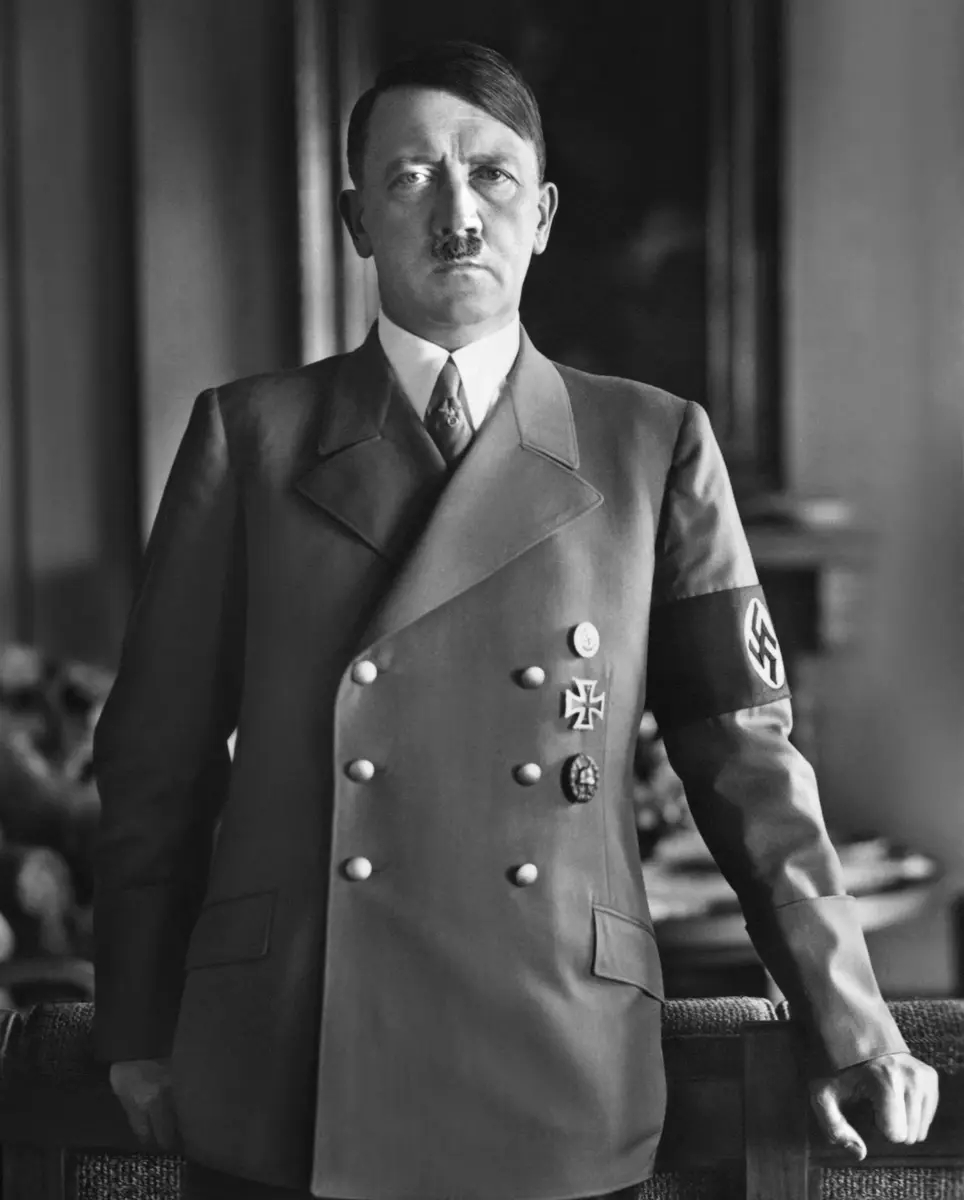
The Second World War was the largest and deadliest war in history, fought from 1939 to 1945 between the Allies, led by Britain, the Soviet Union, the United States and China, and the Axis, Germany, Italy and Japan. It began in Europe on September 1, 1939, when Hitler's Germany invaded Poland; Britain and France declared war two days later. In Asia it had already begun, with Japan's invasion of China in 1937. Between 60 and 75 million people died, most of them civilians, and the war ended with two cities destroyed by atomic bombs.
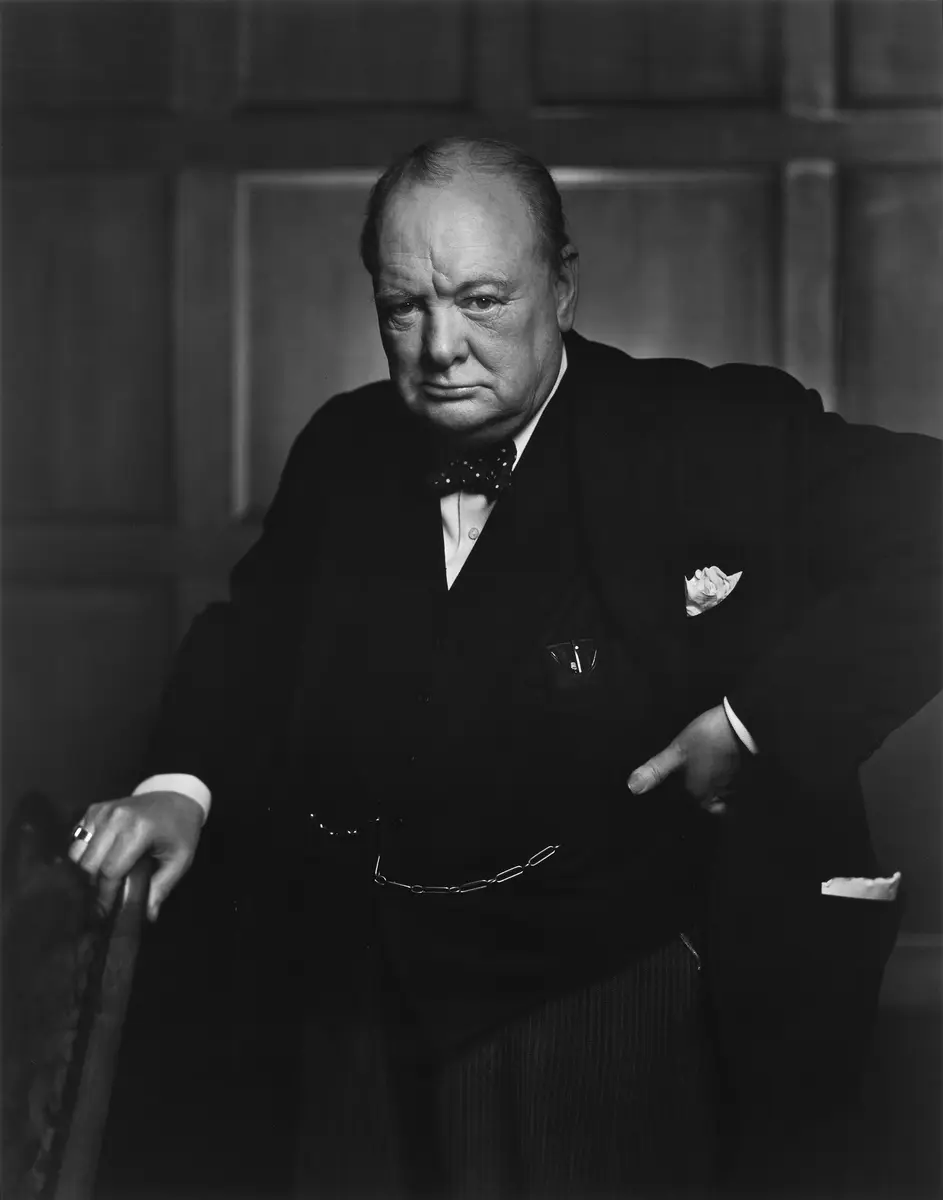
For two years Germany won. Poland fell in a month, shared with Stalin's Soviet Union under their pact. In the spring of 1940 the German army took Denmark, Norway, the Netherlands, Belgium and France in ten weeks; the British army escaped from Dunkirk, and Britain, under Churchill, fought on alone, saved by its fighter pilots in the Battle of Britain that summer. On June 22, 1941, Hitler invaded the Soviet Union with three million men, and on December 7 Japan attacked the American fleet at Pearl Harbor and swept through South-East Asia. By the end of 1941 the war was global.
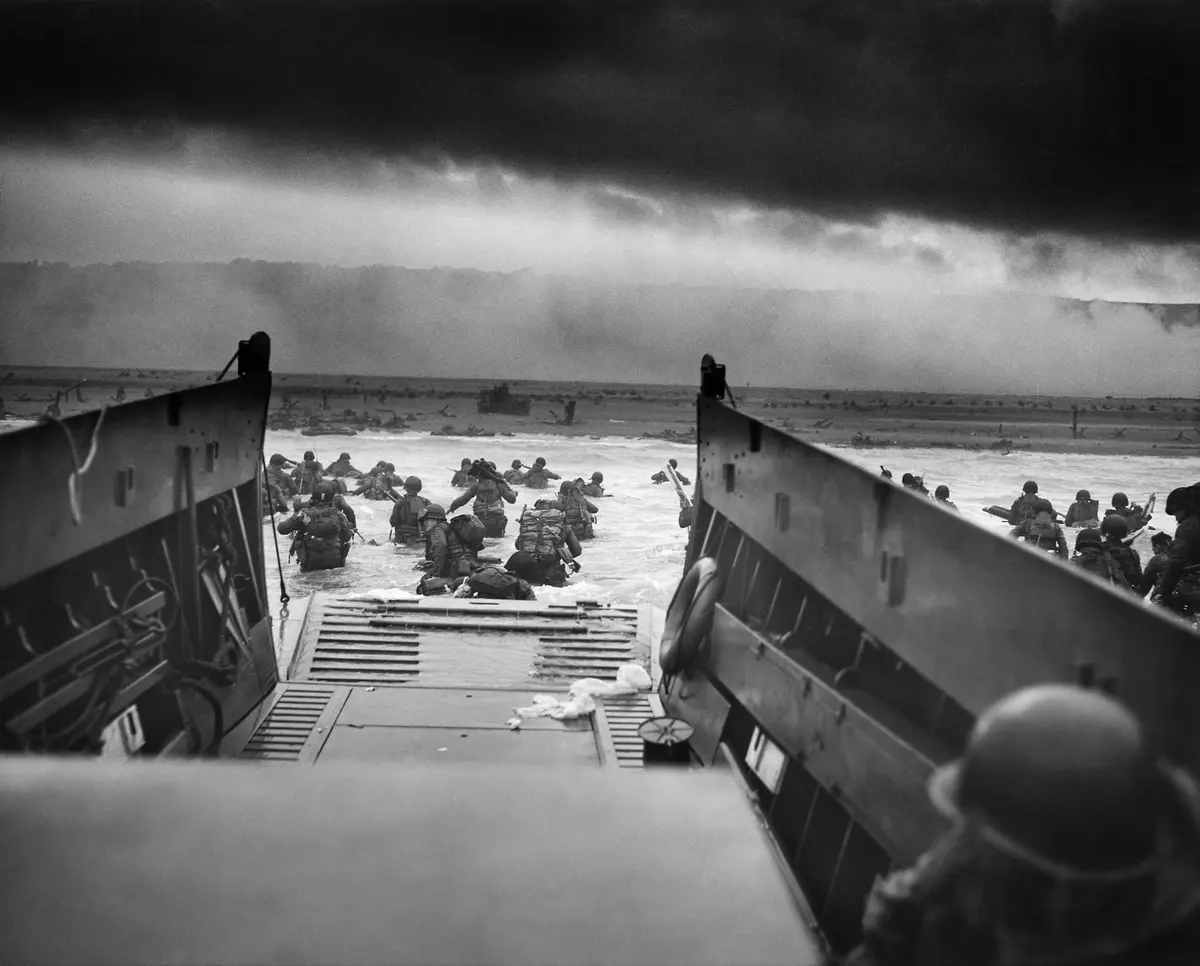
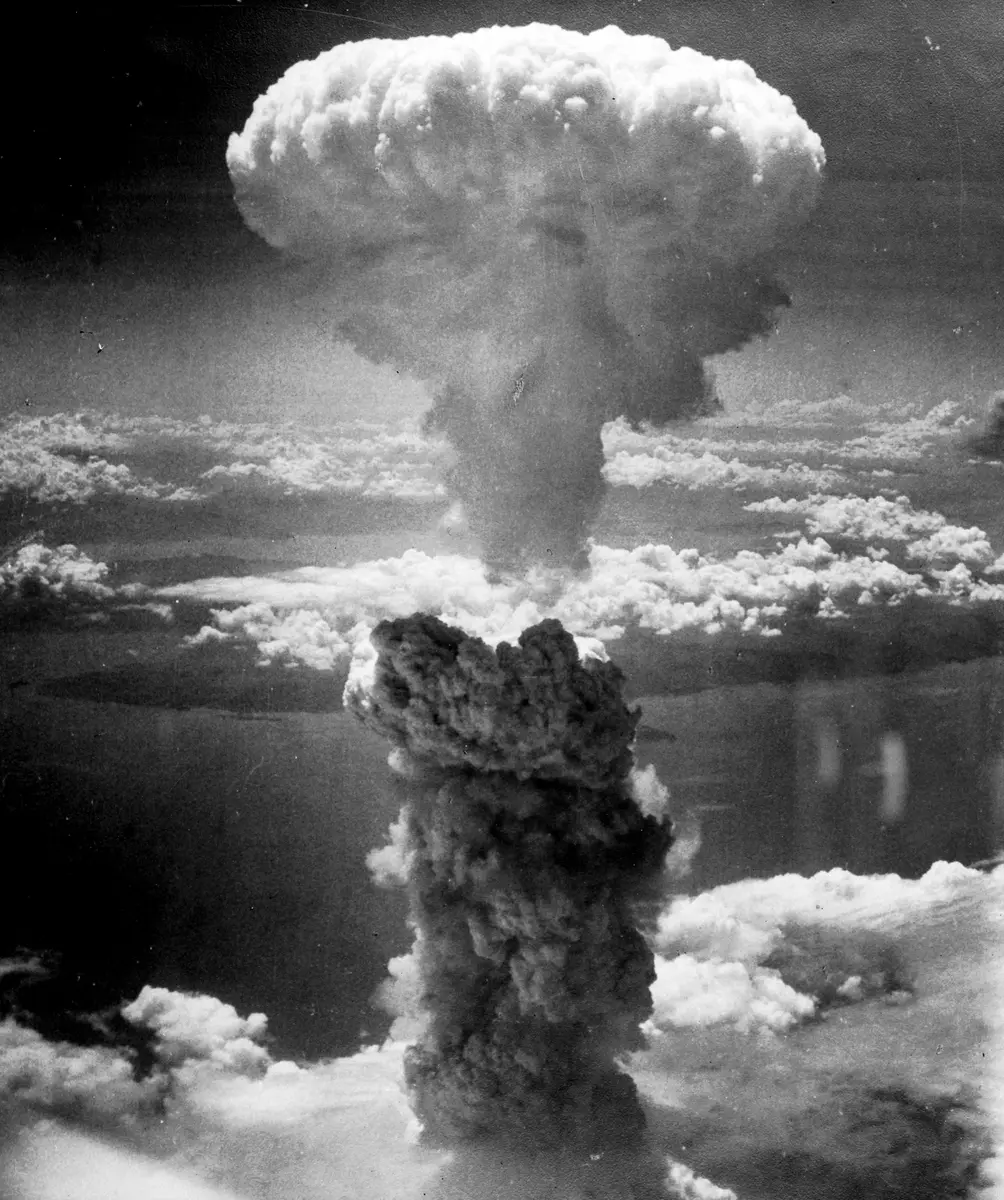
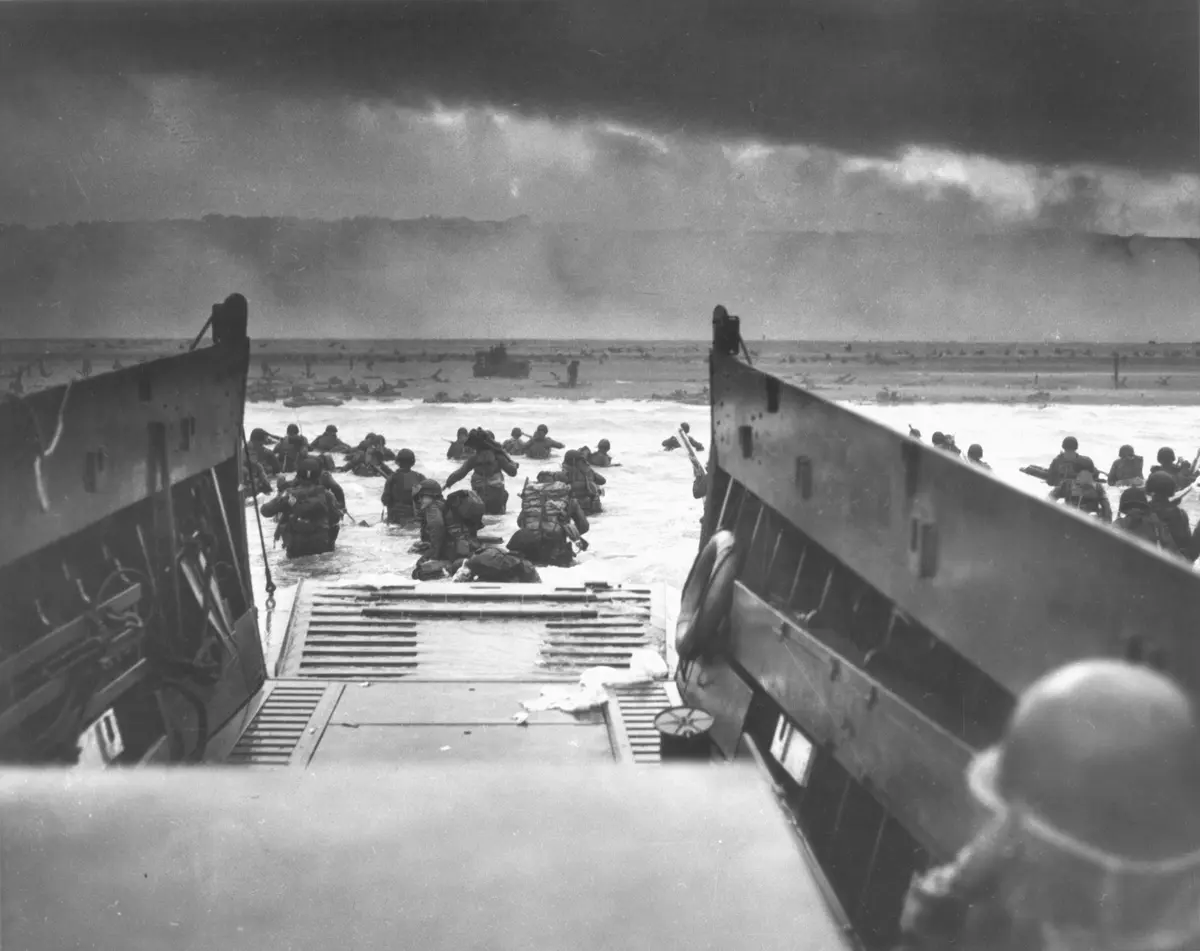
Behind the German lines the Nazis murdered six million Jews, in shootings and in death camps like Auschwitz, along with millions of Soviet prisoners, Poles, Roma and others; the Japanese killed millions in China and Asia. The tide turned in 1942 and 1943: the Americans sank the Japanese carriers at Midway, the British won at El Alamein, and the German Sixth Army surrendered at Stalingrad on February 2, 1943, after the bloodiest battle of the war. On June 6, 1944, D-Day, the Allies landed in Normandy while the Red Army destroyed Germany's armies in the east. Berlin fell at the end of April 1945, Hitler killed himself, and Germany surrendered on May 8. Japan fought on until the bombs fell on Hiroshima on August 6 and Nagasaki on August 9; it surrendered on September 2, 1945.
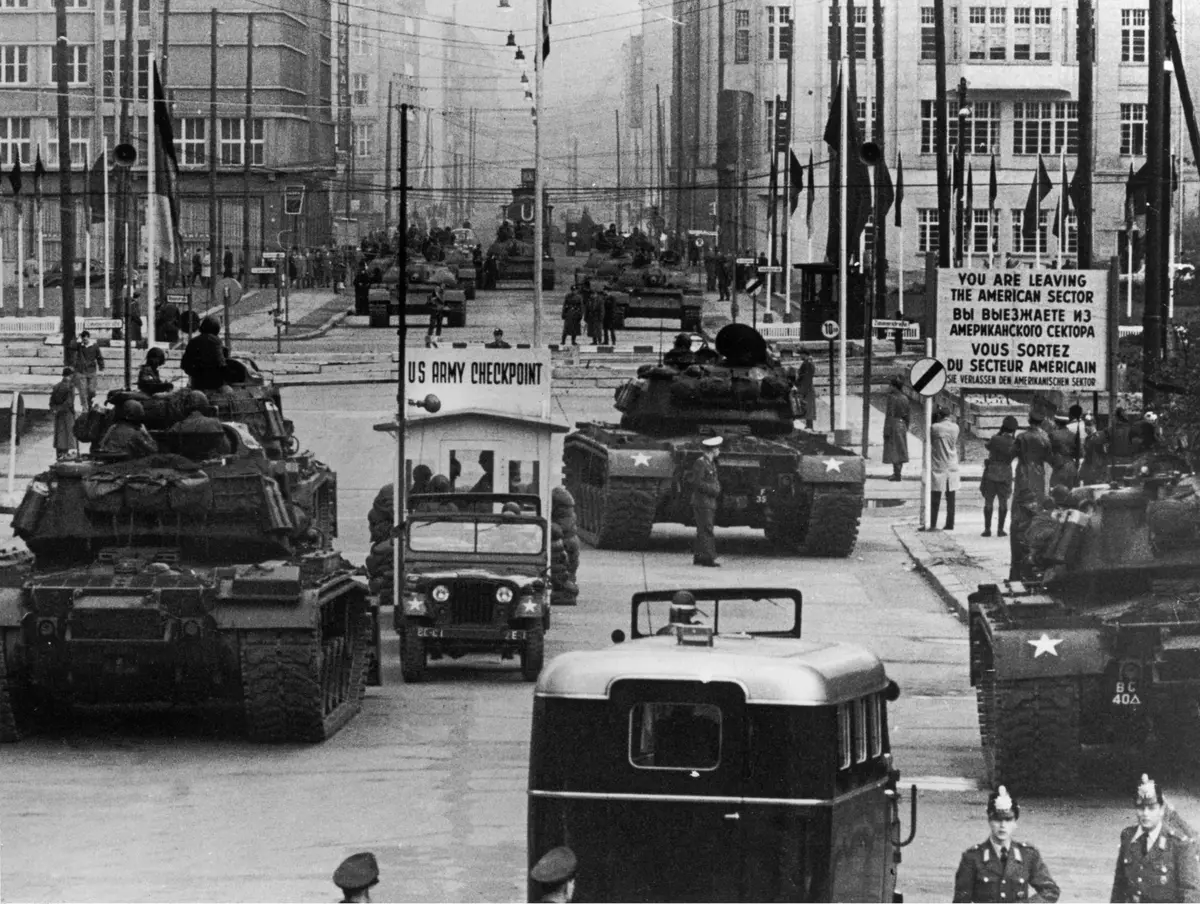
The war destroyed the old Europe and left two superpowers facing each other across its ruins, which became the Cold War within two years. It ended the European empires in Asia within a decade, created the United Nations, the state of Israel and the atomic age, and tried the Nazi leaders at Nuremberg for crimes against humanity. Its memory, from the Holocaust to the Blitz, D-Day and the mushroom cloud, still shapes how every country involved sees itself.
What happened
- 1939
Germany invades Poland; the first shots are fired at the Polish garrison on the Westerplatte at Danzig. Britain and France declare war on September 3.
Westerplatte, Gdańsk: the first shots of the war in Europe, September 1, 1939- 1940
Germany attacks the Netherlands, Belgium and France; within three weeks the British army is trapped at Dunkirk and 338,000 men are taken off the beaches by June 4.
France signs an armistice with Germany in the same railway carriage at Compiègne as in 1918; Britain fights on alone.
The Battle of Britain reaches its height; the Royal Air Force holds off the Luftwaffe and Hitler postpones his invasion.
- 1941
Germany invades the Soviet Union with the largest army ever assembled; by December it is at the gates of Moscow.
Japan attacks the US Pacific Fleet at Pearl Harbor, killing or wounding more than 3,500 Americans; the United States declares war the next day, and Germany declares war on it four days later.
Pearl Harbor, Hawaii: the Japanese attack of December 7, 1941 that brought the United States in- 1942
At the Wannsee conference in Berlin, Nazi officials coordinate the murder of Europe's Jews, already under way in the east.
- 1943
The German Sixth Army surrenders at Stalingrad after five months; the war in the east turns.
Mamayev Kurgan, Stalingrad (Volgograd): the hill fought over for five months, now the memorial- 1944
Hungary's Jews are deported to Auschwitz-Birkenau, more than 400,000 in two months; an SS photographer records the selections on the ramp.
Auschwitz II-Birkenau: the largest of the death camps, where about a million Jews were murderedD-Day: the Allies land in Normandy on five beaches and open the Western Front.
Omaha Beach, Normandy: the bloodiest of the five D-Day beaches, June 6, 1944- 1945
Churchill, Roosevelt and Stalin meet at Yalta until February 11 to settle the shape of post-war Europe.
Livadia Palace, Yalta: where Churchill, Roosevelt and Stalin divided Europe in February 1945Hitler kills himself in his Berlin bunker as the Red Army takes the city; its flag goes up on the Reichstag two days later.
The Reichstag, Berlin: the Red Army raised its flag on the roof on May 2, 1945Germany surrenders unconditionally; the war in Europe is over.
An American B-29 drops the first atomic bomb on Hiroshima; a second destroys Nagasaki on August 9, and the Soviet Union declares war on Japan the same week.
Hiroshima Peace Memorial Park: under the first atomic bomb, August 6, 1945Japan signs the surrender aboard the USS Missouri in Tokyo Bay; the war is over.