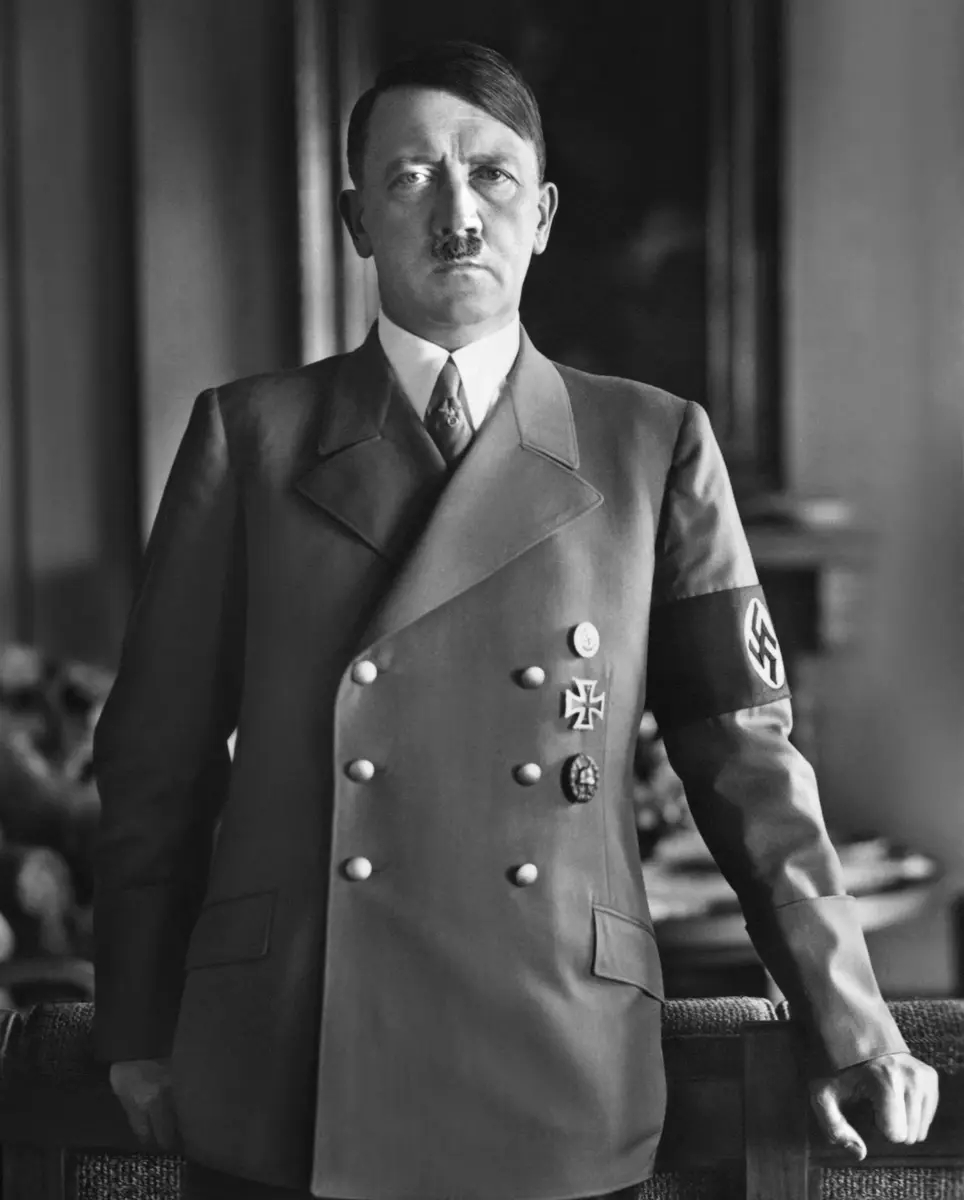
Adolf Hitler
“The Austrian-born dictator of Nazi Germany from 1933 to 1945, who started the Second World War in Europe and was responsible for the Holocaust; he killed himself in his Berlin bunker in April 1945.”
Adolf Hitler was the leader of the Nazi Party and the dictator of Germany from 1933 until his death in 1945. An Austrian-born corporal of the First World War, he rose from the beer halls of Munich to absolute power, built a one-party police state, and led Germany into the Second World War by invading Poland in 1939. He was responsible for the Holocaust, the murder of some six million European Jews, and his regime persecuted and killed millions of others, among them Poles, Roma and disabled people. The war he began killed tens of millions and ended with Germany defeated, occupied and divided.
He was born on 20 April 1889 in Braunau am Inn, on Austria's border with Bavaria, the son of a customs official, and grew up mostly in Linz. He left school without qualifications, was twice turned down by the Academy of Fine Arts in Vienna, and lived there for years as a lonely drifter, selling watercolours of the city and living in a men's hostel. Vienna's pan-German nationalism and its mayor's antisemitic politics shaped him, and he hated the city's mix of peoples, though he can be shown to have taken up antisemitism as an ideology only after the war. In 1913 he moved to Munich. When war came in 1914 he volunteered for the Bavarian army and served four years on the Western Front as a regimental dispatch runner, winning the Iron Cross First Class, a rare honour for a corporal. He was in hospital after a gas attack when Germany surrendered, a defeat he never accepted.
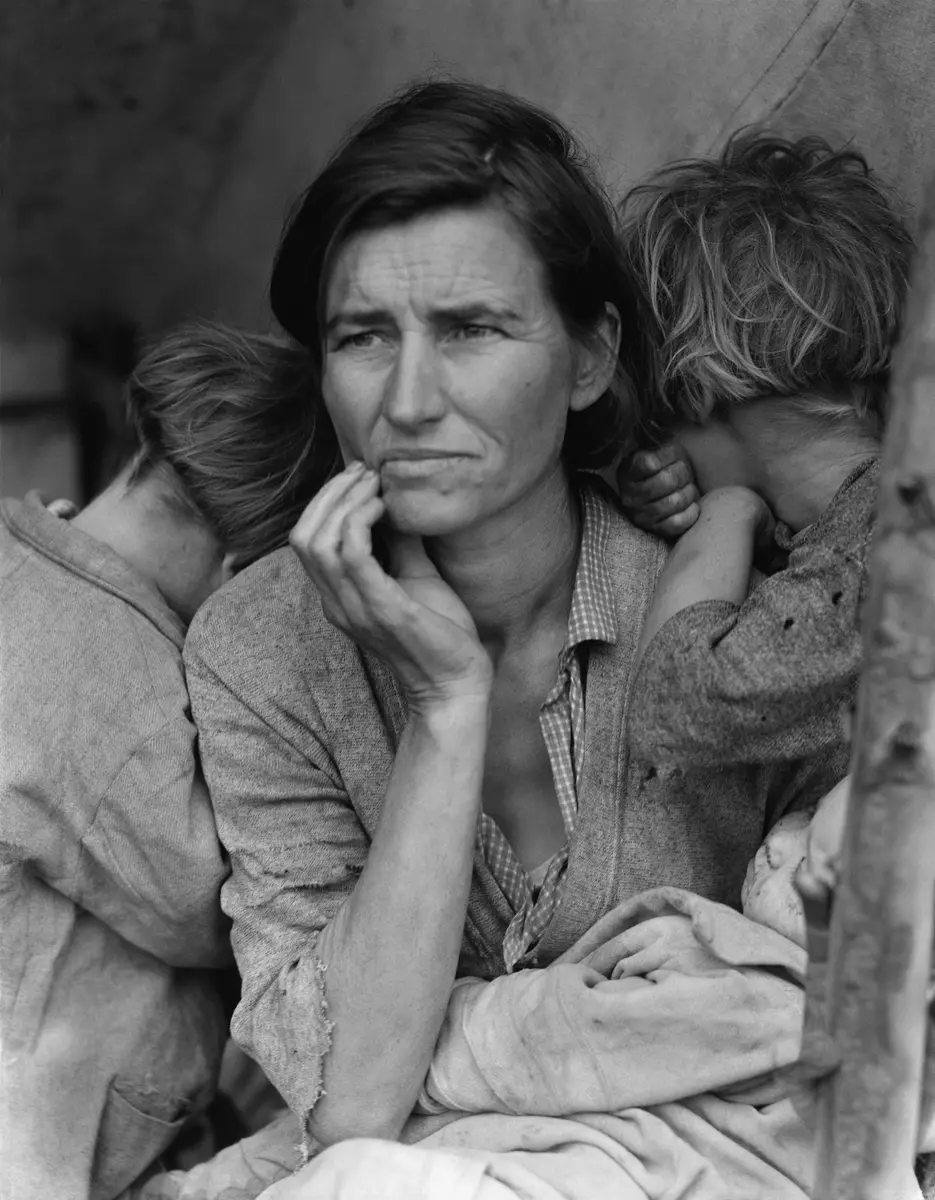
In Munich in 1919, working for the army as a political agent, he joined the small German Workers' Party, soon renamed the National Socialist German Workers' (Nazi) Party; by 1921 he led it, as its most powerful speaker, with its own brown-shirted militia, the SA. In November 1923 he tried to seize power in the Beer Hall Putsch, which police gunfire ended the next day. His trial made him famous, and in Landsberg prison he dictated Mein Kampf, which set out his creed: a struggle between races, the Jews as the enemy, and the conquest of 'living space' in the east. Released after nine months, he set out to win power through elections. The Depression did the rest: the Nazi vote rose from 2.6 percent in 1928 to the largest share of any party in 1932, and on 30 January 1933 President Hindenburg, urged on by conservatives who hoped to use him, made him chancellor.
Within eighteen months he had destroyed German democracy. The decree after the Reichstag fire suspended civil liberties, the Enabling Act let him rule by decree, every other party was banned, rivals were murdered in the Night of the Long Knives, and on Hindenburg's death in August 1934 he became Führer, head of state and commander of the armed forces. Jews were stripped of citizenship by the Nuremberg Laws of 1935 and attacked in the pogrom of November 1938. Rearmament and a run of bloodless gains, the Rhineland, Austria, the Sudetenland at Munich and then Prague, were followed by a pact with Stalin and the invasion of Poland on 1 September 1939. Poland, Norway, the Low Countries and France fell; in June 1941 he invaded the Soviet Union, and in December he declared war on the United States. Behind the front, from 1941, the persecution of the Jews became systematic murder, by shooting squads and in death camps such as Auschwitz.
The defeats at El Alamein and Stalingrad at the end of 1942 turned the war. Hitler took ever closer command of his armies, forbade retreats, and survived a bomb planted by army officers on 20 July 1944. From January 1945 he never left the Reich Chancellery in Berlin and its bunker. On 29 April, with the Red Army in the city, he married his companion Eva Braun and named Admiral Dönitz head of state; the next day they killed themselves, and a week later Germany surrendered. He could not have done what he did alone: the army's officers, the old elites and millions of ordinary Germans followed him. Historians still ask how a man of such ordinary beginnings came to hold such power, and his name has become the byword for tyranny and genocide.
What happened
- 1889
Born in Braunau am Inn, on Austria's border with Bavaria, the son of the customs official Alois Hitler; he grows up mostly in Linz.
Salzburger Vorstadt 15, Braunau am Inn: the house where he was born in 1889- 1907
In the autumn, as his mother lies dying, he fails the entrance examination of the Vienna Academy of Fine Arts; she dies in December, and in February 1908 he moves to Vienna, where the Academy turns him down again.
- 1910
Out of money, he moves into the men's hostel in Meldemannstraße, where he lives for three years, painting views of Vienna for sale.
The men's hostel in Meldemannstraße, Vienna: his home from 1910 to 1913- 1913
He moves to Munich, partly to escape Austrian military service; in February 1914 the Austrian army finds him unfit to serve.
- 1914
As a volunteer in the 16th Bavarian Reserve Infantry Regiment he goes to the front in Belgium and fights at Ypres; he serves the rest of the war as a dispatch runner and in December wins the Iron Cross, Second Class.
- 1918
Gassed near Ypres, two months after winning the Iron Cross, First Class, he is in hospital when Germany surrenders in November.
- 1919
Working for the army as a political agent in Munich, he joins the small German Workers' Party, renamed the next year the National Socialist German Workers' Party.
- 1921
He becomes the party's leader with almost unlimited powers; that year its strong-arm squads are organised as the SA under Ernst Röhm.
- 1923
In the Bürgerbräukeller he proclaims a 'national revolution'; the next day his march with General Ludendorff into the centre of Munich is stopped by police gunfire at the Feldherrnhalle, and four policemen are among the dead.
The Bürgerbräukeller, Munich: where he launched his putsch on 8 November 1923 (demolished in 1979)- 1924
Found guilty of treason after a trial he turns into a stage, he is sentenced to five years; in Landsberg prison he dictates Mein Kampf and is freed after nine months, on 20 December.
- 1925
The first volume of Mein Kampf is published: race as the law of history, the Jews as the enemy, and 'living space' to be conquered in the east.
- 1930
In the Depression the Nazi vote leaps from 2.6 percent in 1928 to more than 18 percent; the party is now the second largest in the Reichstag.
- 1933
President Hindenburg appoints him chancellor at the head of a coalition in which the Nazis hold few posts.
The Reichstag burns; the next day Hindenburg signs an emergency decree suspending civil liberties, and thousands of communists are arrested.
The Reichstag passes the Enabling Act, letting him rule by decree; by July every other party has been banned.
- 1934
In the Night of the Long Knives the SS murders Röhm and the SA's leaders, along with old rivals such as Kurt von Schleicher and Gregor Strasser.
Hindenburg dies; Hitler merges the offices of president and chancellor as Führer, and the army swears an oath to him personally.
The party rally in Nuremberg is staged for Leni Riefenstahl's cameras; her film Triumph of the Will makes it the image of the regime.
- 1935
At the Nuremberg rally the Reichstag adopts the laws, signed by Hitler, that strip German Jews of their citizenship and forbid their marriage to other Germans.
- 1938
At the Berghof he bullies the Austrian chancellor, Kurt von Schuschnigg, into taking Austrian Nazis into his government.
The Berghof, Obersalzberg: his mountain house above BerchtesgadenGerman troops march into Austria, which is annexed the next day; he returns in triumph to Vienna.
At Munich, Chamberlain, Daladier and Mussolini agree to his demand for Czechoslovakia's Sudetenland; he calls it his last territorial demand in Europe.
In the Kristallnacht pogrom, synagogues across Germany and Austria are burned, Jewish shops wrecked and Jews killed and sent to camps.
- 1939
He breaks the Munich Agreement and occupies Prague and the rest of the Czech lands.
He signs a pact with Stalin's Soviet Union that secretly divides Poland between them.
Germany invades Poland; two days later Britain and France declare war, and the Second World War begins.
He takes the salute at a victory parade in conquered Warsaw.
- 1940
The day after France signs its armistice, he tours Paris at dawn with Speer and the sculptor Arno Breker.
- 1941
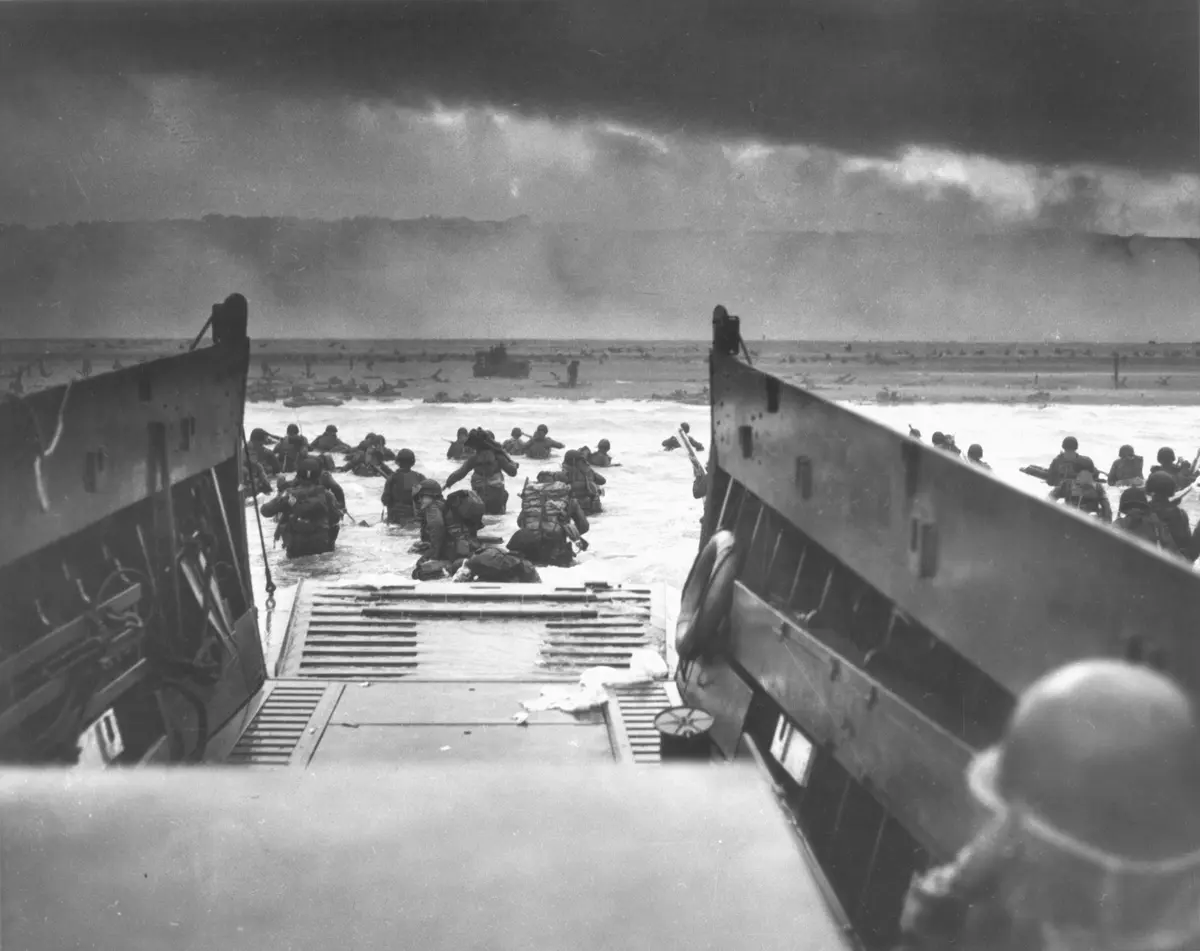
He invades the Soviet Union; by December his armies are stopped before Moscow, and after Pearl Harbor he declares war on the United States.
- 1942
At a villa on the Wannsee, Heydrich and senior officials coordinate the deportation and murder of the Jews of Europe, already decided at the top of the regime.
- 1944
The Jews of Hungary are deported to Auschwitz-Birkenau, where most are murdered on arrival; an SS photographer records their selection.
Colonel Claus von Stauffenberg's bomb explodes at a conference in his East Prussian headquarters; he escapes with light injuries, and most of the plotters are executed.
- 1945
He returns to Berlin; from now on he never leaves the Reich Chancellery and its bunker.
The Führerbunker, Berlin: where he spent his last months and killed himself on 30 April 1945Just after midnight he marries Eva Braun in the bunker, then dictates his political testament, naming Admiral Dönitz head of state and Goebbels chancellor.
The Führerbunker, Berlin: where he spent his last months and killed himself on 30 April 1945With Soviet troops a few streets away, he and Eva Braun kill themselves in the bunker; their bodies are burned in the Chancellery garden. Germany surrenders a week later.
The Führerbunker, Berlin: where he spent his last months and killed himself on 30 April 1945