Great Depression
“The worldwide slump that followed the 1929 crash: banks failed, a quarter of American workers lost their jobs, the New Deal answered, and only rearmament and war fully ended it.”
The Great Depression was the worldwide economic collapse that began in 1929 and lasted, in most countries, through the 1930s: the longest and deepest slump of the industrial age, and the standard every later crisis is measured against. In the United States the boom of the 1920s ended in the summer of 1929, after the Federal Reserve had raised interest rates to cool speculation in shares; the Wall Street Crash in October then shattered confidence. What turned a sharp recession into a catastrophe were the waves of bank failures that began in November 1930. By 1933 one American bank in five had failed, the money supply had shrunk by nearly 30 percent and prices had fallen by a third, so that every debt grew heavier. The gold standard, which tied the world's currencies together, carried the deflation abroad, and tariffs such as the Smoot–Hawley Act of 1930 helped choke world trade.
In 1931 the crisis became global. The failure of Austria's largest bank, the Creditanstalt, in May set off panics across Central Europe; Germany's banks broke in July, and in September Britain left the gold standard. World trade fell by some two-thirds between 1929 and 1934, and the prices of coffee, cotton, silk and rubber halved within a year, a disaster for the countries and colonies that lived by exporting them. Between 1929 and 1933 American industrial output fell by about half and real GDP by 30 percent, and one worker in four lost his job. The jobless queued at soup kitchens and built shanty towns called Hoovervilles, and a drought from 1934 turned the southern Plains into the Dust Bowl. In Germany, where millions were out of work, Hitler's party won 37 percent of the vote in July 1932, and in January 1933 he became chancellor.
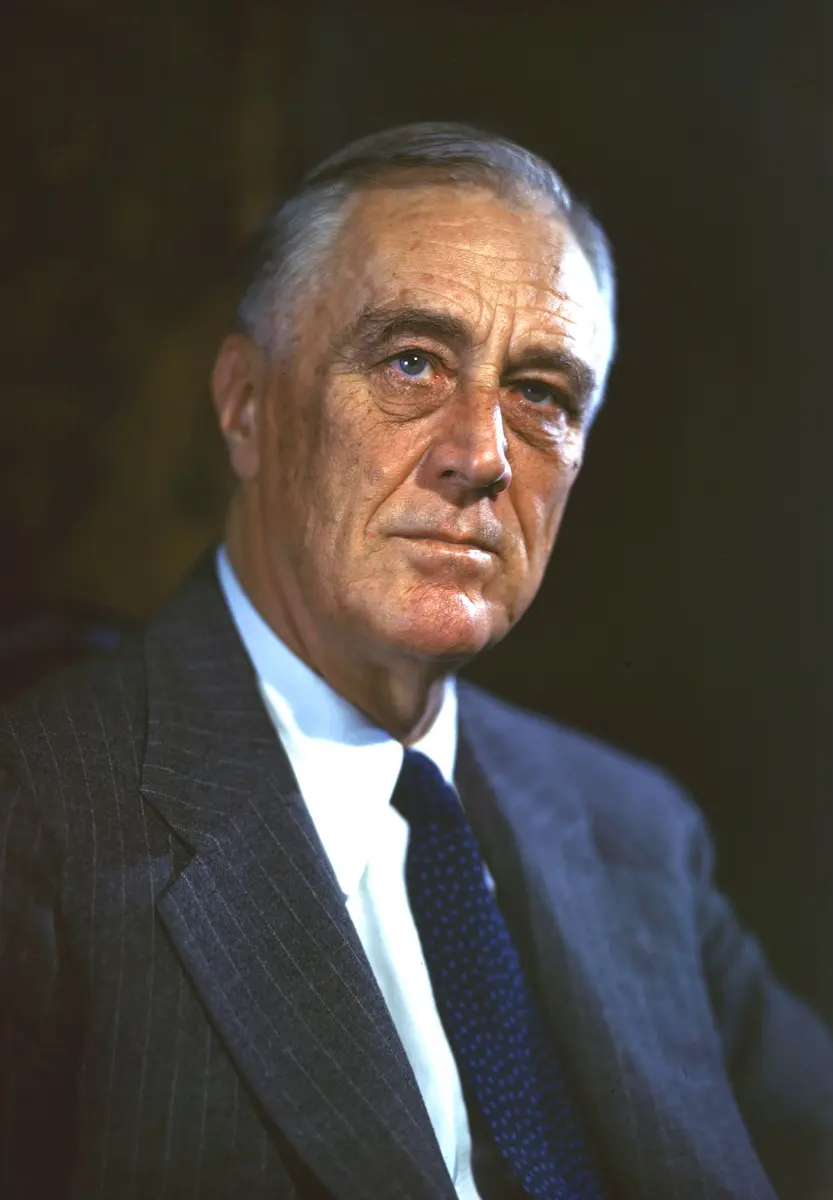
The bottom came in March 1933, when the American banking system collapsed and banks closed in state after state. Franklin D. Roosevelt, inaugurated on March 4, shut every bank for a week, reopened the sound ones and in April took the dollar off gold. His New Deal put millions to work through the Civilian Conservation Corps and the Works Progress Administration, regulated banks and stock markets, and created Social Security in 1935. Countries recovered roughly in the order in which they broke with gold: Britain from late 1932, the United States from the spring of 1933, France, which defended gold into the mid-1930s, only in 1938. American output grew fast until 1937, when the Federal Reserve doubled banks' reserve requirements and taxes rose, and a second slump pushed unemployment back to 20 percent. When the Depression ended is still argued: about 1939 for much of the world, 1941 or 1942 for the United States, whose output returned to its long-run path only when rearmament and war put the unemployed back to work.
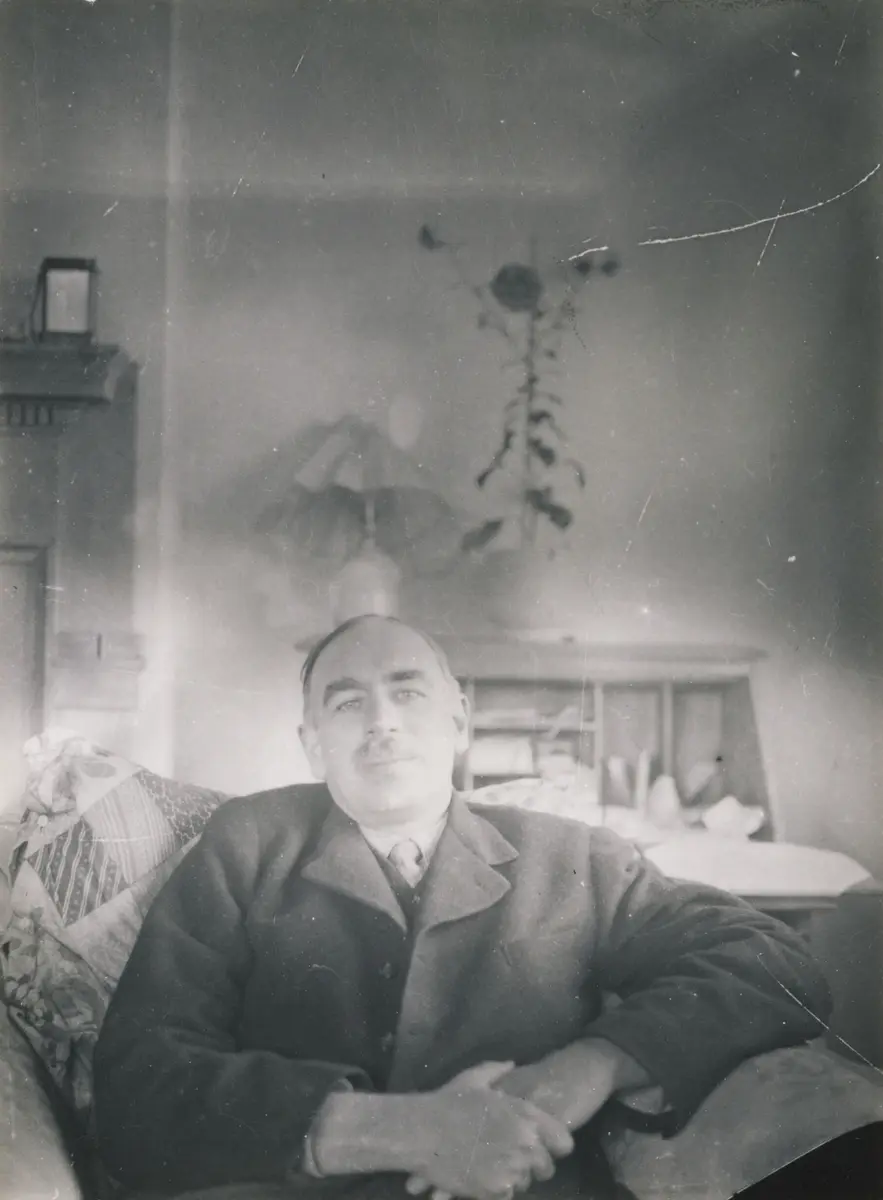
The Depression remade economics and government. John Maynard Keynes's General Theory of 1936 argued that governments could fight a slump with spending, tax cuts and cheaper money, and keeping people in work became a duty of the state. Deposit insurance, securities regulation, unemployment insurance and old-age pensions date from these years, and American trade-union membership more than doubled. Its politics were darker: the slump helped bring Hitler and militarist governments to power and so led on to the Second World War, and the trade wars and competitive devaluations of the 1930s were what the planners of Bretton Woods set out to prevent in 1944. Central bankers drew their own lesson. In 2002 Ben Bernanke, later chairman of the Federal Reserve, admitted that the Fed's mistakes had helped cause the Depression ('we did it ... we won't do it again'), and in the crisis of 2008 the Fed lent freely to keep the banks from failing.
What happened
- 1929
The boom of the 1920s ends: American industrial output peaks in July, and the National Bureau of Economic Research dates the start of the recession to August 1929, two months before the stock market crash.
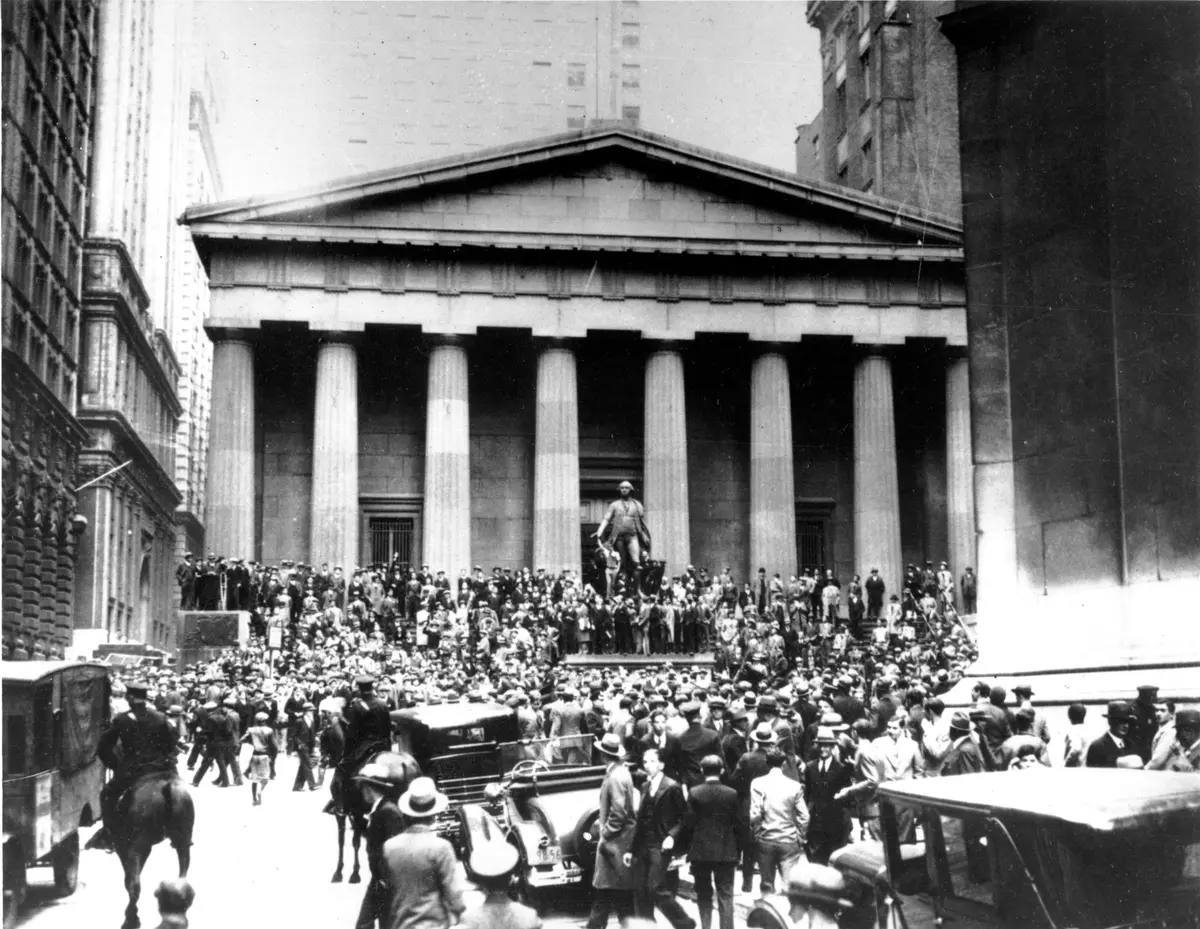
Black Tuesday: the New York stock market, which fell nearly 13 percent the day before, drops almost 12 percent more; the crash wipes out savings and confidence (see Wall Street Crash).
New York Stock Exchange: the crash of October 1929- 1930
President Hoover signs the Smoot–Hawley Tariff Act, raising American import duties by some 20 percent; within two years some two dozen countries answer with duties of their own.
The Bank of Tennessee in Nashville, part of the Caldwell financial empire, closes its doors; panic spreads from town to town and hundreds of banks suspend within weeks. On December 11 the Bank of United States, the fourth-largest bank in New York City, fails too.
- 1931
In Chicago, unemployed men queue for free soup, coffee and doughnuts at a soup kitchen opened by the gangster Al Capone.
Chicago: Al Capone's soup kitchen for the unemployed, February 1931Payment difficulties at the Creditanstalt, Austria's largest bank, set off a chain of financial crises across Europe; Austria, Germany and Hungary are hit hardest.
Vienna: the Creditanstalt, Austria's largest bank, whose troubles in May 1931 spread the panic across EuropeA second wave of bank runs begins in Chicago, where banks had lent heavily on real estate, and does not die down until December.
To stop the panic draining Germany's gold, President Hoover proposes that all payments of war debts and reparations between governments be postponed for one year.
Foreign lenders pull their short-term credits out of Germany; the Reichsbank's reserves run down, the German banks break, and the central bankers meeting at Basel conclude that Germany's difficulties are 'beyond them'. Germany stops paying its foreign debts and puts its currency under control.
Britain leaves the gold standard and lets the pound fall. Fearing the United States will follow, foreigners turn their dollars into gold, and in October the Federal Reserve raises its interest rates in the middle of the slump.
Bank of England, Threadneedle Street, London: Britain leaves the gold standard, September 21, 1931- 1932
The Dow Jones average closes at 41.22, 89 percent below its 1929 peak and the lowest of the century; that month American industrial output is little more than half its level of three years before.
New York Stock Exchange: the crash of October 1929Troops under General Douglas MacArthur drive the 'Bonus Army' out of Washington with tear gas and bayonets: thousands of jobless First World War veterans who had come to demand early payment of a bonus promised for 1945. Their shacks on the Anacostia flats are set on fire.
Anacostia Flats, Washington: the Bonus Army's largest camp, burned on July 28, 1932- 1933
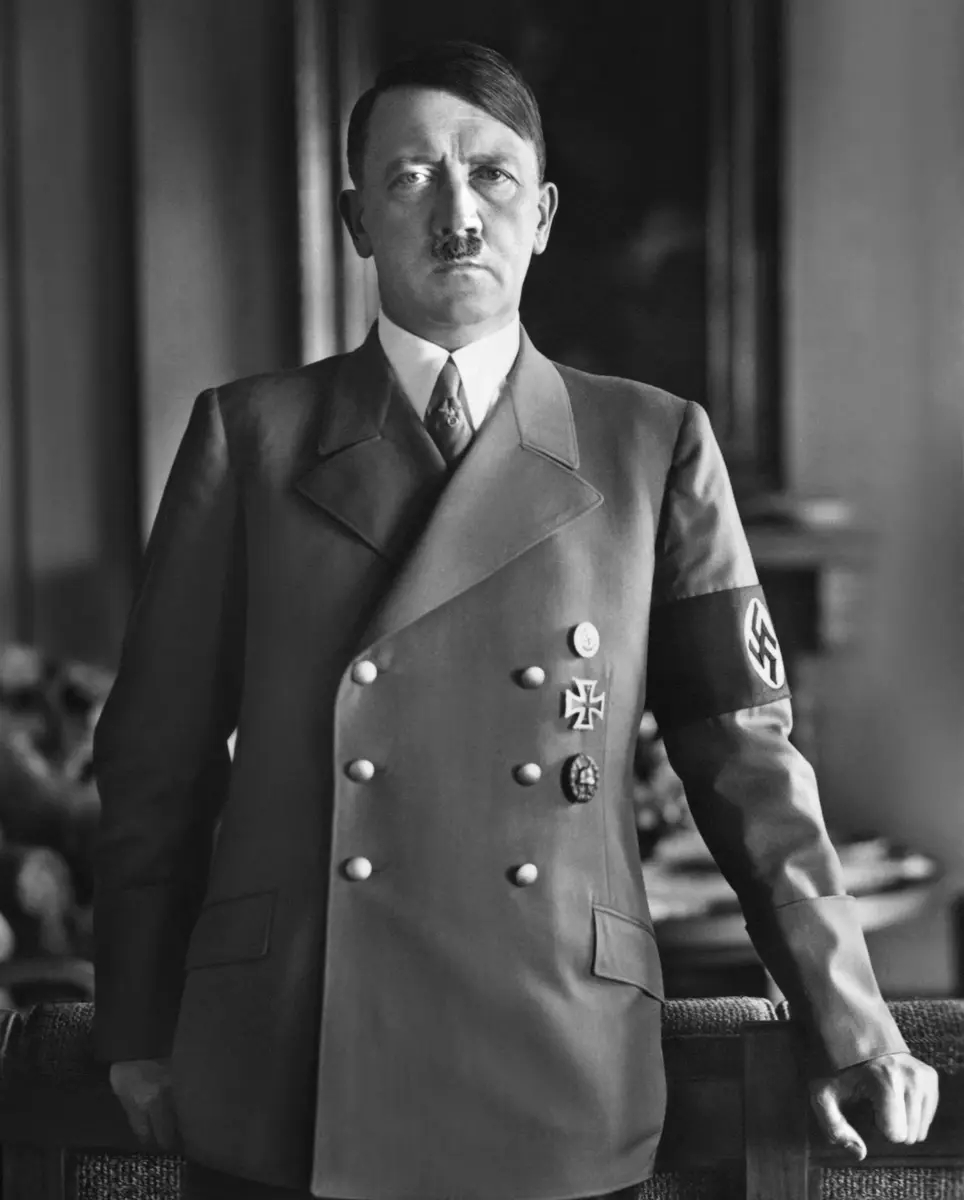
President Hindenburg appoints Adolf Hitler chancellor of Germany. His party, promising to put Germans back to work, had become the largest in the Reichstag with 37.3 percent of the vote in July 1932.
Reich Chancellery, Berlin: Hitler appointed chancellor, January 30, 1933Michigan declares a bank holiday after the troubled Detroit banks fail to get federal loans; state after state closes its banks, and the runs become a national panic.
Franklin D. Roosevelt is inaugurated with the banks closed or restricted in thirty-seven states and all twelve Federal Reserve Banks shut; he tells the country that 'the only thing we have to fear is fear itself'.
United States Capitol: Roosevelt's inauguration, March 4, 1933- 1:00 a.m.
Roosevelt's Proclamation 2039 suspends all banking business across the country: the national bank holiday.
The White House: the bank holiday proclamation and the first fireside chat, March 1933 In his first fireside chat on the radio, Roosevelt explains the Emergency Banking Act passed three days earlier and promises that sound banks will reopen from the next day; by March 15 banks holding 90 percent of the country's banking resources are open again, and deposits exceed withdrawals.
The White House: the bank holiday proclamation and the first fireside chat, March 1933Congress creates the Civilian Conservation Corps: 275,000 jobless young men are at work in forests and parks within three months, and more than three million serve in it by 1942.
Roosevelt formally suspends the gold standard: gold exports are banned and dollars can no longer be changed into gold. From October the government buys gold at rising prices, pushing the dollar down and prices up.
King George V opens the World Monetary and Economic Conference in the Geological Museum in London, where delegates of 66 countries try to stabilize currencies and lower trade barriers.
Geological Museum, South Kensington, London: the World Monetary and Economic Conference, June 12 to July 27, 1933Roosevelt's 'bombshell' message, sent from the cruiser Indianapolis, rejects 'the specious fallacy' of fixing the exchange rates of a few large countries; the conference breaks up without agreement on July 27.
Geological Museum, South Kensington, London: the World Monetary and Economic Conference, June 12 to July 27, 1933- 1935
Black Sunday: a wall of dust strikes the Oklahoma Panhandle in the afternoon and turns day into night across the southern Plains; the next day an Associated Press reporter writes of the 'dust bowl'.
Cimarron County, Oklahoma Panhandle: Black Sunday's dust storm and Rothstein's photographRoosevelt creates the Works Progress Administration; by 1943 it has put 8.5 million Americans to work on everything from highways and parks to symphony concerts.
Roosevelt signs the Social Security Act, which creates old-age pensions and unemployment insurance.
- 1936
John Maynard Keynes publishes The General Theory of Employment, Interest and Money, arguing that government spending, tax cuts and cheaper money can pull an economy out of a depression.
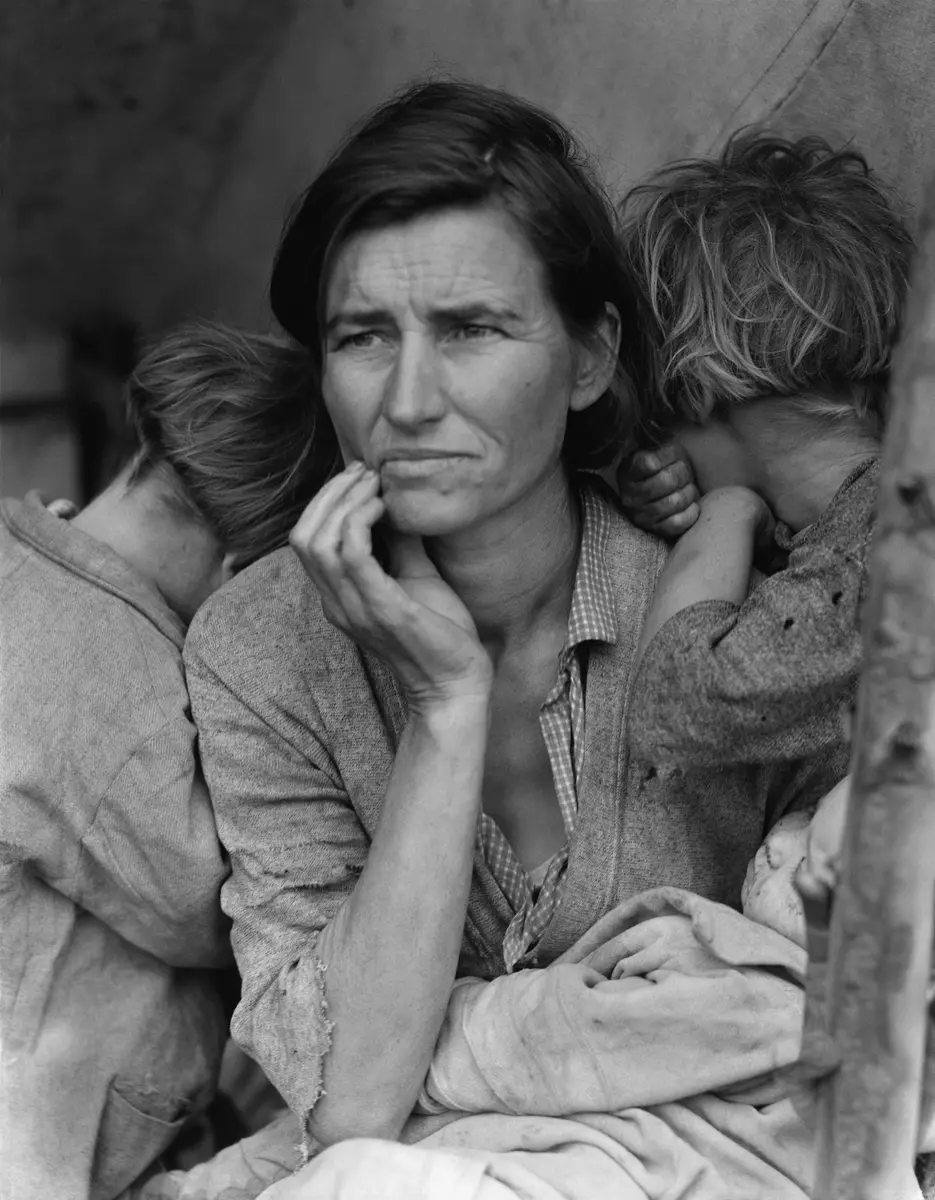
At a pea pickers' camp at Nipomo, California, Dorothea Lange photographs Florence Owens Thompson, thirty-two, and her children: 'Migrant Mother'. Lange later recalled that the family had been living on frozen vegetables from the fields and on birds the children killed.
Nipomo, California: Dorothea Lange's 'Migrant Mother', March 1936Two hundred men from Jarrow, a Tyneside shipbuilding town where seven workers in ten were jobless since Palmer's yard closed, march 300 miles to London; on November 4 their MP, Ellen Wilkinson, presents their petition, signed by 11,000 townspeople, to Parliament.
Jarrow, on the Tyne: the Jarrow march to London, October 1936- 1937
A new recession begins inside the Depression: after the Federal Reserve doubled banks' reserve requirements and taxes rose, industrial output falls by a third and unemployment climbs back to 20 percent before recovery resumes in June 1938.
- 1939
War breaks out in Europe. Rearmament and war orders, and from December 1941 America's own war, finally put the unemployed back to work.