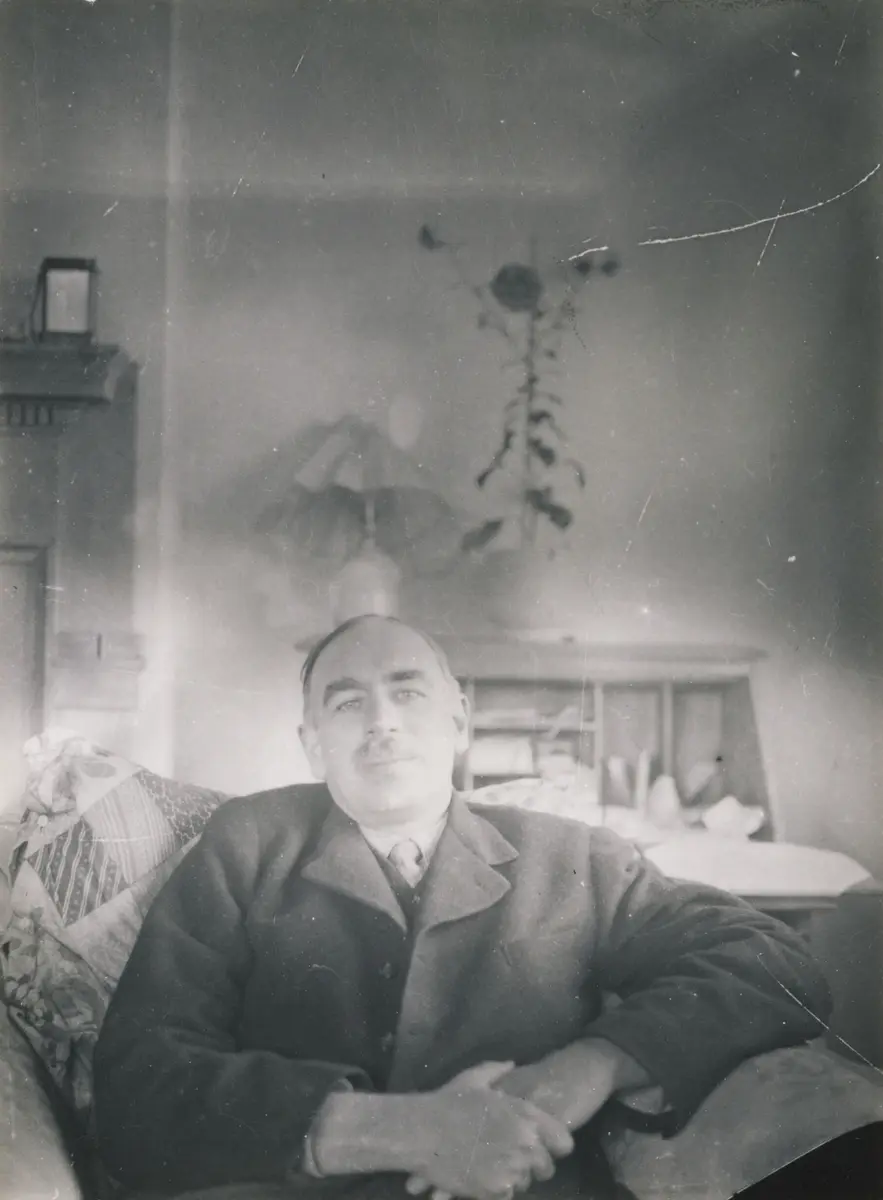
John Maynard Keynes
“The Cambridge economist whose General Theory (1936) argued that governments should spend to end mass unemployment, and who helped build the post-war money system at Bretton Woods.”
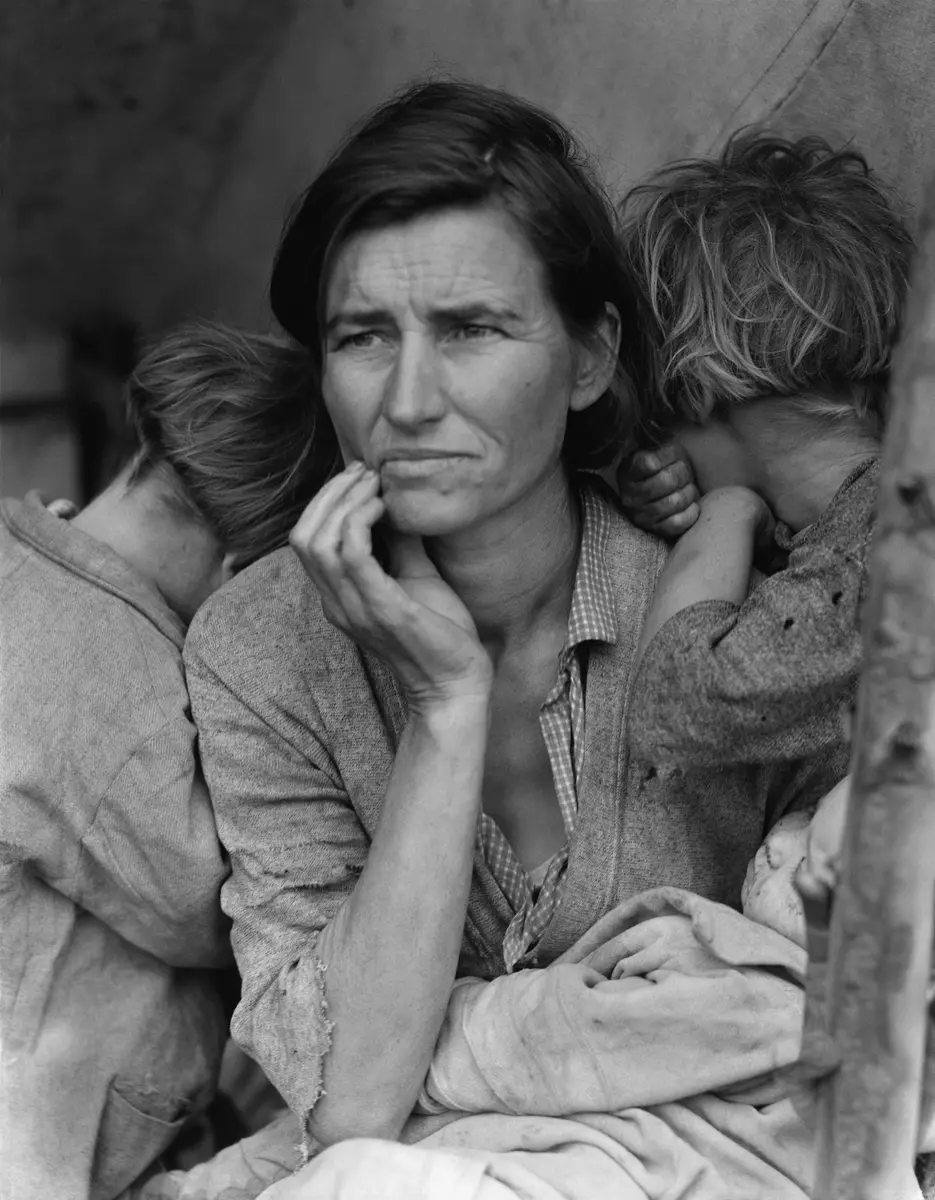
John Maynard Keynes was the English economist who taught governments that they could fight a slump. In The General Theory of Employment, Interest and Money (1936), written while the Great Depression kept millions out of work, he attacked the old belief that markets left alone always find their way back to full employment. Total spending in an economy, which he called effective demand, can stay too low for years: when business people lose their 'animal spirits' they stop investing, and cutting wages only cuts spending further. The cure was for the state to fill the gap, with cheap money and above all with public works, even if it had to borrow to pay for them. After the Second World War this 'Keynesian' economics guided the budgets of most Western governments until the 1970s, and it returned when governments spent their way through the crisis of 2007 to 2009. Keynes was never only a thinker: he ran Britain's foreign finances in one world war and advised its Treasury in the next, wrote a bestselling attack on the peace of 1919, made a fortune as an investor, and helped design the post-war money system at Bretton Woods.
He was born on 5 June 1883 at 6 Harvey Road, Cambridge, the eldest of the three children of John Neville Keynes, a lecturer in logic and political economy who later became the University's chief administrator, the Registrary, and Florence Ada Keynes, one of the early students of Newnham College and in 1932 mayor of Cambridge. He won a scholarship to Eton in 1897 and another to King's College, Cambridge, where he arrived in October 1902 to read mathematics. In February 1903 Lytton Strachey and Leonard Woolf brought him into the Apostles, an exclusive discussion society whose members and friends became the Bloomsbury group of writers and painters around Virginia Woolf, Vanessa Bell and the painter Duncan Grant, for several years the man he loved. Alfred Marshall's lectures turned him from mathematics to economics. Placed second in the Civil Service examination of 1906, he spent two years at the India Office in London, came back to Cambridge in 1908, became a Fellow of King's in 1909 with a dissertation on probability, and lectured in economics. His first book, Indian Currency and Finance (1913), brought him a seat on a Royal Commission, and he edited the Economic Journal, the leading journal of his subject, for thirty-three years.
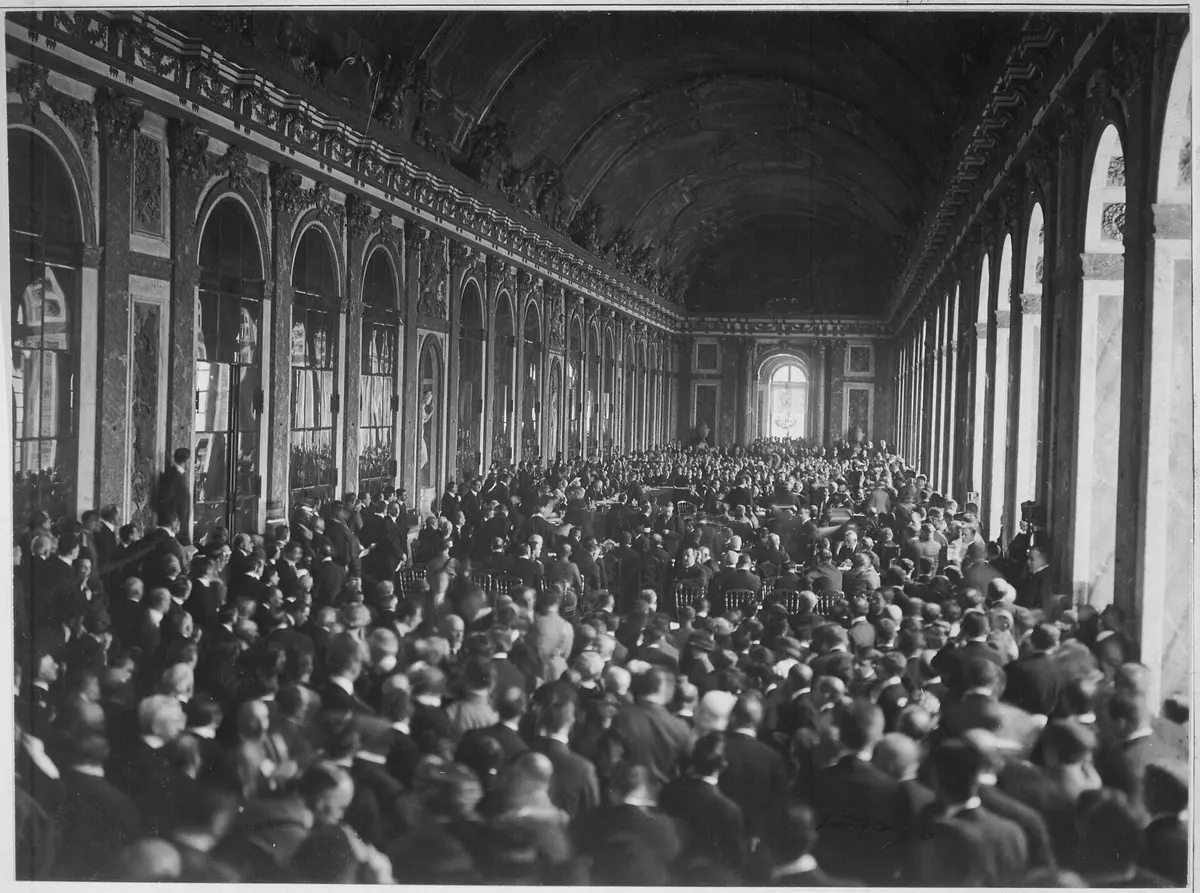
The First World War made him a public man. He joined the Treasury in January 1915, and by 1917 he was handling Britain's external finance: its scarce dollars and its money dealings with the Allies. In January 1919 he went to the peace conference in Paris as the Treasury's chief representative, arguing that Europe could only recover if Germany was asked for no more than it could pay. When it became clear that the terms would not change, he resigned and on 7 June left what he called 'this scene of nightmare'. That summer, at Charleston, his friends' farmhouse in Sussex, he wrote The Economic Consequences of the Peace. Published in December 1919, it called the treaty a 'Carthaginian peace', put Germany's real capacity to pay at no more than 2,000 million pounds, and drew cruel portraits of Wilson, Clemenceau and Lloyd George. More than a hundred thousand copies were sold by August 1920; the book shaped how Britain and America judged Versailles for decades, and made Keynes a man some in Whitehall would never fully trust again.
Between the wars he divided his weeks between King's, where as First Bursar from 1924 he moved the college's free money into shares, and London, where 46 Gordon Square in Bloomsbury was his home from 1916 until his death. He invested boldly on his own account too, and his fortune grew from about 58,000 pounds at the end of 1924 to about 506,000 at the start of 1937. In A Tract on Monetary Reform (1923) he called the gold standard 'a barbarous relic' and wrote that 'in the long run we are all dead'. When Winston Churchill took Britain back to gold at the pre-war rate of 4.86 dollars to the pound in 1925, Keynes warned in The Economic Consequences of Mr. Churchill that wages would have to be forced down, beginning with the coal miners'. That August he married Lydia Lopokova, a star of Diaghilev's Russian ballet, and took the lease of Tilton, a farmhouse near Charleston. As the world slid into depression he sat on the government's Macmillan Committee on finance and industry and published A Treatise on Money (1930) and then The General Theory; on 3 February 1936 the Arts Theatre that he had planned and paid for opened in Cambridge.
In 1937 a heart attack nearly killed him, and he was never fully fit again, but war brought him back to the Treasury. How to Pay for the War (1940) proposed 'deferred pay', a compulsory saving out of wages, so that the war would not be paid for by inflation, and from July 1940 he worked in the Treasury unpaid, with a room of his own, as an adviser to the Chancellor. In 1942 he became Baron Keynes of Tilton and chairman of the wartime arts council that became the Arts Council of Great Britain. His last years went on negotiations with the United States. His plan for an international clearing union gave way to the American Harry Dexter White's, but at Bretton Woods in July 1944 he chaired the commission that drew up the World Bank, and in Washington in December 1945 he secured a loan of 3.75 billion dollars for an exhausted Britain, far less than the six-billion gift he had first asked for. After a bruising first meeting of the new IMF and World Bank at Savannah in March 1946 he went home to Tilton, where he died after another heart attack on Easter Sunday, 21 April 1946, aged 62. His ideas ruled economic policy for a generation, lost ground in the inflation of the 1970s, and still frame every argument about what governments should do in a crisis.
What happened
- 1883
John Maynard Keynes is born at 6 Harvey Road, Cambridge, the first child of John Neville Keynes, a young Cambridge lecturer in logic and political economy, and Florence Ada Keynes.
6 Harvey Road, Cambridge: born here on 5 June 1883; his parents lived here all their lives- 1897
He wins a scholarship to Eton, where he will win prizes in mathematics, history and English.
- 1902
He comes up to King's College, Cambridge, on a scholarship in mathematics and classics.
King's College, Cambridge: a scholar from 1902, a Fellow from 1909 until his death, Second Bursar from 1919 and First Bursar from 1924- 1903
After Lytton Strachey and Leonard Woolf have looked him over, he is elected to the Apostles, the exclusive Cambridge discussion society whose circle becomes the Bloomsbury group.
- 1905
He takes his degree as twelfth wrangler in mathematics, then spends the autumn at Alfred Marshall's lectures on economics.
- 1906
Placed second in the Civil Service examination, he joins the India Office in London; the candidate placed first has taken the only Treasury post.
- 1908
He resigns from the India Office and returns to Cambridge to lecture in economics, on 100 pounds a year from Pigou and an allowance from his father.
King's College, Cambridge: a scholar from 1902, a Fellow from 1909 until his death, Second Bursar from 1919 and First Bursar from 1924- 1909
King's elects him a Fellow for his revised dissertation on probability; he will stay a Fellow for the rest of his life.
King's College, Cambridge: a scholar from 1902, a Fellow from 1909 until his death, Second Bursar from 1919 and First Bursar from 1924- 1913
His first book, Indian Currency and Finance, comes out, and he is given a seat on the Royal Commission on Indian Finance and Currency.
- 1915
He joins the Treasury for the duration of the war; by 1917 he is handling Britain's external finance and its dealings with the Allies.
- 1916
He moves into 46 Gordon Square in Bloomsbury as a tenant of Clive and Vanessa Bell; he takes over the lease in 1918 and keeps the house until his death.
46 Gordon Square, Bloomsbury, London: his London home from 1916 until his death - 1919
He travels to Paris with Lord Reading as the Treasury's principal representative at the peace conference, and works from the Hotel Majestic, the British delegation's quarters.
Having resigned over the draft treaty, he leaves Paris, 'this scene of nightmare', as he writes to Lloyd George.
Through August and September, at Charleston in Sussex, he writes The Economic Consequences of the Peace.
Macmillan publishes The Economic Consequences of the Peace in London. Its attack on the 'Carthaginian peace' and its portraits of the peacemakers make it a bestseller on both sides of the Atlantic.
- 1923
A Tract on Monetary Reform argues for managed money over the gold standard, 'a barbarous relic', and says that 'in the long run we are all dead'.
- 1924
He becomes First Bursar of King's and starts investing the college's free funds in shares.
King's College, Cambridge: a scholar from 1902, a Fellow from 1909 until his death, Second Bursar from 1919 and First Bursar from 1924 - 1925
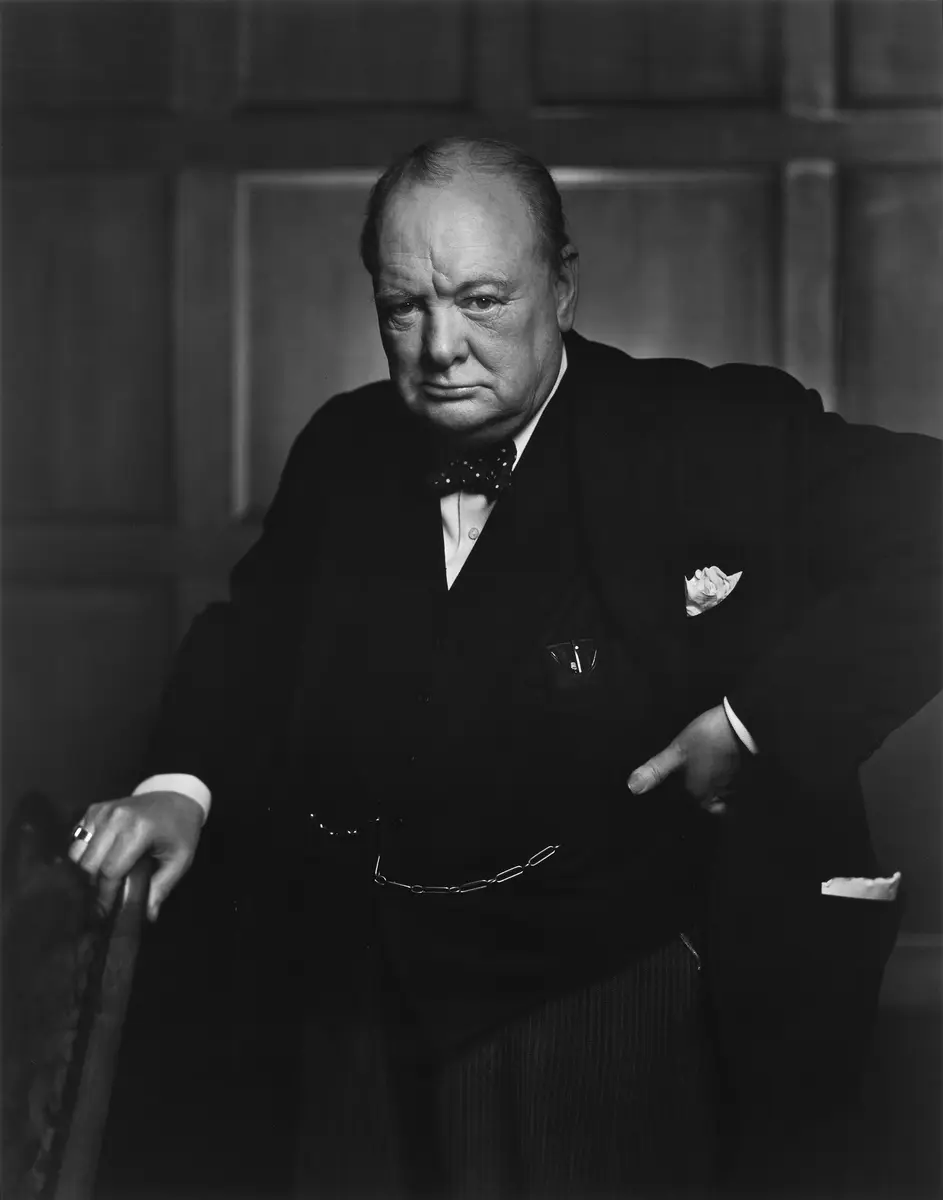
Churchill, as Chancellor, puts Britain back on gold at the pre-war rate of 4.86 dollars to the pound; Keynes answers with The Economic Consequences of Mr. Churchill, published by Leonard and Virginia Woolf's Hogarth Press.
He marries the ballerina Lydia Lopokova at St Pancras register office, with Duncan Grant as a witness, and takes the lease of Tilton near Charleston as their country home.
- 1930
A Treatise on Money appears while he sits on the government's Macmillan Committee on Finance and Industry.
- 1936
Macmillan publishes The General Theory of Employment, Interest and Money, the book behind what will be called Keynesian economics.
The Cambridge Arts Theatre, which he planned and paid for, opens with a gala performance by the Vic-Wells Ballet.
- 1937
In the summer term a coronary thrombosis nearly kills him; he recovers slowly at Ruthin Castle in Wales and is never fully fit again.
- 1940
How to Pay for the War proposes deferred pay, a compulsory saving out of wages to be returned after the war, instead of paying for it by inflation.
He joins the Chancellor's Consultative Council and is given a room in the Treasury, where he works without a salary until his death.
- 1942
Letters Patent make him Baron Keynes, of Tilton in the County of Sussex.
- 1944
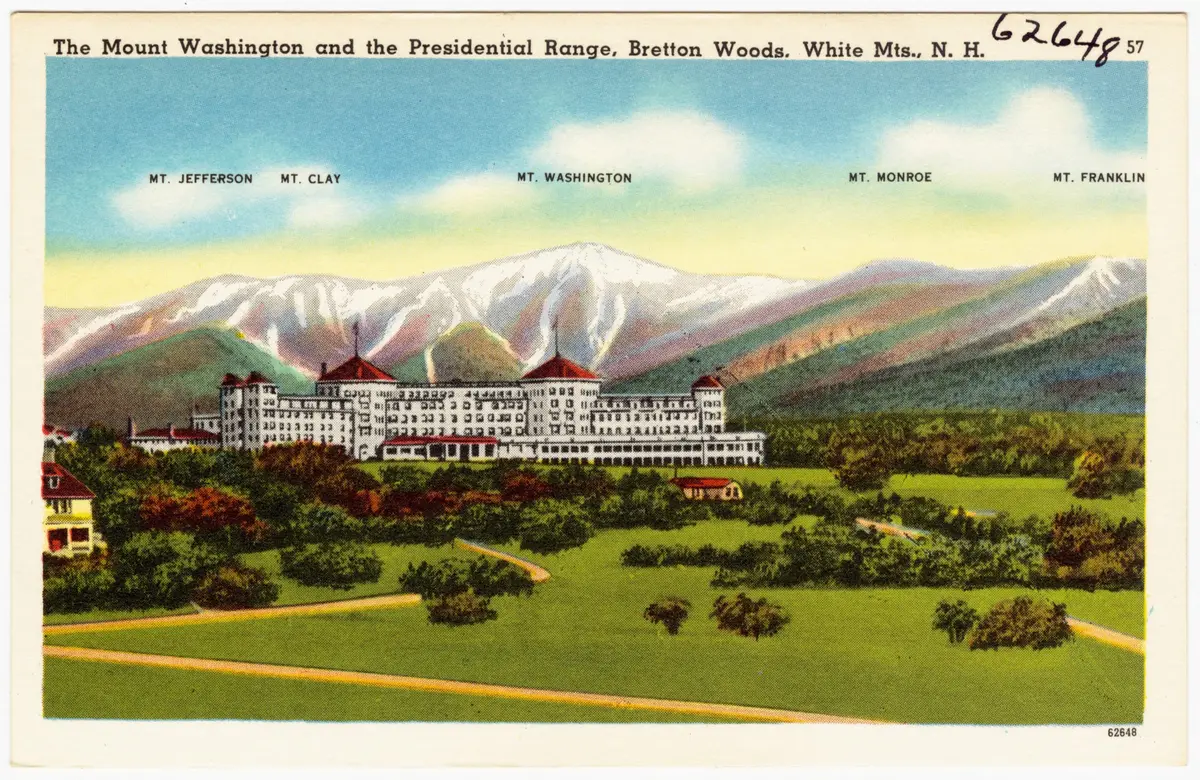
At the monetary conference at Bretton Woods (1 to 22 July) he chairs the commission on the World Bank while Harry Dexter White chairs the one on the IMF.
The Mount Washington Hotel, Bretton Woods, New Hampshire: the monetary conference of 1 to 22 July 1944, where he chaired the commission on the World Bank- 1945
The Anglo-American loan agreement he has negotiated is signed in Washington: 3.75 billion dollars for Britain, after he had first asked for a gift of six billion.
- 1946
At Savannah, Georgia, the governors of the new IMF and World Bank meet for the first time; to his dismay the Americans insist that both institutions sit in Washington.
Early on Easter Sunday, the morning after walking down Firle Beacon, he dies of a heart attack at Tilton, aged 62, with Lydia and his mother in the house.
Tilton House near Firle, East Sussex: his country home from his marriage in 1925, the place in his title, and where he died on 21 April 1946