The Bretton Woods agreement
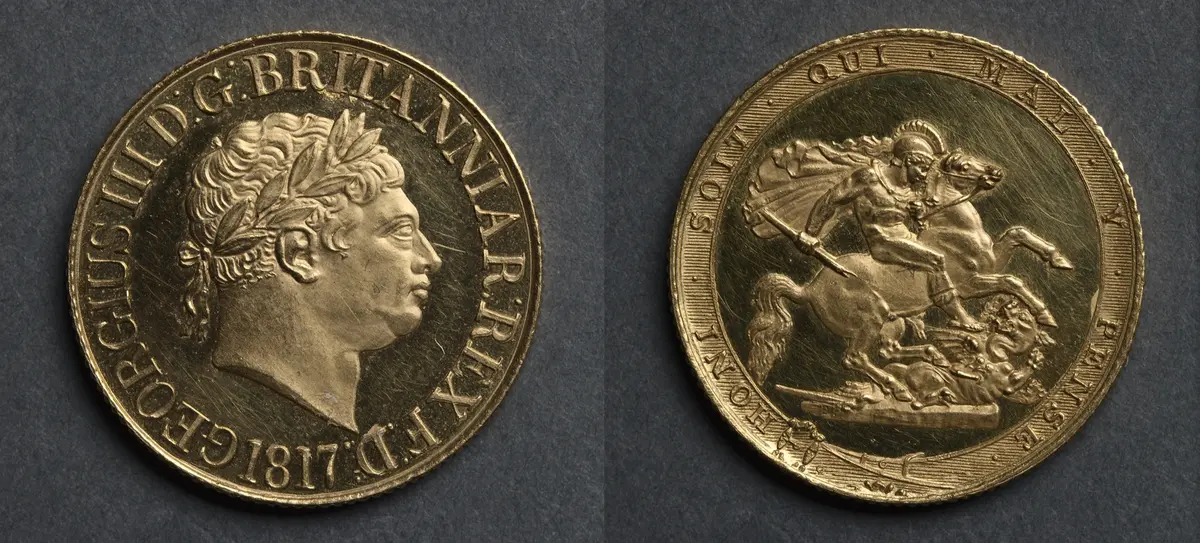
“In July 1944, 44 Allied nations met at Bretton Woods, New Hampshire, and created the IMF and the World Bank and a system of fixed exchange rates tied to the dollar, itself tied to gold at $35 an ounce.”
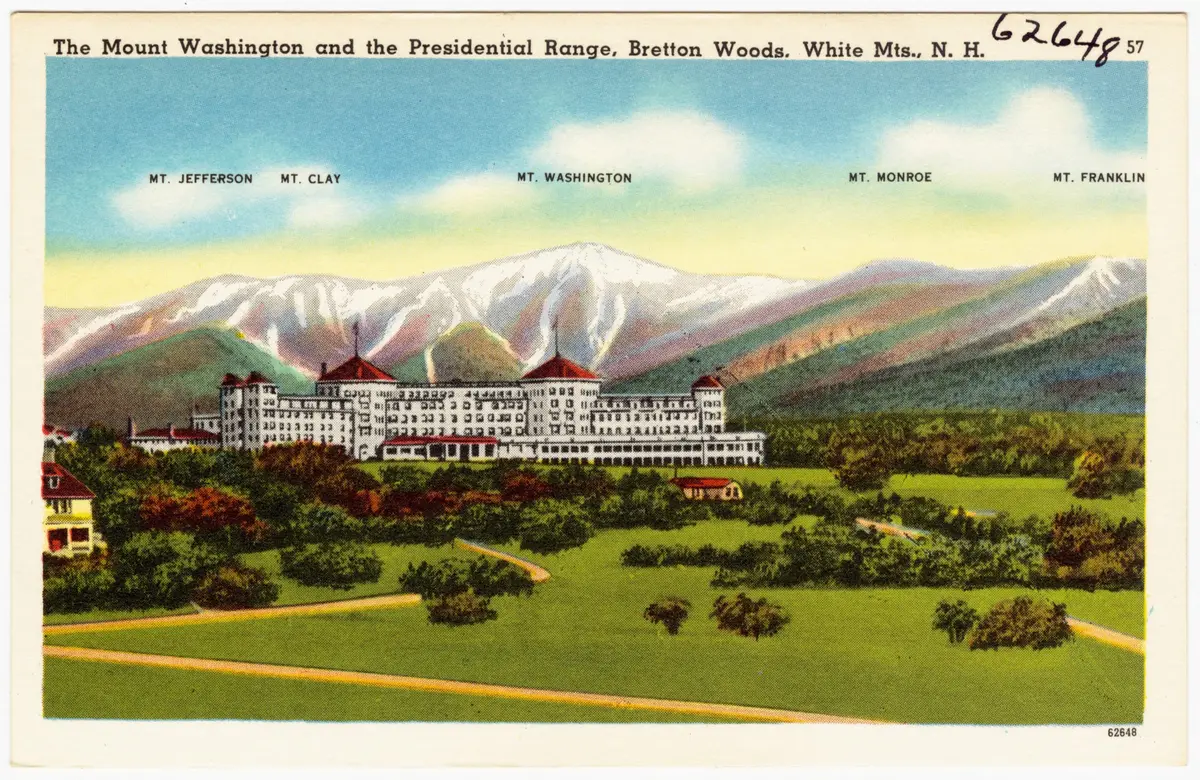
The Bretton Woods agreement was the plan for the world's money after the Second World War. It was written by 730 delegates from the 44 Allied nations who met from 1 to 22 July 1944 at the Mount Washington Hotel, a grand resort hotel of 1902 in the White Mountains of New Hampshire, while the war was still being fought in Normandy, Italy, the East and the Pacific. Its makers wanted to avoid the mistakes of the years between the wars. After 1918 each country had rebuilt its currency on its own, with no common rules; in the 1930s, as the gold standard broke down, governments cut the value of their money to win trade from each other, blocked payments abroad and raised tariffs, and the Depression grew deeper. The Allies concluded that lasting peace would need economic cooperation as well.
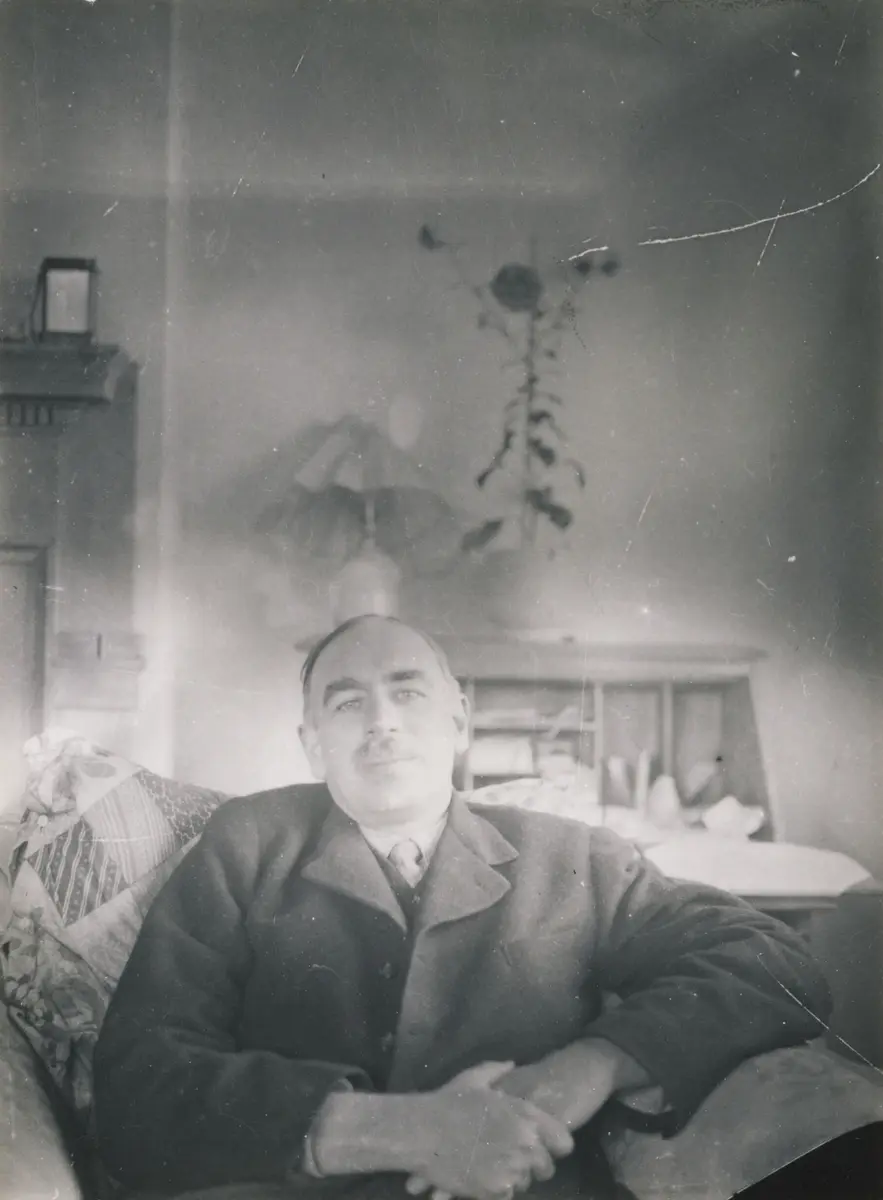
Two men shaped the plans. By early 1942 Harry Dexter White at the US Treasury and John Maynard Keynes, adviser to the British Treasury, had each drafted a scheme. Keynes proposed an International Clearing Union, a kind of world central bank with its own money, the 'bancor', and large credits, which would press countries with surpluses as well as those in deficit to put things right. White proposed a smaller Stabilization Fund made of members' own gold and currencies, so that the United States, which expected to be the main creditor, would not end up paying for everyone else. After two years of talks among experts, a Joint Statement nearer to White's plan than to Keynes's was published in April 1944. American experts gathered at Atlantic City from 15 June, joined by those of fifteen other nations, and went straight on to Bretton Woods. There Henry Morgenthau, the US Secretary of the Treasury, presided; White chaired the commission on the Fund, Keynes the one on the Bank, and Mexico's Eduardo Suárez a third on other questions. The committees worked day and night, and some of the hardest bargaining was over the quotas, which decided how much each country paid in, could borrow and could vote.
The Final Act, accepted on the night of 22 July, set out two institutions. The International Monetary Fund received quotas of $8.8 billion in gold and currencies, of which the United States gave $2.75 billion, Britain $1.3 billion and the Soviet Union $1.2 billion. Each member fixed a 'par value' for its money in gold or in US dollars, kept its exchange rate within one per cent of it, and could change it only to correct a 'fundamental disequilibrium', with the Fund's agreement; the Fund would lend to members in passing payment difficulties. Because the United States kept its dollar convertible into gold at $35 an ounce, the price set in 1934, for foreign governments and central banks, the dollar became the anchor of the system and the other currencies were tied to it. The International Bank for Reconstruction and Development, the World Bank, was given an authorised capital of $10 billion, $9.1 billion of it subscribed at the conference, to lend or guarantee loans for rebuilding war-damaged countries and developing poorer ones.
The Final Act bound no one: each government had to sign the Articles of Agreement by the end of 1945. In the United States, Congress passed the Bretton Woods Agreements Act, which President Truman signed on 31 July 1945; it let the country join both institutions and put $1.8 billion of the Treasury's old stabilization fund towards its quota. Britain, short of dollars now that Lend-Lease had ended, approved it together with an American credit of $3.75 billion that Lord Halifax and Keynes had negotiated in Washington: the House of Commons voted for both on 13 December. On 27 December 1945 the representatives of 29 governments signed the Fund's Articles at the State Department in Washington, and the IMF and the World Bank came into existence. The Soviet Union, which had joined the talks and raised its share of the Bank on the conference's last night, told Washington four days later that it could not sign 'at present'. The new Boards of Governors met at Savannah, Georgia, in March 1946 and chose Washington as their seat; the Bank opened there in June 1946 and the Fund began operations on 1 March 1947.
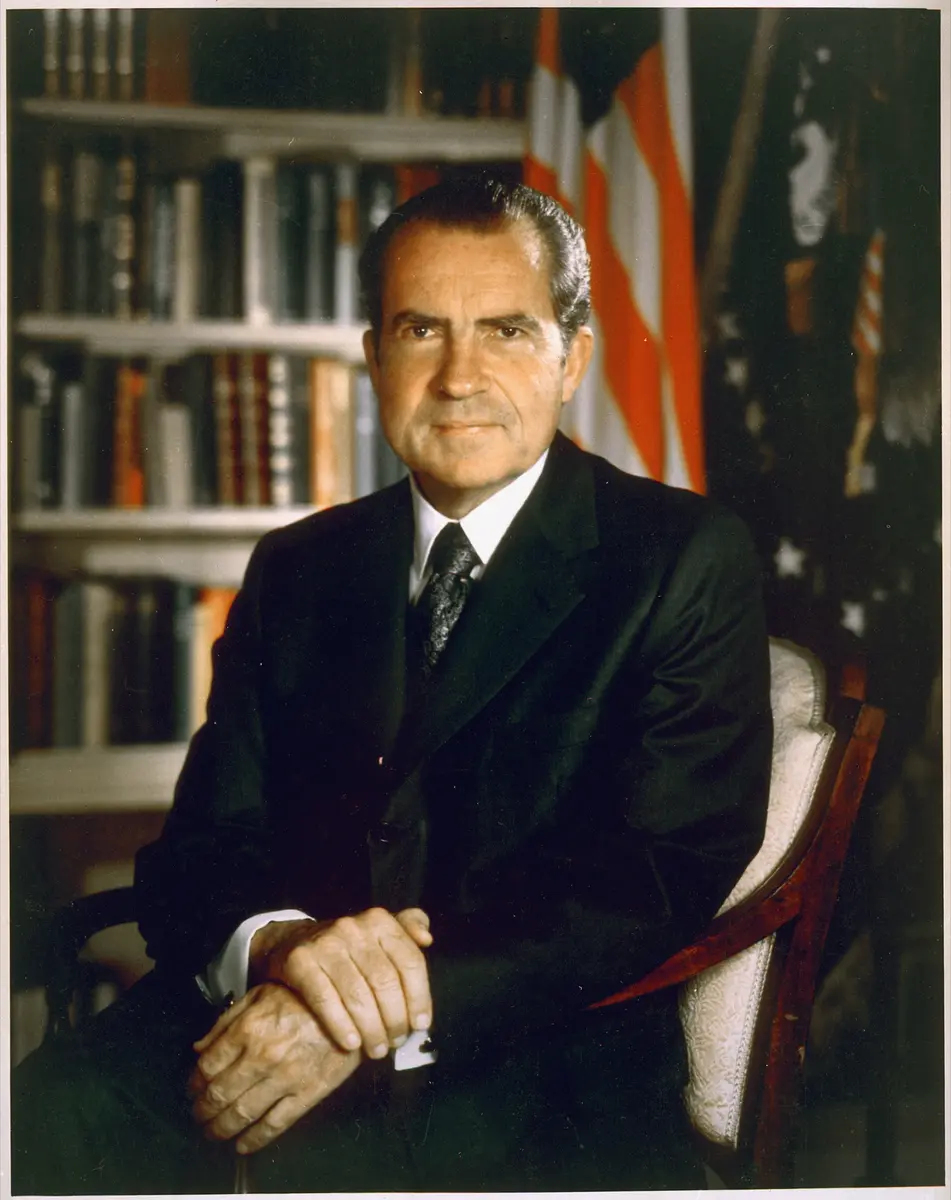
The system worked fully only from 1958, when the currencies of Western Europe became convertible for everyday payments. By then the United States was running payment deficits, and the dollars held abroad came to exceed its stock of gold; in August 1971 President Nixon stopped exchanging dollars for gold, and by March 1973 the main currencies were floating. The fixed rates have gone, but the two institutions made at Bretton Woods still work from their headquarters in Washington, the IMF lending to countries in payment crises and the World Bank financing development. 'A new Bretton Woods' is still the phrase for any plan to rebuild the world's money.
What happened
- 1944
At Atlantic City, New Jersey, American financial experts begin a preparatory meeting. A few days later experts of fifteen other nations, invited for 24 June, join them to work the April Joint Statement into draft articles, and the British bring a revised plan for the Bank that the others accept almost at once.
Atlantic City, New Jersey: the experts' preparatory meeting, 15 to 30 June 1944- 3:00 p.m.
The United Nations Monetary and Financial Conference opens in the hotel's auditorium. A message of welcome from President Roosevelt is read, China's H. H. Kung and Czechoslovakia's Ladislav Feierabend reply, and Henry Morgenthau is elected president of the conference; the session ends at 4:10 with the national anthem.
Mount Washington Hotel, Bretton Woods, New Hampshire: the conference of 1 to 22 July 1944 The three commissions start work: Harry White's Commission I on the Fund at 2 p.m., Keynes's Commission II on the Bank at 3:30 and Eduardo Suárez's Commission III on other means of cooperation at 5.
Mount Washington Hotel, Bretton Woods, New Hampshire: the conference of 1 to 22 July 1944The Quota Committee agrees the Fund's quotas, and Commission I adopts them that afternoon: the total is raised from $8 billion to $8.8 billion, with $2,750 million for the United States, $1,300 million for Britain, $1,200 million for the Soviet Union and $550 million for China. Five countries record reservations.
Mount Washington Hotel, Bretton Woods, New Hampshire: the conference of 1 to 22 July 1944- 4:00 p.m.
An executive plenary session adopts the Articles of Agreement of the International Monetary Fund, presented by Canada's Louis Rasminsky. Australia's delegate says he is not empowered to sign the Final Act.
Mount Washington Hotel, Bretton Woods, New Hampshire: the conference of 1 to 22 July 1944 - 7:00 p.m.
The Articles of the International Bank for Reconstruction and Development, presented by Belgium's Georges Theunis and seconded by Keynes, are adopted, together with Commission III's resolutions, among them one calling for the Bank for International Settlements to be wound up.
Mount Washington Hotel, Bretton Woods, New Hampshire: the conference of 1 to 22 July 1944 - 9:45 p.m.
At the closing plenary Morgenthau announces that the Soviet Union will raise its share of the Bank from $900 million to $1,200 million. Keynes, given a standing ovation, moves the acceptance of the Final Act, and the Soviet, Canadian and French delegates second him; the heads of delegations sign it after the session and the next morning.
Mount Washington Hotel, Bretton Woods, New Hampshire: the conference of 1 to 22 July 1944 - 1945
The War Food Administration's Extension Service hands out a three-page explanation of the Fund and the Bank, with each great power's share and vote, at an institute called 'Building the Peace'.
President Truman signs the Bretton Woods Agreements Act, passed by Congress as H.R. 3314: the United States will join the Fund and the Bank, a National Advisory Council will coordinate its foreign lending, and any change in the dollar's par value will need the consent of Congress.
The White House, Washington: President Truman signs the Bretton Woods Agreements Act, 31 July 1945At the State Department, Lord Halifax and Keynes sit down with Will Clayton, Leo Crowley and Henry Wallace for the talks on Britain's finances after the end of Lend-Lease, which will end in the American loan.
State, War, and Navy Building (today the Eisenhower Executive Office Building), Washington: the State Department's seat until 1947, where the loan agreement and the Articles of Agreement were signed in December 1945At the State Department, Lord Halifax and Keynes sign the Anglo-American loan agreement with James Byrnes and Fred Vinson: a credit of $3.75 billion at 2 per cent, with $650 million more to settle Lend-Lease.
State, War, and Navy Building (today the Eisenhower Executive Office Building), Washington: the State Department's seat until 1947, where the loan agreement and the Articles of Agreement were signed in December 1945- 9:15 p.m.
The House of Commons approves the American loan and the Bretton Woods proposals by 345 votes to 98, then gives the Bretton Woods Agreements Bill its second reading; the Lords pass it on 18 December and it receives royal assent on 20 December.
Palace of Westminster, London: the House of Commons approves the American loan and the Bretton Woods agreements, 13 December 1945 At the State Department in Washington, Fred Vinson for the United States, Lord Halifax for Britain and the envoys of Belgium, Canada, China, Egypt, France, Greece, India and others sign the Articles of Agreement. With 29 governments signed up to the Fund, the IMF and the World Bank come into existence.
State, War, and Navy Building (today the Eisenhower Executive Office Building), Washington: the State Department's seat until 1947, where the loan agreement and the Articles of Agreement were signed in December 1945