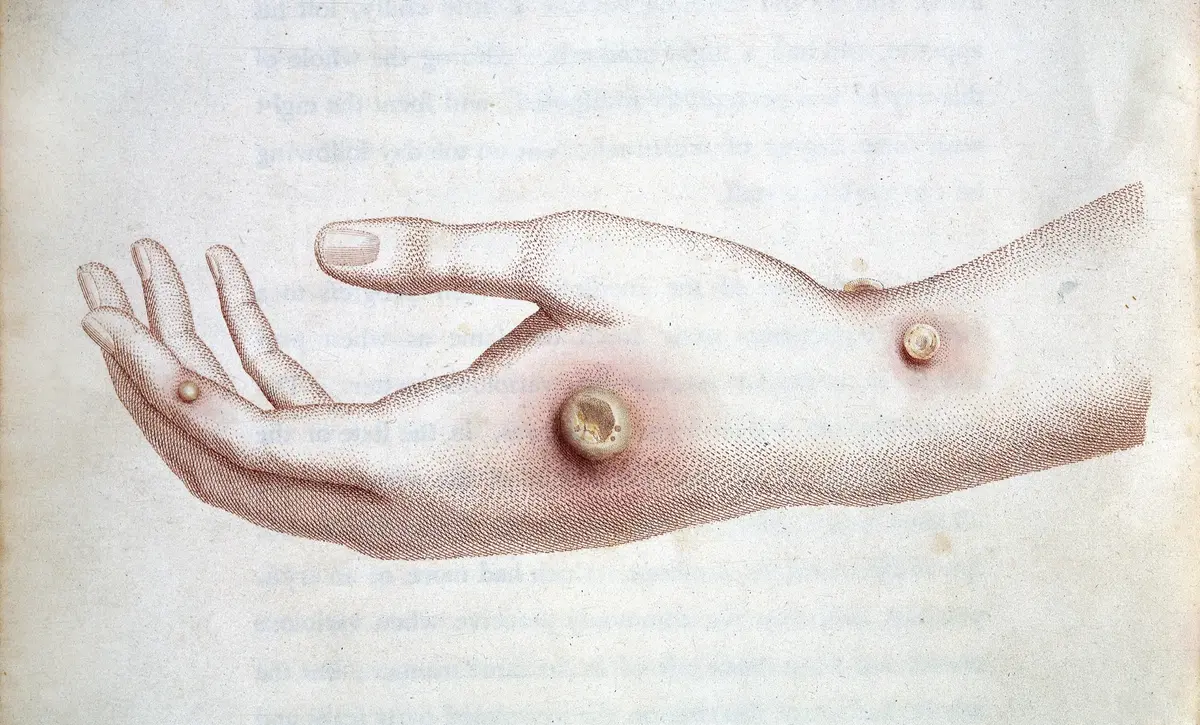
Jenner's smallpox vaccine
“On 14 May 1796 Edward Jenner gave a boy cowpox from a milkmaid's hand and showed it protected him from smallpox: the first vaccine, the start of the road to smallpox's eradication in 1980.”
On 14 May 1796, in the small town of Berkeley in Gloucestershire, the country doctor Edward Jenner made two shallow cuts in the arm of James Phipps, the eight-year-old son of his gardener, and put into them a little matter from a sore on the hand of a young dairymaid, Sarah Nelmes. She had caught cowpox, a mild disease of cattle, from a cow called Blossom. The boy felt unwell for a day and recovered. On 1 July Jenner made the real test: he inoculated James with matter from a fresh smallpox sore. No disease followed; the boy was protected. This was the first vaccine, and its name still carries the cow: cowpox is vaccinia, from vacca, the Latin for cow.
Smallpox was the most feared disease of the age. It killed about three in ten of those who caught it and left most survivors scarred, many of them blind. The only defence was variolation: giving a healthy person a mild case of smallpox itself, through a scratch or, in Asia, with dried scabs blown into the nose. It came from China and India, was known in Africa and the Ottoman Empire, and reached Britain in 1721 through Lady Mary Wortley Montagu, who had seen it in Constantinople, and Boston the same year through Onesimus, an enslaved African who described it to Cotton Mather. But one or two in a hundred of the inoculated died, and they could spread smallpox to others. Country people had long said that milkmaids who had cowpox never caught smallpox, and a Dorset farmer, Benjamin Jesty, had given cowpox to his wife and sons in 1774. Jenner, himself variolated as a schoolboy and trained by the London surgeon John Hunter to test ideas by experiment, was the first to prove the old belief and to publish the proof.
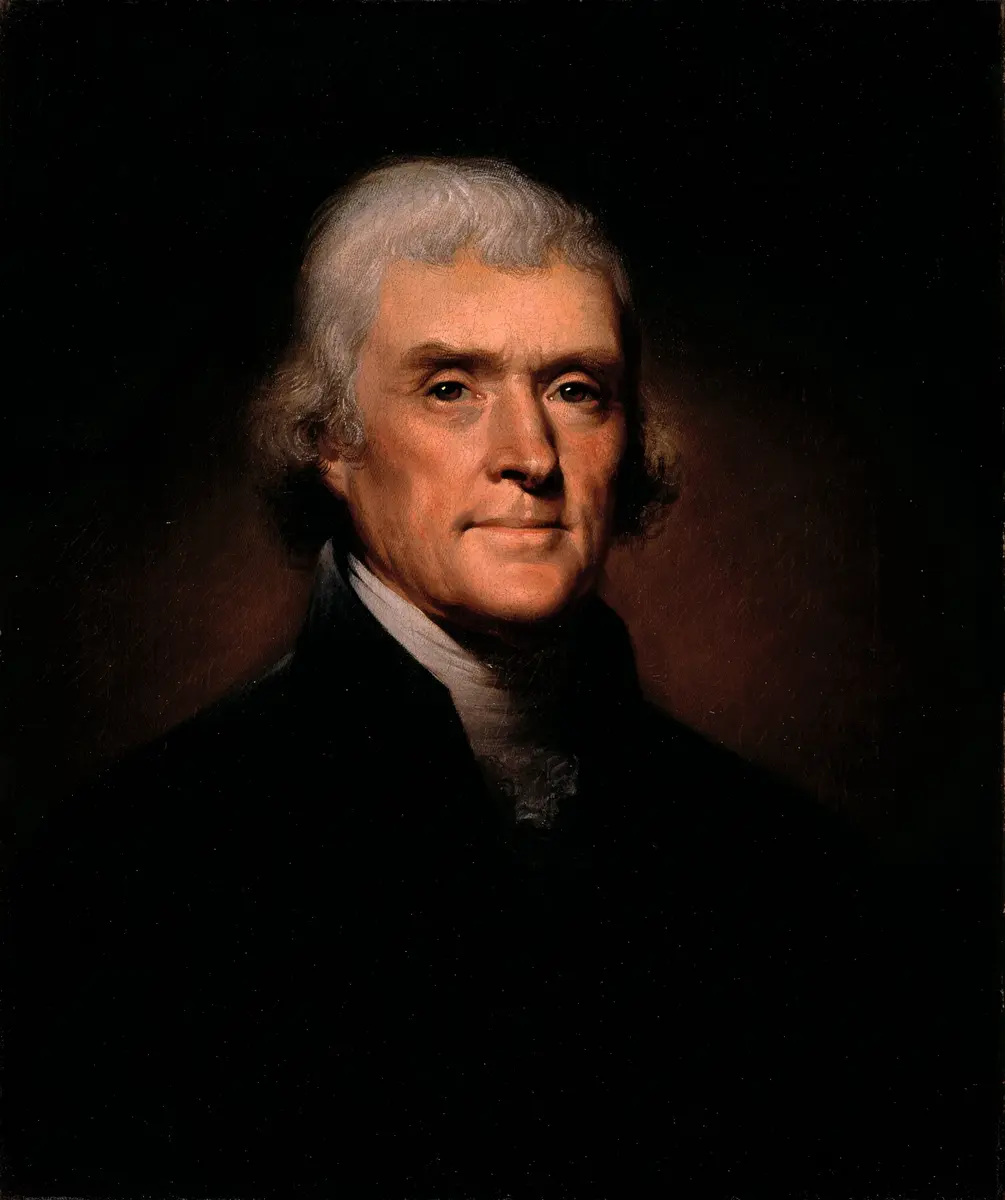
The Royal Society turned down his first report in 1797, so in 1798 he printed at his own cost a slim book, An Inquiry into the Causes and Effects of the Variolae Vaccinae, with 23 cases and coloured plates, among them Sarah Nelmes's hand. When he went to London nobody came forward to be vaccinated, but the surgeon Henry Cline and the doctors George Pearson and William Woodville took up the method, with quarrels and mistakes along the way. By 1800 it was in use across Europe and in America, and in 1801 Jenner predicted 'the annihilation of the Small Pox'. Parliament gave him £10,000 in 1802, while cartoonists drew his patients sprouting cows. Because cowpox matter spoiled, it was carried from arm to arm: Spain's Balmis expedition sailed from A Coruña in 1803 with twenty-two orphan boys, vaccinating one after another on the voyage, and took the vaccine to the Americas, the Philippines and China. In May 1806 Thomas Jefferson wrote to the Jenners that they had erased 'from the calendar of human afflictions one of its greatest'.
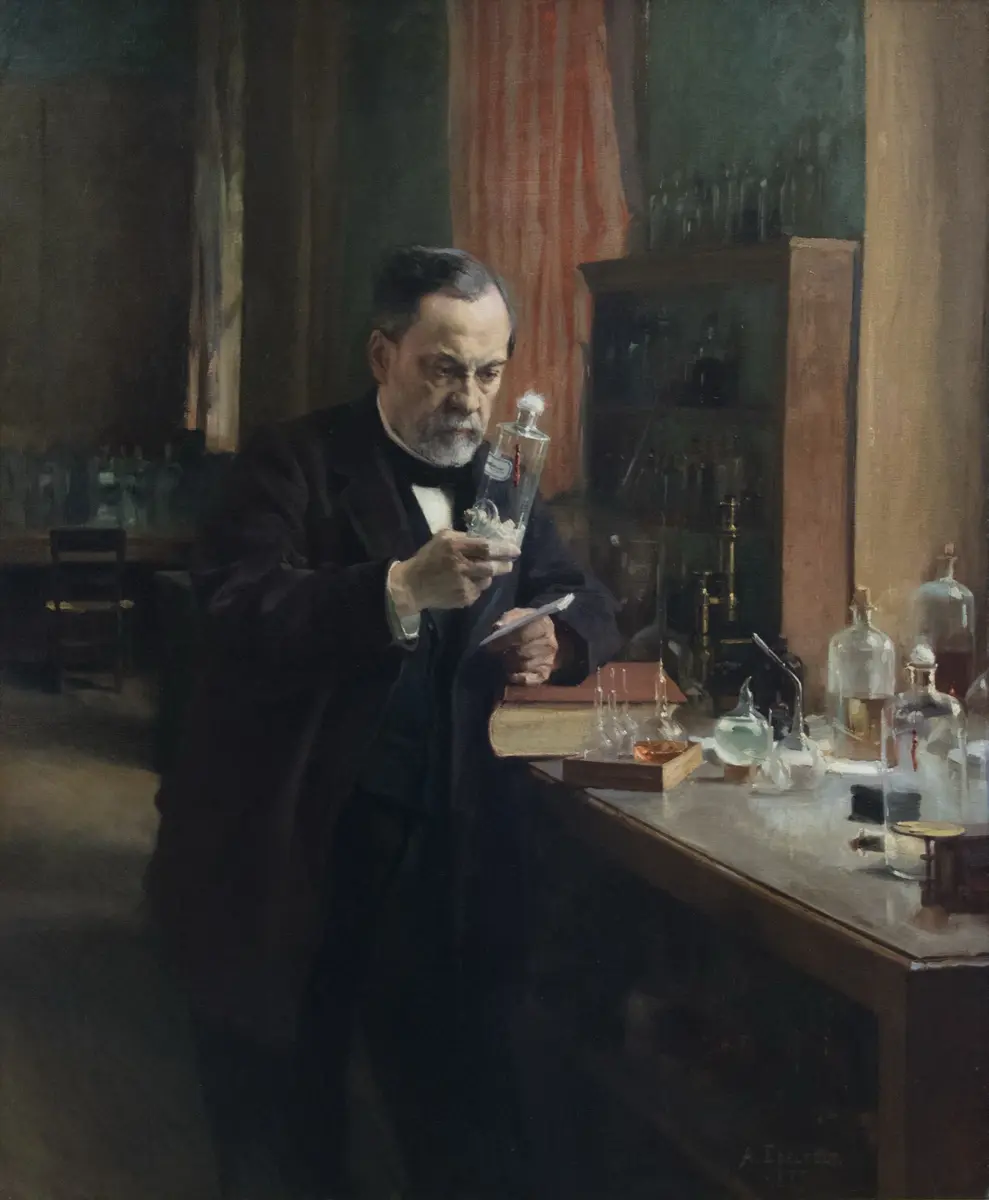
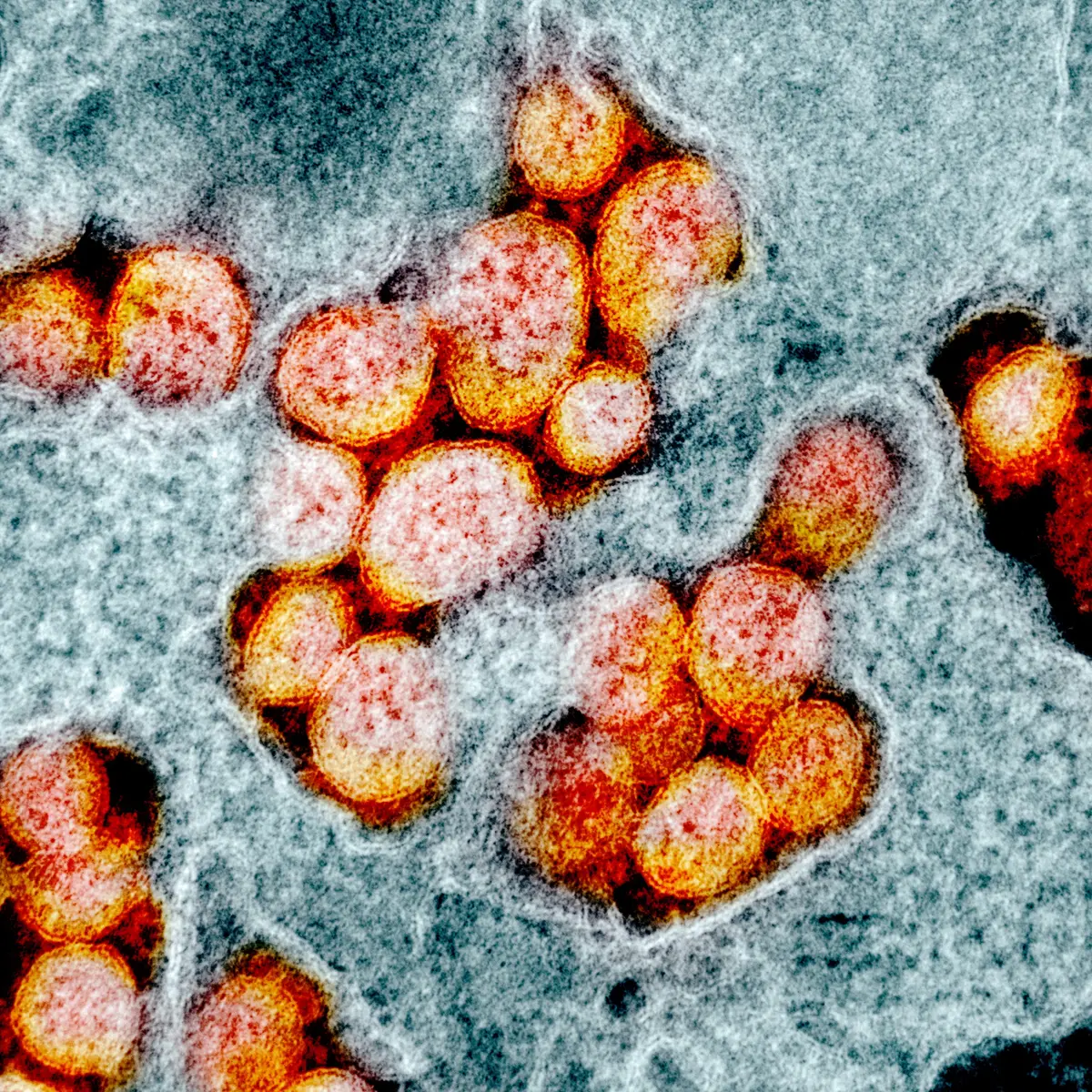
Jenner took no profit from the discovery. He vaccinated the poor of Berkeley for free in a rustic hut in his garden, the Temple of Vaccinia, and called himself the 'vaccine clerk to the world'. Britain banned variolation in 1840 and made vaccination compulsory in 1853. In 1967 the World Health Organization began a worldwide campaign; the last natural case was a hospital cook in Merca, Somalia, in October 1977, and on 8 May 1980 the World Health Assembly declared the world free of smallpox, the only human disease ever eradicated. Jenner's idea, that a mild infection can teach the body to resist a deadly one, was followed by Pasteur's anthrax and rabies vaccines in the 1880s and by every vaccine since, down to the mRNA vaccines of 2020. His house in Berkeley is now a museum.
What happened
- 1796
In Berkeley, Jenner takes matter from a cowpox sore on the hand of the dairymaid Sarah Nelmes, who caught it from Blossom, and puts it into two small cuts on the arm of James Phipps, his gardener's eight-year-old son. The boy feels unwell on the seventh to ninth days and is well again on the tenth.
Dr Jenner's House (the Chantry), Berkeley: Jenner's home from 1785, where he gave James Phipps the first vaccination on 14 May 1796The test: Jenner inoculates James with matter from a fresh smallpox sore, as if variolating him. No disease follows, then or when he is tried again months later. Cowpox has protected him.
Dr Jenner's House (the Chantry), Berkeley: Jenner's home from 1785, where he gave James Phipps the first vaccination on 14 May 1796- 1797
Jenner sends a short report of his case to the Royal Society, of which he has been a fellow since 1789 for his work on the cuckoo. It is turned down; he decides to collect more cases and publish them himself.
- 1798
Jenner dates at Berkeley the dedication of his Inquiry to his friend Caleb Parry. The slim book, printed in London for the author, gives 23 cases, including new trials passing cowpox from arm to arm, with coloured plates. At first it wins few converts: in three months in London Jenner finds no one to vaccinate, until the surgeon Henry Cline succeeds with the dried matter Jenner gave him.
- 1799
King George III receives Jenner, and the second edition of the Inquiry is dedicated to him; royal favour helps vaccination as it had helped variolation in 1721.
George Pearson founds the Vaccine-Pock Institution in London and claims part of the credit; William Woodville vaccinates at the Smallpox Hospital, where his cowpox matter is mixed with smallpox and gives some patients real pocks, which the critics seize on.
- 1800
The method spreads: the Inquiry is in its third edition, the Royal Navy adopts vaccination, most European countries use it, and matter sent by John Haygarth of Bath reaches Benjamin Waterhouse at Harvard, who brings it to New England.
- 1801
In The Origin of the Vaccine Inoculation Jenner counts 100,000 vaccinations in Britain and predicts that the practice must end in 'the annihilation of the Small Pox'.
- 1802
Parliament votes Jenner £10,000 for his discovery, which he has given away rather than kept for profit.
James Gillray publishes 'The Cow-Pock': Jenner vaccinates frightened patients at the St Pancras Smallpox and Inoculation Hospital as cows sprout from their arms, faces and backsides. Fear that the vaccine would make people cow-like was common.
- 1803
The Royal Jennerian Society is founded in London to run vaccination stations and vaccinate the public free of charge.
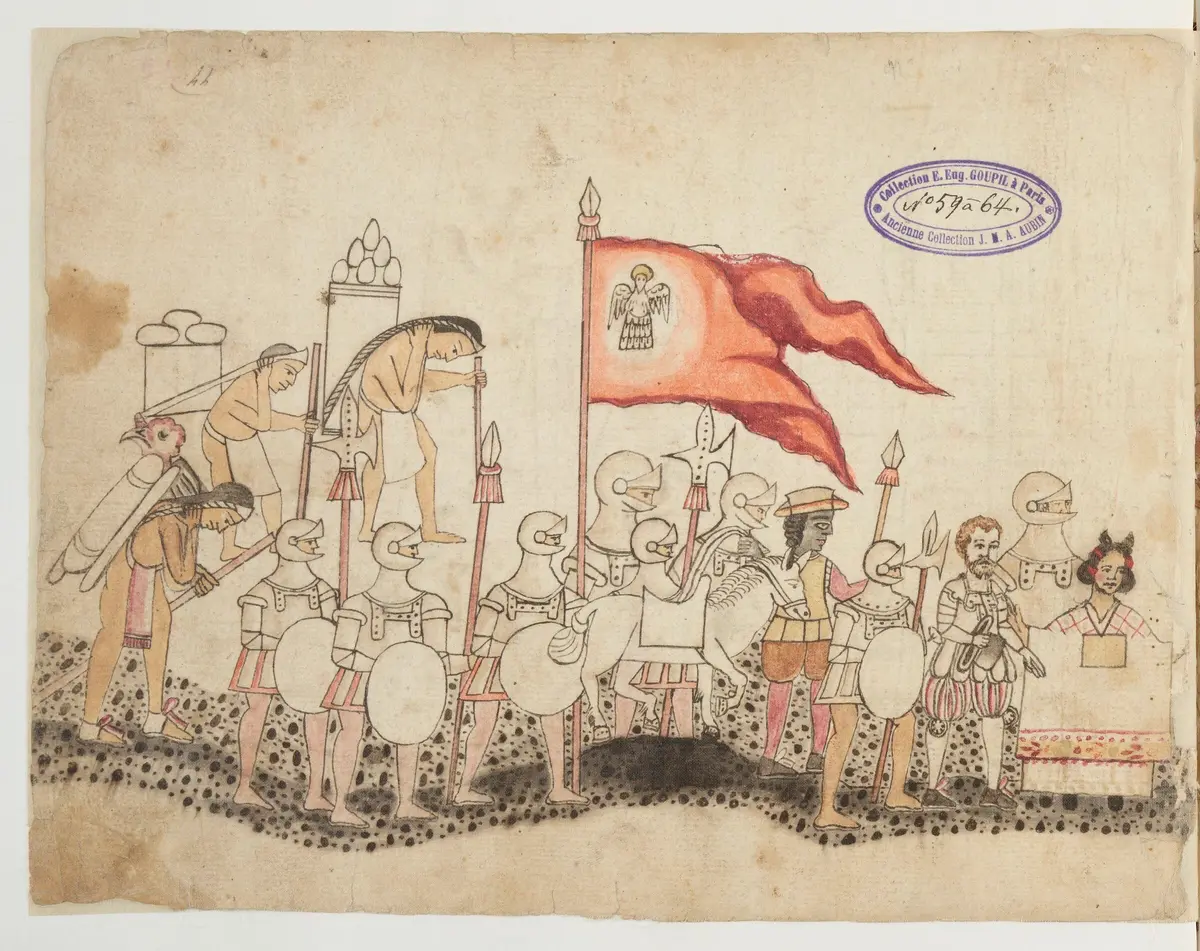
Spain's royal vaccine expedition sails from A Coruña on the corvette María Pita under Francisco Xavier de Balmis, with José Salvany, the rectora Isabel Cendala and twenty-two orphan boys. Two at a time the boys are vaccinated, and the matter of their blisters passed to the next pair, so that live cowpox crosses the Atlantic.
A Coruña: the Balmis expedition sailed from the port on 30 November 1803 to carry the vaccine to Spain's empire; the Balcón de la Expedición Balmis remembers it- 1804
Napoleon, at war with Britain, has a medal struck in Jenner's honour; the vaccine has reached Puerto Rico in February and soon Venezuela, Cuba and New Spain with Balmis.
- 1805
Balmis reaches Manila, after crossing the Pacific from Acapulco with Mexican children carrying the vaccine; in September he takes it on to Macao and Canton in China.
- 1806
Ten years to the day after the first vaccination, Thomas Jefferson writes from Monticello to thank the Jenners for the 'Evidence at Large' on vaccination: 'You have erased from the calendar of human afflictions one of its greatest.'
Monticello, Virginia: where Thomas Jefferson wrote his letter of thanks to the Jenners on 14 May 1806Back by way of Lisbon, Balmis is received in Madrid by King Carlos IV as a national hero: the vaccine has gone round the world in children's arms.