Lloyd's coffee house opens in London
“Edward Lloyd's coffee house, first recorded in Tower Street in 1688 (February 1689 by our calendar), became the meeting place of London's ship underwriters, who by 1774 had turned it into Lloyd's.”
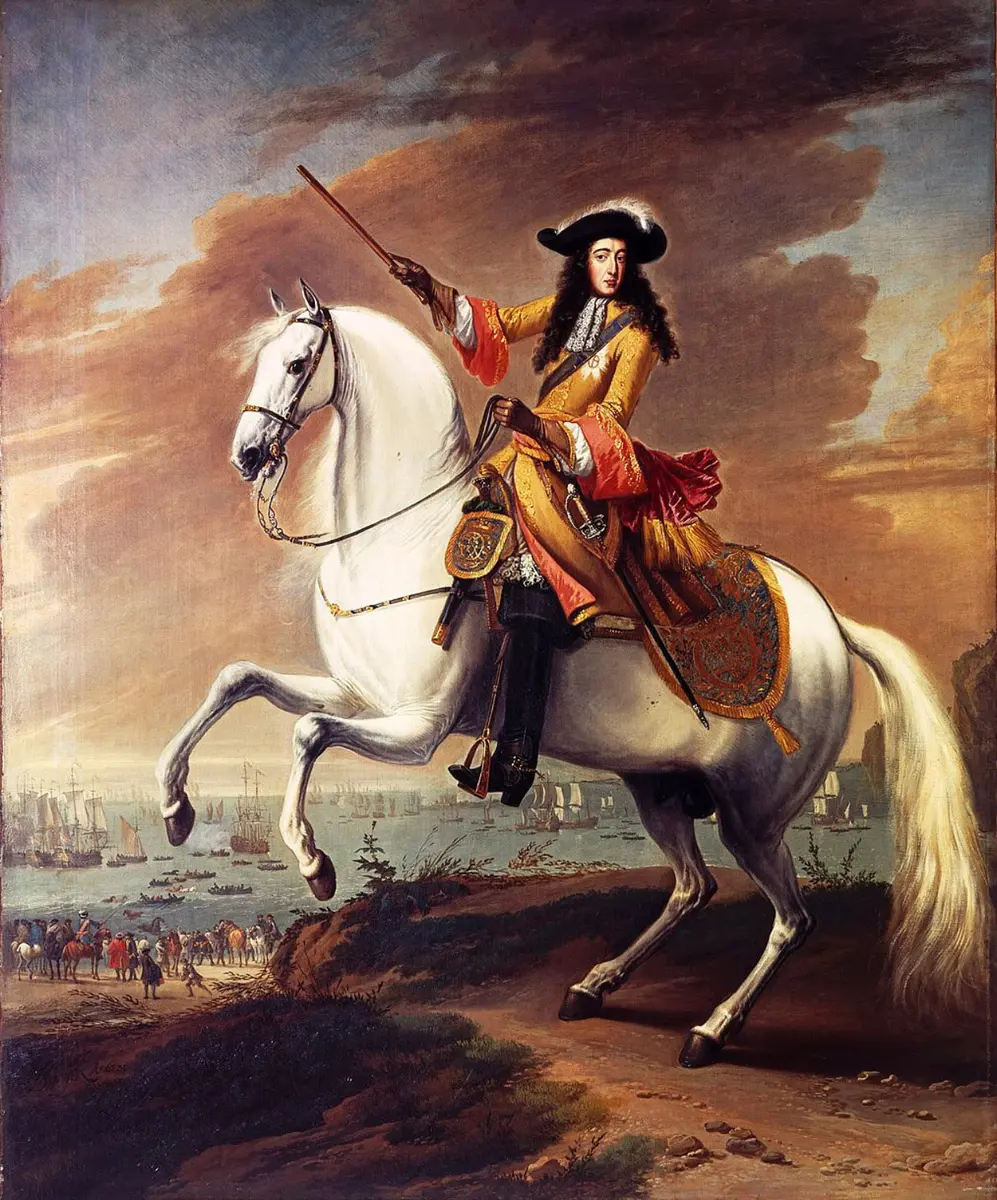
Lloyd's coffee house was a coffee house in the City of London kept by Edward Lloyd, a man of about forty who had been living in the parish of All Hallows by the Tower since at least 1680. Its first known mention is a reward notice in the London Gazette for five stolen watches: anyone with news of them was to tell 'Mr. Edw. Loyds Coffee House in Tower-street'. The notice is dated February 1688, but England then started the new year on 25 March, so by our calendar it is February 1689, the month William and Mary took the throne. When the house first opened is not known. Tower Street was in the quarter between the Tower of London and the river where shipping and money met, close to the Navy Office, and Lloyd's customers were ship captains, merchants and ship owners.
London had more than eighty coffee houses, and each had its own crowd: men came to drink coffee, read the papers, hear the news and do business. Lloyd made his house the place for news about ships. At Christmas 1691 he moved to a bigger house at 16 Lombard Street, near the Post Office and the Royal Exchange, in the middle of the merchants' quarter. There ships, wine and goods were sold at auction 'by inch of candle', the last bid before the candle went out winning; a boy read the news aloud from a pulpit; and for a few months in 1696 and 1697 Lloyd printed his own paper, Lloyd's News. He died in 1713, and his son-in-law and the masters after him kept his name.
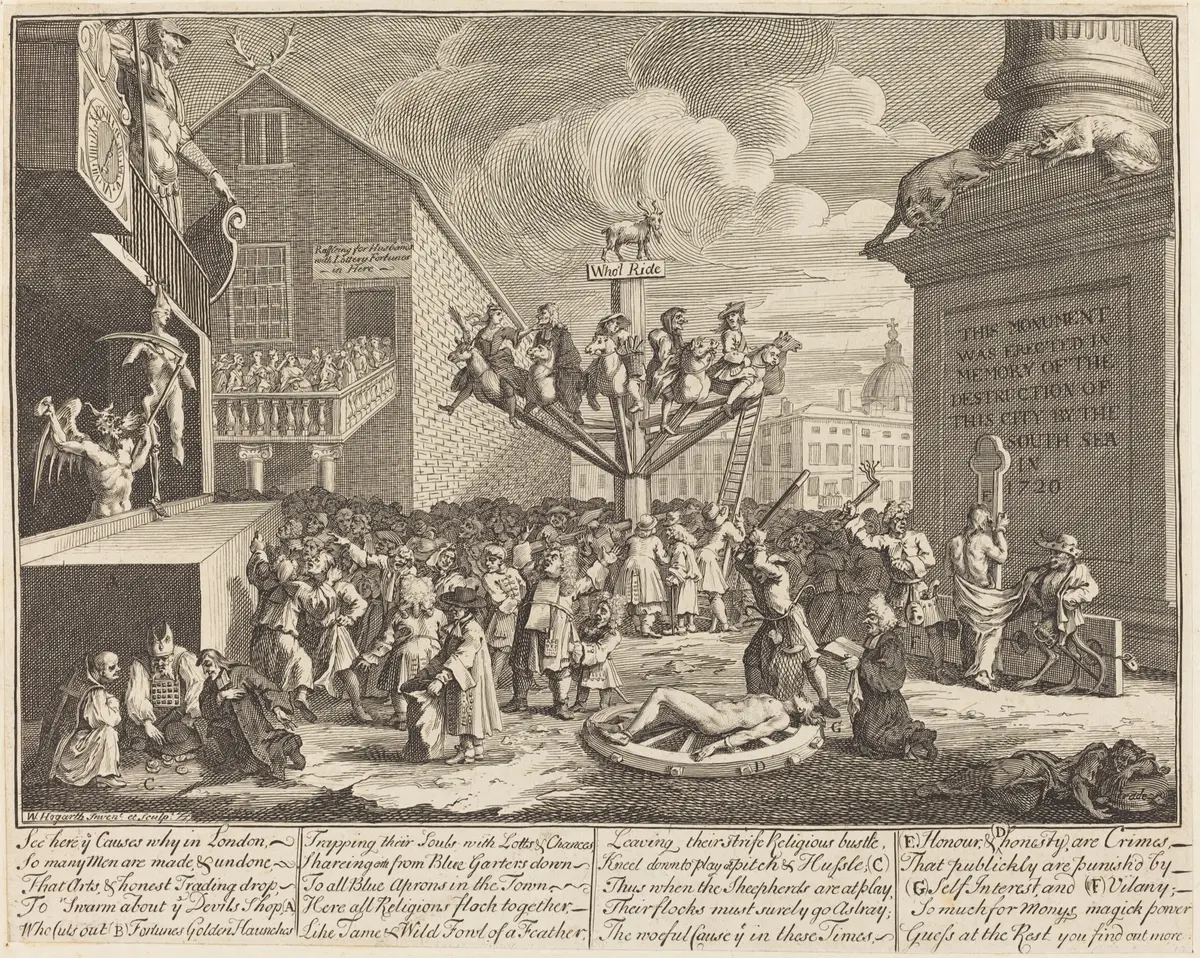
Insurance was much older than the coffee house. Italian merchants invented marine insurance in the late Middle Ages, and the Italians of London's Lombard Street were writing it by the 1420s; London policies followed the customs of Lombard Street and of the Antwerp bourse, and from the 1570s an Office of Assurances in the Royal Exchange registered them. Fire insurance companies followed the Great Fire of 1666, among them Nicholas Barbon's Fire Office of 1680. Marine insurance was a side business for merchants: a broker carried a policy round the City, and each 'underwriter' signed his name under it for a share of the risk. In Edward Lloyd's lifetime his house was not yet known for insurance. The change came with the Bubble Act of 1720. It gave two new companies the right to insure ships and banned every other company and partnership from doing so, but it left private persons free; the companies wrote only a small part of the business, and the individual underwriters, now answering with their own fortunes, grew in number and trust and settled at Lloyd's. Lloyd's List, from 1734, and a register of ships, from 1760, were made for them.
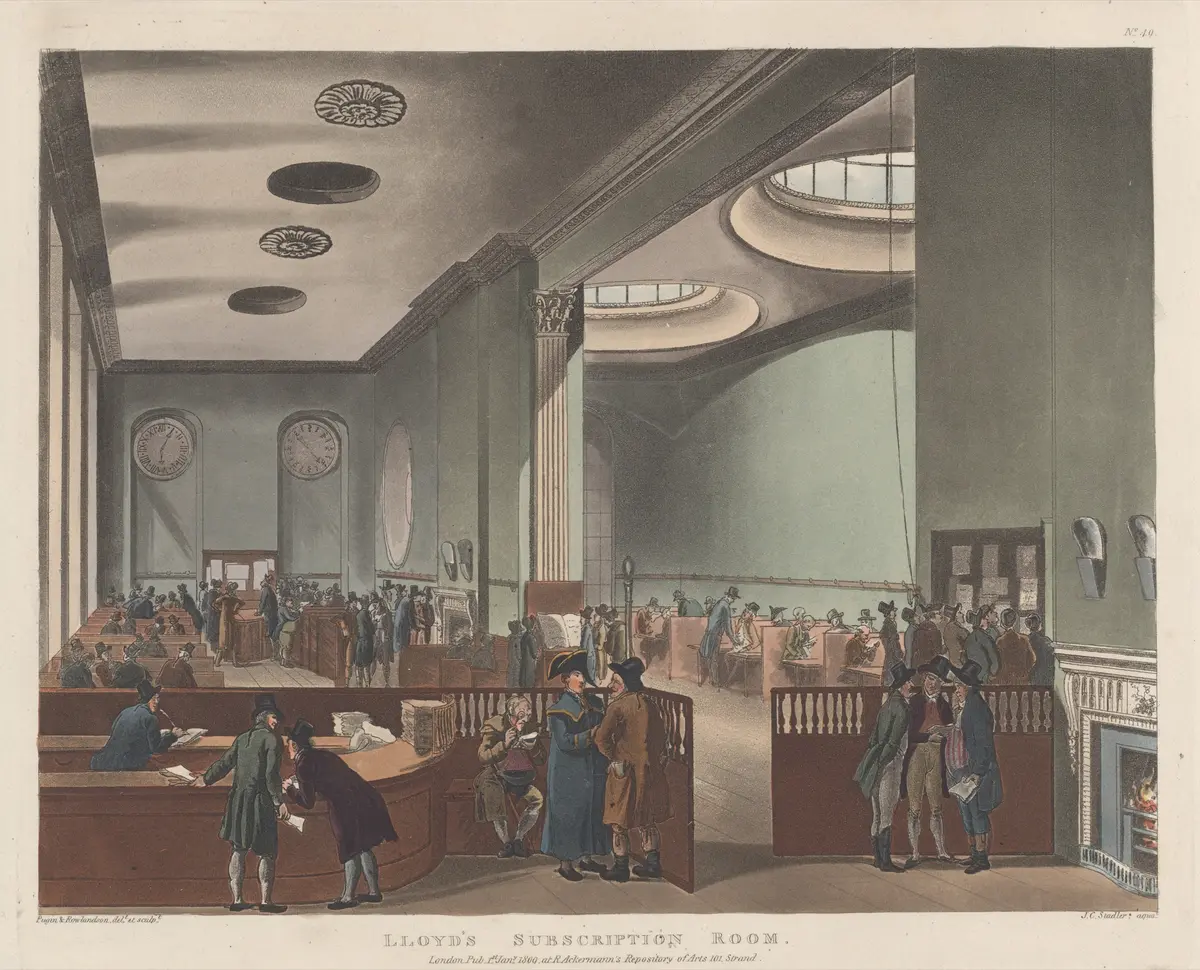
By the 1760s the house also took wagers dressed up as insurance, on people's lives, on elections and on wars. In 1769 the serious underwriters left with one of the waiters, Thomas Fielding, for a 'New Lloyd's Coffee House' in Pope's Head Alley. On 13 December 1771 seventy-nine merchants, underwriters and brokers each promised £100 to find it a better home, and chose a committee; on 7 March 1774 they opened rooms over the north-west corner of the Royal Exchange, with a public coffee room and a room for subscribers only. The customers of a coffee house had become the members of a society; the old house in Lombard Street faded and closed around 1785.
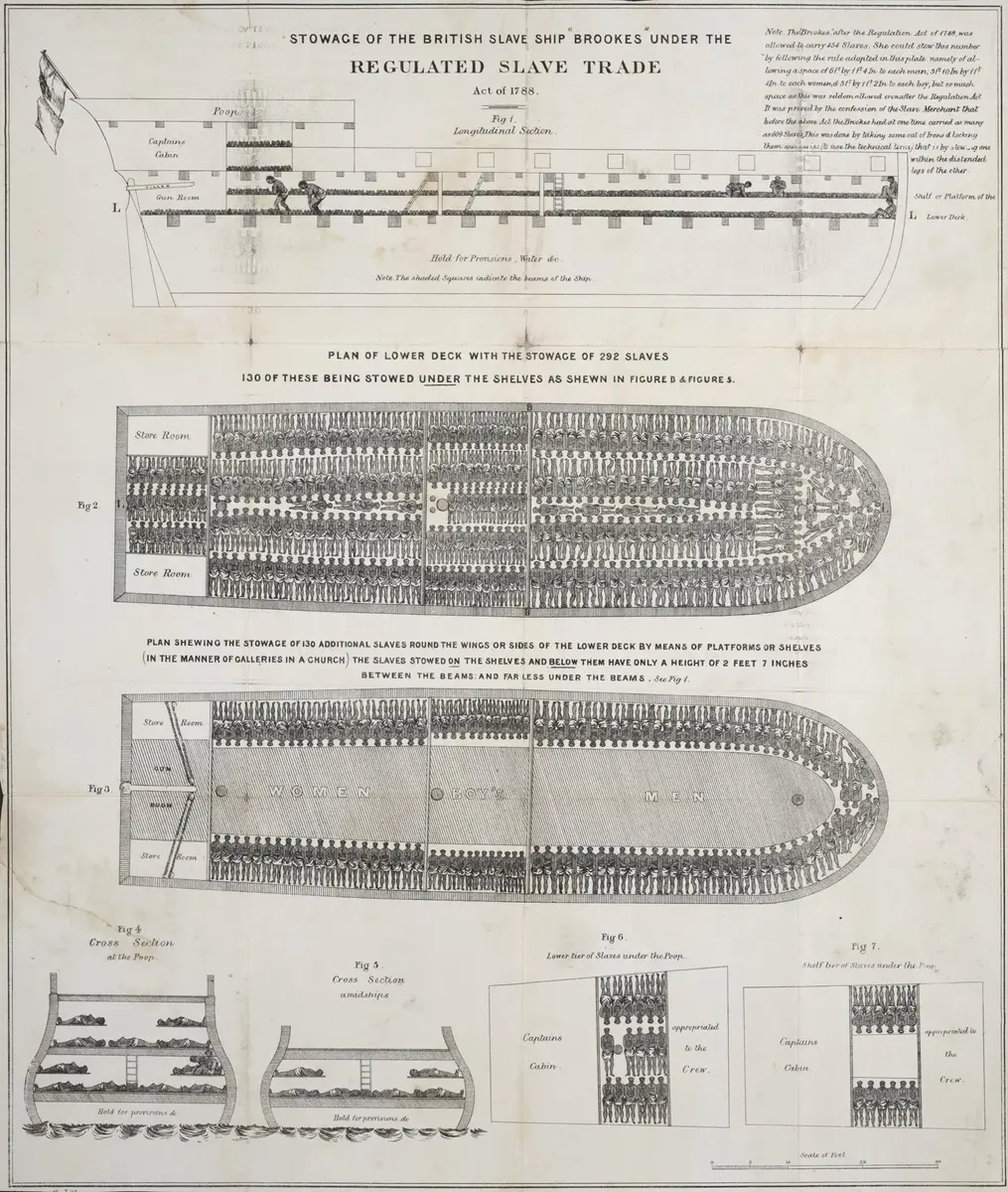
Lloyd's is still the London market where members, now grouped in syndicates, share out insurance risks. An Act of Parliament made it a corporation in 1871, and since 1986 it has worked in Richard Rogers's building in Lime Street, where the Lutine Bell hangs in the middle of the underwriting room. Lloyd's List is still published, and Lloyd's Register, born of the 1760 register, still classes ships. The market also grew rich on the slave trade: Lloyd's was the centre for insuring the British ships that carried enslaved Africans, whose lives were valued in policies like cargo, and in 2020 Lloyd's apologised for it.
What happened
- 1689
The London Gazette of 18-21 February (1688 by the calendar of the day) prints a reward notice for five stolen watches: news of them is to go to Edward Lloyd's coffee house in Tower Street. It is the first record of the house, and of Lloyd as a coffee man.
Tower Street (now Great Tower Street): Edward Lloyd's first coffee house, recorded here in February 1689; the exact house is not known- 1691
Lloyd takes the lease of a larger house in Lombard Street, No. 16, from Christmas; on 31 December he sits in the vestry of St Mary Woolnoth, his new parish. The next year he is taxed on three men and two maids, as many as the best City coffee houses.
16 Lombard Street: Lloyd's coffee house from Christmas 1691 until about 1785, marked today by a City of London plaque- 1692
The first notice naming 'Lloyd's Coffee-house in Lombard-street' appears in the Gazette: the inventories of three ships to be sold by inch of candle at Plymouth can be seen there, the first sign of the shipping business.
16 Lombard Street: Lloyd's coffee house from Christmas 1691 until about 1785, marked today by a City of London plaque- 1696
Lloyd's News begins: a single sheet three times a week, 'printed for Edward Lloyd (Coffee-Man) in Lombard-Street', with news from the ports and from abroad. The first seven issues are lost; number 8 is dated 17 September.
16 Lombard Street: Lloyd's coffee house from Christmas 1691 until about 1785, marked today by a City of London plaque- 1697
Lloyd's News of 23 February reports a petition by the Quakers to the House of Lords that the Lords never received. Asked to correct it, Lloyd says the printer added it and stops the paper; the next issue never appears.
16 Lombard Street: Lloyd's coffee house from Christmas 1691 until about 1785, marked today by a City of London plaque- 1700
A ship is sold 'by the candle' at Lloyd's for the first time on record; over the next years the house becomes one of London's main sale rooms for ships, wines and prizes taken in war.
16 Lombard Street: Lloyd's coffee house from Christmas 1691 until about 1785, marked today by a City of London plaque- 1711
Joseph Addison's Spectator (No. 46, 23 April) calls Lloyd's the place where the auctions are usually kept; from the same pulpit a boy reads out the news to the room.
16 Lombard Street: Lloyd's coffee house from Christmas 1691 until about 1785, marked today by a City of London plaque- 1713
Edward Lloyd dies on 15 February and is buried in St Mary Woolnoth. Two weeks before, he had left the lease of the house to his head waiter, William Newton, who married his youngest daughter, Handy; the masters after him keep the name Lloyd's.
St Mary Woolnoth, Lombard Street: Edward Lloyd's parish church from 1691, where he served the vestry and was buried in February 1713- 1720
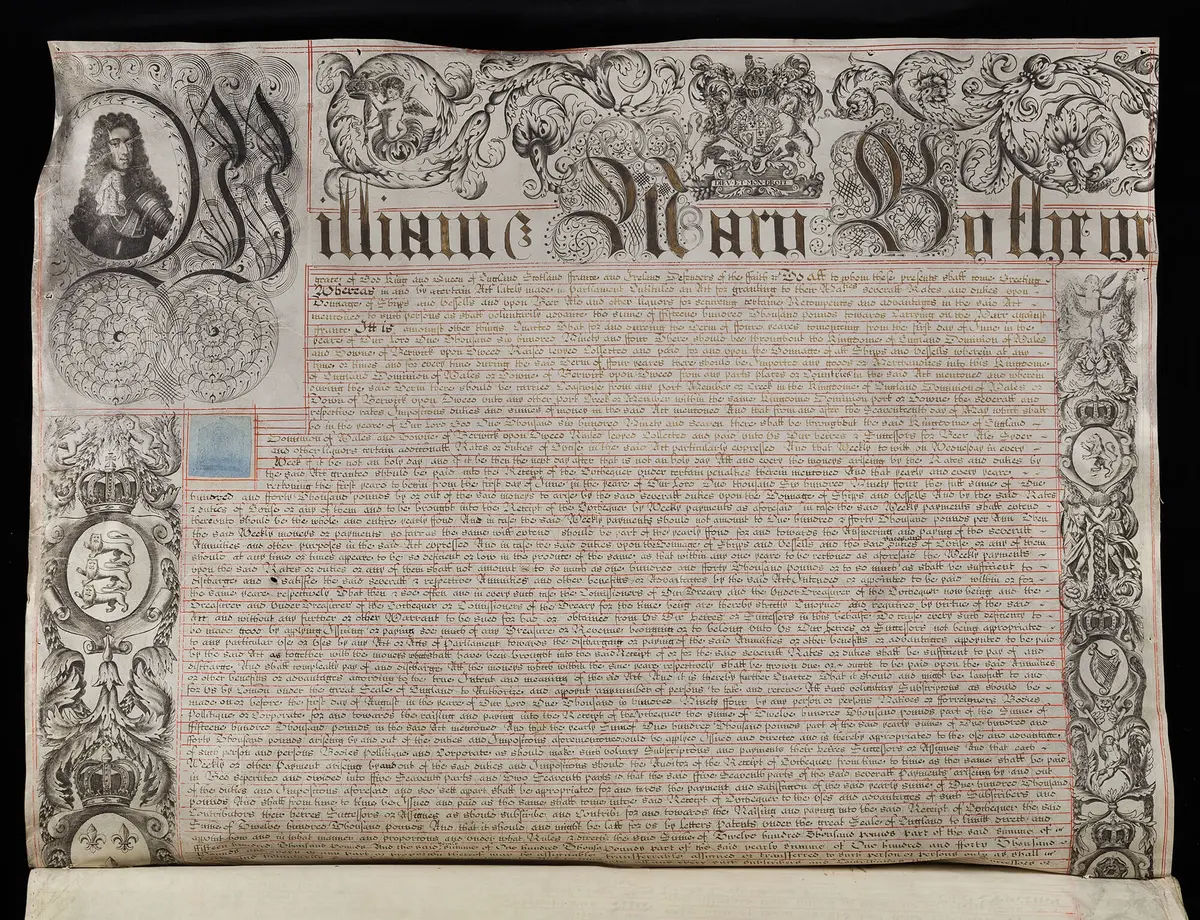
The Bubble Act (royal assent on 10 June) charters the Royal Exchange Assurance and the London Assurance and forbids any other company or partnership to insure ships, but leaves private persons free. Answering with their own fortunes, the individual underwriters grow in trust and number, and in the next years they gather at Lloyd's.
- 1734
Lloyd's List begins, a weekly sheet of shipping news for the underwriters, under the mastership of Thomas Jemson; from about 1737 it comes out twice a week. The oldest issue that survives is number 560, of 2 January 1741.
16 Lombard Street: Lloyd's coffee house from Christmas 1691 until about 1785, marked today by a City of London plaque - 1760
Underwriters at Lloyd's form a society that prints a register of ships, grading each hull and its gear by letters; the oldest volume that survives is that of 1764-66, with about 1,500 ships.
16 Lombard Street: Lloyd's coffee house from Christmas 1691 until about 1785, marked today by a City of London plaque - 1769
Tired of the gambling policies on lives, elections and wars that the London Chronicle had attacked the year before, the leading underwriters leave with a waiter, Thomas Fielding, who opens New Lloyd's Coffee House at 5 Pope's Head Alley.
Pope's Head Alley: New Lloyd's Coffee House opened at No. 5 in 1769, and the subscribers of 1771 met there- 1771
Seventy-nine merchants, underwriters and brokers each sign for £100 'for the Building A New Lloyd's Coffee House', to be paid into the Bank of England in the names of a committee: the founding act of Lloyd's as a society of members.
Pope's Head Alley: New Lloyd's Coffee House opened at No. 5 in 1769, and the subscribers of 1771 met there- 1773
After John Julius Angerstein's talks with the Gresham Committee, which managed the Royal Exchange, the committee of New Lloyd's agrees to a 21-year lease of rooms in the Exchange at £160 a year.
The Royal Exchange, Cornhill: Lloyd's opened its rooms over the north-west corner of the Exchange on 7 March 1774- 1774
Three days after a last meeting in Pope's Head Alley condemns the gambling policies, Lloyd's opens its new rooms over the north-west corner of the Royal Exchange: a public coffee room and a room for the subscribers alone, with a book of arrivals and losses on a stand.
The Royal Exchange, Cornhill: Lloyd's opened its rooms over the north-west corner of the Exchange on 7 March 1774