The South Sea Bubble
“In 1720 South Sea Company shares rose from about £128 to nearly £1,000 and fell back by December: Britain's first great stock market crash, in which even Isaac Newton lost heavily.”
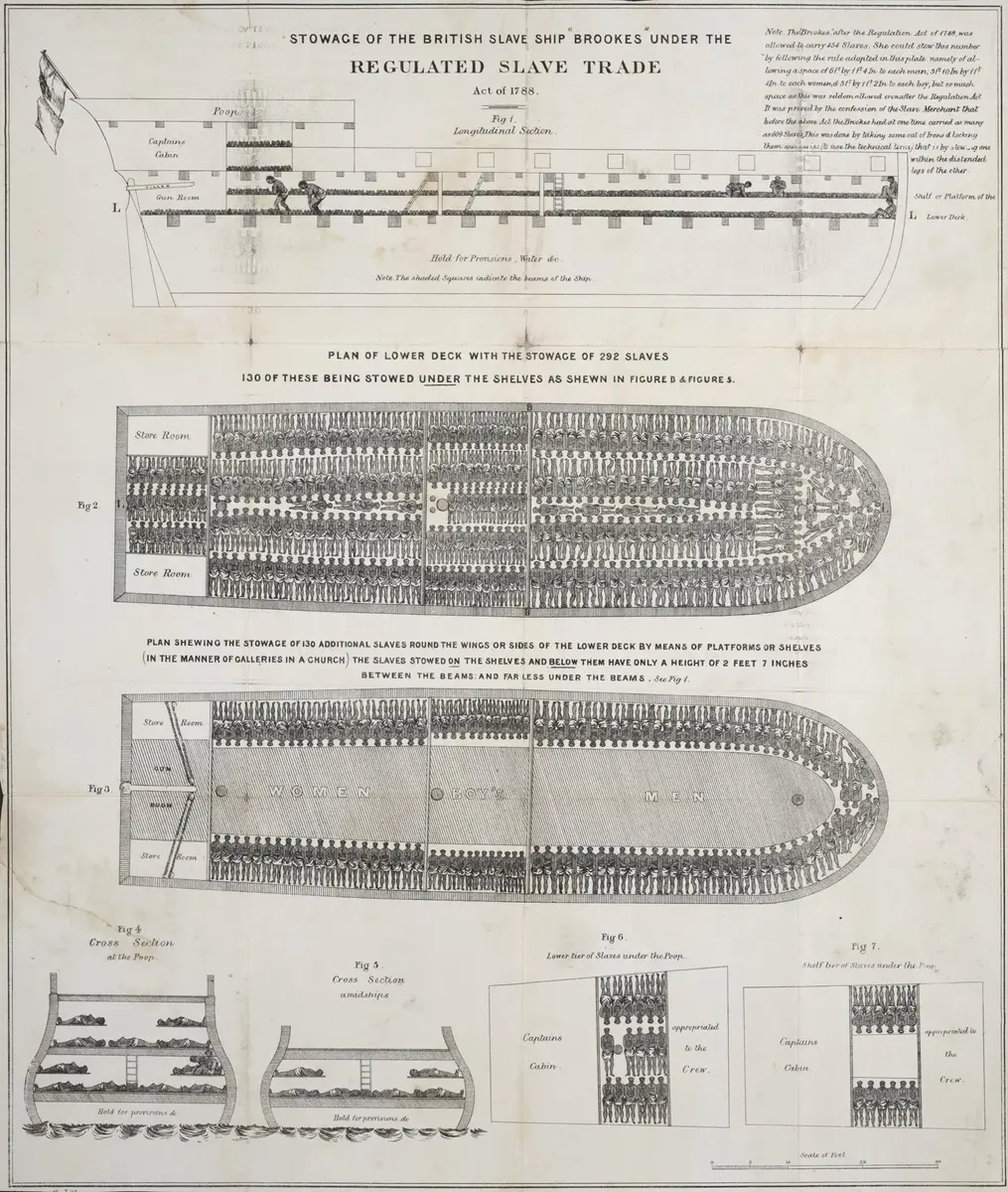
The South Sea Bubble was the great stock market boom and crash of 1720 in London. At its centre was the South Sea Company, founded in 1711 by the Lord Treasurer Robert Harley and the financier John Blunt to take over part of the government's war debts in exchange for its shares, with a monopoly of British trade to Spanish America. When the Treaty of Utrecht ended the War of the Spanish Succession in 1713, the trade it won was mainly the asiento, the right to sell enslaved Africans to the Spanish colonies, plus one ship of other goods a year. The company did ship enslaved Africans across the Atlantic, but its real business was finance: it held government debt and passed the interest on to its shareholders. In 1718 King George I became its governor.
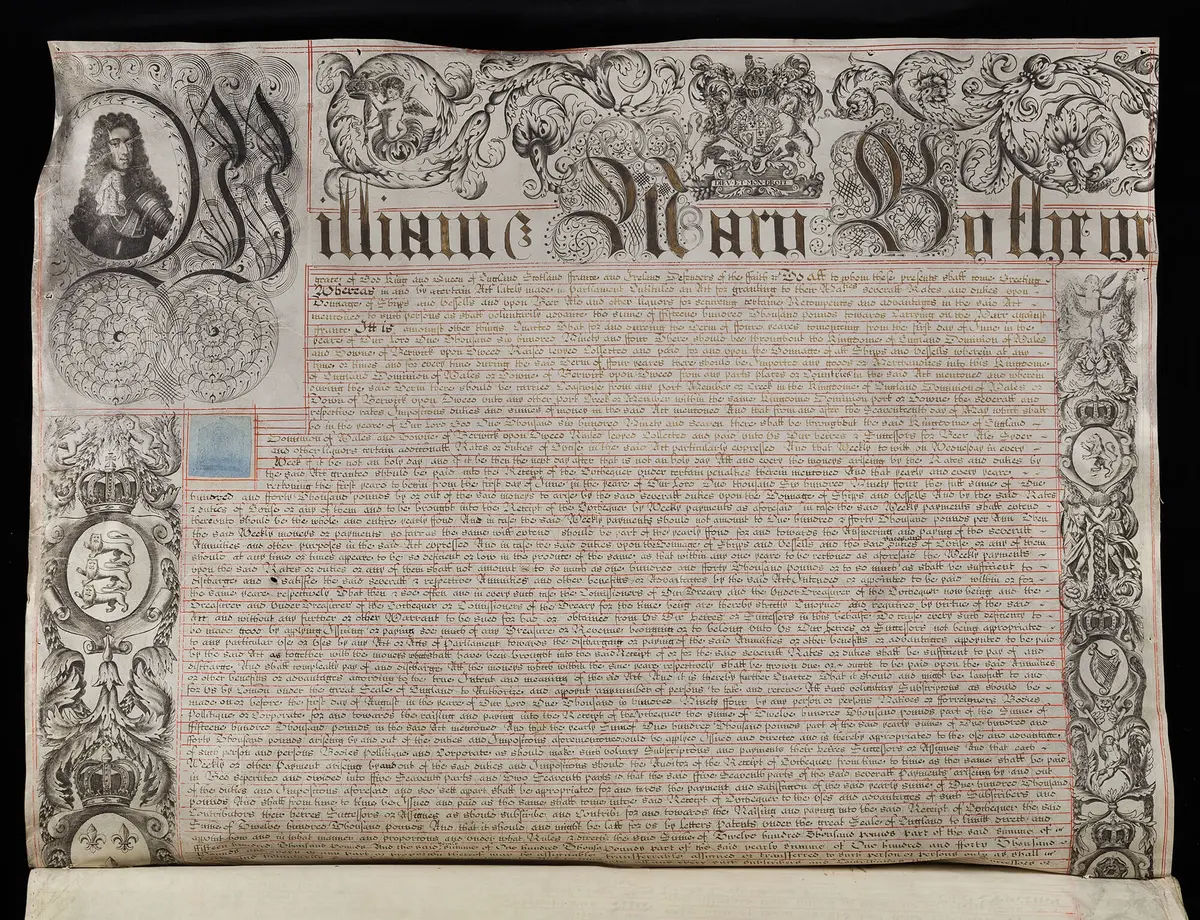
In January 1720 the company offered to take over most of the rest of the national debt: people who held government annuities would swap them for new South Sea shares. The Bank of England bid against it, the company raised its offer and won, and the South Sea Act became law on April 7. The scheme only worked if the share price rose, because the higher the price, the less stock the company had to give for the debt and the more it could sell for cash. So the directors pushed it up. They sold new stock in four 'money subscriptions', from £300 for £100 of stock in April to £1,000 in June and August, payable in instalments; they lent money against their own shares; and they gave stock to ministers, members of Parliament and the King's mistresses. Nearly two hundred smaller 'bubble' companies were floated around Exchange Alley that year, and the company backed the Bubble Act of June 1720, which banned joint-stock companies without a charter. Money also came in from Paris, where John Law's Mississippi scheme was bursting. South Sea stock rose from about £128 in January to close to £1,000 by midsummer.
The fall came at the end of the summer. The company had closed its transfer books for weeks to catch up with the paperwork; when they reopened in late August many holders sold, the government's action against rival companies under the Bubble Act hurt everyone who had bought on credit, and the fourth subscription's promise of huge dividends was not believed. The Sword Blade Company, the South Sea's bankers, closed their doors on September 24; by early October the stock was under £200, and in December it stood at £124. Lords and ladies, humbler savers, the Royal Society and the writer Jonathan Swift lost money. So did Isaac Newton: he sold part of his stock at a profit in April, appears to have bought back in June at about twice the price, and probably lost well over £10,000; his niece later spoke of £20,000. Others sold in time, among them Hoare's Bank and the bookseller Thomas Guy, whose profits helped found Guy's Hospital.
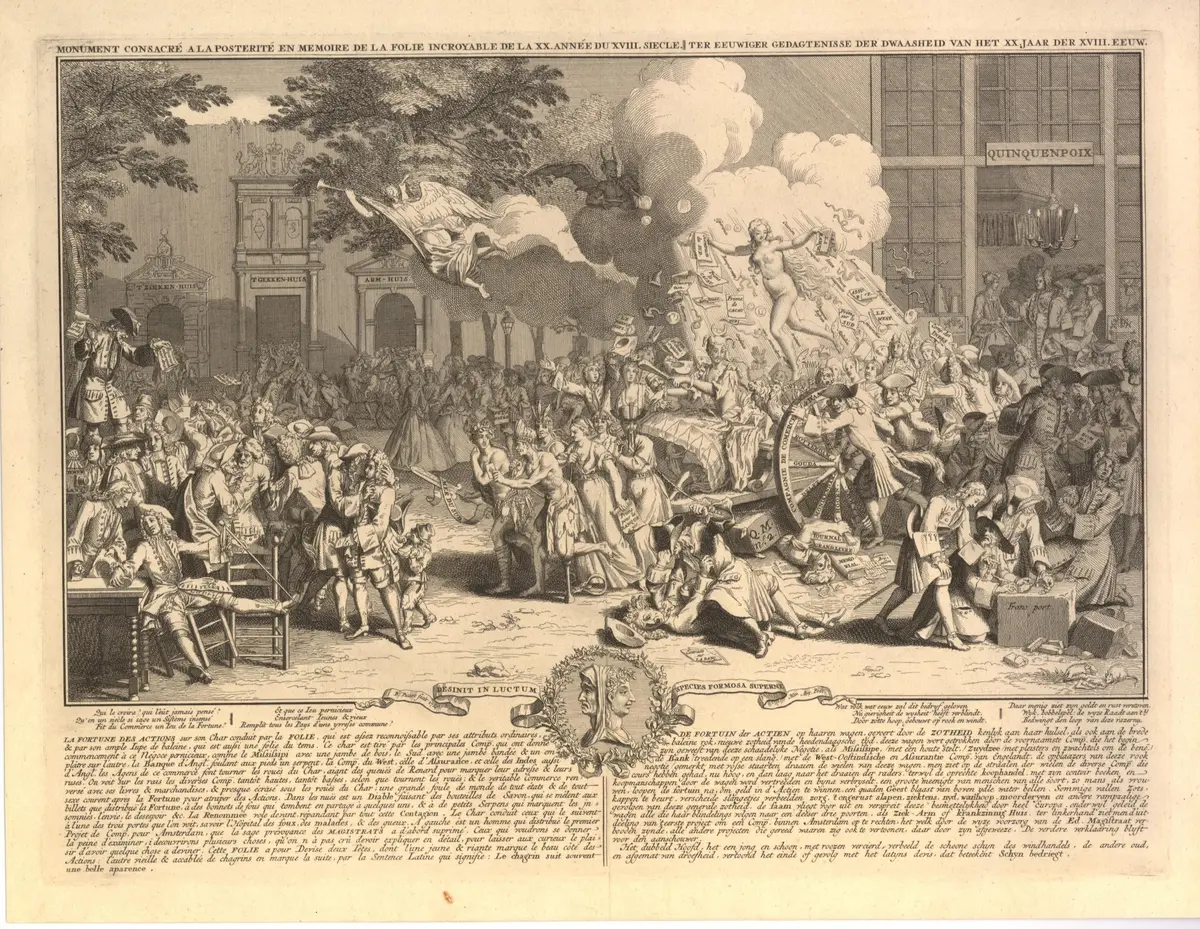
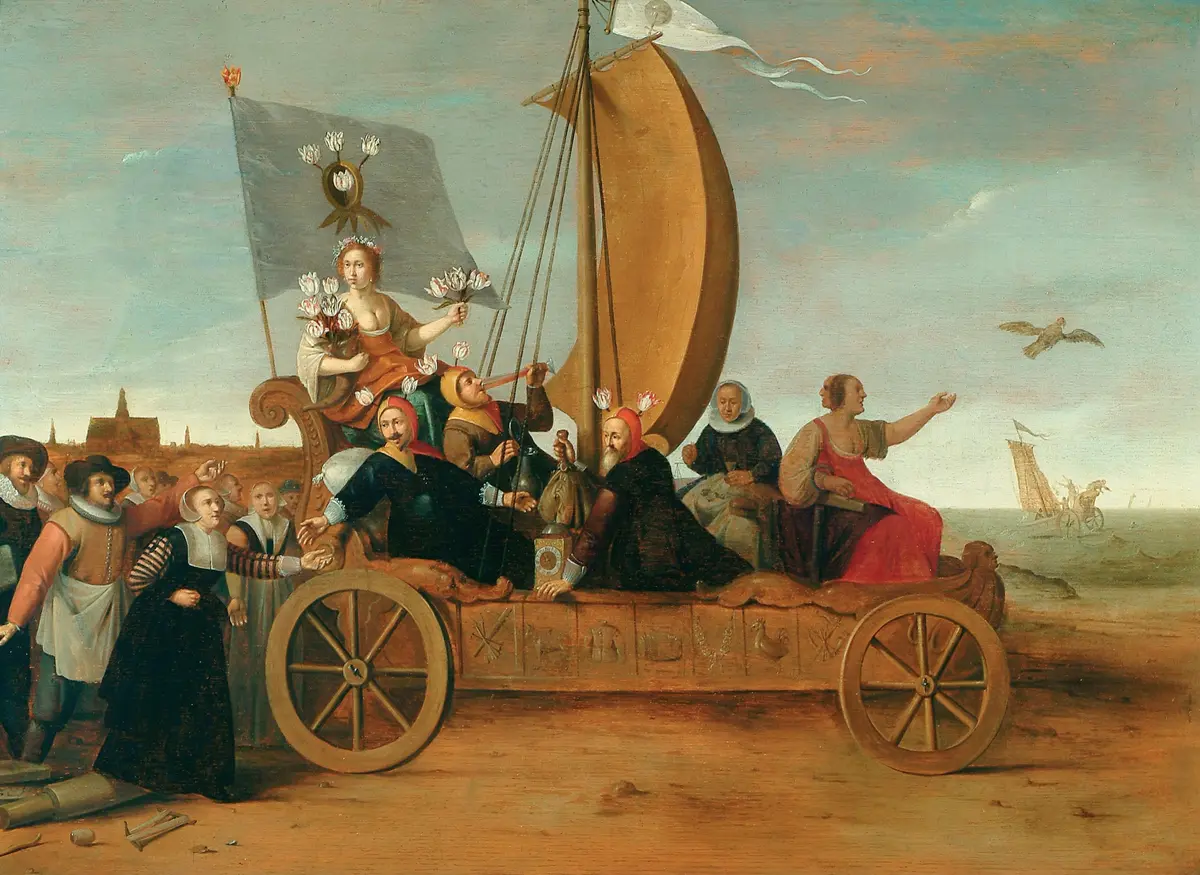
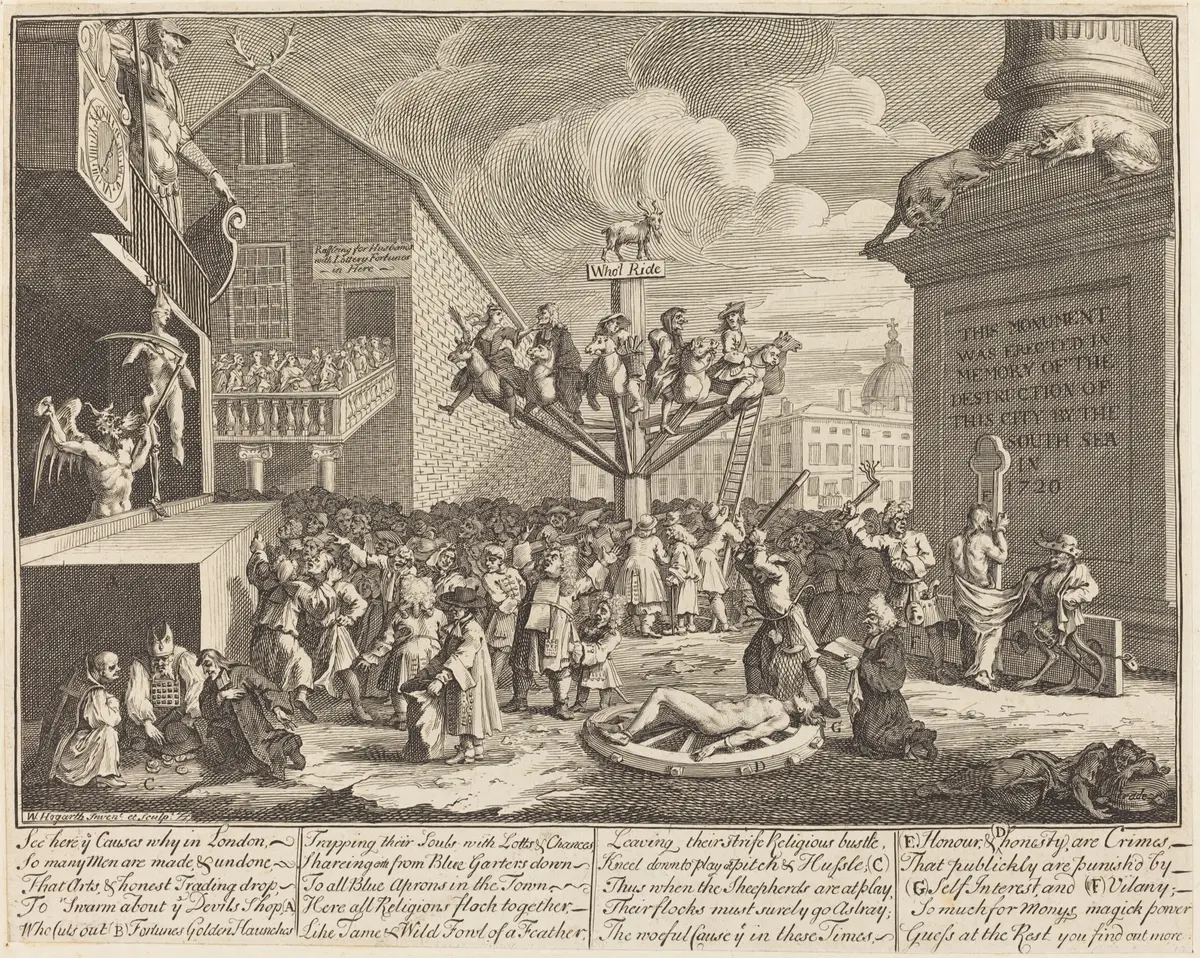
Public anger forced an inquiry. The company's cashier, Robert Knight, fled abroad in January 1721; the Commons' secret committee accused the Chancellor of the Exchequer, John Aislabie, of taking £20,000 of stock without paying for it, and on March 8 the House expelled him and sent him to the Tower, while the directors' estates were seized for the losers. Robert Walpole, who took over the Treasury on April 3, 1721, settled the affair while shielding the King's court and ministers, earning the nickname 'Screen-master General', and stayed in power for twenty-one years as what is now called Britain's first prime minister. The company itself lived on until 1853. Historians today see 1720 less as a nation gone mad than as a bold swap of debt for shares that the directors pushed too far, and the damage to Britain's economy did not last, unlike France's after Law's collapse. But the year left Hogarth's print, the Dutch 'Great Mirror of Folly', and the name 'bubble' for every mania since.
What happened
- 1720
The South Sea Company offers to take over most of the rest of the national debt in exchange for new shares. The Bank of England bids against it; the company raises its offer and wins. Its stock stands at about £128.
Palace of Westminster: the House of Commons passed the South Sea Act here in 1720 and ran the inquiry in 1721Parliament first passes the bill that lets the company take over the debt; in two days the stock jumps from £255 to £350.
Palace of Westminster: the House of Commons passed the South Sea Act here in 1720 and ran the inquiry in 1721The South Sea Act is approved and becomes law; the price slips overnight from £310 to £290, and the directors start spreading tales of riches from the South Seas.
Palace of Westminster: the House of Commons passed the South Sea Act here in 1720 and ran the inquiry in 1721The first 'money subscription': £2 million of new stock is sold at £300 for £100 of stock, with only a fifth paid down.
South Sea House, between Old Broad Street and Bishopsgate: the company's headquarters and transfer officeIsaac Newton tells his agent to sell 3,000 of his South Sea stock, only part of what he owns; at around £350 he takes a large profit.
A second money subscription follows on easy terms.
South Sea House, between Old Broad Street and Bishopsgate: the company's headquarters and transfer officeThe company announces the terms for swapping government annuities into its stock; in a week the price goes from £375 to £473, and to £750 by early June, as the dealing in Exchange Alley grows wild.
Exchange Alley ('Change Alley), off Cornhill: the share market of 1720, with its coffee houses, Garraway's and Jonathan'sThe Bubble Act, backed by the company, bans joint-stock companies without a charter, to keep investors' money away from rival schemes; the same month John Blunt is made a baronet 'for raising public credit'.
Palace of Westminster: the House of Commons passed the South Sea Act here in 1720 and ran the inquiry in 1721Newton sells his Bank of England annuities, most likely to buy South Sea stock again at about £700, twice what he had sold for in April.
George I orders his Chancellor, Aislabie, to put the King's money back into South Sea stock; Aislabie later wrote that he had warned that 'the madness of people' had carried the price too high.
The third money subscription sells stock at £1,000 for £100. At the end of June the company closes its transfer books until late August; prices quoted for the reopening stand close to £950.
South Sea House, between Old Broad Street and Bishopsgate: the company's headquarters and transfer officeNewton puts his government annuities, worth £650 a year, into South Sea stock as the scheme allows.
The government moves against rival companies under the Bubble Act; their shares collapse, and people who had borrowed to buy have to sell South Sea stock too.
A fourth money subscription at £1,000, with promised dividends of 30 per cent this year and 50 per cent a year for ten years. The books reopen and the selling is heavy.
South Sea House, between Old Broad Street and Bishopsgate: the company's headquarters and transfer officeThe Sword Blade Company, the South Sea's bankers, closes its doors; the panic spreads to other banks, and by early October the stock is below £200.
The stock is down to £124, and the year ends with a committee of the House of Commons investigating the company.
Palace of Westminster: the House of Commons passed the South Sea Act here in 1720 and ran the inquiry in 1721- 1721
The company's cashier, Robert Knight, is questioned by the Commons committee of inquiry, then flees to Brabant.
Palace of Westminster: the House of Commons passed the South Sea Act here in 1720 and ran the inquiry in 1721John Aislabie resigns as Chancellor of the Exchequer.
The Commons' secret committee reports that Aislabie dealt heavily in the stock while the bill was before Parliament and was given £20,000 of stock without paying for it.
Palace of Westminster: the House of Commons passed the South Sea Act here in 1720 and ran the inquiry in 1721The Commons finds Aislabie guilty of 'most notorious, infamous, and dangerous corruption', expels him and sends him to the Tower; his estate is frozen for the losers.
Palace of Westminster: the House of Commons passed the South Sea Act here in 1720 and ran the inquiry in 1721Robert Walpole becomes First Lord of the Treasury and Chancellor of the Exchequer; he settles the company's affairs and limits the inquiry, and stays in power until 1742.