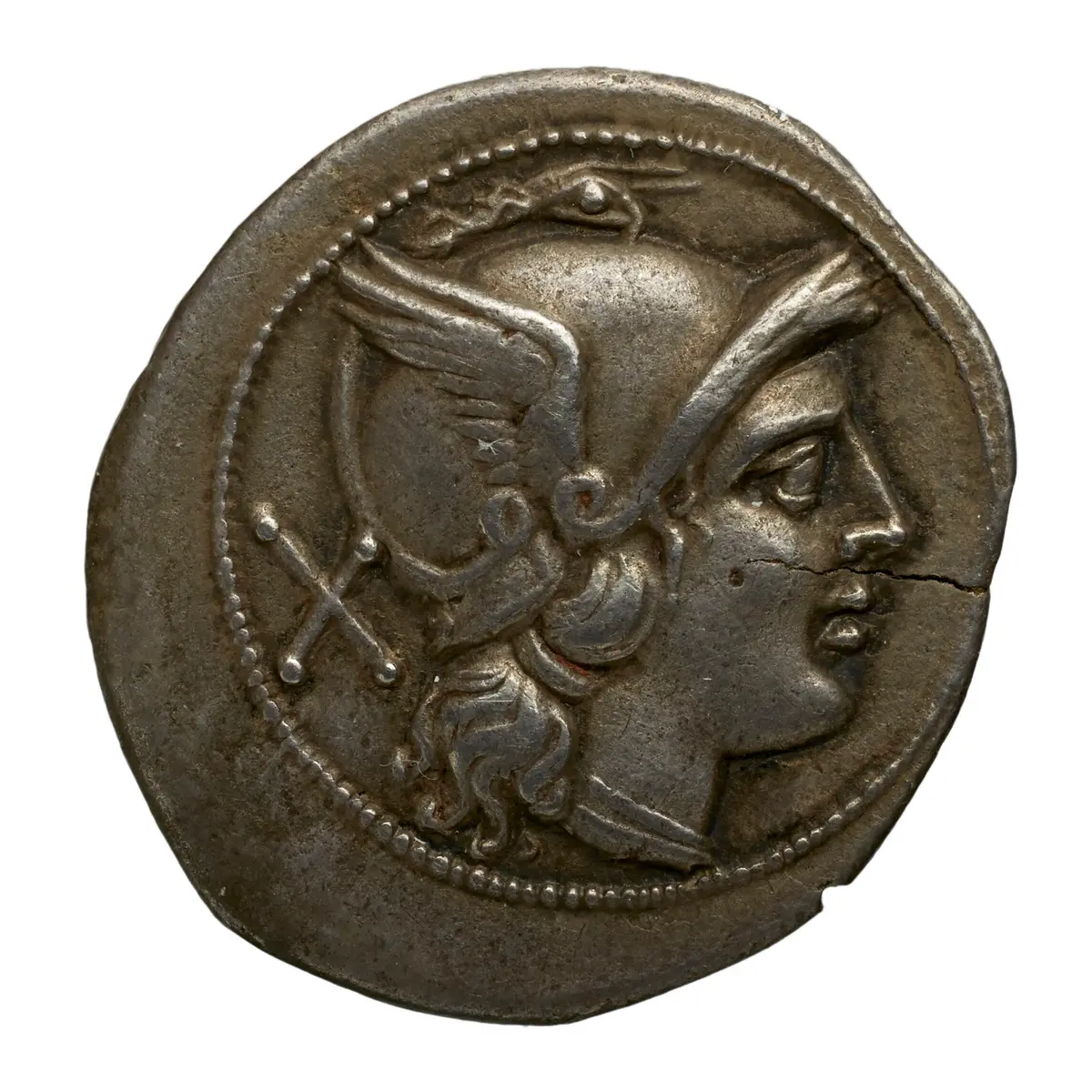
Rome's silver denarius
“Rome's silver coin, first struck about 211 BCE in the war with Hannibal and worth ten bronze asses, paid the legions for over 400 years; its name lives on in the dinar and in the d of pounds, shillings and pence.”
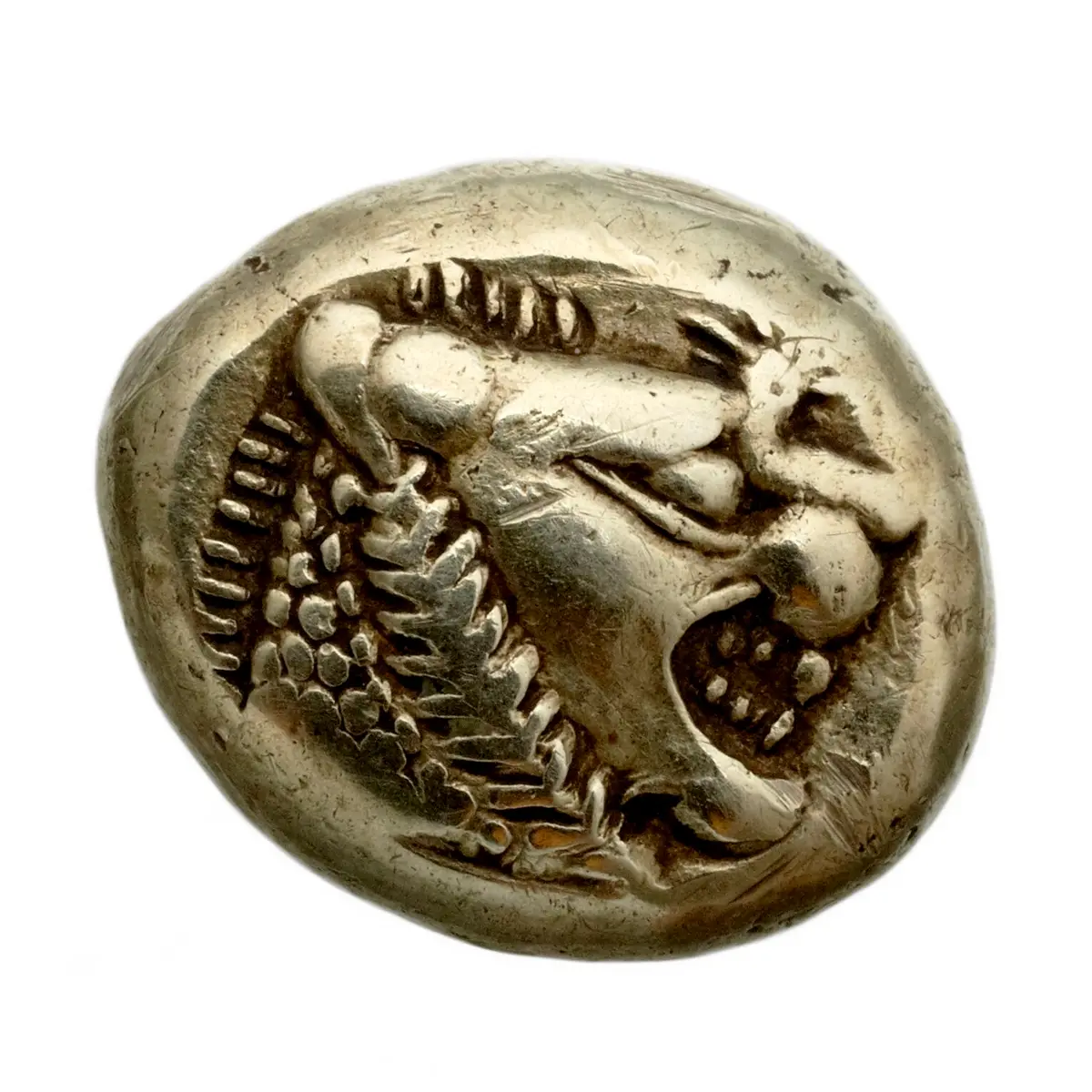
The denarius was the silver coin of Rome, first struck about 211 BCE, in the worst years of the war against Hannibal. Until then Roman money had been heavy bronze, cast coins whose basic unit, the as, weighed a Roman pound, together with a silver piece called the quadrigatus after the four-horse chariot on its back. The war broke that system: the bronze coins shrank to a quarter of their weight and the silver was debased. The new coin fixed the rate between the two metals. Its mark, X, meant ten bronze asses, and its name comes from the Latin deni, 'ten at a time'. It weighed about four and a half grams, showed the helmeted goddess Roma on one side and the twin horsemen Castor and Pollux above the word ROMA on the other, and came with silver half and quarter pieces and a new, lighter bronze coinage.
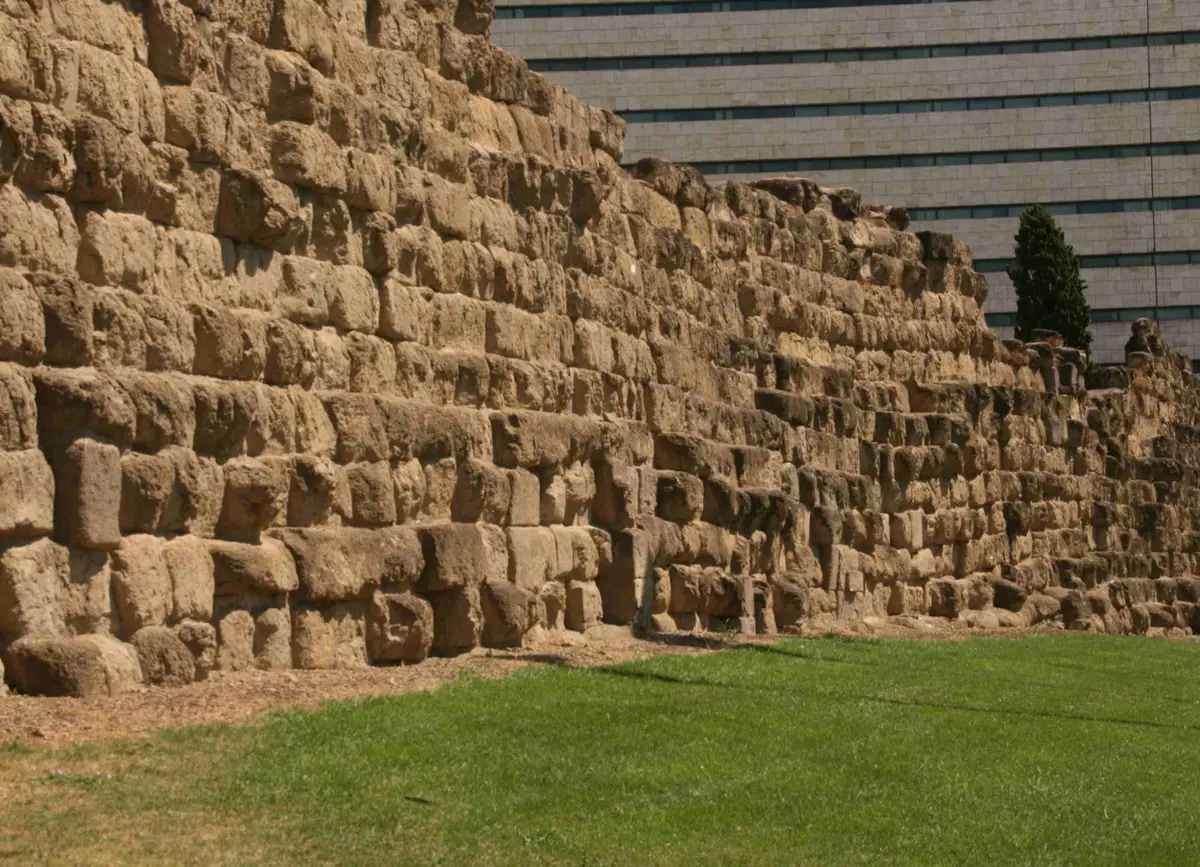
When this happened was argued about for a century. Pliny the Elder dated Rome's first silver coins to 269 BCE, and nineteenth-century handbooks followed him; in 1932 Harold Mattingly and E. S. G. Robinson of the British Museum moved the denarius down into the second century BCE. The answer came from Morgantina, a hill town in central Sicily that the Romans sacked in 211 BCE, when they took Syracuse. American excavators digging there from 1955 found coins of the new system in the ruins of that year, Theodore Buttrey argued from them in 1961 that the denarius already existed by then, and Michael Crawford narrowed its birth to between early 213 and late 211 BCE. The coins were made at Rome's mint on the Capitol, near the temple of Juno Moneta; her title gave Latin moneta, 'mint' and 'coin', and through it the English words mint and money.
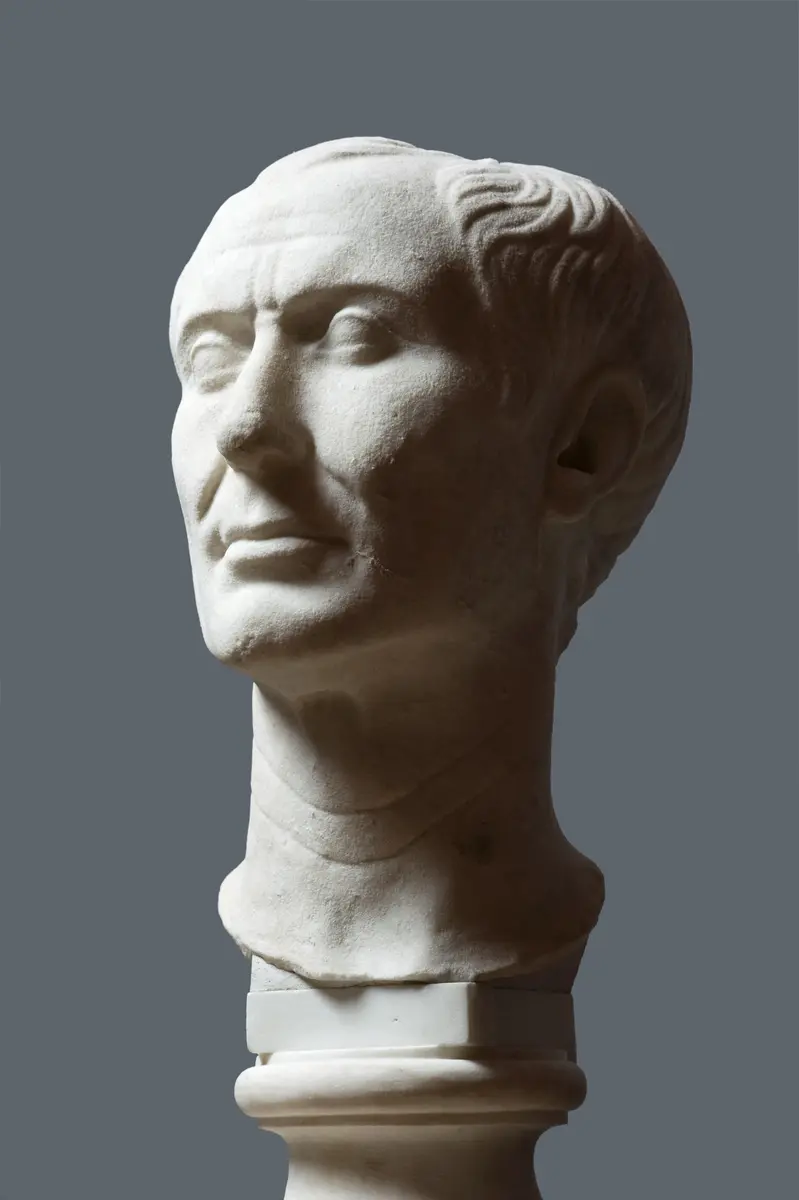
The denarius soon became the main money of the central and western Mediterranean, and when Rome destroyed Carthage in 146 BCE it replaced the Carthaginians' own gold and silver with denarii. In the later second century it was revalued at sixteen asses, though soldiers' pay was still counted at ten. The officials who ran the mint, a board of three, put their names on the coins and used them for political messages and for the glory of their families: gods who were said to be their ancestors, monuments, a vote in the assembly. In 44 BCE Julius Caesar became the first living person whose portrait appeared on a coin struck at Rome, and under the emperors the coin carried the ruler's head. The coin paid the armies. Mark Antony struck denarii naming his legions before the battle of Actium, and in 14 CE mutinous soldiers in Pannonia complained that their life was valued at ten asses a day and demanded a denarius. The Gospels' coin with 'Caesar's head and title' was a denarius too, usually thought to be one of Tiberius.
Apart from short lapses in the civil wars, the denarius stayed nearly pure silver until Nero. Around 64 CE Nero opened a mint for gold and silver at Rome and struck lighter denarii with about a fifth copper, a quarter less silver than before; Trajan cut the silver again in 99 to 100, and the finer old Republican coins vanished from circulation, probably into the melting pot. In 215 Caracalla added a bigger silver coin with the emperor in a crown of rays, which numismatists call the antoninianus, probably meant to pass for two denarii. In the wars and quick changes of emperor in the third century the government paid its way by debasing the silver, until the antoninianus was a base-metal coin with a silver wash, and by the middle of the century it had almost replaced the denarius. When Diocletian set maximum prices for the whole empire in 301, he still counted them in denarii: 150,000 for a pound of purple dye or a lion.
The name outlived the coin. The gold dinar of the caliph Abd al-Malik, struck at Damascus in the 690s, took its name from the denarius through Greek, and dinar is still the name of several modern currencies; the Spanish word for money, dinero, comes from it as well. The silver penny of the Frankish kings was the denarius, the French denier, and the Franks' way of keeping accounts in pounds of 20 shillings and 240 pence, librae, solidi and denarii, crossed into England, where a penny was written d until decimal day on 15 February 1971. And the King James Bible translated the Gospels' denarius as 'penny'.
What happened
- 211 BCE
In the war with Hannibal, Rome's mint on the Capitol strikes a new silver coin, the denarius, marked X for ten bronze asses, with silver half and quarter pieces and a lighter bronze; Crawford dates the new system between early 213 and late 211 BCE.
The Arx of the Capitoline Hill, Rome: the temple of Juno Moneta, near which the Republic's mint struck the denariusMarcellus takes Syracuse and Morgantina is sacked; coins of the new system lie in its ruins, the evidence that dates the denarius.
Morgantina, Sicily: sacked in 211 BCE; coins of the new system in its ruins date the denarius- 146 BCE
Rome destroys Carthage and replaces the Carthaginians' gold and silver coins with its own denarii, the one time it abolished a conquered people's money.
Carthage: destroyed by Rome in 146 BCE, its gold and silver money replaced by denarii - 113 BCE
The moneyer P. Licinius Nerva puts a scene of citizens voting on his denarius; by now the coin is reckoned at sixteen asses, except in soldiers' pay.
The Arx of the Capitoline Hill, Rome: the temple of Juno Moneta, near which the Republic's mint struck the denarius - 46 BCE
T. Carisius strikes denarii with the head of Juno Moneta and the tools of the mint: anvil, dies, tongs and hammer.
The Arx of the Capitoline Hill, Rome: the temple of Juno Moneta, near which the Republic's mint struck the denarius - 44 BCE
Early in the year the moneyer M. Mettius puts Caesar's head on the denarius, CAESAR DICT QVART: the first living person portrayed on a coin struck at Rome.
The Arx of the Capitoline Hill, Rome: the temple of Juno Moneta, near which the Republic's mint struck the denarius - 32 BCE
Mark Antony strikes denarii naming his legions, to pay his army before Actium; their poorer silver keeps them in circulation for two centuries.
- 14
After Augustus's death the legions in Pannonia mutiny: their life, they say, is valued at ten asses a day, and they demand a denarius.
Tiberius becomes emperor; to 37 his mint at Lugdunum strikes the denarius with his head and PONTIF MAXIM, the coin generally taken for the Gospels' 'tribute penny'.
Lugdunum (Lyon): the imperial mint that struck the denarii of Augustus and Tiberius- 64
Nero's reform (dated about 63 to 65): a mint for gold and silver at Rome strikes lighter denarii with about a fifth copper, a quarter less silver than before.
- 100
Trajan lowers the denarius to about 80% silver; the finer old Republican coins disappear from hoards under him and Hadrian.
- 215
Caracalla adds a larger silver coin with a radiate crown, the antoninianus, probably meant for two denarii.
- 224
About this year or soon after, more than 9,200 coins, nearly all denarii, are buried at a villa near Glastonbury; the oldest are Mark Antony's.
Shapwick, Somerset: a hoard of more than 9,200 denarii buried after about 224 CE - 238
Under Gordian III (238-244) the antoninianus becomes Rome's commonest silver coin; by the time of Gallienus the denarius has largely gone.
- 301
Diocletian's Edict on Maximum Prices fixes the highest prices of some 1,400 goods and services in denarii, now a unit of reckoning: 150,000 for a pound of purple dye or a lion.
Aphrodisias: the fullest copy of Diocletian's price edict of 301, its prices in denarii