Sargon of Akkad builds the first empire
“About 2334 BCE Sargon, once a cupbearer at Kish, conquers the Sumerian city-states and rules Mesopotamia from Akkad: the first empire, and the model for every one after it.”
In about 2334 BCE a man who called himself Sharru-kin, 'the king is legitimate', took power in Kish, in the north of the land of Sumer, and set out to rule the whole of Mesopotamia from a new city, Agade or Akkad, somewhere near the point where the Tigris and the Euphrates run closest together. We know him as Sargon. He was not from a royal family: later Mesopotamians told how he had been found as a baby floating in a basket of reeds and brought up by a gardener, and the Sumerian King List and a Sumerian tale make him the cupbearer of Ur-Zababa, king of Kish, before he took the throne for himself. Nothing written in his own lifetime says where he came from, and his capital has never been found.
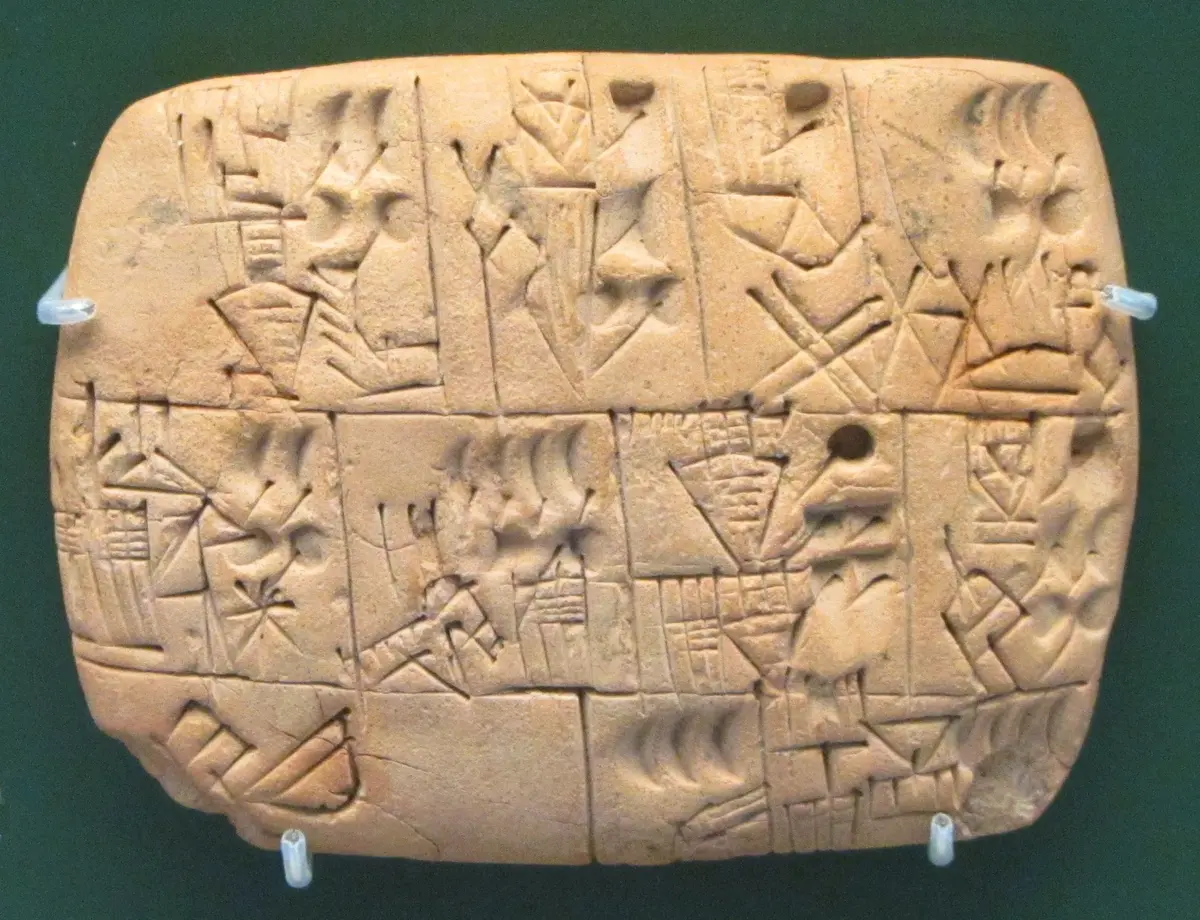
Sumer was then a land of city-states, each with its own king and god, which had fought one another for centuries. Lugalzagesi of Uruk had just beaten the others and claimed to rule from the Lower Sea, the Persian Gulf, to the Upper Sea, the Mediterranean. Sargon defeated him, and then, city by city, the rest of Sumer: Ur, Lagash, Umma and their neighbours. He went on up the Euphrates to Mari and the cities of northern Syria, into the silver mountains of southern Turkey, and east into Elam, where Susa gave him the only record of his reign that is truly contemporary. Ships from Dilmun, Magan and Meluhha, which is to say Bahrain, Oman and the Indus, are said to have moored at the quay of Agade. He put his own men in charge of the conquered cities, made his daughter Enheduanna high priestess of the moon god at Ur, and had his deeds written in Akkadian, the Semitic language of the north, in the cuneiform script the Sumerians had invented. The King List gives him fifty-six years on the throne, and the later part of his reign was troubled by revolts.
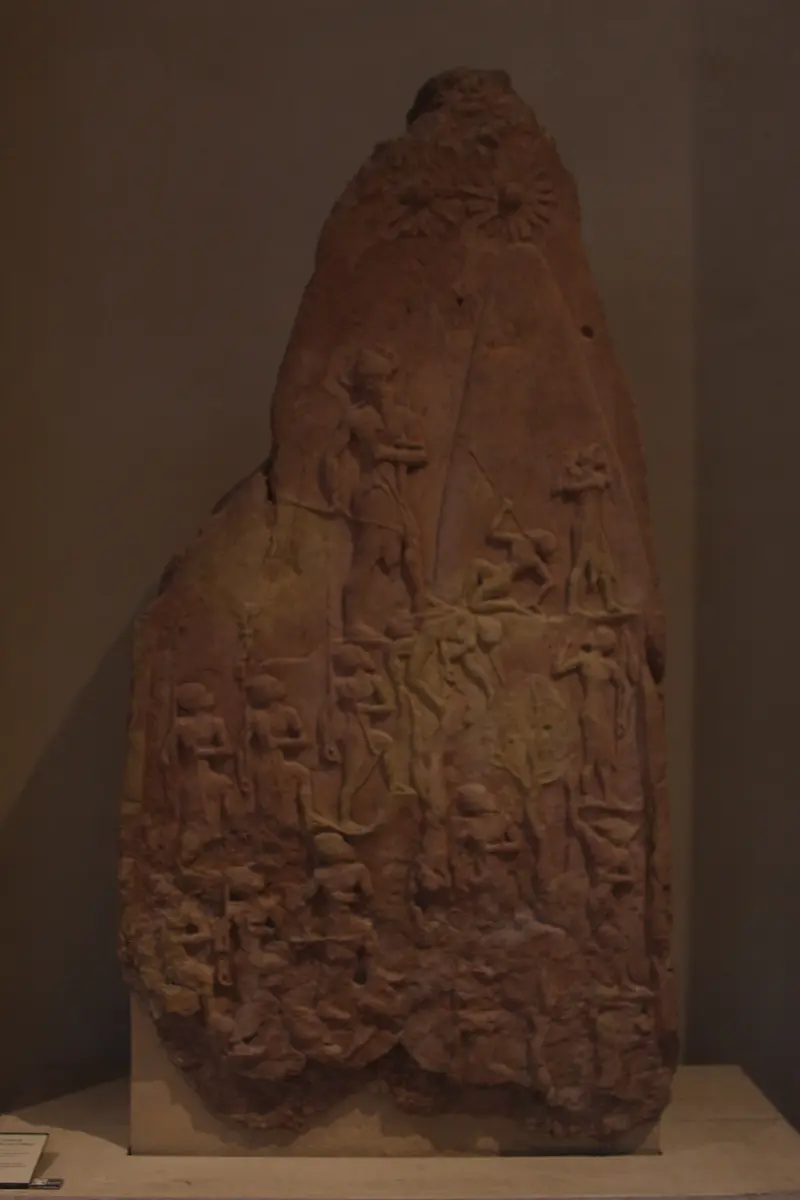
His sons Rimush and Manishtushu held the empire together, and his grandson Naram-Sin, who ruled for another fifty-six years (about 2254 to 2218), took it to its greatest size, campaigning from the Zagros mountains to Syria, where he destroyed Ebla, and in Mesopotamia's north, where his great fortified building at Tell Brak still stands. Naram-Sin was the first Mesopotamian king to call himself a god; his victory stele in the Louvre shows him in a horned crown climbing a mountain over the bodies of his enemies. Under his son Shar-kali-sharri the empire began to break up, and after a few more kings, with people from the Zagros, the Gutians, pressing in and the Sumerian cities regaining their independence, Agade fell, about 2154 BCE by the usual count. A Sumerian poem, the Curse of Agade, blamed the fall on Naram-Sin's sacrilege against the god Enlil's temple at Nippur, and promised the city would never be lived in again. It never was.
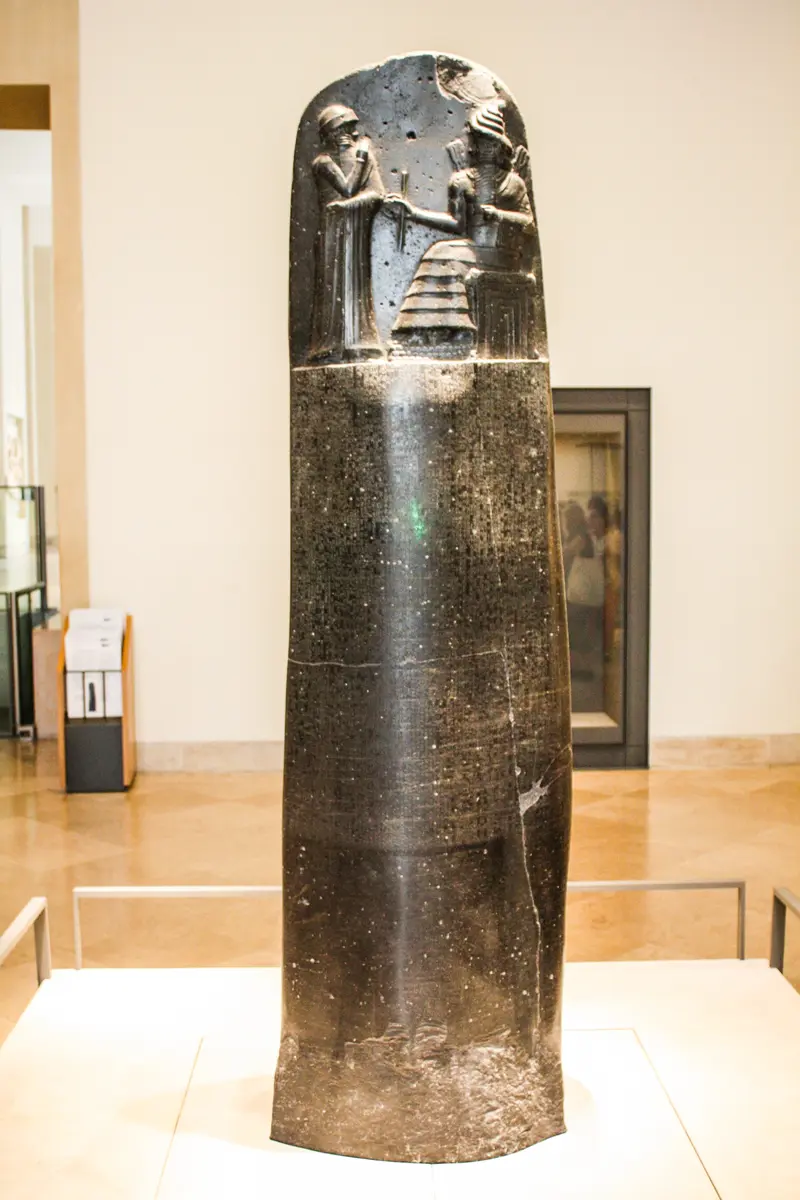
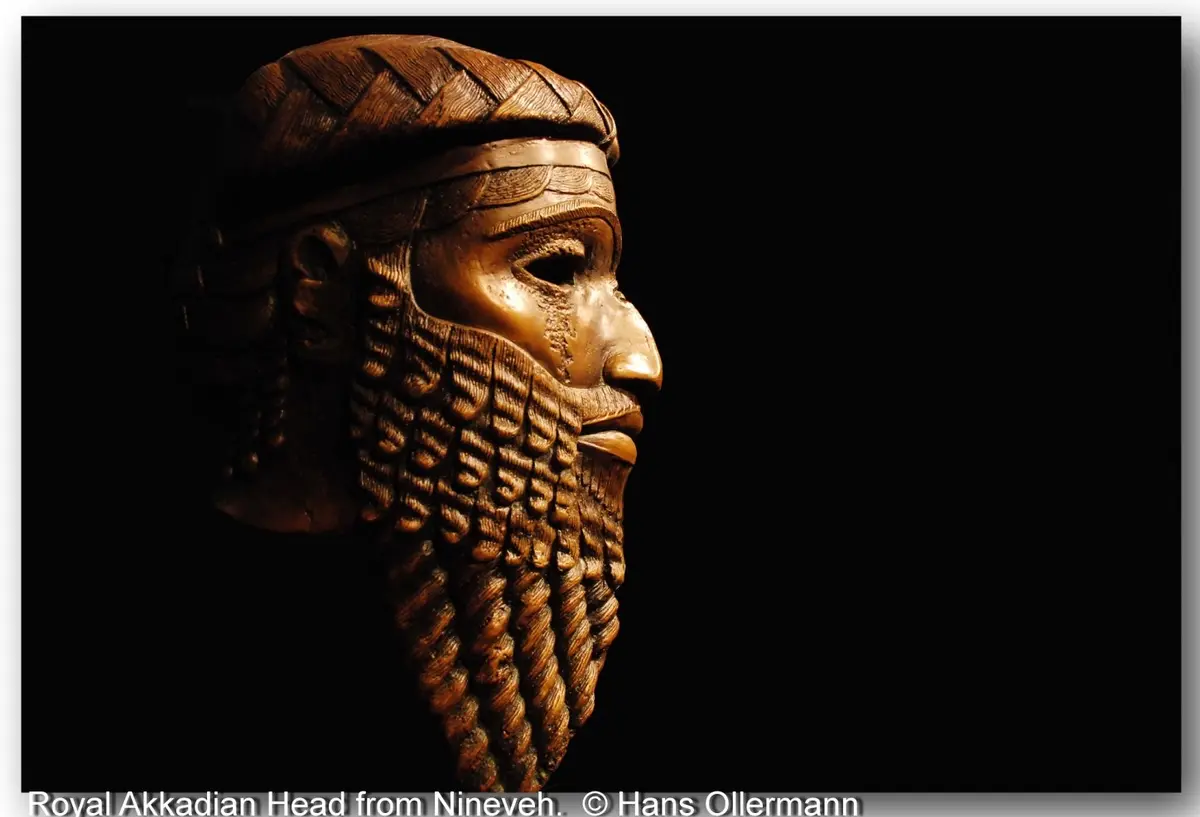
Sargon's empire was the first state to rule many cities and peoples from a single centre over a long distance, and it became the model for every Mesopotamian king after him. Hammurabi of Babylon and the kings of Assyria looked back to him; two Assyrian kings took his name, and his legend was still being copied in the library of Nineveh in the seventh century BCE, fifteen hundred years after his death. Akkadian, the language his scribes made official, remained the language of Babylon and Assyria and of diplomacy across the Near East for two thousand years. The bronze head of a bearded king found at Nineveh, which may show Sargon or Naram-Sin, is still the face most people put to the first empire.
What happened
- 2334 BCE
Sargon, cupbearer to King Ur-Zababa of Kish, takes power and calls himself Sharru-kin, 'the king is legitimate'; the Sumerian King List counts his fifty-six years from here, and 2334 is the date historians hang the dynasty on.
Kish (Tell al-Uhaymir): the city where Sargon served King Ur-Zababa as cupbearer and took powerHe makes Agade, a city near the point where the Tigris and Euphrates run closest, his capital and dedicates it to the goddess Ishtar; it has never been found.
Lugalzagesi of Uruk, who had united Sumer and claimed rule from the Lower Sea to the Upper Sea, is defeated; later copies of Sargon's inscriptions say he was led in a neck-stock to the gate of Enlil at Nippur. 'Uruk was defeated and the kingship was taken to Agade.'
Uruk (Warka): Lugalzagesi's city, whose defeat gave Sargon the kingship of Sumer- 2333 BCE
City by city, Sargon fights the rest of Sumer, Ur, Lagash and Umma among them, each hoping to be free of Lugalzagesi without taking a new master; his inscriptions say he washed his weapons in the sea.
- 2330 BCE
Sargon installs his daughter as high priestess of the moon god Nanna at Ur under the name Enheduanna; her hymns, in which she speaks in her own name, make her the first author history knows.
Ur: where Sargon made his daughter Enheduanna high priestess of the moon god NannaHe puts Akkadians in charge of the conquered cities and, his inscriptions say, feeds 5,400 men daily before him: the first standing army, and the beginning of what later Mesopotamians called their military tradition.
- 2325 BCE
He marches up the Euphrates, taking Mari and Tuttul and reaching the cities of northern Syria and the silver mountains of southern Anatolia; his claim to have taken Ebla is doubted by the excavators.
Mari (Tell Hariri), on the middle Euphrates: taken on Sargon's march to northern Syria - 2320 BCE
In the east he dominates Susa, the capital of Elam, where the only record written in his own lifetime has been found.
Susa: Elam's capital, which Sargon dominated and which holds the only record written in his lifetime; the Akkadian stelae were carried here as booty a thousand years later - 2315 BCE
Ships from Dilmun, Magan and Meluhha, which is to say Bahrain, Oman and the Indus, moor at the quay of Agade; the empire trades for lapis lazuli from Afghanistan, cedar from Lebanon and silver from the Taurus.
- 2310 BCE
Sargon's scribes write Akkadian, the Semitic language of the north, in the cuneiform of the Sumerians; a new, finer style of carving appears on the dynasty's cylinder seals.
- 2305 BCE
He sets up victory stelae in the temple of Enlil at Nippur, Sumer's holy city, where scribes will copy his inscriptions for centuries and where one stele, carried off to Susa a thousand years later, still names him.
Nippur: the city of the god Enlil, where Sargon set up his victory stelae and where his inscriptions were later copied - 2300 BCE
Merchants in an Anatolian city appeal to him, and in the later legend of the King of Battle he marches to far-off Purushanda, where his mere appearance settles the quarrel.
- 2285 BCE
Late in the reign the cities revolt; the legend says all the lands rose and besieged him in Agade, and that he came out and defeated them.
- 2279 BCE
Sargon dies after fifty-six years as king; his son Rimush succeeds him, then Rimush's brother Manishtushu, and the empire holds.