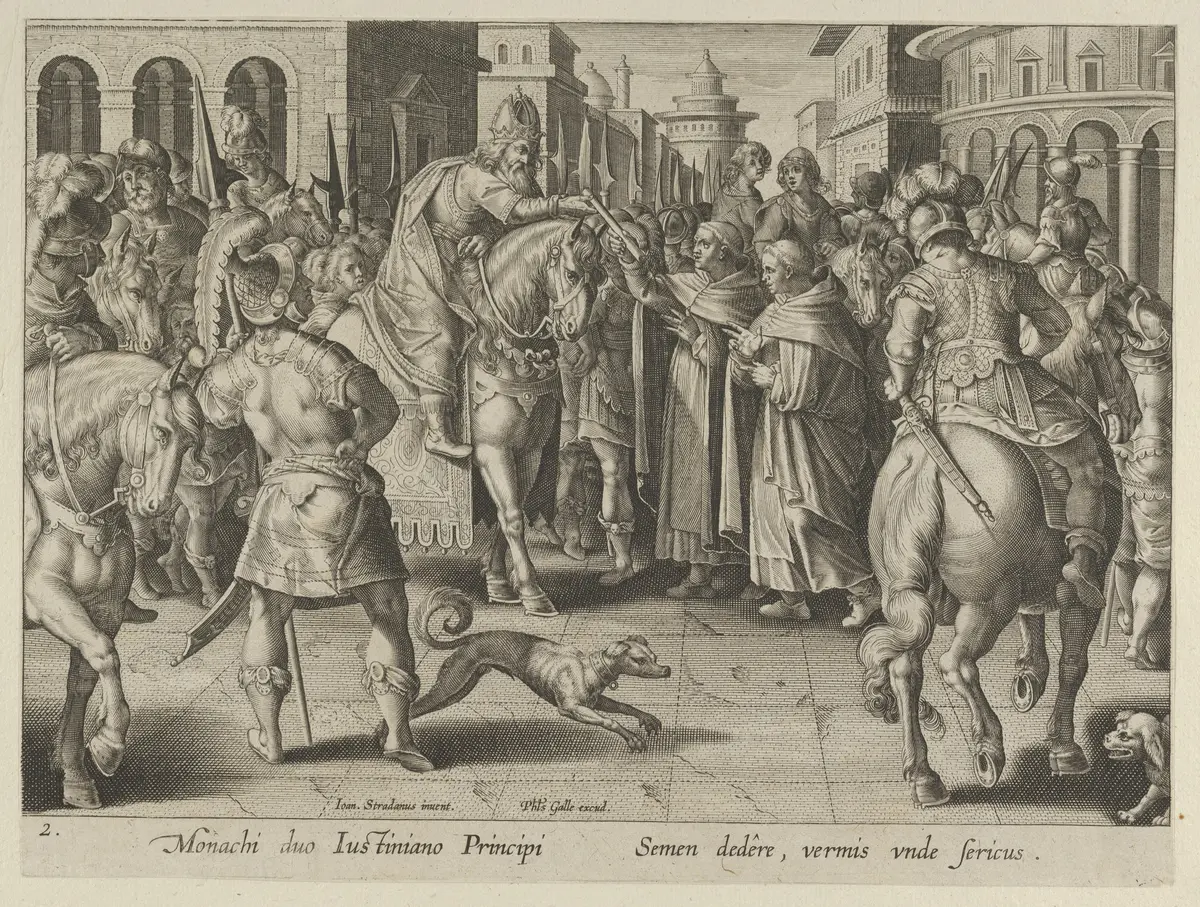
Monks smuggle silkworms to Byzantium
“Around 552, according to Procopius, monks brought silkworm eggs from a land called Serinda to Emperor Justinian, starting silk farming in the Byzantine Empire.”
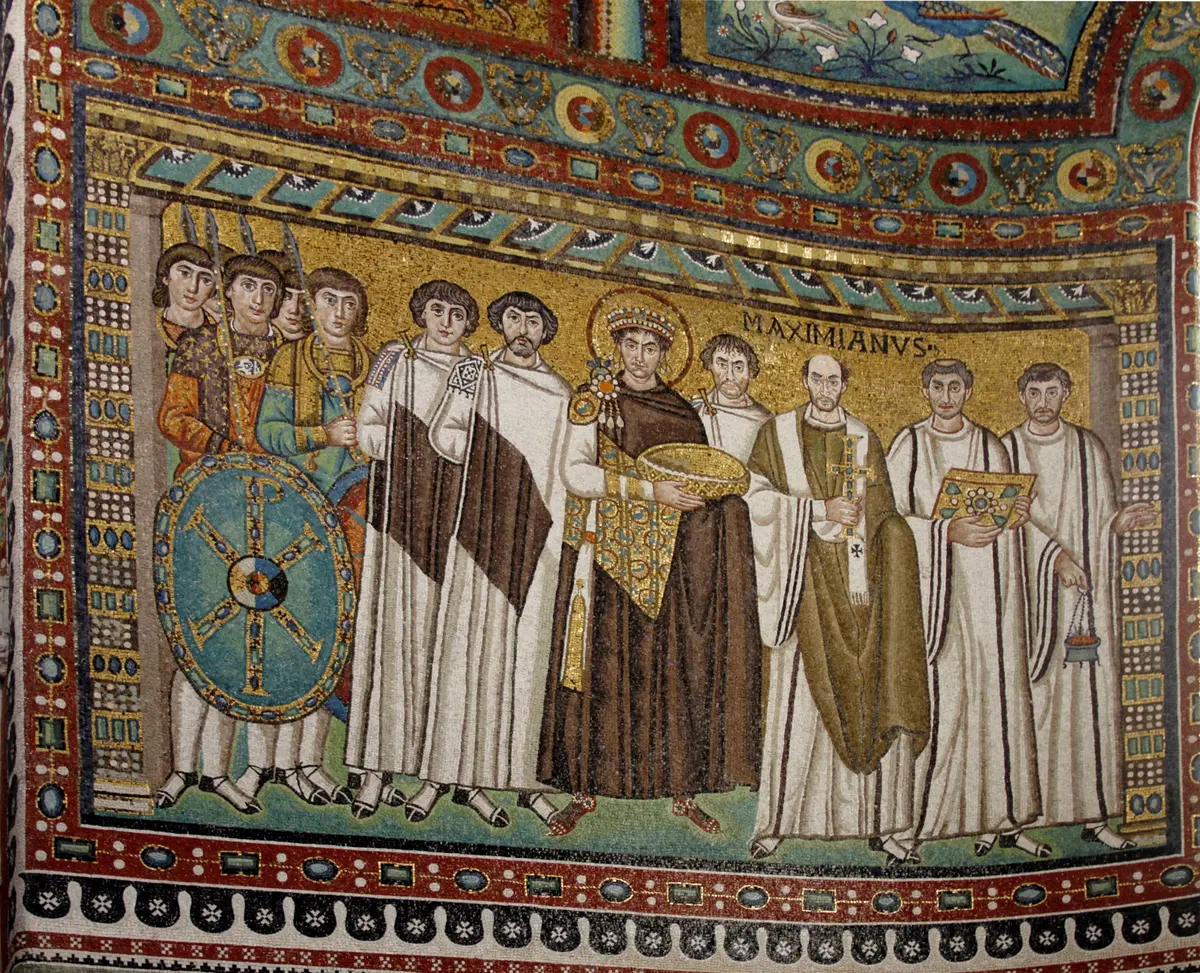
Silk was the luxury cloth of the late Roman world, worn by emperors, officials and the rich, and woven in workshops at Beirut and Tyre and in Constantinople. But the raw silk came from far away in Asia, and for centuries it reached the Romans through Persia, their great rival, whose merchants set the price. Under Emperor Justinian (527–565) the price rose, wars with Persia cut the trade, and Justinian looked for a way around the Persians.
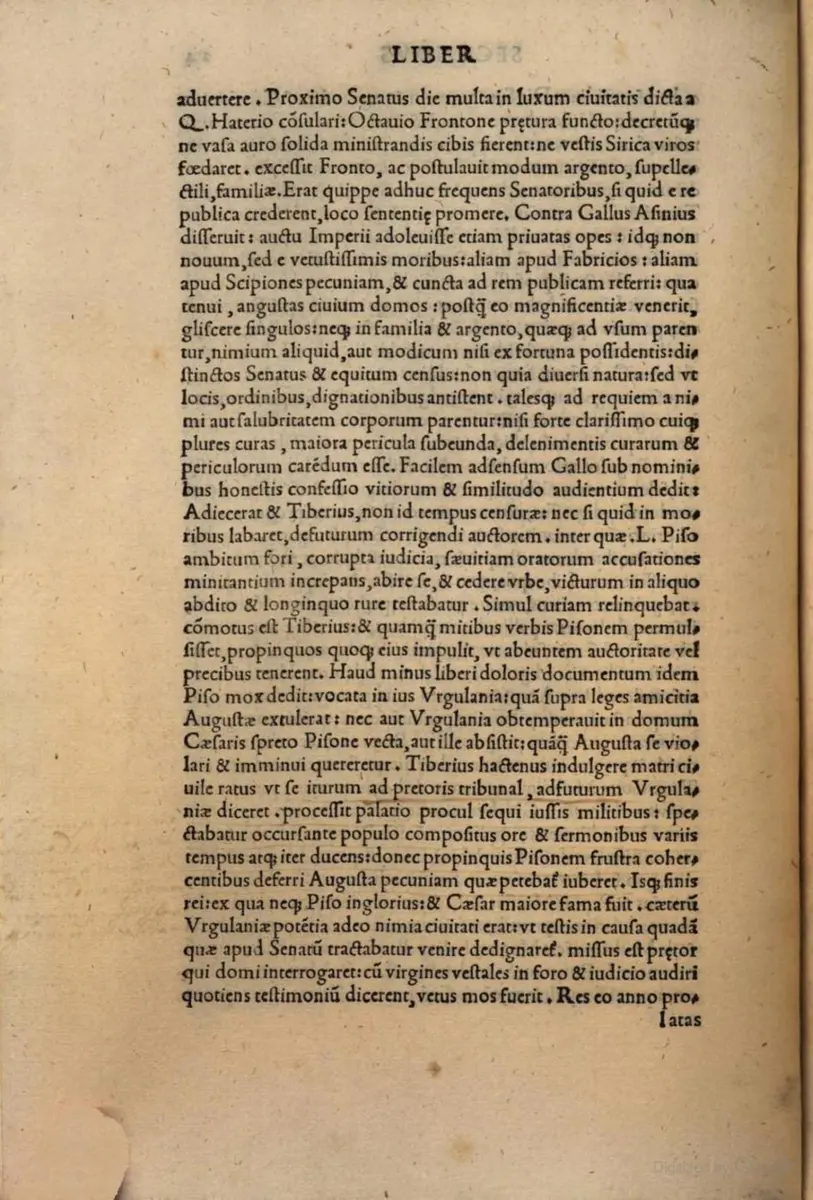
The historian Procopius, who lived in Constantinople at the time, tells the story in a single paragraph of his Wars. Around 552, some monks who had come 'from India' and had lived a long time in a land called Serinda told Justinian that silk is made by worms. The worms themselves could not survive the journey, they said, but their eggs could, and the eggs could be hatched by warming them under dung. Justinian promised them a large reward. They went back to Serinda, brought the eggs to Constantinople, hatched them and fed the worms on mulberry leaves, and so, Procopius says, silk began to be made in Roman lands.
The story has gaps. Procopius does not say how many monks there were, where Serinda was (Khotan, Sogdiana and China have all been proposed), or how the eggs travelled. The famous hollow cane comes from a different, later account, by Theophanes of Byzantium, in which a single Persian carried the eggs in a walking stick from 'the land of the Seres'. Historians also doubt that silk farming arrived overnight: rearing silkworms and growing mulberry trees takes years of skill, and the Byzantine expert Anna Muthesius points to silkworms in Byzantine Syria already in the fifth century.
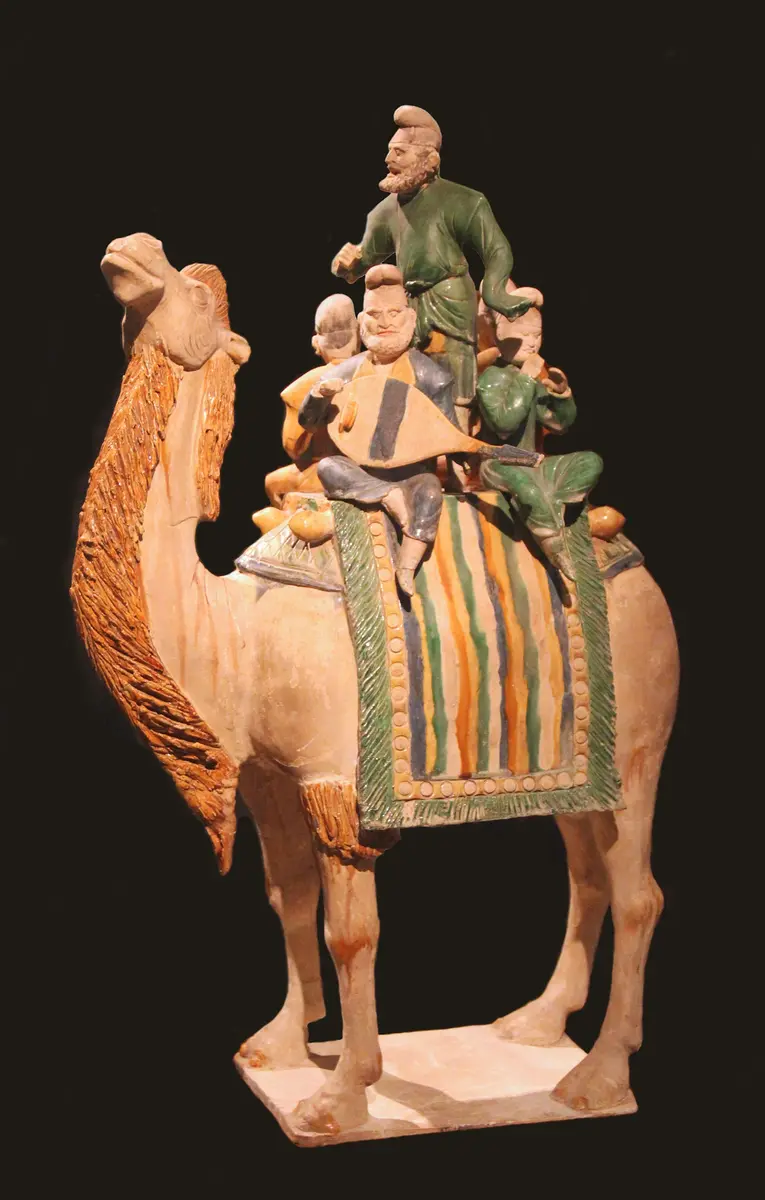
What is clear is that the trade did not end at once. In 568 an embassy of Sogdian merchants and Turks reached Constantinople to sell Central Asian silk directly to the Romans, after Persia had refused it, and according to Theophanes the emperor Justin II surprised the Turkish envoys by showing them silkworms already being bred in Byzantium. Over the following centuries the Byzantine state kept tight control of silk making, and its imperial silks, like the purple cloth with an emperor in a chariot, became gifts that kings and churches across Europe treasured.
The episode is remembered as history's most famous case of industrial espionage, the moment a closely kept Asian secret reached Europe. It is better seen as one step in a long, slow spread of silk farming westward, through Central Asia, Persia and the Byzantine world, that finally made silk a European industry in Italy and France centuries later.
What happened
- 552
In Constantinople, monks who have come 'from India' and lived a long time in a land called Serinda learn that Justinian wants the Romans to stop buying silk from the Persians, and promise him a way to make silk in Roman lands.
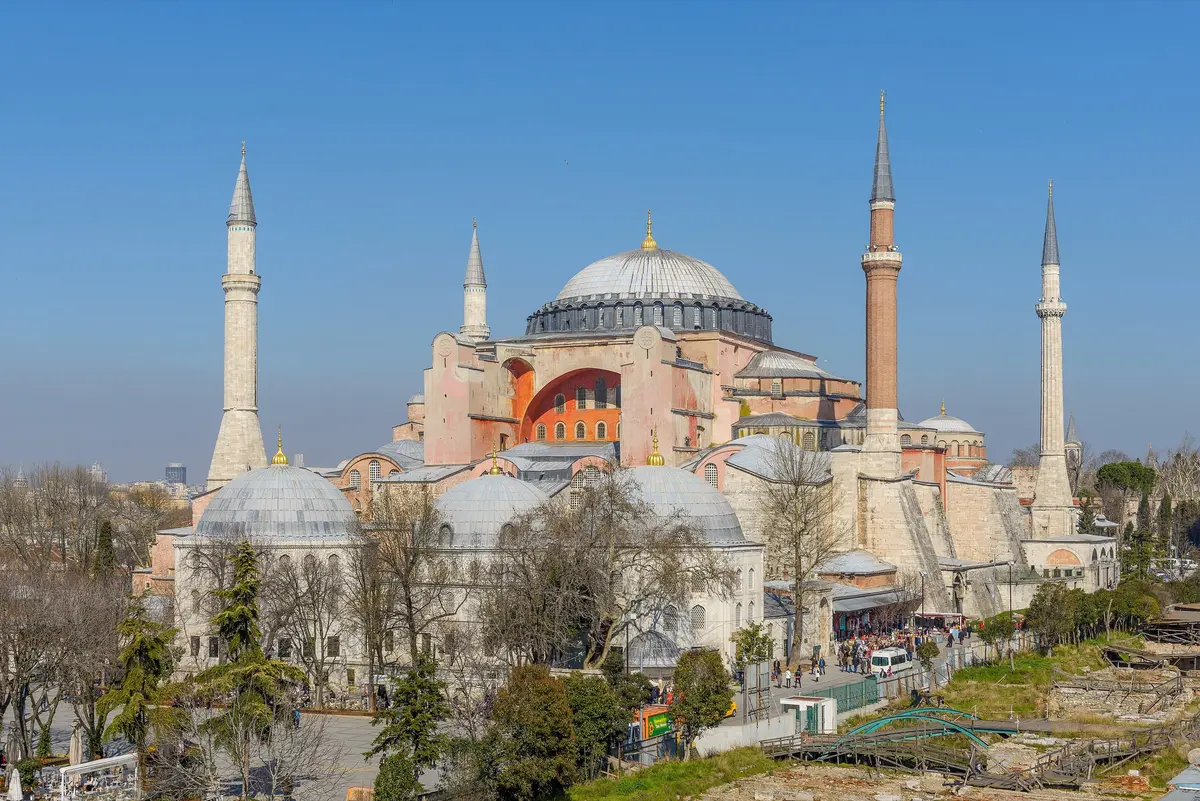
Constantinople, the Great Palace: Justinian's seat, where the monks offered him the secret of silk and the eggs were hatched, and where the Sogdian-Turkish embassy arrived in 568Questioned closely by the emperor, the monks explain that silk is made by worms; the worms cannot survive the journey, but their countless eggs can, and the eggs are hatched by burying them in dung to warm them. Justinian promises them large rewards if they prove it.
Constantinople, the Great Palace: Justinian's seat, where the monks offered him the secret of silk and the eggs were hatched, and where the Sogdian-Turkish embassy arrived in 568- 553
The monks travel back to Serinda and return with silkworm eggs to Byzantium. They hatch them as they had described and feed the worms on mulberry leaves, and silk farming begins in the Roman Empire. A later account (Theophanes of Byzantium) credits a single Persian who hid the eggs in a hollow cane and set them on mulberry leaves at the start of spring.
Khotan: one proposed site of Procopius' 'Serinda', an oasis kingdom whose own legend tells of silkworm eggs smuggled in a princess's headdress - 561
Byzantium and Persia agree a fifty years' peace; Byzantium pays tribute, and trade between the two empires is held to fixed frontier posts, discouraging the kind of private dealing the silkworm story relies on.
- 563
Between about 563 and 567 the Western Turks, allied with Persia, destroy the Hephthalite kingdom; the Turks take Sogdiana and with it the Sogdian merchants who carry silk along the routes from China.
Samarkand (Afrasiab), Sogdiana: home of the Sogdian merchants under Maniakh who brought the Turks' offer of silk to Byzantium - 565
Justinian dies in Constantinople, aged about 82; his nephew Justin II succeeds him. By now, Procopius had written, the imperial treasurer was the empire's only silk merchant.
Constantinople, the Great Palace: Justinian's seat, where the monks offered him the secret of silk and the eggs were hatched, and where the Sogdian-Turkish embassy arrived in 568- 567
A Sogdian embassy led by Maniakh asks the Persian king Khosrow I to let them sell silk in Persia. Khosrow stalls, then on the advice of the Hephthalite exile Katulphus buys the silk and burns it in front of the envoys; a second Turkish embassy fares worse.
Ctesiphon: capital of Sasanian Persia, the middlemen of the silk trade, where Khosrow I had the Sogdians' silk burnt - 568
Maniakh, now sent by the Turkish ruler Sizabul (Dizabulus), reaches Constantinople with a valuable present of silk and a letter in 'Scythian', and proposes that the Turks sell their silk to the Romans instead of through Persia; Justin II agrees an alliance.
Constantinople, the Great Palace: Justinian's seat, where the monks offered him the secret of silk and the eggs were hatched, and where the Sogdian-Turkish embassy arrived in 568Justin II shows the Turkish envoys how silkworms are bred and silk is made in Byzantium, and greatly surprises them, Theophanes of Byzantium records: Byzantium now has silkworms of its own.
Constantinople, the Great Palace: Justinian's seat, where the monks offered him the secret of silk and the eggs were hatched, and where the Sogdian-Turkish embassy arrived in 568- 569
Zemarchus, commander of the East, sets out from Byzantium with Maniakh and his party on an embassy to the Turks in Central Asia, opening a direct link that bypasses Persia.
Constantinople, the Great Palace: Justinian's seat, where the monks offered him the secret of silk and the eggs were hatched, and where the Sogdian-Turkish embassy arrived in 568