The Bank of Amsterdam is founded
“In 1609 Amsterdam founded a city bank that turned merchants' coins into ledger money paid by transfer between accounts; economists call it the first true central bank.”
At the start of the seventeenth century Amsterdam was becoming the busiest trading city in Europe, and its money was a mess. Coins from the many mints of the Dutch provinces and from all over Europe passed from hand to hand, many of them worn, clipped or deliberately struck too light; Adam Smith later reckoned that the city's currency was worth about nine per cent less than good new coin. A merchant who was owed money on a bill of exchange, the written order to pay that carried long-distance trade, could not know what coins he would get, and the private cashiers who handled most payments passed on the light coins and kept the heavy ones. When the States General ignored a plan for public banks in every trading town, the city council of Amsterdam acted alone: on 31 January 1609 it founded an exchange bank, the Wisselbank, modelled on the public bank of the Rialto in Venice.
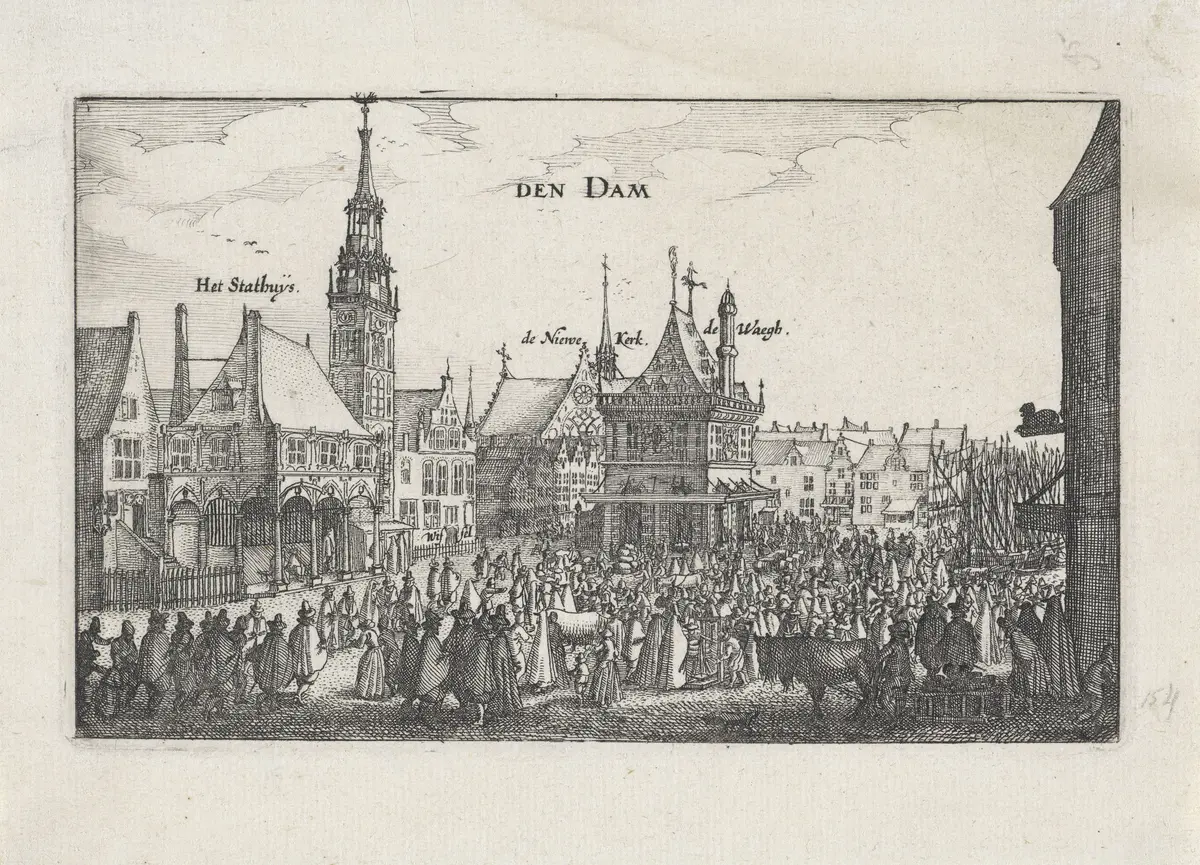
The bank sat in the Town Hall on the Dam. Merchants brought it their coins; it took foreign and worn coins at the silver or gold they really contained, not at their face value, and wrote that amount into its ledger as 'bank money'. From then on they paid each other by transfer: the payer, or his agent, came to the bank and had the sum moved from his account to the payee's, without counting or carrying a single coin, and until 1683 without a fee. The city guaranteed the deposits, creditors could not seize them, the bank issued no notes, and by its rules it was not to lend. To make sure merchants used it, the city ordered that every bill of exchange of 600 guilders or more be paid through the bank, and banned the cashiers (they were allowed back in 1621). After its first year the bank held some 925,000 guilders in coin; it counted 708 account holders in 1611 and 1,202 in 1620.
Because a guilder in the bank always meant the same weight of silver while the coins in the street kept getting worse, bank money came to be worth more than cash. From 1645 the bank allowed for it openly, and by the late 1640s dealers traded the two against each other every morning in front of the Town Hall; in the long run the premium, called the agio, usually stood at around five per cent. The bank came through the fire that destroyed the old Town Hall in 1652, moved into Jacob van Campen's grand new Town Hall, inaugurated in 1655, and in June 1672, when France invaded the Republic, paid out a third of its deposits in two weeks without stopping; some of the coins that came out of its vaults were still scorched from the fire twenty years before. In 1683 it began to give depositors a receipt for their coins, the right to take the same coins back within six months for a small fee, and the old right to turn any balance into coin quietly lapsed. From then on bank money was valued for itself, backed by trust in the bank, which is why the economists Stephen Quinn and William Roberds call it the first central bank money.
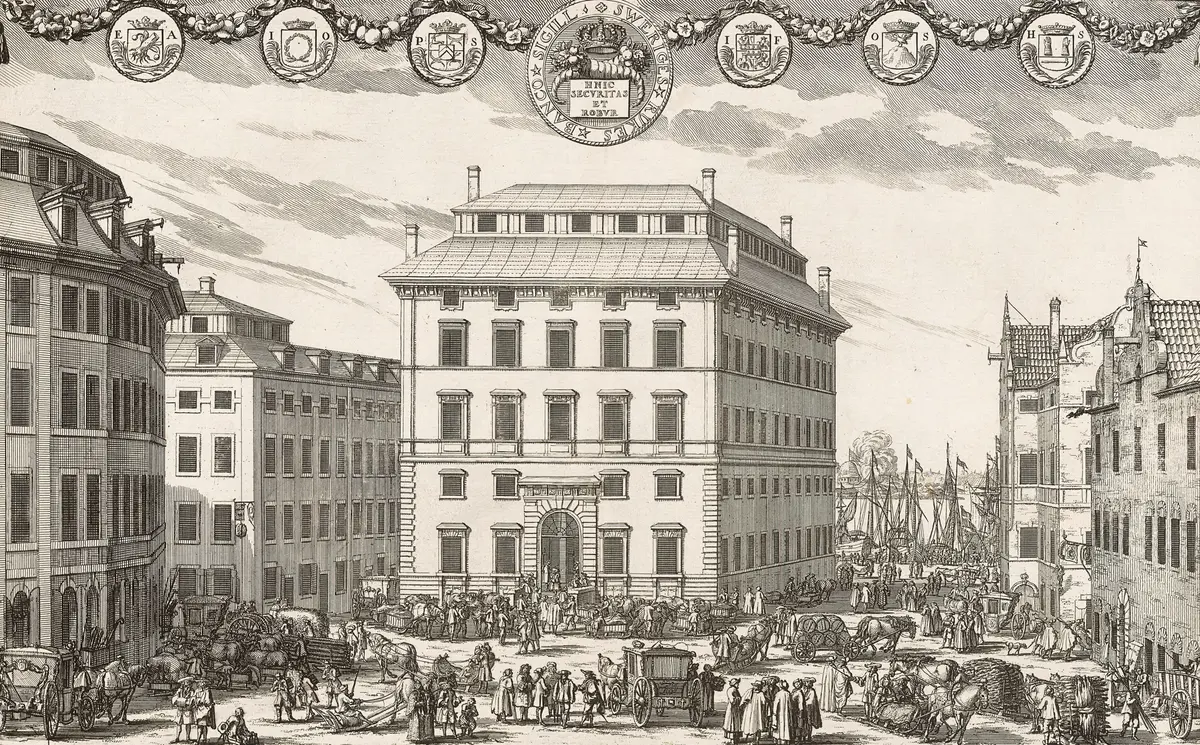
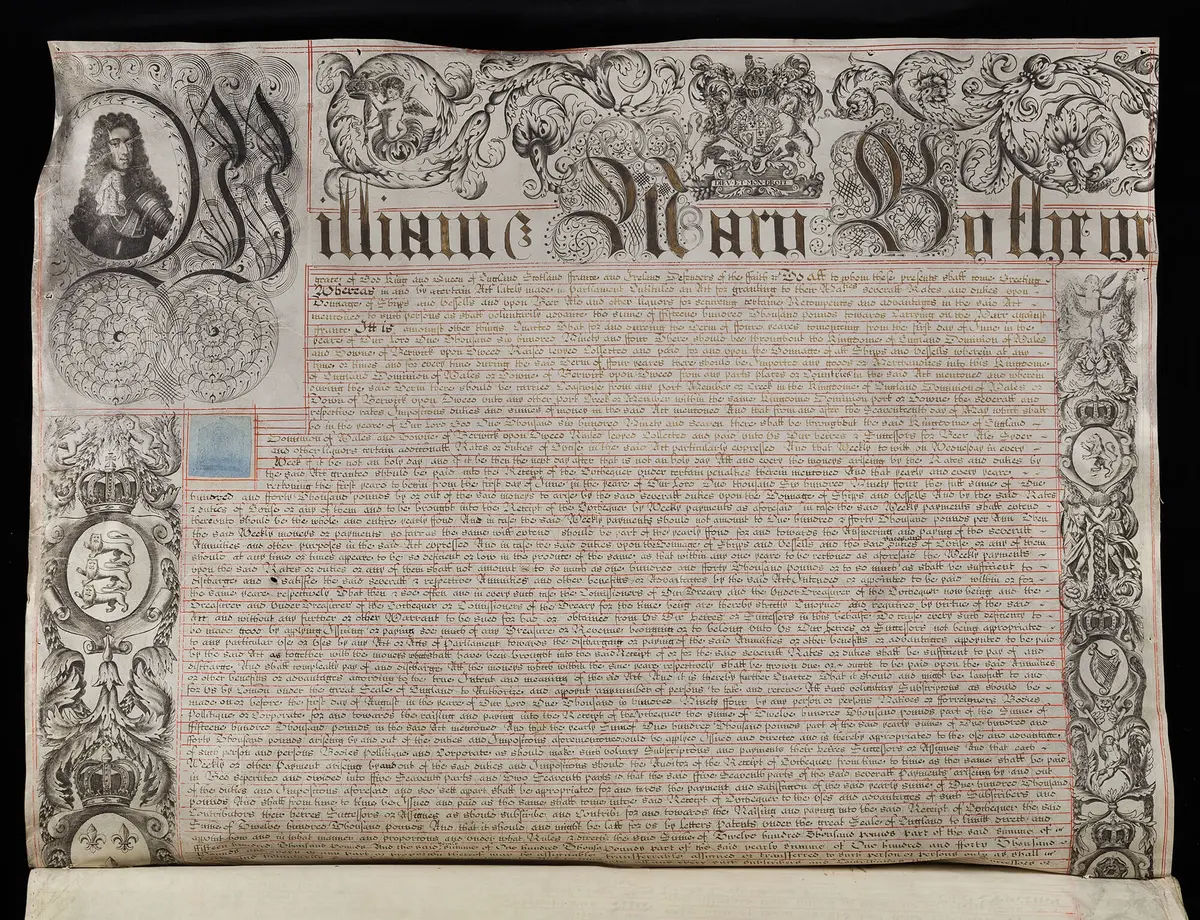
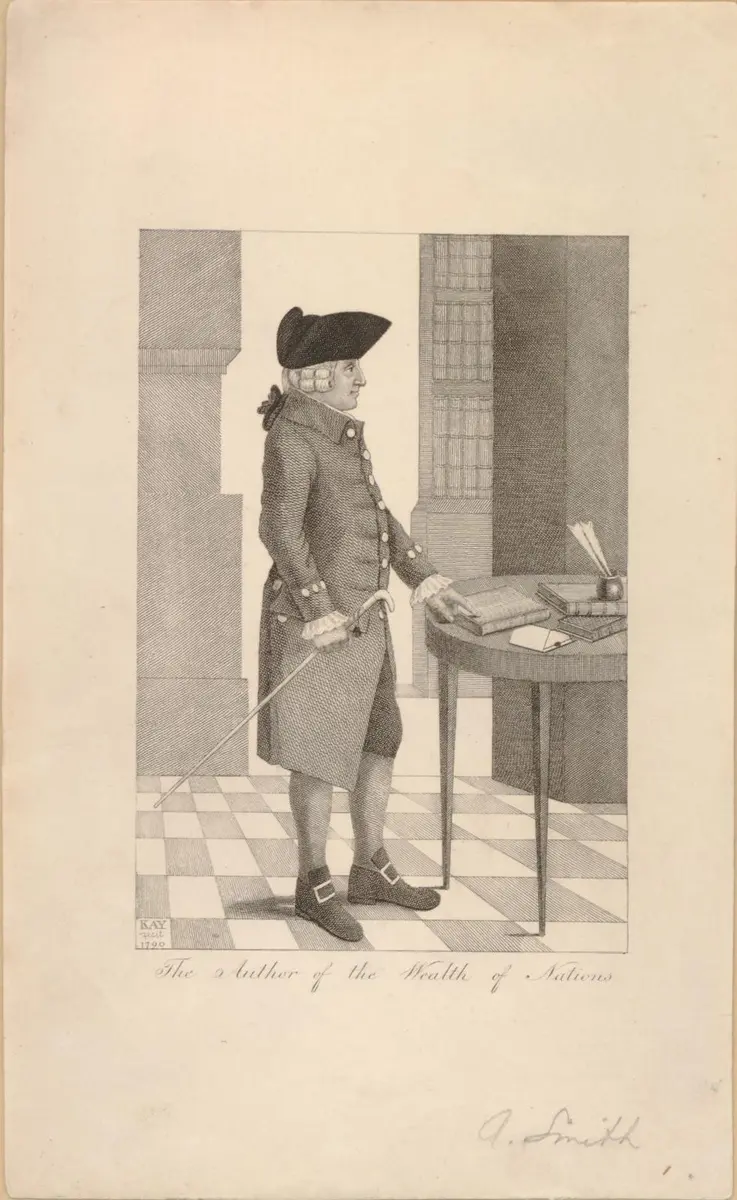
For more than a century the bank guilder was a money in which merchants across Europe reckoned and settled their bills, and other cities copied the idea: Middelburg, Delft and Rotterdam in the Republic, Hamburg in 1619, and later, in their own ways, Stockholm and London. Adam Smith described the bank at length in The Wealth of Nations, sure that every guilder of bank money had its guilder of coin in the vaults, guarded by the city's oath. In fact the bank had long lent quietly to the East India Company (the VOC) and to the city, and during the Fourth Anglo-Dutch War of 1780 to 1784 it lent so heavily to the failing company and to the city that by 1783 most of its assets were loans.
When the French revolutionary army arrived in 1795, the new rulers made the bank's accounts public, and the agio, the market's measure of trust, fell to nearly minus thirty per cent. The bank lingered on until the Nederlandsche Bank, founded in 1814, took its place, and it closed in 1820. Central bankers still draw two lessons from its story: money kept in accounts and paid by transfer, with a public institution caring every day for the value of the unit, is what a central bank does; and such money lasts only as long as people trust what stands behind it.
What happened
- 1609
The city council founds the Wisselbank in the Town Hall on the Dam, on the model of Venice's public bank. At the same time it bans the private cashiers and orders that every bill of exchange of 600 guilders or more be paid through the bank.
The Dam: the old Town Hall on its west side housed the bank from 1609 until the fire of 1652, and bank money was traded on the square every morning- 1611
Hendrick de Keyser's Exchange opens over the Amstel just south of the Dam. The bills of exchange traded there are settled in bank money, and this year the bank counts 708 account holders.
Site of Hendrick de Keyser's Exchange over the Amstel (the Rokin), opened in 1611, where the bills paid through the bank were traded- 1615
The council has to forbid, in so many words, the settling of bills outside the bank. The same year the bank makes its first loan to the East India Company, though its rules forbid lending.
The Dam: the old Town Hall on its west side housed the bank from 1609 until the fire of 1652, and bank money was traded on the square every morning - 1641
Short of heavy rixdollars, the bank has begun paying out the lighter patagons and ducatons of the Spanish Netherlands; in October the city makes the change official. Deposits soon fall below their level of 1638.
The Dam: the old Town Hall on its west side housed the bank from 1609 until the fire of 1652, and bank money was traded on the square every morning- 1643
The threshold is lowered: from now on bills of 300 guilders and more must be paid through the bank.
- 1645
Running short of heavy coin again, the bank gets the city's leave to pay out more patagons than their official value, to make up for their lightness: the agio is born. Bank money and coin now trade against each other, and by the late 1640s dealers meet every morning on the square in front of the Town Hall to do it.
The Dam: the old Town Hall on its west side housed the bank from 1609 until the fire of 1652, and bank money was traded on the square every morning- 1652
Fire destroys the old Town Hall. Some of the bank's coins go missing in the chaos, and a tent is put up on the Dam the same day to house the bank, while the new Town Hall rises behind it.
The Dam: the old Town Hall on its west side housed the bank from 1609 until the fire of 1652, and bank money was traded on the square every morning- 1655
Jacob van Campen's new Town Hall on the Dam is inaugurated. The bank's bookkeepers, commissioners, receivers and assay room have their rooms on its ground floor, with the coin in the vaults below.
The new Town Hall, now the Royal Palace: the bank's rooms on the ground floor and its coin in the vaults below, from 1655 - 1659
A new mint ordinance gives the Republic its own heavy silver coins, the silver ducat and the silver rider, or ducaton, each with two official values: the rider is worth 63 stuivers in the street and 60 in the bank, a built-in agio of five per cent.
- 1672
France invades the Republic and depositors run on the bank: between 14 and 30 June its balances fall from 7.6 to 5.0 million guilders. It pays out without stopping, and some of the coins brought up from its vaults are still scorched from the fire of 1652.
The new Town Hall, now the Royal Palace: the bank's rooms on the ground floor and its coin in the vaults below, from 1655- 1683
The bank begins to give depositors a receipt for the coins they bring in: for six months the holder can take the same coins back for a fee of a quarter per cent on silver and a half on gold. The old right to turn any balance into coin quietly lapses, and bank money becomes a money valued for itself.
The new Town Hall, now the Royal Palace: the bank's rooms on the ground floor and its coin in the vaults below, from 1655