The Great Schism
“On 16 July 1054 papal legates laid a bull excommunicating the patriarch of Constantinople on the altar of Hagia Sophia, and his synod excommunicated them back: the conventional date of the Catholic-Orthodox split.”
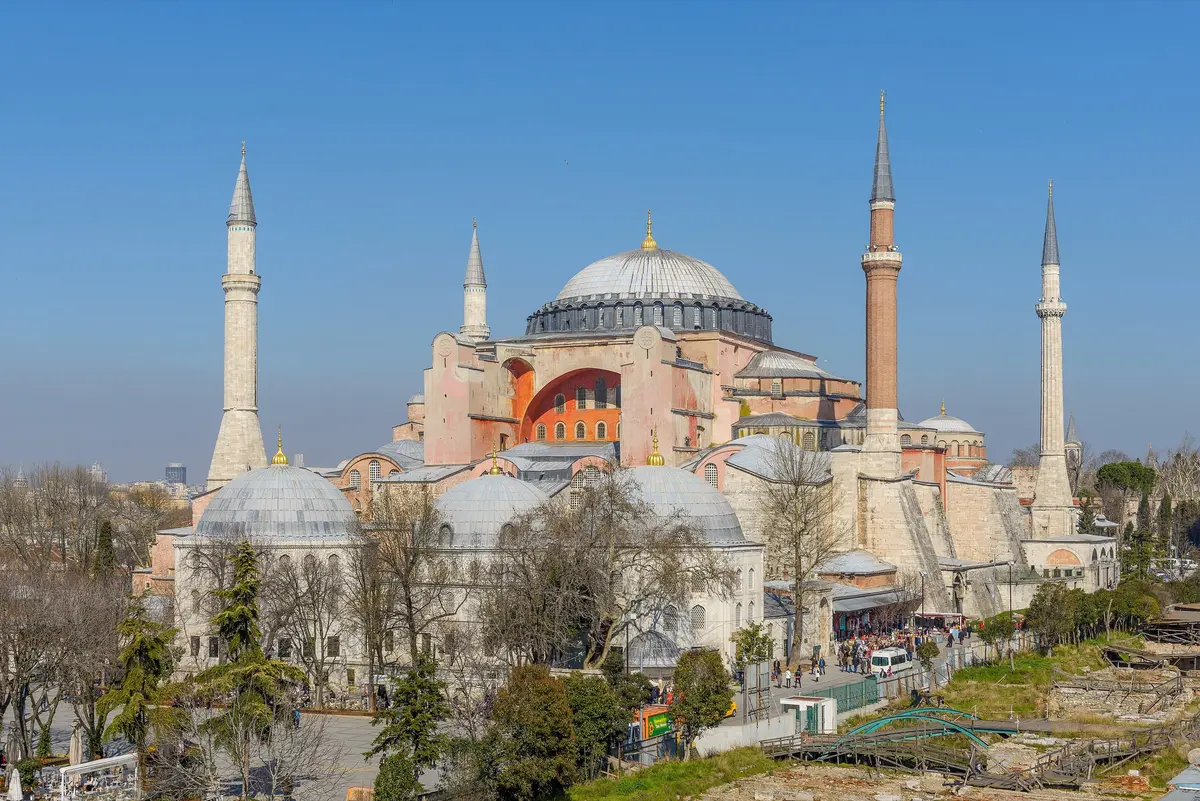
On Saturday 16 July 1054, at about nine in the morning, as the clergy of Hagia Sophia were beginning to prepare the liturgy, three envoys of the pope walked up the nave of the great church of Constantinople, went through the doors of the sanctuary and laid a document on the altar. It was a sentence of excommunication against the patriarch, Michael Cerularius, against Archbishop Leo of Ohrid and against all who followed them; as they turned away, the envoys are reported to have said 'Let God see and judge'. Their leader was Cardinal Humbert of Silva Candida, a reforming churchman from Lorraine who read Greek; with him were Frederick of Lorraine, the chancellor of the Roman church, and Archbishop Peter of Amalfi. They had come in the spring with letters from Pope Leo IX, but the pope had died in Rome on 19 April, so historians still argue whether their sentence had any force. Two days later they left the city. Cerularius called a synod, which excommunicated the legates in their turn, and on Sunday 24 July its sentence was proclaimed in the same church.
The quarrel had been building for centuries. Rome and Constantinople had drifted apart in language, in politics and in their idea of the church: the popes claimed authority over every church as the successors of Saint Peter, while the Greeks saw five ancient patriarchates, Rome the first in honour among them, and settled questions of doctrine at councils. The West had added three words to the creed, saying that the Holy Spirit comes from the Father 'and from the Son' (in Latin, filioque); Patriarch Photius denounced the addition as heresy in the 860s and declared the pope deposed in 867, and Rome itself adopted the longer creed only in 1014. Everyday customs became badges of difference: Latin priests were to be unmarried and used unleavened bread at mass, Greek priests could marry and used ordinary leavened bread. In the 1050s politics brought it all to a head. Norman adventurers were taking southern Italy from the Byzantine Empire, and the papacy was pressing Latin customs on its Greek churches. Leo IX marched against the Normans and was beaten and taken prisoner in June 1053. In 1052 or 1053 Cerularius closed the Latin churches of Constantinople, and Leo of Ohrid wrote to the bishop of Trani in Apulia, for the pope and all the Latin bishops to read, condemning the unleavened bread and the Latin fast on Saturdays. Emperor Constantine IX wanted the pope as an ally against the Normans; his patriarch would not have the alliance on Rome's terms.
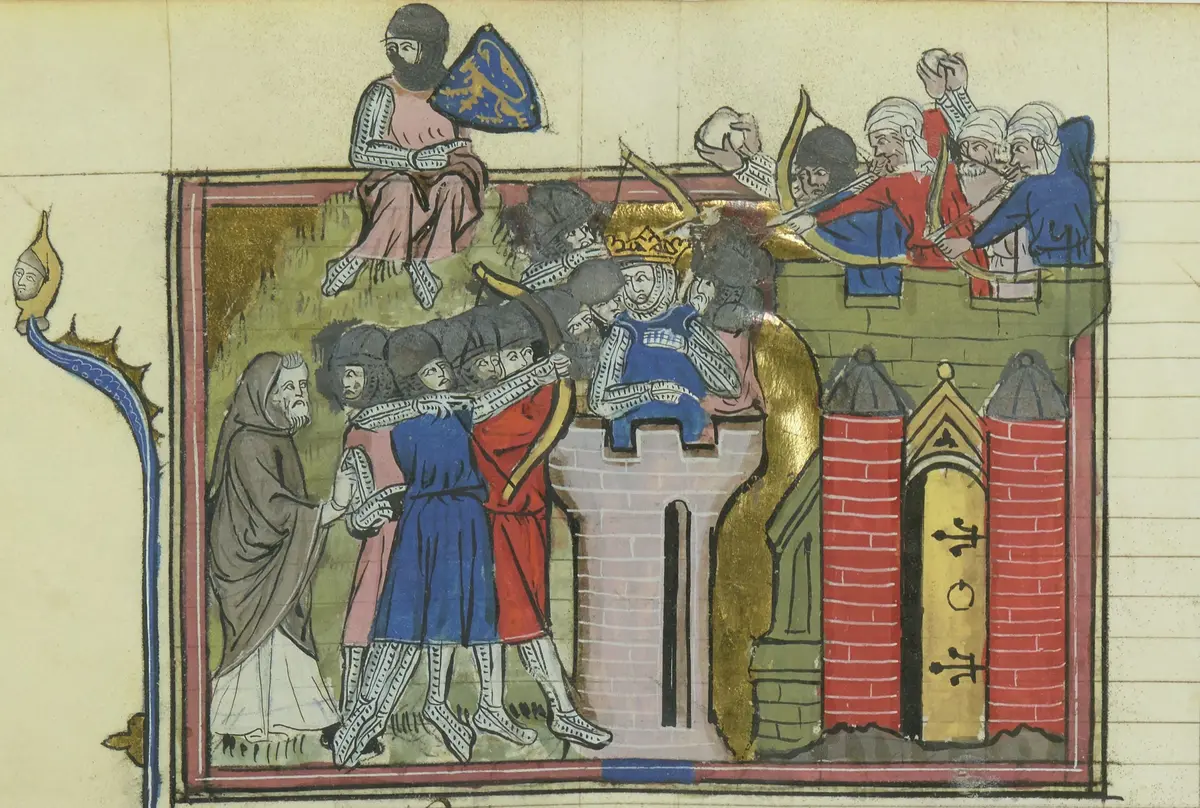
At the time it did not look like the end of anything. Both sides had condemned persons, not a church: the legates called the emperor and his people truly Christian and orthodox, the synod named only the legates and those who had helped them, and Patriarch Peter of Antioch wrote to Cerularius that many Latin customs could be borne with, though not the change to the creed. There had been breaks between Rome and Constantinople before, and they had healed, and the Byzantines did not treat this one as final. What made it last was what came after. When the crusaders took Antioch and Jerusalem in 1098 and 1099 they put Latin patriarchs in the place of the Greek ones. On 12 April 1204 the army of the Fourth Crusade took Constantinople itself, plundered its churches and installed a Venetian as patriarch in Hagia Sophia, and for many historians the schism was complete from then on. Reunions agreed at the councils of Lyon in 1274 and of Florence in 1439, where the Byzantine emperor John VIII and the patriarch came to Italy in person, were rejected by the clergy and people of the East.
The two churches that came out of the split, the Roman Catholic and the Eastern Orthodox, are still not in communion. They differ over the authority of the pope and over the filioque, though since the Second Vatican Council the Catholic Church recognises the Orthodox sacraments as valid. The first public step back came in the 1960s. Pope Paul VI and Patriarch Athenagoras I met in Jerusalem on 5 January 1964, and on 7 December 1965 a joint declaration, read at the same time in St Peter's in Rome and at a ceremony in Istanbul, regretted the offensive words and gestures on both sides in 1054 and committed the two excommunications to oblivion. It did not end the schism, as the declaration itself says; a joint commission for theological dialogue has worked since 1979. Historians now see 1054 less as the day the church split than as the date later generations chose for a separation that took centuries.
What happened
- 1054
Leo IX, held by the Normans at Benevento since his defeat in June 1053, answers Constantinople: a friendly letter to Emperor Constantine IX asking for help against the Normans, and a stern one to Cerularius insisting on Rome's primacy. He gives them to three legates: Cardinal Humbert, his chancellor Frederick of Lorraine and Archbishop Peter of Amalfi.
Benevento, where the Normans held Leo IX after his defeat in June 1053 and from where he answered the emperor and the patriarchAfter nine months in Norman hands Leo IX is let go and returns to Rome, a sick man.
Benevento, where the Normans held Leo IX after his defeat in June 1053 and from where he answered the emperor and the patriarchIn the spring the legates reach Constantinople. The emperor receives them with honour and lodges them in a palace; Cerularius will not deal with them, offended that they claim precedence over him. Over the following weeks Humbert writes against the Greek charges, and the Stoudios monk Niketas Stethatos, pressed by the emperor, withdraws his treatise against the Latins.
Pope Leo IX dies in Rome. No successor is chosen for almost a year, and the legates in Constantinople now speak for a dead pope.
St Peter's, Rome: Leo IX died in Rome on 19 April 1054, while his legates were in Constantinople; on 7 December 1965 the declaration lifting the excommunications was read here to the Second Vatican CouncilSaturday, about the third hour of the day: as the liturgy is being prepared, Humbert, Frederick and Peter walk into Hagia Sophia, go into the sanctuary and lay on the altar a bull excommunicating Cerularius, Leo of Ohrid and their followers, while calling the emperor and the people of the city orthodox. 'Let God see and judge', they say as they leave.
Hagia Sophia, the cathedral of Constantinople, where the legates laid their bull of excommunication on the altar on 16 July 1054 and where the synod's counter-sentence was proclaimed on 24 JulyThe legates set out for Rome with the emperor's gifts. Cerularius asks for them to be called back to meet him; the emperor refuses unless he is present himself, the meeting does not take place, and the legates go on their way.
After rioting in the city the emperor gives way. Cerularius's synod condemns the bull and excommunicates the legates and those who helped them, but names no church.
Sunday: the synod's sentence on the legates is proclaimed in Hagia Sophia.
Hagia Sophia, the cathedral of Constantinople, where the legates laid their bull of excommunication on the altar on 16 July 1054 and where the synod's counter-sentence was proclaimed on 24 July