Phoenicians make Tyrian purple dye
“From about 1500 BCE the people of the Levant coast, above all Tyre, dyed wool with sea snails; thousands of snails made a gram of dye, so purple became the colour of kings and emperors.”
Tyrian purple was a dye made from sea snails of the eastern Mediterranean, chiefly the spiny dye-murex and the banded dye-murex. The colour is not in the snail: a small gland under its shell holds a colourless liquid that turns purple only when it meets air and light. Cretans already dyed with these snails in the early second millennium BCE, and on the Levant coast the first traces are purple-stained vats at Minet el-Beida, the harbour of Ugarit (15th to 13th century BCE), and at Sarepta near Tyre (14th to 13th century). The coastal cities the Greeks later called Phoenician, above all Tyre, made the dye their trademark. The Greek word phoinix also meant 'red-purple', and some scholars think the Phoenicians took their Greek name from it.
Making it was slow, smelly and costly. The Roman writer Pliny, in 77 CE, describes the method: the glands were cut out, salted for three days, then heated gently in tin or lead vessels for about ten days before the wool went in; the most prized shade was a blackish purple like clotted blood, made by dyeing the wool twice. When the chemist Paul Friedländer extracted the dye in 1909 to identify it, 12,000 snails gave him only 1.4 grams. Archaeology shows the scale: at Tel Shiqmona, on the Carmel coast, purple workshops ran for some five hundred years (about 1100 to 600 BCE), and wool dyed in this way reached the copper mines of Timna, in the desert, around 1000 BCE.
Because so few could afford it, purple became the colour of rank. The Greek historian Theopompus wrote that purple was sold for its weight in silver and was rare even among kings. Assyria took purple wool as tribute; Alexander the Great was said to have found five thousand talents of purple cloth, still bright after 190 years, in the Persian treasury at Susa. In Rome a purple stripe set senators and magistrates apart, and Tyre's double-dyed purple cost more than 1,000 denarii a pound by the 60s BCE. Julius Caesar restricted purple clothes to certain people and days, Nero forbade Tyrian purple outright, and a law of about 383–392 CE made it a crime, punishable by death, for a private person to dye or sell imperial purple.
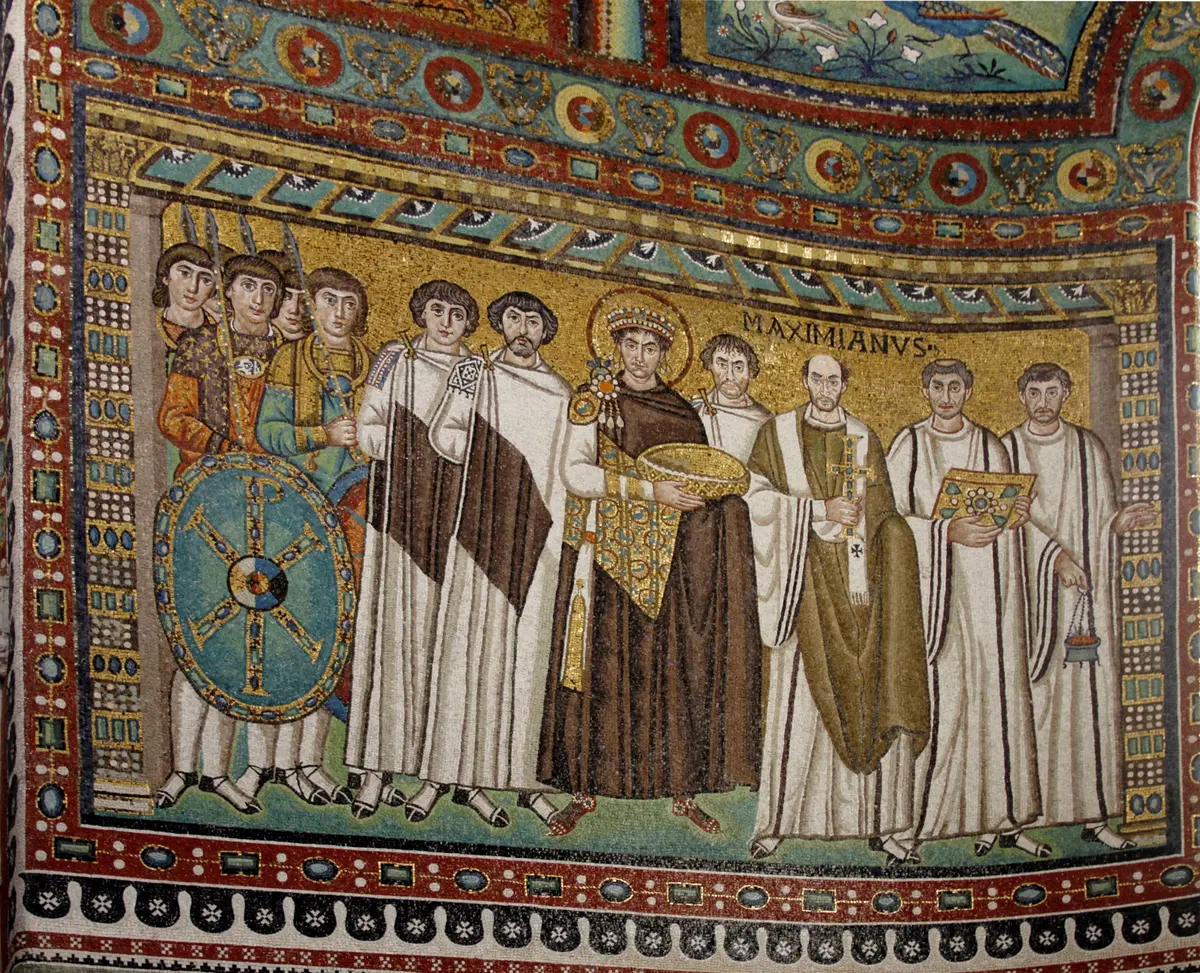
Tyre lived on the dye for centuries: after Alexander captured the city in 332 BCE, the geographer Strabo wrote, its many dye-works made it unpleasant to live in but rich. The craft later died out and no complete ancient recipe survives, but the link between purple and power outlived Rome: in Byzantium, gold and purple were the imperial colours. The dye's chemical identity, a bromine-bearing cousin of indigo, was only worked out in the early twentieth century, and archaeologists are still finding the vats, stained sherds and shell heaps that show where it was made.
What happened
- 1500 BCE
At Minet el-Beida, the harbour of the trading city of Ugarit on the Syrian coast, a large clay vessel is stained with purple: with Sarepta, the earliest trace of purple-making on the Levant coast, from the 15th to 13th century BCE.
Minet el-Beida, the harbour of Ugarit: a large vessel stained with purple, 15th to 13th century BCE - 1300 BCE
At Sarepta, between Tyre and Sidon, workers dye in large vats; purple-stained sherds from them, of the 14th to 13th century BCE, were proved by chemical analysis in 1985 to carry true snail purple.
Sarepta (Sarafand), between Tyre and Sidon: purple-stained sherds of two large vats, 14th to 13th century BCE - 1100 BCE
At Tel Shiqmona, on a rocky headland of the Carmel coast between the lands of Israel and Tyre, purple-dye workshops begin a run of some five hundred years of large-scale production, to about 600 BCE.
Tel Shiqmona, on the Carmel coast: a sequence of purple-dye workshops, about 1100 to 600 BCE - 1000 BCE
Wool woven with threads dyed in snail purple, one sample double-dyed in the way Pliny later describes, reaches the copper smelters of Slaves' Hill in the Timna Valley, far inland in the desert.
Timna Valley: purple-dyed wool of about 1000 BCE from the copper smelters' site called Slaves' Hill - 701 BCE
Sennacherib of Assyria marches west against Luli, king of Tyre, and against Judah; King Hezekiah buys peace with gold, silver, ivory, coloured garments and 'violet and purple wool', sent after the king to Nineveh.
- 450 BCE
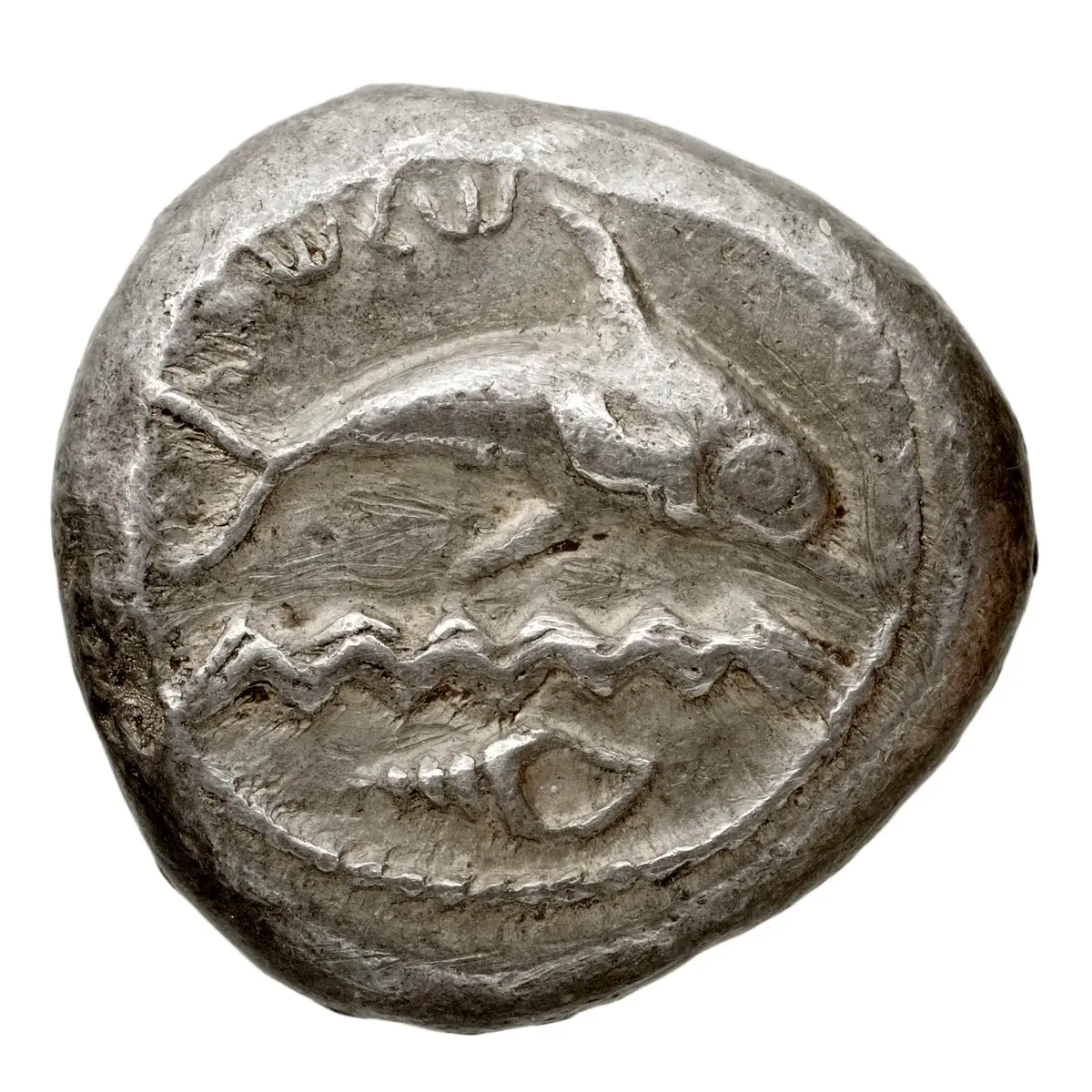
Tyre begins striking silver shekels that show a dolphin over the waves and, beneath them, the murex shell that made the city's fortune.
Tyre: the island city whose purple gave the dye its name; its dye-works lined the shore well into Roman times - 332 BCE
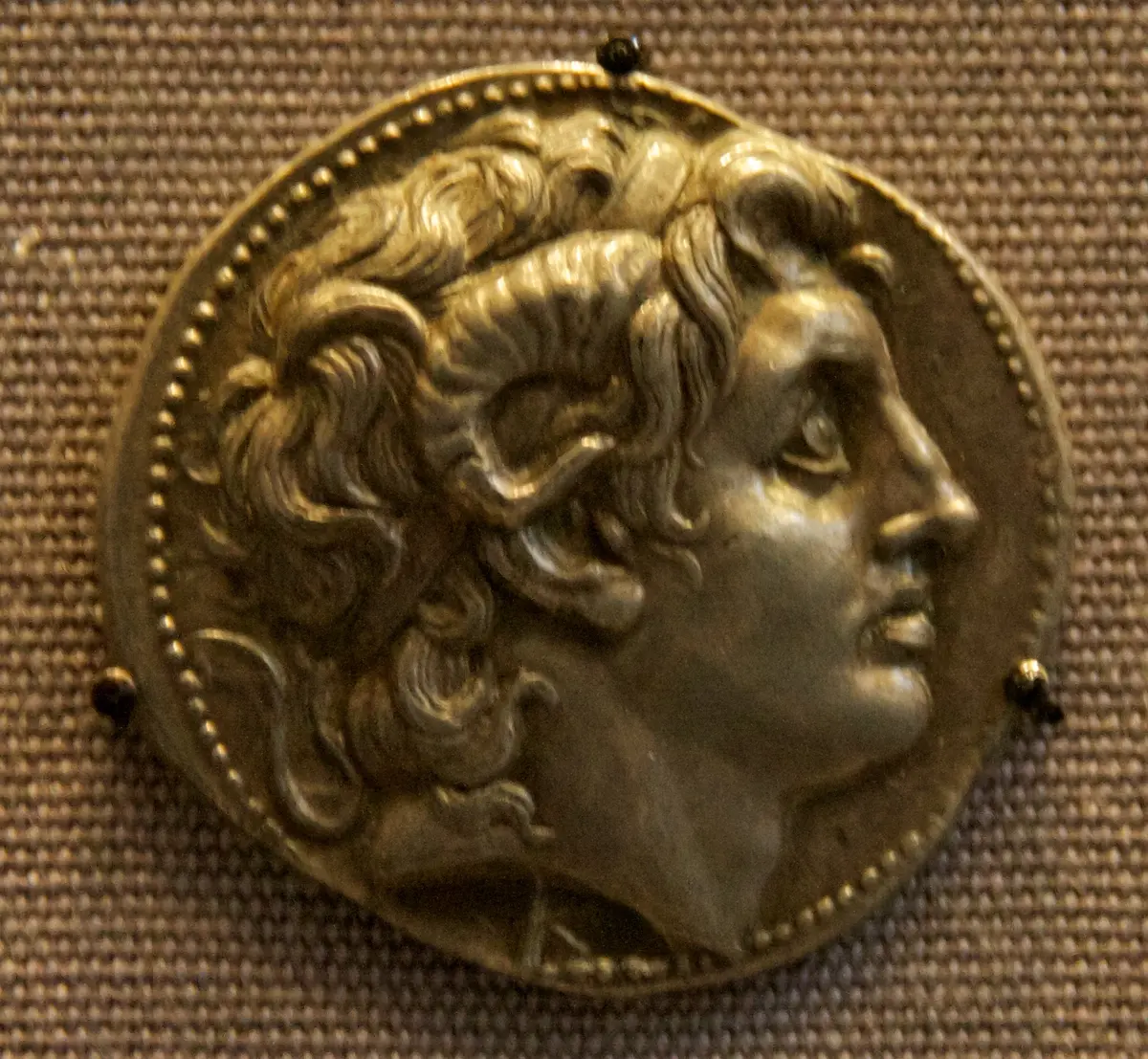
Alexander the Great takes Tyre after a seven-month siege; the city recovers, Strabo later writes, through its seamanship and its purple dye-houses.
Tyre: the island city whose purple gave the dye its name; its dye-works lined the shore well into Roman times- 331 BCE
In the Persian treasury at Susa, Alexander's men are said to find 5,000 talents' weight of purple cloth from Hermione, stored for 190 years and still bright.
Susa: the Persian treasury where Alexander's men were said to find 190-year-old purple cloth in 331 BCE - 63 BCE
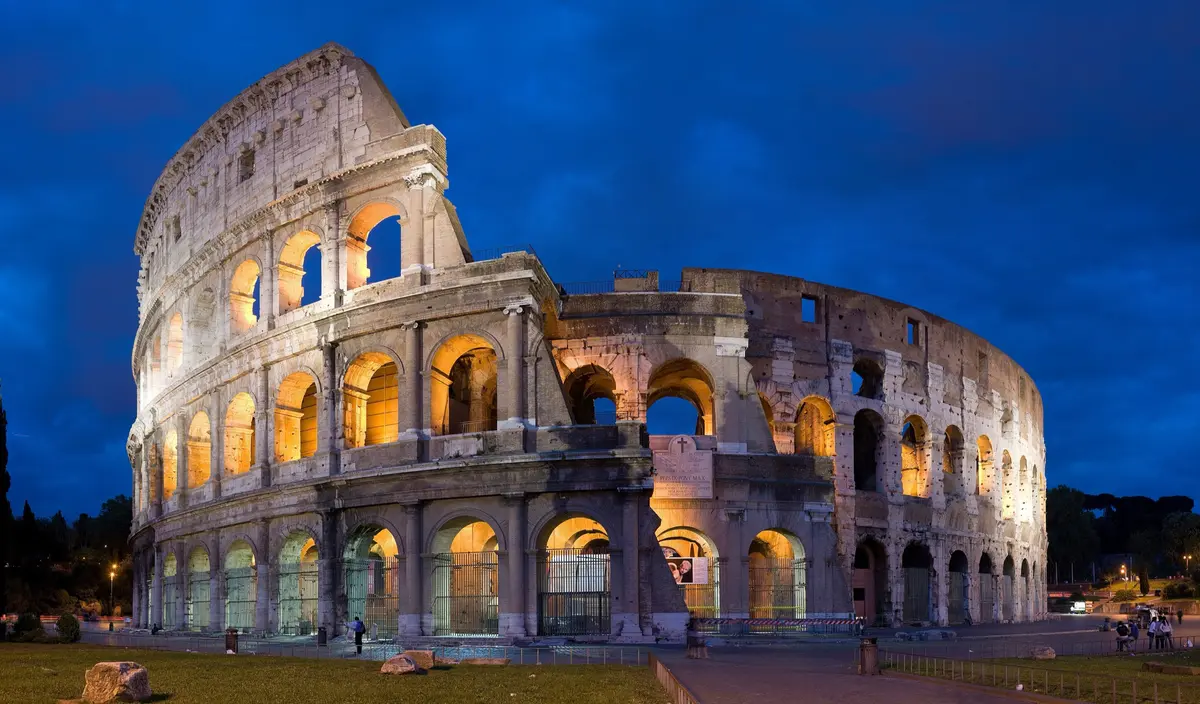
In Rome the curule aedile Publius Lentulus Spinther is the first to wear Tyre's double-dyed purple on his toga and is censured for it; it cost more than 1,000 denarii a pound.
Rome: where purple marked senators and magistrates, and where Pliny wrote down how the dye was made - 77
Pliny the Elder dedicates his Natural History to Titus; its ninth book sets down how purple was made and ranks Tyre's purple the best in Asia.
Rome: where purple marked senators and magistrates, and where Pliny wrote down how the dye was made