Renaissance dress
“Between about 1450 and 1600 rich Europeans dressed to show their rank in Italian silk velvets, slashed sleeves, Spanish black, farthingales and ruffs.”
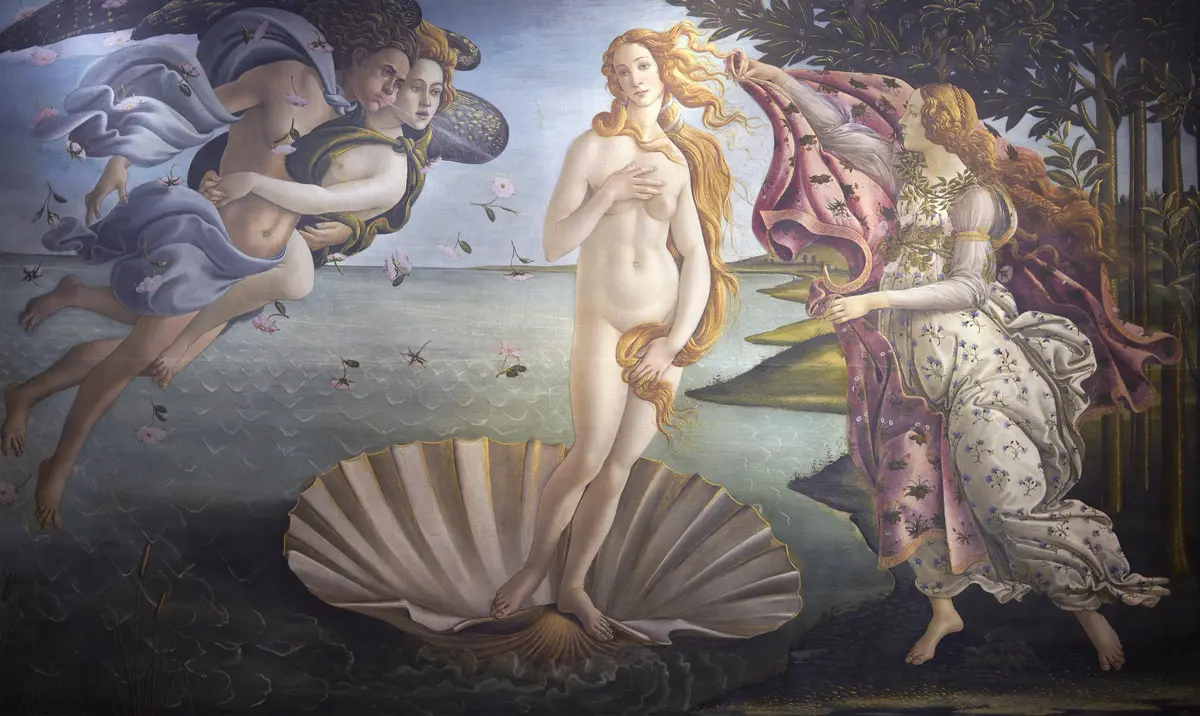
Renaissance dress is the way the rich and powerful of Europe dressed between about 1450 and 1600. Clothes were the most visible sign of who a person was: a duchess, a banker's wife, a knight or a tailor could be read at a glance from the cloth, the colour, the fur and the jewels they wore. Many towns and kingdoms had sumptuary laws that said who could wear what, though such laws were always hard to enforce.
The luxury at the heart of it was Italian silk. From about 1400 to 1600 the weavers of Venice, Florence, Genoa and later Milan made patterned velvets and brocades, often woven with gold and silver thread, and sold them all over Europe and into the Ottoman Empire. The best-known design is the large 'pomegranate' pattern. These cloths were made into gowns, sleeves and skirt panels; a rich family could even order a velvet woven with its own emblem. The work was controlled by guilds, and skilled weavers were at times forbidden to leave their city in case they took its secrets with them.
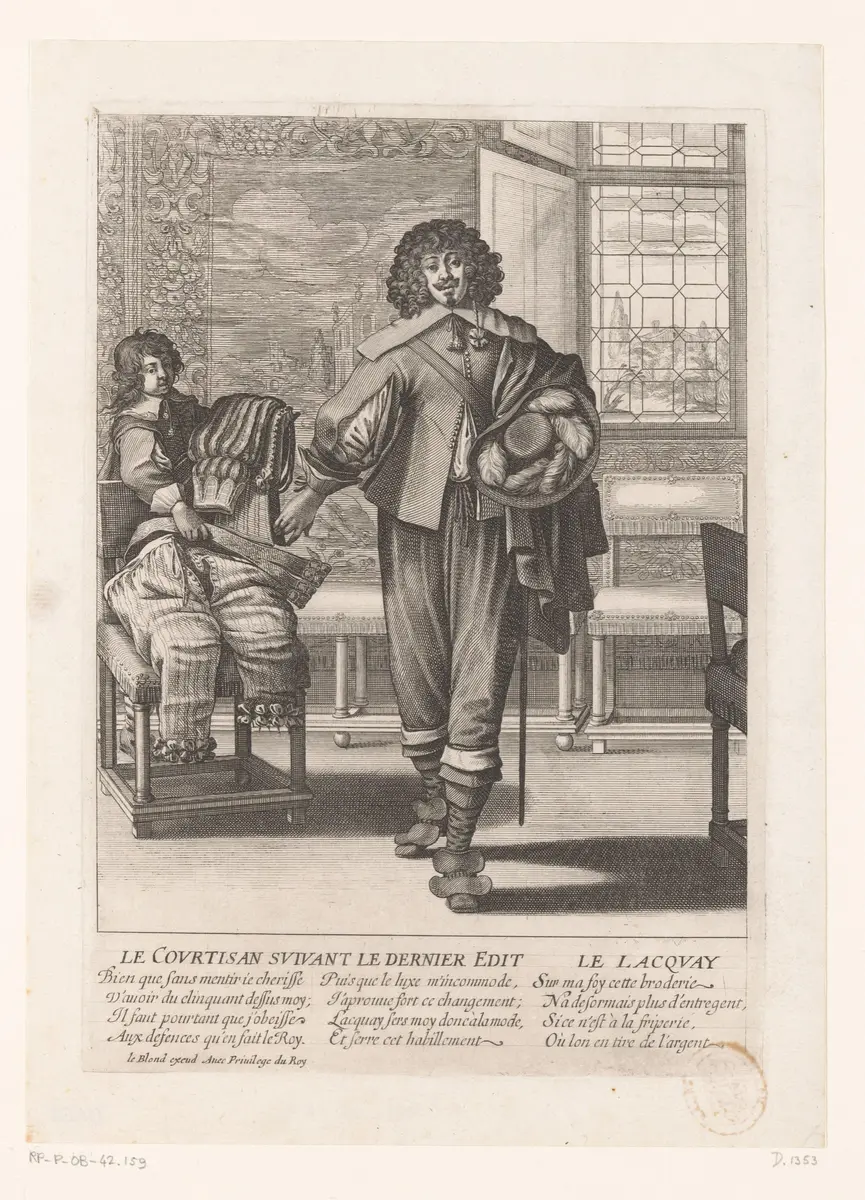
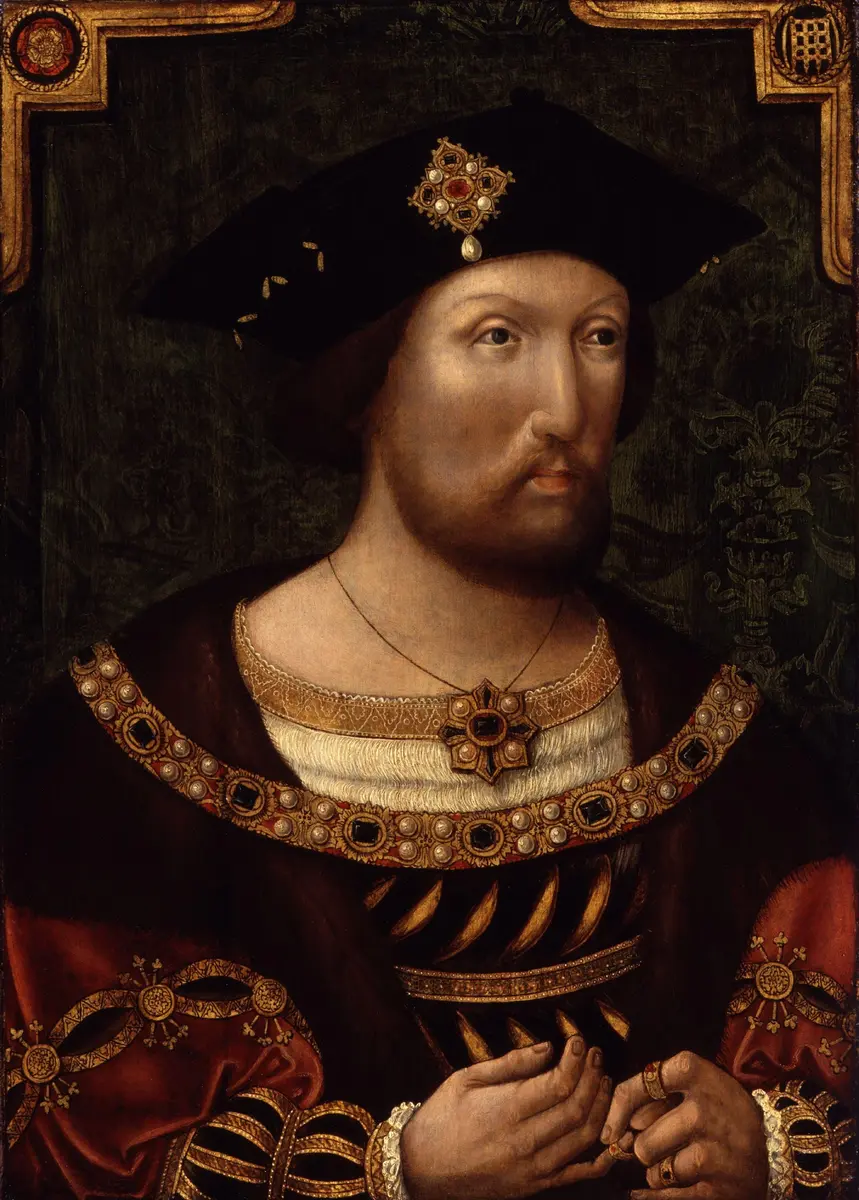
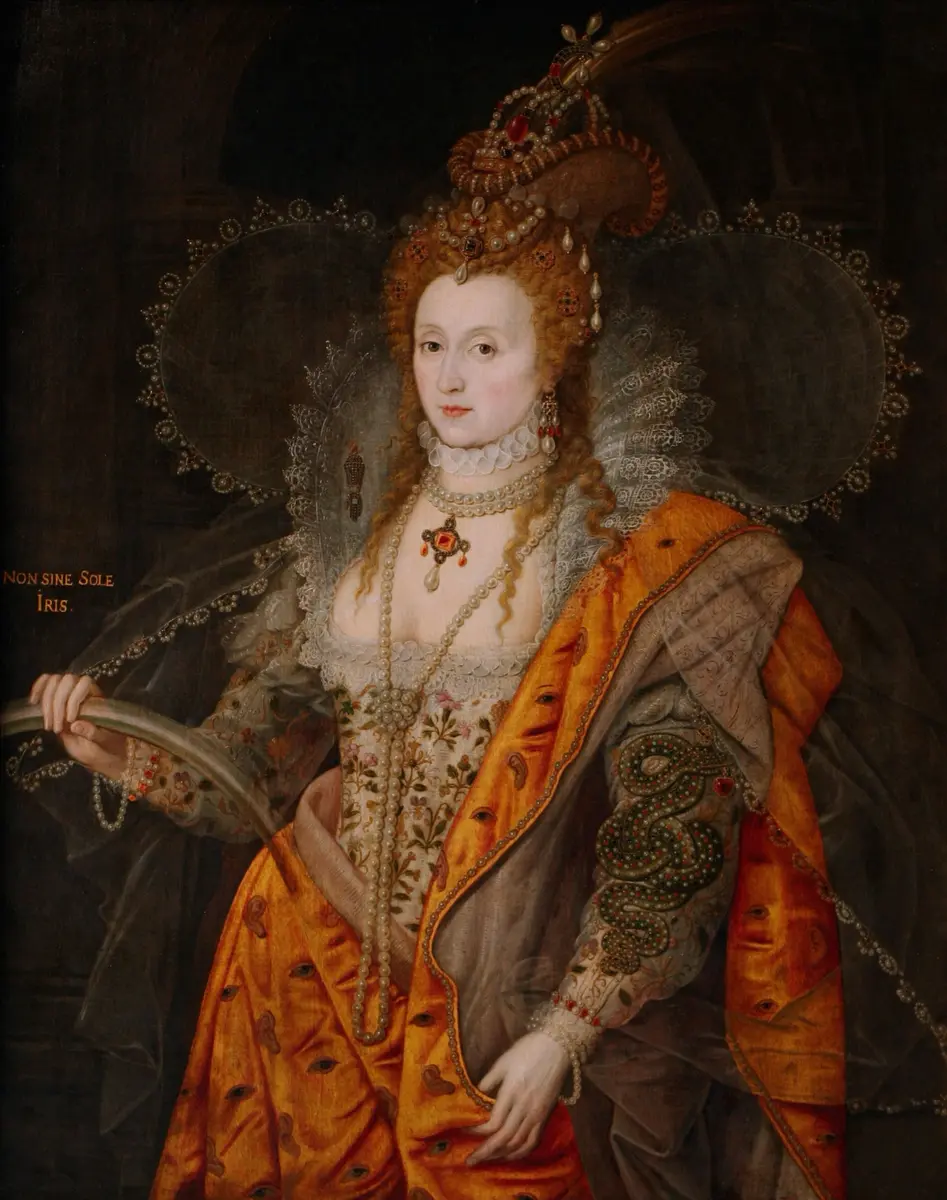
Fashion changed by decade and by country. In the 1450s and 1460s the ladies of the Burgundian court wore dark, high-waisted gowns trimmed with fur and tall headdresses; Florentine women of the 1480s wore brocaded overgowns over fitted dresses. In the early 1500s men's clothes were cut, or 'slashed', so that a different colour showed through, a fashion carried to extremes by German soldiers. At the Field of the Cloth of Gold in 1520 Henry VIII of England and Francis I of France tried to outshine each other in gold cloth. From the 1540s the Spanish court set the tone: dark, stiff clothes, the hooped underskirt called the farthingale, which spread from Spain from about 1545, and the white ruff, at first held up by wire and later starched.
By the late 1500s fashion had also become something people could print and copy. Juan de Alcega, a tailor, published the first Spanish book of cutting patterns in Madrid in 1580; Vinciolo's lace pattern book came out in Paris in 1587; and in 1590 Cesare Vecellio in Venice published a book of costumes from all over the known world. By about 1600 the ruff was giving way to other collars, and the farthingale lasted in most courts only until about 1620.
Renaissance dress still shapes how we see the period: much of what we know comes from portraits by Bronzino, Holbein, Moroni and Sánchez Coello, painted to show off cloth as much as faces, and from the few garments that survive. It also marked a turning point. Fashion began to change from decade to decade and to be named after countries, as in the 'Spanish fashion' or the 'French farthingale'; tailors could be proud, well-paid professionals; and cities such as Florence and Venice showed that luxury cloth could make a city rich.
What happened
- 1460
About this time Rogier van der Weyden paints a lady of the Burgundian court in the fashion of the day: a dark gown banded with fur, a high scarlet belt and a sheer veil over a spreading headdress.
Brussels: Rogier van der Weyden's city, where he painted the ladies of the Burgundian court about 1460 - 1486
In Florence, Giovanna degli Albizzi marries Lorenzo Tornabuoni, from one of the city's great banking families.
Florence: a leading centre of silk velvets and brocades, home of the Medici and of Bronzino's portrait of Eleonora di Toledo (1545)- 1488
Giovanna Tornabuoni dies in childbirth. Ghirlandaio's portrait, which carries the year 1488, shows her in a gold brocade overgown, the dress she also wears in his Visitation fresco in Santa Maria Novella.
Florence: a leading centre of silk velvets and brocades, home of the Medici and of Bronzino's portrait of Eleonora di Toledo (1545)- 1520
Henry VIII enters Guînes, near Calais, with Catherine of Aragon, for his meeting with Francis I of France.
Field of the Cloth of Gold, near Guînes south of Calais: Henry VIII and Francis I met here from 7 to 24 June 1520The Field of the Cloth of Gold begins: for two and a half weeks, until 24 June, the two kings and their courts compete in feasts, jousts and display, in tents and pavilions of gold cloth.
Field of the Cloth of Gold, near Guînes south of Calais: Henry VIII and Francis I met here from 7 to 24 June 1520- 1533
In London, Holbein paints the French envoy Jean de Dinteville and his friend Georges de Selve, in pink satin, lynx fur and fur-lined damask.
London: Holbein painted The Ambassadors here in 1533, and the Elizabethan court made the ruff its badge - 1545
In the summer Bronzino paints Eleonora di Toledo, Duchess of Florence, with her son Giovanni, in a gown of Florentine silk brocade. From about this time, the Britannica says, the hooped Spanish farthingale spreads from Spain to the rest of Europe.
Florence: a leading centre of silk velvets and brocades, home of the Medici and of Bronzino's portrait of Eleonora di Toledo (1545) - 1570
About this year, near Bergamo, Moroni paints a tailor at work in slashed red breeches, about to cut black cloth for a client dressed in the Spanish fashion.
Bergamo: Moroni painted its professionals, among them The Tailor of about 1570 - 1572
The first volume of Braun and Hogenberg's atlas of cities appears in Cologne; its plate of Venice shows the Doge and his officials in procession, each dressed for his rank.
Venice: silk weaving and trade with the East; Vecellio published his costume book here in 1590 - 1577
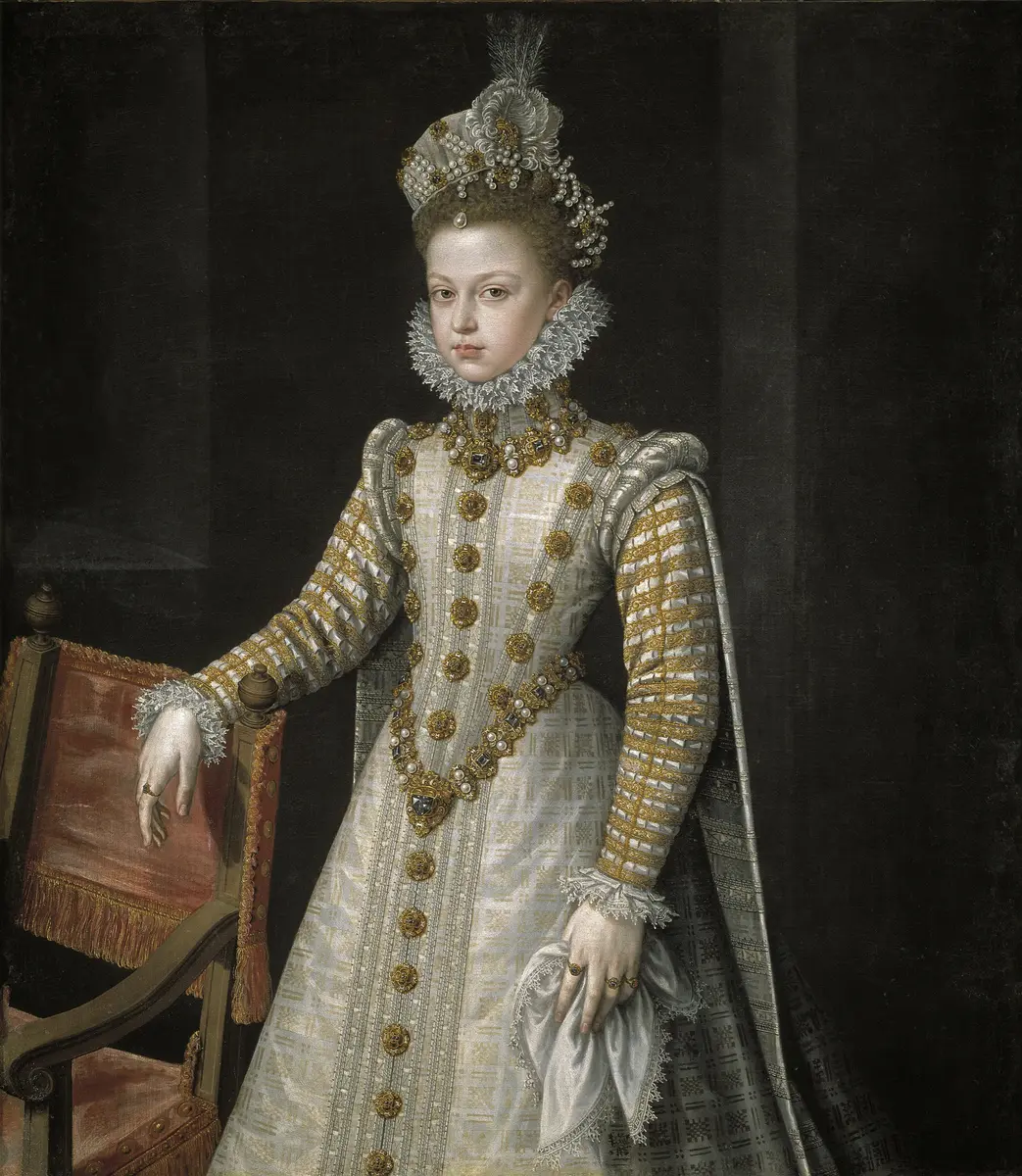
In Madrid, Alonso Sánchez Coello paints the Infanta Isabel Clara Eugenia in a stiff white and gold dress with a ruff collar, one of a set of royal portraits for the Empress Maria.
Madrid: the Spanish court, which set Europe's fashion from the 1540s; Alcega's tailoring book was printed here in 1580 - 1579
Two royal tailors, Hernán Gutiérrez and Juan López de Burgueta, examine Juan de Alcega's book of cutting patterns and judge it 'useful and beneficial for the entire republic'.
Madrid: the Spanish court, which set Europe's fashion from the 1540s; Alcega's tailoring book was printed here in 1580The king grants Alcega his licence to print.
Madrid: the Spanish court, which set Europe's fashion from the 1540s; Alcega's tailoring book was printed here in 1580- 1580
Alcega's Libro de geometría, práctica y traça is printed in Madrid, the first book on tailoring published in Spain.
Madrid: the Spanish court, which set Europe's fashion from the 1540s; Alcega's tailoring book was printed here in 1580 - 1587
In Paris the publisher Jean Le Clerc signs the dedication to the queen of Vinciolo's book of patterns for lace and cutwork.
Paris: Vinciolo's lace pattern book was published here in 1587- 1590
Cesare Vecellio publishes his book of the dress of ancient and modern peoples in Venice, with woodcuts of Venetian brides, widows and noblewomen.
Venice: silk weaving and trade with the East; Vecellio published his costume book here in 1590 - 1592
Sir Henry Lee entertains Elizabeth I at Ditchley in Oxfordshire; Gheeraerts's portrait made for him shows her in a white jewelled gown over a wide farthingale.